
Winter Wellness: Is Warm Oatmeal a Good Breakfast for Dogs?
As the cold morning air bites, the thought of a warm, hearty breakfast is appealing—not just for us, but seemingly for our canine companions as well. The image of sharing a comforting bowl of oatmeal with your dog on a frosty morning is tempting. But before you scoop a portion into their bowl, it’s critical to pause and analyze. Is this human comfort food genuinely beneficial for your dog, or are you inadvertently introducing risks into their diet? As the Canine Nutrition Hacker, I don’t deal in sentiment; I deal in science and safety. The answer isn’t a simple yes or no. It’s a complex equation of preparation, ingredients, and portion control. In this guide, we will dissect the nutritional profile of oatmeal, expose the dangerous minefield of commercial oatmeal products, and provide you with a precise, safe protocol for preparing this winter treat. This isn’t about sharing your breakfast; it’s about understanding how to properly supplement your dog’s diet for optimal wellness.
SAFETY DISCLAIMER: The information provided here is for educational purposes only and is not a substitute for professional veterinary advice. Always consult with your veterinarian before introducing any new food into your dog’s diet, especially if your dog has underlying health conditions such as diabetes, allergies, or weight management issues. This recipe is intended as a treat or supplement, not a complete meal replacement.
Deconstructing Oatmeal: The Canine Nutritional Blueprint
Deconstructing Oatmeal: The Canine Nutritional Blueprint
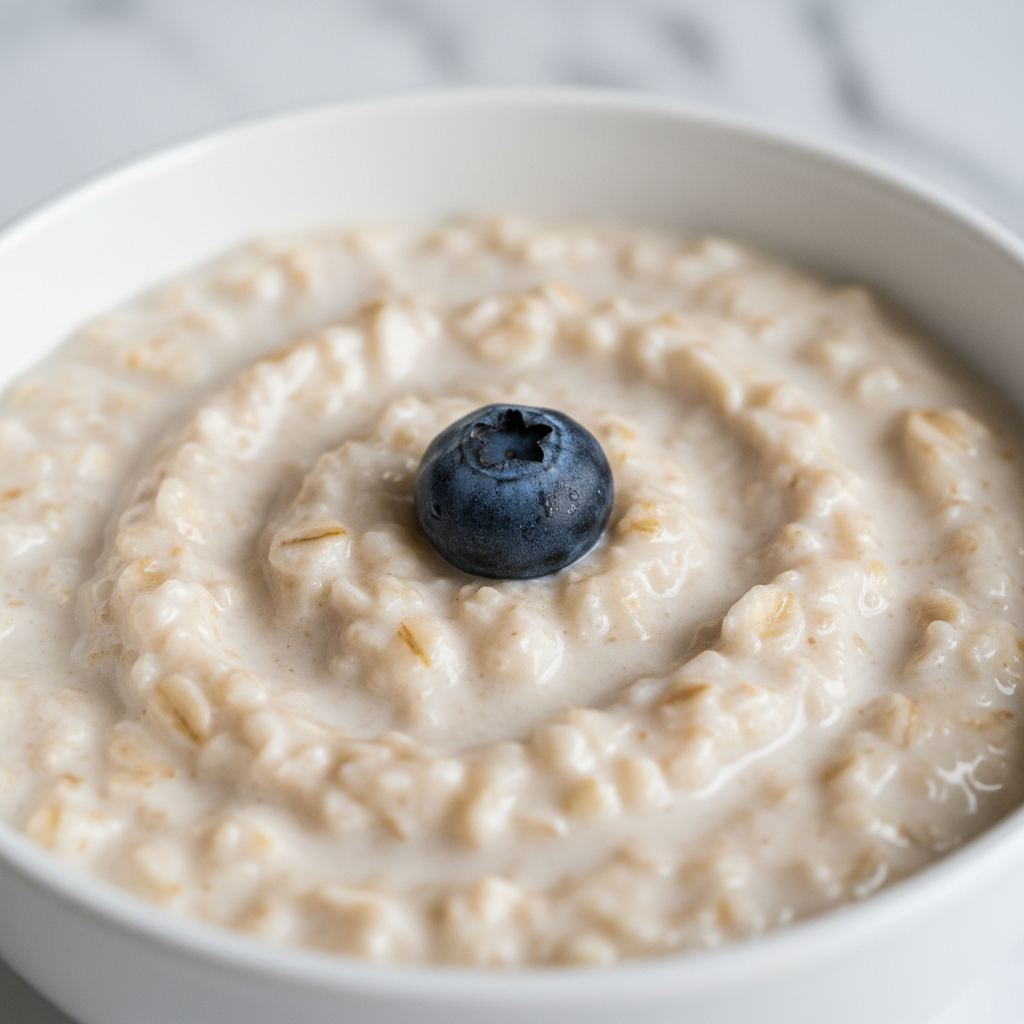
To determine if oatmeal is a worthy addition to your dog’s bowl, we must first analyze it like any other ingredient: with scrutiny. Not all oats are created equal, and their nutritional value can be a double-edged sword for a dog’s digestive system. We’re exclusively discussing plain, cooked, rolled or steel-cut oats—not the instant, flavored packets lurking in your pantry.
The Nutritional Benefits
When prepared correctly, oatmeal offers several tangible benefits. It’s a source of complex carbohydrates, providing a slow release of energy, which can be beneficial on a cold day. But the real value lies in its specific components:
- Soluble Fiber: Oatmeal is rich in beta-glucan, a type of soluble fiber. This is excellent for digestive health, helping to regulate bowel movements and control glucose levels. For dogs prone to irregular stools, a small amount of oatmeal can be a useful tool.
- Linoleic Acid: This is a type of omega-6 fatty acid that is essential for dogs. It plays a crucial role in maintaining a healthy skin barrier and a glossy coat. If your dog suffers from dry, flaky skin, particularly in the dry winter months, the fatty acids in oatmeal can offer support.
- Minerals and Vitamins: Oats contain a solid profile of micronutrients, including manganese, phosphorus, magnesium, and zinc. These are all vital for various bodily functions, from bone health to cellular repair.
The Potential Downsides
Despite the benefits, there are critical factors to consider. A dog’s digestive system is primarily geared for a protein-rich diet, and loading it with carbohydrates can be problematic.
- High in Carbohydrates: While complex carbs are better than simple sugars, a diet too high in carbohydrates can lead to weight gain and obesity, a significant health crisis in domestic dogs. Oatmeal must be a small part of a balanced diet, not a primary component.
- Glycemic Index: Oatmeal has a moderate glycemic index. For healthy, active dogs, this is rarely an issue. However, for dogs that are diabetic, pre-diabetic, or overweight, it can cause an undesirable spike in blood sugar. This is why veterinary consultation is non-negotiable for dogs with metabolic conditions.
- Phytic Acid: Oats, like many grains, contain phytic acid, an anti-nutrient that can bind to minerals like iron and zinc and inhibit their absorption. While the amount in a small, occasional serving is unlikely to cause a deficiency in a well-nourished dog, it’s a key reason why oatmeal should never become a daily staple.
The verdict is clear: plain oatmeal has nutritional merit but must be handled with precision. It is a supplemental ingredient, not a core food source.
The Oatmeal Minefield: Ingredients and Preparations to Absolutely Avoid
The Oatmeal Minefield: Ingredients and Preparations to Absolutely Avoid
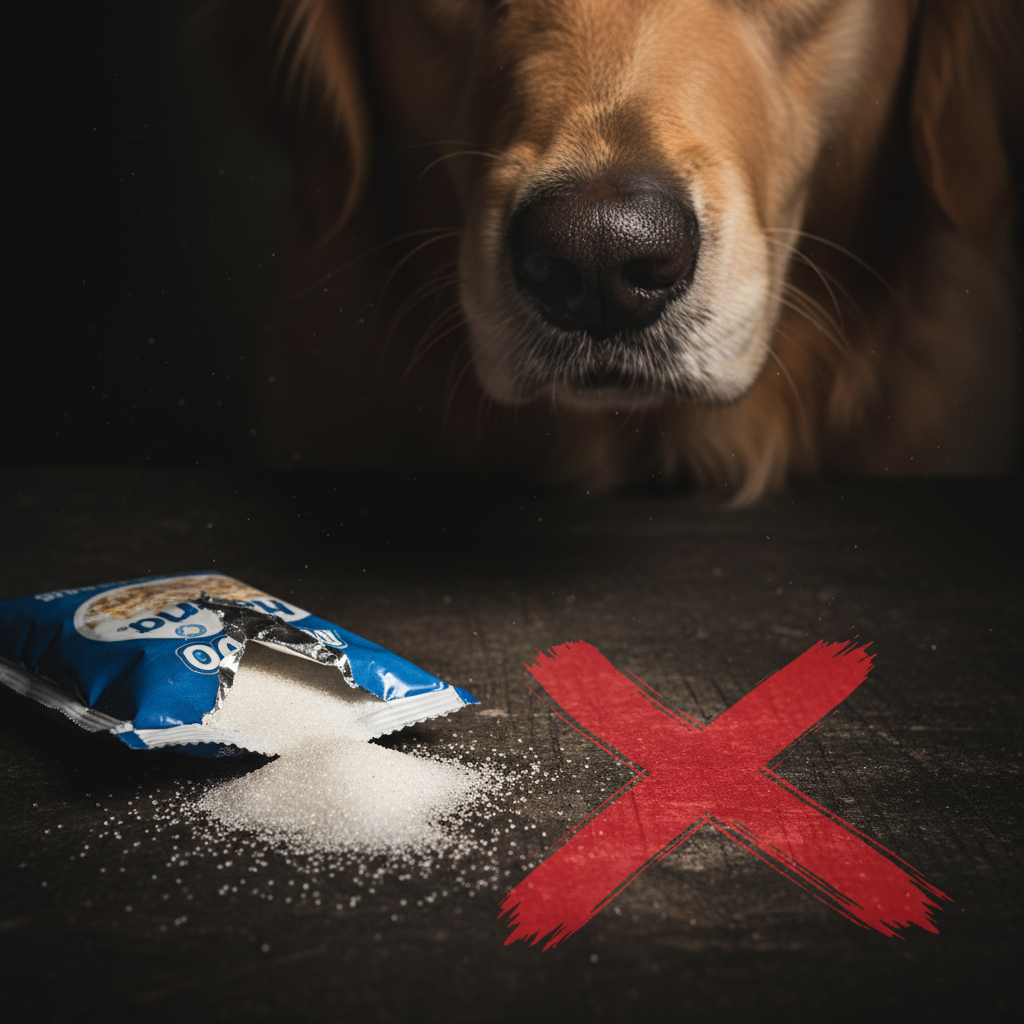
This is where most pet owners make critical mistakes. The oatmeal you eat is likely a minefield of ingredients that are harmful, or even lethal, to your dog. Understanding what to avoid is more important than knowing what to include.
Why Instant Oatmeal Packets are a Hard ‘No’
Those convenient single-serving packets of instant oatmeal are a dog owner’s worst enemy. A forensic look at the label reveals a cocktail of disastrous ingredients for a canine.
- High Sugar Content: From brown sugar to high-fructose corn syrup, these packets are loaded with sweeteners that contribute to obesity, dental decay, and metabolic stress in dogs.
- Artificial Flavors and Preservatives: A dog’s system is not equipped to handle synthetic chemicals. These can cause gastrointestinal upset, allergic reactions, and long-term health issues.
- Sodium: The sodium levels are often far too high for a dog, potentially straining their kidneys and cardiovascular system.
Insider Secret: Don’t be fooled by ‘healthy’ marketing terms like ‘Maple & Brown Sugar’ or ‘Apples & Cinnamon.’ These almost always contain high levels of sugar and artificial flavorings. If it’s not plain oats, it’s not safe.
The Forbidden Toppings List
Even if you start with plain oats, adding the wrong toppings can turn a healthy treat into a toxic meal. The following must be avoided at all costs:
- Xylitol: This artificial sweetener is extremely toxic to dogs. It is often found in ‘sugar-free’ products, including some peanut butters and syrups. Xylitol causes a rapid release of insulin, leading to hypoglycemia (low blood sugar), seizures, liver failure, and death. READ EVERY LABEL.
- Grapes and Raisins: These are highly toxic to dogs and can cause acute kidney failure. Never add them to your dog’s oatmeal.
- Chocolate: Contains theobromine, which is toxic to dogs and can cause severe symptoms affecting the heart and nervous system.
- Excessive Dairy: While a small dollop of plain yogurt can be okay, avoid adding milk, cream, or butter. Many dogs are lactose intolerant, which can lead to severe digestive upset, gas, and diarrhea.
- Nuts: Many nuts, especially macadamia nuts, are toxic. Others, like almonds and walnuts, pose a choking hazard and are high in fat, which can trigger pancreatitis.
Your dog’s safety depends on your vigilance. The only safe oatmeal is plain oatmeal you prepare yourself, with full control over every single ingredient.
The Safe Chef’s Guide: A Vet-Approved Oatmeal Topper Recipe
The Safe Chef’s Guide: A Vet-Approved Oatmeal Topper Recipe
Now that you understand the risks, let’s build the right protocol. This recipe is designed as a food topper or a small, occasional treat. It is nutritionally sparse on its own and should never replace a meal from a balanced commercial or veterinarian-formulated diet. The key is simplicity and portion control.
The Core Recipe
This recipe is based on a 50lb dog. Adjust portions accordingly—less for smaller dogs, slightly more for giant breeds, but it should never exceed about 10% of their total daily caloric intake.
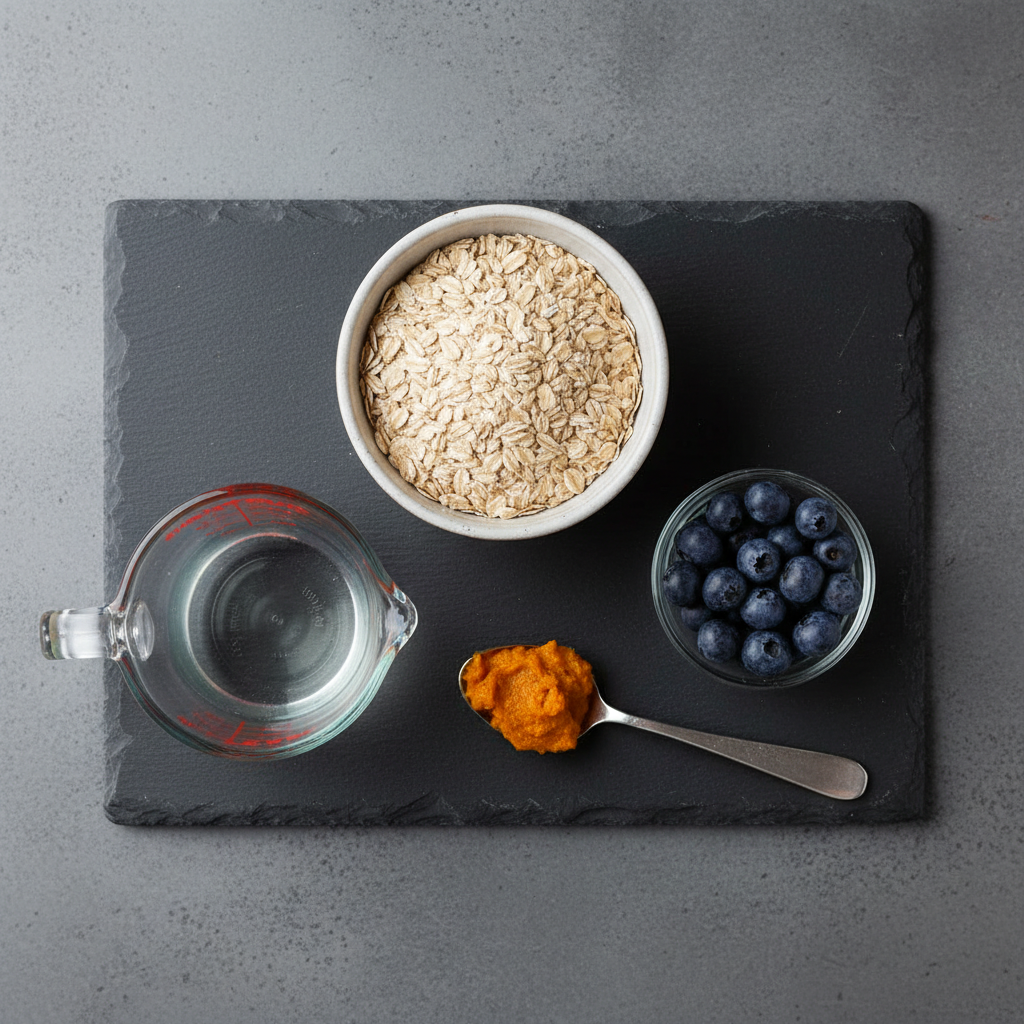
- Choose Your Oats: Use either rolled oats or steel-cut oats. Avoid instant oats.
- Measure a Small Portion: Start with 1/4 cup of dry oats.
- Cook with Water: Cook the oats with approximately 1 cup of plain water. Do not use milk. Cook until the oats are soft and the water is fully absorbed. Do not add salt, sugar, or any other flavorings during the cooking process.
- Cool Completely: This is a critical step. Serving food that is too hot can burn your dog’s mouth and esophagus. The oatmeal should be lukewarm or at room temperature before serving.
Safe & Beneficial Toppings (Choose ONE per serving)
Toppings can add nutritional value, but they also add calories. Be mindful and keep additions minimal.
- 1 Tablespoon of 100% Pure Pumpkin Purée: Excellent for digestive health (ensure it’s not pumpkin pie filling).
- A Small Handful of Blueberries: A great source of antioxidants.
- 1 Teaspoon of Plain, Unsweetened Yogurt: Contains probiotics for gut health. Ensure your dog is not lactose intolerant.
- A Small Dollop of Unsweetened Applesauce: Provides extra fiber.
- 1 Teaspoon of Ground Flaxseed: A good source of omega-3 fatty acids.
Serve this small portion on its own as a treat or mix it into your dog’s regular food to add some warmth and texture. Observe your dog for any signs of digestive upset after introducing it for the first time.
The Hacker’s Ledger: Cost Analysis & Batch Cooking Secrets

The Hacker’s Ledger: Cost Analysis & Batch Cooking Secrets
One of the core tenets of being a Canine Nutrition Hacker is maximizing nutritional value while controlling costs. Fancy commercial food toppers can be expensive. Let’s break down the real cost of a homemade oatmeal topper versus a premium store-bought alternative.
Cost Breakdown: DIY vs. Commercial
This analysis compares a single serving for a 50lb dog.
| Item | Typical Cost per Serving | Key Ingredients | Verdict |
|---|---|---|---|
| DIY Oatmeal Topper | ~$0.25 | Rolled Oats, Water, 1 Tbsp Pumpkin Purée | Extremely cost-effective. Provides simple fiber and micronutrients with full ingredient control. |
| Premium ‘Gravy’ Topper | ~$1.00 – $1.50 | Broth, Meat Chunks, Vegetable Gums, Starches | Convenient but significantly more expensive. May contain unnecessary thickeners and sodium. |
| Freeze-Dried Raw Topper | ~$1.75 – $2.50 | Freeze-Dried Meat, Organs, Ground Bone | Nutritionally dense (high protein), but the highest cost. A different nutritional purpose than oatmeal. |
As the table shows, for the specific purpose of adding warmth, fiber, and a comforting texture, homemade oatmeal is overwhelmingly the most economical choice. You can provide a week’s worth of toppers for the price of a single serving of a commercial product.
Batch Cooking for Efficiency
No one has time to cook a fresh batch of oatmeal every morning. Here’s how to do it efficiently:
- Cook a Weekly Batch: On Sunday, cook a larger batch of plain oatmeal (e.g., 1-2 cups of dry oats with the corresponding amount of water).
- Portion and Store: Once cooled, portion the oatmeal into individual servings in airtight containers or an ice cube tray for smaller dogs.
- Refrigerate or Freeze: The portions will last in the refrigerator for up to 4-5 days. For longer storage, freeze them. The frozen pucks can be thawed in the refrigerator overnight or gently warmed in the microwave (ensure there are no hot spots).
This method saves time and ensures you have a safe, ready-to-serve treat for your dog throughout the week, eliminating the temptation to reach for unsafe alternatives.
Beyond Breakfast: When Oatmeal Can Be a Strategic Tool

Beyond Breakfast: When Oatmeal Can Be a Strategic Tool
While we’ve focused on oatmeal as a winter wellness treat, its properties can be leveraged strategically for specific, short-term health situations—always under the guidance of a veterinarian.
Oatmeal in a Bland Diet Protocol
When a dog experiences mild gastrointestinal upset (vomiting or diarrhea), a veterinarian will often recommend a temporary bland diet. This typically consists of boiled chicken or lean ground beef and white rice. However, in some cases, a small amount of well-cooked, plain oatmeal can be substituted for the rice. Its soluble fiber can help firm up loose stools and soothe the digestive tract. This is not a home remedy to try without veterinary consultation. A vet needs to rule out more serious causes of the upset first.
Topical Applications for Skin Health
The benefits of oatmeal extend beyond nutrition. Colloidal oatmeal (oats that have been ground into an extremely fine powder) has well-documented anti-inflammatory properties. An oatmeal bath can provide significant relief for dogs with dry, itchy, or irritated skin due to allergies or insect bites.
- How it Works: The starches and beta-glucans in the oats create a protective barrier on the skin, locking in moisture while the phenols provide an anti-inflammatory effect.
- Application: You can buy pre-made colloidal oatmeal shampoos or create a rinse by steeping ground oats in warm water. Always rinse your dog thoroughly to avoid leaving any residue.
This demonstrates that the humble oat, when understood and used correctly, is a versatile tool in a savvy pet owner’s arsenal for both internal and external wellness.
Conclusion
So, is warm oatmeal a good breakfast for your dog? The final verdict is a conditional ‘yes.’ It can be a safe, comforting, and beneficial addition to their diet when—and only when—it is prepared with the rigorous standards of a Canine Nutrition Hacker. This means using plain, cooked oats, serving in strict moderation, and avoiding the vast minefield of toxic sweeteners, flavorings, and toppings found in human-centric products. Oatmeal should never be a meal, but rather a strategic tool: a cost-effective food topper, a component of a temporary bland diet, or a soothing skin treatment. By arming yourself with this knowledge, you move beyond generic advice and empower yourself to make precise, safe, and beneficial decisions for your dog’s health, turning a simple grain into a powerful asset for their winter wellness.