Blended Diet Guide: Nutritious Slurry Recipes for Feeding Tubes
When your dog requires a feeding tube, the world of nutrition suddenly becomes complex and intimidating. You’re handed a diagnosis, a piece of medical equipment, and a flood of information that can feel overwhelming. As The Canine Nutrition Hacker, I’m here to cut through the noise. Commercial therapeutic liquid diets have their place, but they can be expensive and may not suit every dog, especially those with specific allergies or sensitivities. A carefully prepared blended diet, or slurry, can be a powerful tool in your dog’s recovery, giving you direct control over every single ingredient.
CRITICAL MEDICAL DISCLAIMER: This guide provides information and foundational recipes based on established veterinary nutritional principles. However, you are not a veterinarian, and neither am I. Every dog is a unique medical case. You MUST consult with your primary veterinarian or a board-certified veterinary nutritionist before starting or changing any diet for your tube-fed dog. They will determine the precise caloric, protein, and hydration needs for your dog’s specific condition. Do not proceed without their explicit approval and guidance.
The Bedrock Principles: Safety and Science Before You Blend
The Non-Negotiable Rules of Tube Feeding
Before you even think about plugging in the blender, you must understand the core principles that govern safe tube feeding. This isn’t just about making a canine smoothie; it’s about providing life-sustaining medical nutrition. Failure to adhere to these rules can lead to tube clogs, digestive upset, or nutritional deficiencies—complications your dog cannot afford.
The Golden Rule: Your Vet is Your Co-Pilot
I cannot stress this enough: your veterinarian is the ultimate authority. They have diagnosed your dog’s condition and understand their specific metabolic needs. They must approve the recipe, the total volume to be fed, and the frequency of feedings. They will calculate your dog’s Resting Energy Requirement (RER) and adjust it for their medical status to give you a precise daily calorie target. This guide is your map, but your vet is the one who tells you the destination.
Consistency is King
The single biggest mechanical challenge with blended diets is tube occlusion, or clogging. The slurry must be perfectly smooth, with a consistency slightly thinner than a milkshake. Any chunk, seed, or fibrous particle is a potential clog waiting to happen. This is why ingredient selection and the power of your blender are paramount. The type of tube also matters; smaller bore tubes (like nasogastric tubes) require a much thinner liquid than larger bore esophagostomy (E-tubes) or gastrostomy (G-tubes) tubes.
Hydration and Caloric Density
A common mistake is forgetting that water is a critical nutrient. Your slurry recipe will include a significant amount of water or unsalted broth, which serves two purposes: achieving the right consistency and contributing to your dog’s daily hydration needs. Your vet will provide a total daily water goal, and you must track the water in the food plus any additional water flushes to ensure you meet it. Simultaneously, the diet must be calorically dense enough to provide adequate energy in a manageable volume.
Ingredient Forensics: Building a Clog-Free, Nutrient-Dense Slurry
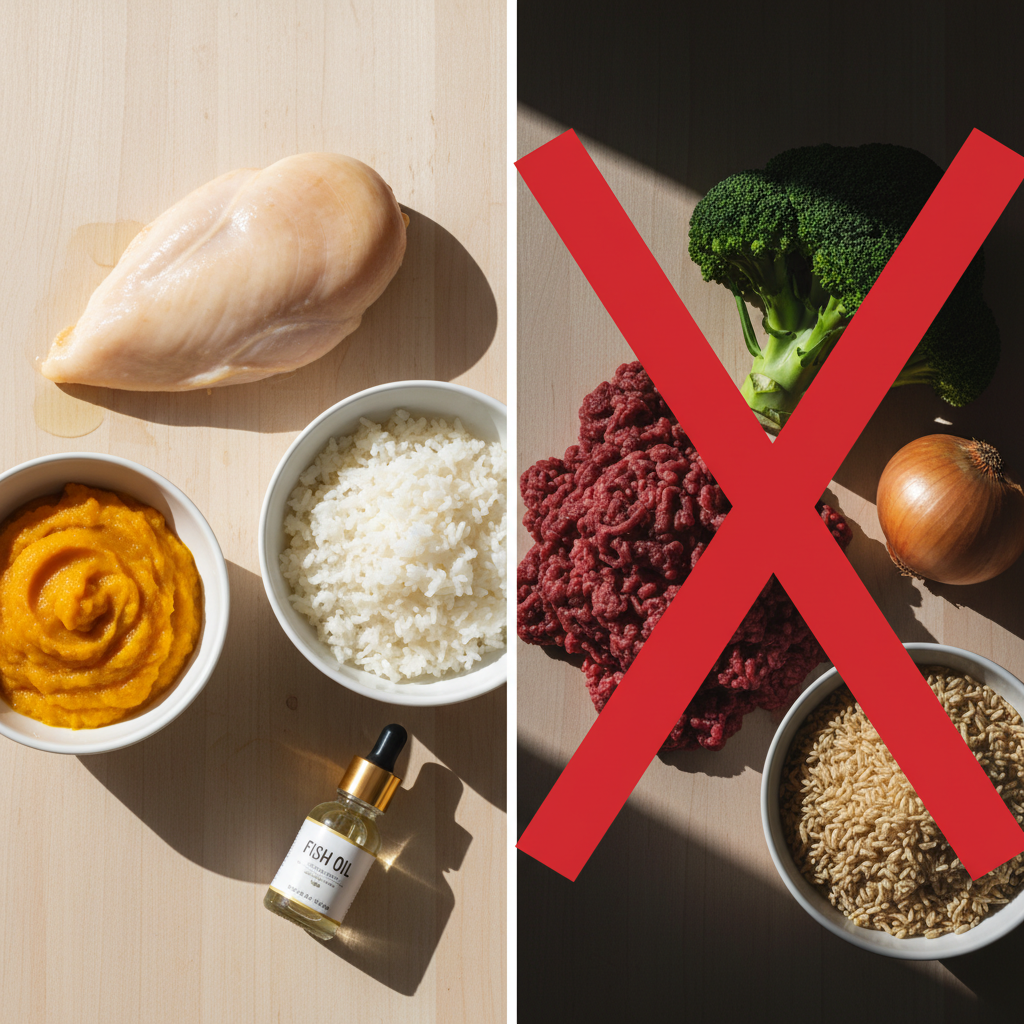
Creating a successful slurry is a game of inclusion and exclusion. You must become a forensic analyst of ingredients, choosing only those that are highly digestible, easy to pulverize, and nutritionally appropriate. One wrong choice can sabotage the entire system.
Hero Ingredients: Your Blending Allies
These are the foundational components of a safe and effective slurry. They are chosen for their digestibility, nutrient profile, and ability to be blended into a smooth liquid.
- Lean Proteins: The cornerstone of the diet. Always use cooked, unseasoned, boneless, and skinless sources. Excellent choices include boiled chicken breast, baked cod or tilapia, 99% lean ground turkey, or well-cooked scrambled eggs. These provide essential amino acids without excessive fat.
- Digestible Carbohydrates: These provide readily available energy. The best options are those low in insoluble fiber. Cooked white rice is superior to brown rice here, as it blends more smoothly. Canned pumpkin puree (ensure it is 100% pure pumpkin, not pie filling) is excellent for digestive health. Boiled and peeled sweet potatoes are another great option.
- Essential Fats: A small amount of healthy fat is necessary for cellular function and absorbing fat-soluble vitamins. Fish oil (for omega-3s) or flaxseed oil are good choices, but the dose is critical. Your vet must provide the exact amount, as too much fat can cause pancreatitis.
- Blending Liquids: The base of your slurry. Filtered water is the purest option. For added flavor and minerals, you can use unsalted, homemade bone broth (ensure it has been strained of all solids and the fat cap is removed).
- Veterinarian-Prescribed Supplements: A homemade diet is not nutritionally complete on its own. Your vet will prescribe a specific vitamin/mineral supplement (like Balance IT or a similar product) to be added to ensure the diet meets all of your dog’s micronutrient needs. Do not skip this.
Enemy Ingredients: The Tube Cloggers and Gut Irritators
These ingredients must be strictly avoided. They pose a risk of clogging the tube, causing severe gas and bloating, or are simply toxic.
- Raw Meats: An absolute non-starter. A dog with a medical condition often has a compromised immune system. The risk of bacterial contamination from salmonella or E. coli is far too high.
- High-Fiber/Cruciferous Vegetables: Broccoli, cauliflower, kale, and beans are difficult to blend completely and can produce significant gas, causing discomfort and bloating.
- Grains with Hulls, Seeds, or Nuts: Brown rice, quinoa, chia seeds, and nuts will not pulverize into a smooth liquid and are guaranteed to cause a clog.
- Fatty Meats & Skin: Chicken skin, dark meat poultry, or fatty cuts of beef can be difficult to digest and the fat can separate in the blender, leading to an inconsistent slurry and potential pancreatitis.
- Onions, Garlic, Seasonings: These are toxic to dogs and must never be included. The diet must be completely bland.
The Blueprint: An Actionable, Vet-Approved Base Recipe
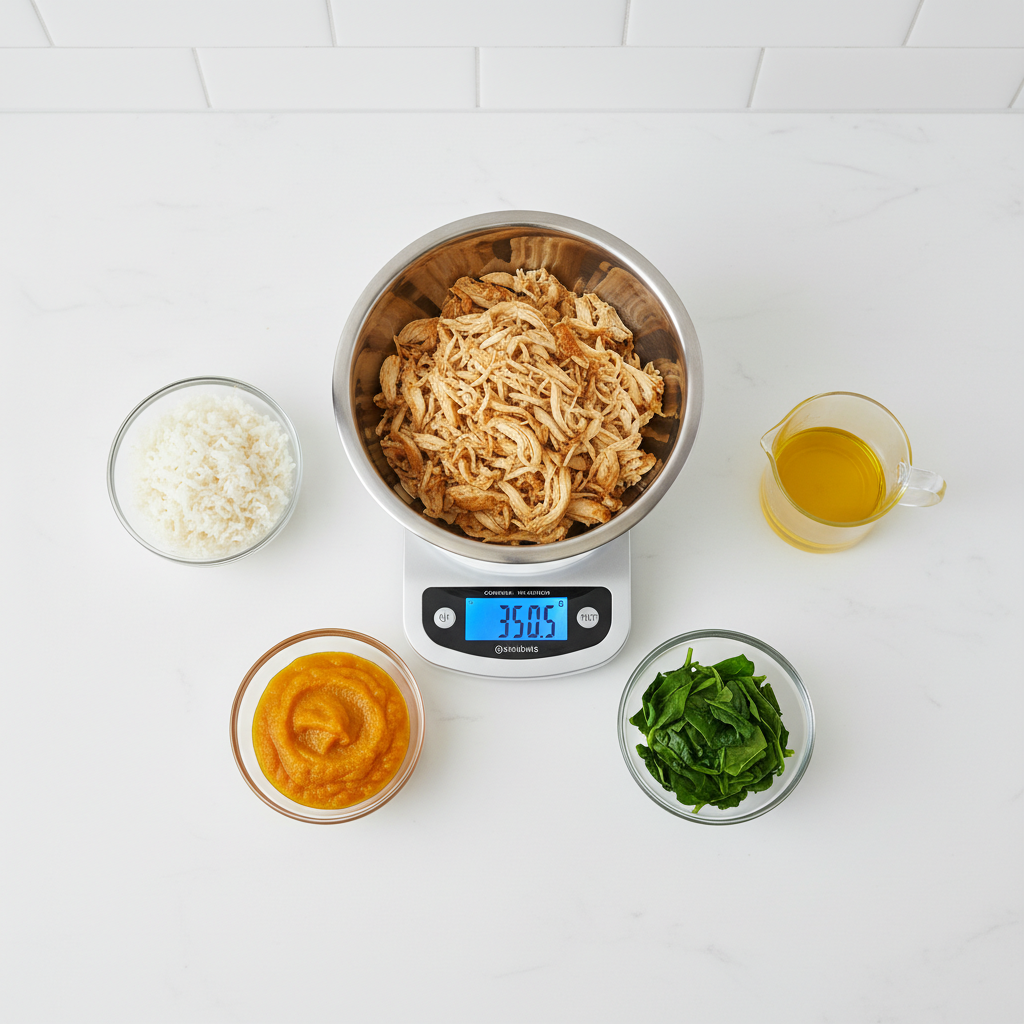
This section provides a foundational recipe. It is a blueprint, not a prescription. The exact amounts of each ingredient must be adjusted by you and your veterinarian to meet your dog’s specific daily caloric target. This recipe is designed for ease of blending and digestibility.
Hacker Tip: Invest in a digital kitchen scale. Precision is not optional here. Measuring ingredients by weight (grams) is far more accurate than using cups or spoons and ensures consistent caloric content in every batch.
Base Chicken & Rice Slurry Recipe (Approx. 450 kcal)
Again, obtain veterinary approval before using this or any recipe. This base can be scaled up or down as needed.
- Ingredients:
- 150g (approx. 5.3 oz) cooked, boneless, skinless chicken breast
- 100g (approx. 1/2 cup, packed) cooked white rice
- 60g (approx. 1/4 cup) 100% pure pumpkin puree
- 250ml (approx. 1 cup) warm water or unsalted bone broth
- Veterinarian-prescribed dose of fish oil
- Veterinarian-prescribed vitamin/mineral supplement
- Instructions:
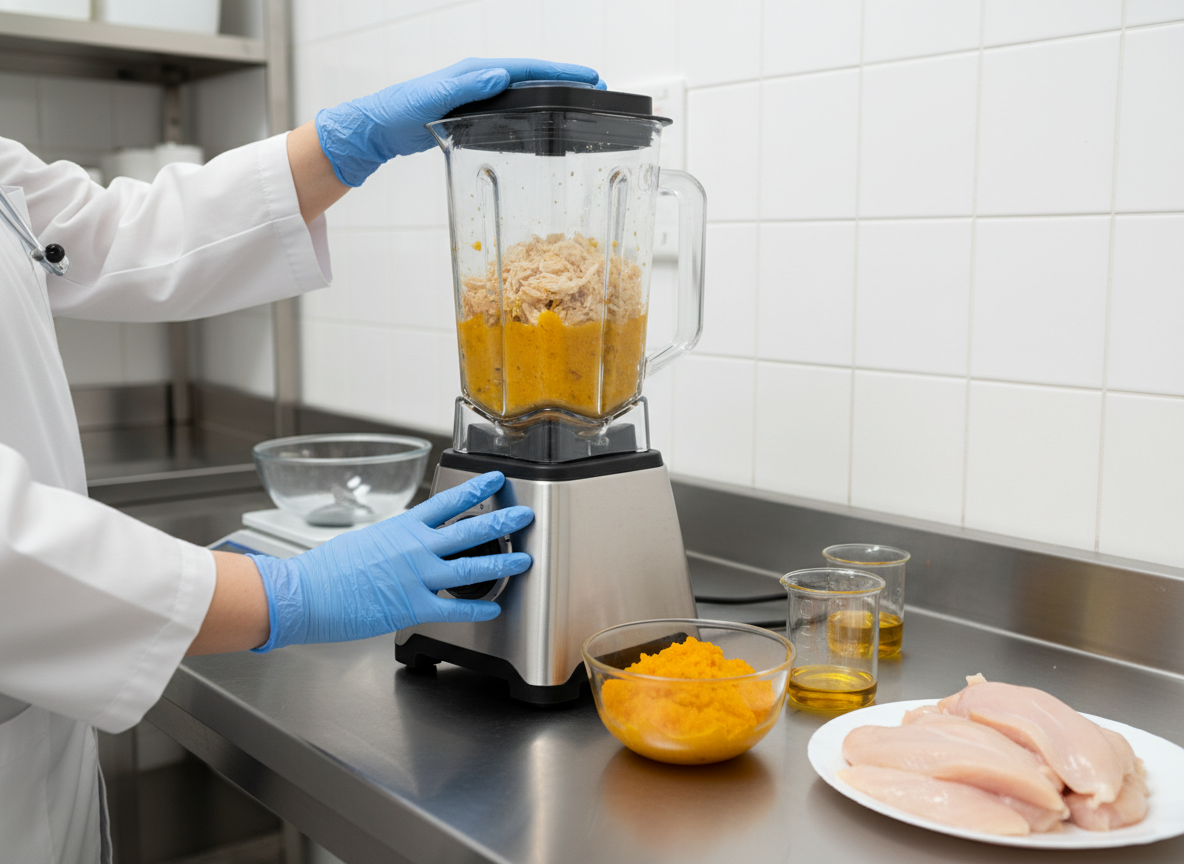
- Combine the cooked chicken, cooked rice, pumpkin, and half of the water/broth in a high-powered blender.
- Blend on high for at least 2-3 minutes, or until the mixture is completely liquefied and no visible particles remain.
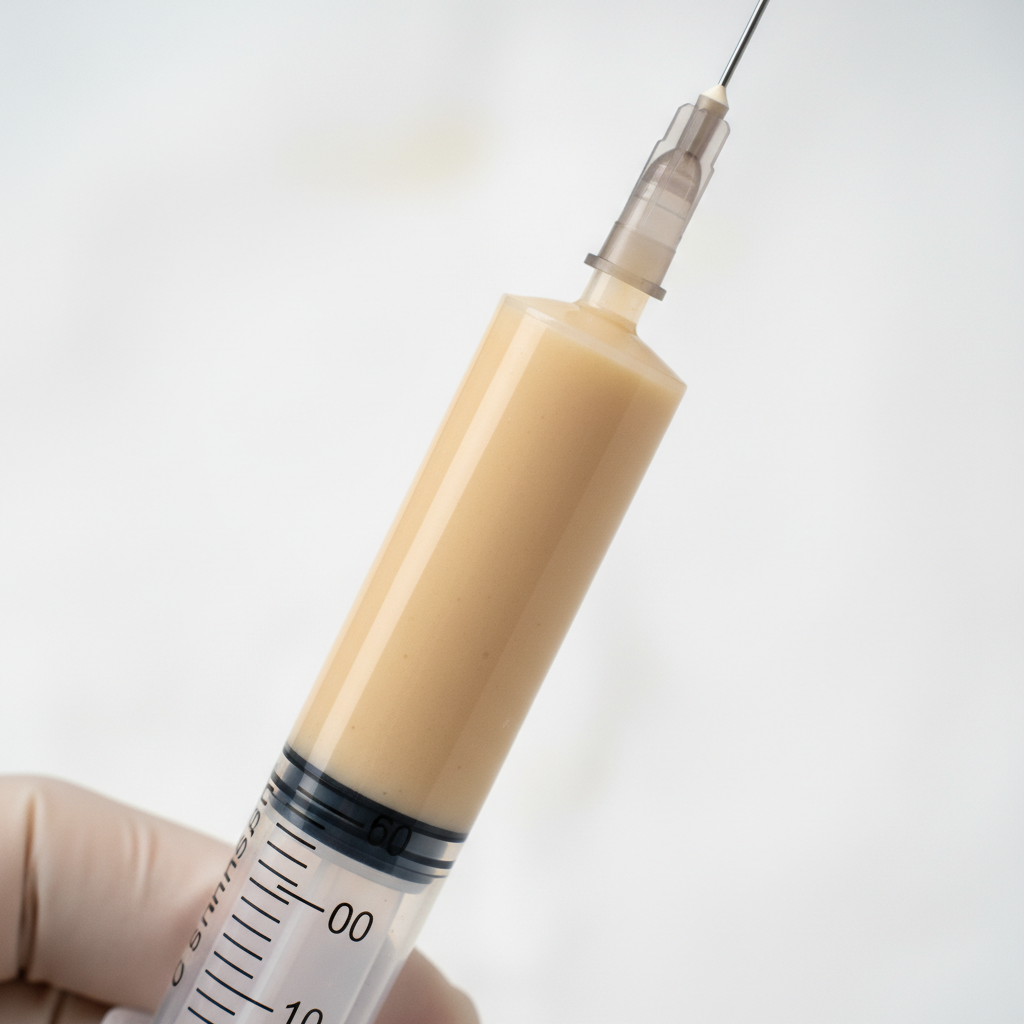
- Slowly add the remaining water/broth while blending until you reach a consistency similar to that of heavy cream. It must be thin enough to draw into a syringe easily.
- Add the prescribed fish oil and vitamin/mineral supplement and blend for another 30 seconds to incorporate fully.
- CRITICAL STEP: Pour the entire mixture through a fine-mesh sieve or strainer to catch any remaining small particles. Press the liquid through with the back of a spoon. Discard any solids left in the sieve. What passes through is your final, safe slurry.
Real Cost Breakdown: DIY vs. Commercial
Let’s run the numbers. A common therapeutic liquid diet can be costly, especially for long-term feeding. Here’s how a homemade batch compares.
| Item | DIY Cost (per 450 kcal) | Commercial Diet Cost (per 450 kcal) | The Verdict |
|---|---|---|---|
| Protein Source (Chicken) | ~$1.25 | ~$6.00 – $8.00 (per equivalent can/pouch) | DIY offers significant cost savings of over 70% per meal, allowing for higher quality ingredients for the same budget. The initial investment in a blender and supplements is quickly offset. |
| Carbohydrate (Rice/Pumpkin) | ~$0.30 | ||
| Supplements & Oil (Prorated) | ~$0.50 | ||
| Total Estimated Cost | ~$2.05 | ~$7.00 | Clear Financial Advantage for DIY |
Mastering the Protocol: From Blender to Bedside
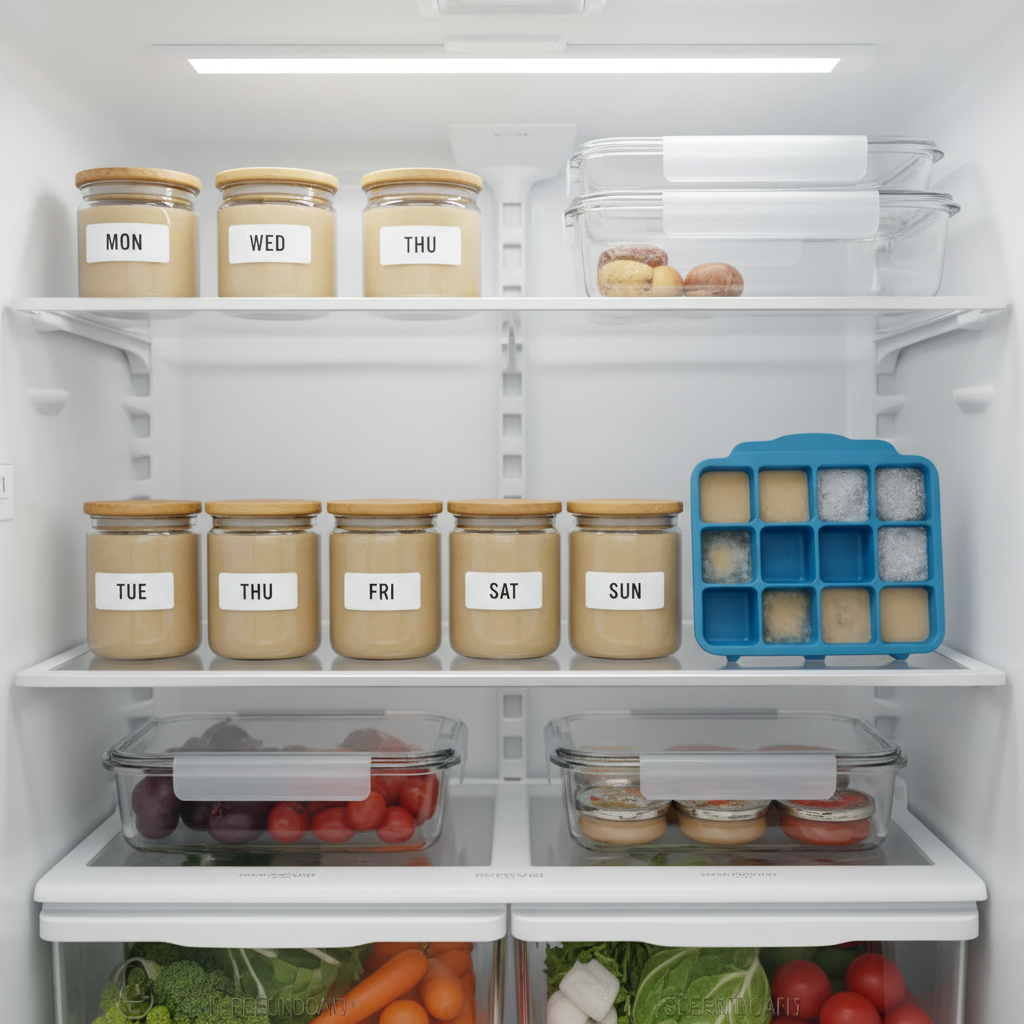
Proper preparation, storage, and feeding technique are just as important as the recipe itself. A perfect slurry is useless if it’s stored improperly or administered incorrectly. This is the final stage of ensuring your dog gets their nutrition safely and effectively.
Blending & Straining: Your Quality Control
Do not underestimate the need for a high-quality, high-powered blender. A standard kitchen blender may struggle to liquefy ingredients to the necessary degree, leaving behind micro-particles that will clog the tube. After blending, the straining step is your final quality control checkpoint. It is a mandatory, non-negotiable part of the process.
Batching and Storage: The Efficiency Hack
Making a fresh meal 3-4 times a day is unsustainable. Batching is the key to managing your time and ensuring consistency.
- Refrigeration: You can prepare up to 3 days’ worth of slurry at a time. Portion it out into individual, airtight containers for each meal. This prevents contamination from repeatedly opening a large container. Label each container with the date.
- Freezing: For longer-term storage, pour the slurry into silicone ice cube trays. Once frozen, transfer the cubes to a labeled freezer bag. This allows you to thaw the exact number of cubes needed for a meal, minimizing waste. A standard cube holds about 1 ounce (30ml).
Feeding Technique and Tube Care
Your veterinary team should have provided a hands-on demonstration of how to feed your dog and care for the tube. This is a brief review of the critical points.
- Warming the Food: Never feed cold slurry straight from the refrigerator. It can cause digestive upset. Place the container in a bowl of warm water for a few minutes to bring it to body temperature. Never microwave the slurry, as it can create dangerous hot spots.
- The Pre-Flush: Before every feeding, flush the tube with the amount of warm water prescribed by your vet (usually 5-15ml). This ensures the tube is patent (not clogged) and helps with hydration.
- Administering the Meal: Administer the food slowly over 10-15 minutes using a syringe. Pushing the food too fast can cause nausea and regurgitation.
- The Post-Flush: This is the most important step for preventing clogs. After the entire meal has been administered, flush the tube again with the same amount of warm water. This clears any remaining food from the tube, preventing bacteria from growing and the food from drying into a clog. Failure to flush the tube properly is the number one cause of occlusions.
Conclusion
Navigating the world of assisted feeding is a testament to your dedication as a pet owner. By taking control of your dog’s nutrition through a carefully prepared blended diet, you are playing an active, powerful role in their health and recovery. Remember the core principles: your veterinarian is your partner, safety and hygiene are paramount, and consistency is key. While the path may seem daunting, you are now equipped with the insider knowledge to analyze ingredients, prepare a safe and effective slurry, and manage the feeding protocol with confidence. You are not just feeding your dog; you are providing precision medical nutrition, and that is one of the most profound ways to show you care.