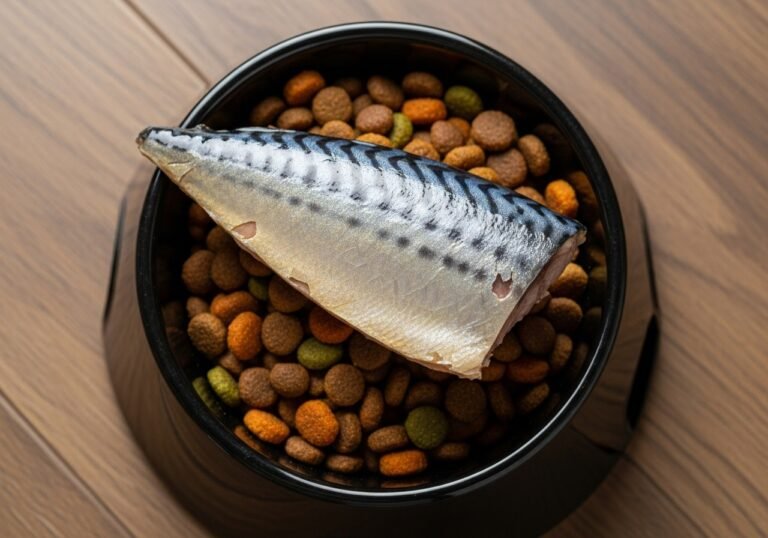

Barramundi for Dogs: Is This Australian Fish Safe to Eat?
The search for the perfect protein for our dogs can feel like a high-stakes investigation. You’ve navigated the confusing aisles, deciphered cryptic ingredient lists, and likely dealt with the frustrating aftermath of a food that just didn’t agree with your canine companion. Common proteins like chicken and beef are so ubiquitous they’ve become primary triggers for sensitivities and allergies in a growing number of dogs. This forces savvy owners like us to look beyond the obvious, to hunt for ‘novel proteins’ that can nourish without instigating an immune system meltdown.
Enter Barramundi. This Australian fish, also known as Asian Sea Bass, is making waves in the world of premium canine nutrition, and for good reason. But as a Canine Nutrition Hacker, I don’t take marketing claims at face value. We need to look at the evidence, analyze the data, and determine if this fish is a genuine nutritional powerhouse or just another passing fad. This is not another generic pet blog post. This is a forensic deep-dive into the safety, nutritional profile, and practical application of barramundi in your dog’s diet. We will dissect its benefits, confront the risks like heavy metals head-on, and give you the actionable intelligence you need to make an informed decision.
Medical Disclaimer: I am a canine nutrition analyst, not a veterinarian. The information in this article is for educational purposes only. Always consult with your veterinarian before making any significant changes to your dog’s diet, especially if they have pre-existing health conditions.
Decoding the Protein Problem: When ‘Good’ Food Goes Wrong

Before we can appreciate a solution, we must first understand the problem. The core issue for many dogs isn’t that chicken or beef are ‘bad’ proteins; it’s a matter of overexposure. For decades, the vast majority of commercial dog foods have relied on a very limited number of protein sources. When a dog’s immune system is exposed to the same protein day after day, year after year, it can begin to misidentify it as a threat. This triggers an inflammatory response that can manifest in numerous ways: chronic ear infections, itchy paws, hot spots, gastrointestinal upset, and overall poor condition.
The Usual Suspects: Identifying Enemy Ingredients
When I analyze a dog’s diet, the first things I flag are the most common offenders. These aren’t just proteins; they’re also the cheap fillers used to bulk up foods and cut costs:
- Chicken & Beef: The two most common protein sources in dog food and, consequently, the two most common protein allergens.
- Dairy & Egg: While nutritious for some, they are frequent triggers for digestive issues in others.
- Soy: Often used as a cheap plant-based protein, soy is a known allergen and can cause significant gas and bloating.
- Corn & Wheat Gluten: These are low-cost fillers that offer minimal nutritional value and are common culprits for skin and digestive problems. They are used to artificially inflate the ‘protein percentage’ on the label without providing the high-quality animal-based amino acids your dog truly needs.
Hacker Tip: One of the most effective strategies to prevent the development of food sensitivities is to practice protein rotation. Instead of feeding the same food for years, consider switching between formulas with different novel protein bases (like duck, rabbit, lamb, or fish) every 3-6 months. This keeps the immune system from being overexposed to any single protein source.
The solution is to find a novel protein—a protein source your dog has likely never been exposed to before. This is where a unique ingredient like barramundi enters the picture. By introducing a new protein, you’re essentially hitting the reset button on your dog’s immune response, giving their system a chance to calm down and heal while still providing the essential building blocks for a healthy body.
Under the Microscope: A Forensic Analysis of Barramundi for Canines

Barramundi is more than just a new name on an ingredient list; it’s a nutritional powerhouse with a profile uniquely suited for canine health. To understand its value, we need to break it down to its core components and see how it compares to other common fish used in dog food.
The Nutritional Breakdown
- High-Quality, Digestible Protein: At its core, barramundi offers a clean, lean source of protein that is easily broken down and utilized by a dog’s digestive system. This is crucial for muscle development, tissue repair, and overall energy.
- The Omega-3 Goldmine: This is where barramundi truly shines. It boasts one of the highest omega-3 to omega-6 ratios available. These essential fatty acids, particularly EPA (eicosapentaenoic acid) and DHA (docosahexaenoic acid), are powerful anti-inflammatories. They are critical for supporting joint health, reducing skin inflammation, promoting a glossy coat, and supporting cognitive function, especially in puppies and senior dogs.
- Lean and Mean: Barramundi is a naturally low-fat fish. This makes it an excellent choice for dogs on a weight management plan or those prone to pancreatitis, a condition that can be triggered by high-fat meals.
- Vitamins and Minerals: It is a good source of essential micronutrients including Vitamin D, Vitamin A, potassium, and selenium, all of which play vital roles in bone health, immune function, and metabolic processes.
Let’s put this into perspective with a direct comparison against two other fish commonly found in dog food.
| Nutritional Factor | Barramundi | Salmon | Tuna (Light, Canned) |
|---|---|---|---|
| Protein Quality | Excellent, highly digestible | Excellent, highly digestible | Good, but can be high in sodium |
| Omega-3 Content | Very High | Highest | Moderate |
| Mercury Risk | Lowest | Low to Moderate (species dependent) | Moderate to High |
| Sustainability | Excellent (sustainably farmed) | Varies (wild is better, farmed can be problematic) | Poor (overfishing is a major concern) |
| Verdict | A superior, safe, and sustainable choice for a novel protein. | An excellent source of Omegas, but sourcing and mercury levels require scrutiny. | Best used as an occasional treat, not a dietary staple, due to mercury and sodium. |
As the data shows, while salmon is often touted as the king of fish for dogs, barramundi presents a compelling case as a safer and more sustainable alternative, delivering a potent dose of omega-3s with a significantly lower risk profile.
The Contaminant Question: Debunking the Mercury Myth
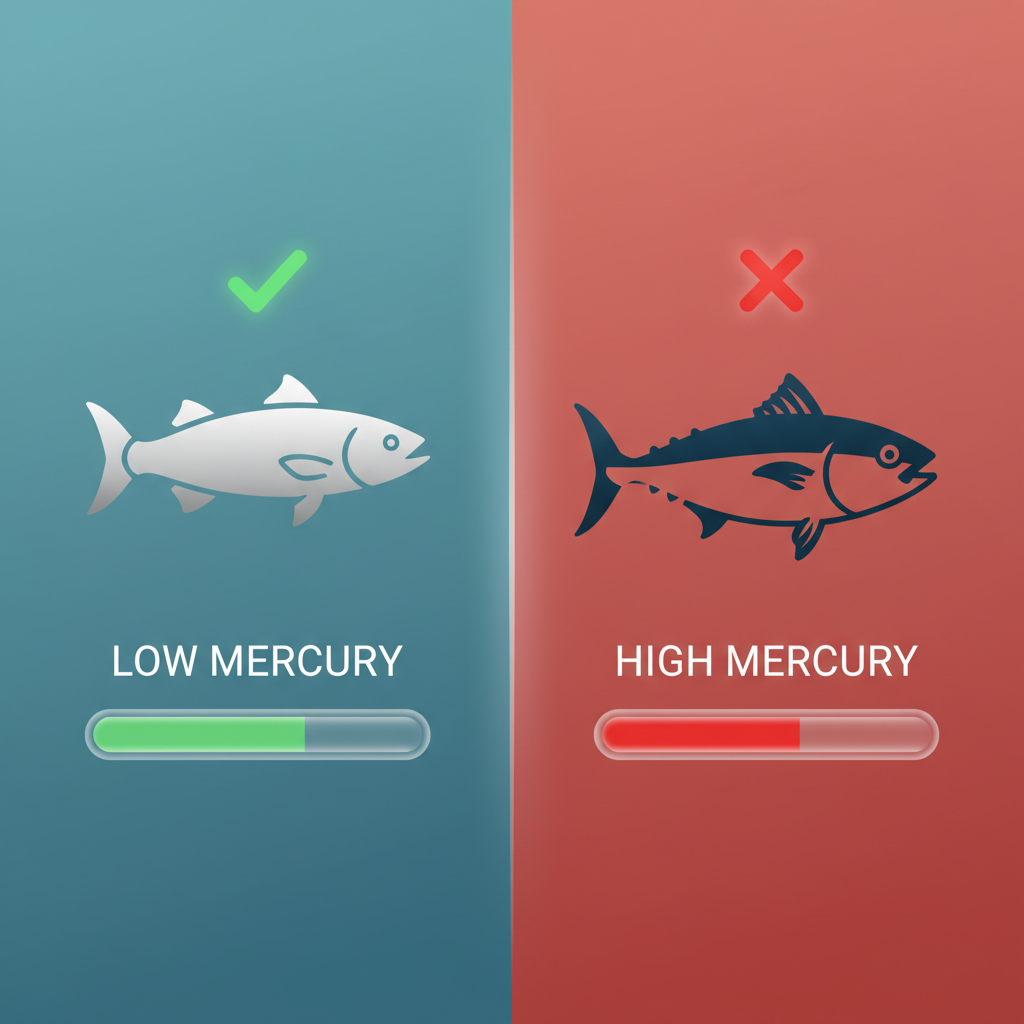
The moment you mention ‘fish for dogs,’ the first red flag for any informed owner is the risk of heavy metal contamination, specifically mercury. This is a valid and critical concern. Mercury is a neurotoxin that bioaccumulates in the food chain. Larger, predatory fish that live longer (like tuna, swordfish, and king mackerel) consume smaller fish, concentrating mercury in their tissues over time. Feeding these fish regularly to your dog can lead to mercury toxicity, a serious condition affecting the nervous system, kidneys, and digestive tract.
This is precisely where barramundi’s story becomes so compelling. The vast majority of barramundi available on the market is not wild-caught from polluted waters; it is sustainably farmed in highly controlled, closed-containment systems. This gives producers incredible control over the fish’s environment and diet.
Why Barramundi is a Low-Mercury Fish
- Controlled Diet: Farmed barramundi are fed a carefully formulated, pollutant-free pellet feed. They are not consuming other wild fish that may carry heavy metals.
- Shorter Lifespan: Barramundi are harvested when they are young, typically within one to two years. This is not enough time for significant levels of mercury to accumulate in their bodies, unlike a wild tuna that may live for many years.
- Clean Environment: Reputable barramundi farms use advanced water filtration and recirculation systems, ensuring the fish are raised in pristine water, free from the industrial pollutants that contaminate many of our oceans.
Insider Secret: When evaluating any fish-based dog food, look for brands that are transparent about their sourcing. Phrases like “sustainably farmed barramundi” or “wild-caught Alaskan salmon” are green flags. Vague terms like “ocean fish” are a major red flag, as this can be a mix of low-quality, potentially high-mercury species. Always demand transparency.
The result is a fish that delivers all the benefits of omega-3s with a negligible risk of mercury contamination. This makes barramundi one of the safest fish you can choose for your dog’s bowl, providing peace of mind that you’re nourishing them without exposing them to hidden dangers.
Implementation Guide: How to Safely Add Barramundi to Your Dog’s Diet
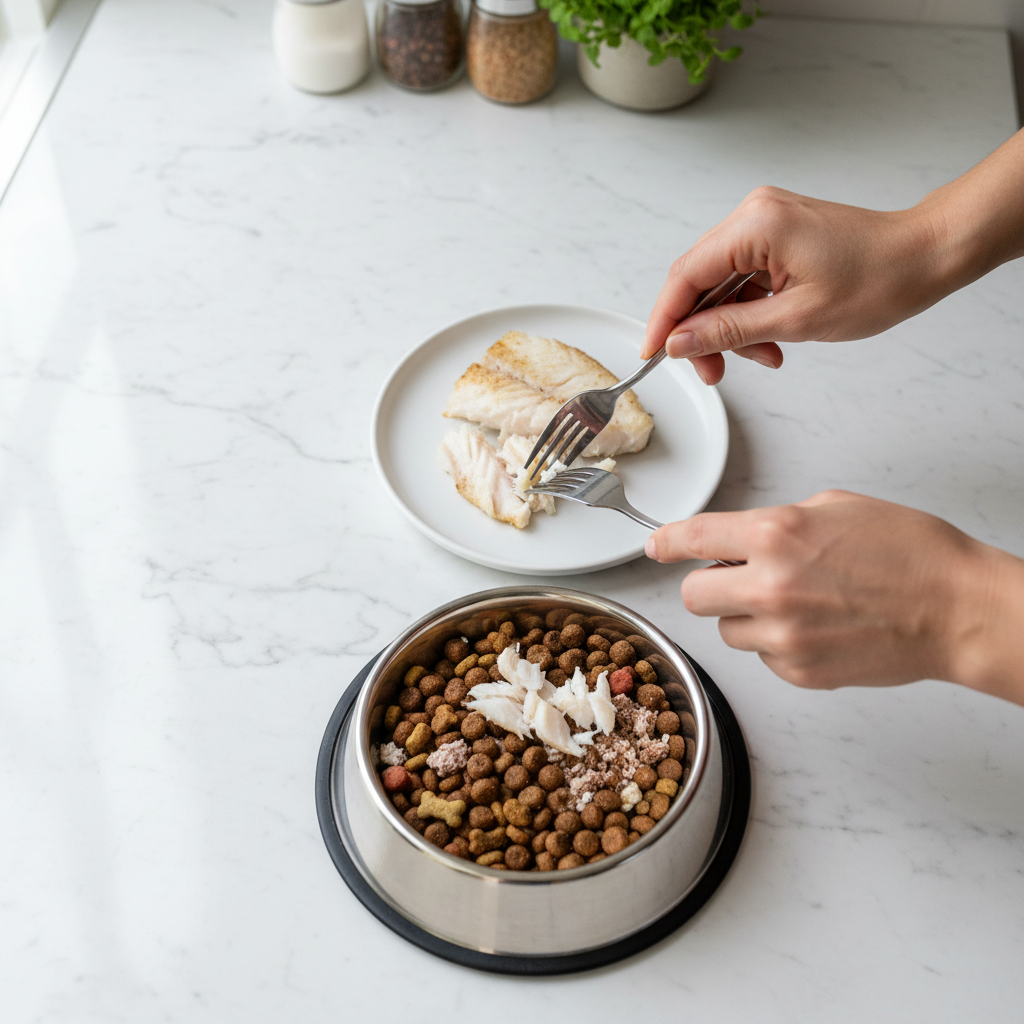
Knowing that barramundi is a safe and nutritious option is only half the battle. The next step is execution. How do you incorporate this novel protein into your dog’s diet effectively and without causing digestive upset? You have two primary routes: commercial diets or a controlled DIY approach.
Commercial Dog Foods Featuring Barramundi
A growing number of forward-thinking, premium pet food brands are adding barramundi to their lineups, particularly in their formulas for sensitive stomachs or skin issues. When choosing a commercial food, apply the same forensic analysis you would to any other:
- Check the First 5 Ingredients: Barramundi should be listed as the first or second ingredient. If it appears far down the list after multiple fillers, it’s likely present in trace amounts for marketing purposes only (a practice known as ‘ingredient splitting’).
- Look for ‘Meal’ vs. ‘Whole’: ‘Barramundi meal’ is a more concentrated source of protein than ‘barramundi’ because the water has been removed. A combination of both is often a sign of a high-quality formula.
- Avoid Problematic Binders: Ensure the rest of the ingredient panel is clean and free from the common allergens we identified earlier, such as corn, wheat, or soy.
The DIY Approach: Cooking Barramundi at Home
Adding freshly cooked barramundi as a topper or a portion of a homemade diet can be an excellent way to boost your dog’s nutrition. However, you must follow strict safety protocols.
- Safety Warning 1: NEVER feed raw barramundi. Like many fish, it can contain harmful bacteria (like Salmonella, Listeria) and parasites that are only eliminated through cooking.
- Safety Warning 2: ALL bones must be removed. Fish bones are brittle and sharp. They are a serious choking hazard and can cause perforations in the digestive tract. Run your fingers meticulously over the fillet before and after cooking to ensure every single bone is gone.
- Proper Preparation: The best methods for cooking barramundi for your dog are baking, poaching, or steaming. Do NOT add any seasonings. No salt, no pepper, and absolutely no onion or garlic powder, which are toxic to dogs. Do not fry it in oil or butter.
- Portion Control: Fish should be a part of a balanced diet, not the entire meal, unless you are working with a veterinary nutritionist. As a general guideline, a small amount (a tablespoon for a small dog, up to a few ounces for a giant breed) can be added to their regular food a few times a week.
The Transition Rule
Whether you’re switching to a new commercial food or adding a new topper, never make an abrupt change. This is a recipe for diarrhea and vomiting. Introduce the new food gradually over a period of 7-10 days, starting with 25% new food and 75% old food, and slowly increasing the ratio until you have fully transitioned.
Conclusion
The verdict from this investigation is clear: Barramundi is a safe, effective, and nutritionally superior novel protein for dogs. Its high concentration of anti-inflammatory omega-3 fatty acids, combined with its low-fat profile and, most importantly, its exceptionally low risk of mercury contamination, makes it a top-tier choice for the modern dog owner. It’s particularly valuable for dogs struggling with sensitivities to common proteins, offering a clean slate for their immune systems.
As a Canine Nutrition Hacker, my goal is to empower you to see beyond the marketing on the front of the bag and become a forensic analyst of the ingredient panel on the back. By understanding the ‘why’ behind ingredients like barramundi, you can make strategic decisions that have a direct and positive impact on your dog’s long-term health and vitality. Whether you choose a high-quality commercial diet or opt to carefully prepare it at home, incorporating this sustainable Australian fish can be a powerful move in your quest for optimal canine nutrition.
Final Disclaimer: Always consult your veterinarian to ensure any new dietary addition is appropriate for your dog’s specific health needs and life stage. Your vet is your primary partner in your dog’s health journey.