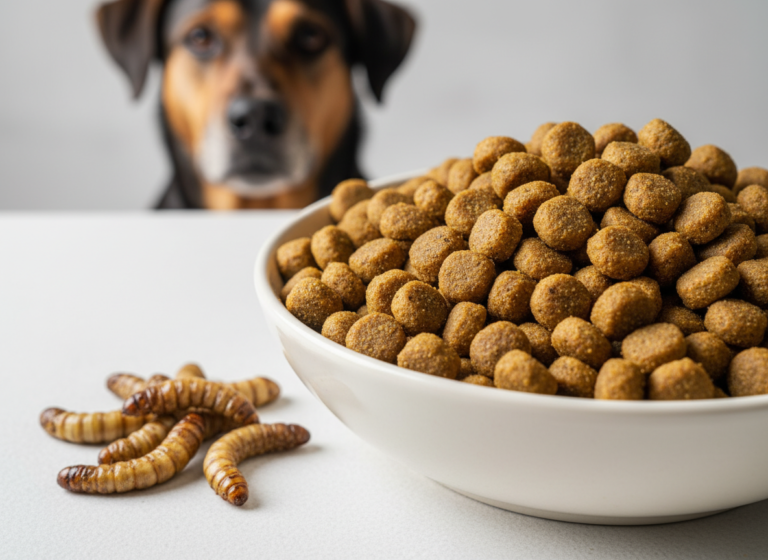
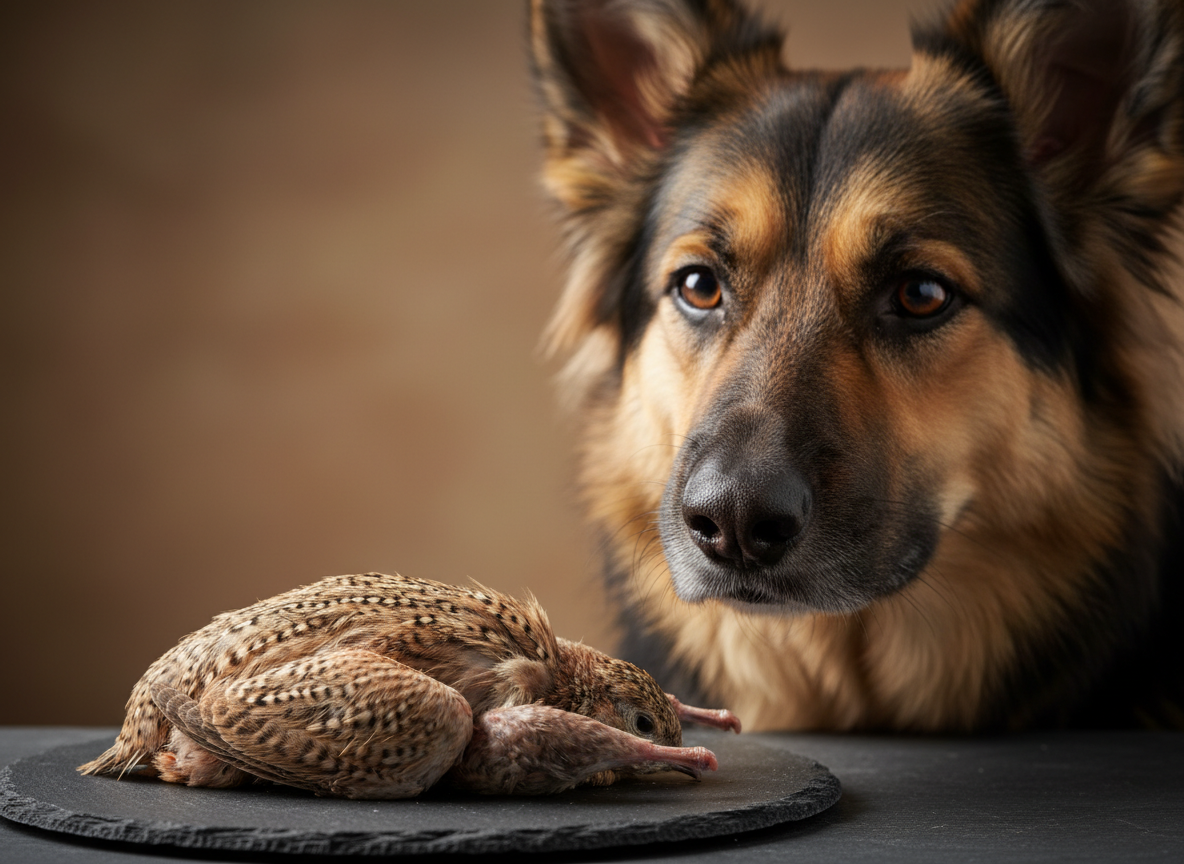
Feeding Whole Prey Quail: A Raw Dog Food Visual Guide
Forget the perfectly ground, patty-shaped raw food you find in the freezer aisle. While it’s a step up from processed kibble, it’s not the final destination. The true pinnacle of a species-appropriate canine diet is the whole prey model. It’s the nutritional blueprint hardwired into your dog’s DNA. And the perfect entry point into this world is a small, unassuming bird: the quail.
This guide is your roadmap. We’re not just talking theory; we’re providing a visual, step-by-step protocol for introducing whole prey quail into your dog’s diet. We’ll analyze the costs, debunk the myths, and give you the confidence to provide a level of nutrition that commercial products can only attempt to imitate.
CRITICAL SAFETY DISCLAIMER: I am The Canine Nutrition Hacker, an expert researcher and dedicated owner, not a veterinarian. The information provided here is for educational purposes based on extensive experience and analysis. Every dog is an individual. Before making any significant changes to your dog’s diet, especially if they have pre-existing health conditions, you must consult with a qualified veterinarian or a certified canine nutritionist. Proper food handling and safety protocols are non-negotiable to prevent cross-contamination and ensure the well-being of both your pet and your family.
Deconstructing the Perfect Meal: Why Whole Prey Reigns Supreme
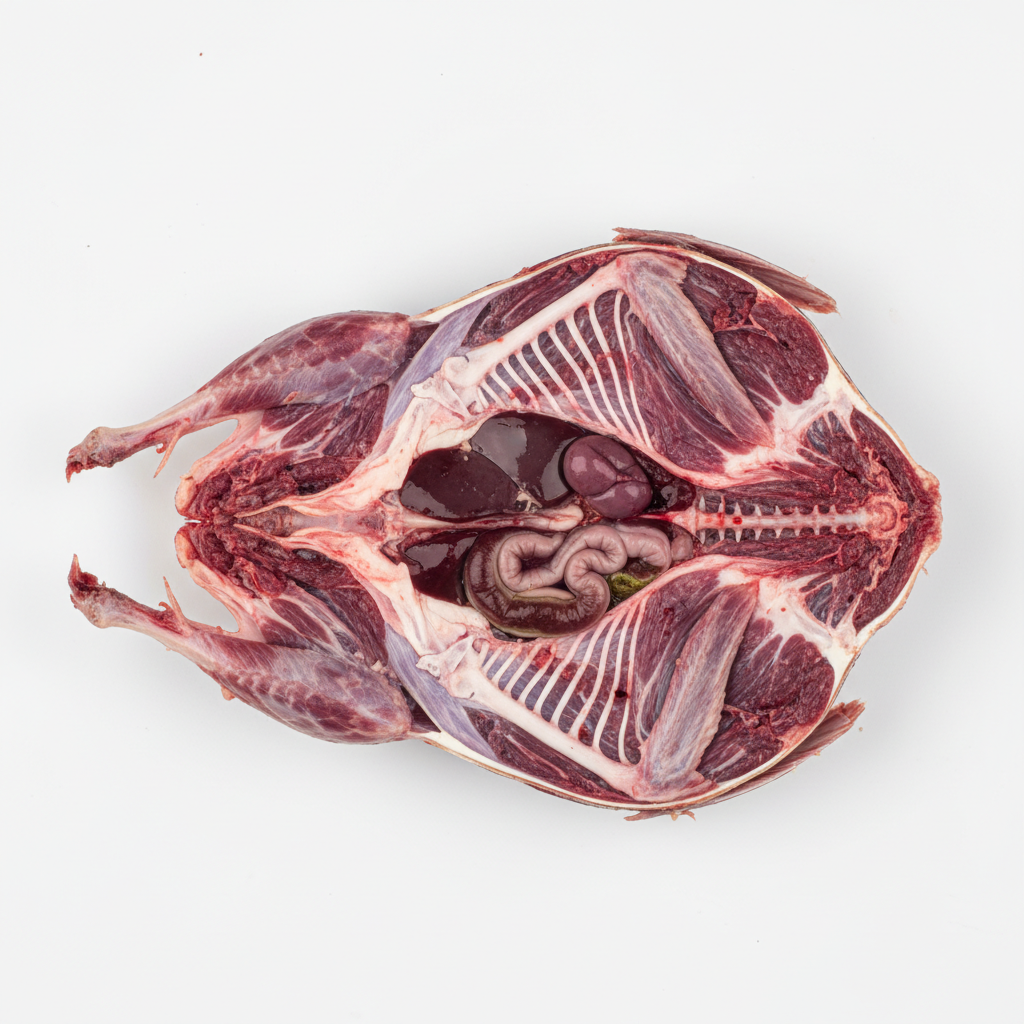
To understand the power of whole prey, you must first erase the marketing images of perfectly diced carrots and peas in dog food. Your dog is a carnivore, designed to consume and digest entire animals. A whole prey item like a quail isn’t just ‘meat’; it’s a complete, self-contained nutritional ecosystem. When your dog eats a whole quail, they are consuming a precise ratio of nutrients that simply cannot be replicated by grinding disparate parts and adding synthetic supplements.
The Nutritional Blueprint of a Whole Quail:
- Muscle Meat: Provides essential proteins and amino acids for strong muscles and tissue repair.
- Bones and Cartilage: A raw, natural source of calcium and phosphorus in the perfect ratio for skeletal health. The act of crunching bones is also nature’s toothbrush, scraping away plaque and tartar.
- Organs (Liver, Heart, Kidneys): These are the superfoods of the animal kingdom, densely packed with vital nutrients like Vitamin A, B vitamins, iron, and taurine.
- Glands (Adrenals, Thyroid): Offer trace minerals and specific hormones that support your dog’s own endocrine system.
- Feathers and Skin: Often a point of concern for new raw feeders, feathers provide an excellent source of manganese and act as indigestible fiber, cleansing the digestive tract and promoting firm stools.
- Digestive Tract: The partially digested contents of the quail’s stomach can offer beneficial prebiotics and probiotics for your dog’s gut health.
This all-in-one package delivers unparalleled bioavailability, meaning the nutrients are in a form your dog’s body can easily recognize, absorb, and utilize. It’s not just food; it’s enrichment. The mental and physical effort required to tear, crunch, and consume a whole prey item provides crucial stimulation that a bowl of kibble or ground meat could never offer.
The Quail Advantage: Sourcing and Safe Handling

Not all prey is created equal, especially when you’re starting out. Quail is the ideal ‘gateway’ prey for several key reasons. Their small size (typically 4-8 oz) makes them a perfect meal for small to medium-sized dogs and a substantial snack for larger breeds. More importantly, their bones are soft, pliable, and easily crushed, making them one of the safest bone-in options for dogs new to whole prey.
Your Sourcing Checklist:
- Raw Food Co-ops: These are often your most cost-effective option. Groups of raw feeders band together to place bulk orders directly from farms or distributors, significantly cutting costs.
- Local Farms: Search for local poultry farms, especially those that raise game birds. You can often buy directly from the source, ensuring freshness and supporting local agriculture.
- Online Raw Food Suppliers: Numerous reputable online retailers specialize in raw pet food and whole prey. Look for companies that provide transparency about their sourcing and processing methods. Ensure they ship frozen and use reliable carriers.
What to Look For:
- Human-Grade: While not a regulated term, it implies a higher standard of processing and handling.
- Flash-Frozen: This method preserves the maximum amount of nutrients and ensures freshness.
- Reputable Source: Never feed wild-caught game unless you are an expert, due to the risk of parasites and disease. Stick to farmed sources intended for consumption.
Hacker Tip: The secret to making whole prey affordable is buying in bulk. A chest freezer is the single best investment for a serious raw feeder. Purchasing a case of 50 or 100 quail at once can drop your per-bird cost by 30-50% compared to buying small packs. This is the single biggest money-saving hack in the raw feeding world.
The Step-by-Step Visual Feeding Guide
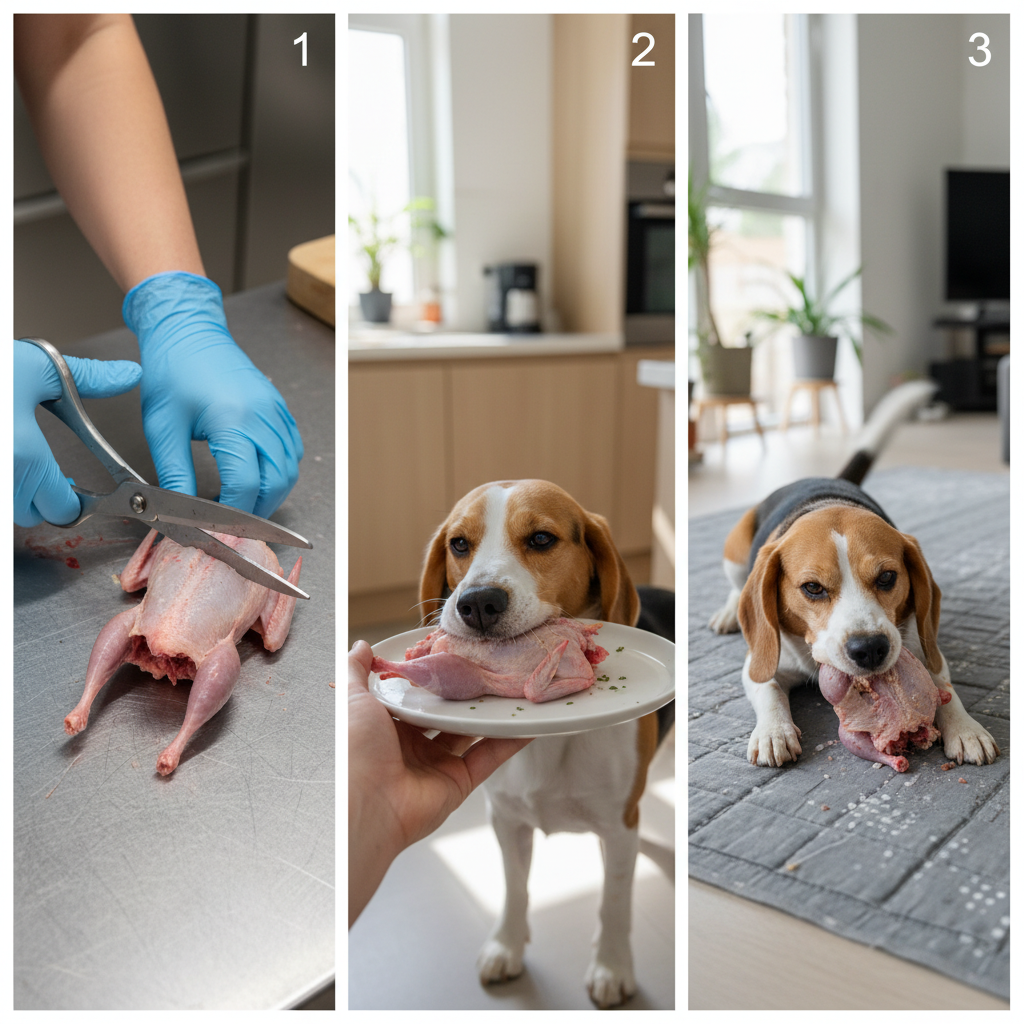
Introducing a whole prey item can be intimidating for the owner, but it’s often an intuitive process for the dog. The key is your confidence and calm supervision. Follow these steps for a successful introduction.
Step 1: Thawing and Preparation
Safety first. Never thaw raw meat on the counter. Place the frozen quail in a sealed container or bag and let it thaw in the refrigerator for 24 hours. For the very first feeding, you can make it easier for your dog by taking a pair of sturdy poultry shears and snipping through the rib cage once or twice. This breaks the initial solid structure and helps your dog understand how to approach it. Do not cook the quail under any circumstances. Cooked bones are dangerous, brittle, and can cause fatal internal damage.
Step 2: The Introduction
Choose a time when your dog is hungry, such as their normal mealtime. Designate an easy-to-clean feeding area. This could be their crate, outside on the grass, or on a dedicated towel or mat. Present the quail calmly. You can hold it out for them to investigate or simply place it in their feeding spot. Some dogs will dive right in; others may be hesitant, sniffing and pawing at this strange new object. Be patient.
Step 3: Supervised Consumption
Stay with your dog for the entire meal, especially the first few times. Listen for the crunching sounds – this is good! It means they are chewing the bones properly. Discourage any attempts to gulp the quail whole. If your dog is a known gulper, you may need to hold one end of the quail while they chew the other to force them to slow down. Most dogs will consume the entire bird, head to toe. It can take anywhere from 5 to 20 minutes.
Step 4: Post-Meal Analysis
Once your dog is finished, clean the feeding area thoroughly with a pet-safe disinfectant. The most important post-meal check happens 12-24 hours later: the poop. A whole prey meal often results in a small, firm, and almost chalky stool that turns white after a day. This is a perfectly normal and healthy sign that their body has efficiently absorbed the vast majority of the nutrients, leaving very little waste. It is the hallmark of a successful raw meal.
The Bottom Line: A No-Nonsense Cost Analysis
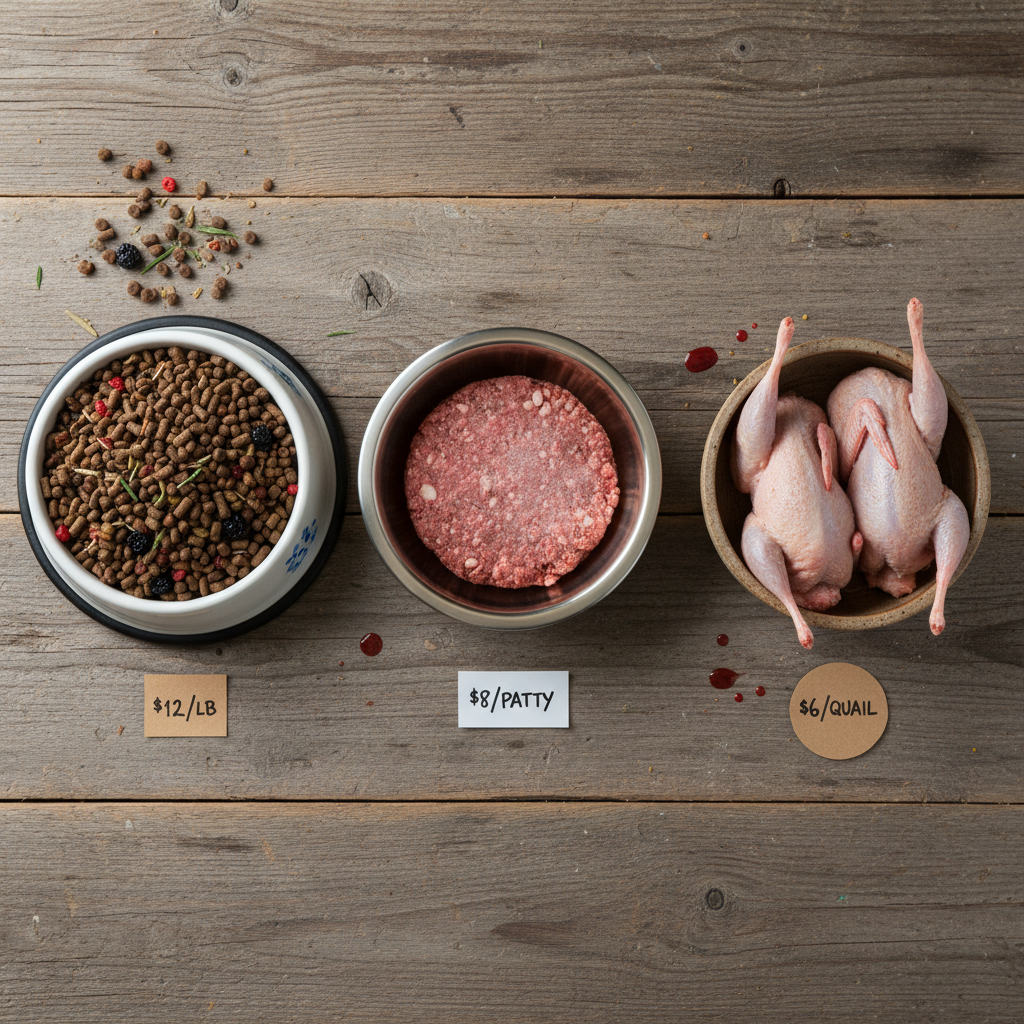
One of the biggest myths is that a species-appropriate diet is prohibitively expensive. While it requires an initial investment (like a freezer), the day-to-day cost can be surprisingly competitive, especially when compared to so-called ‘premium’ processed foods. Let’s break down the real numbers for a hypothetical 30lb dog requiring approximately 10-12 oz of food per day.
| Feeding Method | Typical Ingredients | Approximate Cost Per Day (30lb dog) | Verdict |
|---|---|---|---|
| Premium Grain-Free Kibble | Deboned Chicken, Chicken Meal, Peas, Lentils, Potato Starch, Synthetic Vitamin Pack | $2.25 – $3.50 | High in carbohydrates and plant-based proteins. Highly processed, low moisture, and reliant on synthetic nutrients to meet AAFCO standards. |
| Commercial Frozen Raw Patty | Ground Chicken (with bone), Chicken Liver, Chicken Heart, Kale, Carrots, Apples, Supplements | $4.00 – $6.50 | A significant improvement over kibble. High moisture and bioavailable nutrients, but comes at a premium price for the convenience of being pre-ground and mixed. |
| DIY Whole Prey Quail | Whole Quail (Meat, Bone, Organs, Feathers) | $1.75 – $2.75 | The nutritional gold standard. Perfectly balanced by nature. Cost varies based on bulk purchasing but is often cheaper than premium kibble and significantly cheaper than commercial raw. |
As the data shows, feeding whole prey is not a luxury. By sourcing intelligently and buying in bulk, you can provide a nutritionally superior, unprocessed, and enriching meal for a cost that is competitive with, and often beats, high-end processed kibble. You are paying for pure nutrition, not marketing, processing, and filler ingredients.
Hacker Q&A: Debunking Whole Prey Myths

Misinformation is rampant in the pet food world. Let’s cut through the noise and address the most common concerns about feeding whole prey with direct, no-nonsense answers.
“Won’t my dog choke on the bones?”
This is the number one fear, and it stems from the valid danger of cooked bones. Raw poultry bones, especially from a small bird like a quail, are soft, pliable, and designed to be crushed and digested. A dog’s stomach acid is incredibly strong (pH of 1-2), easily breaking down raw bone. The key is supervision. Ensure your dog is chewing, not gulping.
“Are the feathers and guts really safe to eat?”
Yes, they are not only safe but beneficial. Feathers are a fantastic source of the trace mineral manganese and act as a ‘bottle brush’ for the digestive tract, cleaning the intestines as they pass through. The guts and organs are where the majority of the vitamins and minerals are concentrated. You are removing the most nutritious part of the meal if you discard them.
“Is one quail a complete meal every single day?”
While a quail is a complete meal in and of itself, dietary variety is crucial for long-term health. A diet consisting of only quail would be unbalanced over time. The principle of a raw diet is variety. You should rotate different proteins and prey animals (chicken, rabbit, duck, fish) to provide a wide spectrum of amino acids and nutrients. Quail is an excellent component of a rotational feeding plan.
“I’m worried about bacteria like Salmonella.”
Let’s be direct: raw meat contains bacteria. However, a healthy dog’s digestive system is short, acidic, and designed to handle this bacterial load without issue. The real risk is to the humans in the house. This is where your responsibility comes in. Practice meticulous food safety: wash your hands, disinfect surfaces, use dedicated utensils and bowls, and store raw food properly. The risk is easily managed with the same common sense you’d use when preparing chicken for your own dinner.
Conclusion
Transitioning to whole prey feeding is more than a dietary upgrade; it’s a paradigm shift in how you view canine nutrition. You move from being a passive consumer of processed goods to an active, empowered provider of foundational health for your animal. Whole prey quail is the perfect, accessible starting point for this journey. It is cost-effective, nutritionally complete, and provides unparalleled physical and mental enrichment.
By following the principles of safe sourcing, proper handling, and supervised feeding, you can eliminate the guesswork and fear. You can witness firsthand the benefits of a species-appropriate diet: cleaner teeth, healthier skin and coat, improved digestion, and a calmer, more satisfied dog. You have the knowledge. Now it’s time to take control and feed your dog for the thriving carnivore they are.