Novel Protein Guide: Kangaroo, Rabbit, and Venison for Allergies
The constant sound of scratching. The endless licking of paws. The recurring ear infections and vet bills that stack up with alarming speed. If this sounds familiar, you are not alone. You are on the front lines of the canine allergy epidemic, a frustrating battle often waged against an invisible enemy. But what if the enemy isn’t so invisible? What if it’s hiding in plain sight, right in your dog’s food bowl? For a staggering number of dogs, the source of their misery is the very protein they’ve been eating for years: chicken and beef.
This is where the game changes. This is where you, the informed owner, take back control. Novel proteins—sources your dog’s immune system has likely never encountered—are the nutritional ‘reset button’ you’ve been searching for. They offer a clean slate, allowing the body’s inflammatory response to calm down, providing relief that medicated shampoos and steroids can only mask. This guide is your new playbook. We will perform a forensic deep-dive into the three most effective novel proteins on the market: kangaroo, rabbit, and venison. We will dissect their nutritional profiles, expose their unique benefits, and give you the tactical knowledge to choose the right one for your dog’s specific needs.
Decoding Canine Food Allergies: Why Common Proteins Are the Enemy

Before we can deploy a solution, we must first understand the enemy. A true food allergy is an immune-mediated reaction. Your dog’s body mistakenly identifies a specific protein as a hostile invader and launches a full-scale inflammatory assault. It’s not a matter of food quality; a dog can become allergic to the most expensive, pasture-raised chicken just as easily as the cheapest filler. The primary culprit is prolonged exposure. The more a dog eats a certain protein, the higher the chance its immune system will eventually flag it as a threat.
The Usual Suspects: Enemy Ingredients
While any protein can theoretically cause an allergy, a few offenders are responsible for the vast majority of cases. If your dog has been on a standard diet for most of its life, these are your primary targets:
- Chicken: The most ubiquitous protein in dog food, making it the number one allergen by sheer volume of exposure.
- Beef: Another extremely common protein source that frequently triggers allergic responses.
- Dairy: Many dogs are lactose intolerant, but a true dairy allergy involves a reaction to the milk proteins themselves.
- Soy: Often used as a cheap protein filler, soy is a well-documented allergen for sensitive canines.
- Lamb & Fish: Once considered ‘novel,’ their widespread use over the last two decades has made them increasingly common allergens.
The symptoms of this internal battle manifest externally in ways that cause misery for your dog and stress for you. Look for patterns of chronic, non-seasonal issues like: persistent ear infections, itchy skin (especially on the paws, belly, and face), hot spots, hives, and gastrointestinal upset like chronic diarrhea or vomiting. It’s critical to differentiate this from a food intolerance, which is a digestive issue, not an immune response. Allergies require a strategic nutritional shift.
Medical Disclaimer: This guide is for informational purposes only and is not a substitute for professional veterinary advice. Always consult with your veterinarian or a board-certified veterinary nutritionist before making any significant changes to your dog’s diet, especially if your dog has a pre-existing health condition.
The Hero Ingredients: A Forensic Look at Kangaroo, Rabbit, & Venison
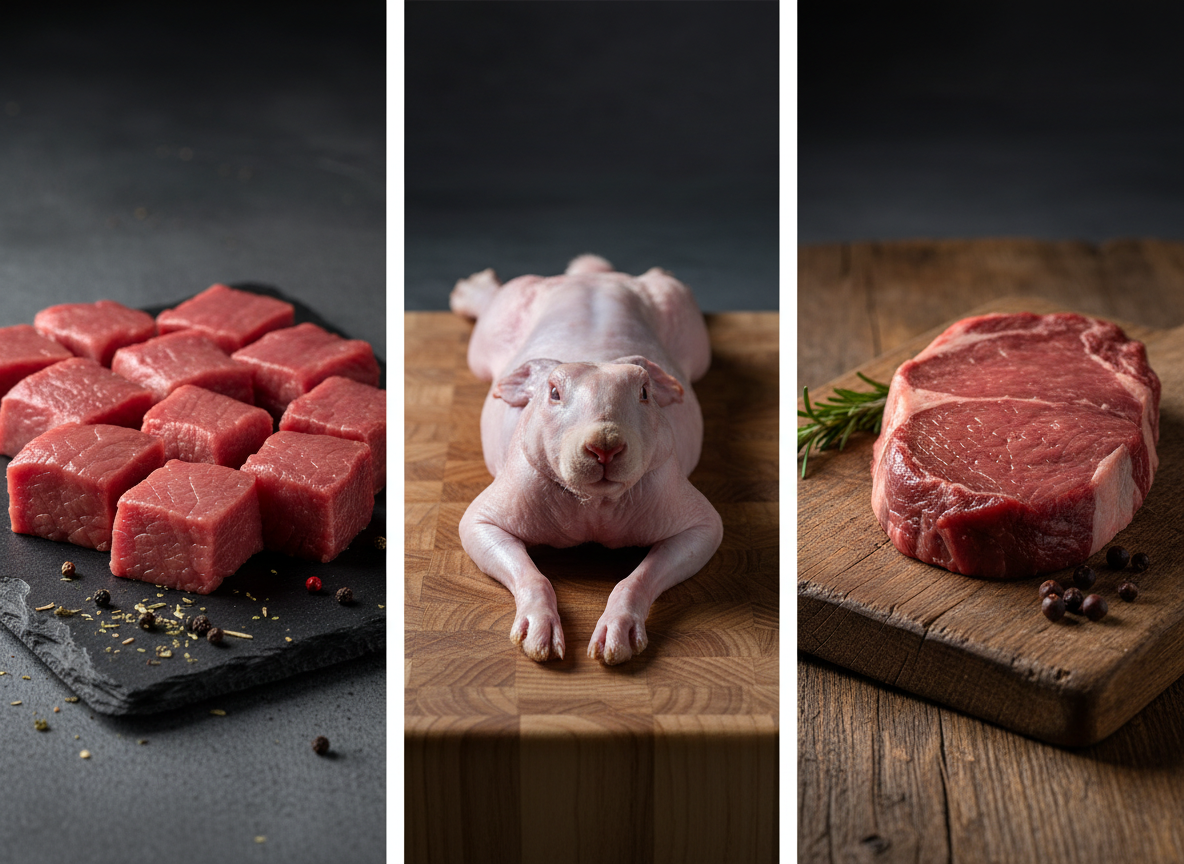
Switching to a novel protein isn’t just about avoiding an allergen; it’s about introducing a superior nutritional profile that can help heal the body. Let’s dissect the top three contenders and understand their unique strategic advantages.
Kangaroo: The Lean Powerhouse
Often considered the ultimate novel protein, kangaroo is a formidable choice for allergic dogs. Sourced from wild populations in Australia, it’s an incredibly clean meat.
- Nutritional Profile: Kangaroo is one of the leanest red meats available, with less than 3% fat. It boasts the highest levels of Conjugated Linoleic Acid (CLA) of any meat. CLA is a potent anti-inflammatory fatty acid that has been shown to support cardiovascular health and reduce body fat. It’s also packed with iron and B vitamins.
- Strategic Advantage: Its extremely low fat content makes it an exceptional choice for dogs needing to lose weight or those with conditions like pancreatitis that require a low-fat diet. The high CLA content provides a built-in anti-inflammatory benefit, directly combating the allergic response.
- Considerations: It is typically the most expensive option due to import costs. Ensure the product is from a reputable source that follows sustainable harvesting practices.
Rabbit: The Gentle & Digestible Option
Rabbit is a classic ‘cooling’ meat in traditional food therapy, known for being gentle on the system. It’s an excellent first choice when beginning an elimination diet.
- Nutritional Profile: As an all-white meat, rabbit is rich in high-quality, easily digestible protein. It’s lower in cholesterol than many other proteins and is a fantastic source of Vitamin B12, which is crucial for nervous system function and energy production.
- Strategic Advantage: Its high digestibility makes it ideal for dogs with sensitive stomachs or compromised GI tracts. The protein structures are so unique that it’s one of the least likely meats to cause a reaction, making it a very safe bet for a food trial.
- Considerations: The fat content can vary. While lean, it’s not as lean as kangaroo. If feeding raw, the bone-to-meat ratio must be carefully managed as rabbit bones are small and can pose a risk if not ground properly.
Venison: The Rich & Robust Choice
Venison, or deer meat, offers a nutrient-dense profile that’s a significant upgrade from common red meats like beef.
- Nutritional Profile: Venison is leaner than beef but richer in flavor, making it highly palatable for picky eaters. It’s loaded with iron, zinc, and a spectrum of B vitamins like B6 and riboflavin, which are essential for metabolic function and energy.
- Strategic Advantage: A great option for active or working dogs who need a nutrient-dense food to support muscle development and energy levels. Its robust flavor can entice dogs with poor appetites back to their bowls.
- Considerations: True venison only. Be wary of lower-cost ‘venison formulas’ that may include beef or other proteins. The label must explicitly state ‘venison’ as the primary protein. It can be a rich food, so a slow transition is recommended.
The Elimination Diet: A Step-by-Step Tactical Protocol

Identifying the precise trigger for your dog’s allergies requires a systematic, disciplined approach. The 8-to-12-week elimination diet is the gold standard for diagnosis. There are no shortcuts. Following this protocol with military precision is the only way to get clear, actionable results.
- Select Your Arsenal: Choose one novel protein (e.g., kangaroo) and one novel carbohydrate (e.g., sweet potato, pumpkin, or quinoa). You will need a food that contains ONLY these ingredients, plus necessary oils, vitamins, and minerals. A prescription hydrolyzed diet from your vet is another excellent option.
- Enforce a Total Lockdown: For the next 8-12 weeks, your dog consumes nothing but the chosen food and water. This is the most critical and difficult step. This means no treats, no dental chews, no rawhides, no table scraps, and no flavored medications or supplements unless they have been cleared by your vet. One slip-up can contaminate the trial and force you to start over.
- Meticulous Surveillance: Keep a detailed daily journal. Note the condition of your dog’s skin, coat, ears, and paws. Record the frequency and quality of their bowel movements. Rate their itching level on a scale of 1 to 10. You are looking for a gradual but steady decline in symptoms over the trial period.
- The Re-Challenge Phase: After 8-12 weeks of significant improvement, it’s time to confirm the allergy. Under your vet’s guidance, you will re-introduce a single ingredient from their old diet—for example, a small piece of cooked chicken. If the dog is truly allergic, symptoms will typically flare up within 24 hours to 7 days. If a reaction occurs, you have your culprit. You then return to the safe novel protein diet and repeat the process with the next potential allergen (e.g., beef) a few weeks later.
Insider Secret: The Hidden Contaminants
The number one reason elimination diets fail is cross-contamination. Pet owners forget about the cheese-flavored heartworm pill, the peanut butter used to hide medication, or the dog treats their well-meaning neighbor gives them over the fence. Even licking a plate from the dishwasher can be enough to trigger a reaction. During the trial, you must become the gatekeeper of everything that goes into your dog’s mouth. Use single-ingredient treats made from their new novel protein if you absolutely must give them something.
Label Forensics: How to Spot a True Limited Ingredient Diet
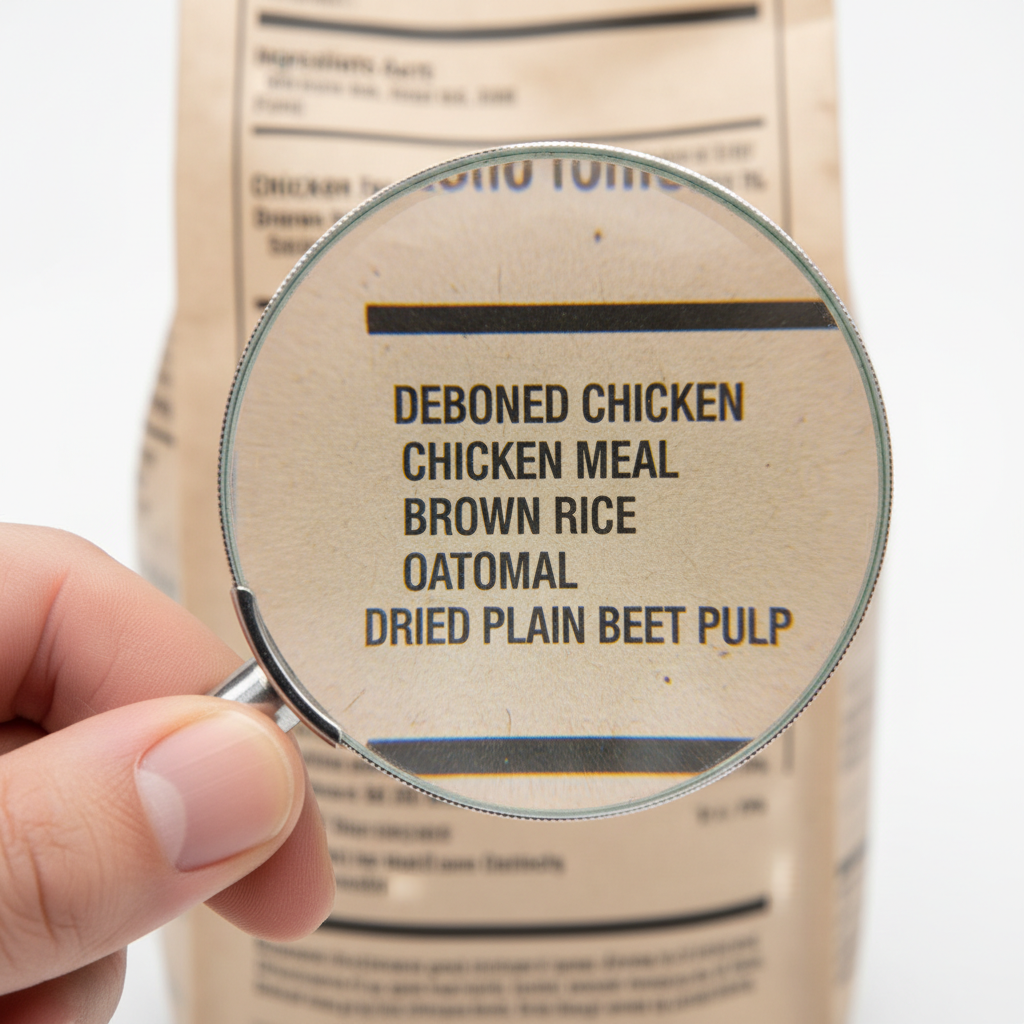
The pet food industry is rife with deceptive marketing. A bag that screams ‘VENISON’ on the front can legally contain a minuscule amount of the actual meat, with the bulk of the protein coming from cheap chicken meal. To win this fight, you must learn to ignore the flashy packaging and analyze the ingredient panel like a forensic scientist.
The First 5 Ingredients Truth
The first five ingredients listed on a dog food bag make up the vast majority of the formula by weight. When choosing a novel protein food, your selected protein should be the #1 ingredient. Ideally, it will appear twice in the top five, for example, ‘Deboned Rabbit’ and ‘Rabbit Meal’.
Red Flags and Marketing Traps
- Vague Proteins: Avoid labels with terms like ‘meat meal’ or ‘poultry by-product meal.’ You have no way of knowing the source.
- Protein Splitting: This is a trick where a manufacturer lists different forms of a less desirable ingredient separately (e.g., ‘pea protein,’ ‘peas,’ ‘pea fiber’) to push them down the list, making the meat ingredient appear higher than it actually is.
- Hidden Chicken: A common saboteur is ‘Chicken Fat.’ While the fat is often rendered in a way that removes the protein allergen, it can still pose a risk for hypersensitive dogs. If you’re in a strict elimination trial, it’s best to find a formula that uses a novel fat source like sunflower oil or coconut oil.
- ‘Flavor’ vs. ‘Meal’: ‘Beef Flavor’ contains no actual beef protein. It is a chemical additive. You must see the word ‘Beef,’ ‘Deboned Beef,’ or ‘Beef Meal’ in the ingredients.
Brand Comparison: Good vs. Deceptive Labeling
Let’s analyze two hypothetical ‘Rabbit Formula’ foods for a 50lb dog.
| Feature | Brand A (True LID) | Brand B (Deceptive) |
|---|---|---|
| First 5 Ingredients | Deboned Rabbit, Rabbit Meal, Sweet Potatoes, Peas, Sunflower Oil | Corn, Chicken By-Product Meal, Pea Protein, Ground Wheat, Rabbit Flavor |
| Protein Source | Rabbit is clearly the primary and sole animal protein. | Corn and chicken are the primary proteins. Rabbit is only a flavoring. |
| Grain Status | Grain-Free (Uses sweet potatoes) | Contains corn and wheat, both common allergens. |
| Verdict | Excellent. This is a true Limited Ingredient Diet suitable for an elimination trial. | Avoid. This is a low-quality food masquerading as a novel protein diet. It will likely worsen allergy symptoms. |
Cost-Benefit Analysis: The True Price of Allergy Relief

There’s no denying it: high-quality novel protein diets come with a significant price tag. It’s easy to get sticker shock when comparing a $100 bag of kangaroo-based kibble to a $40 bag of a standard chicken formula. However, this initial expense is misleading. You must analyze the cost not just in dollars per bag, but in the total financial and emotional cost of managing a chronically allergic dog.
An allergic dog is an expensive dog. The costs extend far beyond their food bowl. Let’s break down the hidden expenses you are likely already paying:
- Veterinary Visits: A non-routine vet visit for a skin or ear infection can easily cost $100-$200 per visit. Chronic cases can require monthly or bi-monthly check-ups.
- Medications: Prescription allergy medications like Apoquel or Cytopoint injections can cost $80-$200 per month. Steroid treatments and antibiotics for secondary infections add up quickly.
- Medicated Products: Special shampoos, mousses, and wipes to manage skin health can cost an additional $20-$50 per month.
- The Intangible Cost: The emotional toll of watching your dog suffer from constant discomfort is immeasurable. The stress, the cleaning, the sleepless nights—these have a real impact on your quality of life.
Cost Breakdown: Specialty Food vs. Chronic Care
| Expense Category | Annual Cost (Managing Allergies) | Annual Cost (Novel Protein Diet) |
|---|---|---|
| Veterinary Consults | $600 (4 visits/year) | $150 (1-2 check-ups) |
| Medications (Allergy & Antibiotics) | $1,200 (e.g., Apoquel at $100/mo) | $0 – $100 (Potentially eliminated) |
| Topical Treatments | $300 ($25/mo) | $0 (Potentially eliminated) |
| Standard Dog Food | $600 ($50/bag, 12 bags/yr) | N/A |
| Novel Protein Dog Food | N/A | $1,200 ($100/bag, 12 bags/yr) |
| TOTAL ANNUAL COST | $2,700 | $1,350 |
As the table demonstrates, investing in a premium diet can cut your overall annual spending on your dog’s health by 50% or more. The upfront cost of the food is offset by the dramatic reduction, and often complete elimination, of secondary medical expenses. Viewing this food not as a simple grocery item but as a form of preventative medicine is the key. You are paying for health and quality of life, not just calories in a bowl.
Conclusion
Navigating the world of canine food allergies can feel overwhelming, but you are now equipped with the intelligence to make strategic, effective decisions for your dog’s health. The cycle of itching, inflammation, and infection is not a life sentence. The solution lies in a targeted nutritional approach that removes the offending allergens and provides a clean, high-quality fuel source. By understanding the power of novel proteins like kangaroo, rabbit, and venison, mastering the discipline of an elimination diet, and learning to dissect an ingredient label with a critical eye, you can fundamentally change your dog’s well-being.
This is not a quick fix; it is a long-term strategy. It requires diligence, investment, and a partnership with your veterinarian. But the payoff—a happy, comfortable dog free from the misery of chronic allergies—is one of the greatest rewards a pet owner can achieve. You have the knowledge. Now it’s time to take action and reclaim your dog’s health from the inside out.