How to Safely Prepare and Serve Raw Marrow Bones
You’ve seen them in the pet store freezer, glistening under the lights. You’ve heard raw-feeding advocates praise them as nature’s toothbrush. Raw marrow bones are presented as the ultimate canine chew, a primal link to your dog’s ancestral diet. And they can be a nutritional goldmine—packed with calcium, phosphorus, and healthy fats that support joint and skin health. But here’s the insider secret most brands won’t print on the label: a raw marrow bone given incorrectly is one of the fastest ways to land in an emergency vet clinic.
As The Canine Nutrition Hacker, I don’t deal in fluff. I deal in data and safety protocols. We’re going to bypass the marketing hype and get straight to the forensic details of how to turn this high-reward treat into a low-risk activity. This isn’t about just tossing your dog a bone; it’s about a calculated approach to nutrition and enrichment. Before we proceed, we must establish a critical ground rule.
SAFETY DISCLAIMER: I am a canine nutrition analyst, not a veterinarian. The information in this guide is for educational purposes and is based on extensive research and experience. It is not a substitute for professional veterinary advice. Every dog is an individual with unique health needs. High-fat foods like marrow can trigger pancreatitis in susceptible dogs. Hard bones can fracture teeth. Always consult your veterinarian before introducing new, high-value chews like raw bones into your dog’s diet. You are solely responsible for your dog’s safety.
Now, let’s get to work. We’ll break down the entire process, from sourcing the right bone to the post-chew cleanup, ensuring you have the knowledge to make an informed, safe decision for your canine companion.
The Raw Deal: Why Marrow Bones Are a Nutritional Powerhouse (and a Potential Hazard)
To make an informed decision, you must understand both sides of the coin. Marrow bones are a classic example of a risk-versus-reward scenario in canine nutrition. Understanding the full picture is non-negotiable.
The Nutritional Upside
When sourced and served correctly, the benefits are significant:
- Dental Health: The primary benefit is mechanical cleaning. The gnawing and scraping action on a raw bone is incredibly effective at removing plaque and tartar buildup, far surpassing what most dental chews can accomplish. This leads to healthier gums and fresher breath.
- Mental Stimulation & Enrichment: Chewing is a natural, instinctual behavior for dogs. The act of working on a marrow bone can keep a dog occupied for a significant period, reducing boredom, alleviating anxiety, and preventing destructive behaviors. It’s a productive outlet for their natural drives.
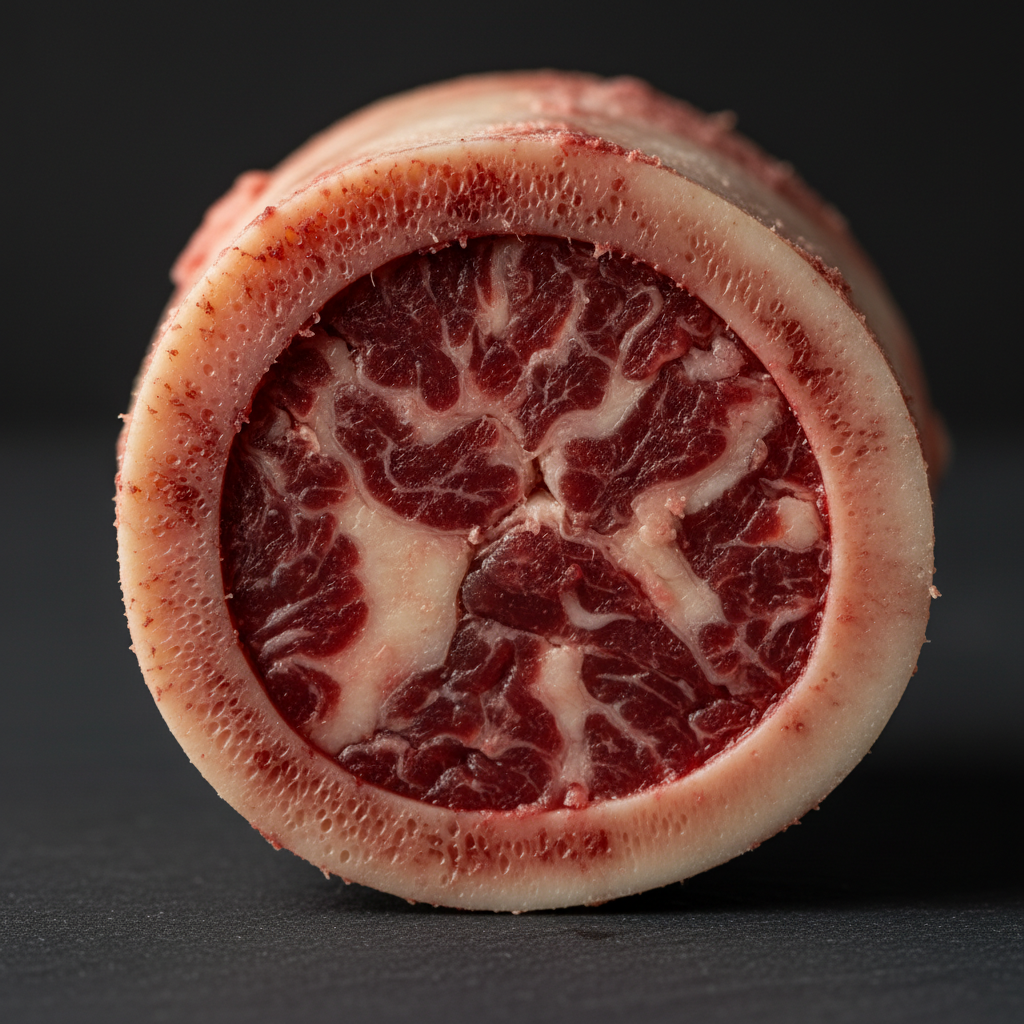
- Nutrient Density: The bone itself is a rich source of calcium and phosphorus, essential minerals for your dog’s own bone health. The marrow is a concentrated source of energy, rich in healthy fats and essential nutrients.
The Critical Risks You Must Mitigate
Ignoring these potential dangers is a rookie mistake. A true nutrition hacker anticipates and neutralizes threats.
- Dental Fractures: This is the most common serious injury. Aggressive chewers can crack or break their teeth on hard, weight-bearing bones. A slab fracture of a carnassial tooth is a painful and expensive injury to fix.
- Digestive Blockages: If a dog breaks off and swallows a piece of bone that is too large to pass, it can cause a life-threatening intestinal obstruction requiring emergency surgery.
- Digestive Upset & Pancreatitis: Bone marrow is extremely rich and high in fat. For dogs unaccustomed to such richness, or for those predisposed to pancreatitis (like Schnauzers or Cocker Spaniels), a large amount of marrow can trigger severe gastrointestinal distress, vomiting, diarrhea, and a dangerous inflammation of the pancreas.
- Bacterial Contamination: Raw meat products carry the risk of bacteria like Salmonella and E. coli. While a healthy dog’s digestive system is well-equipped to handle some bacteria, proper sourcing and handling are critical to minimize risk to both your pet and your family.
- Choking & Other Injuries: Round
Forensic Sourcing: Selecting the Right Bone for Your Dog
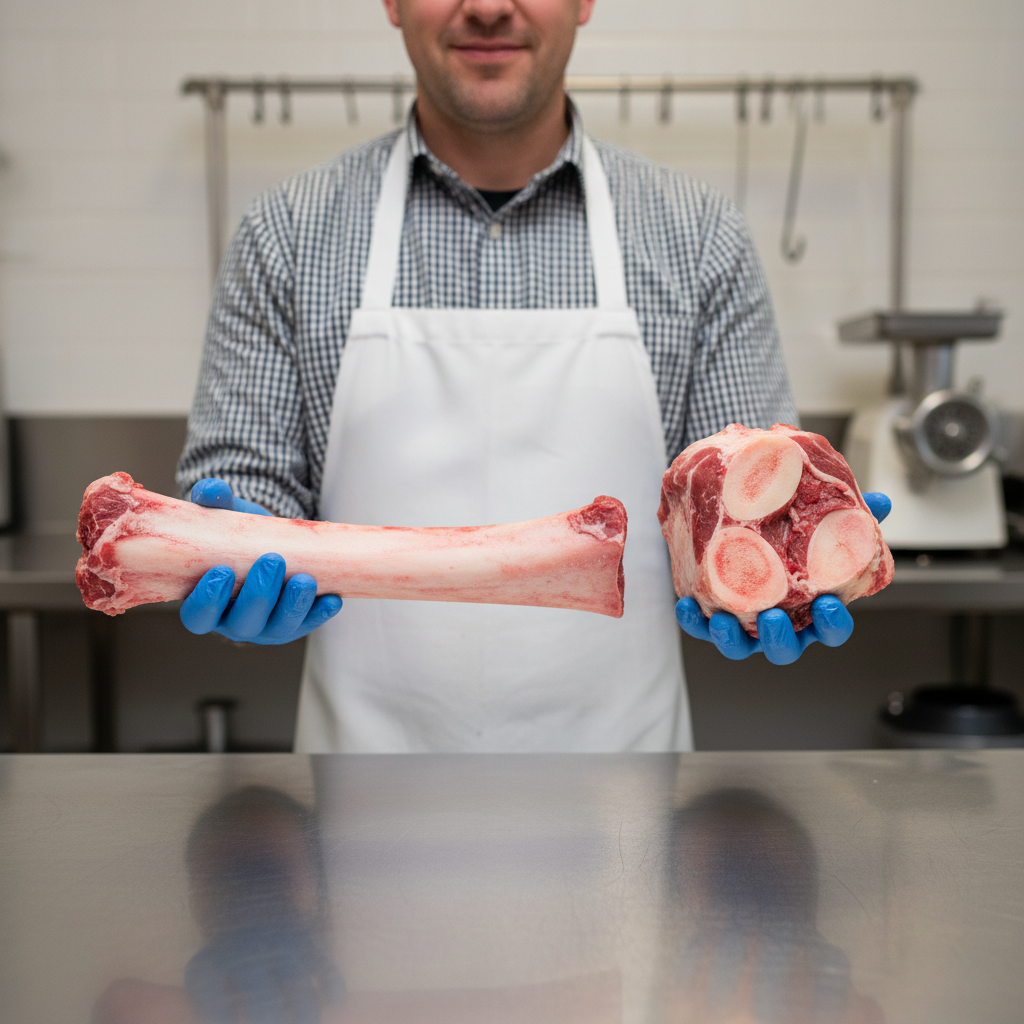
You wouldn’t buy discount sushi, and you shouldn’t skimp on sourcing raw bones. The selection process is your first line of defense against potential hazards. It’s not about grabbing the biggest bone you can find; it’s a strategic choice based on your dog’s size, chew style, and your safety protocols.
Size Matters Most: The Muzzle Rule
This is the single most important rule in bone selection. The raw bone must be longer than your dog’s muzzle. This makes it physically impossible for them to get their entire mouth around it to swallow it whole. For large breeds, this means seeking out large femur or knuckle bones. For smaller dogs, smaller cuts are appropriate, but the muzzle rule still applies. A bone that is too small is a choking hazard, period.
Bone Anatomy 101: Femur vs. Knuckle Bones
Not all bones are created equal. Understanding the difference is key to preventing dental fractures.
- Weight-Bearing Bones (Femur/Shank): These are the long, straight bones from the leg. They are incredibly dense and hard because they are designed to support the animal’s weight. While they last longer, they carry the highest risk of tooth fracture. These are best reserved for moderate, less powerful chewers.
- Joint Bones (Knuckle): These are the large, knobby bones from the ends of the leg bones. They are softer, more cartilaginous, and less dense than femur bones. This makes them a much safer choice for most dogs, as they are less likely to cause dental damage. They provide a great chewing workout without the extreme hardness.
Hacker Tip: For a first-time introduction, always start with a softer knuckle bone. You can assess your dog’s chewing style before ever considering a harder femur bone. The goal is gnawing and scraping, not cracking.
Source Verification: Butcher vs. Supermarket vs. Pet Store
Where you buy the bone is just as important as which bone you buy.
- Local Butcher: This is often your best option. A good butcher can tell you the source of the animal and provide fresh, high-quality cuts. You can request specific types and sizes, like beef knuckle bones.
- Supermarket: Be cautious. Soup bones sold in supermarkets are often cut into smaller, circular pieces, which are a serious choking risk. Ensure you are buying a large, whole bone. Check the expiration dates carefully.
- Boutique Pet Store: These are typically a safe but more expensive option. They usually source from reputable suppliers and sell bones specifically sized for dogs. However, you pay a premium for this convenience.
Always choose bones from a healthy, reputable source. Beef bones are the most common and recommended. Never, ever feed cooked bones of any kind. Cooking makes bones brittle and prone to splintering, creating a severe internal injury risk.
The Safe Chef Protocol: Step-by-Step Preparation and Handling

Once you’ve sourced the perfect bone, the preparation phase begins. This is your opportunity to control the variables and ensure a safe experience. Follow this protocol without deviation.
- Thawing Safely: If your bone is frozen, thaw it in the refrigerator for at least 12-24 hours. Never thaw a raw bone at room temperature, as this creates a breeding ground for harmful bacteria. Do not use a microwave, which can begin to cook the bone and make it brittle.
- Initial Marrow Management: For a dog’s first time with a marrow bone, or for any dog prone to digestive upset, the fat content can be too much at once. Use a spoon to scoop out a significant portion (around 50-75%) of the marrow before serving. You can save this and add a small amount to their regular meals later. This single step can prevent a nasty case of diarrhea or a dangerous bout of pancreatitis.
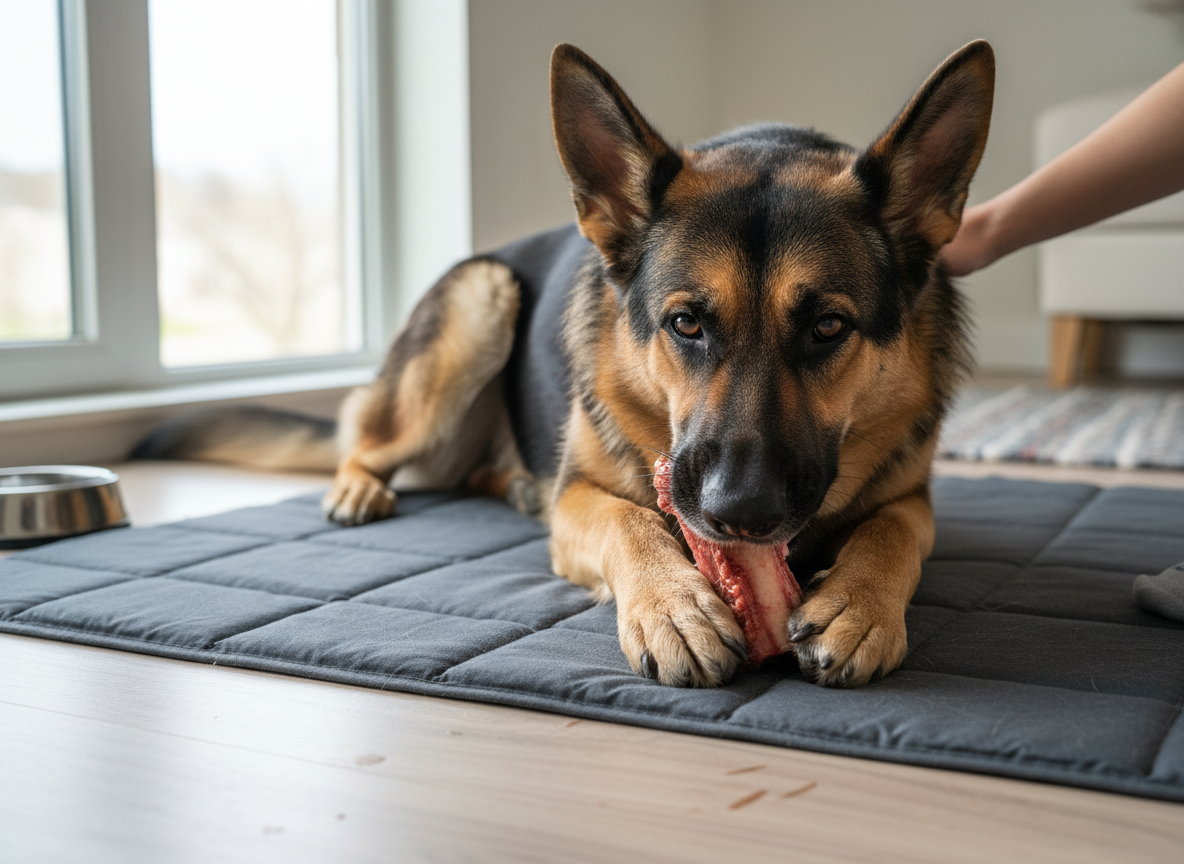
- Choose the Serving Location: This will be a messy affair. Designate an area with an easy-to-clean surface, like a tiled kitchen floor, a crate with a liner, or outside on a clean patio. A towel or mat that can be immediately thrown in the wash is also a good option. Avoid letting your dog take the bone onto carpets or furniture.
- Sanitation is Paramount: Treat raw bones like any other raw meat. Wash your hands thoroughly with soap and water after handling the bone. After your dog is finished, clean the serving area with a pet-safe disinfectant to kill any lingering bacteria. Clean your dog’s food and water bowls separately from your own dishes.
Insider Secret: Before the very first chew session, inspect the bone for any sharp, sawed-off edges from the butchering process. If you find any, you can use a metal file or even rough concrete to gently blunt the sharp points, reducing the risk of oral injury.
This meticulous preparation may seem excessive, but it’s what separates a responsible owner from a reckless one. You are in control of the environment and the treat, which is the core principle of safe raw feeding.
Supervised Servings: The Rules of Engagement

Serving the bone is not a passive activity. You are the supervisor, the lifeguard on duty. This is non-negotiable. Your active participation is what ensures your dog’s safety during the chew session.
The Golden Rule: Active Supervision Only
Never leave a dog unattended with a raw marrow bone, not even for a minute. This isn’t a treat to give them when you leave for work. A dog can get into trouble quickly—choking, breaking a tooth, or swallowing a large piece. You need to be present and observant for the entire duration of the chew session.
Time Limits are Mandatory
A common mistake is letting a dog chew for hours on end. This leads to obsessive behavior, sore jaws, and an increased risk of dental damage as they become fatigued and chew less carefully.
- For Beginners: Start with a short session of 15-20 minutes. This is plenty of time for enrichment without overdoing it.
- For Experienced Chewers: You can extend sessions to 30-45 minutes, but rarely more. The goal is a satisfying chew, not a marathon.
When the time is up, confidently trade the bone for a small, high-value treat (like a piece of cheese or jerky). This teaches your dog that giving up the bone is a positive experience and prevents resource guarding.
Recognize Dangerous Chewing Behavior
Observe *how* your dog is chewing. You want to see gnawing, scraping, and licking. What you do not want to see is your dog positioning the bone at the back of their mouth and applying full, vertical force to try and crack it open like a nutcracker. This is how teeth break. If you see this behavior, interrupt them and take the bone away.
Know When to Discard the Bone
A marrow bone is not a permanent fixture. It has a limited, safe lifespan.
- Discard it once the majority of the marrow is consumed. The hollowed-out bone is less interesting and more likely to be broken.
- Discard it if it has dried out and become brittle.
- Most importantly, discard it once it has been chewed down to a size that could potentially be swallowed. This is where the muzzle rule comes back into play. If it looks small enough to be a choking hazard, it is. Do not take the risk.
Cost Analysis: The Butcher vs. The Boutique Pet Store
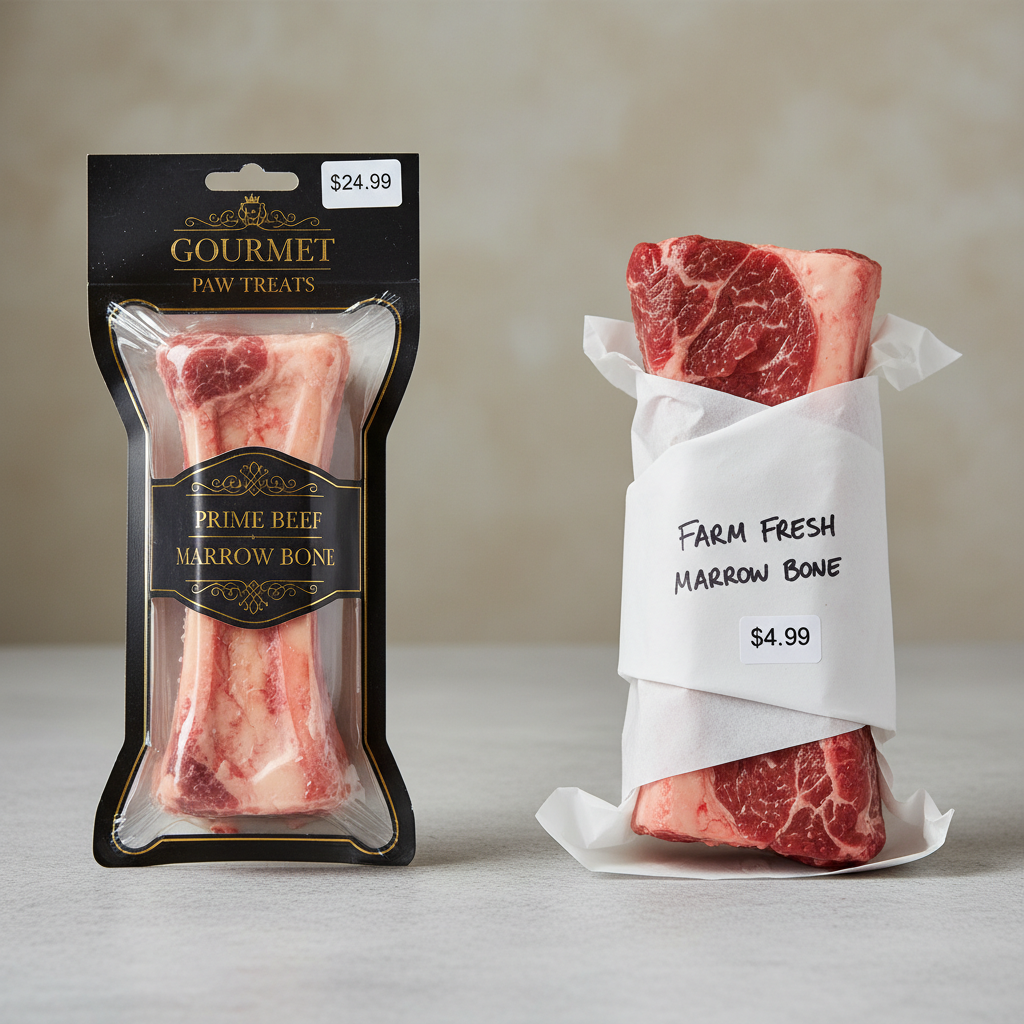
Being a nutrition hacker is also about being budget-savvy. The price of raw marrow bones can vary dramatically depending on your source. Paying more doesn’t always equate to higher quality or safety. Here’s a forensic breakdown of your options.
The following analysis is based on average market prices for a single, large beef marrow bone suitable for a 50-70lb dog. Prices will vary by location.
| Source | Average Price per Bone | Pros | Cons | Hacker Verdict |
|---|---|---|---|---|
| Local Butcher Shop | $3 – $6 | Fresh, high-quality product. Can specify size and type (knuckle vs. femur). Supports local business. | May have limited stock or require a special order. | Best Value & Quality. The preferred source for control and freshness. |
| Supermarket Meat Dept. | $4 – $8 | Convenient and readily available. | Often pre-cut into hazardous circular shapes. Quality can be variable. Staff may lack specific knowledge. | Use with Caution. Only purchase if you can find whole, appropriately sized bones. Avoid “soup bone” packs. |
| Boutique Pet Store | $8 – $15 | Sourced and sized specifically for dogs. Often sold frozen for convenience. | Significantly overpriced. You are paying a large premium for packaging and marketing. | Convenient but Costly. A decent option if you’re in a pinch, but not economical for regular use. |
| Online Raw Food Supplier | $5 – $10 (plus shipping) | Good quality, often from grass-fed sources. Can buy in bulk to save money. | Requires bulk purchase and freezer space. Shipping costs can negate savings. | Economical for Bulk Buyers. A great choice for committed raw feeders with ample storage. |
As the data shows, establishing a relationship with a local butcher provides the best balance of cost, quality, and customization. You can get a superior product for a fraction of the pet store price, allowing you to provide this high-value enrichment more often without breaking the bank.
Post-Chew Protocol & Long-Term Storage
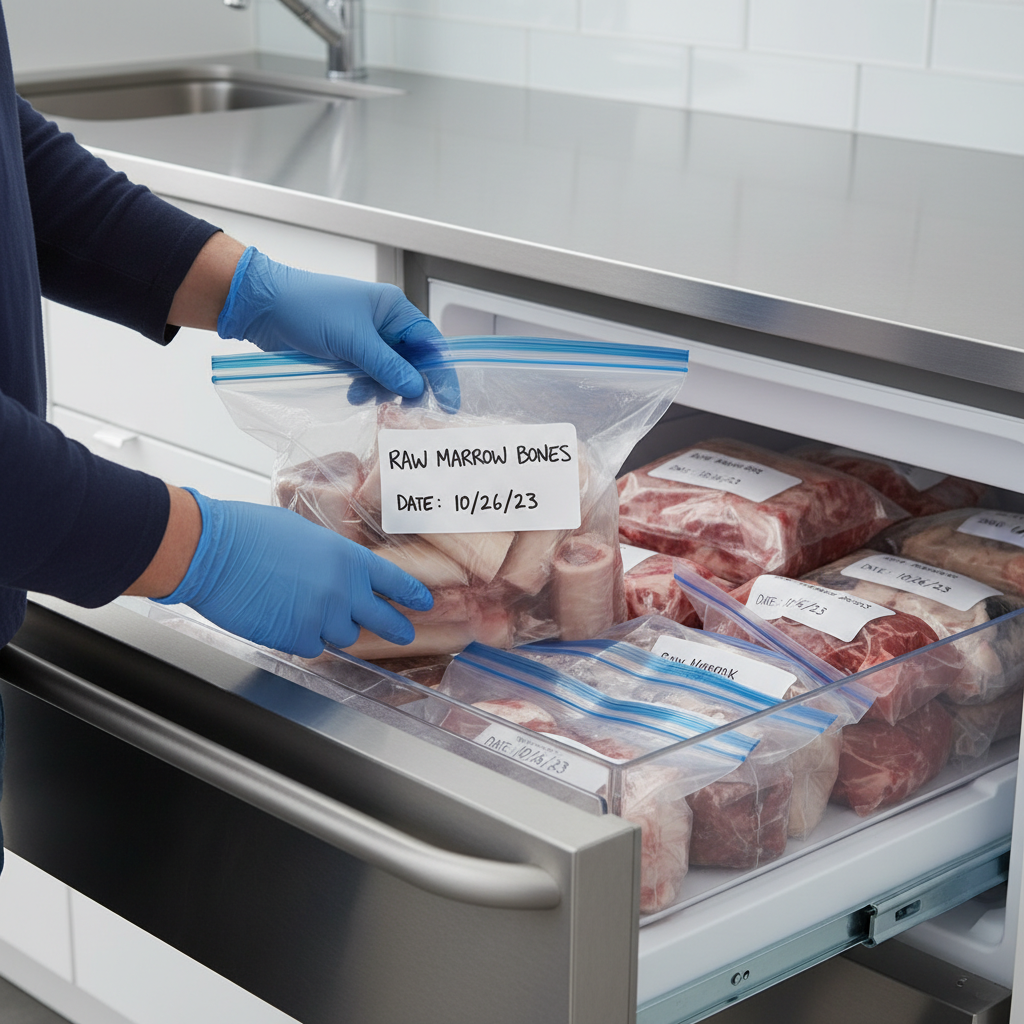
The job isn’t over when your dog is done chewing. Your post-chew protocol is critical for maintaining a hygienic home and preserving the bone for future sessions.
Immediate Cleanup
Once you’ve taken the bone from your dog, the first step is sanitation.
- Clean the Area: Thoroughly wipe down the floor or mat where your dog was chewing with a pet-safe disinfectant or a vinegar-water solution.
- Wash Your Hands: This is a simple but crucial step to prevent cross-contamination.
- Clean Your Dog: If your dog has a beard or long fur around their mouth, give it a quick wipe with a damp cloth to remove any raw residue.
Short-Term Storage
If there is still marrow left for another session, you can store the bone.
- Rinse the bone under cool water to remove any loose bits.
- Pat it dry with a paper towel.
- Place it in a sealed container or a zip-top bag and store it in the refrigerator for up to 3 days.
Do not leave it sitting out at room temperature. After 3 days, it’s best to discard it to avoid bacterial growth.
Long-Term Storage & Batching
If you’ve bought bones in bulk from a butcher or online supplier, proper storage is key to maintaining freshness and safety.
- Individually wrap each raw bone in plastic wrap or freezer paper. This prevents them from sticking together and helps ward off freezer burn.
- Place the wrapped bones inside a large, heavy-duty freezer bag. Squeeze out as much air as possible before sealing.
- Label the bag with the date. Raw marrow bones can be safely stored in a deep freezer for up to 6 months.
Hacker Tip: Create pre-portioned “chew packs.” If you scooped out excess marrow during preparation, you can freeze it in an ice cube tray. Before your next session, thaw a bone and a marrow cube. You can re-stuff the bone with the thawed marrow, which is often more exciting for the dog than a plain, scraped-out bone. This extends the value and enrichment of each bone.
Conclusion
Raw marrow bones are not a simple treat; they are a tool for advanced canine enrichment and nutritional supplementation. By moving beyond the passive role of a pet owner and adopting the mindset of a Canine Nutrition Hacker, you transform a potential liability into a calculated, safe, and beneficial activity. The core principles are simple but non-negotiable: Source with intent, Size with precision, and Supervise with vigilance. You now have the protocol to do this effectively. Armed with this knowledge, you can confidently provide your dog with one of the most satisfying and primally appropriate experiences possible, all while maintaining absolute control over their safety and well-being.