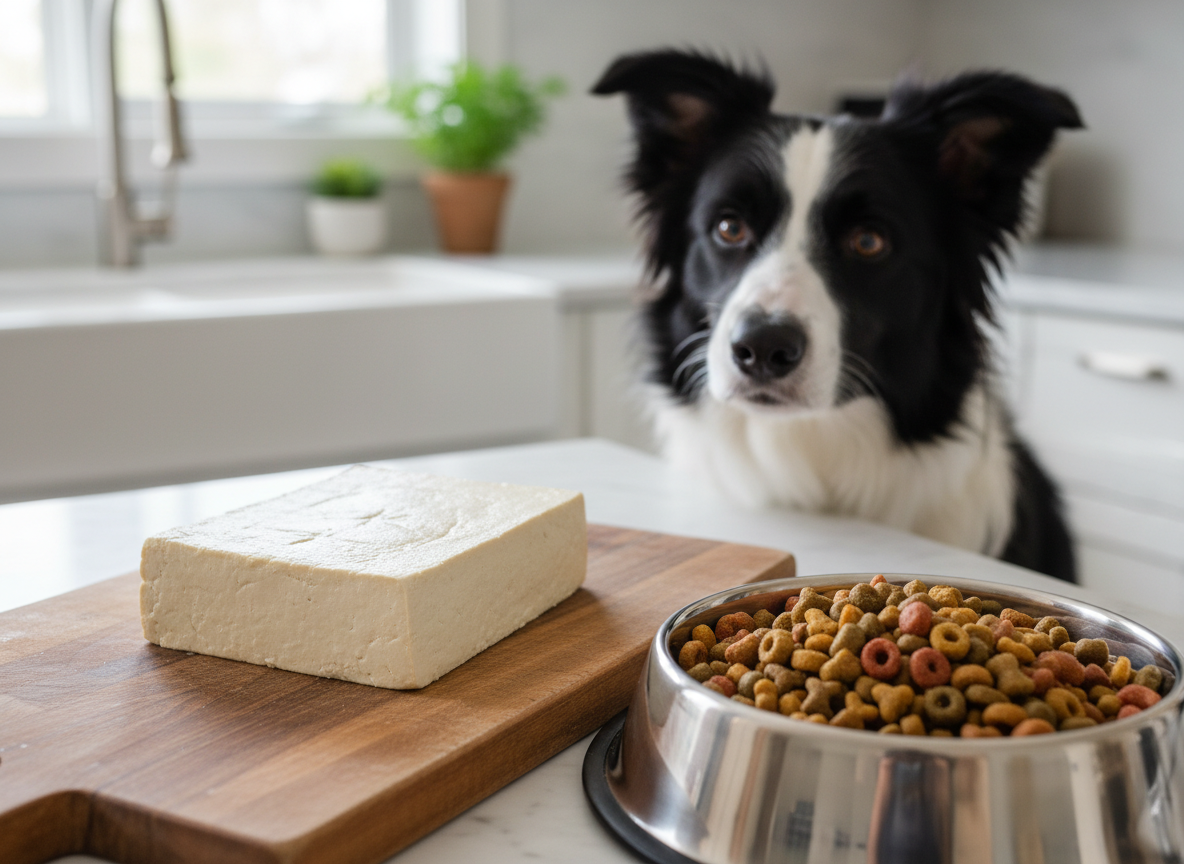
Can Dogs Eat Tofu? Soy Safety and Estrogen Myths Explained
Walk down any pet food aisle, and you’re bombarded with conflicting messages. ‘Grain-Free!’ screams one bag. ‘Ancestral Diet!’ proclaims another. And lurking in the ingredient lists of many ‘healthy’ foods is a controversial component: soy. This has led to one of the most persistent questions I hear from savvy owners: Can dogs eat tofu? The internet is a minefield of misinformation, with fear-mongering about everything from hormonal disruption to cancer. It’s time to cut through the noise.
As The Canine Nutrition Hacker, my job isn’t to sell you a bag of food; it’s to empower you to read an ingredient label like a forensic scientist. We’re going to put soy and tofu under the microscope, dissect the science, debunk the pervasive estrogen myth, and give you a clear, actionable verdict. Forget the marketing hype. Let’s look at the hard data.
Disclaimer: I am not a veterinarian. This guide is for informational purposes and is based on extensive research into canine nutrition. Always consult with your trusted veterinarian before making any significant changes to your dog’s diet, especially if they have pre-existing health conditions.
Deconstructing Tofu: What Are You Actually Feeding Your Dog?
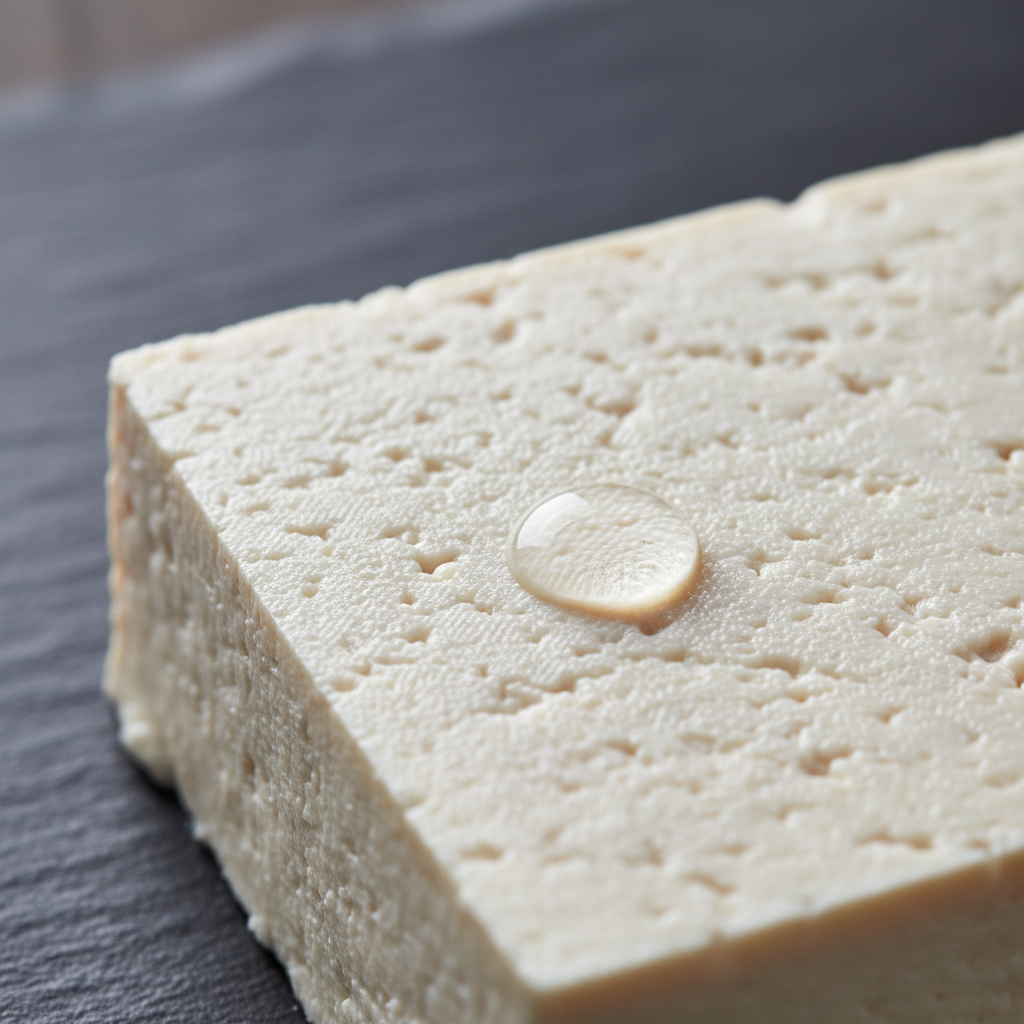
Before we can label an ingredient ‘good’ or ‘bad,’ we have to know what it is. Tofu is simply coagulated soy milk, pressed into solid white blocks. It’s a food staple in many human cultures, but what does it offer a canine? Let’s break down the nutritional forensics.
The Nutritional Profile
On paper, tofu looks impressive. It’s a source of high-quality protein, containing all nine essential amino acids required by dogs. It’s also relatively low in fat and provides minerals like iron, calcium, and manganese. When you compare it to traditional meat proteins, its value becomes clearer.
- Protein Content: A 100-gram serving of firm tofu contains about 17 grams of protein. This is comparable to some cuts of meat, though less dense than a premium chicken breast.
- Digestibility: Soy protein, especially in processed forms like soy protein isolate found in kibble, is highly digestible for most dogs. Whole tofu is also well-tolerated by many.
- The Allergen Factor: While soy allergies exist, they are far less common than allergies to chicken, beef, or dairy. This makes it a potentially valuable alternative protein source.
The Good, The Bad, and The Ugly of Soy
No ingredient is perfect. A true analysis requires looking at the full picture.
- The Good: It’s a complete, plant-based protein that can be a lifesaver for dogs with severe meat allergies. It’s also a low-purine option, which is critical for certain breeds.
- The Bad: Soy contains oligosaccharides, complex sugars that some dogs struggle to digest, leading to gas and bloating. It also contains goitrogens, compounds that can interfere with thyroid function in very high quantities, a concern for dogs with existing thyroid conditions.
- The Ugly: The majority of soy grown in the United States is genetically modified (GMO). Furthermore, the form of soy in most commercial dog foods isn’t pristine tofu blocks; it’s often ‘soybean meal’ or ‘soy protein isolate’—highly processed byproducts. Always know what form of soy you’re actually looking at on the label.
The Estrogen Myth: Exposing the Phytoestrogen Fallacy
This is the number one fear surrounding soy: that it will flood your dog’s body with estrogen, causing hormonal chaos, feminizing male dogs, and increasing cancer risk. This is the most significant myth we need to bust, and the science is quite clear.
Soy contains compounds called isoflavones, which are a type of phytoestrogen (phyto- means plant). Phytoestrogens have a chemical structure similar to the body’s own estrogen, allowing them to bind to estrogen receptors. This is where the fear comes from. However, the reality of how they function is far more nuanced.
Weaker Than You Think
The key fact is that phytoestrogens are significantly weaker than mammalian estrogen. Their binding affinity to estrogen receptors is hundreds, if not thousands, of times less potent. They don’t trigger the same powerful hormonal cascade. In some cases, by occupying the receptor site, they can even block the body’s more potent estrogen from binding, potentially having a moderating effect.
Hacker Tip: The fear-mongering around soy’s ‘estrogen’ is a classic marketing tactic used by competing brands that rely on meat-based proteins. They amplify a kernel of scientific truth into a full-blown panic. The clinical data on canines does not support the claim that typical dietary levels of soy cause hormonal disruption.
Numerous studies have examined the effects of soy isoflavones on dogs and other animals. The consensus is that the amounts found in a balanced commercial dog food or given as an occasional treat are not sufficient to cause hormonal imbalances, infertility, or feminization. A dog would need to consume an exclusively high-soy diet for a prolonged period to even begin to approach levels where thyroid function might be impacted, let alone hormonal expression.
Soy as the ‘Enemy Ingredient’: When to Avoid Tofu and Soy

While the estrogen myth is overblown, there are legitimate medical reasons to keep soy out of your dog’s bowl. A savvy owner knows that context is everything. Soy is not universally ‘bad,’ but it can be the wrong choice for specific dogs.
Dogs with Thyroid Issues
This is the most critical contraindication. As mentioned, soy contains goitrogens. These compounds can interfere with iodine uptake in the thyroid gland, which is essential for producing thyroid hormones. For a dog with a healthy thyroid, this effect is negligible. But for a dog already diagnosed with hypothyroidism, adding a goitrogenic food can exacerbate the condition and may interfere with the efficacy of their medication.
Dogs with Liver or Kidney Disease
Managing these conditions often involves carefully controlling the type and amount of protein. While soy protein is of good quality, some veterinary nutritionists prefer easily metabolized animal proteins for dogs with compromised organ function. Furthermore, phosphorus levels must be managed, and this requires a precise dietary formulation best left to a veterinarian.
Dogs with Known Soy Allergies
Although less common than other food allergies, soy is a potential allergen. If your dog shows signs of a food allergy—such as chronic ear infections, itchy skin, paw licking, or gastrointestinal upset—soy should be on the list of potential culprits to eliminate during a diet trial.
Breeds Prone to Bloat (GDV)
The link is not definitively proven, but some studies have suggested that dog foods listing soybean meal or other soy products high in the ingredient list may be associated with a higher risk of Gastric Dilatation-Volvulus (bloat). For owners of deep-chested, at-risk breeds like Great Danes, Weimaraners, or Standard Poodles, it is a risk factor worth considering and discussing with your vet.
The ‘Hero Ingredient’ Scenario: When Tofu Can Be a Smart Choice
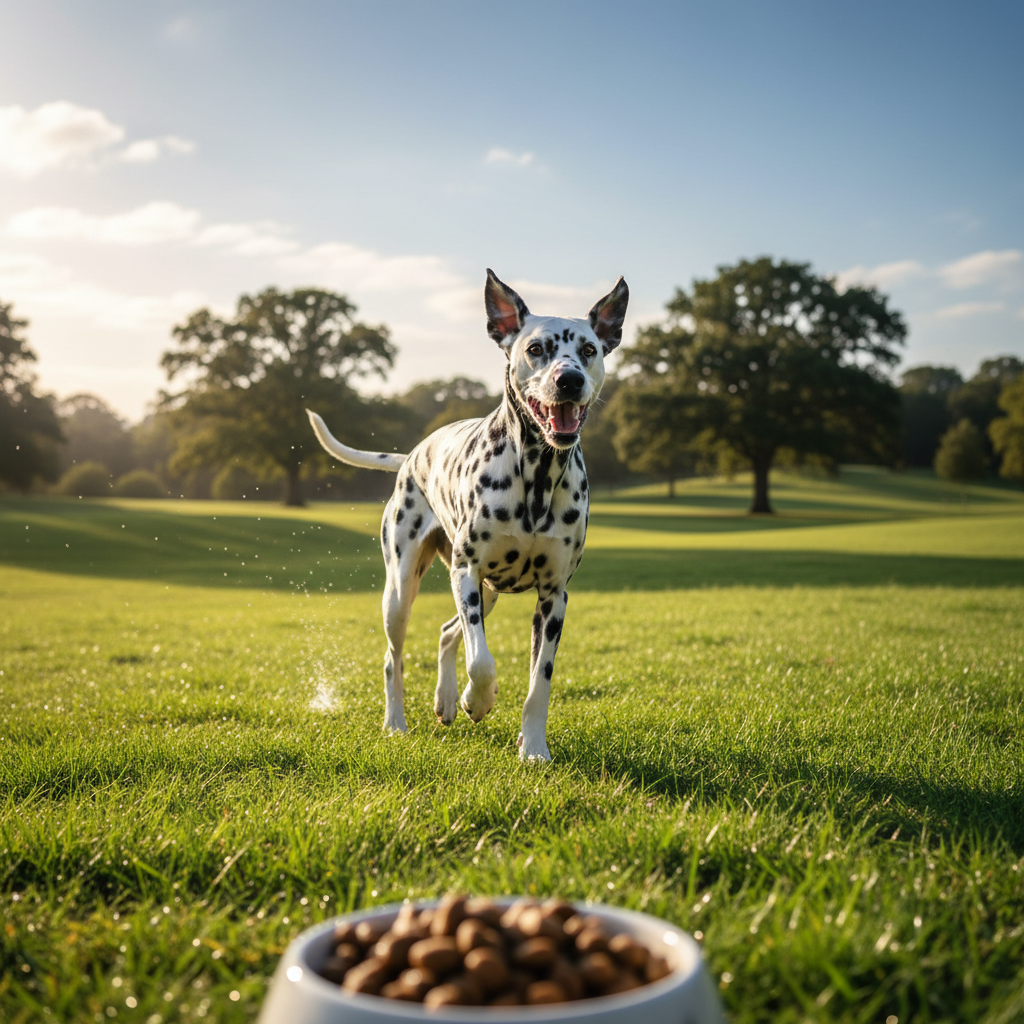
Just as there are times to avoid soy, there are specific scenarios where it transitions from a controversial filler to a dietary hero. For some dogs, tofu and soy aren’t just safe; they are a superior choice for managing a specific health problem.
Managing Severe Protein Allergies
This is soy’s biggest advantage. If your dog is allergic to common animal proteins like chicken, beef, and lamb, finding a food they can tolerate can be a nightmare. Soy offers a complete, plant-based protein that is truly ‘novel’ to their system. A veterinarian may prescribe a hydrolysed soy protein diet, where the protein is broken down into such small pieces that the immune system no longer recognizes it as an allergen.
A Low-Purine Diet for Bladder Stones
Certain breeds, most famously Dalmatians, have a genetic defect that makes them unable to process purines properly. Purines are abundant in organ meats, red meat, and some fish. A high-purine diet can lead to the formation of painful urate bladder stones. Tofu and other soy products are very low in purines, making them a cornerstone of a preventative diet for these dogs.
| Feature | Tofu (Soy Protein) | Chicken (Poultry Protein) |
|---|---|---|
| Common Allergen? | No, considered a novel protein for many. | Yes, one of the most common food allergens in dogs. |
| Purine Level | Low | High |
| Best Use Case | Dogs with meat allergies or urate stone risk. | General purpose protein for non-allergic dogs. |
| Verdict | A targeted problem-solver for specific medical needs. | An excellent default protein if tolerated well. |
Strategic Weight Management
When used correctly within a balanced diet formulated by a vet, tofu can aid in weight loss. It is lower in fat and calories than many fatty meats. This allows for the creation of a satisfying, high-protein meal that remains within a strict caloric limit.
The Canine Nutrition Hacker’s Guide to Serving Tofu Safely

If you’ve determined that tofu is a safe and appropriate choice for your dog, preparation and portion control are non-negotiable. Tossing your dog leftover Mapo Tofu is a recipe for disaster. Follow these rules strictly.
Preparation is Everything
- ALWAYS COOK TOFU. It should be served plain—either baked, steamed, or pan-fried without oil. Cooking improves its digestibility.
- NEVER serve raw tofu. While not toxic, it poses a higher risk of causing gastrointestinal upset.
- ABSOLUTELY NO seasonings, sauces, garlic, or onions. Many ingredients common in human tofu dishes are toxic to dogs. This includes soy sauce, which has a dangerously high sodium content.
Dosage and Frequency
- Treat tofu as a high-value treat, not a meal replacement (unless it is part of a complete and balanced diet formulated by a veterinary nutritionist).
- Follow the 10% Rule: Treats, including tofu, should never exceed 10% of your dog’s total daily caloric intake. For a 50lb dog, a single 1-inch cube is a reasonable treat.
- Start small. The first time you offer tofu, give a tiny piece and monitor for any signs of digestive upset for the next 24 hours.
Choosing the Right Tofu
- Opt for plain, firm or extra-firm organic tofu.
- ‘Organic’ is crucial as it ensures the soybeans are non-GMO.
- Firm or extra-firm textures are easier to dice and hold their shape better as a training treat. Avoid silken tofu, which is too soft and messy.
- Read the label. Ensure there are no added preservatives, flavors, or salts. The ingredients should be simple: water, soybeans, and a coagulant.
Insider Secret: When you see ‘soybean meal,’ ‘soy grits,’ or ‘soy protein concentrate’ on a commercial dog food label, recognize it for what it is: a highly processed, inexpensive protein filler. It is nutritionally a world away from a simple block of organic tofu. Know what you’re paying for—or what you’re trying to avoid.
Conclusion
So, can dogs eat tofu? The definitive answer is: yes, with critical exceptions. Tofu is not the toxic, hormone-disrupting monster it’s often portrayed to be. The estrogen myth is largely debunked for the moderate amounts a dog would consume. For the average healthy dog, a small cube of plain, cooked tofu is a safe, high-protein treat.
However, it is not a ‘superfood’ for every canine. For dogs with hypothyroidism or a predisposition to bloat, it’s an ingredient to approach with extreme caution or avoid entirely. Conversely, for a dog suffering from severe meat-protein allergies or a Dalmatian at risk for urate stones, soy protein can be a medically necessary hero ingredient that dramatically improves their quality of life.
Your responsibility as a Canine Nutrition Hacker is to move beyond simplistic ‘good vs. bad’ labels. You must analyze the ingredient in the context of your dog’s unique health profile. Stop guessing, stop listening to marketing hype, and start making informed, evidence-based decisions for the animal that depends on you. Always use your veterinarian as your most trusted partner in this process.