
Feeding Whole Prey: A Guide to Frozen Mice for Dogs
Let’s cut to the chase. You’ve heard whispers in raw feeding forums, seen intriguing posts online, and now you’re asking the question: can I, and should I, feed my dog frozen mice? The conventional pet food industry would have you believe this is a radical, dangerous idea. But as the Canine Nutrition Hacker, my job is to dissect the data, ignore the marketing fluff, and give you the unvarnished truth. Feeding whole prey, like frozen mice, is one of the most direct ways to provide a species-appropriate, nutritionally dense meal. It’s not for the faint of heart, and it’s certainly not for every dog or owner. But for those willing to do the work, the benefits in dental health, mental stimulation, and nutrient bioavailability can be profound.
This guide is your forensic analysis. We will break down the science, the safety protocols, and the real-world costs. This is not a casual blog post; it is a strategic manual for the discerning dog owner.
CRITICAL SAFETY DISCLAIMER
Before you proceed, understand this: I am a canine nutrition analyst, not a veterinarian. The information provided here is for educational purposes and is not a substitute for professional veterinary advice. Whole prey feeding is an advanced nutritional strategy that carries inherent risks. You must consult with a board-certified veterinary nutritionist or a veterinarian experienced in raw feeding before making any significant changes to your dog’s diet, especially if your dog has pre-existing health conditions. You are solely responsible for your dog’s health and safety.
The Nutritional Blueprint: Why Whole Prey Isn’t Just Hype
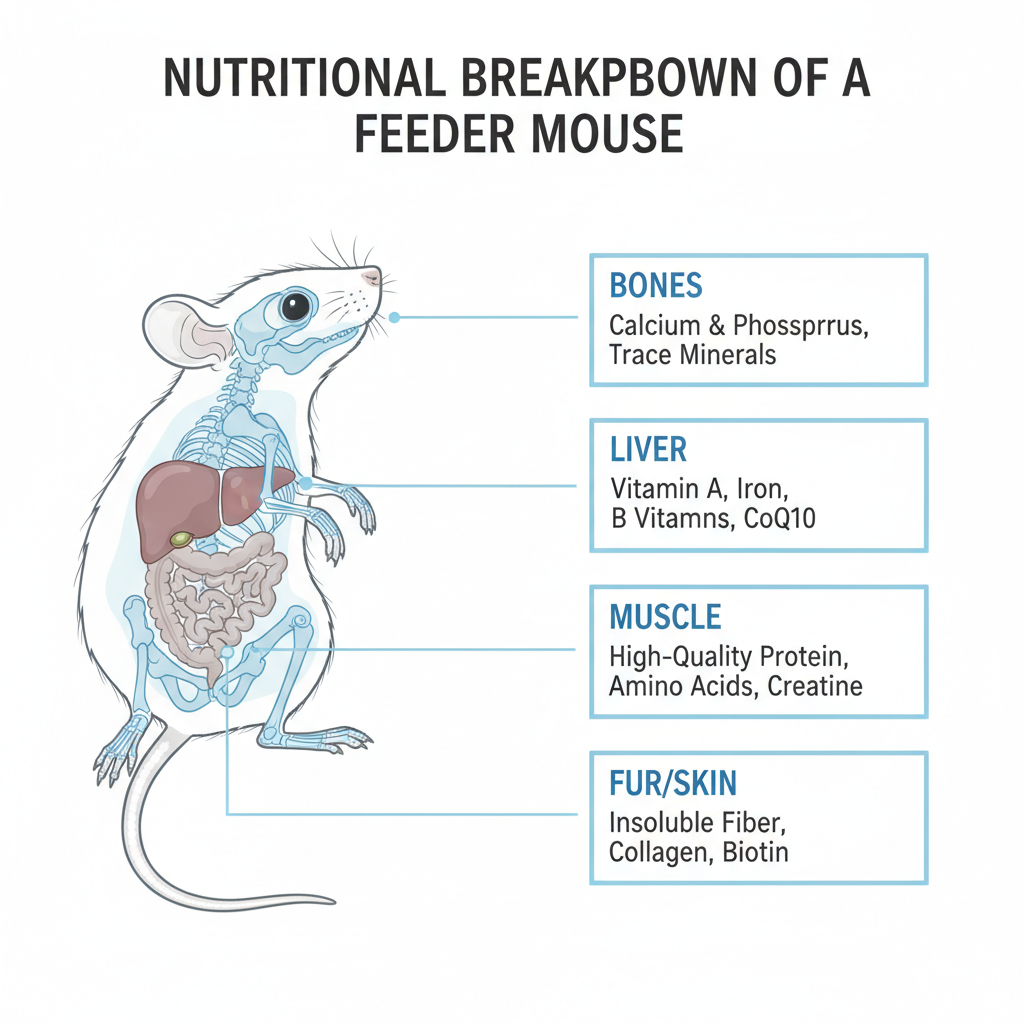
To understand the ‘why’ behind feeding a whole mouse, you have to stop thinking like a kibble manufacturer and start thinking like a biologist. A mouse isn’t just ‘meat.’ It’s a complete nutritional package, a self-contained ecosystem of everything a small carnivore needs.
Deconstructing the Prey
When your dog consumes a whole mouse, they are getting far more than just muscle meat. They are consuming:
- High-Quality Protein: The muscle and organs provide a complete amino acid profile essential for muscle development and repair.
- Calcium and Phosphorus: The bones provide these minerals in their most natural, bioavailable ratio, crucial for skeletal health. This is nature’s perfect bone meal, without the artificial processing.
- Essential Fats: Organ meat and fatty tissues supply vital energy and support cellular function.
- Organs as Superfoods: The liver, heart, and other organs are dense sources of vitamins A, B, iron, and taurine. This is nature’s multivitamin.
- Fiber and Prebiotics: The small amount of fur and digested plant matter in the mouse’s gut can act as a source of fiber and prebiotics, aiding your dog’s digestion.
- Enzymes and Moisture: Raw prey is rich in natural enzymes and moisture, which supports digestive and urinary tract health, something sorely lacking in dry, processed kibble.
Beyond the Bowl: Mental and Dental Benefits
The act of eating whole prey provides two benefits that a bowl of kibble can never replicate:
- Dental Abrasion: The process of crunching through bones and tearing through tissue is nature’s toothbrush. It scrapes away plaque and tartar, promoting gum health and preventing periodontal disease. This is a far more effective mechanism than any dental chew on the market.
- Mental Stimulation (Enrichment): For many dogs, especially those with high prey drive, the act of processing a whole food item is mentally engaging. It satisfies a deep-seated instinct, which can reduce boredom and anxiety. It’s a job, a puzzle, and a meal all in one.
Hacker Tip: Don’t view whole prey as just ‘food.’ View it as a nutritional and behavioral enrichment tool. For a working breed dog, a whole prey meal is a 10-minute mental workout that processed food can never offer.
The Non-Negotiables: Sourcing and Safe Handling Protocols

This is the most critical section of this guide. Sourcing and handling are not areas where you can cut corners. Failure here can lead to serious health consequences for your dog and your family. Your mission is to mitigate risk at every step.
Rule #1: Know Your Source
You cannot, under any circumstances, use wild-caught mice or mice from a local pet store intended as live feeders. These animals can carry a host of parasites and diseases, and you have no knowledge of their health or what they’ve ingested (like poison). Your source must be a reputable company that breeds mice specifically as frozen feeders for reptiles and birds of prey. These companies typically adhere to stricter health and euthanasia protocols.
Your Sourcing Checklist:
- Reputable Breeder: Look for companies that specialize in frozen feeders. Read reviews, ask questions about their breeding practices and diet.
- Flash-Frozen: Ensure the mice are flash-frozen. This process kills some parasites and preserves nutritional integrity better than slow freezing.
- Vacuum-Sealed: Proper packaging prevents freezer burn and reduces the risk of cross-contamination in your freezer.
- Variety of Sizes: A good supplier will offer various sizes, from pinkies (newborns) to adults, allowing you to choose the appropriate size for your dog to prevent choking hazards.
The Kitchen is a Biohazard Zone: Safe Handling Steps
Treat frozen mice with the same or greater caution as you would raw chicken for human consumption. Assume they carry bacteria like Salmonella or E. coli.
- Dedicated Storage: Store the frozen mice in a dedicated, sealed container in your freezer, away from human food.
- Thawing Protocol: The safest way to thaw is in the refrigerator in a sealed, leak-proof container. Never thaw on the countertop or in the microwave. Thawing on the counter allows bacteria to multiply rapidly.
- Sanitize Everything: Use a dedicated bowl and preparation surface (like a specific cutting board). After feeding, wash the bowl, the prep surface, and your hands thoroughly with hot, soapy water. Consider using a food-safe disinfectant on surfaces.
- Supervised Feeding: Always supervise your dog while they are eating whole prey. This is to monitor for any signs of choking or difficulty.
Cost Analysis: Whole Prey vs. Premium Commercial Diets
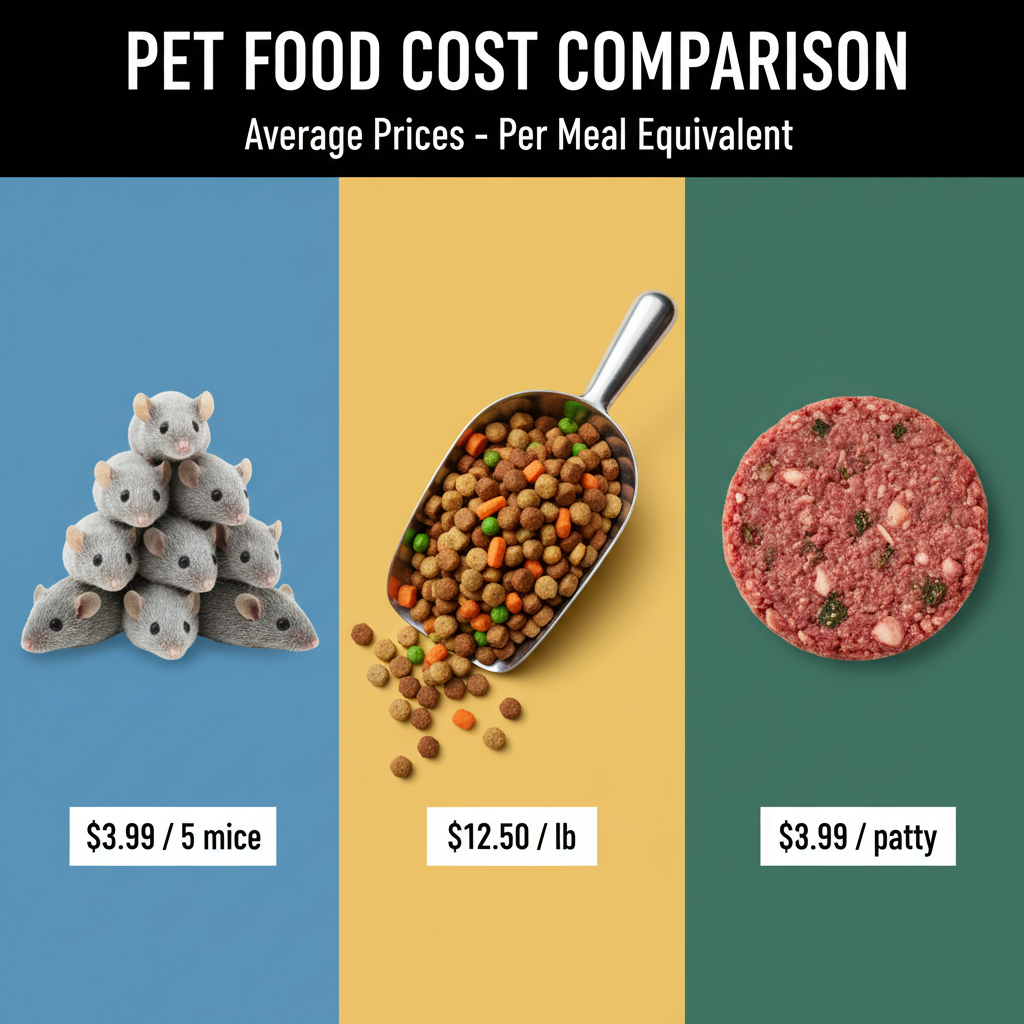
Many owners assume a whole prey diet is prohibitively expensive. Let’s run the numbers. We will compare the daily cost of feeding a 50lb, moderately active dog using three different models: frozen mice, a premium grain-free kibble, and a commercial pre-made raw food.
Assumptions: A 50lb dog needs approximately 1000-1200 calories per day. An adult mouse contains about 30 calories. Therefore, our hypothetical dog would need around 33-40 mice per day. This is an impractical number, proving that mice are best used as a supplement or for smaller dogs. For this analysis, let’s adjust our model to a 10lb dog, which needs about 250 calories per day, or roughly 8-9 medium mice. This is a more realistic scenario for this specific prey type.
Cost Breakdown for a 10lb Dog (Approximate Daily Cost)
| Feeding Model | Primary Ingredients | Source of Nutrients | Estimated Daily Cost | Verdict |
|---|---|---|---|---|
| Whole Prey (Frozen Mice) | Whole frozen adult mice | Natural balance of meat, bone, organ, and trace elements | $2.00 – $3.50 | Nutritionally dense and enriching, but requires strict handling and sourcing. Cost-effective for small dogs. |
| Premium Grain-Free Kibble | Deboned Chicken, Chicken Meal, Peas, Potatoes | Formulated with synthetic vitamin/mineral packs | $1.00 – $1.75 | Convenient and affordable, but highly processed with potential for starchy fillers and lower moisture. |
| Commercial Pre-Made Raw | Ground Beef, Beef Heart, Beef Liver, Ground Bone, Carrots | Ground whole foods, often with synthetic supplements | $3.00 – $5.00 | Offers raw benefits with convenience, but is typically the most expensive option and quality varies by brand. |
As you can see, for a small dog, a diet based on frozen mice can be cost-competitive with commercial pre-made raw diets, while offering unique dental and mental enrichment benefits. For larger dogs, mice are better utilized as a supplemental meal or a ‘treat’ to add variety and nutritional horsepower to their primary diet, rather than serving as the entire caloric base.
Implementation Protocol: A Step-by-Step Introduction Guide

Introducing a new, radical food item like a mouse requires a slow, methodical approach. Rushing this process can lead to digestive upset or food refusal. Your goal is a seamless transition.
Phase 1: The Initial Introduction (Week 1)
- Start Small: Begin with a smaller prey item, like a ‘fuzzy’ or ‘hopper’ mouse, rather than a full-grown adult.
- Initial Presentation: For the very first time, you may need to make it more appealing. Some dogs are hesitant. You can try holding it for them or even making a small incision to release the scent of blood.
- Offer Separately: Do not mix it with their regular food. Offer the mouse in a separate ‘meal’ or as a high-value treat in a calm environment. This prevents them from developing an aversion to their main diet if they are unsure about the new item.
- Observe Reaction: Watch your dog’s reaction. Are they curious, fearful, or excited? Don’t force it. If they refuse, remove it calmly and try again the next day.
Phase 2: Integration and Monitoring (Weeks 2-4)
Once your dog is readily accepting the mouse, you can begin to integrate it more formally.
- Digestive Monitoring: Pay close attention to your dog’s stool. Some initial changes are normal as their gut biome adapts. However, persistent diarrhea or vomiting is a red flag to stop and consult your vet.
- Gradual Replacement: If your goal is to use mice as a meal replacement, start by replacing a small portion of one meal. For a small dog, one or two mice might replace 1/4 of their breakfast.
- Increase Size: As your dog becomes comfortable, you can gradually move up to larger, adult-sized mice appropriate for their size. The goal is for them to chew, not swallow whole.
Insider Secret: Some dogs, particularly those who have only ever eaten processed kibble, may not recognize whole prey as food. A common trick is to briefly sear the outside of the mouse in a hot, dry pan for 10-15 seconds. The warmth and smell can be enough to trigger their feeding instinct. Do not cook it through; you only want to warm the exterior.
A Note on Size and Choking
The prey item should be large enough that your dog must chew it. A prey item that is too small can be a choking hazard. A good rule of thumb is that the item should be larger than your dog’s jaw/throat. This forces them to engage in the chewing and crushing that provides the dental benefits.
Red Flags and Contraindications: When to AVOID This Diet

A responsible nutritional analyst tells you not just what to do, but what not to do. Whole prey feeding is not a universal solution. There are specific situations where it is either inappropriate or requires extreme caution and veterinary supervision.
Medical Conditions of Concern:
- Pancreatitis or Sensitive Stomachs: The high-fat content, particularly from organ meat, can be a trigger for dogs with a history of pancreatitis.
- Kidney Disease: Whole prey is high in phosphorus due to the bone content. For dogs with compromised kidney function, this can be dangerous.
- Immunocompromised Dogs: Dogs on certain medications (like steroids) or with autoimmune diseases may be more susceptible to bacterial pathogens present in raw food. The risk-benefit analysis often tilts against raw prey in these cases.
Breed and Individual Considerations:
- Brachycephalic (Flat-Faced) Breeds: Breeds like Pugs, French Bulldogs, and Boxers can have a harder time chewing and manipulating whole prey due to their jaw structure, increasing the risk of choking.
- Resource Guarders: If your dog is a known resource guarder, introducing an extremely high-value item like whole prey can escalate this behavior. This must be managed carefully with a professional trainer.
- The ‘Gulper’: Some dogs don’t chew, they inhale. If your dog tends to swallow things whole, you must select prey sizes that make this impossible to prevent choking.
Ultimately, this is about knowing your individual dog. A healthy, active adult dog with no underlying medical issues is the ideal candidate. A senior dog with dental issues or a puppy with a developing digestive system is not. When in doubt, the answer is always to consult your veterinarian. Their diagnostic tools and knowledge of your dog’s specific health history are invaluable assets you cannot afford to ignore.
Conclusion
Stepping into the world of whole prey feeding is a significant commitment that separates the casual pet owner from the dedicated canine nutritionist. It requires meticulous research, unwavering commitment to safety, and an honest assessment of your own dog’s needs and your personal comfort level. We’ve dissected the nutritional science, laid out the non-negotiable safety protocols, analyzed the costs, and flagged the critical risks. Frozen mice are not a magic bullet, but they are a powerful tool in the nutritional arsenal when used correctly for the right candidate.
The power is now in your hands. You have the data and the framework to make an informed, authoritative decision. Forget the marketing, ignore the fear-mongering, and focus on the biological facts. Your dog’s optimal health is the only metric that matters.