Can Dogs Eat Monkfish? Safe White Fish Choices
You’re in the pet food aisle, or perhaps at the fish counter, and you see a strange-looking but meaty fillet labeled ‘monkfish.’ The wheels in your head start turning: ‘Can my dog eat this? Is it healthy?’ As The Canine Nutrition Hacker, I’m here to tell you that asking these questions is the first step to taking control of your dog’s nutrition. The internet is filled with vague advice. We’re not about that here. We’re about forensic analysis, hard facts, and empowering you to see through the marketing fluff and understand what’s actually going into your dog’s bowl.
So, let’s get straight to it. The short answer is: Yes, a dog can eat monkfish, but it comes with significant caveats that demand your full attention. It is not a straightforward ‘yes.’ This isn’t a simple treat; it’s a food that requires careful consideration and preparation. In this deep-dive analysis, we will dissect monkfish piece by piece—the good, the bad, and the hazardous. We’ll then compare it to other, often safer and more economical, white fish, giving you a clear, actionable guide to incorporating fish into your dog’s diet safely and effectively. It’s time to go beyond the surface-level answers and become a true nutrition hacker for your canine companion.
The Forensic File on Monkfish: Nutritional Powerhouse or Potential Hazard?
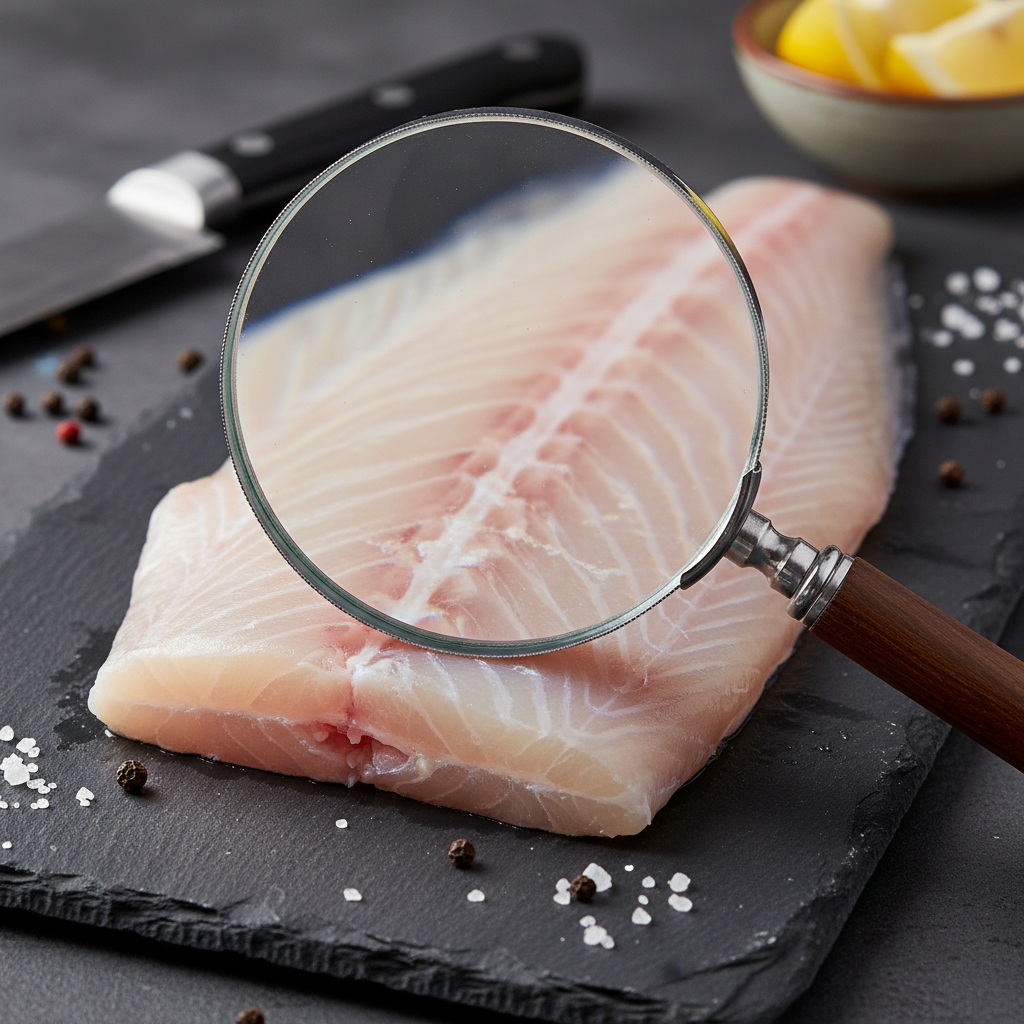
Monkfish, often called the ‘poor man’s lobster’ for its firm, sweet texture, presents a complex nutritional profile. On one hand, it’s packed with high-quality protein and beneficial nutrients. On the other, its position in the marine food chain introduces risks that cannot be ignored. Let’s put it under the microscope.
The Nutritional Upside: Why It’s Tempting
From a purely nutritional standpoint, monkfish has a lot going for it. It’s a lean source of animal protein, which is the cornerstone of any healthy canine diet, essential for muscle development, tissue repair, and overall energy.
- High-Quality Protein: Monkfish provides a complete amino acid profile, making its protein highly bioavailable for your dog.
- Omega-3 Fatty Acids: It contains a decent amount of EPA and DHA, the powerhouse omega-3s known for reducing inflammation, supporting cognitive function, and promoting healthy skin and a glossy coat.
- Rich in Selenium: This vital trace mineral acts as a powerful antioxidant, protecting cells from damage and supporting thyroid and immune system function.
- Vitamin B12: Crucial for nervous system function, cell growth, and the formation of red blood cells.
The Red Flags: Analyzing the Dangers
This is where your ‘hacker’ mindset needs to kick in. The benefits are clear, but the potential dangers are significant and require careful navigation.
- Mercury Content: This is the number one concern with monkfish. As a deep-sea, bottom-dwelling predatory fish, monkfish has a longer lifespan and eats other smaller fish, leading to a process called bioaccumulation. Mercury accumulates in its tissues over time. For dogs, especially smaller breeds or those consuming it regularly, mercury toxicity is a real threat, potentially leading to severe neurological damage, kidney problems, and coordination issues.
- Thiaminase: Like many raw saltwater and freshwater fish, monkfish can contain thiaminase, an enzyme that destroys thiamine (Vitamin B1). A thiamine deficiency is a serious neurological condition for dogs. The good news? Thorough cooking completely neutralizes thiaminase. This is why serving raw monkfish is an unacceptable risk.
- Bones: While monkfish is often sold as fillets, the central spine and other smaller bones are a serious choking hazard and can cause internal perforations if swallowed. Meticulous deboning is non-negotiable.
- High Sodium Potential: You must only ever consider fresh, plain monkfish. Any processed versions, like smoked or salted monkfish, contain dangerously high levels of sodium that can lead to salt poisoning in dogs.
Hacker Tip: When assessing any ‘exotic’ protein for your dog, your first question should always be, ‘Where does it sit on the food chain?’ Top predators almost always equal higher risks of contaminants like mercury.
The Safe White Fish Lineup: Hacker-Approved Alternatives
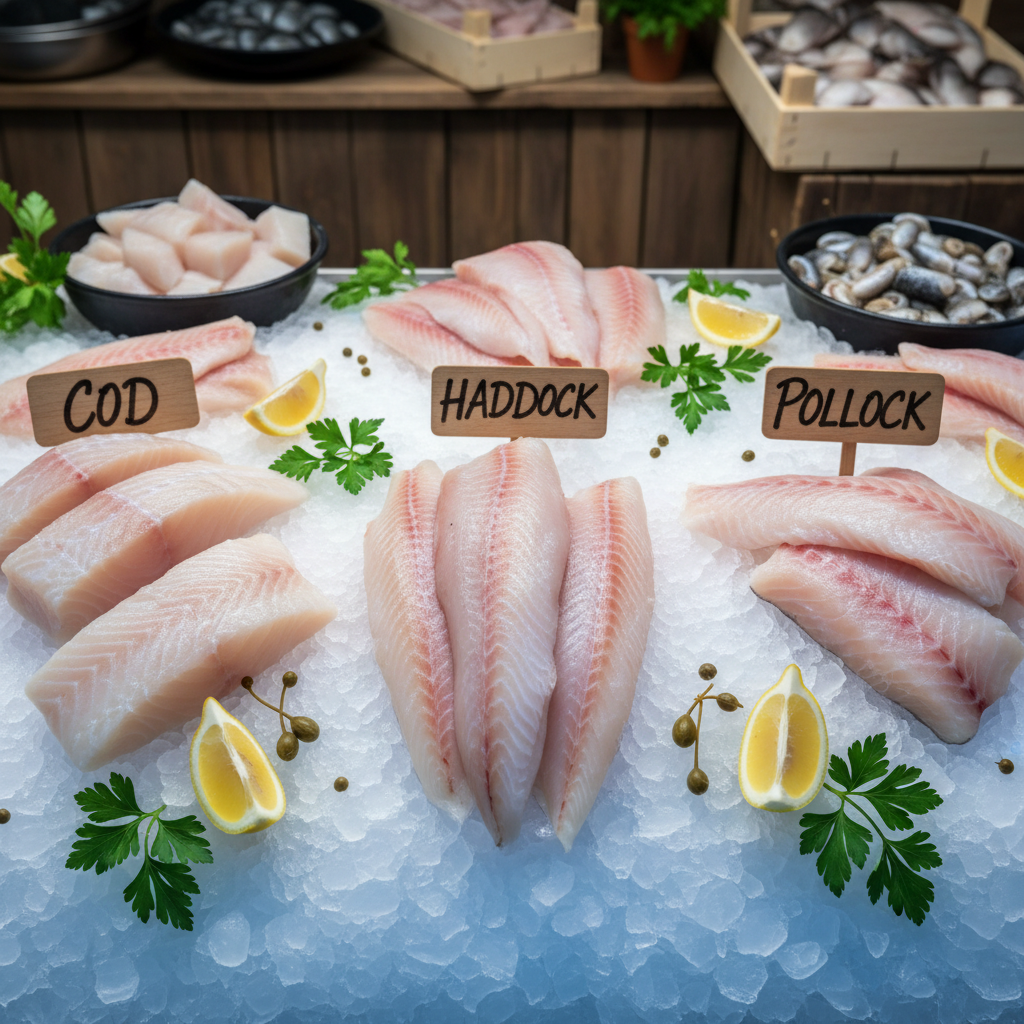
While monkfish can be fed with extreme caution, why take the risk when there is a whole roster of safer, more affordable, and nutritionally excellent white fish available? A true nutrition hacker optimizes for maximum benefit and minimum risk. The following fish are generally smaller, have shorter lifespans, and sit lower on the food chain, resulting in significantly lower mercury levels.
Here is a direct comparison to put the choice into perspective:
| Fish Type | Mercury Level | Primary Nutrients | Price Tier | Hacker Verdict |
|---|---|---|---|---|
| Monkfish | Medium-High | Protein, Selenium | High | Feed with Extreme Caution. The mercury risk outweighs the benefits for regular feeding. A rare, tiny, well-cooked treat at best. |
| Cod | Low | Protein, Vitamin B12, Iodine | Medium | Approved. A reliable, lean, and low-mercury staple. Excellent for sensitive stomachs. |
| Haddock | Low | Protein, Omega-3s, Phosphorus | Medium | Highly Approved. Slightly richer in Omega-3s than cod. A fantastic, safe choice. |
| Pollock | Very Low | Protein, Selenium, Vitamin B6 | Low | Budget Champion. The primary fish in many high-quality commercial foods for a reason. Safe, nutritious, and affordable. |
| Flounder/Sole | Low | Protein, Vitamin D, B Vitamins | Medium | Approved. A delicate, lean fish that’s easy for most dogs to digest. |
In-Depth Analysis of Safer Choices
Let’s break down why these alternatives get the green light.
- Cod: This is the workhorse of safe fish for dogs. It’s lean, meaning it’s low in fat, which is great for dogs prone to pancreatitis or who need to watch their weight. It’s consistently low in mercury and widely available.
- Haddock: A close cousin to cod, haddock often boasts a slightly higher concentration of omega-3 fatty acids. It has a mild flavor and flaky texture that dogs love. It’s an excellent choice for boosting your dog’s skin and coat health.
- Pollock: Don’t underestimate pollock. Wild Alaskan Pollock, in particular, is one of the cleanest and most sustainable fish you can buy. Its very low mercury level and affordability make it a top-tier choice for regular inclusion in a diet, either as a topper or as part of a balanced homemade meal.
The Safe Preparation Protocol: How to Serve Fish Without Harming Your Dog
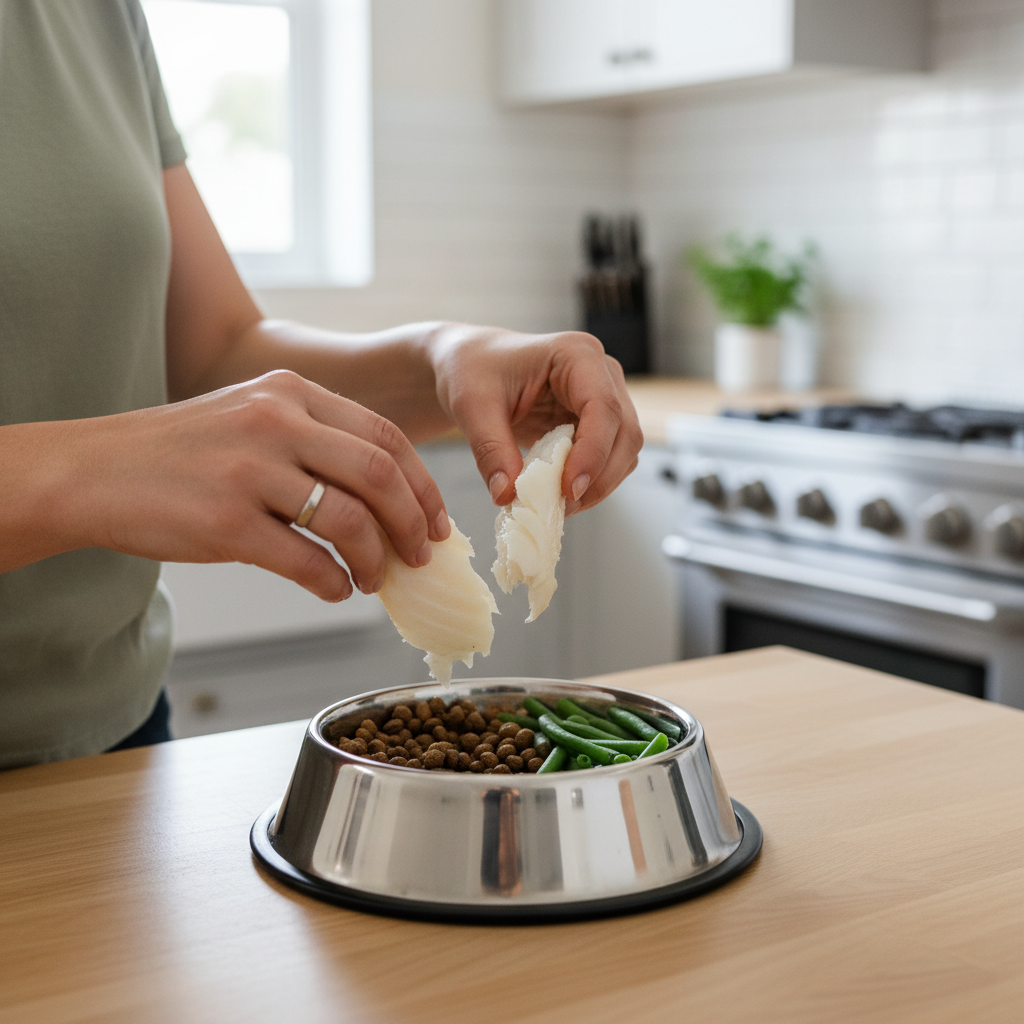
Knowing *what* to feed is only half the battle. Knowing *how* to prepare it is what separates a responsible owner from one who takes unnecessary risks. Follow this protocol without deviation.
Medical Disclaimer: Before adding any new food to your dog’s diet, especially a protein source like fish, consult with your veterinarian. They can provide guidance based on your dog’s specific health needs, age, and breed.
- Source Smartly: Whenever possible, opt for wild-caught fish over farmed fish. Wild-caught fish tend to have a better ratio of omega-3 to omega-6 fatty acids. Farmed fish can have higher levels of contaminants like PCBs and are often treated with antibiotics. Check the source and buy from a reputable fishmonger.
- Debone Meticulously: This is a non-negotiable, critical step. Run your fingers firmly along the entire fillet, feeling for any pin bones. Use fish bone tweezers to remove every single one. Even a small bone can become a life-threatening emergency. Never assume a fillet is boneless.
- Cook It Through, No Exceptions: Raw fish is off the table due to the risks of bacteria (like Salmonella, Listeria) and parasites, in addition to the thiaminase enzyme we discussed earlier. The best cooking methods are those that don’t add fat or seasonings:
- Steaming: Preserves the most nutrients and keeps the fish moist.
- Baking/Roasting: Wrap the fillet in parchment paper and bake until opaque and flaky.
- Boiling: Simple and effective. Just drop the fish into plain, boiling water and cook until done.
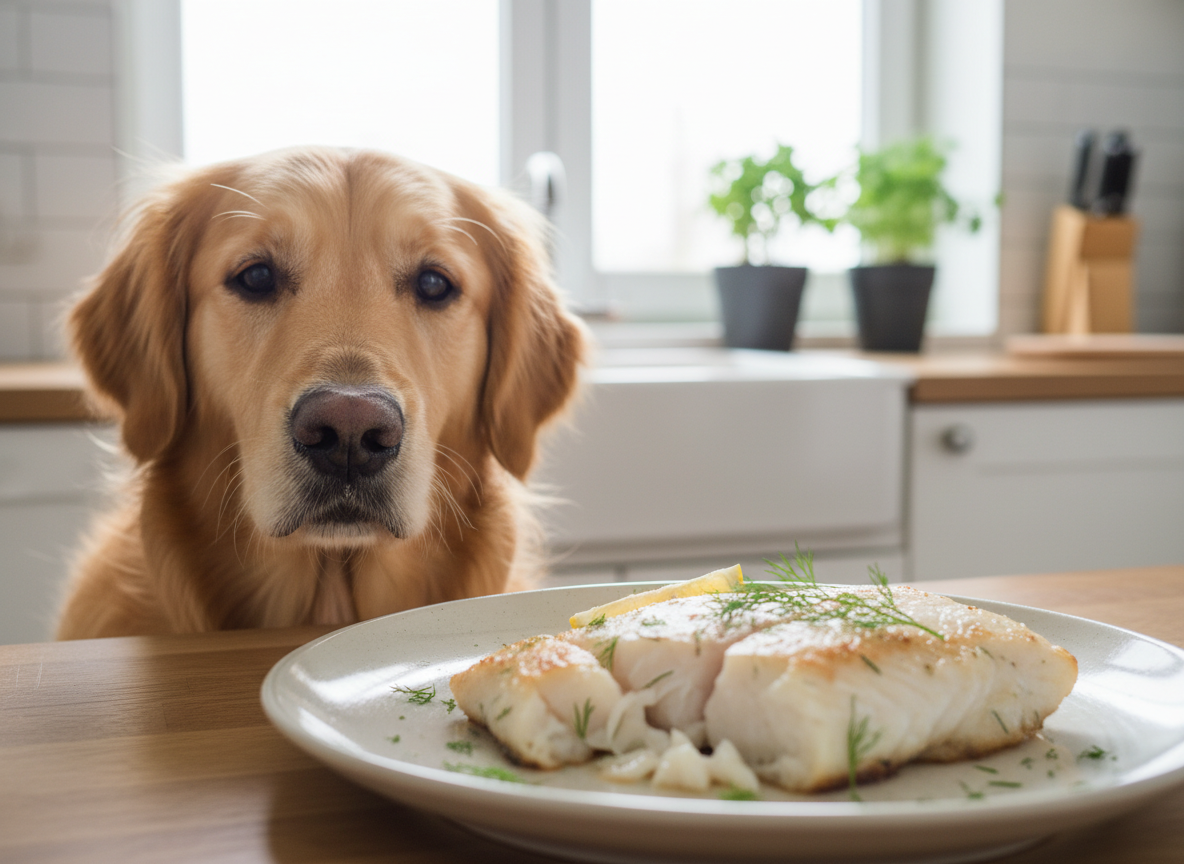
- Keep It Plain: Your dog’s digestive system is not equipped for the ingredients we use. Do not add any salt, pepper, garlic, onion, herbs, oil, or butter. The fish must be served completely plain.
- Portion Control is Key: Fish should be treated as a high-value meal topper or a supplemental part of a balanced diet, not the entire meal (unless you are working with a veterinary nutritionist). A good rule of thumb is that treats and toppers should not exceed 10% of your dog’s total daily caloric intake. For a 50lb dog, a couple of tablespoons of flaked fish mixed into their regular food once or twice a week is a safe starting point.
Insider Secret: After boiling the plain fish, don’t throw out the water! Let this ‘fish broth’ cool completely, then pour it into ice cube trays and freeze. On a hot day, these ‘pupsicles’ are a fantastic, hydrating, and flavorful treat packed with nutrients.
Red Alert: Fish Your Dog Should Never Eat
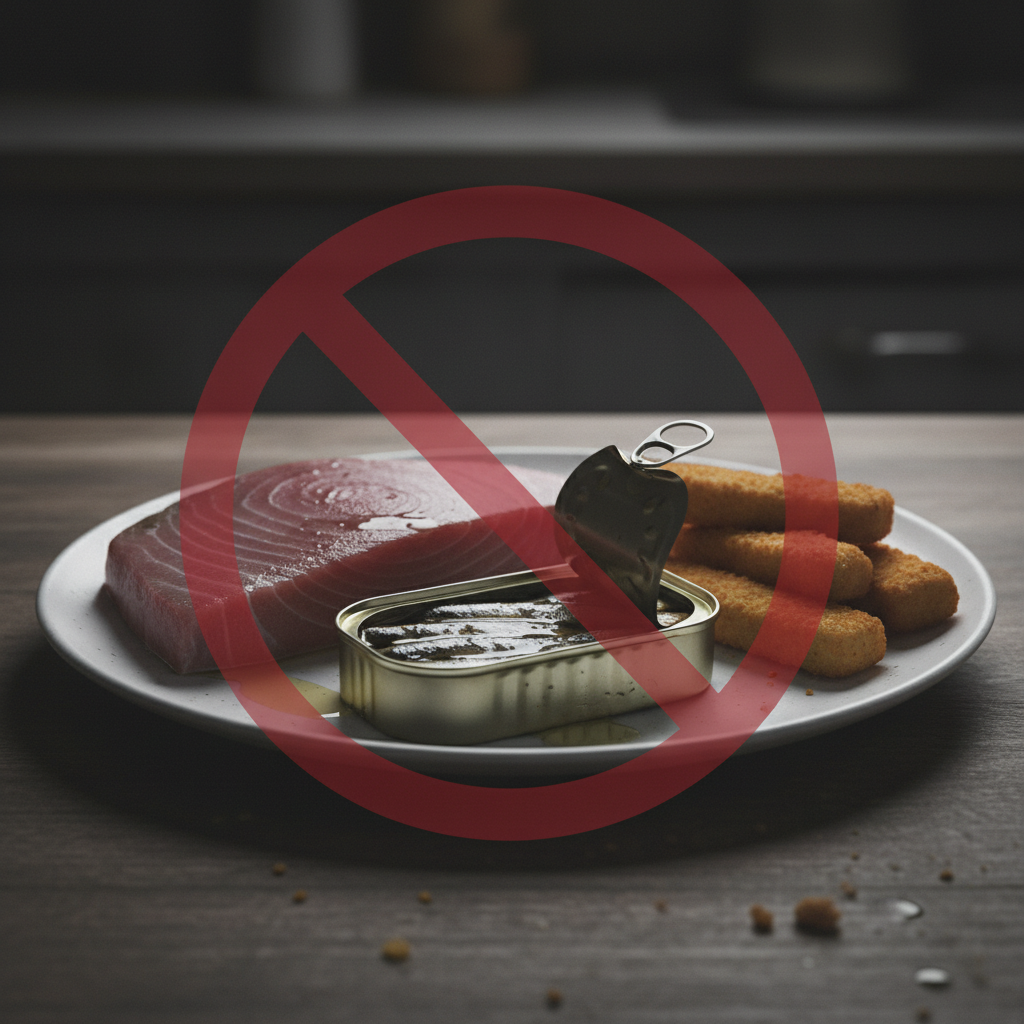
Just as important as knowing what’s safe is having a hard ‘no’ list. Feeding your dog any of the following can lead to serious health consequences, ranging from acute toxicity to chronic disease. There is no grey area here; these are to be avoided entirely.
- High-Mercury Predators: This is the most dangerous category. These large, long-living predatory fish sit at the top of the marine food chain and have dangerously high levels of accumulated mercury. This list includes, but is not limited to: Shark, Swordfish, King Mackerel, Tilefish, and large species of Tuna (especially Albacore and Bigeye).
- Processed Fish Products: Anything prepared for human consumption with added ingredients is a red flag. This includes:
- Canned Fish in Oil or Brine: The excess oil can cause gastrointestinal upset and pancreatitis, while the brine (salt water) can lead to sodium ion poisoning.
- Smoked Fish: Incredibly high in salt, which is toxic to dogs.
- Fish Sticks and Breaded Fillets: These are full of unhealthy fats, seasonings, and preservatives that offer no nutritional value and can harm your dog.
- Raw Pacific Salmonids: Raw salmon, trout, and related fish from the Pacific Northwest can carry a parasite that causes ‘Salmon Poisoning Disease,’ which is often fatal to dogs if not treated immediately. While cooking kills the parasite, the risk associated with accidental raw ingestion makes it a fish to handle with extreme care.
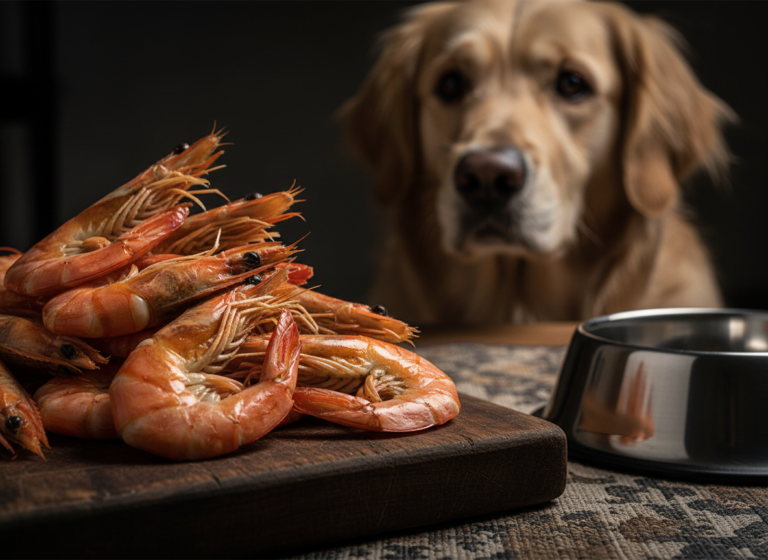
- Shellfish (General Warning): While small amounts of cooked shrimp are generally safe, most shellfish (clams, mussels, oysters) are filter feeders that can accumulate toxins from the water. They are also a common cause of severe allergic reactions. It is safest to avoid them altogether.
Conclusion
Navigating the world of canine nutrition requires a critical eye and a healthy dose of skepticism. When it comes to monkfish, the verdict is one of extreme caution. While it offers high-quality protein, the significant risk of mercury contamination makes it an inferior choice compared to the roster of safer, cleaner, and more affordable white fish available.
Your key takeaways as a Canine Nutrition Hacker should be clear: prioritize low-mercury fish like Cod, Haddock, and Pollock. Adhere strictly to the safe preparation protocol: Cooked, Plain, Meticulously Deboned, and served in Moderation.
By arming yourself with this forensic knowledge, you move beyond being a passive pet owner and become an active, empowered advocate for your dog’s long-term health. Analyze every ingredient, question every claim, and build a diet based on safety and nutritional science, not just convenience or marketing. That is the hacker’s way.