Duck Eggs vs. Chicken Eggs: Which is Better for Your Dog?
For decades, savvy dog owners have known the secret of adding an egg to their dog’s kibble for a shinier coat and a boost of protein. The humble chicken egg has been the undisputed, budget-friendly champion of dietary supplementation. But what if I told you there’s a heavyweight contender waiting in the wings, one that packs a more potent nutritional punch? Enter the duck egg. As The Canine Nutrition Hacker, my job is to look past the marketing and analyze the raw data. We’re not just talking about a simple food topper; we’re talking about optimizing your dog’s health at a cellular level. This is the definitive, no-nonsense guide to duck eggs versus chicken eggs. We will dissect the nutritional labels, expose the allergy implications, and break down the real-world cost to help you make the most informed decision for your canine companion.
Medical Disclaimer: I am not a veterinarian. The information in this article is for educational purposes only. Always consult with your veterinarian or a board-certified veterinary nutritionist before making any changes to your dog’s diet, especially if they have underlying health conditions.
The Nutritional Showdown: A Forensic Head-to-Head Analysis

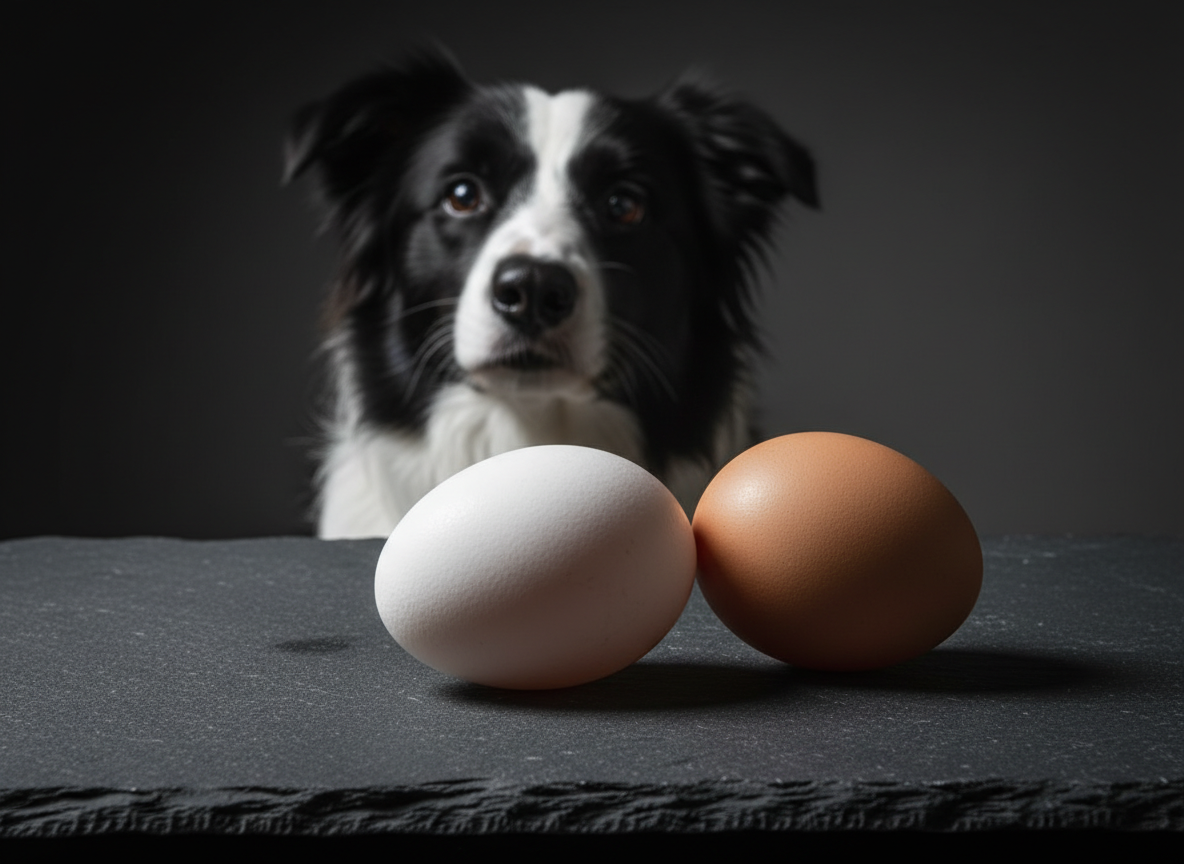
Let’s cut straight to the chase. Anecdotes are nice, but data is king. When you place a duck egg and a chicken egg side-by-side, the differences are immediately visible—the duck egg is larger, with a thicker shell and a strikingly vibrant, larger yolk. These physical differences are a direct reflection of their internal nutritional composition. A typical large chicken egg weighs about 50 grams, while a duck egg averages around 70 grams. To make a fair comparison, we’ll analyze their nutrient density per 100 grams.
The yolk is the nutritional epicenter of any egg, and the duck egg’s larger yolk-to-white ratio is where it starts to pull ahead. It’s a concentrated powerhouse of fats, vitamins, and minerals. Let’s break it down in a forensic analysis.
| Nutrient (per 100g) | Chicken Egg | Duck Egg | The Hacker’s Verdict |
|---|---|---|---|
| Protein | ~12.6g | ~13.3g | Slight edge to the duck egg, providing more building blocks for muscle repair and maintenance. |
| Total Fat | ~9.5g | ~14.4g | Significant win for the duck egg. This isn’t bad fat; it’s energy-dense fuel, crucial for active dogs. |
| Omega-3 Fatty Acids | ~100mg | ~160mg | A clear victory for the duck egg. Omega-3s are anti-inflammatory powerhouses, essential for joint health, skin, coat, and cognitive function. |
| Vitamin A | ~540 IU | ~884 IU | Duck eggs provide substantially more Vitamin A, a critical component for vision, immune function, and cellular health. |
| Vitamin D | ~87 IU | ~100 IU | Another win for duck eggs. Vitamin D is vital for calcium regulation and bone health, and it’s not a nutrient dogs can easily synthesize on their own. |
| Vitamin B12 | ~1.1 mcg | ~5.4 mcg | An overwhelming victory for the duck egg. B12 is crucial for nervous system function and the formation of red blood cells. |
| Iron | ~1.2 mg | ~3.8 mg | Duck eggs are a far superior source of iron, which is essential for carrying oxygen in the blood and preventing anemia. |
| Selenium | ~32 mcg | ~36 mcg | A slight advantage for the duck egg. Selenium is a powerful antioxidant that protects cells from damage. |
The data doesn’t lie. While the chicken egg is a nutritionally sound food, the duck egg is, gram for gram, a more concentrated source of nearly every beneficial nutrient. The significantly higher levels of Omega-3 fatty acids, Vitamin B12, and Iron make it a true superfood for canines, particularly for highly active dogs, pregnant or nursing dams, or dogs in recovery who need dense, easily digestible nutrition.
The Allergy Factor: Are Duck Eggs a Safer Bet?
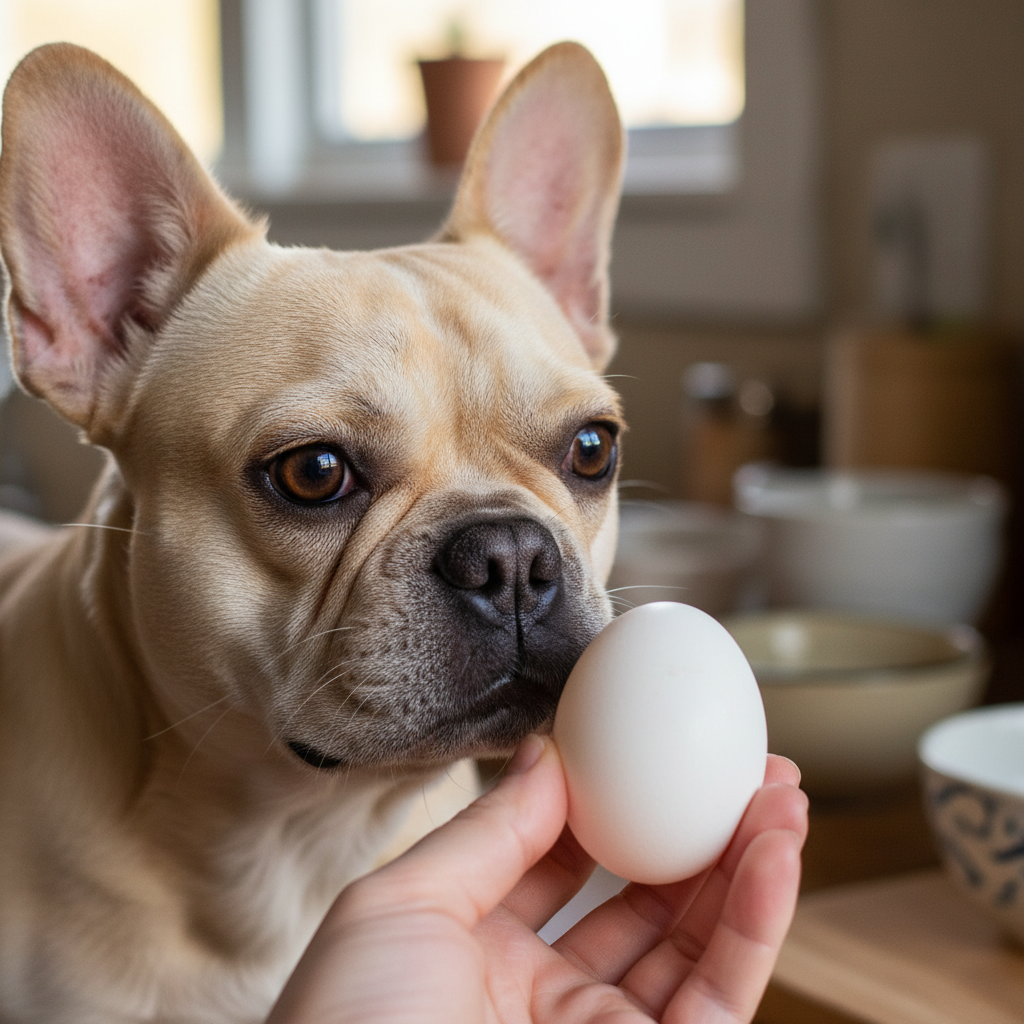
If you’re a seasoned dog owner, you know the frustrating reality of food allergies. Chicken is one of the most common culprits behind itchy skin, chronic ear infections, and gastrointestinal upset in dogs. When a dog is allergic to chicken, they are reacting to the specific proteins in the meat. This sensitivity often extends to chicken eggs as well.
This is where the duck egg becomes more than just a nutritional upgrade—it becomes a strategic solution. Duck and chicken are different species, and their proteins have different molecular structures. For a dog whose immune system is on high alert for chicken proteins, duck egg proteins are often unrecognized as a threat. In the world of canine nutrition, we call this a ‘novel protein.’
Introducing a novel protein is a cornerstone strategy for managing food allergies. By providing a protein source the dog has never been exposed to, you can often circumvent the allergic reaction entirely. Therefore, for a dog with a known or suspected chicken allergy, a duck egg can be a game-changer, allowing you to provide the benefits of an egg without triggering an immune response.
Hacker Tip: When introducing any new food, especially a novel protein like duck egg, start slow. Give your dog a small amount (e.g., a teaspoon of scrambled duck egg) and monitor for any adverse reactions for 24-48 hours. A gradual introduction minimizes the risk of digestive upset and allows you to accurately pinpoint any potential sensitivities.
It’s important to note that a dog can theoretically be allergic to anything, including duck. However, the probability is significantly lower than with a common allergen like chicken. If your dog suffers from food sensitivities, the duck egg is one of the most effective and nutritious alternatives you can have in your arsenal.
Practical Considerations: Cost, Availability, and Preparation

Cost and Availability: The Accessibility Gap
A nutritional analysis is useless without a real-world context. The single greatest advantage of the chicken egg is its ubiquity and affordability. You can find them in any grocery store for a relatively low price. Duck eggs, on the other hand, require more effort to source and come with a premium price tag.
Let’s break down the typical costs.
| Egg Type | Typical Source | Average Cost (per Dozen) | Cost Per Egg |
|---|---|---|---|
| Conventional Chicken Eggs | Supermarket | $3.00 – $5.00 | ~$0.33 |
| Free-Range/Organic Chicken Eggs | Supermarket / Health Food Store | $5.00 – $8.00 | ~$0.58 |
| Duck Eggs | Farmer’s Market / Specialty Store | $8.00 – $12.00 | ~$0.83 |
As you can see, duck eggs can be more than double the price of conventional chicken eggs. You’ll most likely find them at farmer’s markets, Asian markets, or specialty health food stores. For many, this cost and inconvenience can be a significant barrier. However, if you view it as a potent nutritional supplement rather than a daily staple, the cost becomes more manageable.
Safe Preparation: Raw vs. Cooked
The raw food debate is a heated one. Regarding eggs, there are two primary concerns with feeding them raw:
- Salmonella: While dogs have robust digestive systems that are more resistant to bacteria than humans, the risk of Salmonella infection is not zero. This risk is higher with eggs from less reputable sources.
- Avidin: Raw egg whites contain avidin, a protein that binds to biotin (a B vitamin) and prevents its absorption. A long-term diet rich in raw egg whites could potentially lead to a biotin deficiency, resulting in issues with skin, coat, and metabolism. The yolk, however, is packed with biotin, which helps offset this effect.
The Hacker’s Solution: Lightly cook the egg. Cooking denatures the avidin, neutralizing the risk of biotin deficiency, and kills any potential Salmonella bacteria. The most effective way to serve an egg is soft-boiled or lightly scrambled (with no oil, butter, or salt). This preserves the delicate fats and vitamins in the yolk while ensuring safety.
Don’t Waste the Shell!
Eggshells are a fantastic source of calcium carbonate, a crucial mineral for bone health. Do not feed the shells whole. Instead, rinse them thoroughly, bake them at 200°F (95°C) for 10 minutes to sterilize them, and then grind them into a fine powder using a coffee grinder or blender. You can then sprinkle a small amount (consult your vet for dosage, but typically ~1/2 teaspoon per pound of food) onto your dog’s meal as a natural calcium supplement.
The Verdict: Which Egg Cracks the Code for Your Dog?

After a forensic examination of the evidence, it’s time to deliver a verdict. There is no single ‘best’ egg for every dog; the right choice depends entirely on your specific goals, budget, and your dog’s individual health profile.
The decision tree is straightforward:
Choose Duck Eggs if:
- Your dog has a known or suspected chicken allergy or sensitivity.
- Your goal is maximum nutritional density to support a performance dog, a pregnant or nursing female, a puppy, or a dog recovering from illness.
- You are looking to significantly boost your dog’s intake of Omega-3s, Vitamin B12, and Iron to improve coat, energy, and overall vitality.
- Your budget allows for a premium, high-impact nutritional supplement.
Stick with Chicken Eggs if:
- Your dog has no known allergies to chicken and tolerates them well.
- You are looking for a cost-effective, consistent, and easily accessible way to supplement your dog’s diet with high-quality protein and fats.
- You are simply aiming for a general health boost and shiny coat for an otherwise healthy, moderately active dog.
Ultimately, a chicken egg is a good addition to a dog’s diet. A duck egg is an optimal one. Think of it like choosing between a reliable family sedan and a high-performance sports car. Both will get you where you need to go, but one offers a demonstrably more powerful and refined experience. For the dedicated owner committed to hacking their dog’s nutrition for peak performance and health, the duck egg is the clear winner in almost every category except cost and convenience.
Conclusion
The debate between duck eggs and chicken eggs is a perfect example of how small changes can yield significant results in your dog’s nutrition. While the familiar chicken egg remains a valuable and accessible tool, the duck egg stands out as a nutritionally superior option, offering a denser payload of vitamins, minerals, and essential fatty acids. Its status as a novel protein makes it an invaluable problem-solver for the growing number of dogs plagued by chicken allergies.
As a Canine Nutrition Hacker, I urge you to look beyond the convenience of the supermarket aisle. Your dog’s health is a direct result of the choices you make on their behalf. Whether you choose the reliable chicken egg or upgrade to the powerhouse duck egg, you are taking an active role in their well-being. Analyze the data, assess your dog’s individual needs, and make the informed choice. Your dog’s vibrant health will be the ultimate reward.