
Raw Fish Heads for Dogs: Sourcing, Safety, and Benefits
Forget what the mainstream pet food industry has been selling you. The secret to unlocking superior health, a gleaming coat, and robust joints for your dog doesn’t always come in a glossy bag with a high price tag. It’s often found in the parts of the animal that conventional wisdom discards. Today, we’re hacking the system by focusing on one of the most potent, nutrient-dense, and cost-effective superfoods you can give your canine: the raw fish head.
But before we dive into this nutritional goldmine, a critical disclaimer is in order. I am not a veterinarian. I am a canine nutrition analyst dedicated to exposing the truth behind pet food. The information in this guide is for educational purposes only. Before you make any significant changes to your dog’s diet, especially introducing raw foods, you MUST consult with a qualified veterinarian or a board-certified veterinary nutritionist. They can help you tailor a diet that is complete, balanced, and safe for your specific dog’s age, breed, and health status. This is non-negotiable. Now, let’s break down how to leverage this incredible resource safely and effectively.
The Nutritional Goldmine: Deconstructing the Fish Head

A fish head isn’t just waste; it’s a complete ecosystem of nutrients that are perfectly packaged by nature. Commercial kibble manufacturers try to replicate these benefits with synthetic additives, but they can never match the bioavailability of the real thing. When you feed a raw fish head, you’re providing a complex matrix of nutrients that work synergistically.
Key Bioavailable Nutrients:
- Omega-3 Fatty Acids (EPA & DHA): The brain, eyes, and skin are rich in fats. The oils in a fish head, particularly from cold-water fish like salmon, are loaded with EPA and DHA. These aren’t just buzzwords; they are essential fats that powerfully reduce inflammation, support cognitive function in puppies and seniors, promote cardiovascular health, and give your dog a lustrous, healthy coat.
- Calcium & Phosphorus: The bones in the head are a primary source of raw, edible bone. This provides calcium and phosphorus in their natural, most absorbable ratio, which is essential for maintaining your dog’s own skeletal structure, dental health, and neuromuscular function. This is nature’s bone meal.
- Cartilage (Glucosamine & Chondroitin): The entire structure of the head is held together by cartilage, which is a natural source of glucosamine and chondroitin. Instead of paying for expensive, processed joint supplements, you’re providing the raw building blocks for healthy, lubricated joints directly from the source.
- Iodine & Trace Minerals: The thyroid gland, eyes, and other tissues within the head are storehouses for essential trace minerals, especially iodine. Iodine is critical for healthy thyroid function, which regulates your dog’s metabolism. Deficiencies can lead to lethargy and weight gain.
- Complete Proteins & Amino Acids: The cheeks and other fleshy parts of the head contain high-quality, easily digestible protein, providing the essential amino acids necessary for muscle development and repair.
Essentially, a single fish head delivers a multi-system support package—from brain health to joint mobility—in a way that a scoop of brown pellets simply cannot match.
The Sourcing Mandate: Where to Find Safe, High-Quality Fish Heads

You can’t just use any fish head from any source. Sourcing is the single most important factor in ensuring safety and quality. Your goal is to find heads from healthy, wild-caught or sustainably-farmed fish that have been handled meticulously from catch to counter.
Your Primary Targets:
- Local Fishmongers & Seafood Markets: This is your best starting point. Build a relationship with the staff. Ask them when they get their deliveries. Inquire about their flash-freezing process (more on this later). They often discard heads from salmon, cod, and halibut and may give them to you for free or for a very low price.
- Ethnic Markets (Asian, Hispanic, etc.): These markets are a goldmine. Cultures that practice nose-to-tail eating value the entire fish, and you can often find a wide variety of incredibly fresh fish heads available for purchase daily.
- Commercial Fishing Docks: If you live near a coastal area, go directly to the source. Fishermen are often willing to sell heads and frames from their catch for pennies on the dollar. You can’t get any fresher than this.
- Online Raw Pet Food Suppliers: Reputable raw food co-ops and online retailers often sell bulk frozen fish heads, typically from salmon or mackerel. These are a convenient option as they have often been deep-frozen for safety already.
Insider Secret: When approaching a supplier, don’t just ask for “fish heads.” Ask specific questions: “Do you have any heads from wild-caught salmon that were flash-frozen at sea?” or “Can you tell me where this cod was sourced from?” This signals that you are an educated consumer and are more likely to get high-quality, safe product. Inquire about their parasite control protocols. If they don’t have one, walk away.
The Safety Protocol: Mitigating Risks Like a Pro
Feeding raw comes with responsibilities. Cutting corners on safety is not an option and can have severe consequences for your dog. Follow these protocols without exception.
Parasite Patrol: The Freezing Imperative
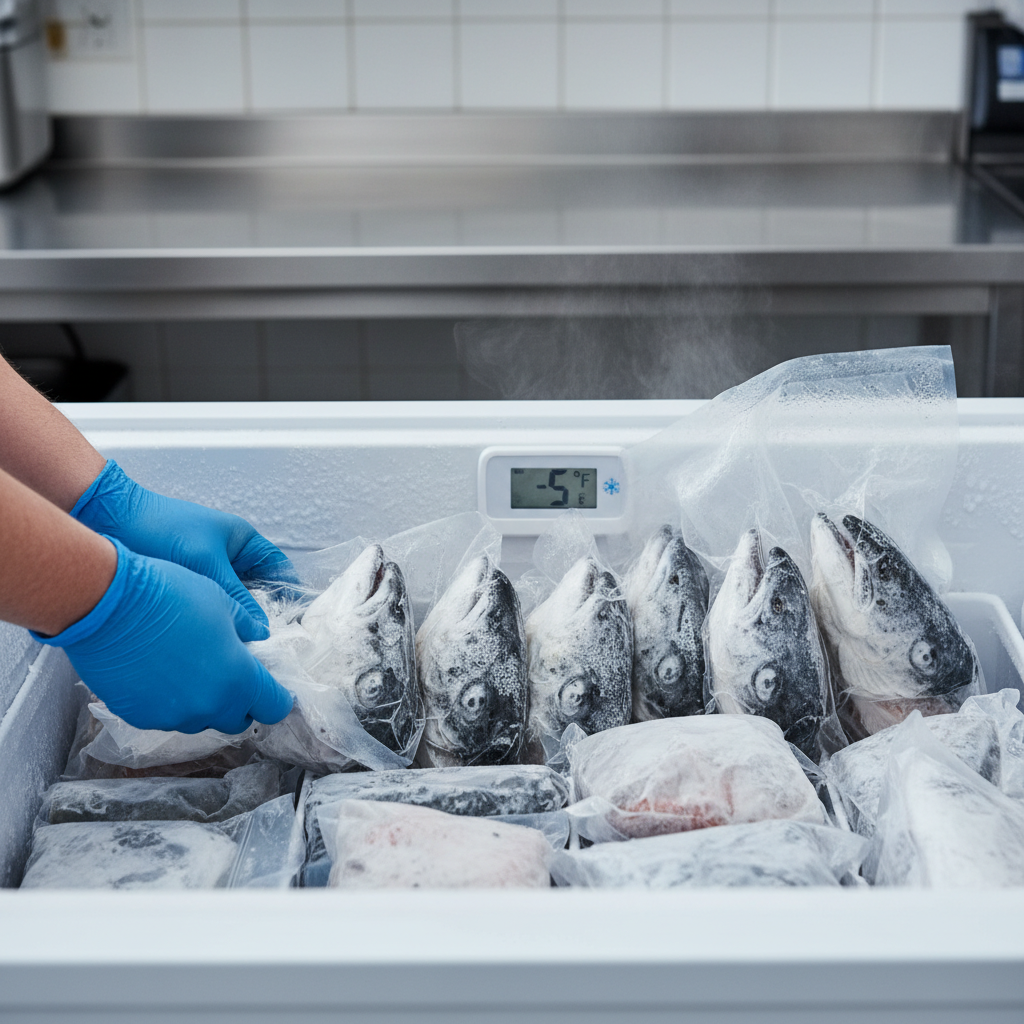
Wild-caught fish can contain parasites, such as tapeworms or roundworms, which can be transmitted to your dog. The only way to neutralize this threat in raw fish is through a hard freeze. You must freeze all fish heads solid in a deep freezer at a temperature of -4°F (-20°C) or colder for a minimum of 7 consecutive days. A standard kitchen freezer may not be cold enough; invest in a chest freezer and a thermometer to verify the temperature. This is a non-negotiable step for safety.
Bone Safety: Cooked vs. Raw
This is a critical distinction. NEVER, under any circumstances, feed your dog cooked fish bones. The cooking process makes bones hard, brittle, and prone to splintering, which can cause choking or internal perforation. Raw fish bones, however, are soft, pliable, and fully digestible. Your dog’s powerful jaws can easily crush them, and their acidic stomach environment will break them down.
Thiaminase: The Enzyme Threat
Certain species of fish contain an enzyme called thiaminase, which breaks down thiamine (Vitamin B1). A diet high in thiaminase-containing fish can lead to a dangerous thiamine deficiency.
- Fish High in Thiaminase: Carp, Herring, Smelt, Catfish, Goldfish, Mackerel.
- Fish Low/No in Thiaminase: Salmon, Trout, Cod, Haddock, Flounder, Pacific Sardines.
You can safely feed fish from the high-thiaminase list, but they must be fed in moderation and as part of a varied diet. Do not feed them exclusively. Stick primarily to salmon, cod, and other low-thiaminase options.
Heavy Metals and Contaminants
Mercury, PCBs, and other toxins accumulate in fish over their lifespan. To minimize this risk, stick to smaller, shorter-lived fish. Avoid large, predatory fish like shark, swordfish, king mackerel, and tilefish. Salmon is an excellent choice because it has a relatively short lifespan and a superior omega-3 profile.
The Practical Application: Preparation and Feeding Guide
Once you’ve sourced and safely frozen your fish heads, it’s time to introduce them to your dog’s diet. The key is to start slow and observe.
Introduction and Portion Control
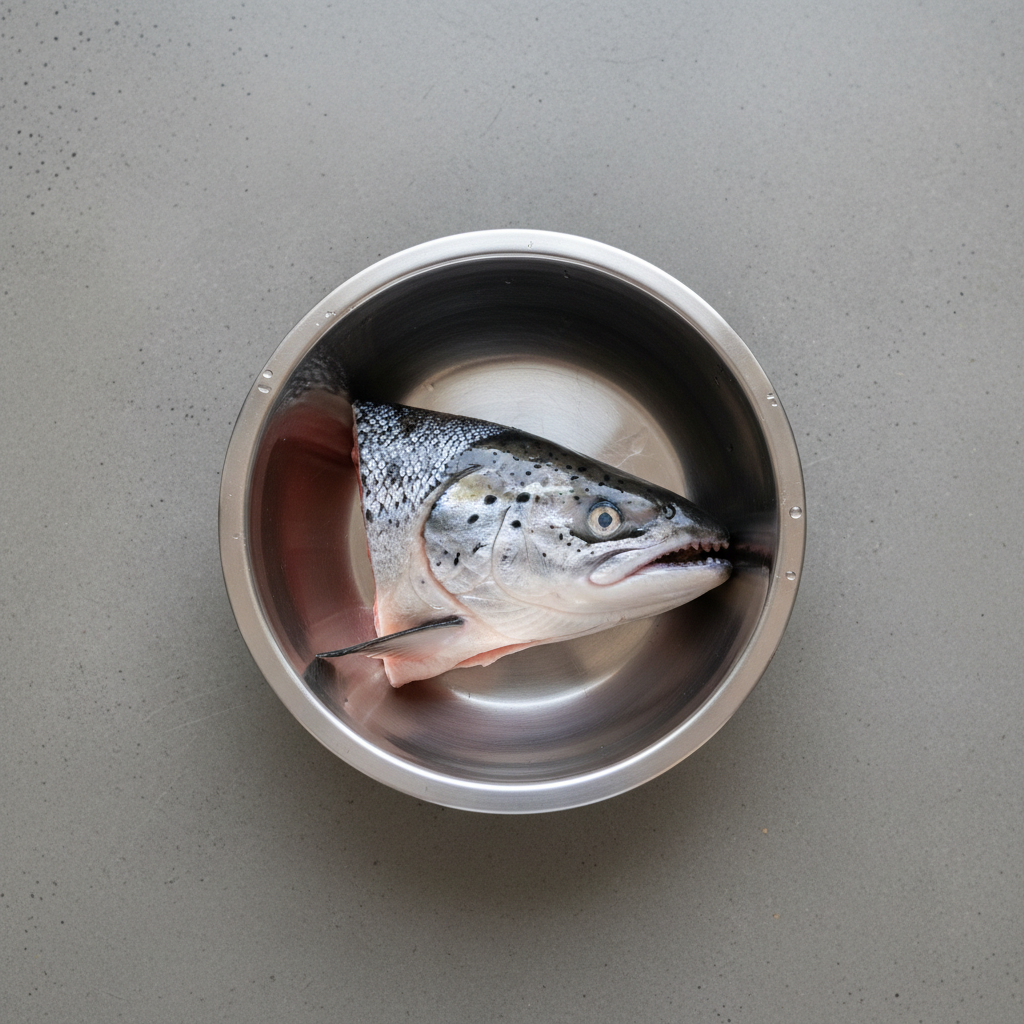
If your dog is new to raw bones, their system needs time to adapt. Start with a small piece, perhaps a quarter of a salmon head for a 50lb dog. Serve it as a special meal, separate from their regular food, and monitor their stool for the next 24-48 hours. If digestion is good, you can gradually increase the portion. A full fish head can be a complete meal replacement for a medium-to-large dog.
Preparation and Serving
- Thawing: Thaw the fish head safely and slowly in a sealed container in the refrigerator. Never thaw on the countertop where bacteria can multiply.
- Inspection: Before serving, give it a quick once-over. Ensure any sharp gill plates are pressed down or removed if you are concerned, and check for any foreign objects like hooks (this is extremely rare with commercially processed heads but worth a check).
- Serving: For large dogs, you can serve the head whole. This provides excellent mental stimulation and acts as a natural toothbrush, cleaning their teeth as they chew. For smaller dogs or beginners, you can use a cleaver to chop the head into more manageable pieces. Serve it outside or on an easily cleanable surface like a tile floor or a feeding mat.
Feeding Frequency
Raw fish heads are nutrient-dense and should be considered a supplemental meal, not a daily staple for most dogs. A good starting point is to feed a fish head meal 1 to 3 times per week, replacing their regular meal on those days. This provides the benefits without overdoing it on fats or creating nutritional imbalances.
Hacker Tip: For giant breeds or for easier storage, use a heavy cleaver or hatchet to portion large heads (like a king salmon head) *before* you freeze them. Portion them into meal-sized chunks, vacuum seal them individually, and then perform the 7-day deep freeze. This saves you the messy work of trying to portion a thawed head later.
The Cost Analysis: Raw Fish Heads vs. Commercial Alternatives
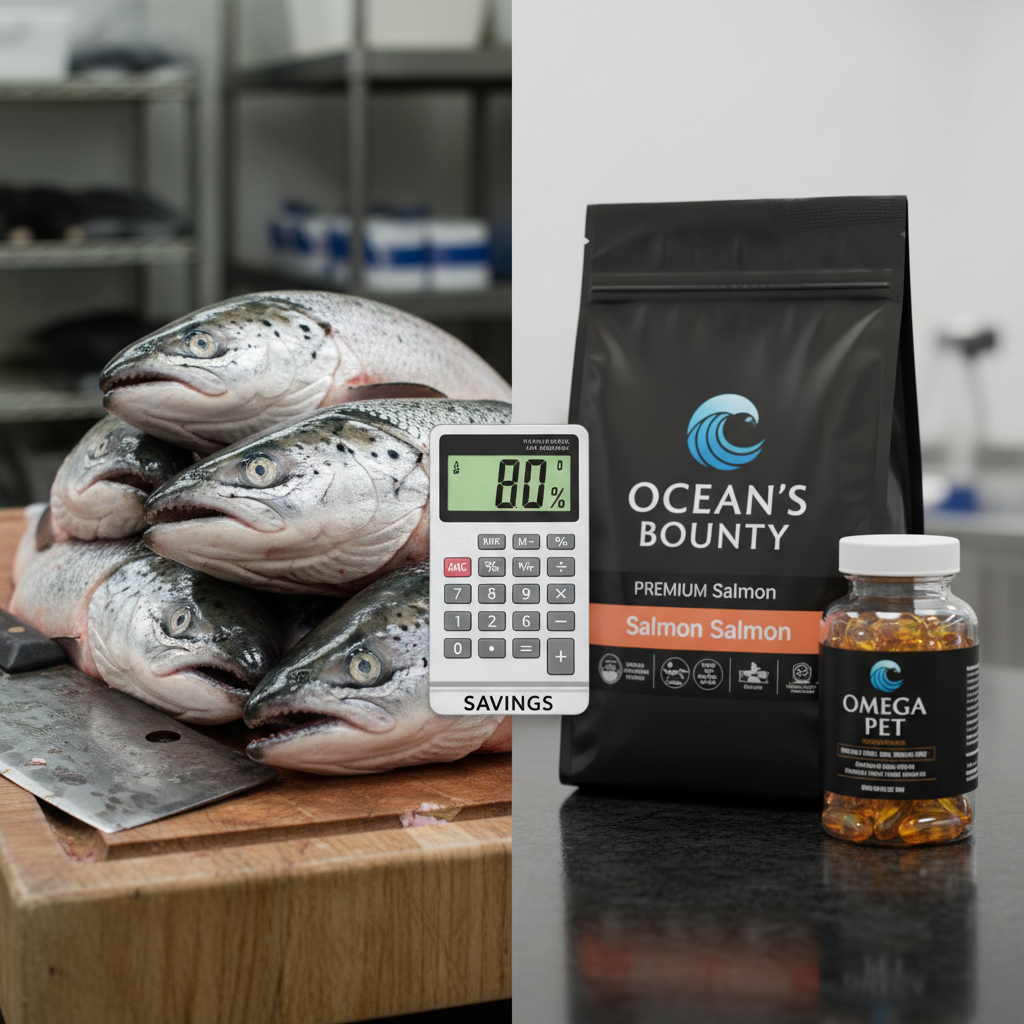
Let’s talk about the bottom line. Providing premium nutrition doesn’t have to drain your bank account. In fact, by being a savvy sourcer, you can provide superior, bioavailable nutrients for a fraction of the cost of heavily-marketed commercial products. Here’s a realistic breakdown for a hypothetical 50lb dog.
| Nutritional Item | Typical Cost | Primary Nutrient Provided | Estimated Monthly Cost | Verdict |
|---|---|---|---|---|
| Raw Salmon Heads | $0.50 – $2.00 / lb (often free) | Omega-3s, Calcium, Glucosamine (Highly Bioavailable) | $8 – $16 (assuming 2 lbs/week) | Unbeatable value. Direct, whole-food nutrition with multiple benefits. Requires effort in sourcing and safety prep. |
| Premium Salmon-Based Kibble | $70 – $90 / 30lb bag | Omega-3s (often degraded by processing), Plant-based fillers | $70 – $90 | Extremely expensive for the level of nutrition provided. Convenience is the only real benefit. Nutrient quality is questionable after extrusion. |
| High-Quality Fish Oil Capsules | $25 – $40 / bottle (120 caps) | Omega-3s (EPA/DHA) | $12 – $20 (at 2 caps/day) | A good supplement, but it’s an isolated nutrient. It provides none of the bone, cartilage, or mineral benefits of the whole head. |
As the data clearly shows, sourcing raw fish heads provides a complete package of benefits—joint support, minerals, and omega-3s—for a fraction of the cost of buying those components separately or relying on a processed kibble. You’re not just saving money; you’re investing in a higher quality of nutrition.
Conclusion
Integrating raw fish heads into your dog’s diet is a master-level nutrition hack. It allows you to bypass the marketing gimmicks and inflated prices of the commercial pet food industry and deliver powerful, whole-food nutrition directly from the source. The benefits—from reduced inflammation and improved joint health to a stunningly shiny coat—are undeniable. However, this power comes with the profound responsibility of meticulous sourcing and unwavering adherence to safety protocols. The deep-freeze rule is not a suggestion; it is a mandate. Understanding bone safety and thiaminase risks is essential.
By following the guidelines in this report, you can confidently and safely unlock one of nature’s most perfect canine superfoods. Always remember to work in partnership with your veterinarian, start slow, and observe your dog. You have the power to take control of your dog’s bowl and, by extension, their long-term health and vitality.