
Feeding Whole Raw Smelt to Dogs: Thiaminase Risks Explained
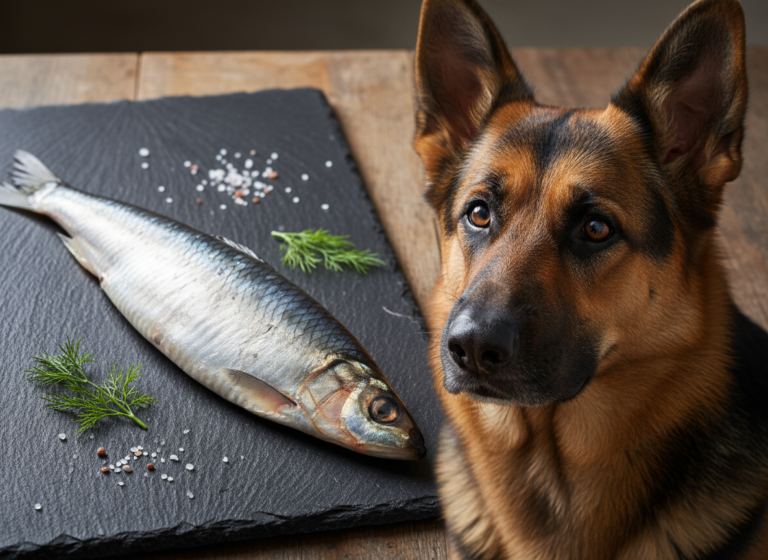
The raw feeding community is constantly searching for nutrient-dense, whole foods that can elevate a dog’s diet beyond processed kibble. Enter the humble smelt: a small, silvery fish often hailed as a superfood. Packed with Omega-3 fatty acids, high-quality protein, and essential minerals, it seems like the perfect addition to a canine diet. But here’s the insider truth you won’t find on most pet blogs: raw smelt contains a hidden enemy. An enzyme called thiaminase.
This single compound can systematically destroy Vitamin B1 (thiamine) in your dog’s body, leading to severe neurological issues if not managed correctly. This isn’t a scare tactic; it’s a biochemical fact that every responsible raw feeder must understand. This guide is your forensic analysis of the situation. We will deconstruct the risks and give you the Canine Nutrition Hacker’s protocol to safely harness the power of smelt, reaping all the benefits without falling victim to the dangers.
SAFETY DISCLAIMER: I am not a veterinarian. The information provided here is for educational purposes based on extensive research and experience. It is not a substitute for professional veterinary advice. Always consult with a qualified veterinarian or a board-certified veterinary nutritionist before making significant changes to your dog’s diet, especially if your dog has underlying health conditions. Proper supplementation and dietary balance are critical for long-term health.
Unlocking the Nutritional Powerhouse: Why Smelt?
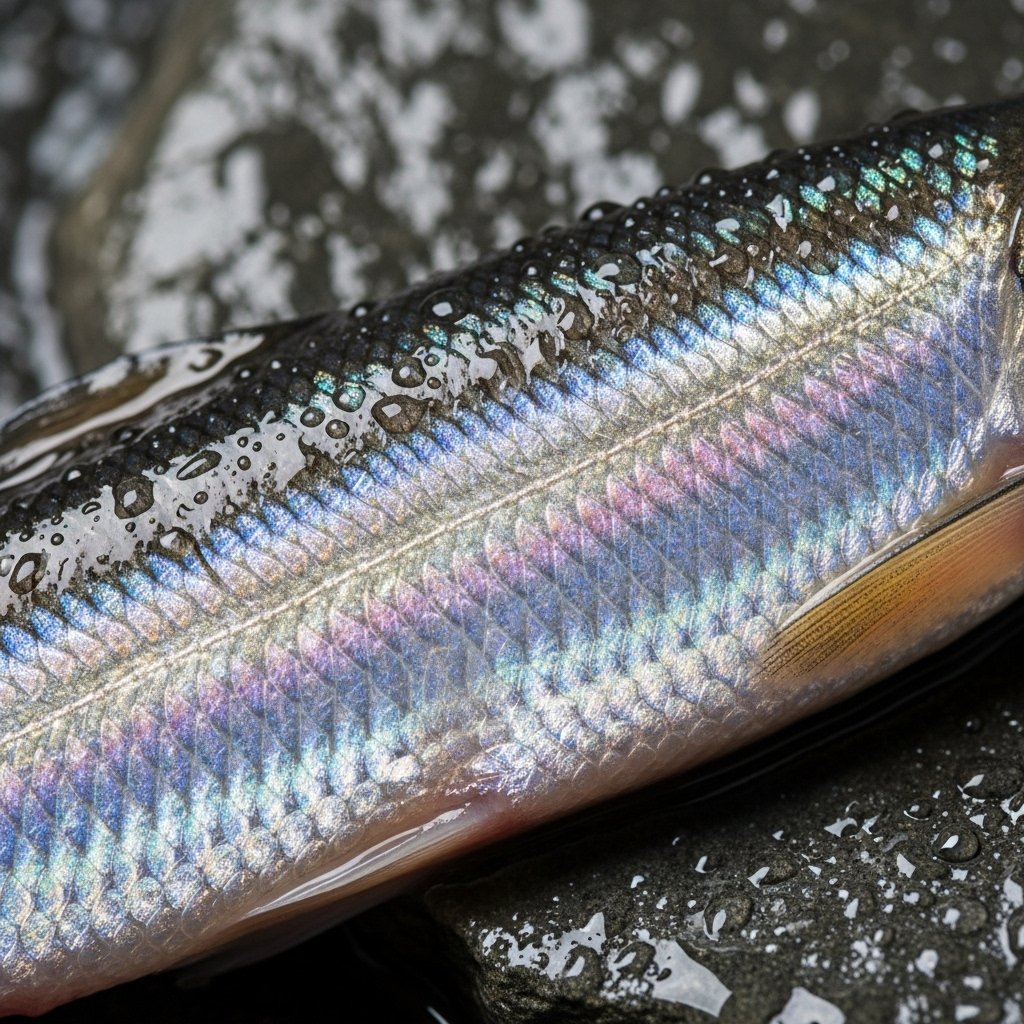
Before we dissect the risks, it’s crucial to understand why smelt is so alluring in the first place. This isn’t just about adding ‘fish’ to the bowl; it’s about targeted nutritional upgrading. When sourced and fed correctly, smelt is more than a treat—it’s a functional food that can yield visible results in your dog’s health.
Omega-3 Fatty Acids: More Than Just a Shiny Coat
The primary benefit touted by proponents of fish is the Omega-3 content, specifically EPA (eicosapentaenoic acid) and DHA (docosahexaenoic acid). These aren’t the same as the ALA (alpha-linolenic acid) found in plant sources like flax. Dogs are notoriously inefficient at converting ALA to the usable forms, EPA and DHA. Feeding a cold-water fish like smelt bypasses this inefficient conversion process entirely.
- Anti-Inflammatory Properties: EPA is a powerful natural anti-inflammatory, crucial for managing joint pain, arthritis, and skin allergies.
- Cognitive and Visual Health: DHA is a primary structural component of the brain and the retina. It’s vital for puppy brain development and for maintaining cognitive function in senior dogs.
A Superior, Bioavailable Protein Source
Smelt offers a complete protein profile, meaning it contains all the essential amino acids your dog needs. Because it’s a whole, unprocessed animal source, the protein is highly bioavailable—your dog’s body can digest, absorb, and utilize it with maximum efficiency, far superior to the processed plant proteins found in many low-quality kibbles.
Calcium and Trace Minerals from Whole Prey
One of the core tenets of a well-formulated raw diet is the concept of ‘whole prey.’ Feeding small, whole fish like smelt provides not just muscle meat, but also bones and organs. The tiny, soft bones are an excellent source of dietary calcium and phosphorus in their natural, balanced ratio. This is critical for skeletal health and far more natural than consuming the ‘calcium carbonate’ or ‘dicalcium phosphate’ supplements added to commercial foods.
The Insider Threat: A Forensic Look at Thiaminase
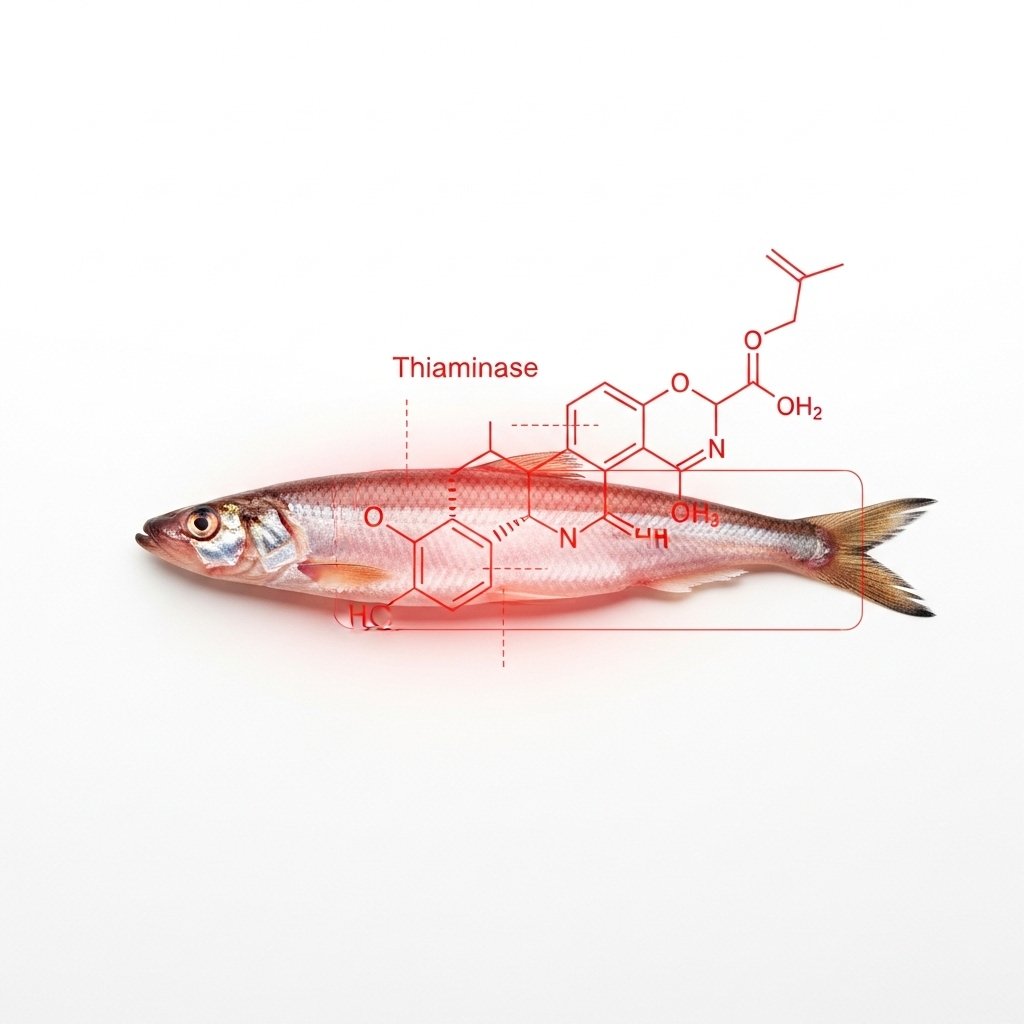
Now for the critical intelligence. Thiaminase is an active enzyme present in certain species of raw fish (and some plants and bacteria). Its sole function is to break down and destroy thiamine, also known as Vitamin B1. Thiamine is a water-soluble vitamin, meaning your dog’s body cannot store it in large amounts and requires a consistent dietary supply. It is absolutely essential for core metabolic processes, particularly carbohydrate metabolism and central nervous system function.
When a dog consumes thiaminase-containing fish regularly, a thiamine deficiency can develop. This isn’t an overnight process. It’s a gradual depletion that can go unnoticed until severe, often neurological, symptoms appear. This is why the danger is so insidious.
Symptoms of Thiamine Deficiency: A Cascade of Failure
A lack of thiamine short-circuits the nervous system. The signs can be vague at first but rapidly progress to a life-threatening state. Be vigilant for:
- Loss of appetite (anorexia)
- Vomiting and excessive salivation
- General weakness and lethargy
- Wobbly, uncoordinated gait (ataxia)
- Circling or compulsive walking
- Head tilt
- Ventriflexion (inability to lift the head)
- Seizures and sudden blindness in advanced stages
It’s not just smelt. Other common thiaminase-containing fish include herring, mackerel, carp, and catfish. Thiamine-safe fish include salmon, trout, and cod.
Hacker Tip: The thiaminase risk isn’t about a single meal. It’s a war of attrition. The enzyme’s cumulative effect from frequent feedings is what leads to dangerous deficiency. The key is strategic rotation and balance, not necessarily total avoidance.
The Safe Feeding Protocol: How to Hack Thiaminase
Knowledge of a threat is useless without a protocol to neutralize it. You can safely incorporate raw smelt into your dog’s diet by treating it as a strategic supplement, not a daily staple. This requires discipline and an understanding of nutritional balance. Here is the official Canine Nutrition Hacker’s protocol.
Rule #1: The Rotation and Moderation Mandate
This is the most critical rule. Do not feed raw smelt or any other thiaminase-containing fish every day. The risk is directly tied to frequency. Limit raw smelt feedings to once or, at most, twice a week, and always on non-consecutive days. This gives the body ample time to absorb and utilize thiamine from other meals, preventing a net deficit from occurring. A varied diet is the ultimate defense.
Rule #2: Fortify with Thiamine on Off-Days
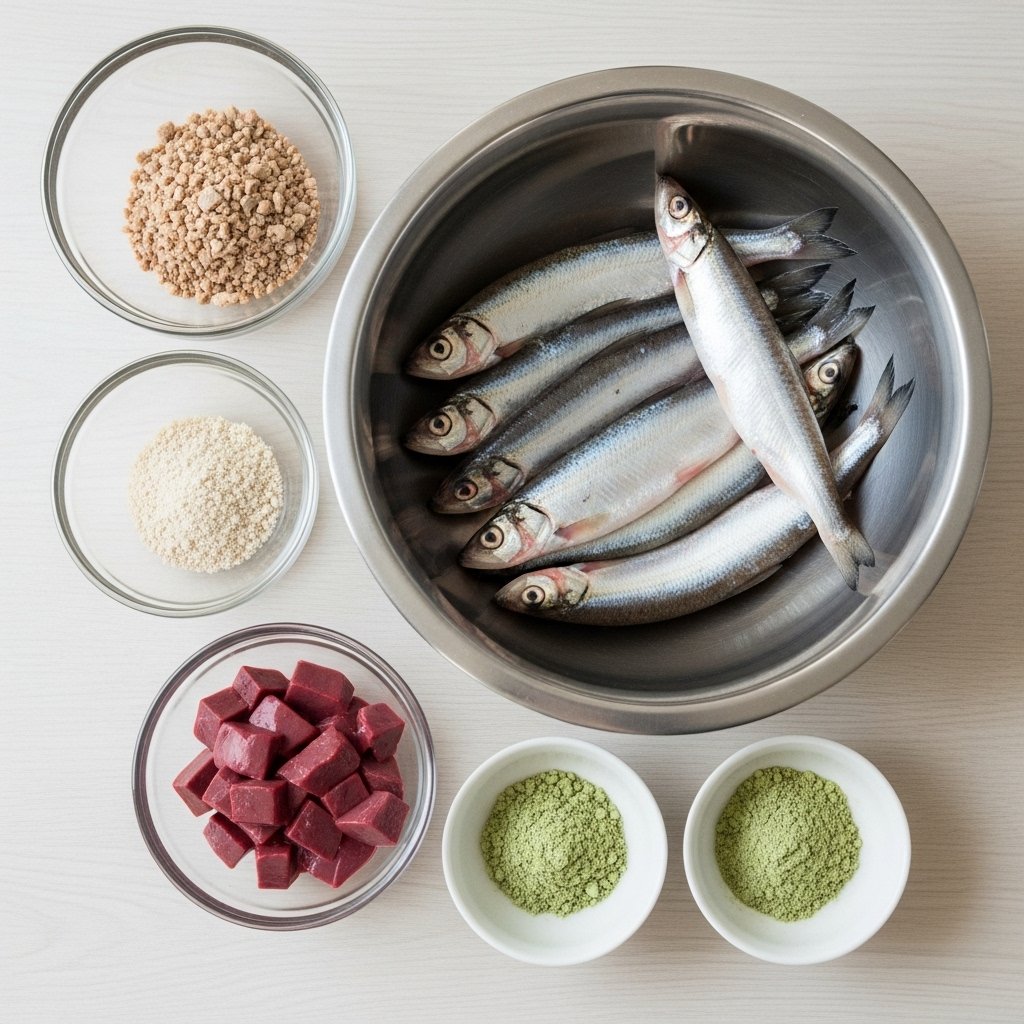
Actively counterbalance the thiaminase exposure by feeding thiamine-rich foods on the days you are not feeding smelt. This creates a ‘thiamine buffer’ in your dog’s system. Excellent sources of B1 include:
- Pork (an exceptionally rich source)
- Beef liver and other organ meats
- Nutritional yeast (use a pet-specific, non-fortified version)
- Green-lipped mussels
Rule #3: The Deep Freeze Decontamination
While cooking is the only way to completely destroy thiaminase, our goal is to feed raw. A secondary benefit of proper sourcing is that smelt should be flash-frozen and stored at deep-freeze temperatures (ideally below 0°F or -18°C) for at least 3-4 weeks. This is primarily to kill any potential parasites, a non-negotiable safety step for feeding any raw fish. While freezing does not eliminate thiaminase, some studies suggest it may slightly reduce its enzymatic activity over time.
Rule #4: Sourcing and Serving Size
Source is everything. Only purchase human-grade, wild-caught, flash-frozen smelt. Avoid market-fresh fish that has been sitting on ice for an unknown period. For serving, a general guideline is one or two small smelt for a 20-30 lb dog, or three to four for a 50-60 lb dog, as part of their meal on their designated ‘smelt day.’ The bones are soft and digestible, but it’s always wise to supervise your dog while they are eating.
The Bottom Line: Raw Smelt vs. Commercial Treat Costs
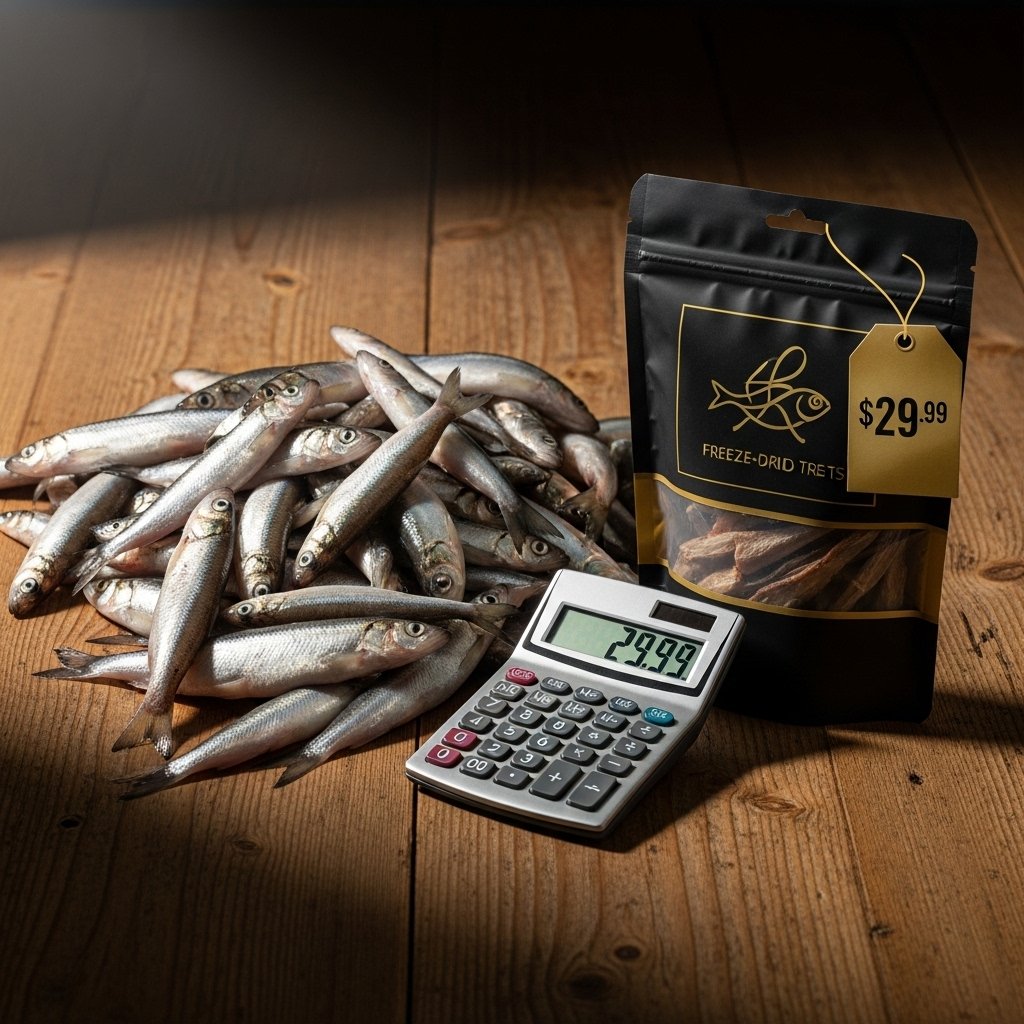
Beyond the nutritional science, let’s analyze the economics. Pet owners often pay a premium for ‘high-value’ treats, especially those made from fish. How does feeding raw smelt stack up against buying a bag of commercial, single-ingredient fish treats? The results are staggering.
We’ll compare buying a 1lb bag of frozen raw smelt to a typical 3oz bag of freeze-dried salmon or minnow treats from a boutique pet store. The cost breakdown reveals where your money is really going.
| Metric | Raw Smelt (DIY) | Premium Commercial Treat |
|---|---|---|
| Source | Whole, wild-caught smelt | Often salmon, cod, or minnows |
| Cost per Ounce (Approx.) | $0.40 – $0.75 (when bought frozen in 1-2lb bags) | $3.00 – $5.00+ |
| Key Ingredients | 100% Smelt | 100% Fish (e.g., Salmon) |
| Processing | Minimally processed (frozen) | Heavily processed (freeze-dried) |
| The Hacker’s Verdict | Vastly superior value. You get a whole food with all its natural moisture and nutrients intact for a fraction of the cost. The money saved can be reinvested into other high-quality ingredients for a more diverse diet. | Extreme convenience at a massive markup. You are paying primarily for the removal of water and the fancy packaging. While convenient, the cost is prohibitive for many as anything more than an occasional treat. |
By sourcing frozen smelt in bulk from a local fishmonger or ethnic market, you could be paying as little as $0.50 per ounce. This is a 6x to 10x cost saving compared to the packaged, processed alternative. This is a classic example of how a little knowledge and effort can dramatically reduce your costs while simultaneously improving the quality of your dog’s nutrition.
Red Alert: Recognizing the Signs of Thiamine Deficiency

Your ability to recognize the early warning signs of thiamine deficiency is your dog’s ultimate safety net. While following the safe feeding protocol makes this condition highly unlikely, vigilance is a key component of responsible ownership. The symptoms can be subtle at first, so you must be an astute observer of your dog’s daily behavior.
Early Warning Signs
These are the initial red flags that the body’s thiamine levels are becoming depleted. At this stage, the condition is often reversible with immediate veterinary intervention and thiamine supplementation.
- Unexplained weight loss or refusal to eat
- Vomiting or regurgitation after meals
- Mild lethargy or less interest in play
- Facial or muscle twitching
Advanced Neurological Symptoms
If the early signs are missed, the condition progresses to the central nervous system. This is a veterinary emergency. The damage can become permanent or fatal if not treated immediately.
- A ‘drunken’ or wobbly gait (ataxia)
- A persistent, unnatural head tilt
- Holding the head low and being unable to lift it (ventroflexion)
- Circling in one direction
- Vision problems, sudden blindness, or seizures
MEDICAL DISCLAIMER: If you observe any of these symptoms, particularly the advanced neurological signs, do not wait. Do not try to ‘fix it’ at home with food. Cease feeding all thiaminase-containing fish and contact your veterinarian or an emergency veterinary hospital immediately. They can administer thiamine injections, which act much faster than oral supplements, to halt the progression of the neurological damage.
Conclusion
Smelt is a nutritionally potent food that can be a powerful asset in your dog’s diet. Its profile of Omega-3s, protein, and minerals is undeniable. However, this power comes with a critical caveat: thiaminase. Ignoring this enzyme is not an option for any serious pet owner. The risk of thiamine deficiency is real and its consequences are severe.
But risk does not require avoidance; it requires intelligence. By implementing the Canine Nutrition Hacker’s protocol—mandating strict rotation, fortifying with thiamine-rich foods, and sourcing properly—you can effectively neutralize the threat. You are now equipped with the insider knowledge to make an informed decision, moving beyond the simplistic ‘good vs. bad’ arguments and into the realm of strategic, balanced nutrition. Feed smart, analyze every ingredient, and build a diet that is both powerful and profoundly safe for your canine partner.