500 Treats in 20 Minutes: The Pyramid Pan Dog Treat Hack
Walk down any pet store aisle and you’re bombarded with slick marketing for dog treats. Bags adorned with pictures of happy dogs promise everything from cleaner teeth to a shinier coat. But turn that bag over. The first five ingredients often tell a different story: a tale of cheap fillers, ambiguous ‘meat by-products,’ artificial preservatives, and sugar. You’re paying a premium for marketing, not nutrition. It’s time to hack the system.
This isn’t just another cute recipe; this is a strategic protocol for taking control of your dog’s nutrition and your budget. We’re going to leverage a simple, unassuming piece of kitchenware—the Pyramid Pan—to mass-produce over 500 high-quality, single-ingredient-focused treats in about 20 minutes of active time. Forget overpriced, questionable snacks. Today, you become the supplier of the best treats your dog has ever had.
SAFETY DISCLAIMER: I am a canine nutrition analyst, not a veterinarian. The recipes and advice provided here are for supplemental feeding (treats) only and are not intended to replace a complete and balanced diet. These treats lack the full spectrum of vitamins and minerals required for a meal. Always consult with your veterinarian before making significant changes to your dog’s diet, especially if they have underlying health conditions.
Deconstructing the Dog Treat Aisle: Why Go DIY?
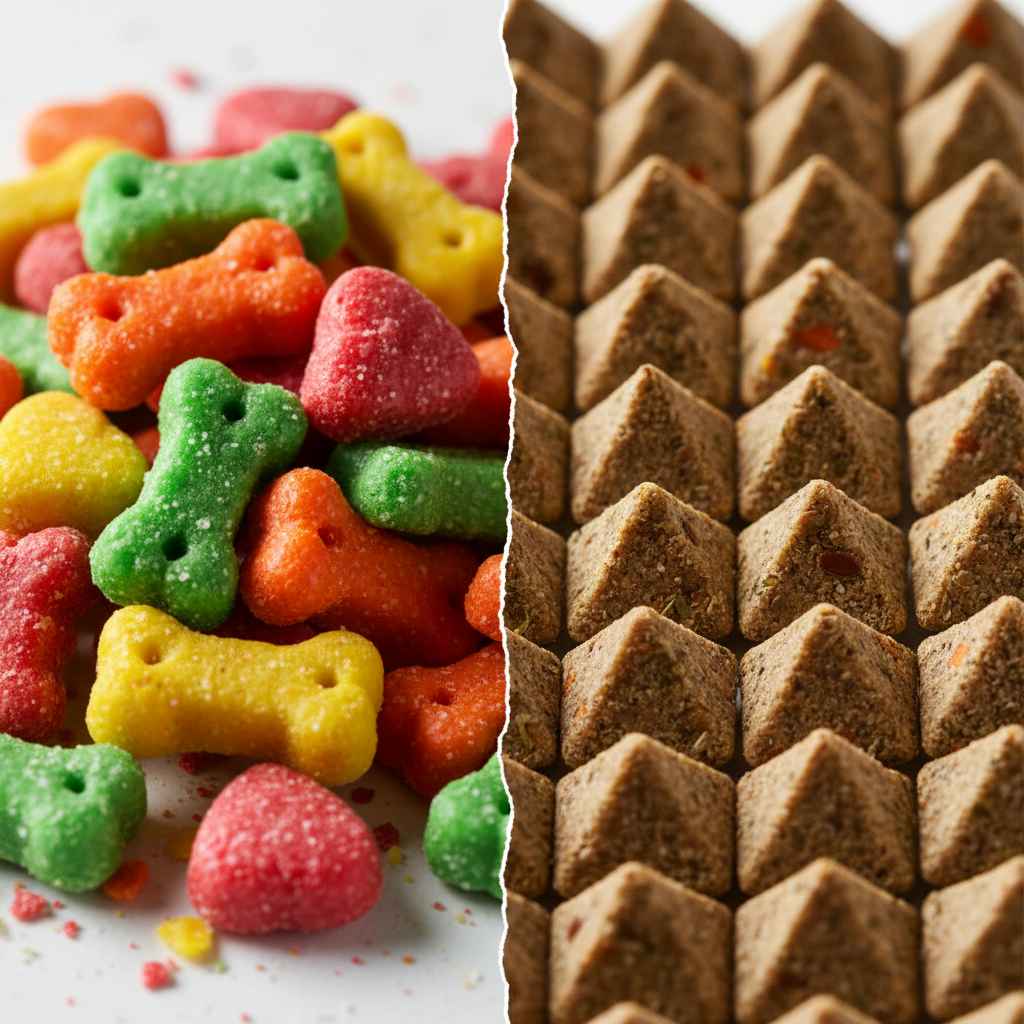
The commercial dog treat industry is a multi-billion dollar machine built on convenience and clever marketing. The truth is, the cost of the bag has little to do with the quality of the ingredients inside. It’s about shelf stability and mass production, which often means using ingredients you wouldn’t knowingly feed your pet.
The Usual Suspects on the Ingredient Label
When you analyze a typical bag of commercial treats, you’ll find a recurring cast of low-value characters:
- Vague ‘Meat’ Meals and By-Products: What part of the animal is this? It’s often the rendered, processed parts that are not fit for human consumption.
- Fillers like Corn, Wheat, and Soy: These are cheap carbohydrates used to add bulk. They offer minimal nutritional value and are common allergens for many dogs.
- Artificial Preservatives (BHA, BHT, Ethoxyquin): These chemical preservatives extend shelf life but have been linked to health concerns.
- Sweeteners (Corn Syrup, Sugar, Molasses): Dogs are drawn to sweet tastes, but sugar contributes to obesity, dental problems, and diabetes.
- Artificial Colors and Flavors: These are purely for the human’s benefit to make the treats look and smell more appealing. Your dog doesn’t care if a treat is red or green.
The Pyramid Pan: Your Secret Weapon
The Pyramid Pan is a silicone baking mat with hundreds of small, pyramid-shaped cavities. Originally designed to elevate food like bacon for healthier, crispier cooking, it has been co-opted by savvy dog owners as the ultimate treat-making mold. Here’s why it’s a game-changer:
- Massive Yield: A standard pan has over 500 cavities, allowing you to make a huge batch in one go.
- Perfect Size: The resulting treats are tiny, making them ideal for training rewards without adding excessive calories.
- Even Baking: The silicone construction ensures even heat distribution, so every treat is perfectly cooked.
- Easy Release: Once baked and cooled, the flexible silicone allows you to ‘pop out’ the treats with minimal effort.
The Blueprint: A Foolproof, High-Value Treat Recipe
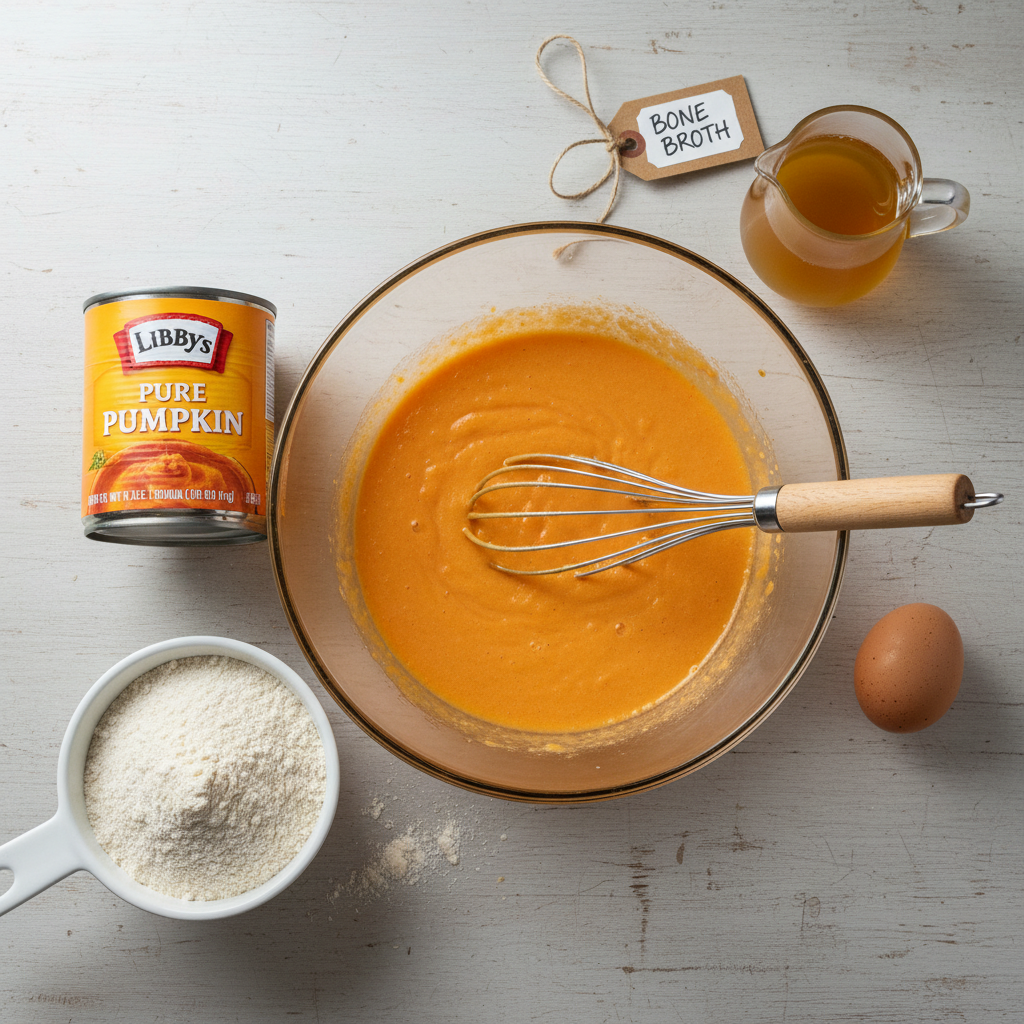
This base recipe is the foundation of your treat-making empire. It’s simple, uses minimal ingredients, and is easily customizable. The goal is a batter that is thin enough to pour and spread easily but not watery. Think of the consistency of a thick pancake batter.
Base Recipe Ingredients (Yields ~500 treats)
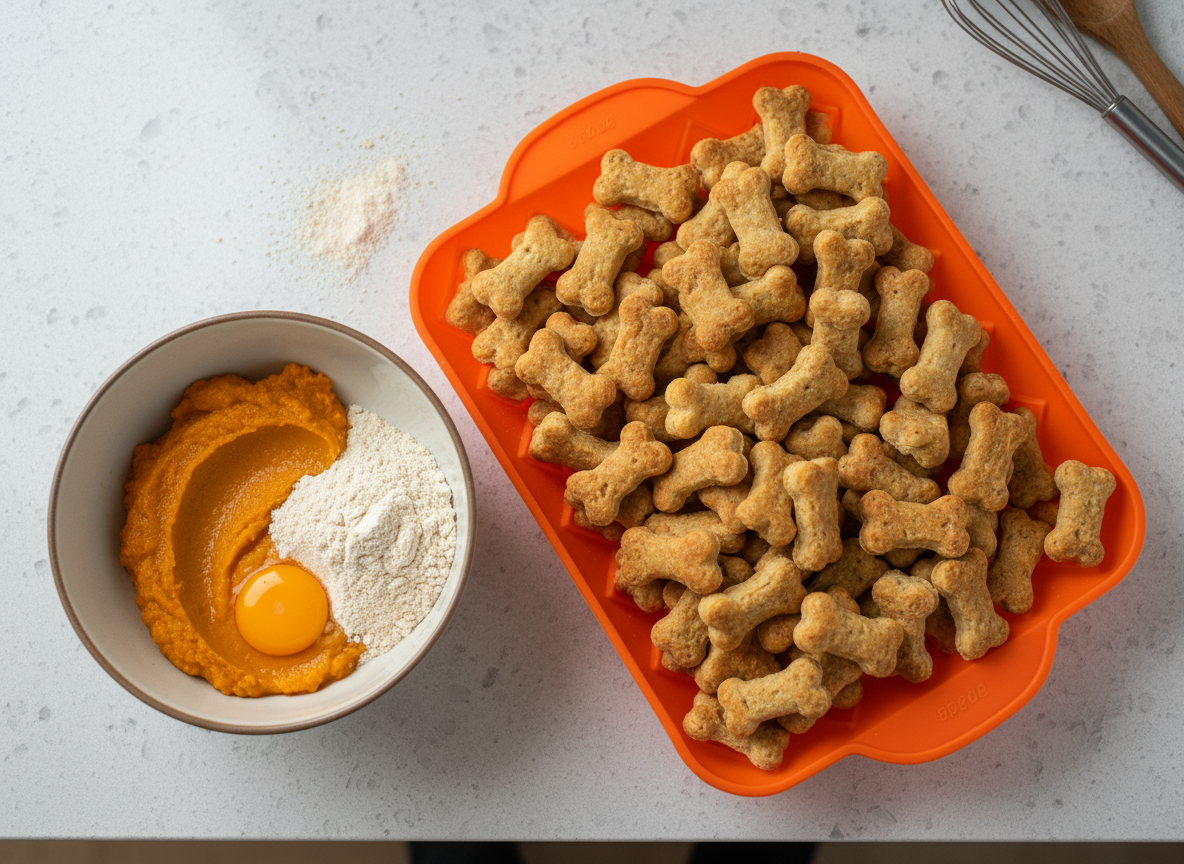
- 1 cup (approx. 245g) 100% pure pumpkin puree (NOT pumpkin pie filling)
- 1/2 cup (approx. 120ml) water or low-sodium bone broth
- 1 large egg
- 1 1/4 cups (approx. 120g) oat flour (you can make your own by blending rolled oats)
Step-by-Step Protocol
- Preheat & Prep: Preheat your oven to 350°F (175°C). Place your Pyramid Pan on a sturdy baking sheet. This is a critical step, as the silicone pan is flimsy and impossible to move once filled.
- Combine Wet Ingredients: In a medium bowl, whisk together the pumpkin puree, water or bone broth, and the egg until smooth and fully combined.
- Incorporate Dry Ingredient: Gradually add the oat flour to the wet mixture, whisking continuously to prevent lumps. Continue mixing until you have a smooth, pourable batter.
- Fill the Pan: Pour the batter onto the center of the Pyramid Pan. Using a spatula or bench scraper, gently spread the batter across the pan, ensuring it fills all the small cavities. Scrape off any excess from the top surface.
- Bake: Place the baking sheet with the filled pan into the preheated oven. Bake for 15-20 minutes. The treats are done when they are firm to the touch and the edges are slightly browned.
- Cool & Release: Remove from the oven and let the pan cool completely on a wire rack. Once cool, the treats should pop out easily when you flex the silicone mat.
Hacker Tip: For the perfect pourable consistency, use a blender. Combine all ingredients in a blender and pulse until perfectly smooth. This not only eliminates lumps but also makes pouring the batter onto the pan incredibly easy and mess-free.
The Forensic Cost Analysis: Hacking Your Pet Budget
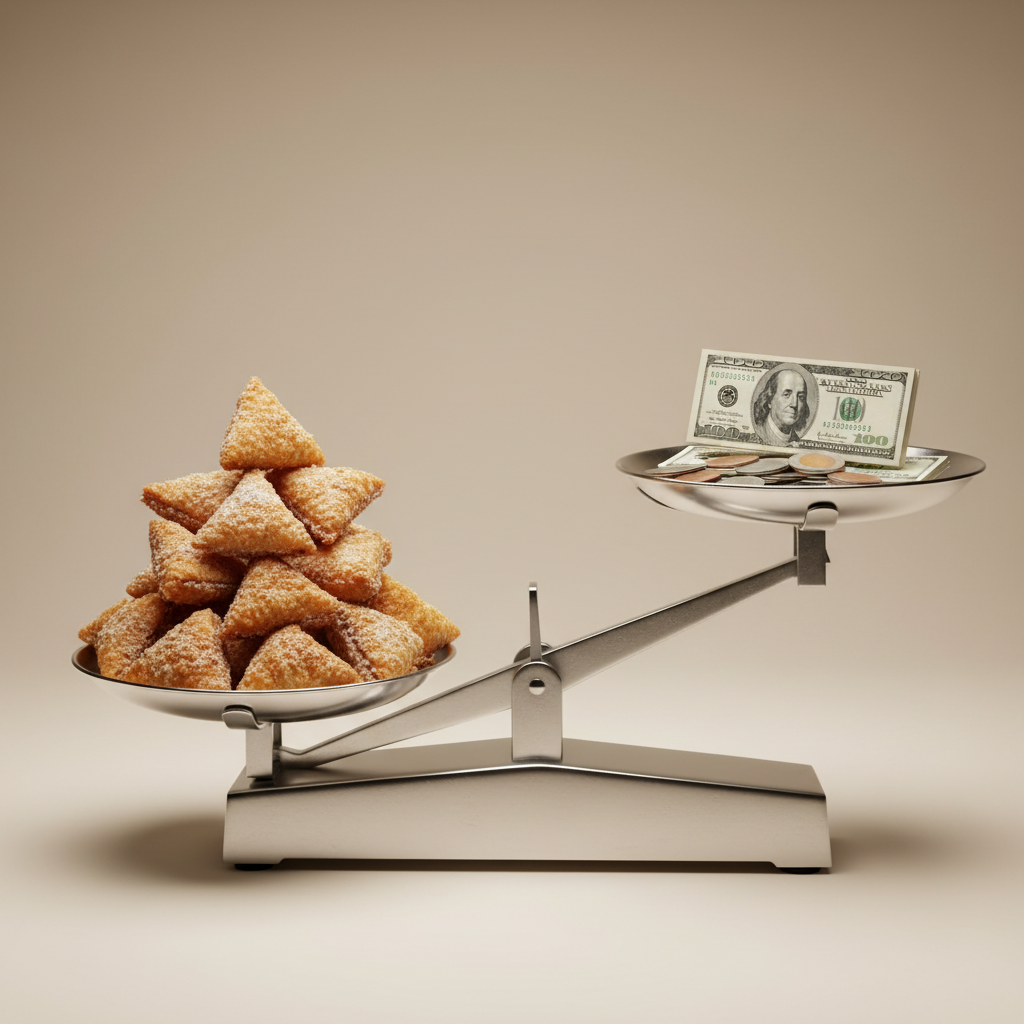
The nutritional superiority of homemade treats is clear. But the financial argument is just as compelling. Let’s break down the real cost of this DIY hack compared to popular commercial options. Prices are estimates based on average US grocery costs.
| Item | Typical Cost | Cost Per Batch (~500 Treats) | Cost Per Treat |
|---|---|---|---|
| 15oz Can Pumpkin Puree | $2.00 | $2.00 | $0.004 |
| 32oz Container Oat Flour | $5.00 | $0.80 (for 1 1/4 cups) | $0.0016 |
| Dozen Eggs | $4.00 | $0.33 (for 1 egg) | $0.00066 |
| Total DIY Cost | – | ~$3.13 | ~$0.006 |
Now, let’s compare that to store-bought treats.
| Treat Type | Typical Cost (per bag) | Treats Per Bag (approx.) | Cost Per Treat |
|---|---|---|---|
| Premium ‘Grain-Free’ Training Treats | $8.00 | 150 | $0.053 |
| Standard ‘Big Box’ Brand Treats | $4.00 | 100 | $0.04 |
| DIY Pyramid Pan Treats | $3.13 (per batch) | 500 | $0.006 |
The analysis is staggering. You are making a superior, healthier product for nearly 10 times less than the premium store-bought equivalent. Over a year, the savings can easily amount to hundreds of dollars—money that can be reallocated to higher-quality food, vet care, or enrichment for your dog.
Ingredient Intel: Upgrading Your Treats for Specific Needs
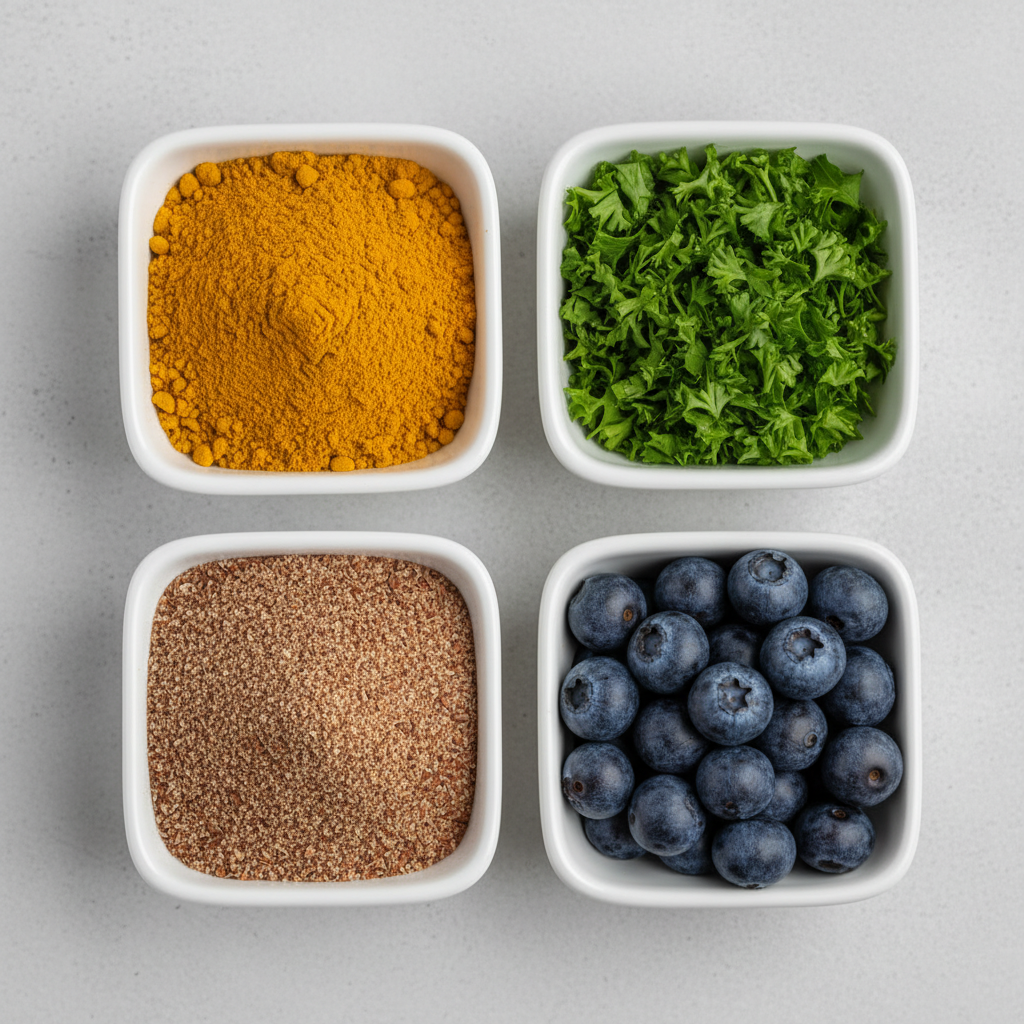
The base recipe is a blank canvas. By making strategic ingredient swaps or additions, you can tailor your treats to address specific health goals. Always introduce new ingredients slowly and in small quantities.
For Joint Support
- Hero Ingredient: Turmeric. Add 1 teaspoon of ground turmeric to the base recipe. Curcumin, its active compound, is a powerful natural anti-inflammatory. Pair it with a pinch of black pepper to increase absorption.
- Hero Ingredient: Green-Lipped Mussel Powder. A potent source of glucosamine and chondroitin. Add 1/2 teaspoon to the batter.
For Fresh Breath & Digestion
- Hero Ingredient: Fresh Parsley or Mint. Finely chop 2 tablespoons of fresh parsley or mint and add it to the batter. These herbs contain chlorophyll, which helps neutralize bad breath.
- Hero Ingredient: Ground Ginger. Add 1/4 teaspoon of ground ginger. It’s known to soothe the stomach and aid digestion.
Protein & Flavor Boosts
- Hero Ingredient: Unsweetened Peanut Butter. Ensure it is XYLITOL-FREE. Replace 1/4 cup of the pumpkin puree with peanut butter for a protein and flavor boost.
- Hero Ingredient: Sardines (in water, no salt added). For an omega-3 powerhouse, blend one or two sardines into the wet ingredients. Your dog will love the smell; you might want to open a window.
Warning: Toxic Ingredients to Avoid
Your kitchen contains ingredients that are perfectly safe for you but toxic to dogs. NEVER use the following:
- Xylitol (an artificial sweetener found in some peanut butters)
- Onions and Garlic (in all forms)
- Chocolate
- Grapes and Raisins
- Macadamia Nuts
Mastering the Method: Baking, Storing, and Freezing Your Haul
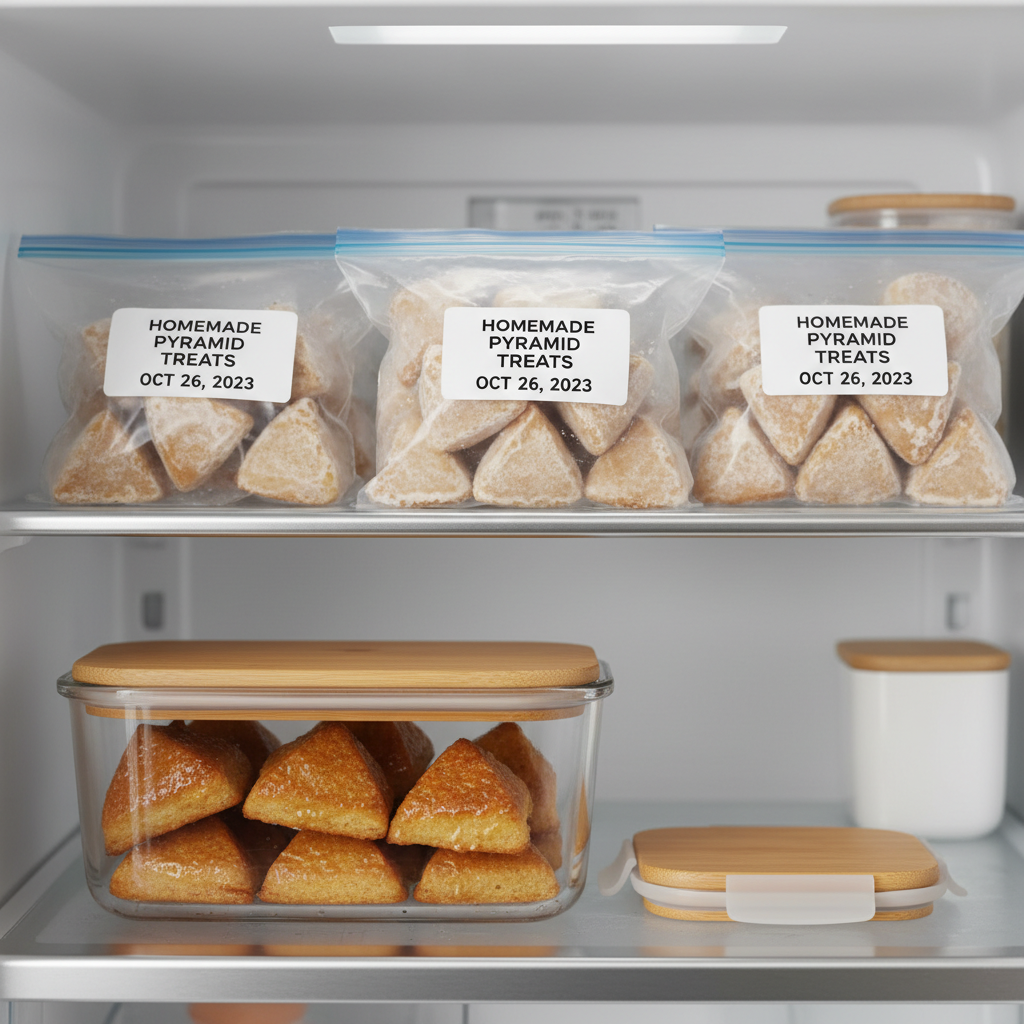
Making the treats is fast, but proper storage is key to preserving your work and ensuring you always have a healthy reward on hand. The moisture content determines the shelf life.
Achieving the Perfect Bake
The goal is a treat that is dry and slightly hard, not soft or chewy. A drier treat will last longer and provide a satisfying crunch. After the initial 15-20 minutes of baking, you can turn off the oven, crack the door open, and leave the pan inside as the oven cools. This will help dehydrate the treats further without burning them.
Storage Protocol
- Refrigerator (Short-Term): Once completely cool, transfer the treats to an airtight container. They will last in the refrigerator for 7-10 days. Because they contain no preservatives, they will spoil at room temperature within a couple of days.
- Freezer (Long-Term): For a supply that lasts months, the freezer is your best friend. Spread the treats in a single layer on a baking sheet and ‘flash freeze’ them for about an hour. Once they are frozen solid, you can transfer them to a labeled freezer bag or container. This prevents them from clumping together into a giant treat-iceberg. They will last in the freezer for up to 6 months.
Hacker Tip: Keep a small ‘working’ jar of treats in the fridge for daily use and store the bulk of your massive batch in the freezer. This ensures maximum freshness and minimizes waste. Pull out a week’s worth at a time to thaw in the fridge.
Conclusion
You now possess the strategy to opt-out of the commercial treat industry’s cycle of high prices and low-quality ingredients. With a Pyramid Pan and about 20 minutes, you’ve unlocked the ability to create a massive supply of healthy, cost-effective treats tailored specifically to your dog’s needs. This isn’t just about baking; it’s about taking an active, authoritative role in your dog’s well-being.
You control the ingredients. You control the cost. You provide the value. Stop paying for fillers and marketing, and start investing your time and money where it truly matters: in the health and happiness of your loyal companion. You are the Canine Nutrition Hacker now. Go fill that freezer.