DIY Dehydrated Anchovies: Cheap Omega-3 Boost for Dogs
Walk down any pet store aisle and you’ll be bombarded with slick packaging for ‘Omega-3 Chews’ or ‘Fish Oil Toppers’ with price tags that make you wince. They sell you on the benefits of EPA and DHA for joint support and shiny coats, and they charge a premium for it. But what if I told you that one of the most potent sources of these critical fatty acids is available for pennies on the dollar? I’m talking about whole anchovies—a nutritional powerhouse that you can prepare yourself, ensuring zero fillers, zero mystery ingredients, and maximum savings.
As The Canine Nutrition Hacker, my mission is to cut through the marketing noise and empower you to take control of your dog’s diet. We’re not just making treats; we’re creating high-potency, single-ingredient supplements that outperform most products on the shelf. This guide is your blueprint.
SAFETY AND NUTRITION DISCLAIMER
Before you begin, it is critical to understand the following: I am a canine nutrition analyst and advocate, not a veterinarian. The information provided here is for educational purposes based on extensive research and experience. It is not a substitute for professional veterinary advice. Always consult with your veterinarian before making significant changes to your dog’s diet, especially if your dog has underlying health conditions like kidney or heart disease. These treats are a supplement to a complete and balanced diet, not a meal replacement. Ensure any fish you use is unsalted and unseasoned.
Why Anchovies? The Undisputed Power of Small Fish
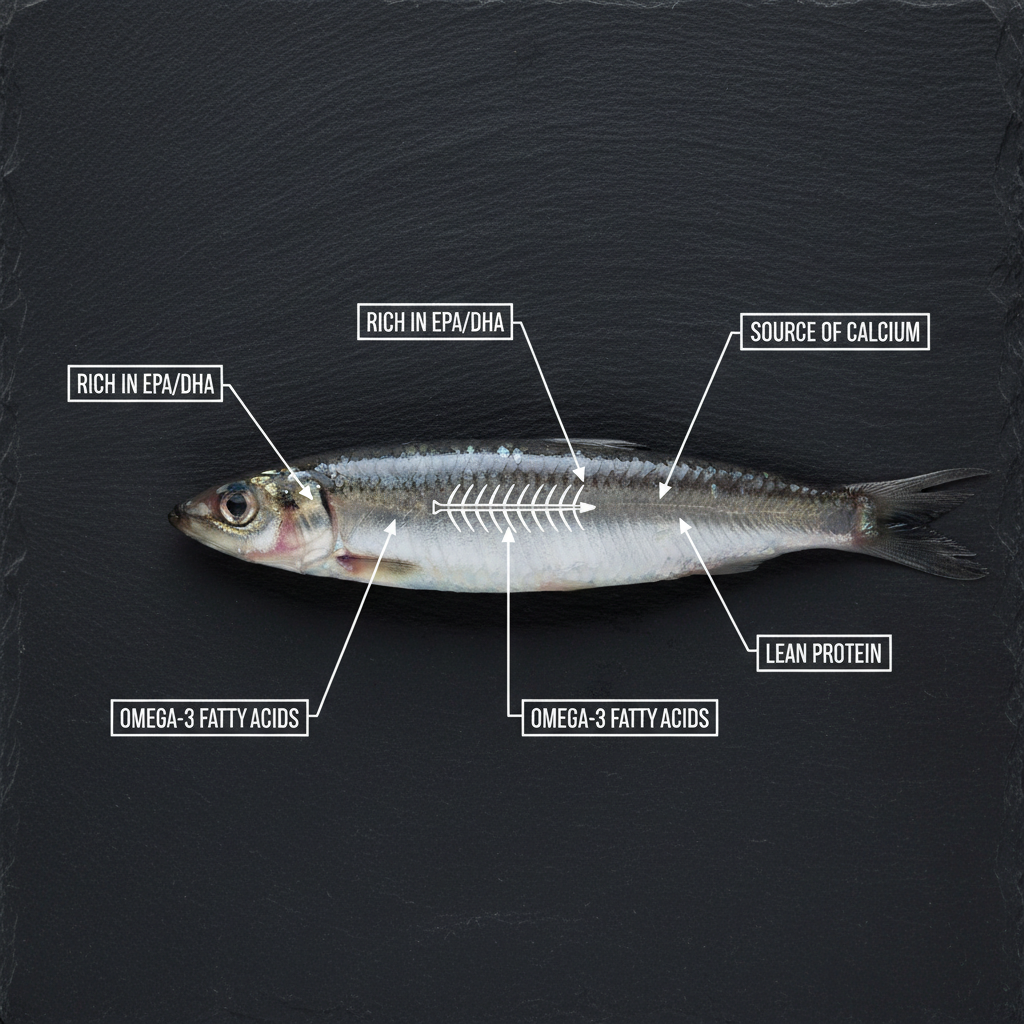
Let’s get forensic. Why are we focusing on anchovies and not a fancy salmon oil chew? It comes down to biology and biochemistry. Omega-3 fatty acids, specifically Eicosapentaenoic Acid (EPA) and Docosahexaenoic Acid (DHA), are essential fats that a dog’s body cannot efficiently produce on its own. They must come from the diet.
The Critical Roles of EPA and DHA:
- Joint Health & Anti-inflammatory Action: EPA is a natural anti-inflammatory. For active dogs, seniors, or breeds prone to arthritis, it can help reduce joint pain and stiffness by modulating the body’s inflammatory response.
- Skin & Coat Integrity: A dull, flaky coat is often one of the first signs of an Omega-3 deficiency. These fatty acids are crucial components of cell membranes, helping to maintain a strong skin barrier, reduce dryness, and give the coat a deep, healthy luster.
- Cognitive and Neurological Function: DHA is a primary structural component of the brain and retina. It’s vital for puppy brain development and for maintaining cognitive function in senior dogs, helping to keep them sharp and engaged.
- Cardiovascular Support: Omega-3s have been shown to support heart health by helping to maintain healthy blood pressure and triglyceride levels.
The ‘Small Fish’ Advantage:
So why anchovies over larger fish like salmon or tuna? Two reasons: purity and potency.
- Lower Bioaccumulation of Toxins: Fish absorb heavy metals, like mercury, from their environment. Because anchovies are small and have a very short lifespan, they are at the bottom of the food chain. They simply do not live long enough to accumulate the significant levels of toxins that can be found in larger, longer-living predatory fish. This makes them a cleaner, safer choice for regular consumption.
- Whole Food Nutrition: When you feed a whole dehydrated anchovy, your dog gets more than just the oil. They consume the bones (a fantastic source of natural calcium), the meat (protein), and the organs. It’s a complete nutritional package, just as nature intended. You’re not just providing a fractionated oil; you’re providing a true whole food supplement.
The Forensic Cost Analysis: DIY vs. Store-Bought
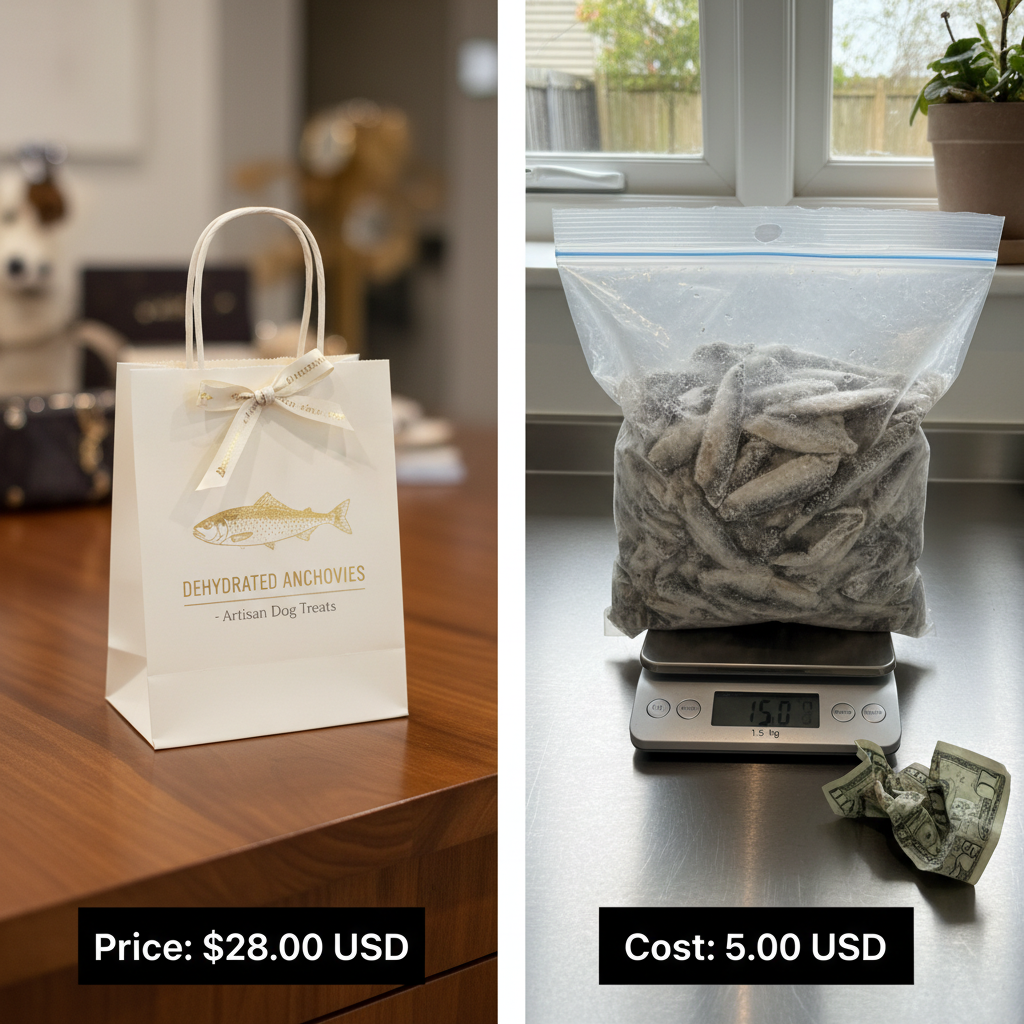
This is where the ‘hacker’ mindset truly pays off. The markup on commercially prepared, single-ingredient pet treats is astronomical. You are paying for marketing, packaging, and distribution, not just the product. Let’s break down the real numbers for a typical scenario.
Commercial brands often sell a 3-ounce bag of dehydrated anchovies for $12 to $20. We’ll use a conservative average for our comparison. In contrast, you can often find large bags of frozen, raw anchovies at Asian markets, seafood suppliers, or even online for a fraction of that price per pound.
| Metric | Commercial Brand (Premium) | DIY Canine Hacker Method |
|---|---|---|
| Source & Quantity | 3 oz Bag | 1 lb (16 oz) Frozen Bag |
| Average Price | $15.00 | $7.00 |
| Price Per Ounce (Pre-Dehydration) | $5.00 / oz | $0.44 / oz |
| Final Cost Comparison | You pay over 10 times more for the convenience of someone else running a dehydrator. | An investment of a few hours yields a massive supply at a rock-bottom price. The savings are undeniable. |
Insider Secret: Don’t overlook the freezer section of international grocery stores. They are goldmines for high-quality, affordable whole fish like anchovies and sardines that are perfect for dehydrating. Look for bags of ‘IQF’ (Individually Quick Frozen) fish.
The Blueprint: Dehydrating Anchovies Step-by-Step
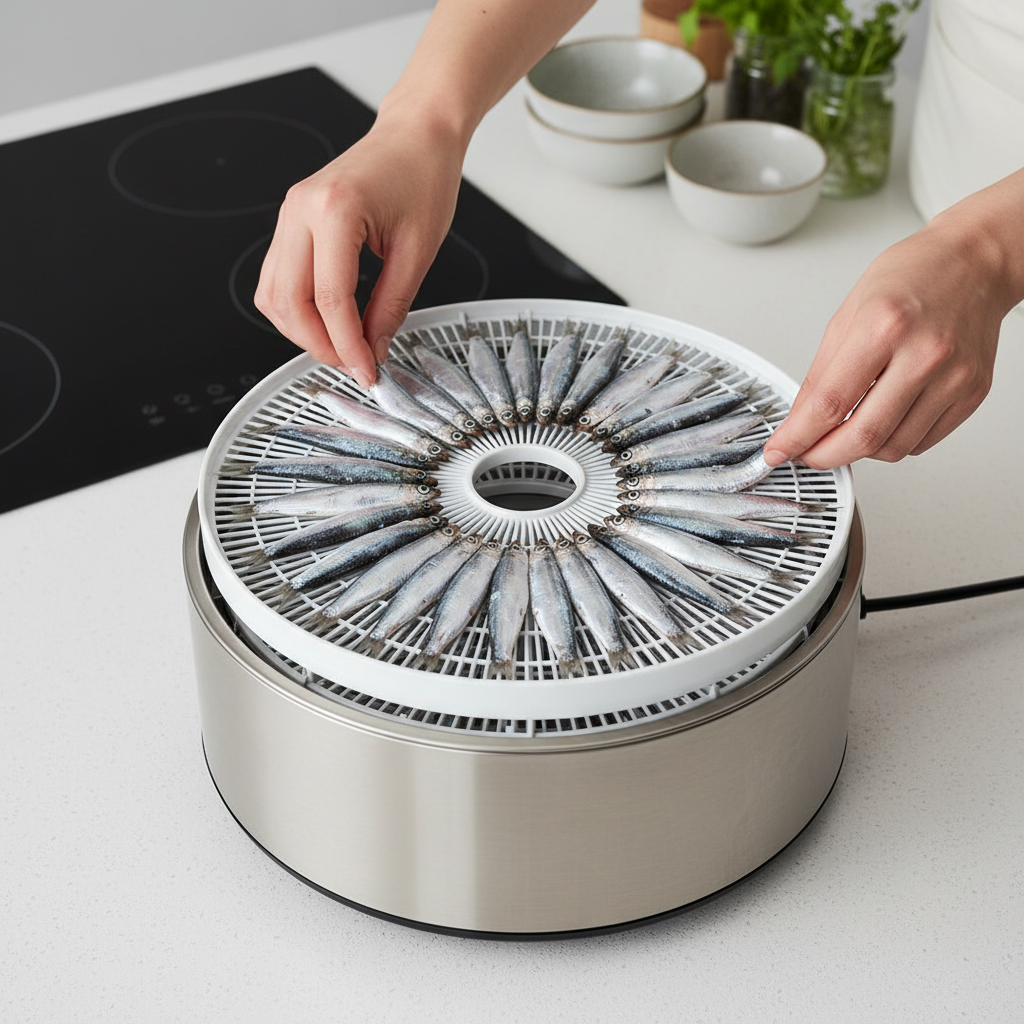
This process is incredibly simple. Your main investment is time, as the dehydrator does all the work. The key is starting with the right product and ensuring it’s fully dried for safe storage.
Equipment and Ingredients:
- Ingredient: 1-2 lbs of frozen raw anchovies. CRITICAL: They must be unsalted. Avoid any products canned in salt or brine. If using canned, they MUST be packed in water with no salt added. Fresh is fine too, if you can get it.
- Equipment: A food dehydrator. An oven can be used in a pinch (see tip below).
- Optional: Colander for rinsing, paper towels for patting dry.
The Step-by-Step Process:
- Thaw and Rinse: If your anchovies are frozen, thaw them in the refrigerator overnight. Once thawed, place them in a colander and rinse them thoroughly under cold running water. This removes any surface ice or residue.
- Pat Dry: Gently pat the rinsed anchovies dry with paper towels. Removing excess surface moisture will speed up the dehydration time. This is an important step for efficiency.
- Arrange on Trays: Place the anchovies in a single layer on your dehydrator trays. Ensure they are not touching each other. Proper air circulation around each fish is key to even drying.
- Set Temperature and Time: Set your dehydrator to a temperature between 145°F and 160°F (63°C to 71°C). This is high enough to dry the fish safely. Dehydration will take anywhere from 6 to 10 hours, depending on the size of your fish and the humidity in your home.
- Check for Doneness: The anchovies are done when they are completely hard and brittle. They should snap cleanly in half when you try to bend them. If they are chewy or bendy, they need more time. There should be absolutely no moisture left. This is non-negotiable for safe, shelf-stable storage.
- Cool Completely: Turn off the dehydrator and let the anchovies cool completely to room temperature on the trays (about 1-2 hours). Do not package them while they are still warm, as condensation will form and introduce moisture, leading to mold.
Hacker Tip: No Dehydrator? Use Your Oven. Set your oven to its lowest possible temperature (usually 170°F – 200°F). Place the anchovies on a wire rack set over a baking sheet to allow for air circulation. Prop the oven door open slightly with the handle of a wooden spoon to allow moisture to escape. The drying time will be faster, likely 3-5 hours, so check them frequently to prevent burning.
Safe Storage and Dosage Protocol
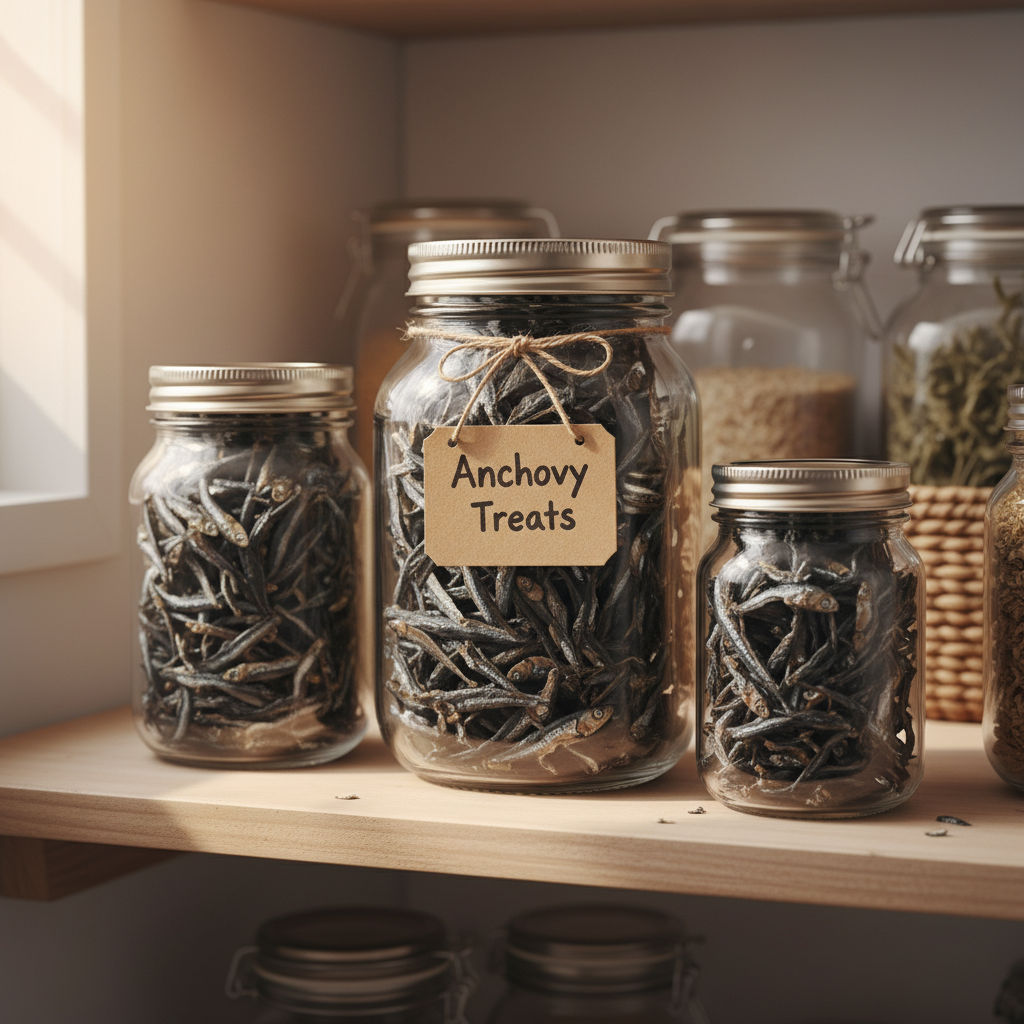
You’ve done the work, now let’s make sure your investment lasts and you’re feeding it safely. Proper storage is just as critical as proper dehydration.
Long-Term Storage Protocol:
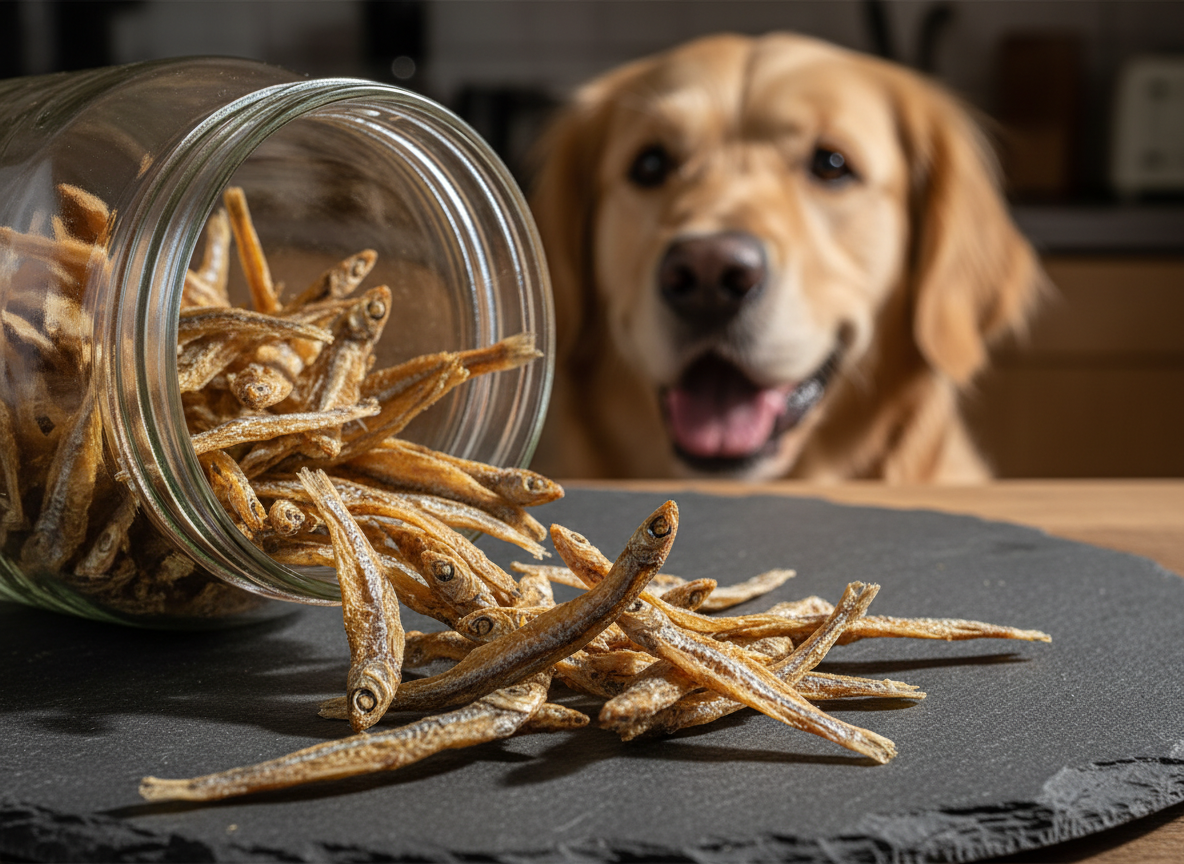
Once the anchovies are completely cool and brittle, transfer them to an airtight container. Glass mason jars with a tight-fitting lid are the absolute best option as they are impermeable to air and moisture. Store the jar in a cool, dark place like a pantry. For maximum freshness and to prevent the natural oils from going rancid over time, storing them in the refrigerator or freezer is the gold standard. Properly dried and stored, they can last for months.
Serving and Dosage Guidelines:
These are nutrient-dense supplements, not an all-you-can-eat snack. Overfeeding can lead to digestive upset or an unbalanced diet. Always introduce any new food slowly. Start with one anchovy and monitor your dog for a day or two.
Daily Dosage Recommendations:
- Extra Small Dogs (Under 10 lbs): 1 anchovy
- Small Dogs (11-25 lbs): 2 anchovies
- Medium Dogs (26-50 lbs): 3-4 anchovies
- Large Dogs (51-90 lbs): 5-6 anchovies
- Extra Large Dogs (90+ lbs): 6-7 anchovies
IMPORTANT: These are general guidelines. Adjust based on your dog’s overall diet, activity level, and health. If your dog’s main food is already very rich in fish oils, you may want to feed fewer. These are treats and should not constitute more than 10% of your dog’s daily caloric intake. Always provide access to fresh water.
Conclusion
You’ve now bypassed the commercial pet food industry’s exorbitant markups and taken a direct hand in your dog’s health. By investing a few hours, you’ve created a supply of high-value, powerfully nutritious treats for a fraction of the retail cost. You have 100% control over the ingredients—no preservatives, no salt, no fillers, just pure fish. This is the core philosophy of the Canine Nutrition Hacker: analyzing the system, identifying the inefficiencies, and implementing a smarter solution at home. You’re not just saving money; you’re providing a superior product that contributes directly to your dog’s long-term vitality. Now go reclaim your budget and supercharge your dog’s bowl.