5 Reasons You Should Start Soaking Kibble for Digestion
You stand in your kitchen, scooping a precise amount of dry, pelletized food into your dog’s bowl. It’s convenient, it’s clean, and the bag says ‘complete and balanced.’ But as The Canine Nutrition Hacker, I’m here to tell you that convenience comes at a hidden cost—one paid by your dog’s digestive system. We’ve been conditioned to believe that dry kibble is the default, the gold standard. It’s not. It’s a marvel of shelf-stability and marketing, but it’s far from biologically optimal.
The single most powerful, effective, and completely free upgrade you can make to your dog’s health starts at your kitchen sink. We’re talking about soaking their kibble. Before you dismiss this as an unnecessary step, I urge you to analyze the facts. This isn’t about pampering; it’s about preventative care, nutrient absorption, and respecting your dog’s physiology. We’re going to break down the science and expose why feeding dry kibble straight from the bag might be one of the biggest oversights in modern pet care.
Medical Disclaimer: I am not a veterinarian. The information in this article is based on extensive research and experience. Always consult with your trusted veterinarian before making any significant changes to your dog’s diet, especially if they have pre-existing health conditions.
Reason #1: Supercharges Hydration and Supports Organ Function
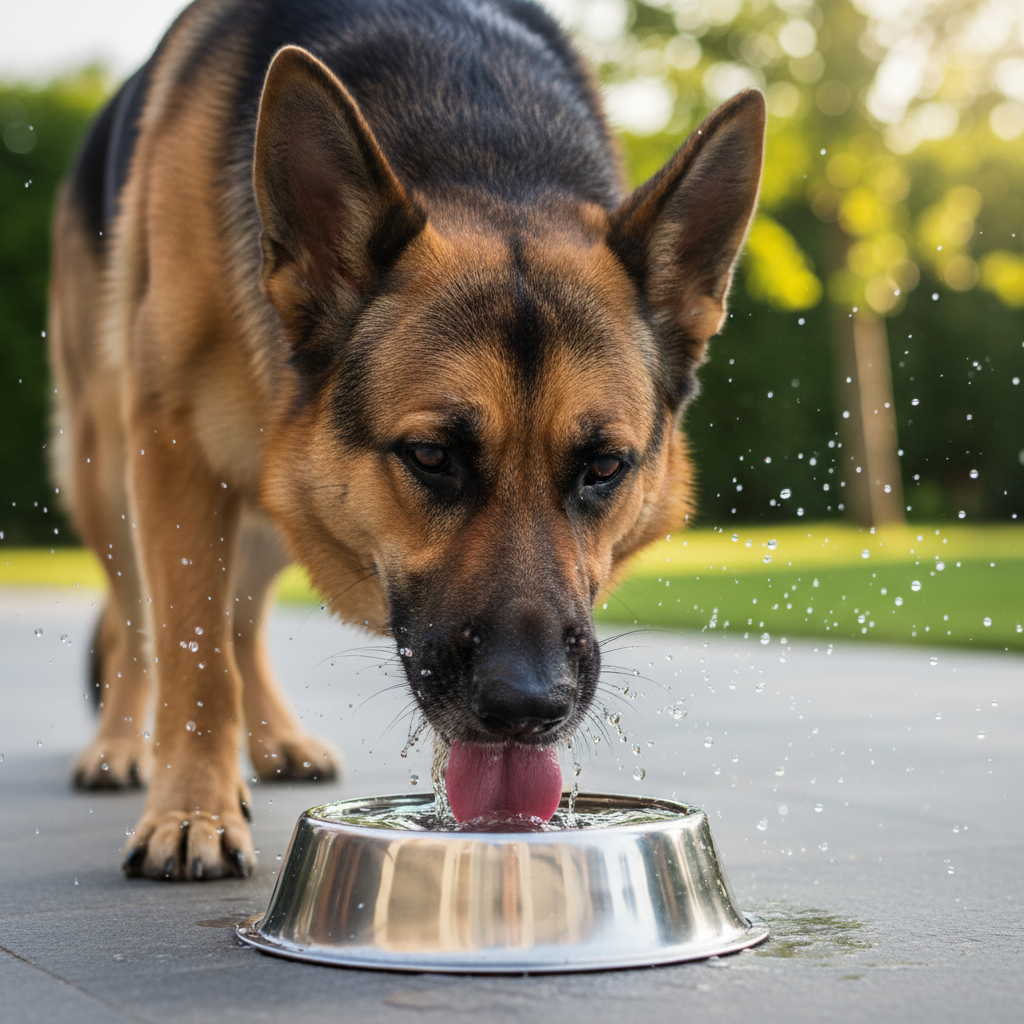
The first truth every dog owner must understand is that kibble is a dehydrated product, typically containing only 6-10% moisture. A dog’s ancestral diet, consisting of prey, would have been around 70% moisture. This creates a massive hydration deficit that your dog must constantly work to overcome.
When a dog eats dry kibble, the rehydration process happens internally. The hard pellets enter the stomach and begin to pull water from your dog’s body to start the process of digestion. This means for hours after a meal, your dog is in a state of mild dehydration, drawing on its own reserves to process its food. This puts a continuous, low-grade strain on their kidneys and urinary tract. For breeds prone to urinary crystals or kidney issues, this is a critical vulnerability.
By soaking the kibble before feeding, you are essentially pre-hydrating the meal. The food enters the stomach already saturated with moisture. Instead of stealing water from your dog’s system, the meal provides water, aiding in all metabolic processes. Proper hydration is the cornerstone of health; it lubricates joints, aids in circulation, flushes toxins, and is absolutely essential for kidney function. Providing this moisture with the meal is a profoundly more efficient way to keep your dog hydrated than simply hoping they drink enough from their water bowl throughout the day.
Insider Secret: Many dogs that seem to drink excessive amounts of water after a meal are doing so out of necessity. Their body is screaming for moisture to digest the dry mass in their stomach. Soaked food can normalize this behavior, indicating a better-hydrated state.
Reason #2: Unlocks Nutrient Bioavailability and Eases Digestion
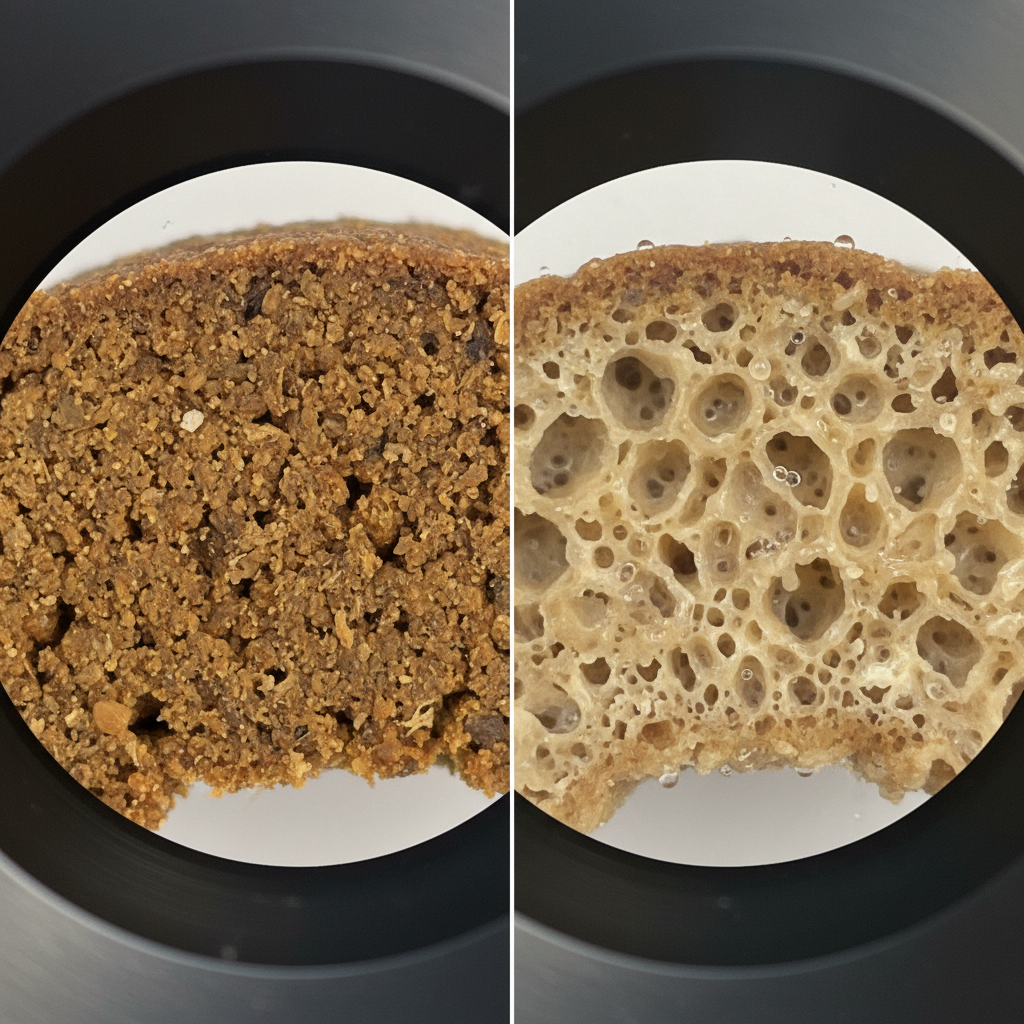
Think of a piece of dry kibble as a tiny, compressed brick of nutrients. For your dog’s body to access the proteins, fats, and carbohydrates locked inside, it must first break that brick down. This requires a significant amount of stomach acid and enzymatic action. The entire digestive process is an energy-intensive tax on your dog’s system.
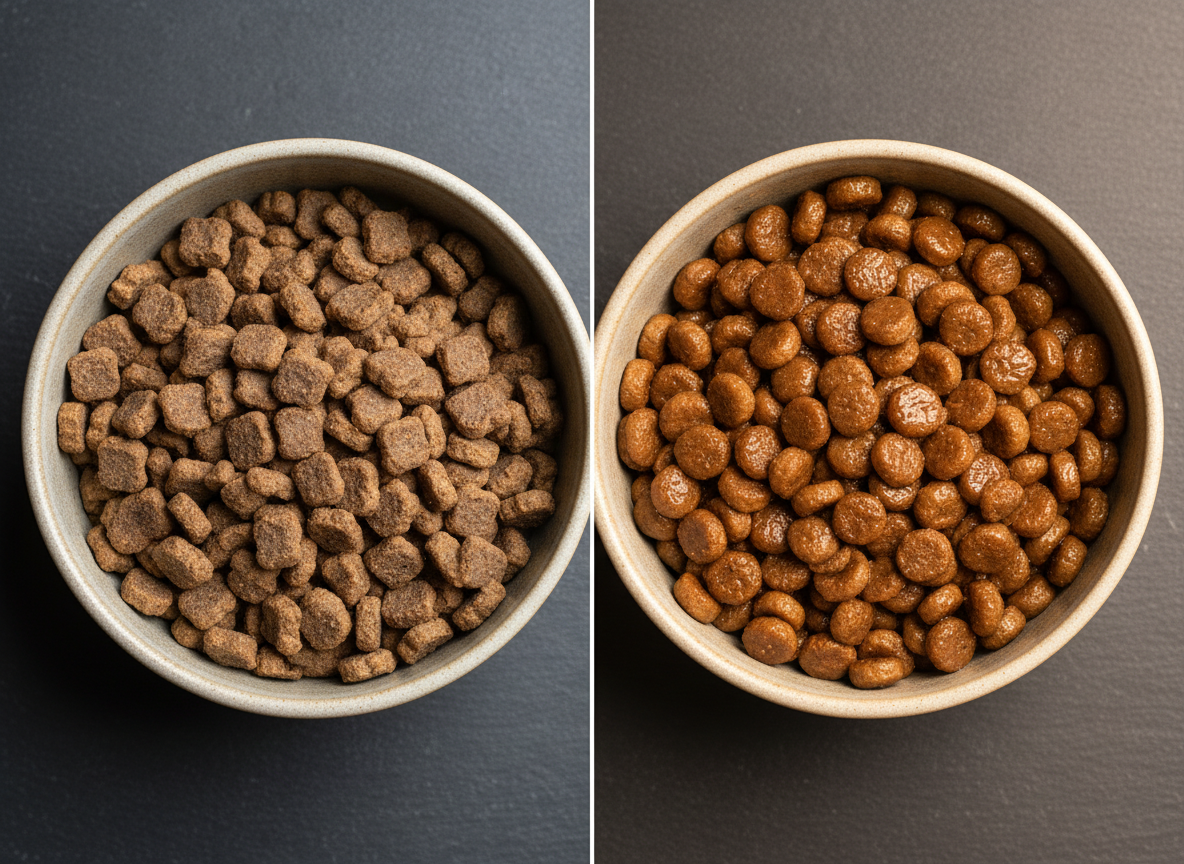
Soaking initiates this breakdown process before the food ever reaches the stomach. The water softens the pellet, expanding the starches and making the proteins more accessible. This is the difference between trying to digest a rock and digesting a porridge. A softened, gruel-like meal is significantly easier for the stomach to process, meaning:
- Improved Nutrient Absorption: When the food is pre-softened, the digestive enzymes can work more efficiently, leading to better absorption of essential vitamins and minerals. You get more nutritional bang for your buck from the very food you’re already buying.
- Reduced Digestive Upset: For dogs with sensitive stomachs, the harsh, abrasive nature of dry kibble can be an irritant. Soaked food is gentler on the entire GI tract, reducing the likelihood of vomiting, acid reflux, or general discomfort after meals.
- Less Work for the Pancreas: The pancreas produces many of the enzymes needed to break down food. An easier-to-digest meal means less strain on this vital organ over the long term.
You are essentially doing the first, most difficult part of digestion for your dog, freeing up their metabolic energy for other things like immune function, tissue repair, and play.
Reason #3: Enhances Aroma and Flavor for Picky Eaters
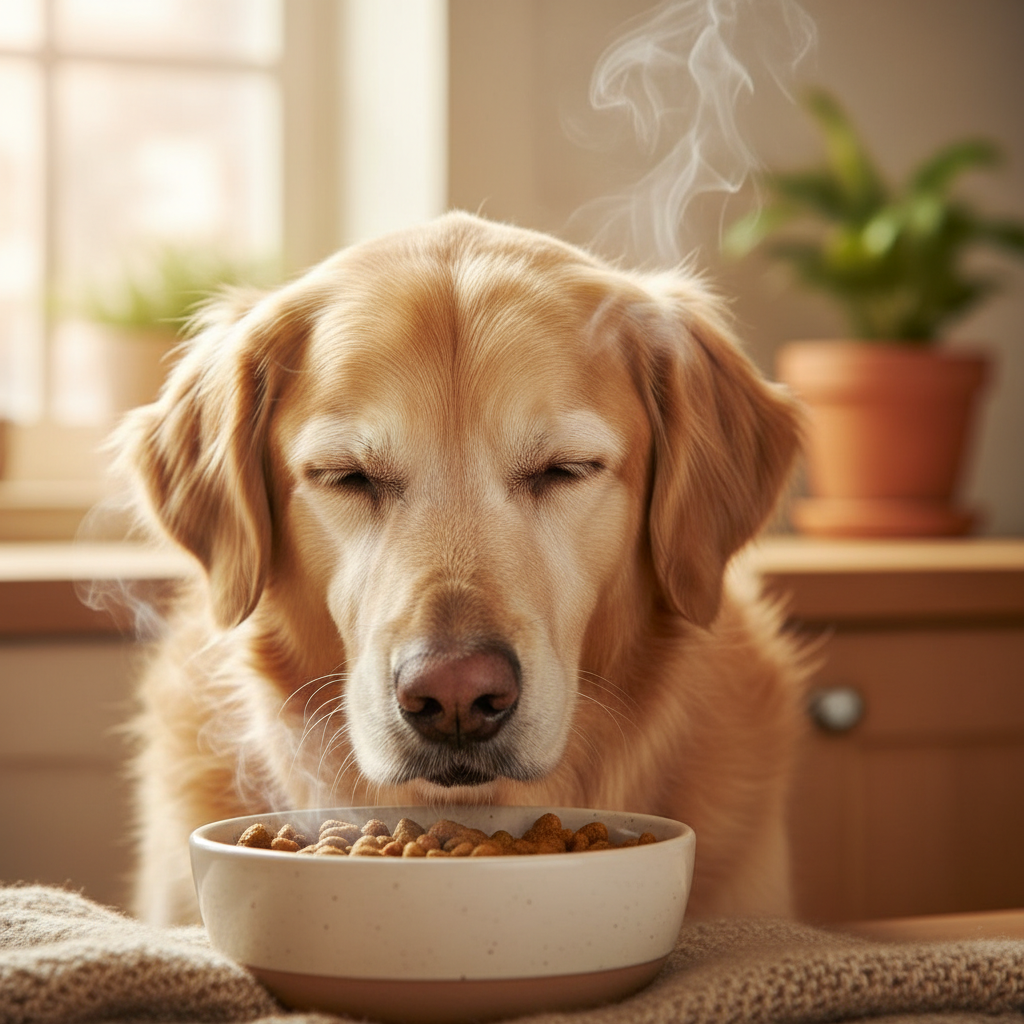
Is your dog a picky eater? Do they turn their nose up at a bowl of food they devoured yesterday? Before you switch brands for the tenth time or add expensive toppers, try this simple hack. A dog’s sense of smell is estimated to be 10,000 to 100,000 times more acute than ours. They experience the world, and their food, primarily through scent.
Dry kibble has a very limited scent profile. The fats and proteins are locked within the dry pellet. When you add warm (not hot) water, it works like a chemical release. The water warms the fats and volatilizes the aromatic compounds within the food, releasing a rich, meaty scent that is far more appealing to a canine’s nose. The dry, bland pellet is transformed into a warm, aromatic stew.
This is particularly effective for:
- Senior Dogs: As dogs age, their senses of smell and taste can diminish. The enhanced aroma of soaked food can reignite their interest in eating.
- Dogs with Dental Issues: Hard kibble can be painful for dogs with sore teeth or gums. Soft food eliminates this barrier to eating.
- Picky Puppies: Encouraging good eating habits early is crucial. Making food more appealing can prevent the development of finicky behaviors.
Hacker Tip: For an even greater palatability boost, use warm, low-sodium bone broth instead of water. This not only adds incredible flavor and aroma but also provides extra nutrients like collagen and glucosamine for joint health.
Reason #4: Significantly Reduces the Risk of Deadly Bloat (GDV)
This is arguably the most critical reason on this list. Gastric Dilatation-Volvulus (GDV), or bloat, is a catastrophic, life-threatening emergency. It occurs when a dog’s stomach fills with gas, fluid, or food and then twists on itself, cutting off blood supply. While the exact causes are multifactorial, rapid eating and the expansion of food in the stomach are known high-risk factors, especially in deep-chested breeds.
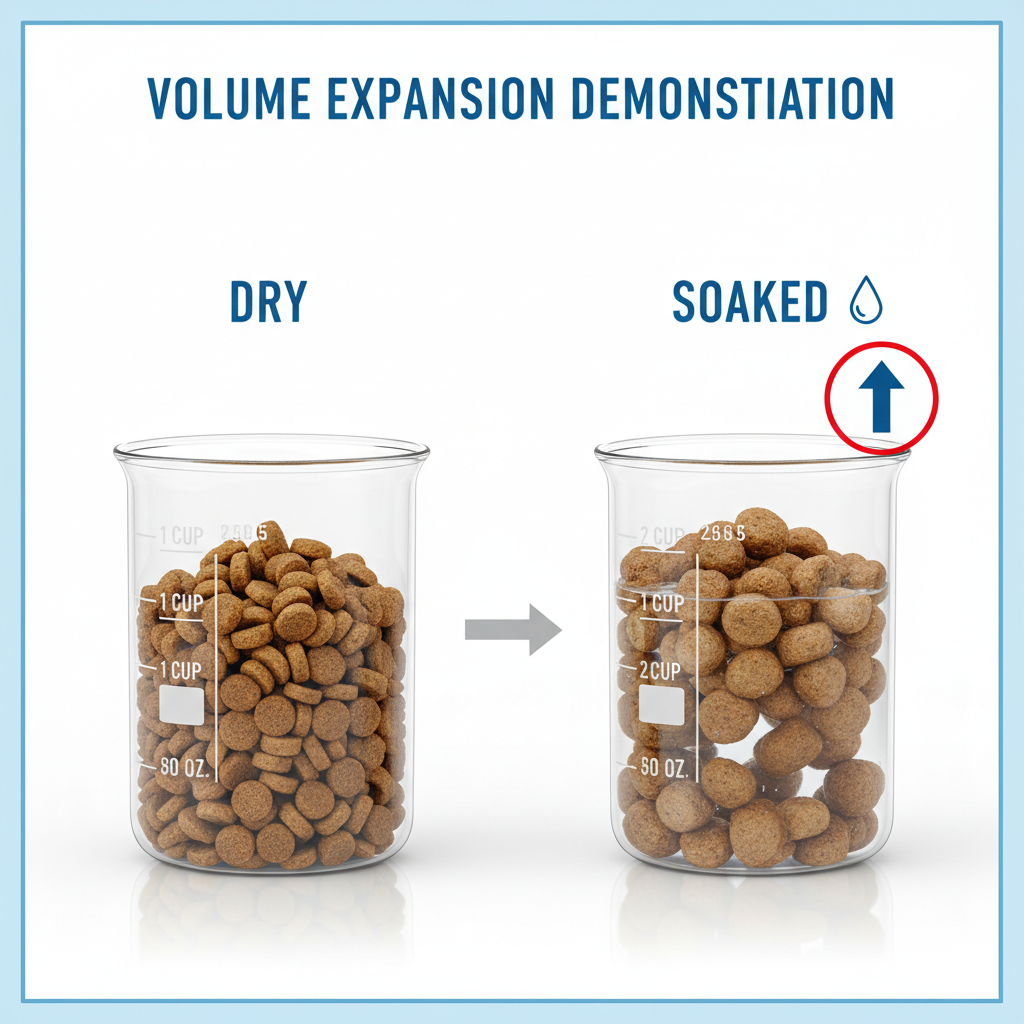
When a dog eats dry kibble, that kibble can swell to two or three times its original size inside the stomach as it absorbs gastric juices. Imagine a cup of kibble turning into three cups of mass after it’s been consumed. This rapid expansion can be a trigger for a bloat event.
By soaking the kibble, you eliminate this variable entirely. The expansion happens in the bowl, not in your dog’s stomach. You see exactly how much volume the food will take up before your dog ever eats it. This single step mitigates a massive risk factor associated with feeding dry food.
Let’s analyze the physical difference:
| Metric | Dry Kibble (1 Cup) | Soaked Kibble (1 Cup Dry, Soaked) |
|---|---|---|
| Initial Volume | ~ 8 oz | ~ 8 oz |
| Volume After 30 Mins in Liquid | Expands inside the stomach | ~ 16-20 oz (in the bowl) |
| Stomach Impact | High risk of rapid expansion | Stable volume, minimal expansion |
| Bloat Risk Factor | High | Significantly Reduced |
While soaking food doesn’t guarantee a dog will never bloat, it is a powerful and logical preventative measure that addresses the physics of how dry food behaves in the stomach. For owners of at-risk breeds like Great Danes, German Shepherds, Weimaraners, and Standard Poodles, this should be considered a non-negotiable feeding practice.
Reason #5: The Ultimate No-Cost Health Upgrade
In a world of expensive supplements, prescription diets, and high-tech wellness gadgets for pets, soaking kibble stands out for its profound simplicity and impact. The cost is zero. The time investment is minimal. Yet, the potential return on investment for your dog’s health is enormous.
Think about the potential long-term savings:
- Fewer Vet Visits for GI Upset: A gentler, more easily digestible diet can mean fewer emergency trips for vomiting or diarrhea.
- Support for Urinary Health: Improved hydration is a key strategy in preventing urinary crystals and stones, which can require costly procedures and prescription diets.
- Reduced Risk of Emergency Surgery: A single GDV surgery can cost anywhere from $3,000 to $8,000 or more, with no guarantee of survival. Reducing this risk is financially prudent.
You are essentially maximizing the value of the food you are already purchasing by ensuring it’s in its most bioavailable and safest form. It makes a budget-friendly food more digestible and a premium food even more effective. It is the definition of a nutritional hack: a simple strategy that yields disproportionately large results.
The Canine Nutrition Hacker’s Guide to Soaking Kibble Correctly
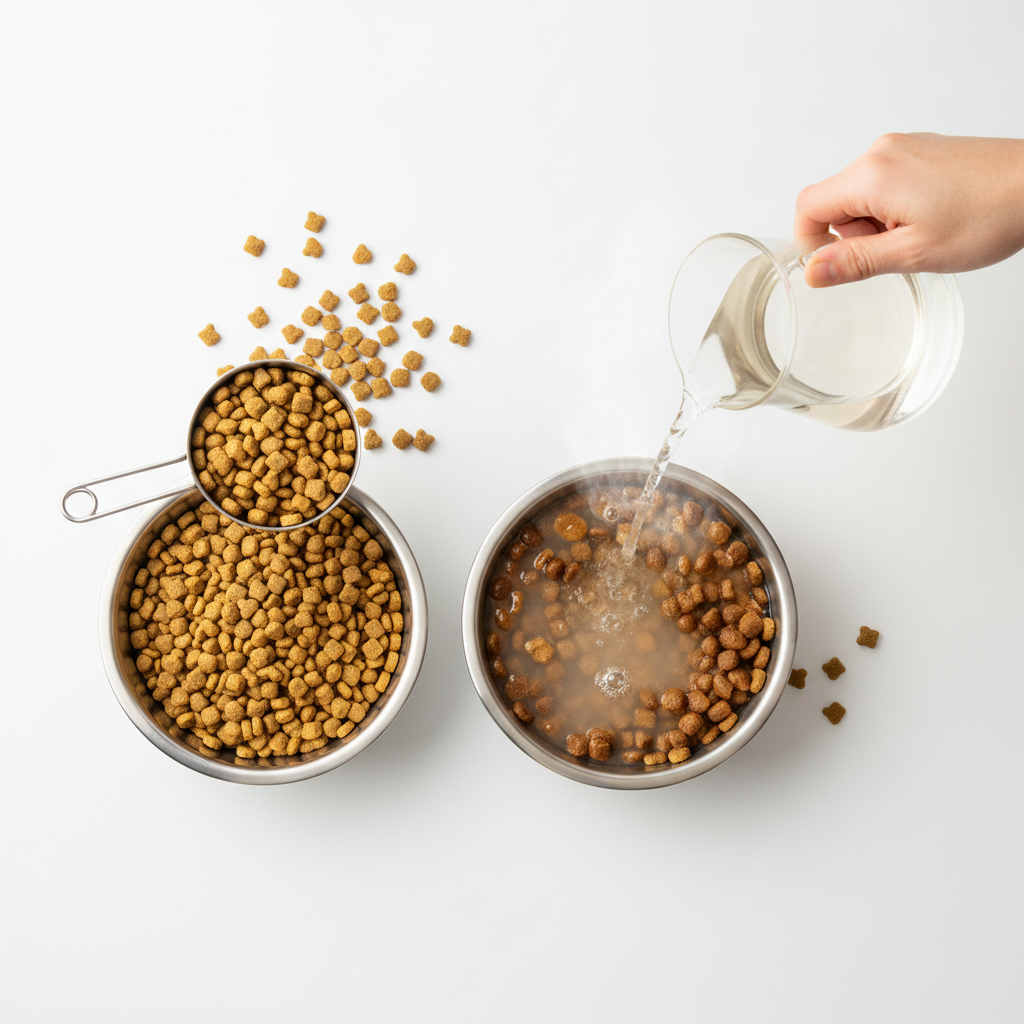
Ready to get started? It’s incredibly simple, but a few details matter for safety and effectiveness. Follow these steps precisely.
- Measure the Kibble: Start with your dog’s normal portion of dry kibble in their bowl.
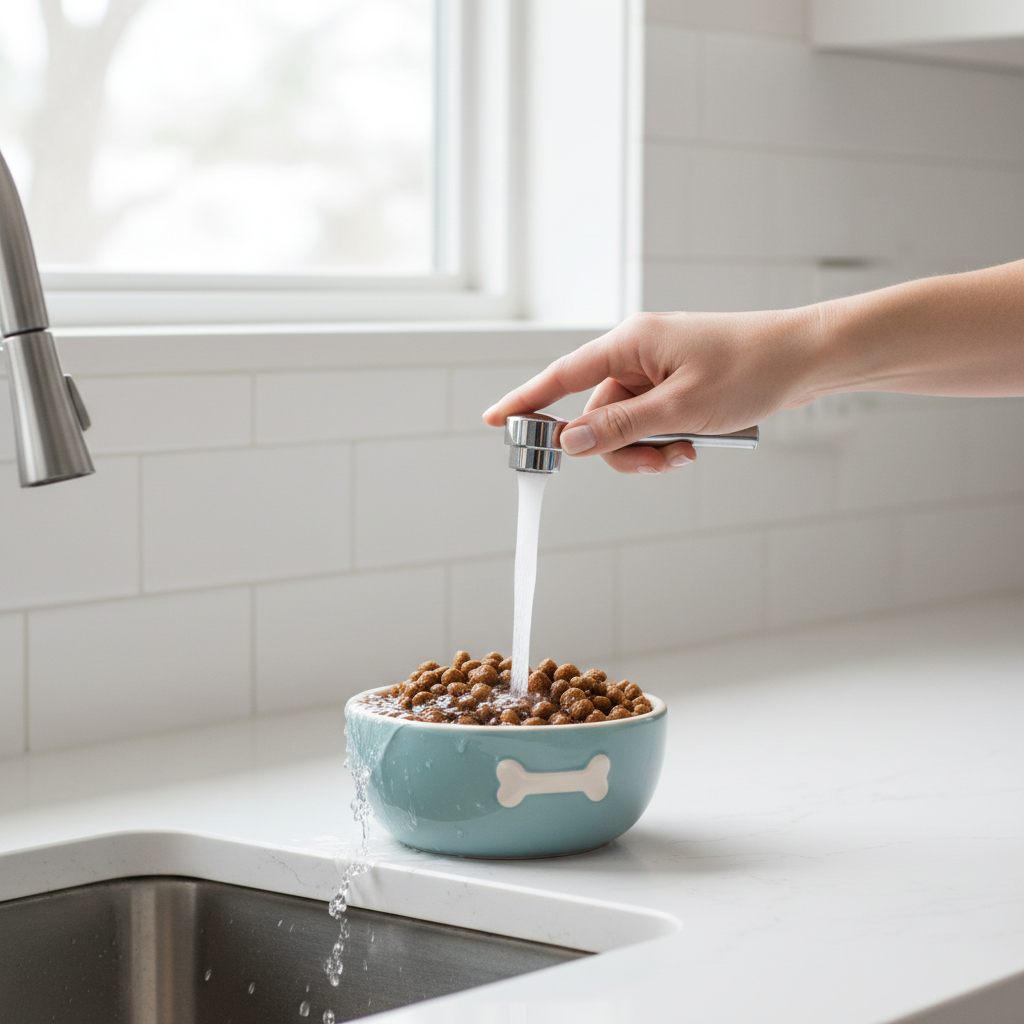
- Add Warm Liquid: Pour warm (never hot or boiling) water or low-sodium bone broth over the kibble. Hot water can destroy heat-sensitive nutrients, particularly vitamins. A good starting ratio is 1 part liquid to 1 part kibble. You can adjust to your dog’s preference; some prefer a thicker gruel, others a soupy-er consistency.
- Wait and Watch: Let the mixture sit for a minimum of 15-20 minutes. For very dense kibbles, it may take up to 30-45 minutes. You’ll see the pellets swell and soften. The final consistency should be soft enough to easily mash with a fork.
- Serve Immediately: Once the kibble is fully softened, serve it to your dog.
CRITICAL SAFETY WARNING:
Soaked kibble is a moist, nutrient-rich environment, which is perfect for bacterial growth. Never leave soaked kibble out for more than an hour. If your dog doesn’t finish their meal, discard it immediately. Do not save it for later. Always wash the bowl thoroughly after each meal. This simple hygiene step is non-negotiable to prevent foodborne illness.
Conclusion
The ‘scoop and serve’ method of feeding is a modern convenience designed for humans, not a biological necessity for canines. By taking a few extra minutes to add water, you transform a processed, dehydrated product into a moisture-rich, highly digestible, and safer meal. You are addressing five fundamental pillars of your dog’s well-being: hydration, digestion, palatability, bloat prevention, and long-term health, all without spending an extra dime.
This isn’t just another tip; it’s a paradigm shift in how we view dry food. It’s an act of empowerment, giving you direct control over the quality and safety of your dog’s nutrition. Stop just feeding your dog. Start nourishing them. The power to upgrade their health is in your hands—and it starts at the water faucet.