
Dietary Management & Foods to Avoid for Cushing’s Disease
Receiving a diagnosis of Cushing’s Disease for your dog can feel overwhelming. The clinical terms, the medication schedules, the constant monitoring—it’s a new world of care. But I’m here to tell you that this diagnosis is not a verdict; it’s a call to action. As The Canine Nutrition Hacker, I see this as a chance to fundamentally upgrade your dog’s health from the inside out. While veterinary medicine is the primary weapon against hyperadrenocorticism (the overproduction of the stress hormone, cortisol), your most powerful day-to-day tool is in your control: the food bowl.
Strategic nutrition is the unsung hero in the management of Cushing’s Disease. The right diet can help manage symptoms, prevent dangerous secondary conditions like pancreatitis, maintain muscle mass, and dramatically improve your dog’s quality of life. The wrong diet can actively work against your veterinarian’s efforts. This guide is your new playbook. We’re going to cut through the marketing fluff on pet food bags and get down to the biochemical realities of what your dog needs right now.
Medical Disclaimer
I am a canine nutrition analyst, not a veterinarian. The information in this article is for educational purposes and is based on extensive research and analysis. Cushing’s Disease is a serious medical condition that requires professional veterinary diagnosis and treatment. Always consult with your veterinarian before making any changes to your dog’s diet or supplement regimen. This guide is intended to complement, not replace, professional veterinary advice.
Decoding Cushing’s: How Cortisol Overload Impacts Your Dog’s Diet

Before we can build the right diet, we need to understand the enemy. Cushing’s Disease floods your dog’s body with cortisol. Think of cortisol as the body’s emergency broadcast system—it manages stress, controls weight, fights infections, and keeps blood sugar levels in check. But when this system is stuck in the ‘on’ position, it creates systemic chaos.
Excess cortisol has several profound metabolic effects that directly influence nutritional needs:
- Increased Appetite (Polyphagia): Cortisol cranks up hunger signals, leading to begging, food theft, and rapid weight gain. This isn’t a behavioral issue; it’s a physiological command your dog can’t ignore.
- Muscle Wasting: To fuel its high-alert state, the body breaks down protein from muscles. This is why many Cushing’s dogs develop a pot-bellied appearance—their abdominal muscles weaken, and fat is redistributed to the abdomen, while their legs and topline become thinner.
- Insulin Resistance: Cortisol interferes with insulin’s ability to manage blood sugar, pushing your dog towards a pre-diabetic or fully diabetic state.
- Elevated Blood Fats: Levels of cholesterol and triglycerides often skyrocket, placing immense strain on the pancreas and increasing the risk of a life-threatening condition called pancreatitis.
Understanding these four points is critical. It tells us our nutritional battle plan must focus on controlling fat intake, providing high-quality protein to counteract muscle wasting, and using carbohydrates that won’t spike blood sugar. Every ingredient in the bowl must serve a specific, strategic purpose.
The Enemy List: Foods and Ingredients to Purge Immediately
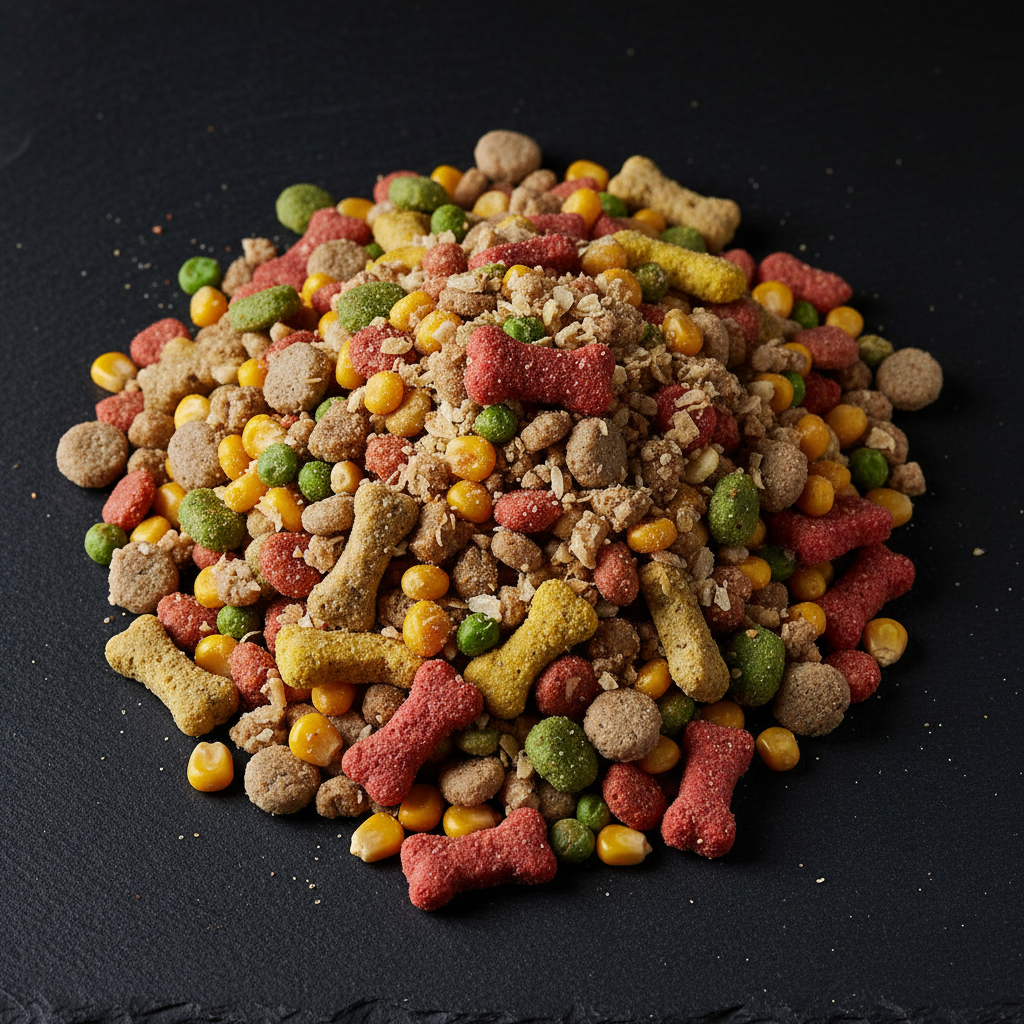
The first step in any successful mission is to eliminate threats. For a Cushingoid dog, certain ingredients are not just suboptimal; they are dangerous. Your job is to become a ruthless gatekeeper of your dog’s food bowl. Here is your official ‘Most Wanted’ list.
-
High-Fat Foods
This is your number one enemy. The link between high blood triglycerides in Cushing’s dogs and the risk of pancreatitis is undeniable. An attack of pancreatitis is excruciatingly painful and can be fatal. You must become obsessive about fat content. This means avoiding:
- Greasy table scraps (bacon, fatty meats, anything cooked in oil).
- High-fat meats like lamb, pork, and fatty cuts of beef.
- Most commercial dog treats, which are often loaded with fat for palatability.
- Foods that don’t clearly state the fat percentage on the label.
-
High-Glycemic Carbohydrates
These are ‘fast carbs’ that break down quickly, causing a rapid spike in blood sugar. For a dog already struggling with insulin resistance, this is like throwing gasoline on a fire. These ingredients are cheap fillers used to bulk up pet food at your dog’s expense. Purge them from your pantry. Look for and avoid:
- Corn (and its various forms like corn gluten meal).
- Wheat (a common allergen and inflammatory agent).
- White Rice and white potatoes.
- Soy (another filler that can be inflammatory).
-
Inflammatory and Artificial Ingredients
A body under the stress of Cushing’s is already in an inflammatory state. Don’t add to the burden. Avoid foods with artificial preservatives like BHA, BHT, and ethoxyquin. Also, eliminate artificial colors and flavors—they serve no nutritional purpose and only add to the body’s chemical load.
-
High-Purine Foods (A Special Warning)
Some medications used to treat Cushing’s can increase the risk of developing certain types of bladder stones (calcium oxalate stones). Foods high in purines can contribute to this risk. If your vet has mentioned this, you need to limit or avoid ingredients like organ meats (liver, kidney), sardines, and mackerel. This is a prime example of why your vet must be your partner in dietary planning.
Hacker Tip
Don’t trust the marketing on the front of the bag. Turn it over and find the ‘Guaranteed Analysis’ panel. The ‘Crude Fat (min)’ percentage is your first clue. However, this is on an ‘as-fed’ basis. To truly compare foods, you need to calculate the ‘Dry Matter Basis’ (DMB). A quick search online for a ‘DMB calculator’ will be your best friend. For most Cushing’s dogs, you’re looking for a food with less than 12% fat on a dry matter basis.
The Hero Ingredients: Your Nutritional Arsenal for Managing Cushing’s
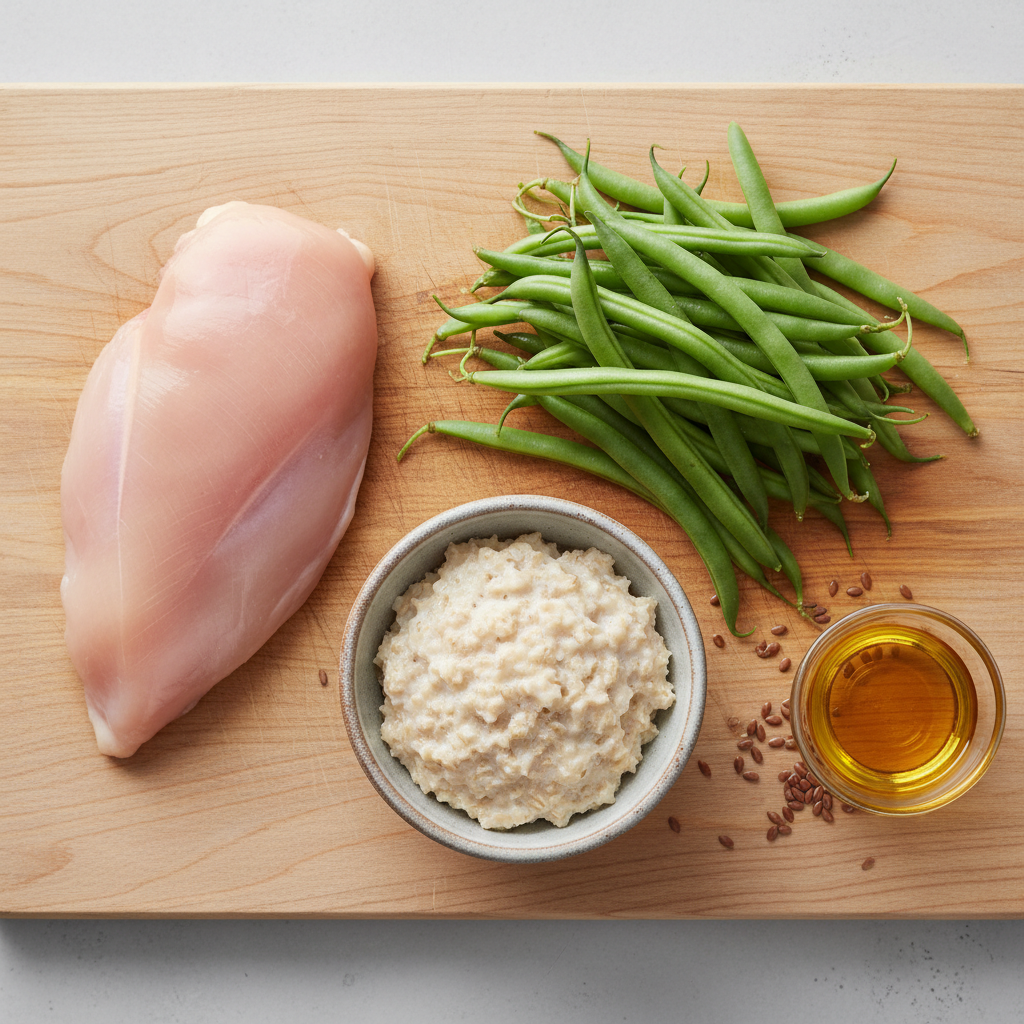
Now that we’ve eliminated the enemies, it’s time to build our army of allies. These are the ‘hero’ ingredients that will support your dog’s body, help manage symptoms, and provide the clean fuel they need to thrive.
-
High-Quality, Lean Protein
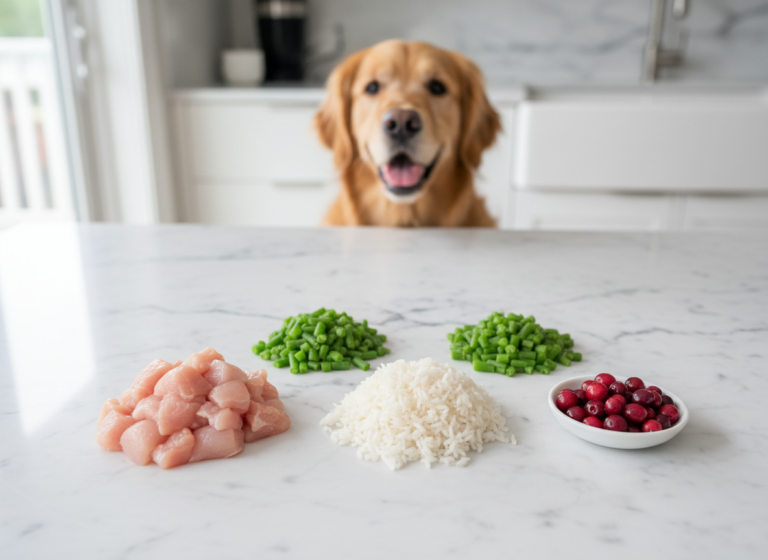
This is non-negotiable. To fight the muscle-wasting effects of cortisol, you need to provide the building blocks for muscle repair and maintenance. The protein source should be the first ingredient on the label. Look for named, lean sources: skinless chicken breast, turkey, cod, haddock, and eggs. Avoid vague terms like ‘meat meal’ or ‘animal by-products.’ The goal is moderate-to-high protein levels to preserve lean body mass.
-
Low-Glycemic Carbohydrates & High Fiber
Energy needs to come from slow-release sources that won’t disrupt blood sugar. These complex carbs also provide essential fiber, which promotes satiety (a feeling of fullness) to help manage that ravenous Cushing’s appetite. Excellent sources include: oats (steel-cut or rolled), barley, quinoa, and sweet potatoes (in moderation). A powerhouse ingredient is pumpkin puree (plain, not pie filling), which is low-cal, high-fiber, and great for digestive health.
-
Beneficial Vegetables
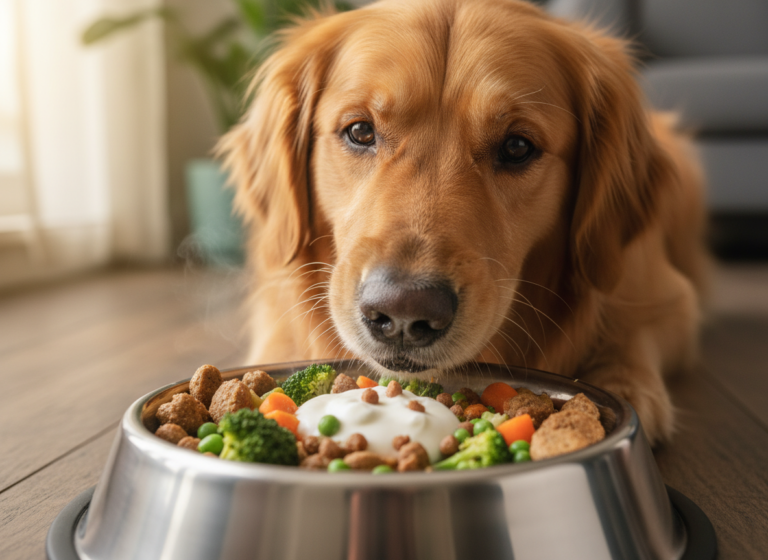
Vegetables are your secret weapon for adding nutrients and bulk to meals without adding significant calories. They are packed with vitamins and antioxidants to support a stressed immune system. The best choices are low-glycemic and high-fiber: green beans, broccoli, cauliflower, spinach, and carrots. They can be served steamed or fresh as a topper or a treat replacement.
-
Strategic Healthy Fats
While we are aggressively limiting overall fat, the type of fat matters. Omega-3 fatty acids are potent anti-inflammatory agents. They can help manage skin issues common in Cushing’s dogs and support overall joint and cognitive health. The best sources are marine-based. Look for foods that include fish oil (from salmon or krill) or flaxseed oil. These should be included in small, carefully controlled amounts.
Forensic Label Analysis: Hacking Commercial Dog Food for Cushing’s

Walking down the pet food aisle is overwhelming. Brands scream claims of being ‘natural,’ ‘holistic,’ or ‘grain-free.’ None of that matters. You need to become a forensic analyst, armed with the knowledge of what to look for and what to reject. Your focus is the ingredient list and the guaranteed analysis—the only truth on the bag.
The 5-Ingredient Rule
The first five ingredients make up the vast majority of the food. In a Cushing’s-friendly food, you want to see a lean, named protein source as #1, followed by whole, low-glycemic carbohydrates and vegetables. If you see corn, wheat, soy, or an unnamed ‘meat meal’ in the top five, put the bag down and walk away.
Applying the Knowledge: A Comparative Analysis
Let’s break down three types of food you might encounter. This analysis demonstrates the difference between a food that helps and a food that harms.
| Food Type | Typical First 5 Ingredients | Approx. Fat % (DMB) | Verdict for Cushing’s |
|---|---|---|---|
| Veterinary Prescription Diet (Low Fat) | Brewers Rice, Chicken Meal, Barley, Pea Fiber, Dried Plain Beet Pulp | 8-10% | Excellent. Specifically formulated to be low in fat and high in fiber. While carbs are first, they are chosen for digestibility and fiber content. The fat level is ideal for pancreatitis prevention. |
| Premium ‘Grain-Free’ Brand | Deboned Lamb, Chicken Meal, Sweet Potatoes, Peas, Lentils | 16-18% | Dangerous. Marketed as high-quality, but the use of lamb (a fatty protein) and the high overall fat percentage make this a very risky choice for a Cushing’s dog. ‘Grain-free’ does not mean low-glycemic or low-fat. |
| Standard Grocery Store Brand | Corn, Chicken By-Product Meal, Wheat, Soybean Meal, Animal Fat | 12-14% | Avoid. A cocktail of enemy ingredients. High-glycemic fillers, unnamed protein and fat sources, and inflammatory agents. The fat level is borderline, but the poor quality of ingredients makes it unsuitable. |
As you can see, the price tag or marketing doesn’t tell the whole story. A veterinary diet, while sometimes using ingredients that don’t sound ‘gourmet,’ is scientifically formulated for the medical condition at hand. Your job is to find a food that mimics the profile of that first column, whether it’s a prescription diet or a carefully selected over-the-counter food that meets the strict criteria.
Strategic Supplementation & Hydration: The Finishing Touches

With the core diet established, we can consider supplements to provide additional support. Think of these as targeted enhancements to your nutritional strategy. Remember: never add supplements without first discussing them with your veterinarian.
-
Lignans and Melatonin
This combination has gained attention in the holistic veterinary community. Lignans (found in flaxseed hulls) and melatonin are thought to help lower cortisol production by inhibiting specific enzymes. This is often used for dogs with atypical Cushing’s or as a supportive therapy. Dosing is critical and must be determined by your vet.
-
Omega-3 Fatty Acids
If the chosen food isn’t rich in them, a high-quality fish oil supplement can be a game-changer. It combats inflammation, supports a healthy coat (often poor in Cushing’s dogs), and promotes joint health. Ensure the supplement is pure and free from heavy metals.
-
Probiotics
The gut is the foundation of the immune system. The stress of chronic disease and medications can disrupt the delicate balance of gut bacteria. A good multi-strain probiotic can support digestive health and improve nutrient absorption.
The Critical Role of Hydration
One of the hallmark signs of Cushing’s is excessive thirst and urination (polydipsia and polyuria). This is the body’s attempt to flush out the excess toxins and manage what’s happening internally. It is absolutely vital that your dog has constant, unrestricted access to fresh, clean water. Dehydration can quickly become a medical emergency. Use multiple water bowls throughout the house and refresh them frequently. This simple act is one of the most important aspects of supportive care you can provide.
Conclusion
Managing Cushing’s Disease is a marathon, not a sprint. By taking control of your dog’s nutrition, you’ve moved from being a worried spectator to being an active, empowered member of their healthcare team. The principles are straightforward: a diet low in fat, built on high-quality lean protein, and fueled by low-glycemic, high-fiber carbohydrates. You are now equipped to read a dog food label with a critical eye, to identify the enemies, and to choose the heroes.
Remember that diet is a powerful adjunctive therapy that supports the work of your veterinarian and the prescribed medications. It is not a cure, but it is your best tool for managing symptoms, preventing complications, and ensuring your loyal companion has the best possible quality of life. Continue to partner with your veterinarian, monitor your dog’s weight and symptoms, and adapt the plan as needed. You have the knowledge; now, put it into action.