Natural Foods and Herbs to Support Dog Urinary Incontinence
A Critical Medical Disclaimer
Before we dive in, let’s be clear: I am not a veterinarian. This information is for educational purposes and is based on extensive research into canine nutrition. Urinary incontinence can be a symptom of serious underlying medical conditions, including urinary tract infections, bladder stones, spinal cord issues, or even cancer. Always consult your veterinarian for a proper diagnosis and to rule out serious health problems before making any dietary changes. This guide is designed to complement, not replace, professional veterinary care.
Dealing with urinary incontinence in your dog is more than just a clean-up issue; it’s a source of stress and concern for any dedicated owner. You see the puddles, the wet spots on their bed, and the look of confusion on your dog’s face. The conventional route often involves medication, which can be effective but may come with side effects. As The Canine Nutrition Hacker, my mission is to empower you with the knowledge to fight back from the inside out—starting with the food bowl. We’re going to bypass the marketing noise and look at the hard science and traditional use of foods and herbs that can provide foundational support for your dog’s urinary system.
The Root of the Leak: Understanding the Causes of Incontinence
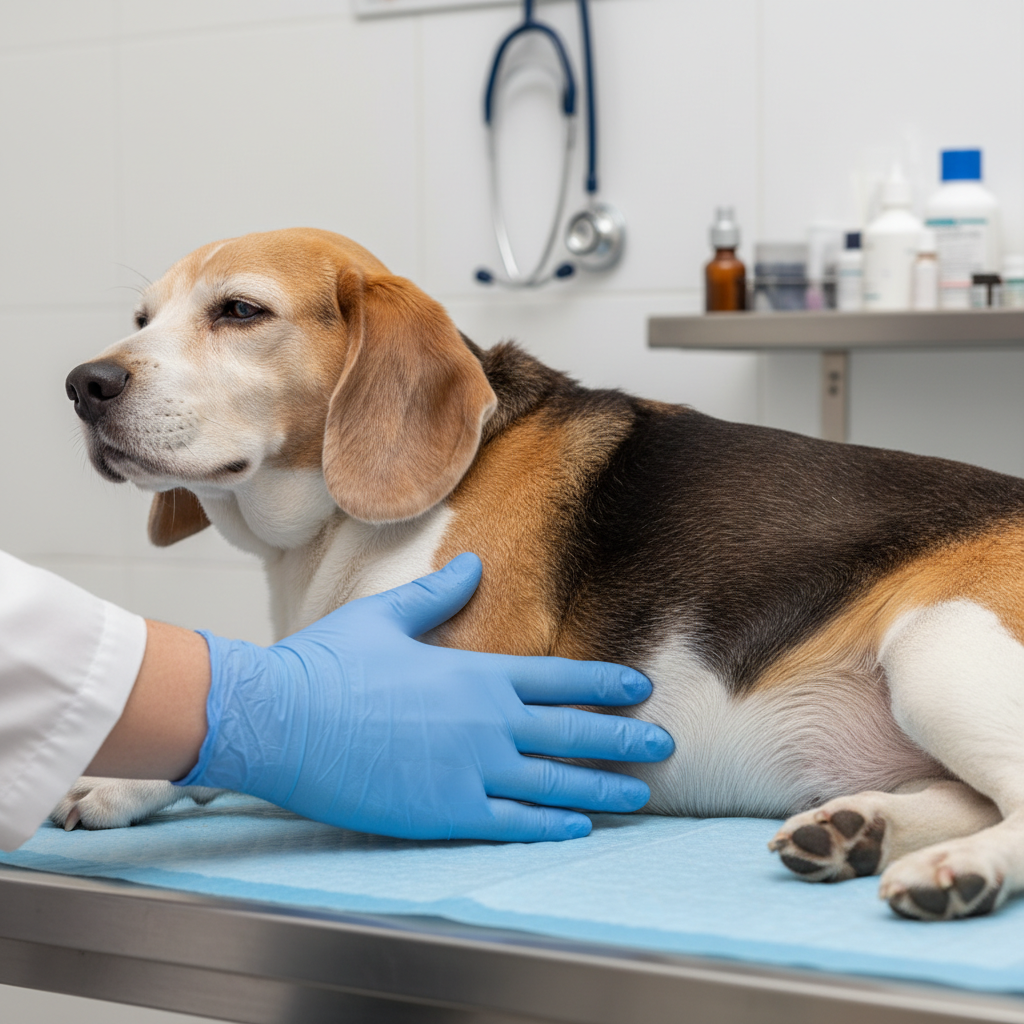
To effectively target a problem, you must first understand its source. Urinary incontinence is the involuntary leaking of urine, and it’s distinct from behavioral marking or house-soiling. While your vet is the only one who can provide a definitive diagnosis, most cases stem from a few common culprits, particularly a weak Bladder Sphincter.
Common Causes of Urethral Sphincter Mechanism Incompetence (USMI):
- Hormone-Responsive Incontinence: This is the most frequent cause, especially in spayed females. Estrogen plays a crucial role in maintaining muscle tone in the urethral sphincter. When estrogen levels drop after spaying, the sphincter can weaken, leading to leaks, often when the dog is relaxed or sleeping.
- Age-Related Weakness: Just like humans, as dogs age, their muscle tone can decrease. The muscles that control the bladder are no exception, leading to a higher incidence of incontinence in senior dogs.
- Nerve Damage or Spinal Issues: The nerves controlling the bladder can be damaged by spinal injuries, intervertebral disc disease (IVDD), or degenerative conditions, disrupting the signals that tell the sphincter to stay closed.
- Anatomical Abnormalities: Though less common, some dogs may be born with structural issues in their urinary tract that predispose them to incontinence.
Understanding the likely cause helps us tailor our nutritional strategy. For example, if hormone-responsiveness is suspected, we can focus on foods that provide natural hormonal support. If it’s age-related, our focus shifts to ingredients that support muscle and connective tissue integrity.
Dietary Triggers: The ‘Enemy’ Ingredients That Can Aggravate Incontinence
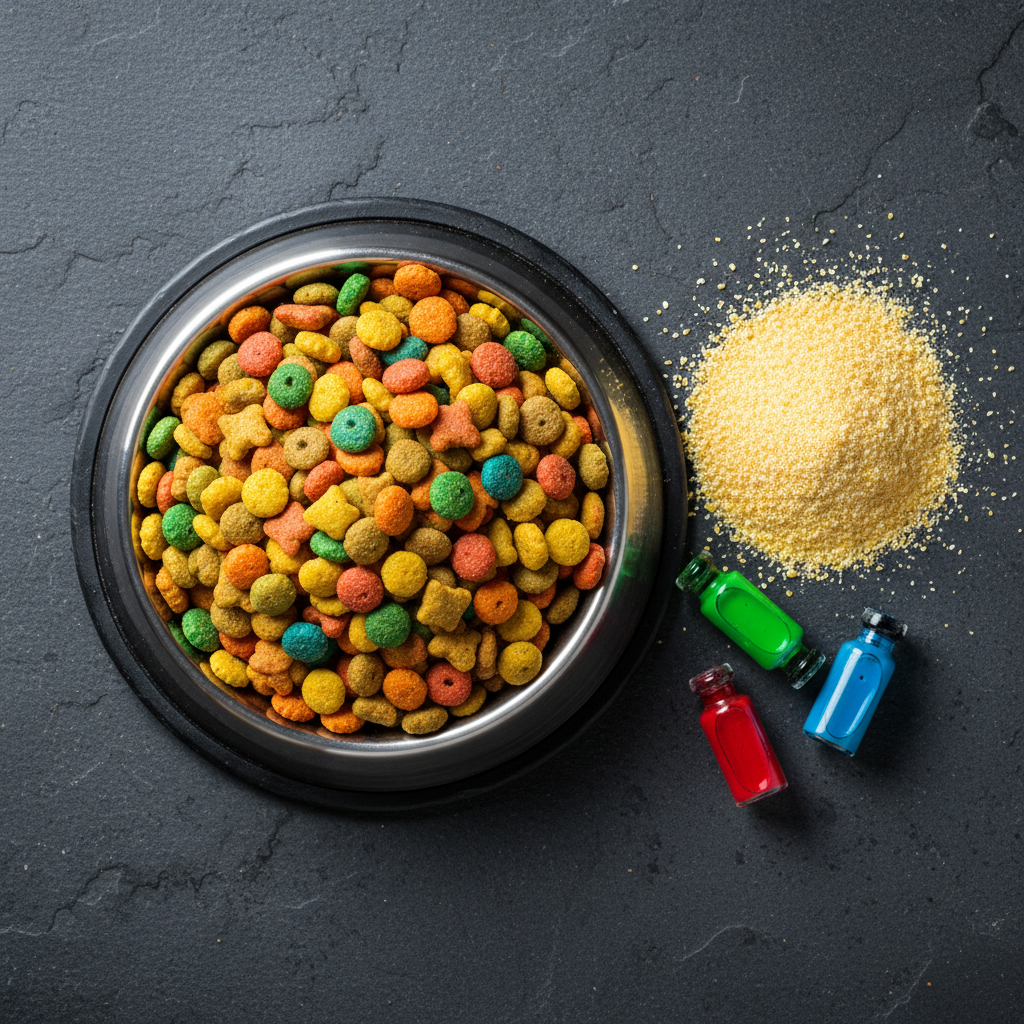
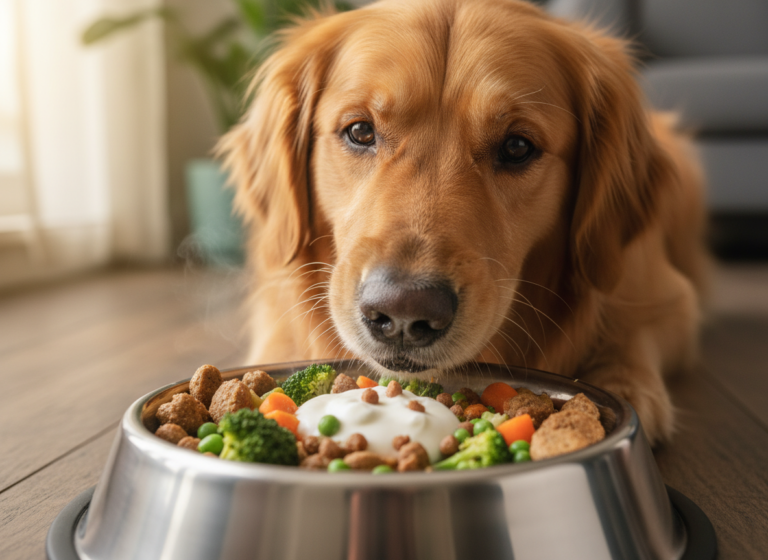
Before we add beneficial ingredients, we must first remove the saboteurs. Many commercial dog foods contain components that can irritate the bladder, promote inflammation, or otherwise worsen urinary issues. A forensic analysis of the ingredient label is your first line of defense.
Ingredients to Scrutinize and Avoid:
- Inflammatory Fillers: Ingredients like corn, wheat, and soy are common allergens for many dogs. An allergic or sensitive reaction creates systemic inflammation, which can absolutely affect the urinary tract and bladder, increasing irritation and urgency.
- Artificial Additives: Chemical preservatives (like BHA, BHT, ethoxyquin), artificial colors, and synthetic flavors have no nutritional value and can place an unnecessary burden on your dog’s system, potentially contributing to inflammation and bladder irritation.
- Low-Quality Protein Sources: Vague terms like “meat by-products” or “animal digest” can come from inconsistent and poor-quality sources. They lack the specific amino acids necessary to build and maintain strong muscle tissue, including the crucial bladder sphincter.
- Excessive Minerals in Poor Formulations: Poorly formulated diets can have an imbalance of minerals like calcium, phosphorus, and magnesium. Excess levels can contribute to the formation of crystals or stones in the bladder, which are a major source of irritation and can lead to incontinence-like symptoms.
Insider Secret: Don’t be fooled by pretty packaging. The first five ingredients on a dog food label make up the bulk of the formula. If you see corn, wheat, soy, or a vague “by-product meal” in that top five, it’s a red flag. Put the bag down and walk away.
The Nutritional Arsenal: ‘Hero’ Foods for Bladder Support
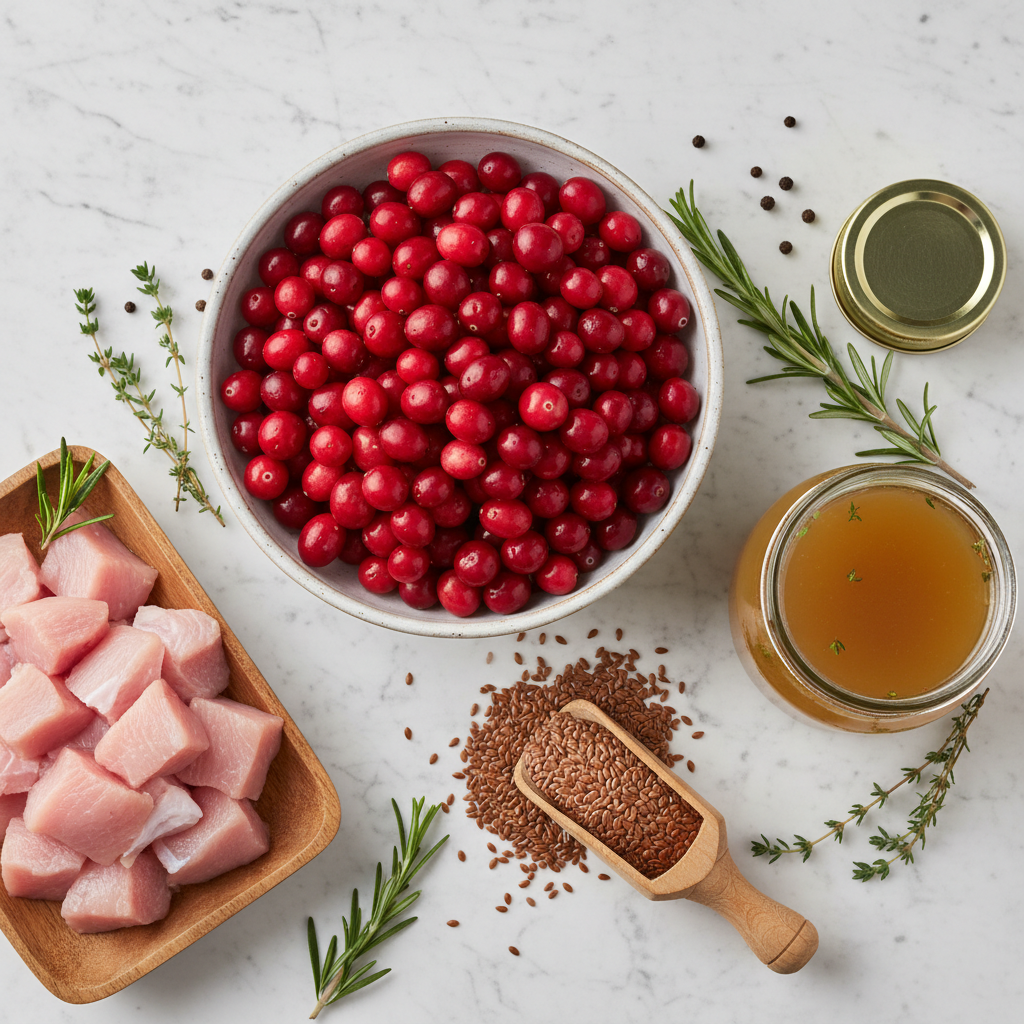
Now we build. By incorporating specific, powerful whole foods into your dog’s diet, you can provide the building blocks for a stronger, healthier urinary system. This isn’t about a single ‘miracle’ food, but about creating a synergistic effect.
Key Foods to Add to Your Roster:
- Phytoestrogen-Rich Foods: Phytoestrogens are plant-based compounds that can weakly mimic the effects of estrogen in the body. For dogs with hormone-responsive incontinence, they can be a game-changer. Introduce them slowly and in moderation. Top sources include:
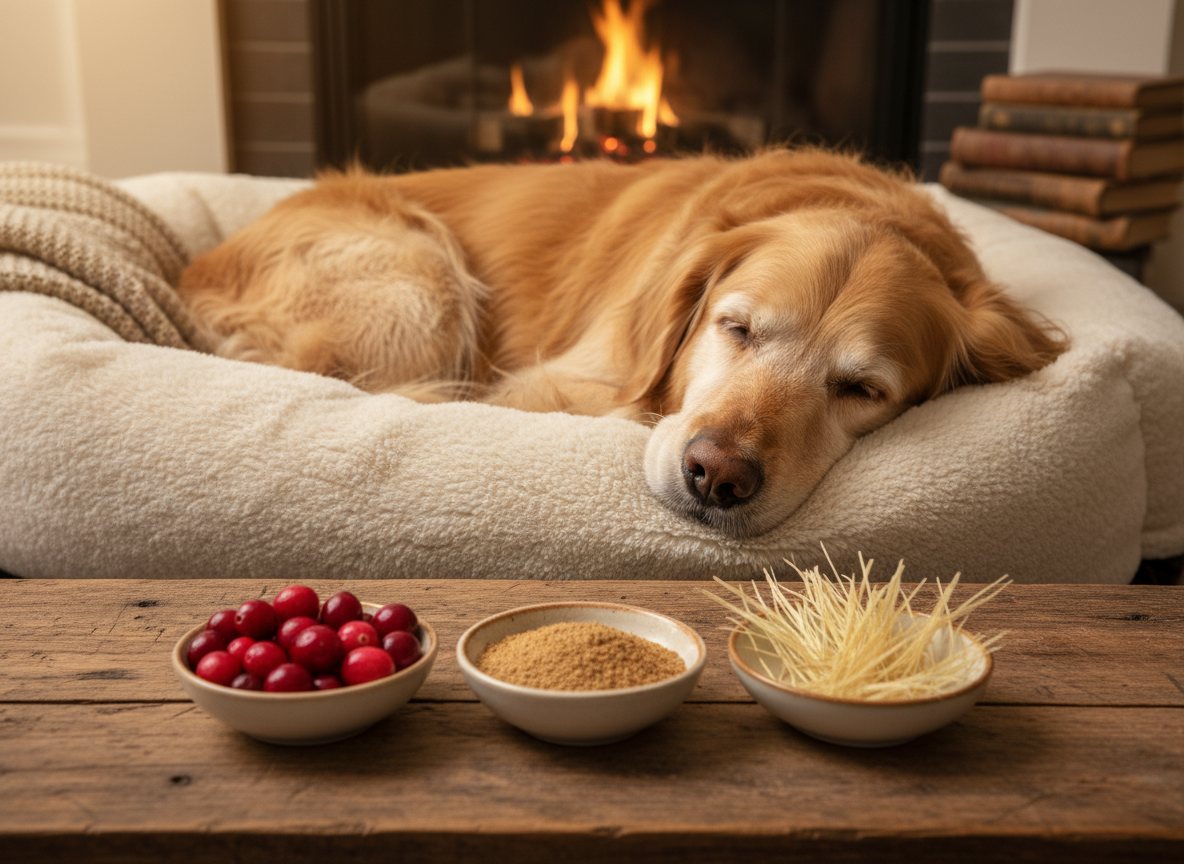
- Ground Flaxseed: A fantastic source of lignans, a type of phytoestrogen. Also rich in omega-3s, which fight inflammation.
- Lentils and Chickpeas: These legumes are packed with phytoestrogens and provide excellent fiber and protein.
- Collagen-Boosting Nutrients: The bladder and urethral sphincter are comprised of smooth muscle and connective tissue. Collagen is the primary protein in connective tissue. Supporting its production is key.
- Homemade Bone Broth: A rich, natural source of collagen, gelatin, and amino acids like glycine that support tissue repair. Use it as a food topper to increase hydration and nutrient intake.
- Gelatin (Unflavored): High-quality, unflavored bovine or porcine gelatin can be sprinkled on food to provide a concentrated dose of the amino acids needed for collagen synthesis.
- Cranberries: The classic urinary support food. Cranberries contain A-type proanthocyanidins (PACs), which have been shown to prevent certain bacteria (like E. coli) from adhering to the bladder wall. Important: Use only unsweetened cranberry powder, concentrate, or whole berries, never cranberry juice cocktail which is loaded with sugar.
- High-Quality Lean Protein: Strong muscles require protein. Ensure your dog’s diet is based on high-quality, named protein sources like turkey, beef, or fish. This provides the essential amino acids needed to maintain the muscle tone of the bladder sphincter.
The Herbalist’s Toolkit: Powerful Herbs for Urinary Control
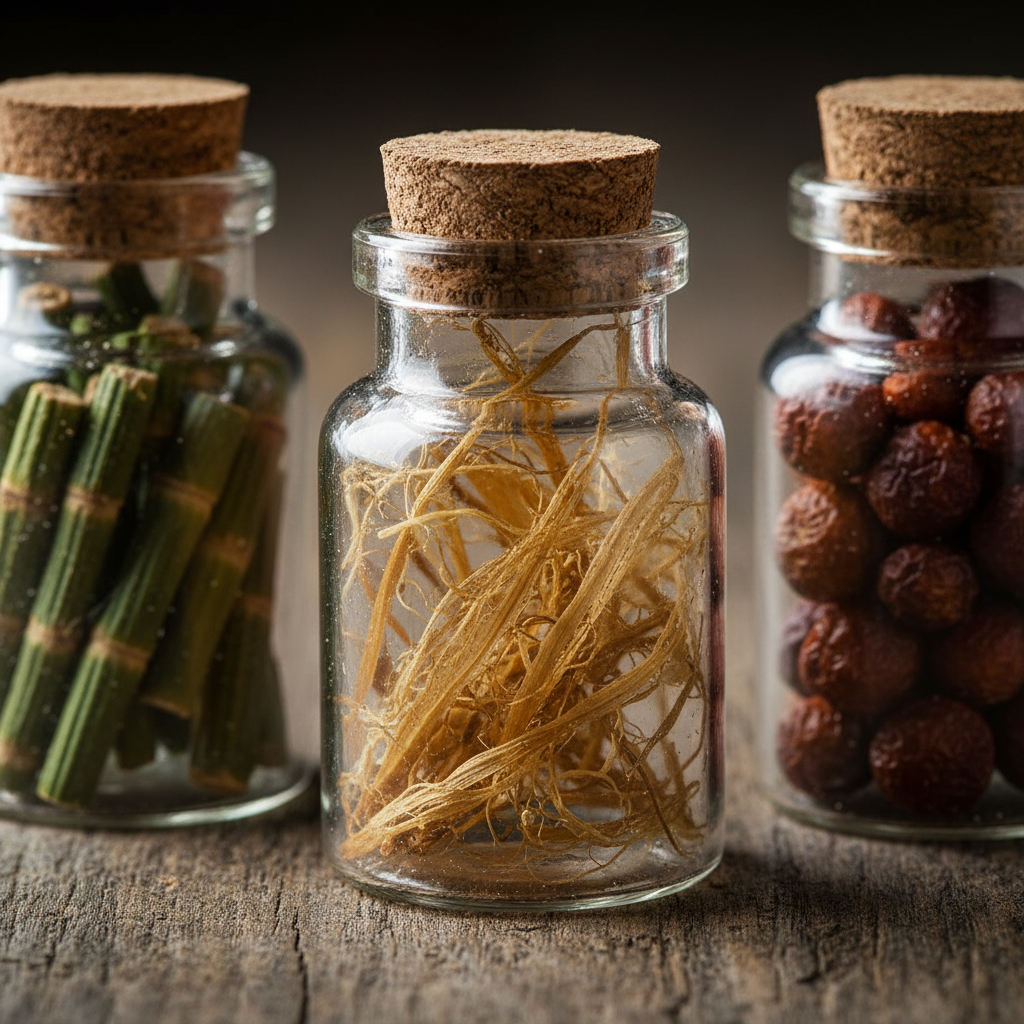
Herbs are nature’s concentrated medicine. When used correctly, they can provide targeted support for the urinary system that goes beyond basic nutrition. They can act as tonics, astringents, and anti-inflammatories for the urinary tract.
Herbs for Your Consideration:
- Corn Silk (Zea mays): Often discarded, corn silk is a powerhouse for the urinary system. It acts as a gentle, soothing diuretic and a demulcent, meaning it soothes irritated mucous membranes in the urinary tract. It can help reduce inflammation and make urination more comfortable.
- Couch Grass (Elymus repens): This herb is a well-known anti-inflammatory and antiseptic for the urinary tract. It can help soothe the bladder lining and is particularly useful when irritation is a contributing factor.
- Horsetail (Equisetum arvense): Horsetail is incredibly rich in silica, a mineral that is a fundamental building block for collagen and connective tissue. By providing silica, you support the body’s ability to strengthen and repair the tissues of the bladder and sphincter. Its mild astringent properties can also help tone the urinary tract.
- Saw Palmetto (Serenoa repens): While famous for its use in male prostate health, saw palmetto can also be beneficial for urinary incontinence in both sexes. It is believed to work on the smooth muscle tissue of the bladder and urethra, potentially helping to improve sphincter tone.
Dosage and Sourcing: A Critical Warning
Never guess with herbal dosages. An effective dose for a 10lb dog is vastly different from that for a 100lb dog. Work with a holistic or integrative veterinarian to determine the correct dosage and form (tincture, powder, tea) for your specific dog. Source your herbs from reputable suppliers who specialize in products for animal use to ensure purity and potency. Look for organic or wildcrafted options whenever possible.
Hydration Hacking: Why Water is Your Secret Weapon
It may seem counterintuitive to encourage a dog who leaks to drink more, but restricting water is one of the worst things you can do. Dehydration leads to highly concentrated urine, which is far more irritating to the bladder lining. This irritation can increase inflammation, urgency, and the likelihood of developing a urinary tract infection, which will only compound the incontinence problem.
The goal is to keep the urine dilute and the system flushed. This reduces irritation and helps clear out bacteria and small amounts of crystal sediment before they can become a larger issue. Ensure your dog has constant access to fresh, clean water.
Hacker Tip: If your dog is a reluctant drinker, make water more appealing. Add a splash of low-sodium bone broth or chicken broth to their water bowl. Some dogs are also enticed by pet water fountains, as the moving water is more interesting. Feeding a moisture-rich diet (like fresh food or high-quality canned food) is another excellent way to increase their overall water intake.
Conclusion
Tackling canine urinary incontinence requires a multi-faceted approach. While veterinary diagnosis and treatment are non-negotiable, you hold significant power in your hands every time you fill your dog’s food bowl. By eliminating inflammatory triggers, incorporating ‘hero’ foods that build strong tissues, leveraging the targeted support of specific herbs, and ensuring optimal hydration, you create an internal environment that supports bladder health and control. You are no longer a passive bystander to your dog’s condition. You are an informed, proactive Canine Nutrition Hacker, equipped with the knowledge to make a tangible difference in their comfort and quality of life. Work with your vet, implement these strategies thoughtfully, and take control of your dog’s health from the inside out.