Top 10 Dog Foods for Sensitive Stomachs (Goodbye Diarrhea!)
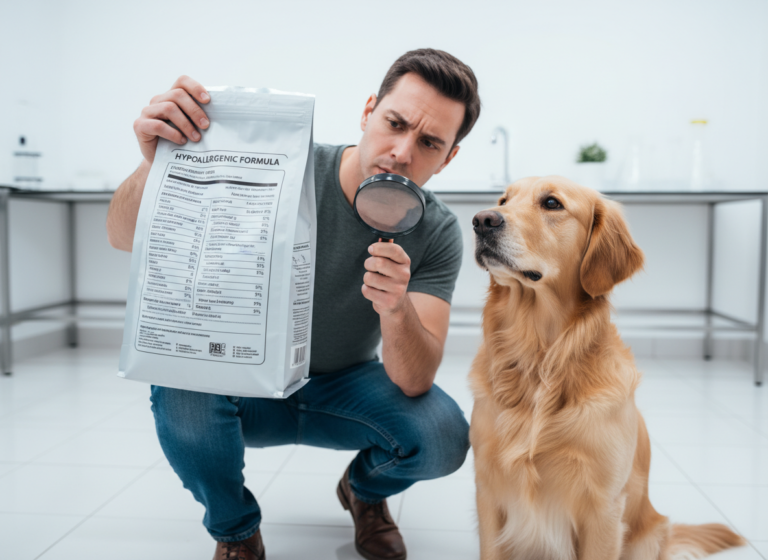
The constant worry, the frantic trips outside, the endless carpet cleaning—living with a dog that has a sensitive stomach is exhausting. You’ve likely tried countless brands, each promising to be the magic bullet, only to end up right back where you started. I’m The Canine Nutrition Hacker, and I’m here to tell you to stop listening to the marketing hype. The solution isn’t on the front of the bag; it’s buried in the ingredient list.
We’re not just going to list a few popular brands. We’re going to perform a forensic breakdown of what causes digestive distress, what ingredients actively soothe it, and which commercial foods meet our uncompromising standards. This is your guide to becoming a label-reading expert and finally giving your dog the digestive peace it deserves.
Medical Disclaimer: I am a canine nutrition analyst, not a veterinarian. The information in this article is for educational purposes only and is not a substitute for professional veterinary advice. Always consult with your veterinarian to diagnose any medical condition and before making any changes to your dog’s diet, especially if they have chronic health issues.
Deconstructing the Problem: The Top ‘Enemy’ Ingredients Wrecking Your Dog’s Gut
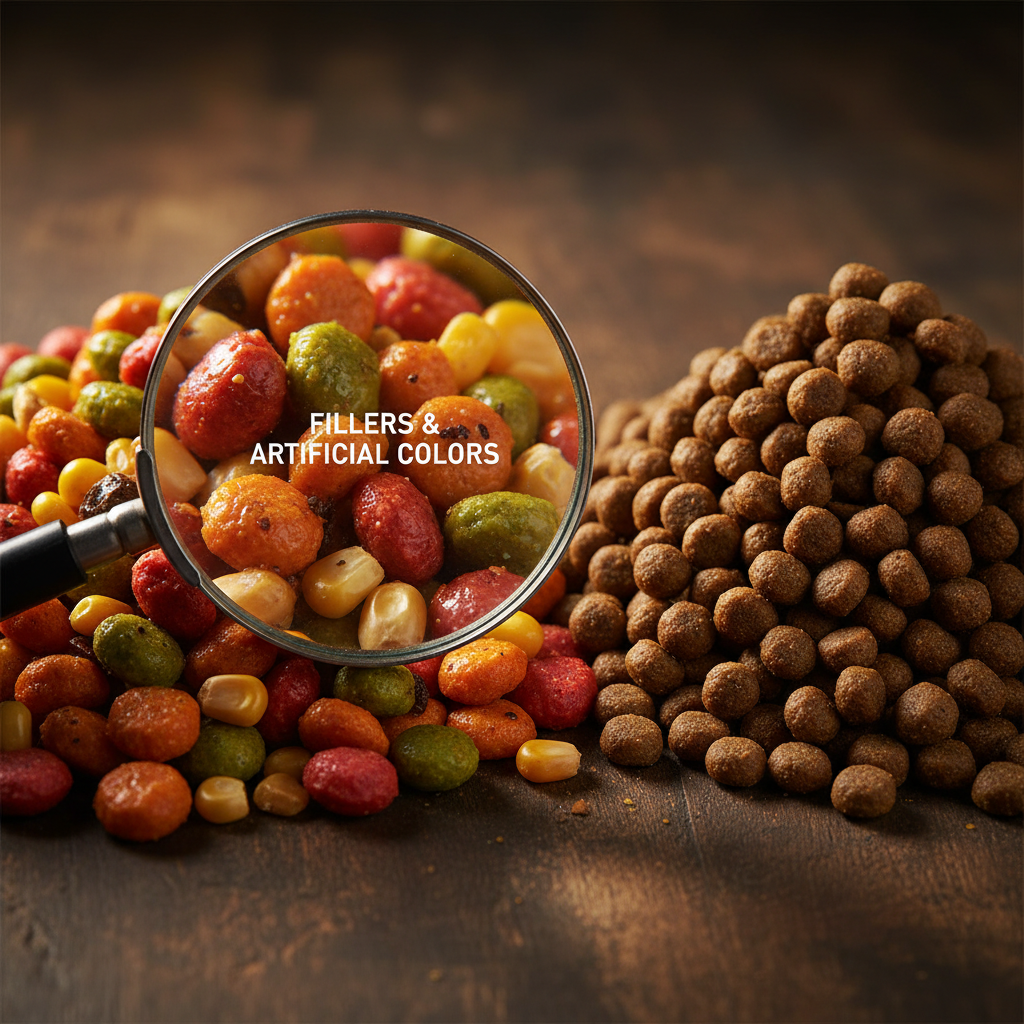
Before you can find the right food, you must understand what makes the wrong foods so wrong. Many popular dog foods are packed with low-cost fillers and common allergens that can send a sensitive dog’s digestive system into a tailspin. Here are the primary culprits to look for and eliminate from your dog’s bowl.
1. Common Protein Overload (Chicken & Beef)
While chicken and beef are excellent protein sources, they are also the most common proteins used in dog food for decades. This overexposure can lead to the development of food sensitivities or allergies in some dogs. Their systems simply get tired of processing the same protein, leading to an inflammatory response that manifests as GI upset or skin issues.
2. High-Fat Content
Fat is a necessary energy source, but excessively high-fat formulas can be difficult for some dogs to digest. High-fat meals can accelerate digestion, leading to loose stools or diarrhea. In more severe cases, they can be a trigger for pancreatitis, a painful and potentially life-threatening inflammation of the pancreas. Look for foods with a moderate fat content, typically in the 12-16% range on the guaranteed analysis.
3. Corn, Wheat, and Soy Fillers
These are the classic ‘filler’ grains. While not inherently bad for all dogs, they are common allergens and offer limited nutritional value compared to higher-quality complex carbohydrates. Ingredients like corn gluten meal, wheat flour, and soy protein isolate are often used to boost protein percentages on the label without providing the bioavailable amino acids your dog truly needs. They are frequently linked to gas, bloating, and inconsistent stool quality.
4. Artificial Additives and Preservatives
That bright red kibble isn’t natural. Artificial colors (like Red 40, Yellow 5), flavors, and chemical preservatives (like BHA, BHT, and ethoxyquin) have no nutritional value and can cause significant irritation to the gut lining. A high-quality food doesn’t need fake colors or flavors to be palatable to a dog.
5. Vague, Unspecified Ingredients
An ingredient list should be a transparent contract between the manufacturer and you. When you see vague terms like ‘meat and bone meal’ or ‘animal fat,’ it’s a major red flag. This indicates the source is inconsistent and likely of lower quality. Quality foods will specify the source, such as ‘chicken fat’ or ‘lamb meal’.
Building a Bulletproof Bowl: The ‘Hero’ Ingredients for Digestive Peace
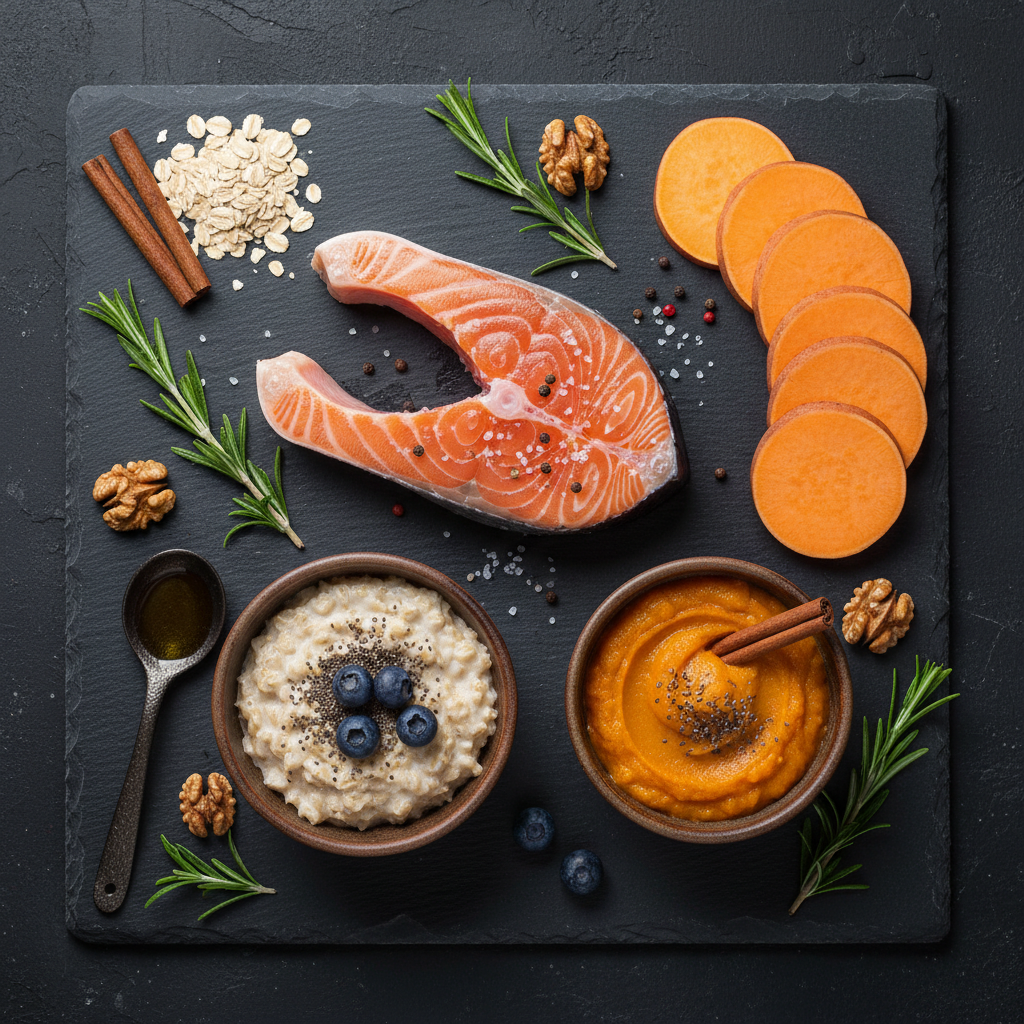
Now that we’ve identified the enemies, let’s focus on the solution. The best foods for sensitive stomachs are built on a foundation of simple, highly digestible, and soothing ingredients. These are the ‘heroes’ you should be actively seeking out on the ingredient panel.
1. Novel Proteins
A ‘novel’ protein is simply one your dog has likely not been exposed to before. This sidesteps the potential sensitivities developed to common proteins. Excellent choices include duck, lamb, venison, rabbit, and fish like salmon or whitefish. These provide the essential amino acids for muscle maintenance without triggering an inflammatory response.
2. Highly Digestible Carbohydrates
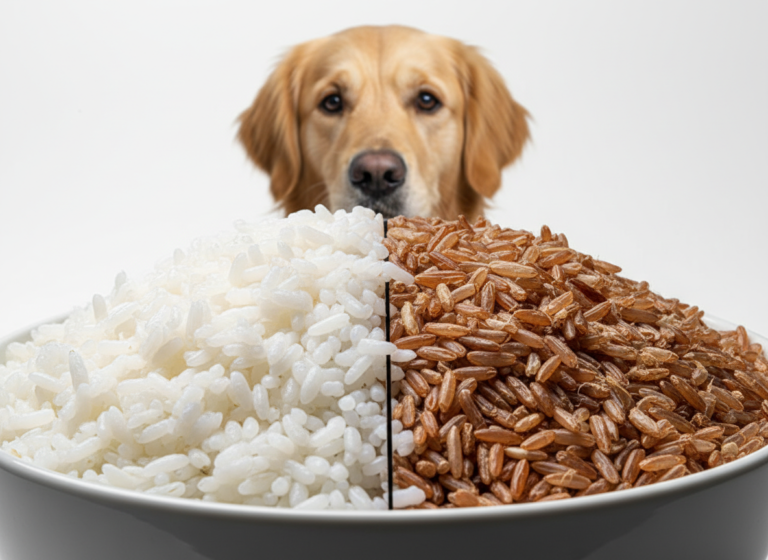
Instead of cheap fillers, look for complex carbohydrates that are gentle on the stomach. Sweet potatoes, pumpkin, oatmeal, and brown rice are fantastic sources of energy. They break down slowly, providing sustained energy and are less likely to cause gas and bloating. Pumpkin, in particular, is a superstar for its soluble fiber content.
3. Prebiotics & Probiotics
A healthy gut is a balanced gut. Prebiotics and probiotics are essential for maintaining a healthy microbiome.
- Prebiotics: These are fibers that feed the good bacteria in your dog’s gut. Look for ingredients like chicory root, Fructooligosaccharides (FOS), or dried kelp.
- Probiotics: These are the good bacteria themselves. Many high-end foods now include a coating of guaranteed live probiotics, such as Lactobacillus acidophilus, added after the cooking process to ensure viability.
4. Optimal Fiber Blend
Fiber is critical for stool quality. You need a blend of both soluble and insoluble fiber. Pumpkin and beet pulp are excellent sources. Soluble fiber absorbs water to form a gel, helping to firm up loose stools. Insoluble fiber adds bulk to the stool, promoting regular bowel movements. This combination is key to digestive regularity.
5. Anti-Inflammatory Fats
Healthy fats are crucial, especially those with anti-inflammatory properties. Omega-3 fatty acids, found in fish oil (from salmon, herring, or pollock) and flaxseed, help to reduce inflammation throughout the body, including in the digestive tract. This can soothe an irritated gut lining and also provides the bonus of a healthy skin and coat.
The Official List: Top 10 Dog Foods for Sensitive Stomachs
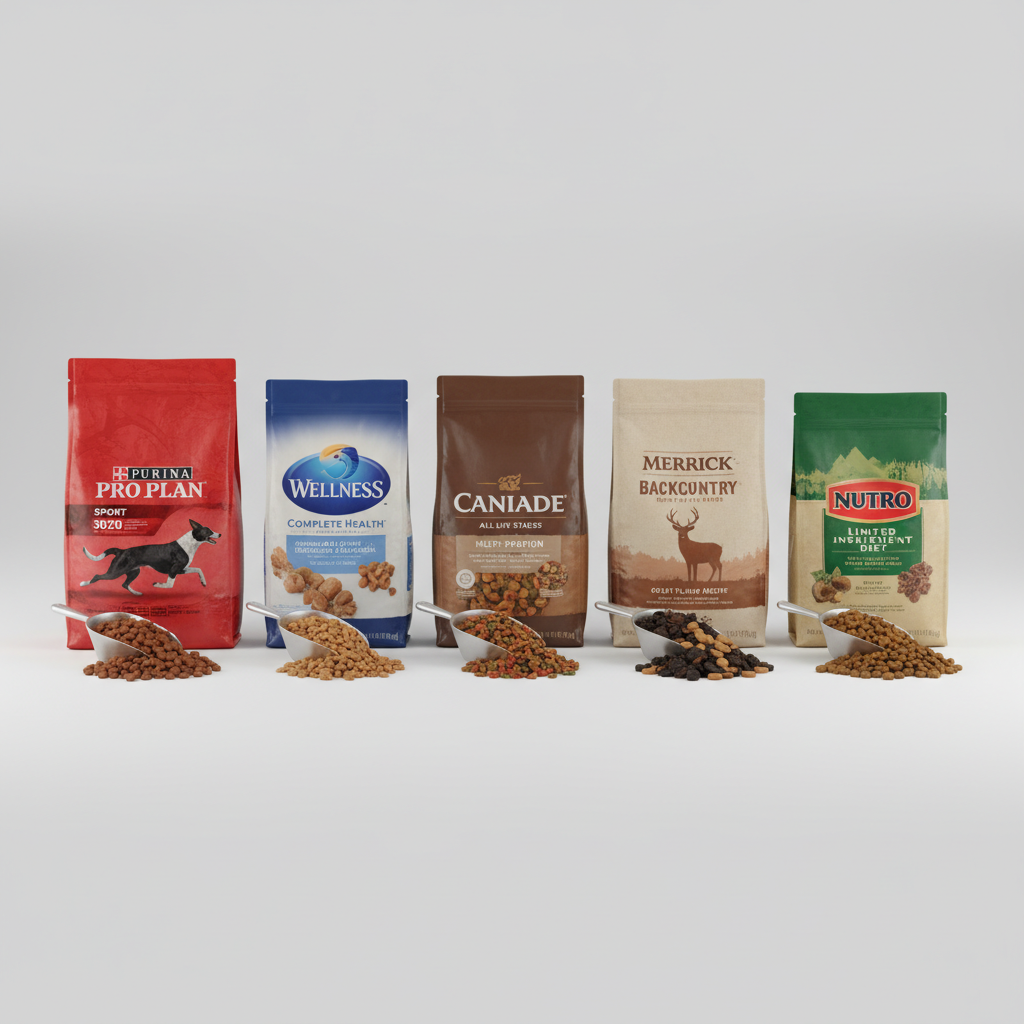
This is the culmination of our analysis. Each food on this list has been selected based on its ingredient quality, exclusion of common triggers, and inclusion of ‘hero’ ingredients. We’ve done the forensic work for you.
1. Purina Pro Plan Sensitive Skin & Stomach Lamb & Oat Meal Formula
- First 5 Ingredients Truth: Lamb, Oat Meal, Barley, Fish Meal, Canola Meal. A fantastic start with a novel protein and gentle grains. The fish meal boosts omega fatty acids.
- The Hacker’s Verdict: This is often the first and last stop for many owners. It’s a veterinarian-recommended formula that delivers consistent results for a reasonable price. The inclusion of live probiotics is a major plus.
- Cost Per Day: Approx. $2.10/day for a 50lb dog.
- Recall Check: Purina is a massive company with a history of recalls, but this specific Pro Plan line has a strong safety record.
2. Hill’s Science Diet Sensitive Stomach & Skin
- First 5 Ingredients Truth: Chicken, Brewers Rice, Chicken Meal, Yellow Peas, Cracked Pearled Barley. While it uses chicken, it’s formulated to be highly digestible. The prebiotic fiber from beet pulp is a key component.
- The Hacker’s Verdict: A scientifically formulated diet that works for dogs sensitive to richness or fiber types, but not necessarily allergic to chicken. It’s a reliable, science-backed choice.
- Cost Per Day: Approx. $2.25/day for a 50lb dog.
- Recall Check: Hill’s has had recalls in the past, most notably for excess Vitamin D, but they have stringent quality control protocols.
3. Royal Canin Veterinary Diet Gastrointestinal Low Fat
- First 5 Ingredients Truth: Brewers Rice, Chicken By-Product Meal, Wheat, Barley, Natural Flavors. This is a prescription diet. The ingredients may not look ‘premium,’ but they are chosen for maximum digestibility and low-fat content to give the pancreas a rest.
- The Hacker’s Verdict: If your dog’s issues are severe or pancreatitis is a concern, this vet-prescribed food is the gold standard for acute care. It’s designed to be bland and effective, not boutique.
- Cost Per Day: Approx. $3.50/day for a 50lb dog.
- Recall Check: As a veterinary line, it’s subject to very high safety standards and has a clean record.
4. Blue Buffalo Basics Limited Ingredient Diet (Turkey & Potato)
- First 5 Ingredients Truth: Deboned Turkey, Oatmeal, Brown Rice, Peas, Potatoes. A true limited ingredient diet with a single novel protein source and easily digestible carbs. No chicken, corn, wheat, or soy.
- The Hacker’s Verdict: An excellent over-the-counter choice for dogs with suspected food allergies. Blue’s ‘LifeSource Bits’ add a helpful boost of antioxidants.
- Cost Per Day: Approx. $2.75/day for a 50lb dog.
- Recall Check: Blue Buffalo has had several recalls over the years, which is a consideration for some owners.
5. Wellness Simple Limited Ingredient Diet (Lamb & Oatmeal)
- First 5 Ingredients Truth: Lamb, Lamb Meal, Oatmeal, Peas, Ground Rice. A very clean, simple ingredient panel. The focus is on a single protein and minimal, easily digestible carbohydrates.
- The Hacker’s Verdict: Wellness has built a reputation on quality. This formula is perfect for owners who want a minimalist approach to nutrition to pinpoint sensitivities. It’s fortified with probiotics and omega fatty acids.
- Cost Per Day: Approx. $2.90/day for a 50lb dog.
- Recall Check: Wellness has a good safety record with very few recalls in its history.
6. Natural Balance L.I.D. (Sweet Potato & Venison)
- First 5 Ingredients Truth: Sweet Potatoes, Venison, Pea Protein, Potato Protein, Canola Oil. A truly unique novel protein in venison makes this a powerful tool for elimination diets. Grain-free for dogs sensitive to grains.
- The Hacker’s Verdict: When you’ve tried lamb and fish without success, venison is the next logical step. Natural Balance pioneered the L.I.D. concept, and this formula remains one of the best.
- Cost Per Day: Approx. $3.10/day for a 50lb dog.
- Recall Check: Has had recalls in the past, but has maintained a better record in recent years.
7. Canidae PURE Limited Ingredient (Salmon & Sweet Potato)
- First 5 Ingredients Truth: Salmon, Salmon Meal, Menhaden Fish Meal, Sweet Potatoes, Peas. Packed with omega-3s from multiple fish sources, this recipe is great for both skin and stomach issues. Simple, with only 8 key ingredients.
- The Hacker’s Verdict: An excellent choice for dogs who do well with fish-based proteins. The high level of omegas provides a strong anti-inflammatory benefit for the gut.
- Cost Per Day: Approx. $2.85/day for a 50lb dog.
- Recall Check: Canidae has a very strong safety and quality record with minimal recalls.
8. The Farmer’s Dog (Fresh Food)
- First 5 Ingredients Truth: (Turkey Recipe) USDA Turkey, Chickpeas, Carrots, Broccoli, Spinach. This is a different category entirely. Human-grade, fresh ingredients cooked at low temperatures to preserve nutrients. Ultimate digestibility.
- The Hacker’s Verdict: For those with the budget, fresh food is often the ultimate solution. The high moisture content and lack of processed ingredients can resolve many digestive issues almost overnight. It’s a subscription service.
- Cost Per Day: Approx. $7.00 – $9.00/day for a 50lb dog.
- Recall Check: Has an impeccable safety record with no recalls.
9. Merrick Limited Ingredient Diet (Real Salmon & Brown Rice)
- First 5 Ingredients Truth: Deboned Salmon, Salmon Meal, Brown Rice, Oatmeal, Barley. A single-protein, grain-inclusive option that provides high levels of omega fatty acids and gentle fiber from whole grains.
- The Hacker’s Verdict: Merrick offers a high-quality formulation for owners who prefer a grain-inclusive diet. It’s well-balanced and avoids common triggers like chicken, corn, or soy.
- Cost Per Day: Approx. $3.00/day for a 50lb dog.
- Recall Check: Merrick has had recalls, so due diligence is recommended.
10. Taste of the Wild PREY (Angus Beef)
- First 5 Ingredients Truth: Beef, Lentils, Tomato Pomace, Sunflower Oil. A very minimalist, four-key-ingredient formula. While it uses beef, its simplicity can work for dogs whose issues stem from too many ingredients, not beef itself.
- The Hacker’s Verdict: A great test case. If your dog has been on a 30-ingredient chicken formula, switching to this simple 4-ingredient beef formula can tell you a lot about their specific triggers.
- Cost Per Day: Approx. $2.60/day for a 50lb dog.
- Recall Check: Parent company Diamond Pet Foods has a significant recall history, though this specific line has not been an issue.
The Hacker’s Comparison Matrix: Your At-a-Glance Guide
Information overload is a real problem when you’re standing in the pet food aisle. Use this data-driven matrix to quickly compare our top contenders and narrow down the best choice for your dog and your budget.
| Brand & Formula | Primary Protein | Grain Status | Price Tier | Hacker’s Verdict |
|---|---|---|---|---|
| Purina Pro Plan Sensitive | Lamb, Fish | Grain-Inclusive (Oats) | $$ | Best overall value and proven results. |
| Hill’s Science Diet Sensitive | Chicken | Grain-Inclusive (Rice) | $$ | Top science-backed choice for non-allergic sensitivity. |
| Royal Canin GI Low Fat | Chicken | Grain-Inclusive (Rice, Wheat) | $$$$ | Gold standard for vet-prescribed acute care. |
| Blue Buffalo Basics | Turkey | Grain-Inclusive (Oats, Rice) | $$$ | Great over-the-counter LID with added antioxidants. |
| Wellness Simple | Lamb | Grain-Inclusive (Oats, Rice) | $$$ | Premium, minimalist formula from a trusted brand. |
| Natural Balance L.I.D. | Venison | Grain-Free | $$$ | Excellent for elimination diets with a unique protein. |
| Canidae PURE | Salmon | Grain-Free | $$$ | Omega-3 powerhouse for skin and stomach health. |
| The Farmer’s Dog | Varies (Turkey, Beef) | Grain-Free | $$$$$ | The ultimate solution for digestibility, if budget allows. |
| Merrick L.I.D. | Salmon | Grain-Inclusive (Brown Rice) | $$$ | High-quality grain-inclusive fish formula. |
| Taste of the Wild PREY | Beef | Grain-Free | $$$ | Ultra-simple formula for pinpointing ingredient issues. |
Implementation Protocol: How to Switch Foods Without Causing a Disaster
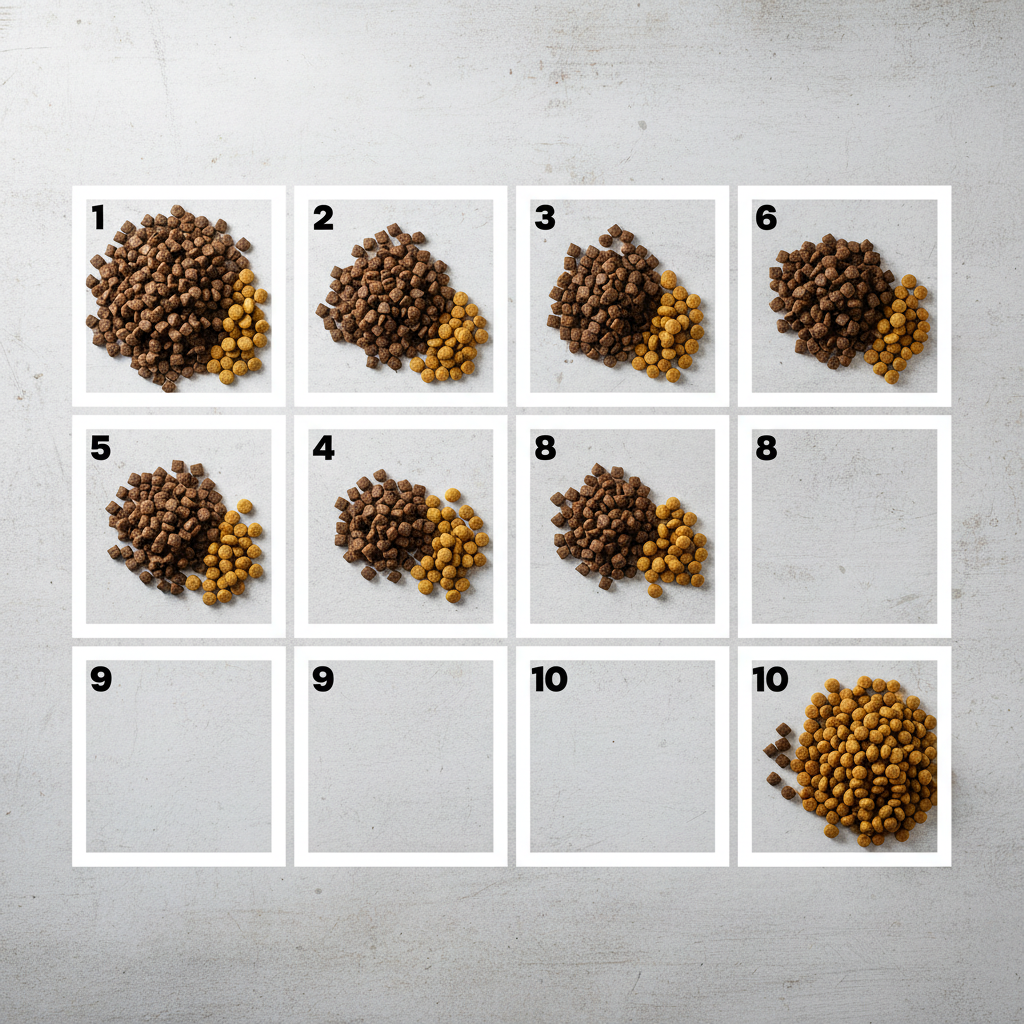
You’ve done the research and selected a new food. Congratulations! But your job isn’t over. Abruptly switching your dog’s food, even to a better one, is a guaranteed recipe for more diarrhea. You must transition slowly to allow your dog’s gut microbiome time to adapt. Follow this 10-day protocol for a seamless switch.
- Days 1-3: 25% new food mixed with 75% old food.
- Days 4-6: 50% new food mixed with 50% old food.
- Days 7-9: 75% new food mixed with 25% old food.
- Day 10: 100% new food.
Monitor your dog’s stool quality throughout this process. If at any point they develop loose stool, go back to the previous ratio for an extra day or two before proceeding. Patience is paramount.
Hacker Tip: The ‘Pumpkin Patch’ Method. During any food transition, I always employ what I call the Pumpkin Patch. Add a tablespoon (for a medium-sized dog) of 100% pure canned pumpkin puree (NOT pumpkin pie filling) to their food. The soluble fiber is a miracle worker for firming up stool and keeping the transition smooth.
If you’ve followed the slow transition and the new food is still causing issues after two weeks, don’t panic. It may mean your dog is sensitive to the specific protein in that formula. Your next step would be to try another food from the list with a different novel protein (e.g., if you tried lamb, switch to a fish or duck-based formula) and repeat the transition process.
Conclusion
Navigating the world of dog food for a sensitive stomach is no longer a guessing game. You are now equipped with the forensic knowledge to be a Canine Nutrition Hacker. You know the enemy ingredients—the common proteins, fillers, and artificial junk—and you know the heroes that will restore balance to your dog’s digestive system. Remember the core principles: choose a food with a simple, limited ingredient panel, focus on a novel protein, ensure it contains digestive aids like prebiotics and fiber, and always, always transition slowly.
By taking control and analyzing what goes into your dog’s bowl, you can finally put an end to the cycle of upset stomachs and messy cleanups. You’re not just buying a bag of dog food; you’re investing in your dog’s health, comfort, and happiness. Make the informed choice.
Final Reminder: Your veterinarian is your most important partner in your dog’s health. If digestive issues persist, it could be a sign of an underlying medical condition that requires professional diagnosis and treatment.