Are Dog Microbiome Testing Kits Worth the Money? (2025 Review)
You’ve tried everything. The grain-free kibble, the limited-ingredient diet, the expensive supplements. Yet your dog still suffers from chronic diarrhea, itchy skin, or unrelenting allergies. You’re stuck in a frustrating cycle of vet visits and dietary guesswork. This is where the burgeoning industry of at-home dog microbiome testing kits enters the scene, promising a data-driven roadmap to your dog’s health. But are they a revolutionary diagnostic tool or just a sophisticated, high-priced fad? As the Canine Nutrition Hacker, I don’t deal in marketing fluff. My job is to dissect the science, analyze the value, and give you the unvarnished truth. In this 2025 review, we’re going under the microscope to determine if these kits are truly worth your money.
The Gut Microbiome: Your Dog’s ‘Second Brain’ Deconstructed
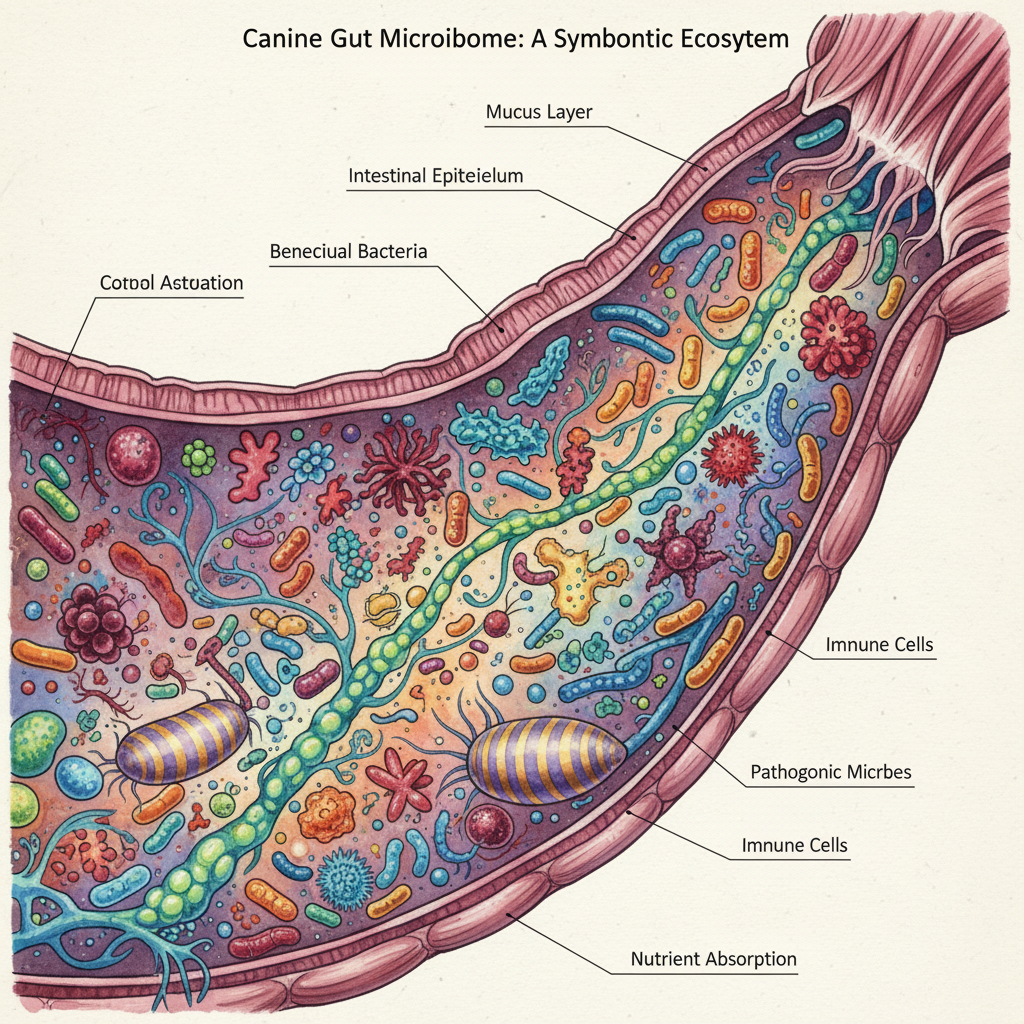
Before we can assess the tests, you need to understand what they’re testing. Forget the stomach for a moment; the real action is in the gut. Your dog’s intestines are home to trillions of microorganisms—bacteria, fungi, viruses, and protozoa—collectively known as the gut microbiome. Think of it as a complex, bustling rainforest ecosystem. When this ecosystem is in balance (symbiosis), it’s a powerhouse. It digests food, produces essential vitamins, regulates the immune system, and even influences mood and behavior. It is, in effect, a second brain orchestrating your dog’s well-being.
The problem arises when this delicate balance is thrown off by factors like poor diet, antibiotics, stress, or illness. This state of imbalance is called dysbiosis. In a state of dysbiosis, harmful bacteria can overgrow, crowding out the beneficial microbes. This microbial chaos is the root cause of many chronic health issues that plague our dogs, from irritable bowel disease (IBD) and food sensitivities to atopic dermatitis and anxiety. The fundamental promise of a microbiome test is to give you a snapshot of this internal ecosystem, identifying dysbiosis that would otherwise remain invisible.
How Do Dog Microbiome Tests Actually Work? The Science Behind the Swab
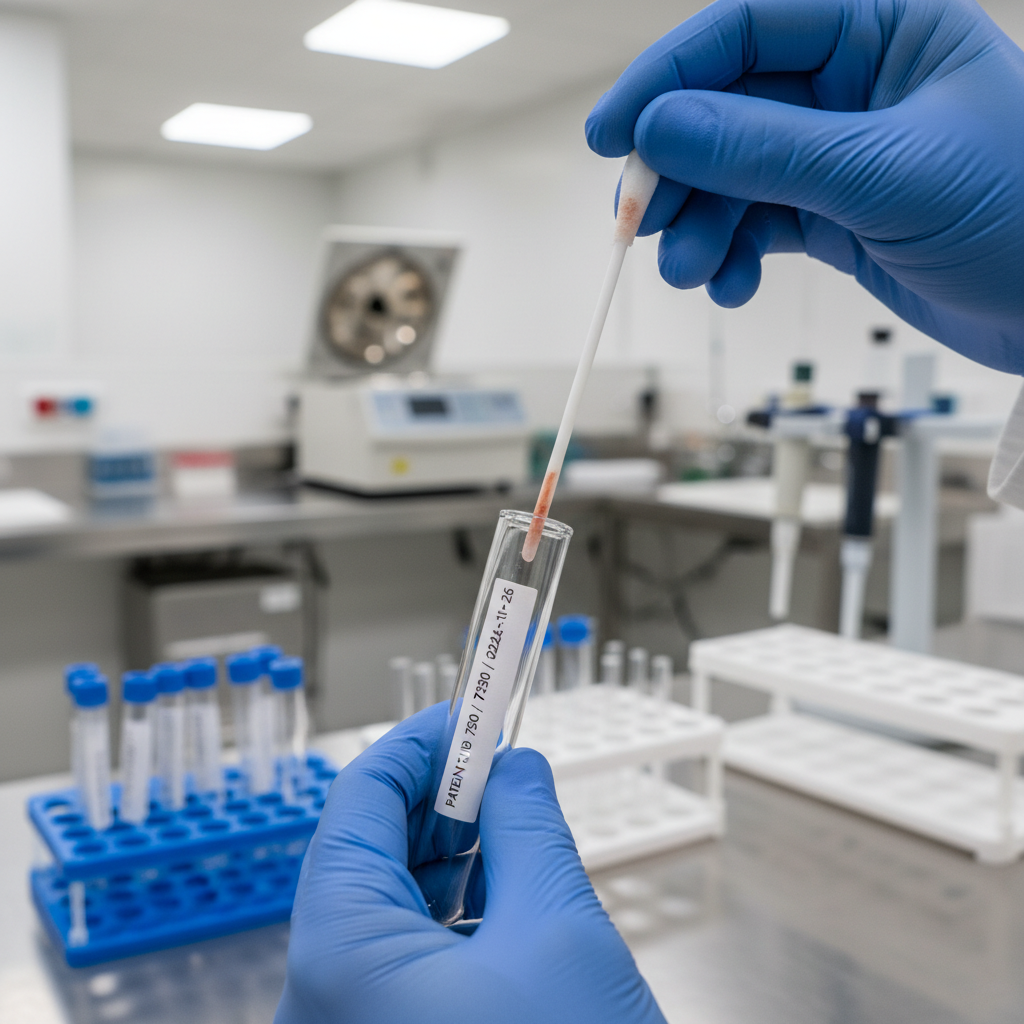
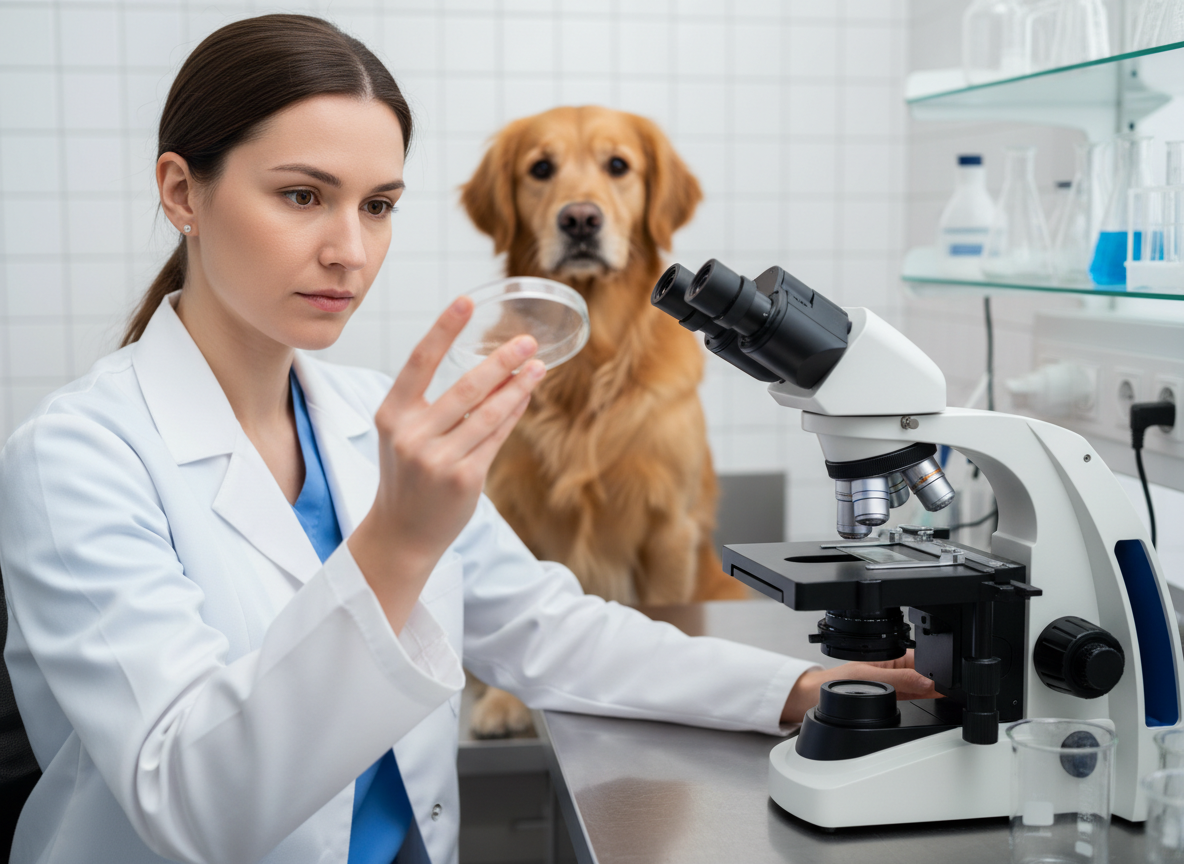
These kits seem simple—collect a stool sample, mail it in, get a report. But the technology behind them is highly sophisticated. Let’s break down the forensic process:
- Sample Collection: You receive a kit with a sterile swab and collection tube. You simply collect a small, fresh fecal sample from your dog. This is a non-invasive and painless process.
- DNA Extraction: At the lab, technicians extract the total microbial DNA from the sample. Every microbe in that sample has a unique genetic fingerprint, and this step isolates all of that genetic material.
- Gene Sequencing: This is the high-tech part. The lab uses a process called 16S rRNA gene sequencing. The 16S rRNA gene is a specific genetic marker present in all bacteria, but with slight variations between species. By sequencing this gene, scientists can identify the different types of bacteria present and their relative abundance—essentially creating a census of your dog’s gut population.
- Bioinformatics Analysis: Powerful computer algorithms compare your dog’s sample against a massive database of healthy dog microbiomes. This analysis identifies imbalances, calculates gut diversity (a key health marker), and flags the presence of pathogenic or beneficial bacteria.
- The Report: You receive a detailed report that translates this complex data into understandable charts and explanations, typically with dietary and supplement recommendations to correct any imbalances found.
Hacker Tip: A single test is a snapshot in time. For dogs with chronic issues, the real power comes from testing before and after a significant dietary or supplemental intervention. This is how you measure progress and confirm your changes are actually working on a microbial level.
The Contenders: A Forensic Review of Top Microbiome Kits (2025)

Not all kits are created equal. The quality of the database, the clarity of the report, and the actionability of the recommendations are what separate the best from the rest. Here’s a forensic breakdown of the leading players.
AnimalBiome Gut Health Test
AnimalBiome is one of the pioneers in this space, with a robust scientific background and a massive reference database. Their reports are incredibly detailed, providing a diversity score, a breakdown of all bacterial phyla, and comparisons to healthy dog populations. Their key selling point is their targeted recommendations, which often include their own line of ‘Gut Restore’ supplements (fecal microbiota transplant capsules) for severe cases of dysbiosis. This is a powerful, science-first option.
Nom Nom Microbiome Testing Kit
Known for their fresh dog food delivery service, Nom Nom has expanded into diagnostics. Their approach is more integrated; they use the test results to recommend specific Nom Nom diet formulations. The report is user-friendly and visually appealing, making it less intimidating for the average owner than some of the more data-heavy reports from competitors. This is an excellent choice if you’re already considering a fresh food diet and want a guided, all-in-one system.
Embark Gut Health Test
Embark, famous for its dog DNA and breed identification tests, also offers a gut health test. They leverage their vast genetic database to provide context. The report is well-designed and integrates smoothly into their existing platform, making it a convenient add-on for existing Embark customers. They provide good dietary recommendations based on the findings.
| Feature | AnimalBiome | Nom Nom | Embark |
|---|---|---|---|
| Primary Focus | Scientific diagnostics & therapeutic supplements | Integration with proprietary fresh food diets | Genetic context and general wellness |
| Report Detail | Extremely high (scientific-grade data) | High (user-friendly and visual) | Moderate to High (well-designed) |
| Actionability | Recommends specific supplements (their own) and diet types | Recommends specific Nom Nom meal plans | Provides general diet and supplement advice |
| Price Tier | $$ – $$$ | $$ | $$ |
| Verdict | Best for complex cases & data-driven owners. | Best for owners seeking an all-in-one diet solution. | Best for existing Embark users seeking a holistic view. |
Interpreting the Data: From Raw Numbers to Actionable Insights

Receiving a 20-page report filled with bacteria names like Fusobacterium and Faecalibacterium can be overwhelming. The key is to focus on the big-picture takeaways and translate them into actionable changes. Here’s what to look for and what to do:
- Low Diversity: This is a common finding and a major red flag. A rainforest is healthier than a cornfield. A lack of microbial diversity makes the gut vulnerable to pathogens. Action: Introduce a wider variety of foods. Add prebiotics like pumpkin, leafy greens, or chicory root to feed beneficial bacteria. A high-quality probiotic can also help introduce new beneficial species.
- Overgrowth of Harmful Bacteria: The report might flag an overabundance of bacteria like Clostridium difficile or certain strains of E. coli, which are often linked to diarrhea and inflammation. Action: This often requires a conversation with your vet. Dietary changes, such as switching to a more digestible, novel protein source (like rabbit or duck) and eliminating inflammatory ingredients, are a crucial first step.
- Lack of Beneficial Bacteria: A deficiency in key players like Bifidobacterium or Faecalibacterium (a butyrate producer that fuels gut cells) can impair immune function and digestion. Action: Target this with specific probiotic strains and increase soluble fiber intake to encourage their growth.
MEDICAL DISCLAIMER: You are not a vet. This data is a powerful tool, but it is not a diagnosis. Always discuss the results and any planned dietary changes with your veterinarian or a board-certified veterinary nutritionist. They can help you interpret the results in the context of your dog’s overall health history and clinical signs.
The Cost-Benefit Analysis: Is It a Smart Investment or a Costly Fad?

Let’s get down to the numbers. A typical microbiome testing kit costs between $100 and $200. This might seem steep for a stool test, but you have to weigh it against the alternative. A single emergency vet visit for acute diarrhea can run $500 or more. A full allergy panel can cost upwards of $1,000. Years of prescription diets and medications for a chronic condition can add up to thousands of dollars.
If a $150 test can provide the data needed to resolve a chronic issue, potentially saving you $1,000+ per year in vet bills and specialized foods, the return on investment is enormous. The value proposition is strongest for a specific type of owner:
- The owner of a dog with chronic, unresolved digestive issues (IBD, colitis, persistent diarrhea).
- The owner of a dog with mysterious skin conditions and allergies that haven’t responded to standard treatments.
- The owner who has already spent a significant amount on diagnostics and diet trials with no success.
For an owner with a young, perfectly healthy dog with no symptoms, a microbiome test is likely an unnecessary expense. It’s an interesting data point, but it’s not essential. It’s a problem-solving tool, not a routine wellness check for every dog.
Insider Secret: Don’t just test once. The real power is in longitudinal data. If you’re battling a chronic issue, commit to a baseline test and a follow-up test 3-4 months after implementing the recommended changes. This is how you objectively measure if your new protocol is working, taking the expensive guesswork out of the equation.
Conclusion
So, are dog microbiome testing kits worth the money? The Canine Nutrition Hacker’s verdict is a firm, data-driven yes—for the right dog. This is not a frivolous gadget for the worried well. It is a powerful diagnostic tool for owners who are at the end of their rope, battling chronic health mysteries that have drained their bank accounts and their emotional reserves. For these dogs, a microbiome test can be the key that finally unlocks the puzzle, shifting the paradigm from reactive symptom management to proactive, targeted nutritional therapy. It replaces guesswork with data, and hope with a concrete plan. If your dog is healthy and thriving, save your money. But if you’re fighting an invisible enemy in your dog’s gut, investing in a high-quality microbiome test isn’t just worth the money; it could be the most important investment you make in their long-term health and happiness.