

Best Dog Food for Goldendoodles: Top Picks for Sensitive Skin
If you’re a Goldendoodle owner, you’re likely familiar with ‘the itch.’ That relentless scratching, paw licking, and head shaking that signals something is wrong. You’ve tried the special shampoos, the grooming routines, and maybe even the vet-prescribed medications, but the skin issues persist. Why? Because you’re often fighting the symptoms, not the source. The source, in a staggering number of cases, is hiding in plain sight: your dog’s food bowl.
I am The Canine Nutrition Hacker. I don’t get paid by big pet food brands, and I don’t care about flashy packaging. I care about what’s on the ingredient label—the fine print that separates premium fuel from overpriced filler. Goldendoodles, a cross between the allergy-prone Poodle and the often-sensitive Golden Retriever, are genetically predisposed to skin sensitivities. Feeding them the wrong diet is like throwing gasoline on a fire.
This is not another generic list of ‘top 10’ dog foods. This is a tactical guide. We will dissect ingredient lists, identify the inflammatory culprits sabotaging your dog’s health, and build an arsenal of ‘hero’ ingredients to create a resilient, healthy skin barrier. Prepare to become a forensic expert on your dog’s nutrition. Let’s hack the system and stop the itch for good.
MEDICAL DISCLAIMER: I am a canine nutrition analyst, not a veterinarian. The information in this article is for educational purposes only. Always consult with your trusted veterinarian or a board-certified veterinary nutritionist before making any significant changes to your dog’s diet, especially if they have a pre-existing health condition.
Decoding the Goldendoodle Itch: Why Skin Issues Are So Common

To solve a problem, you must first understand it. The Goldendoodle’s charm—its intelligence, friendly nature, and low-shedding coat—comes from a genetic blend that also carries a significant vulnerability: a predisposition to allergies and skin conditions. This isn’t a flaw in the breed; it’s a genetic reality we must manage with superior nutrition.
The Genetic Inheritance of Sensitivity
Let’s break down the lineage:
- Poodles: This breed is notorious for a condition called sebaceous adenitis, an inflammatory disease of the sebaceous glands in the skin. They are also prone to atopic dermatitis, which is an allergic reaction to environmental triggers like pollen, dust mites, and mold.
- Golden Retrievers: These beloved dogs are also frequently diagnosed with atopic dermatitis. They are particularly susceptible to food allergies, with environmental factors often compounding the issue, leading to a condition known as ‘atopy.’
When you combine these two breeds, you can inadvertently concentrate the genes responsible for these sensitivities. The result is a dog whose immune system can be easily overstimulated, and the primary battleground for this overreaction is the skin—the body’s largest organ.
Identifying the Red Flags
Skin trouble isn’t always dramatic. It often starts subtly. Being vigilant for the early signs can prevent a minor issue from escalating into a chronic condition requiring costly veterinary intervention. Watch for:
- Persistent Scratching: Beyond the occasional, normal dog scratch. This is obsessive, disruptive scratching, particularly around the ears, belly, and paws.
- Paw Licking and Chewing: If your Doodle’s paws are stained a reddish-brown, it’s a tell-tale sign of excessive licking. This is caused by enzymes in their saliva and indicates chronic irritation.
- Hot Spots (Acute Moist Dermatitis): These are angry, red, inflamed, and often infected patches of skin that appear suddenly and can grow rapidly.
- Recurrent Ear Infections: The floppy, hairy ears of a Goldendoodle are a perfect breeding ground for yeast and bacteria. If allergies are causing systemic inflammation, the ears are often the first place you’ll see a problem.
- Dull, Brittle Coat & Dandruff: A healthy coat should be lustrous and strong. A dry, flaky, or greasy coat is a clear indicator that essential nutrients are either missing from the diet or aren’t being properly absorbed.
While proper grooming is essential for a Goldendoodle’s coat, no amount of brushing or bathing can fix a problem that starts from within. Nutrition is the foundation upon which skin and coat health are built.
The Enemy Ingredient Watchlist: Top Skin Triggers in Commercial Dog Food

Welcome to the forensic part of our investigation. The pet food industry is a master of marketing, using words like ‘natural,’ ‘holistic,’ and ‘premium’ to obscure what’s really in the bag. We’re going to ignore the pictures of happy dogs running through fields on the front and turn the bag around to the ingredient list—the place where the truth lives.
An inflammatory response, which causes itching and rashes, is often triggered by specific ingredients. Your mission is to identify and eliminate them from your dog’s diet.
Enemy #1: Low-Quality & Common Protein Sources
Not all protein is created equal. The most common food allergens in dogs are proteins they’ve been overexposed to. Chicken and Beef are the top offenders. Why? They are the cheapest and most abundant protein sources, so they are used in the vast majority of dog foods, treats, and even dental chews. Over time, a dog’s immune system can start to flag these common proteins as invaders, launching an allergic response.
Enemy #2: Inflammatory Grains and Fillers
Grains are not inherently evil, but certain grains are used as cheap fillers that provide minimal nutritional value and can trigger inflammation. Be on high alert for:
- Corn: Especially in forms like ‘corn gluten meal’ or ‘ground yellow corn.’ It’s a low-cost binder and protein source that is difficult for many dogs to digest and is a common allergen.
- Wheat: Often listed as ‘ground wheat’ or ‘wheat flour.’ Like corn, it’s a frequent cause of allergic reactions and provides little benefit compared to healthier complex carbohydrates.
- Soy: A cheap, plant-based protein that many dogs are sensitive to. It can also interfere with thyroid function.
Enemy #3: Artificial Additives and Preservatives
If you can’t pronounce it, you should probably question it. Your dog’s system has to process everything you feed it, and synthetic chemicals can place a heavy burden on the liver and immune system, leading to systemic inflammation.
- Chemical Preservatives: Watch out for BHA, BHT, and ethoxyquin. These are powerful preservatives that have been linked to health problems. Look for foods preserved naturally with tocopherols (Vitamin E) or rosemary extract.
- Artificial Colors: Dyes like Blue 2, Red 40, and Yellow 5 serve no nutritional purpose. They exist only to make the kibble look more appealing to you, the human buyer. They can cause allergic reactions in sensitive dogs.
- Artificial Flavors: A vague term like ‘natural flavor’ can hide a multitude of sins. Quality foods don’t need to add fake flavor; the real meat ingredients provide it.
Hacker Tip: The ‘First 5 Ingredients’ rule is your most powerful tool. Ingredients are listed by weight. The first five make up the bulk of the food. If you see a common protein allergen or a cheap filler in that top group, put the bag down and walk away. A high-quality food will list a deboned meat or a specific meat meal as the very first ingredient.
The Hero Ingredient Arsenal: Building a Skin-Soothing Diet
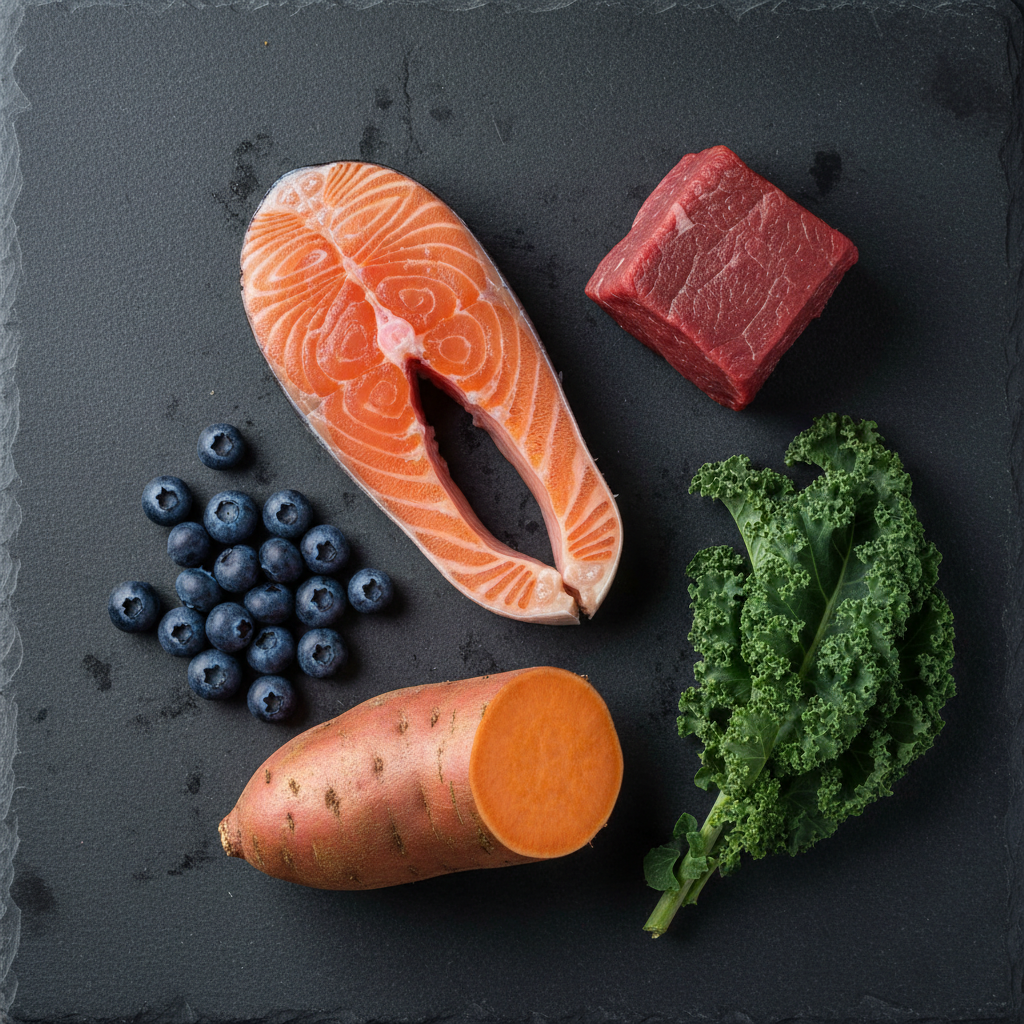
Now that we’ve identified the enemies, let’s build our defense. The goal is twofold: first, to calm the existing inflammation, and second, to build a strong, resilient skin barrier that is less susceptible to future flare-ups. This is achieved by strategically selecting ‘hero’ ingredients packed with anti-inflammatory and skin-supporting properties.
Hero #1: Novel & High-Quality Proteins
A ‘novel’ protein is simply one your dog has likely never been exposed to before. By introducing a new protein source, you can often bypass the allergic response altogether. Think of it as hitting the reset button on the immune system.
- Top Choices: Look for foods with a primary protein source of duck, salmon, lamb, venison, rabbit, or bison.
- ‘Meal’ vs. ‘Whole’: Don’t be afraid of a specific meat meal, like ‘Salmon Meal’ or ‘Duck Meal.’ A named meat meal is a concentrated source of protein where the water and fat have been rendered out. It can be more protein-dense than the ‘whole’ meat, which contains a lot of water weight. Avoid generic terms like ‘meat meal’ or ‘poultry meal.’
Hero #2: Omega Fatty Acids: The Skin Super-Fuel
This is arguably the most critical component for fighting skin inflammation. The balance of Omega-6 and Omega-3 fatty acids is paramount.
- Omega-3s (Anti-Inflammatory): These are the heroes. They directly combat inflammation. The best sources are marine-based, like salmon oil, herring oil, and menhaden fish oil. Plant-based sources like flaxseed are also good.
- Omega-6s (Pro-Inflammatory): These are necessary for cell function but are pro-inflammatory in excess. They are found in chicken fat and vegetable oils like sunflower oil.
Most commercial diets have a ratio skewed heavily towards Omega-6. A food designed for skin health will have a balanced ratio, with a guaranteed analysis of Omega-3s on the label. Look for a guaranteed percentage of EPA and DHA, the most potent anti-inflammatory Omega-3s.
Hero #3: Skin-Supporting Carbohydrates & Fiber
Instead of inflammatory fillers, we need nutrient-dense, low-glycemic carbohydrates that provide sustained energy and support gut health—which is directly linked to skin health.
- Excellent Choices: Sweet potatoes, pumpkin, peas, chickpeas, and lentils. These are rich in vitamins and prebiotic fiber, which feeds the good bacteria in your dog’s gut.
Hero #4: Antioxidants & Phytonutrients
Antioxidants fight oxidative stress, which is a key component of inflammation. A diet rich in colorful fruits and vegetables provides a natural source of these powerful compounds.
- Look For: Ingredients like blueberries, cranberries, carrots, spinach, and kale on the label. These provide vitamins A, C, and E, which are crucial for skin cell repair and immune function.
Forensic Review: Top Food Formulations for Goldendoodle Sensitive Skin
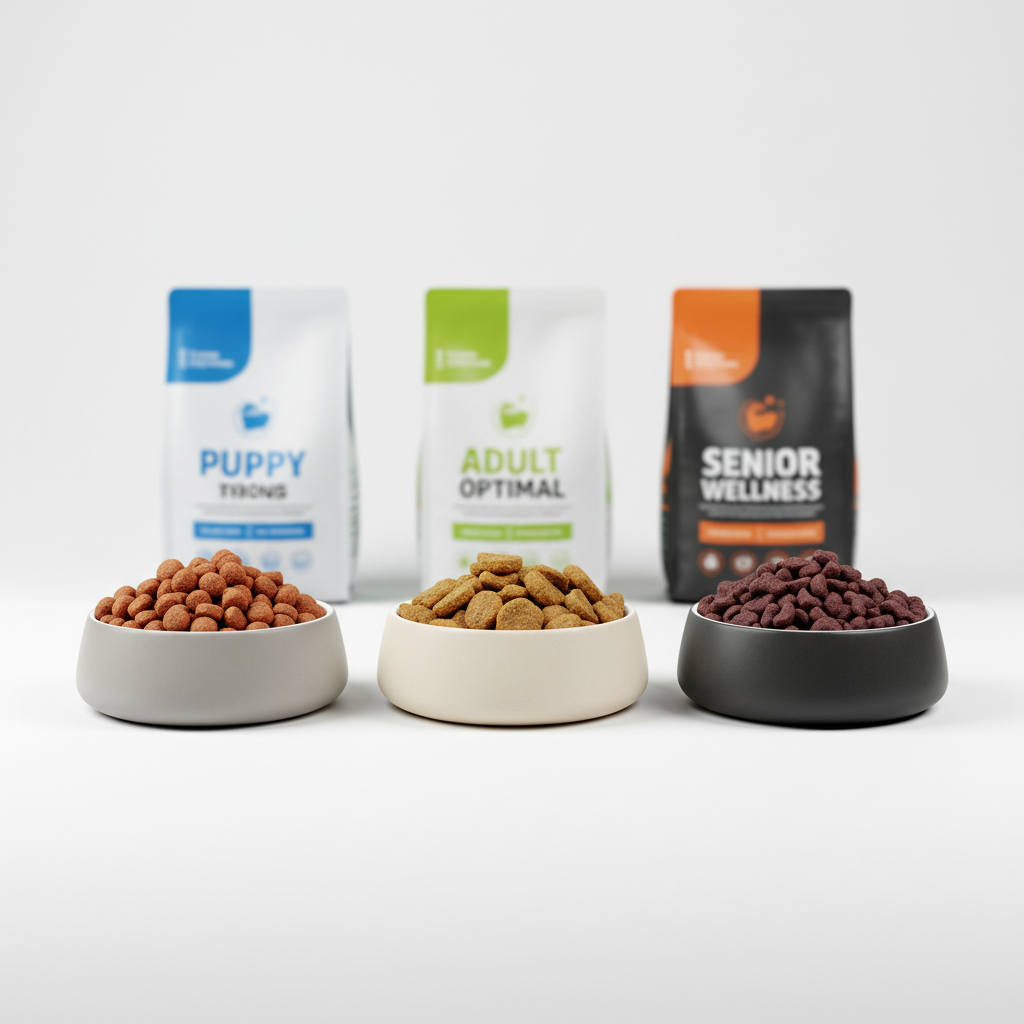
Now, let’s apply our new knowledge to real-world products. The following are not paid endorsements but forensic analyses of formulations that align with our ‘Problem Solver’ criteria. I’ve chosen examples from different price points and protein sources to give you actionable options.
1. Acana Singles Limited Ingredient Diet – Duck & Pear Recipe
- The ‘First 5 Ingredients’ Truth: Deboned duck, duck meal, whole green peas, whole red lentils, duck liver. Analysis: This is an outstanding start. It leads with two high-quality, concentrated sources of a single novel protein (duck). The next ingredients are low-glycemic legumes, not cheap grain fillers.
- Cost Per Day (50lb dog): Approximately $3.25/day.
- Recall Check: Acana’s parent company, Champion Petfoods, has had recalls, but they are infrequent compared to many other major brands. It’s important to stay current on recall news.
- Verdict: A premium, limited-ingredient option ideal for an elimination diet. The focus on a single novel protein and nutrient-dense botanicals makes it a powerful choice for highly sensitive dogs. The price reflects the quality of the ingredients.
2. Purina Pro Plan Veterinary Diets DRM Dermatologic Management
- The ‘First 5 Ingredients’ Truth: Brewers rice, trout, oat meal, canola meal, animal fat. Analysis: This is a veterinary formula, so the approach is different. It uses a novel protein (trout) but leads with brewers rice, a carbohydrate byproduct. While highly digestible, it’s not as nutrient-dense as whole ingredients. This formula prioritizes digestibility and low antigenicity over a ‘whole foods’ philosophy.
- Cost Per Day (50lb dog): Approximately $3.50/day (requires vet authorization).
- Recall Check: Purina is a massive company with a long history, which includes recalls across their many product lines. However, their veterinary lines are subject to stringent quality control.
- Verdict: A solid, science-backed option for dogs with severe allergies that haven’t responded to over-the-counter foods. It’s a clinical diet designed to minimize reactions, but you sacrifice the ‘whole food’ ingredient profile of boutique brands.
3. Taste of the Wild PREY Angus Beef Limited Ingredient Recipe
- The ‘First 5 Ingredients’ Truth: Beef, lentils, tomato pomace, sunflower oil, natural flavor. Analysis: A simpler formula. While beef is a common allergen, this single-protein approach can work if you know your dog is specifically sensitive to chicken or grains, not beef. The use of lentils is excellent. Sunflower oil is high in Omega-6, but the formula is balanced with fish oil further down the list.
- Cost Per Day (50lb dog): Approximately $2.40/day.
- Recall Check: Taste of the Wild was part of a major recall in 2012. The brand has since been acquired by a new parent company and has maintained a better record.
- Verdict: A very accessible and budget-friendly limited ingredient diet. An excellent starting point if you suspect a grain or poultry allergy but want to stay in a more moderate price range.
| Brand & Formula | Primary Protein | Grain Status | Key Skin-Support Ingredients | Approx. Cost/Day (50lb Dog) | Verdict |
|---|---|---|---|---|---|
| Acana Singles Duck & Pear | Duck (Novel) | Grain-Free | Duck, Lentils, Pumpkin, Fish Oil | $3.25 | Premium, high-potency choice for severe sensitivities. |
| Purina Pro Plan DRM | Trout (Novel) | Contains Grains | Trout, Oat Meal, Fish Oil (High EPA) | $3.50 | Veterinary-grade, highly digestible for clinical allergy cases. |
| Taste of the Wild PREY Beef | Beef | Grain-Free | Beef, Lentils, Tomato Pomace, Fish Oil | $2.40 | Budget-friendly, simple formula for eliminating poultry/grain. |
Beyond the Bag: Supplements & Toppers to Supercharge Skin Health

A high-quality kibble is your foundation, but for a Goldendoodle with persistent skin issues, strategic supplementation can be a game-changer. Think of this as upgrading your dog’s nutritional software. These additions can provide a concentrated boost of the ‘hero’ ingredients we’ve discussed.
1. High-Potency Fish Oil
Even foods with added fish oil can fall short of the therapeutic dose of Omega-3s needed to significantly reduce inflammation. Adding a dedicated fish oil supplement is the single most effective thing you can do beyond changing the food itself.
- What to Look For: A liquid or capsule form derived from wild-caught, small fish (like sardines and anchovies) to minimize heavy metal contamination. It should be third-party tested for purity.
- Dosage: Look for a product that clearly states the combined EPA and DHA content. A typical starting dose for a 50lb dog is around 500-1000mg of combined EPA/DHA per day, but you should consult your vet for the precise therapeutic dose for your dog’s specific condition.
2. Probiotics for Gut & Skin Health
The gut-skin axis is a well-established scientific concept. An imbalanced gut microbiome can lead to a leaky gut, which allows undigested food particles and pathogens to enter the bloodstream, triggering a systemic immune response that manifests as skin allergies. A high-quality canine probiotic helps restore balance.
- What to Look For: A multi-strain probiotic powder or capsule specifically formulated for dogs. Look for products with a high CFU (Colony Forming Unit) count, typically in the billions.
3. Simple & Safe Food Toppers
You can easily boost the nutritional value of your dog’s meal with a few items from your own kitchen. These can add moisture, fiber, and valuable nutrients.
- Plain Canned Pumpkin: Ensure it is 100% pure pumpkin, NOT pumpkin pie filling. A tablespoon on top of their food is a fantastic source of prebiotic fiber.
- Sardines in Water: Canned sardines (packed in water, no salt added) are a phenomenal, inexpensive source of Omega-3s. One or two sardines mashed into their food a few times a week is an excellent supplement.
- Plain, Unsweetened Yogurt or Kefir: A small spoonful provides a natural source of probiotics. Ensure your dog is not sensitive to dairy first.
Hacker Tip: Rotate your proteins! Even with a ‘novel’ protein, feeding the exact same food for years can sometimes lead to the development of a new sensitivity. Once your dog’s skin is stable, consider finding a second and third food with different novel proteins (e.g., one duck-based, one lamb-based) and slowly rotating between them every few months. This keeps the diet varied and may reduce the risk of future allergies.
Conclusion
Navigating the world of dog food for a sensitive Goldendoodle can feel overwhelming, but it doesn’t have to be. By shifting your mindset from a passive consumer to an informed Canine Nutrition Hacker, you reclaim control over your dog’s health. The strategy is simple but powerful: become a forensic reader of ingredient labels, eliminate the common inflammatory enemies like cheap fillers and artificial additives, and build a diet around skin-soothing heroes like novel proteins and potent Omega-3 fatty acids.
Remember that every dog is an individual, and what works for one may not work for another. The key is patience and observation. When you transition to a new food, do it slowly over 7-10 days to avoid digestive upset, and give the new diet at least 8-12 weeks to see the full effect on their skin and coat. The changes won’t happen overnight, but building health from the inside out is a process that yields lasting results.
You are your dog’s greatest advocate. Armed with this knowledge, you are now equipped to look beyond the marketing and make truly informed choices that will help your Goldendoodle live a more comfortable, vibrant, and itch-free life. Always partner with your veterinarian on this journey to ensure your dog receives the best possible care.