Best Dog Food for Rottweilers: Supporting Muscle and Joint Growth
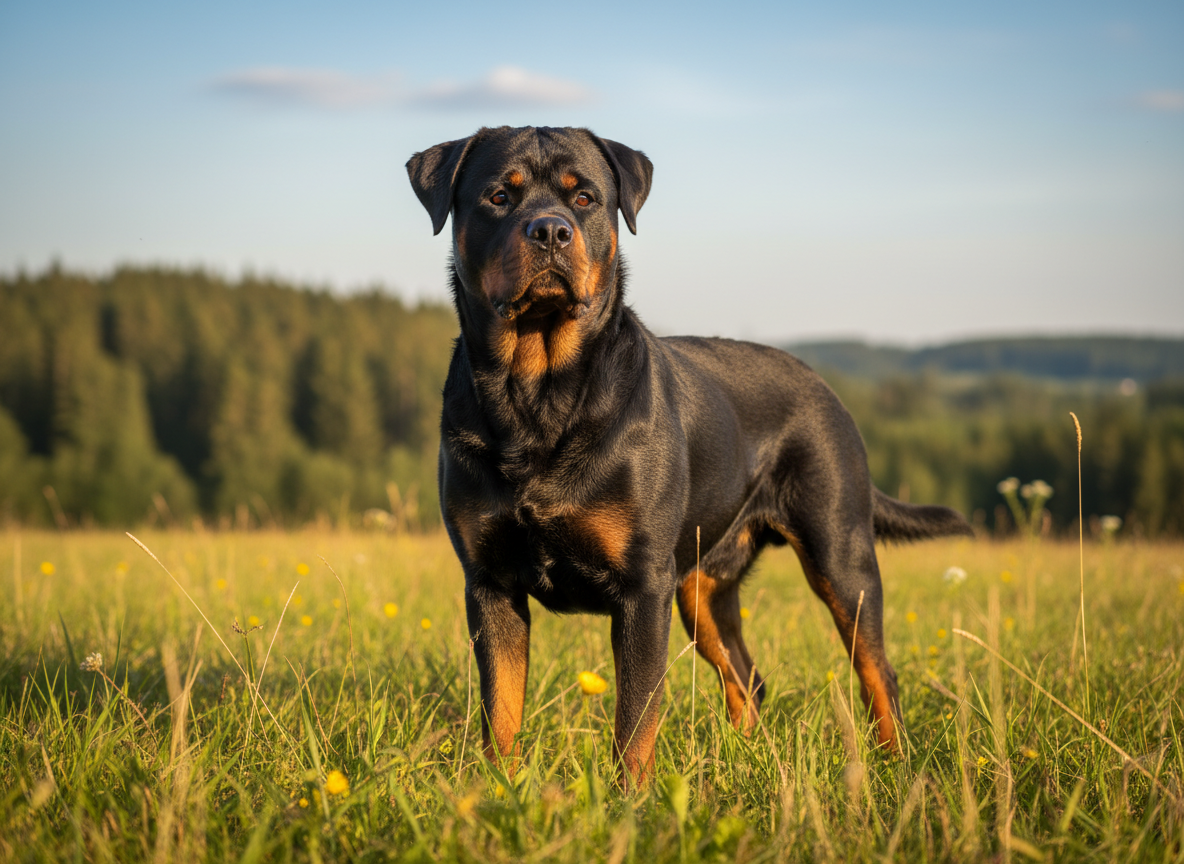
The Rottweiler is a masterpiece of canine engineering—a blend of power, loyalty, and intelligence. But that powerful physique and imposing frame don’t build or maintain themselves. They are forged from a precise nutritional blueprint. Feeding a Rottweiler a generic, one-size-fits-all kibble is like putting regular fuel in a high-performance engine; it will run, but it will never achieve its potential and will inevitably break down. These dogs have unique metabolic and structural demands, particularly concerning their massive muscle mass and heavily-loaded joints.
As the Canine Nutrition Hacker, I’m here to cut through the marketing noise. We’re going to bypass the slick packaging and heartwarming commercials to get to the truth: the ingredient panel. This guide is a forensic deep-dive into the nutritional science your Rottweiler needs to thrive, not just survive. We will expose the cheap fillers that lead to joint degradation and weak conditioning, and we will champion the ‘hero’ ingredients that build resilient muscle and protect skeletal integrity for a long, powerful life.
The Rottweiler Blueprint: Decoding Core Nutritional Requirements
The Rottweiler Blueprint: Decoding Core Nutritional Requirements
Before we can judge a dog food, we must first establish the gold standard. A Rottweiler’s diet isn’t about simply meeting basic caloric needs; it’s about providing the specific building blocks for a large, athletic breed prone to orthopedic issues. Here is the non-negotiable nutritional framework.
Muscle Mass Maintenance: The Protein Mandate
Muscle is metabolically expensive, and a Rottweiler’s body is covered in it. To maintain this, a high-quality, animal-based protein source is paramount. Plant proteins like corn gluten meal or pea protein are inferior substitutes; they lack the complete amino acid profile your dog needs for tissue repair and growth.
- The Target: Look for foods with a crude protein content of 25% to 30% on a dry matter basis.
- The Source: The first few ingredients should be named whole meats or meat meals, such as ‘deboned chicken,’ ‘lamb meal,’ or ‘whole mackerel.’ ‘Meal’ is a concentrated protein source and is an excellent ingredient when from a quality, named animal.
- The Enemy: Vague terms like ‘meat by-products’ or ‘animal digest’ are red flags. These are low-quality, inconsistent ingredients.
Fortifying the Frame: Joint and Bone Support
A Rottweiler’s powerful frame puts immense stress on its joints. From puppyhood to their senior years, supporting their skeletal system is not optional—it’s a requirement to prevent debilitating conditions like hip dysplasia and arthritis.
- Glucosamine & Chondroitin: These are the twin pillars of joint health. They help rebuild cartilage and improve joint lubrication. A quality large-breed formula will have these added directly. Don’t settle for foods that don’t list them.
- Calcium & Phosphorus Ratio: Especially critical for Rottweiler puppies, the ratio of calcium to phosphorus must be precise (around 1.2:1) to ensure proper bone development without causing rapid growth spurts that can lead to skeletal malformations.
- Omega-3 Fatty Acids: Sourced from fish oil (like salmon or pollock oil), EPA and DHA are powerful natural anti-inflammatories. They soothe aching joints and provide a host of other benefits for the skin, coat, and brain.
Fueling the Engine: The Right Fats and Carbohydrates
Energy is key, but the source matters. We want sustained power, not the sugar rush and crash that comes from cheap, simple carbohydrate fillers.
- Fats: Animal-based fats like chicken fat provide essential fatty acids and energy. Look for a fat content between 14% and 18%. The inclusion of fish oil for Omega-3s is a massive bonus.
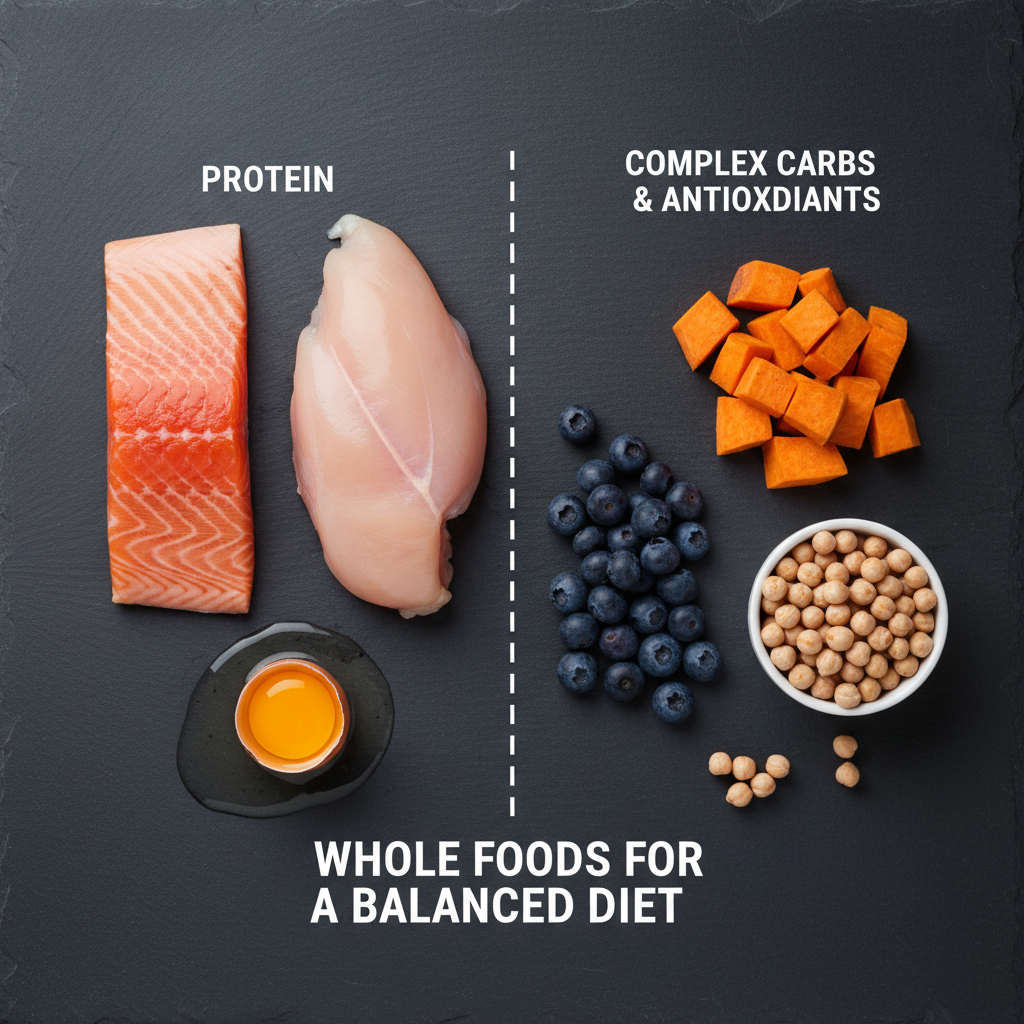
- Carbohydrates: Ditch the corn, wheat, and soy. These are common allergens and low-cost fillers. Instead, look for complex carbohydrates like sweet potatoes, chickpeas, or whole oats. These provide slow-release energy and valuable fiber for digestive health.
The Forensic Review: Top Commercial Foods for Rottweilers

The Forensic Review: Top Commercial Foods for Rottweilers
Now that we know the blueprint, let’s put some of the top-rated brands under the microscope. We will analyze them based on our strict criteria, focusing on what truly matters: the first five ingredients, cost-effectiveness, and overall formulation for a large, powerful breed.
Forensic Analysis: Orijen Original
- The ‘First 5 Ingredients’ Truth: Chicken, turkey, flounder, whole mackerel, chicken liver. This is an absolute powerhouse of fresh, deboned animal proteins. There are no corners cut here. It reads like a grocery list for a carnivore, which is exactly what your dog is.
- Rottweiler-Specific Benefits: Exceptionally high protein (38%) from multiple animal sources for superior muscle maintenance. Contains naturally occurring glucosamine from the high inclusion of cartilage and organ meats. Rich in Omega-3s from whole fish.
- Cost Per Day (approx. 100lb dog): $4.50 – $5.25. This is a premium, top-tier food, and the price reflects the quality and density of the ingredients.
- Recall Check: Orijen’s parent company, Champion Petfoods, has a strong track record with very few recalls, none of which have been for Orijen itself in the US.
- Hacker Verdict: The undisputed champion for those who want the absolute best and are willing to pay for it. The biological appropriateness of this formula is second to none for a muscular breed like a Rottweiler.
Forensic Analysis: Wellness CORE Large Breed
- The ‘First 5 Ingredients’ Truth: Deboned Chicken, Chicken Meal, Turkey Meal, Lentils, Peas. A very strong, protein-forward start with three distinct animal sources. Chicken meal and turkey meal are excellent, concentrated forms of protein.
- Rottweiler-Specific Benefits: This formula is specifically designed for large breeds. It has guaranteed levels of glucosamine (1200 mg/kg) and chondroitin (1200 mg/kg), which are robust amounts for joint protection. The calcium and phosphorus levels are also tightly controlled for skeletal health.
- Cost Per Day (approx. 100lb dog): $3.75 – $4.25. Still in the premium category, but slightly more accessible than Orijen while offering specific large-breed benefits.
- Recall Check: Wellness has had a few recalls over its long history, but the CORE line has maintained a good safety record. Always check for the most current information.
- Hacker Verdict: An outstanding, purpose-built formula for large breeds. It strikes an excellent balance between high-quality protein and potent, guaranteed levels of joint support supplements.
Hacker Tip: Don’t be afraid to rotate proteins. If your dog does well on the Wellness CORE chicken formula, try their fish or wild game formula next. This practice can help prevent the development of food sensitivities and provides a broader range of amino acids. It keeps your dog’s system robust and engaged.
The Comparison Matrix: Rottweiler Food Head-to-Head
The Comparison Matrix: Rottweiler Food Head-to-Head
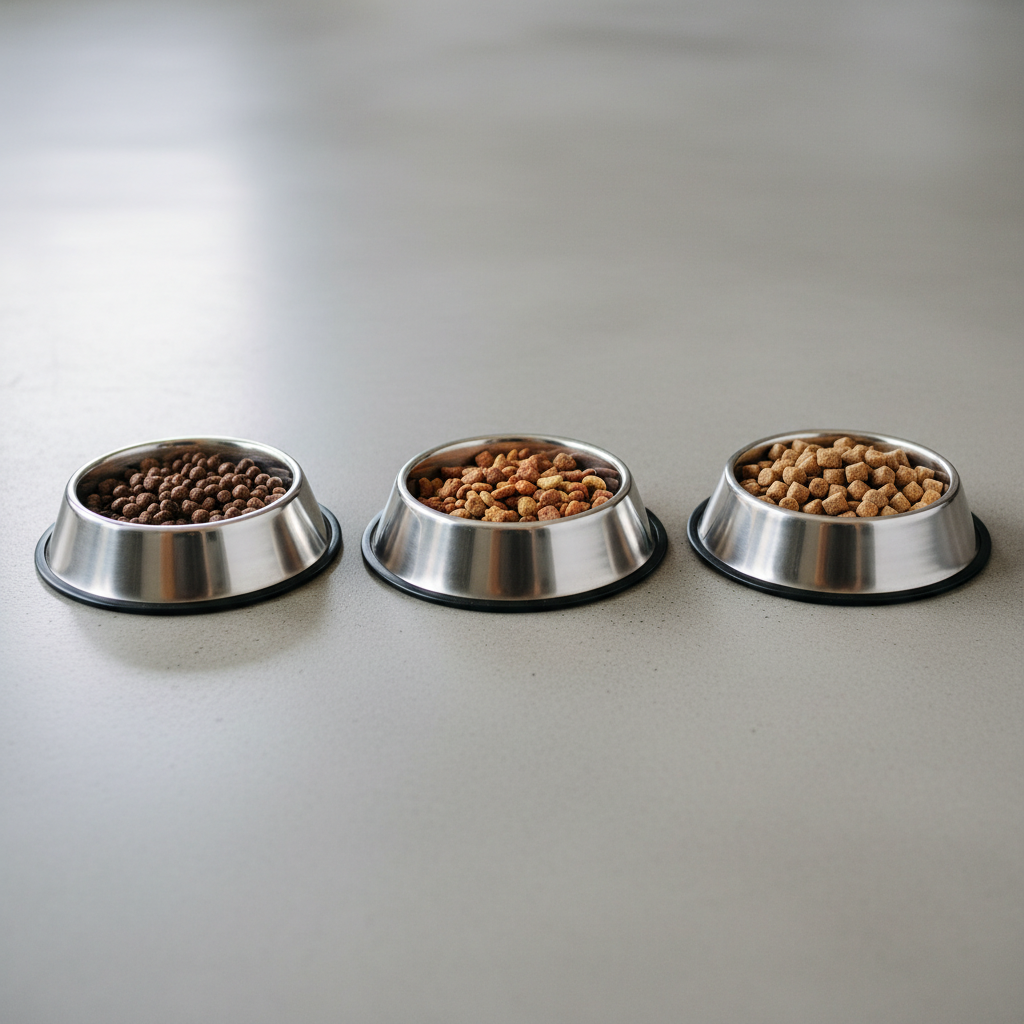
Data is power. A side-by-side comparison strips away the marketing and allows the numbers and ingredients to speak for themselves. This matrix breaks down our reviewed foods, plus another solid contender, to give you a clear, at-a-glance analysis for your decision-making process.
| Brand | Primary Protein Sources | Grain Status | Key Joint Support | Approx. Cost/Day (100lb dog) | Hacker Verdict |
|---|---|---|---|---|---|
| Orijen Original | Chicken, Turkey, Flounder, Mackerel | Grain-Free | Naturally Occurring from High Meat/Cartilage Content | $4.50 – $5.25 | The biological gold standard. Best for performance and muscle, if budget allows. |
| Wellness CORE Large Breed | Deboned Chicken, Chicken Meal, Turkey Meal | Grain-Free | Guaranteed Glucosamine & Chondroitin (1200 mg/kg) | $3.75 – $4.25 | Purpose-built for large breeds with potent, guaranteed joint support. Excellent balance of quality and specific formulation. |
| Taste of the Wild High Prairie | Water Buffalo, Lamb Meal, Chicken Meal | Grain-Free | Added Glucosamine & Chondroitin | $3.00 – $3.50 | Excellent value for a novel protein formula. Great for dogs with potential chicken sensitivities. |
| Blue Buffalo Wilderness Large Breed Chicken | Deboned Chicken, Chicken Meal, Pea Protein | Grain-Free | Added Glucosamine & Chondroitin | $3.25 – $3.75 | A popular choice, but watch for the ‘pea protein’ splitting. Still a solid option with good joint support. |
Red Flags: Ingredients and Formulas to Avoid
Red Flags: Ingredients and Formulas to Avoid
Knowing what to look for is only half the battle. You must also become an expert at spotting the ‘enemy ingredients’ and formulation traps that can compromise your Rottweiler’s health.
The Filler Hall of Shame
These ingredients provide cheap calories and little else. They are often linked to inflammation, allergies, and poor digestive health. If you see these high on the ingredient list, put the bag down.
- Corn / Corn Gluten Meal: A cheap, subsidized filler that is a common allergen and difficult for dogs to digest. It’s used to artificially inflate the protein percentage on the label.
- Wheat / Wheat Gluten: Another common allergen that offers minimal nutritional value and can cause digestive upset and skin issues.
- Soy / Soybean Meal: Often used as a cheap protein alternative, soy can interfere with thyroid function and cause significant gas and bloating—a particular concern for a breed already at risk for GDV.
- Animal By-Products: This is a vague, non-specific term that can include any part of an animal other than clean meat. The quality is wildly inconsistent and generally very low. Always look for named meat meals (e.g., ‘chicken meal’).
The Dangers of ‘All Life Stages’ Formulas
While convenient, an ‘All Life Stages’ food is often a poor choice for a Rottweiler puppy. These formulas are designed to meet the minimum requirements for a growing puppy, which can mean their calcium and phosphorus levels are too high for a large breed. This can accelerate growth, leading to painful and permanent joint and bone problems. Always choose a ‘Large Breed Puppy’ specific formula until your Rottweiler reaches skeletal maturity (around 18-24 months).
Insider Secret: Bloat, or Gastric Dilatation-Volvulus (GDV), is a life-threatening emergency that disproportionately affects deep-chested breeds like Rottweilers. While food choice is a factor (highly fermentable, low-quality ingredients can increase gas), feeding practices are critical. Use a slow-feeder bowl, raise the food and water dishes slightly, and never allow strenuous exercise for at least one hour before or after a meal. This is a non-negotiable rule for Rottweiler owners.
Conclusion
Choosing the right food for your Rottweiler is one of the most significant decisions you will make for their long-term health and happiness. It’s not about brand loyalty; it’s about nutritional science. Your mission is to become a forensic investigator of the ingredient panel. Prioritize high-quality, named animal proteins. Demand formulas fortified with glucosamine and chondroitin for joint integrity. Reject cheap fillers like corn, wheat, and soy that do more harm than good.
Investing in a premium, biologically appropriate diet is a direct investment in more years of health, vitality, and companionship with your magnificent Rottweiler. The power to build a resilient, thriving dog is, quite literally, in your hands and in their bowl. Use this guide, trust the data, and feed them for the powerful athletes they are.