Best Non-Greasy High Value Treats That Won’t Ruin Your Pockets
Let’s get one thing straight: the state of your pockets after a training session tells a story. If they’re stained with a greasy residue, you’re not just dealing with a laundry problem—you’re likely holding a low-quality, fat-laden dog treat. I’m the Canine Nutrition Hacker, and I treat ingredient labels like a crime scene. The pet food industry thrives on flashy packaging and clever marketing to disguise cheap, unhealthy fillers as premium rewards. They bet on you not looking past the smiling dog on the bag.
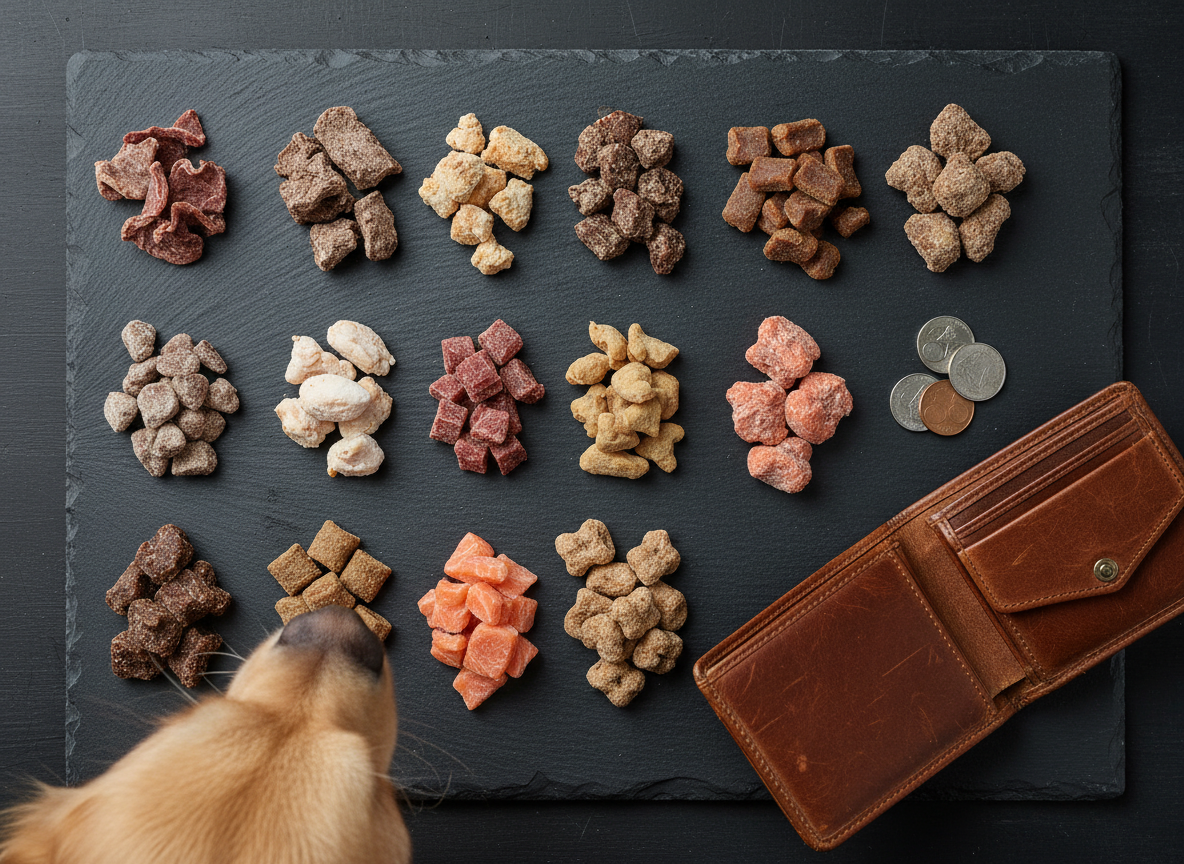
We’re here to change that. A ‘high-value’ treat isn’t just about taste; it’s about potent, pure motivation packed into a healthy, clean format. ‘Non-greasy’ isn’t a mere convenience; it’s a hallmark of quality processing, often indicating freeze-dried or dehydrated whole foods instead of products pumped with cheap, rendered fats. And ‘budget-friendly’ doesn’t mean cheap—it means smart. It’s about getting the most nutritional and motivational bang for your buck, without paying for corn, artificial colors, and marketing hype. This guide is your new playbook. We’re going to dissect what makes a treat truly superior, review the top contenders on the market, and even reveal the ultimate cost-saving hack that puts you in complete control. Prepare to become the expert your dog deserves.
The Anatomy of a High-Value, Non-Greasy Treat: What to Look For

Before you can spot a winner, you need to understand the game. The difference between a premium treat and a bag of junk science comes down to the ingredient list and the processing method. Forget the marketing claims on the front; the truth is always on the back, in the fine print.
The Ingredient Litmus Test
A truly high-value treat is built on a foundation of simplicity and quality. Your goal is to find treats with a short, recognizable ingredient list. Think of it as a checklist for excellence:
- Single-Source Protein: The first ingredient should be a named meat, poultry, or fish (e.g., beef liver, chicken breast, salmon). Vague terms like ‘meat by-products’ or ‘animal digest’ are massive red flags.
- Minimal Ingredients: The best treats often have only one or two ingredients. This minimizes the risk of allergens and ensures you’re paying for the good stuff, not fillers.
- Natural Preservatives: Look for preservatives like mixed tocopherols (a source of Vitamin E) or rosemary extract. Avoid chemical preservatives like BHA, BHT, and ethoxyquin, which are controversial and offer no nutritional value.
Processing Methods: The Non-Greasy Secret
Why are some treats greasy while others are clean and dry? It’s all in the preparation. Understanding these methods is key to finding your perfect treat.
- Freeze-Drying: This is the gold standard. The process removes moisture at a low temperature, preserving the cell structure and the vast majority of nutrients. The result is an incredibly lightweight, non-greasy, and intensely flavorful treat that dogs find irresistible.
- Dehydration: This method uses low heat over a long period to slowly remove water. It’s another excellent way to preserve meat, fruits, and vegetables without adding fats or chemicals. The resulting treats are shelf-stable and retain good nutritional value.
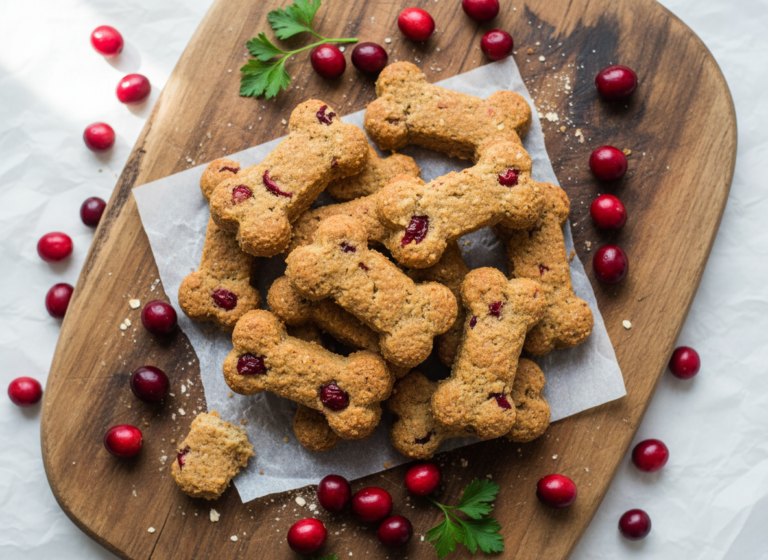
- Baking: Simple baking can produce clean, crunchy treats. The key is to ensure the recipe doesn’t include added fats, sugars, or chemical humectants (like propylene glycol) to keep them soft.
Insider Secret: If a treat is soft and moist yet shelf-stable for months, it’s almost guaranteed to contain chemical humectants like propylene glycol or vegetable glycerin. While glycerin can be benign in small amounts, propylene glycol is a controversial additive you’re better off avoiding. True quality doesn’t need these chemical tricks.
The Forensic Review: Top Commercial Non-Greasy Dog Treats

Now we put theory into practice. I’ve analyzed the market to find the top-tier, non-greasy treats that meet our strict criteria. We’ll dissect their ingredients, evaluate their cost-effectiveness, and deliver a final verdict. No marketing fluff, just facts.
Gold Standard: PureBites Freeze-Dried Beef Liver
- The First 5 Ingredients: 100% Pure USA Sourced & Made Human Grade Beef Liver. (That’s it. One ingredient.)
- Cost Analysis: A 4.4oz bag costs around $12. This seems expensive until you understand freeze-dried density. This bag contains hundreds of treats. The cost per treat is incredibly low, approximately $0.03 – $0.05 per treat.
- Recall Check: This brand has a strong safety record with no major recalls associated with its freeze-dried products.
- Hacker Verdict: This is as good as it gets for a commercial treat. It’s the definition of high-value and non-greasy. The single ingredient makes it perfect for dogs with allergies or sensitive stomachs. It’s the benchmark against which all others should be measured.
Mid-Tier Powerhouse: Zuke’s Mini Naturals
- The First 5 Ingredients: Salmon, Ground Rice, Ground Barley, Malted Barley, Vegetable Glycerin.
- Cost Analysis: A 16oz bag is about $14. These are small, soft treats designed for repetitive training rewards. Cost is approximately $0.02 per treat.
- Recall Check: Zuke’s has had recalls in its history, so due diligence is always recommended.
- Hacker Verdict: While not a single-ingredient product, Zuke’s offers a very popular and effective training treat. The salmon is a quality protein source. However, it contains grains and vegetable glycerin, which makes it ‘semi-moist’ and not truly ‘dry’. It’s a compromise for owners who need a softer texture, but it falls short of the purity of freeze-dried options. It’s a good tool, but not the nutritional pinnacle.
The Plant-Based Pick: Wholesome Pride Sweet Potato Chews
- The First 5 Ingredients: Dehydrated Sweet Potato. (Another single-ingredient winner.)
- Cost Analysis: An 8oz bag costs around $9. The cost per chew varies by size, but it offers excellent value, roughly $0.50 – $0.75 per chew.
- Recall Check: This brand maintains a clean safety record.
- Hacker Verdict: An outstanding non-meat option. Perfect for dogs with protein allergies or for owners looking to add more fiber to their dog’s diet. Dehydration makes them tough and chewy, which is great for dental health. They are completely non-greasy and shelf-stable. An excellent, budget-friendly choice.
| Brand | Primary Ingredient | Treat Type | Price Tier | Hacker Verdict |
|---|---|---|---|---|
| PureBites | Beef Liver | Freeze-Dried | Premium | Gold Standard. Unbeatable purity and value for training. |
| Zuke’s Mini Naturals | Salmon | Semi-Moist | Mid-Range | Effective Trainer. Good, but contains grains and glycerin. |
| Wholesome Pride | Sweet Potato | Dehydrated | Budget-Friendly | Top Plant-Based. Excellent for allergies and dental health. |
The Ultimate Budget Hack: DIY Non-Greasy Treats

Want to achieve premium quality for a fraction of the price? The single best way to control ingredients, quality, and cost is to make treats yourself. It’s far easier than you think and the savings are staggering. This is the ultimate Canine Nutrition Hacker move.
Safety Disclaimer
Important: These recipes are for supplemental feeding only. They are treats, not a complete and balanced diet. Always consult with your veterinarian or a board-certified veterinary nutritionist before making significant changes to your dog’s diet, especially if they have underlying health conditions.
The Real Cost Breakdown
Let’s compare making your own chicken jerky to buying a ‘premium’ bag at the store. The numbers don’t lie.
| Metric | DIY Chicken Jerky | Store-Bought Premium Jerky |
|---|---|---|
| Source Material | 1 lb Boneless, Skinless Chicken Breast | 4 oz Bag of Chicken Jerky Treats |
| Approximate Cost | $4.00 | $12.00 |
| Yield (Finished Product) | ~5 oz of pure chicken jerky | 4 oz of jerky (may contain fillers) |
| Cost Per Ounce | ~$0.80 / oz | $3.00 / oz |
| The Hacker’s Finding | You get more, for less, with 100% transparency. DIY is nearly 4x cheaper. | |
Actionable Recipe: Simple Oven-Baked Chicken Jerky
No dehydrator needed. Just your oven and some patience.
- Prep the Chicken: Start with 1-2 lbs of boneless, skinless chicken breast. Trimming any fat will help it dry better and last longer. For easier slicing, partially freeze the chicken for 30-60 minutes.
- Slice Thinly: Slice the chicken breast into uniform strips, no more than 1/4-inch thick. The thinner the slice, the faster it will dry.
- Arrange on Racks: Place the strips in a single layer on baking sheets fitted with wire cooling racks. The racks are crucial for allowing air to circulate around the chicken for even drying. Do not let the pieces touch.
- Low and Slow Bake: Set your oven to its lowest temperature, typically between 170-200°F (75-95°C). Prop the oven door open slightly with a wooden spoon to allow moisture to escape.
- Dry to Perfection: Bake for 3-4 hours. The jerky is done when it’s dry and tough. If you can bend it and it’s still soft, it needs more time. When it cracks but doesn’t snap, it’s perfect.
Hacker Tip: Store your homemade jerky in an airtight container in the refrigerator for up to two weeks. For long-term storage, freeze it. Because it contains no preservatives, it will not be shelf-stable like commercial products. This is a feature, not a bug—it’s a sign of a truly natural product.
Warning: The Greasy Imposters and Filler-Filled Frauds
Now that you know what to look for, it’s just as important to know what to avoid. The treat aisle is a minefield of products designed to appeal to you, not benefit your dog. These are the imposters you need to sidestep.
The ‘Semi-Moist’ Trap
Those soft, chewy treats that feel slightly damp or sticky are often the worst offenders. To achieve that texture without refrigeration, manufacturers rely on a cocktail of sugar, salt, and chemical humectants. Check the label for:
- Propylene Glycol: A chemical relative of antifreeze. While GRAS (Generally Recognized As Safe) by the FDA, it’s banned in cat food for a reason. There is no nutritional reason for it to be in your dog’s treats.
- Corn Syrup / Sugar: Dogs don’t need sugar. It contributes to obesity, dental problems, and metabolic stress. It’s used as a cheap binder and to make treats more palatable.
- Excessive Salt: Used as a preservative and flavor enhancer, high salt content can be dangerous, especially for dogs with heart or kidney issues.
The Mystery Meat Menace
Vague ingredient descriptions are a deliberate tactic to hide low-quality sources. Be extremely wary of any product that lists:
- ‘Meat and Bone Meal’: This is a rendered product that can come from a variety of sources, including diseased livestock. The quality is highly variable and impossible to verify.
- ‘Animal Fat’ or ‘Animal Digest’: Again, the lack of specificity is the problem. What animal? From where? Quality products will name the source, such as ‘Chicken Fat’.
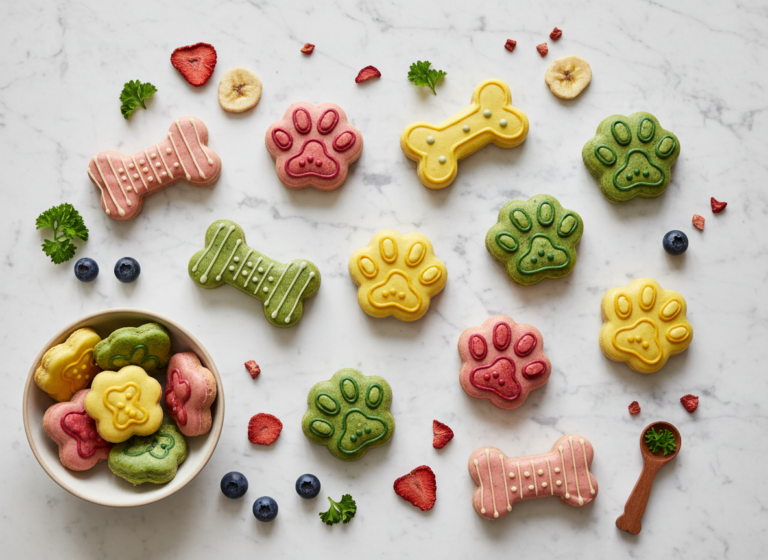
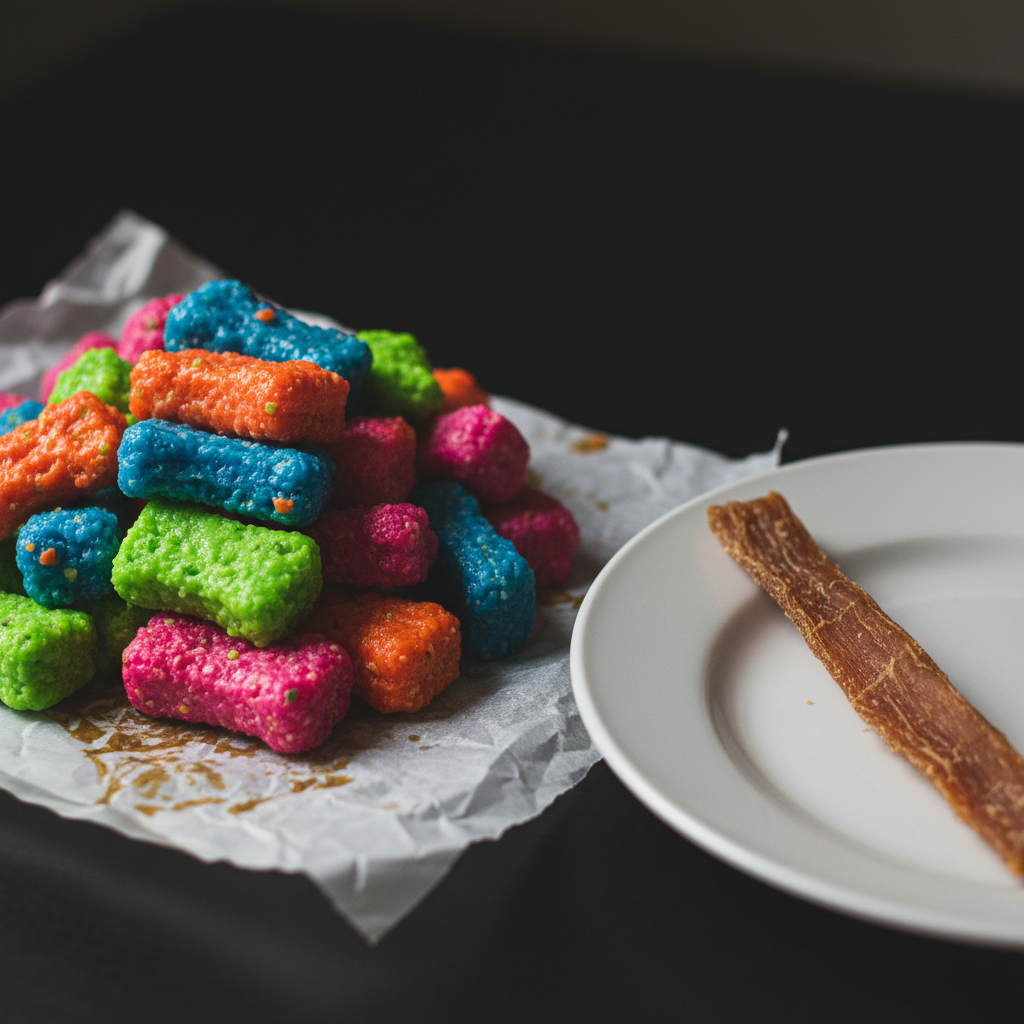
Insider Secret: Brightly colored treats (red, yellow, green) are a marketing gimmick for humans. Your dog does not care what color the treat is. These artificial colors, like Red 40 and Yellow 5, have been linked to hyperactivity and other health issues in both humans and animals. Always choose boring-looking treats. They are invariably healthier.
Ultimately, a greasy feel is often a symptom of these poor ingredients—added fats, oils, and glycerin used to bind together a mash of cheap grains and mystery meats. By choosing clean, dry, simple treats, you’re not just saving your pockets from stains; you’re protecting your dog from a host of unnecessary and potentially harmful additives.
Conclusion
You are now equipped with the knowledge to dismantle the marketing myths of the pet treat industry. The path to providing the best for your dog isn’t about spending the most money; it’s about being the most informed consumer. You understand that a non-greasy treat isn’t a luxury—it’s an indicator of superior ingredients and processing. You can now walk down the treat aisle with confidence, scanning ingredient lists like a forensic expert, instantly separating the high-value nutritional powerhouses from the filler-laden frauds.
Whether you choose the unmatched purity of freeze-dried single-ingredient treats, the convenience of a carefully selected commercial brand, or the ultimate control and value of making your own, you are in the driver’s seat. Your ability to read a label is your superpower. By prioritizing simple, recognizable ingredients, you will not only keep your pockets clean but also invest directly in your dog’s long-term health and happiness. That is the smartest hack of all.