Brood X Snacking: Can Dogs Safely Eat Cicadas?
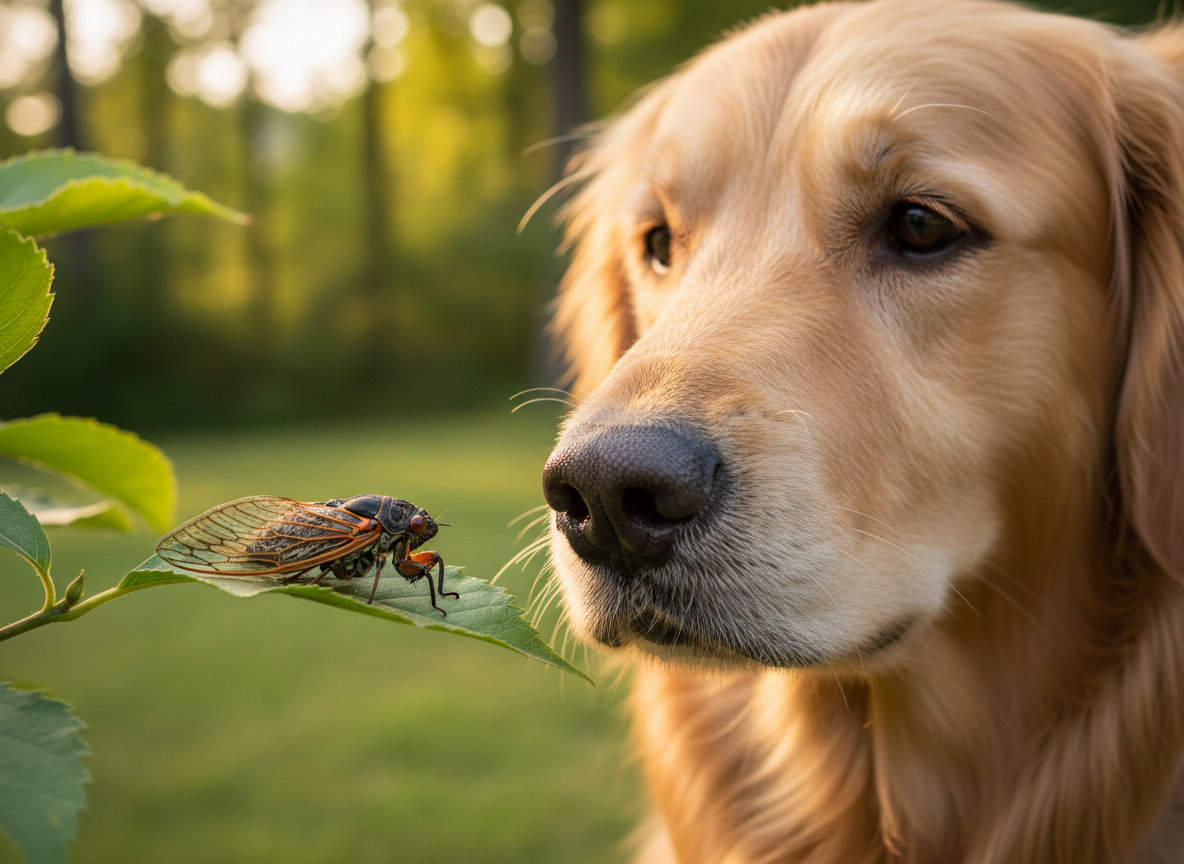
The unmistakable drone of the Brood X cicada swarm is the soundtrack of the season. For millions of us, it’s a fascinating natural phenomenon. For our dogs, it’s an all-you-can-eat buffet of crunchy, flying snacks. You’ve seen it: your dog, head tilted, suddenly lunging to snap a low-flying cicada out of the air. It might seem like harmless fun, but as The Canine Nutrition Hacker, I analyze everything that passes your dog’s lips. An ingredient is an ingredient, whether it comes from a bag or a tree branch. So, let’s cut through the online chatter and forensicly analyze this seasonal ‘treat.’ Is letting your dog snack on cicadas a benign enrichment activity, or are you exposing them to hidden dangers? This is your no-nonsense, authoritative guide to navigating the cicada emergence safely.
The Nutritional Profile of a Cicada: More Than Just a Bug?
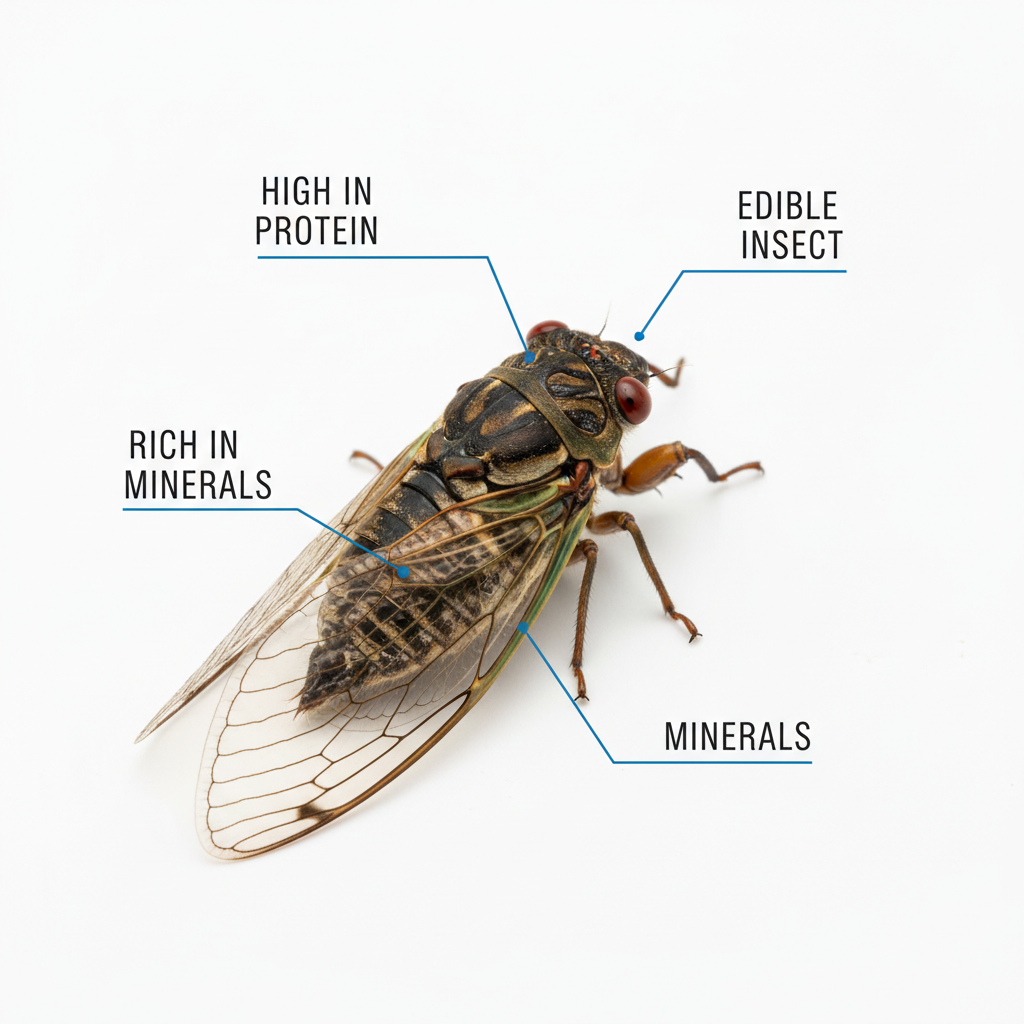
Before we can assess the risk, we must first understand the composition of what your dog is eating. Dismissing a cicada as just a ‘bug’ is an oversimplification. From a purely nutritional standpoint, these insects are surprisingly potent. They are often referred to by entomologists and adventurous foodies as ‘sky shrimp’ for a good reason—they are arthropods, just like shrimp and crabs, and share a similar nutritional makeup.
A Protein Powerhouse
The primary macronutrient in a cicada is protein. Depending on the species and life stage, cicadas can be composed of 40-60% protein by dry weight. This is a significant concentration, comparable to many traditional protein sources in commercial dog food. It’s a high-quality, complete protein, containing all the essential amino acids your dog needs for muscle development, tissue repair, and overall metabolic function. They are also naturally low in fat and carbohydrates, making them a lean source of this crucial nutrient.
Vitamins and Minerals
Beyond protein, cicadas contain a variety of micronutrients. They are a decent source of minerals like iron and zinc, which are vital for oxygen transport in the blood and immune system health, respectively. While not a replacement for a balanced diet, the occasional cicada does offer a small nutritional boost. However, it’s this very composition that leads us to the first major problem with their consumption by our canine companions.
The ‘Enemy’ Within: Analyzing the Risks of Cicada Consumption

While a cicada isn’t toxic in the way chocolate or xylitol is, ‘non-toxic’ does not mean ‘safe.’ The dangers of cicada snacking are mechanical, environmental, and biological. Here’s the forensic breakdown of the real risks you must consider.
The Chitin Conundrum: A Digestive Challenge
The biggest issue with cicadas is their exoskeleton. This tough, fibrous shell is made of chitin, a polysaccharide that is notoriously difficult for dogs to digest. While insects are a novel protein source, a dog’s digestive system is not optimized to break down large quantities of chitin. When a dog eats more than one or two, this indigestible material can cause significant gastrointestinal distress. Symptoms can range from mild discomfort, gas, and bloating to more severe issues like vomiting, diarrhea, and painful constipation. In worst-case scenarios, particularly in smaller dogs or those who gorge themselves, the accumulated chitin and hard body parts can form a solid mass, leading to a potentially life-threatening intestinal blockage requiring emergency surgery.
Pesticides and Environmental Toxins: The Hidden Danger
This is the risk that most owners overlook. Cicadas spend up to 17 years underground as nymphs, burrowing in the soil and feeding on tree roots. During this time, they act like tiny sponges, absorbing whatever is in their environment. If your lawn, or your neighbor’s lawn, has been treated with pesticides, herbicides, or fertilizers, those chemicals can accumulate in the cicadas’ bodies. When your dog eats them, they are ingesting a concentrated dose of these toxins. This can lead to poisoning, with symptoms ranging from drooling and tremors to seizures. It’s a game of Russian roulette, and you have no way of knowing which cicada is ‘clean’ and which is contaminated.
Choking and Allergies: Acute Physical Risks
The physical structure of a cicada presents a direct hazard. Their large, brittle wings and sharp leg parts can easily become lodged in a dog’s throat, creating a serious choking risk, especially for small breeds or dogs that tend to gulp their food without chewing properly. Furthermore, there’s the potential for an allergic reaction. Because cicadas are arthropods, dogs with a known or suspected shellfish allergy may exhibit a cross-reactive allergic response. This can manifest as skin hives, facial swelling, or even anaphylaxis in rare cases.
The Canine Nutrition Hacker’s Verdict: A Guideline for Cicada Season
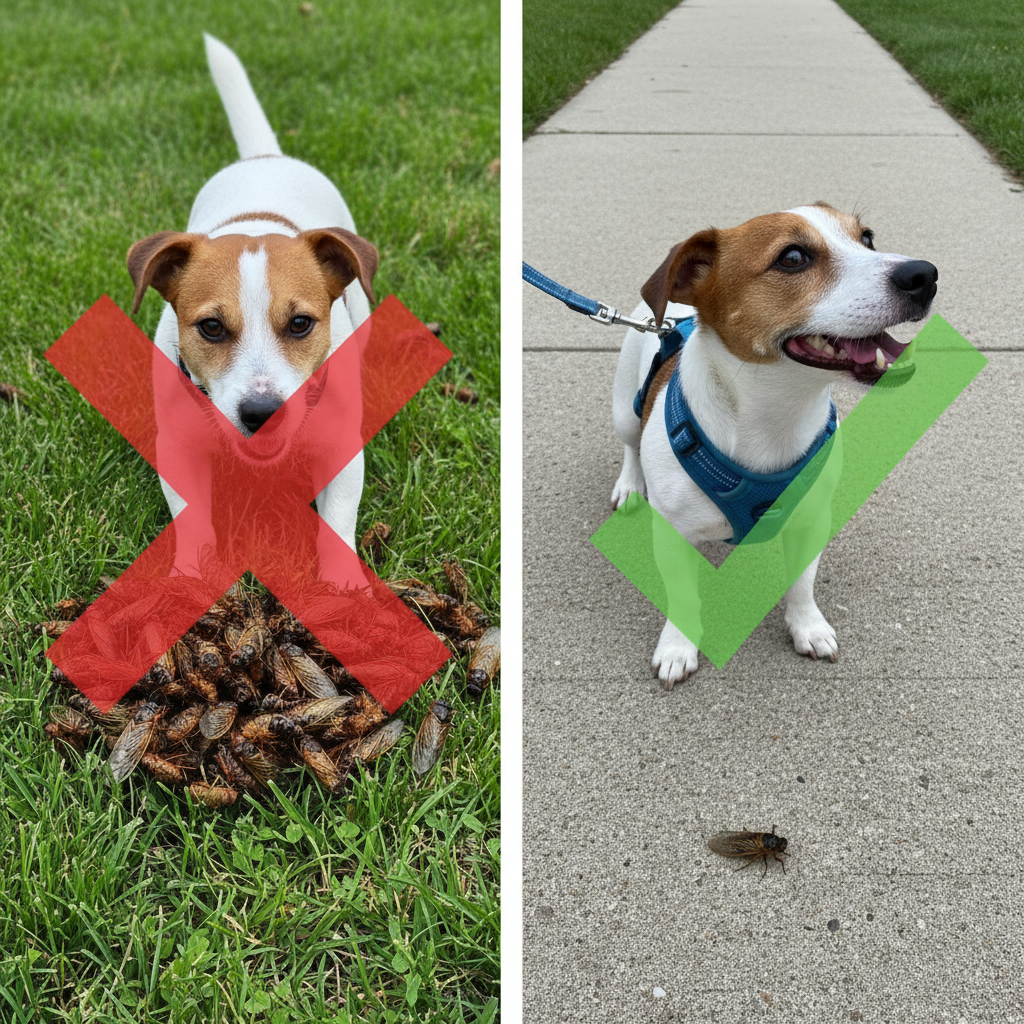
So, what’s the final verdict? Can dogs eat cicadas? The professional answer is that it should be actively discouraged. The risks, particularly from overconsumption and environmental toxins, far outweigh any minor nutritional benefits. Your dog already gets complete nutrition from their well-formulated food; they don’t need to forage for protein-rich bugs.
Insider Secret: A single, accidentally ingested cicada is unlikely to cause harm to a healthy, medium-to-large dog. The danger lies in frequency, quantity, and source. Your role is not to panic over one bug, but to manage the environment to prevent a feast.
Use this safety checklist to navigate cicada season like a pro:
- Strict Moderation: Do not permit your dog to treat cicadas as a recurring snack. The rule should be zero, but if an accident happens, one is better than ten.
- Source Awareness: The most important rule. Never let your dog eat cicadas in an area that has been treated with lawn chemicals. This includes your own yard, parks, and neighbors’ properties. Assume all urban/suburban areas are treated unless you know for a fact they are not.
- Active Supervision: During peak emergence, outdoor time should be supervised. Keep your dog on a leash, even in a fenced yard, to prevent them from gorging. Work on a solid ‘leave it’ command.
- Know Your Dog’s Risk Profile: Small breeds, puppies, senior dogs, and dogs with a history of sensitive stomachs or pancreatitis are at a much higher risk for complications. For these dogs, a zero-tolerance policy is essential.
- Clear the Area: Before letting your dog out, do a quick sweep of your patio or deck and remove any dead or dying cicadas that are easy to grab.
Protocol: What to Do If Your Dog Overindulges

Even with the best management, accidents can happen. If you discover your dog has eaten a significant number of cicadas, do not panic. Take methodical steps to assess the situation and respond appropriately.
Level 1: Monitor for Mild Symptoms
If your dog ate a handful of cicadas, the most likely outcome is mild gastrointestinal upset. Watch closely for the next 24-48 hours for these signs:
- Vomiting or retching
- Diarrhea
- Lethargy or sluggishness
- Loss of appetite
- Excessive gas or a bloated appearance
For mild cases, your vet may advise simply withholding their next meal to allow their digestive system to rest. Always provide access to fresh water. Do not give any over-the-counter human medications without explicit veterinary direction.
Level 2: When to Call the Vet Immediately
Certain symptoms are red flags that indicate a more serious problem requiring immediate veterinary intervention. Call your veterinarian or an emergency animal hospital right away if you observe any of the following:
- Signs of choking: Pawing at the mouth, gagging, difficulty breathing, blue-tinged gums.
- Signs of an allergic reaction: Swelling of the face, muzzle, or eyes; development of hives or welts on the skin.
- Signs of poisoning (from pesticides): Drooling, muscle tremors, stumbling, seizures.
- Signs of a blockage: Persistent, non-productive vomiting; extreme lethargy; refusal to eat or drink; obvious abdominal pain (hunched posture, whining when touched).
- Blood in vomit or stool.
Medical Disclaimer: This information is for educational purposes only and is not a substitute for professional veterinary advice. If you suspect your dog is ill, contact your veterinarian immediately. They can provide a proper diagnosis and treatment plan tailored to your dog’s specific needs.
Conclusion
Navigating the Brood X cicada emergence is another challenge in our responsibility as diligent pet owners. While these insects are a marvel of nature, they are not a safe or appropriate food source for our dogs. The core risks—gastrointestinal upset from chitin, potential for pesticide poisoning, and the physical danger of choking—are significant and real. The occasional, accidental ingestion of a single cicada may not be cause for alarm, but they should never be considered a ‘snack.’ Your job as a savvy owner, a true Canine Nutrition Hacker, is to control your dog’s intake by managing their environment. Supervise outdoor time, reinforce the ‘leave it’ command, and be aware of the chemical treatments used in your area. You are your dog’s primary line of defense against a crunchy, six-legged mistake. Stay vigilant, and keep your companion safe.