Ceramic vs. Stainless Steel: Which Dog Bowl is Safest?
Choosing a dog bowl seems like the simplest decision you’ll make as a pet owner. You pick a color, a size, and you’re done. But what if that simple choice was silently impacting your dog’s health every single day? The truth is, the material your dog eats and drinks from can be a source of chronic bacterial exposure or even toxic chemical leaching. This isn’t a scare tactic; it’s a reality that most owners overlook. The two most popular contenders in the ‘premium’ bowl category are ceramic and stainless steel. One offers aesthetic variety, the other a reputation for clinical hygiene. As the Canine Safety Hacker, my job is to look past the marketing and surface appeal to give you the unvarnished truth. We’re going to dissect these materials, expose their weaknesses, and deliver a final, authoritative verdict on which bowl is truly the safest for your dog.
The Unseen Dangers: Why Your Dog’s Bowl Matters More Than You Think

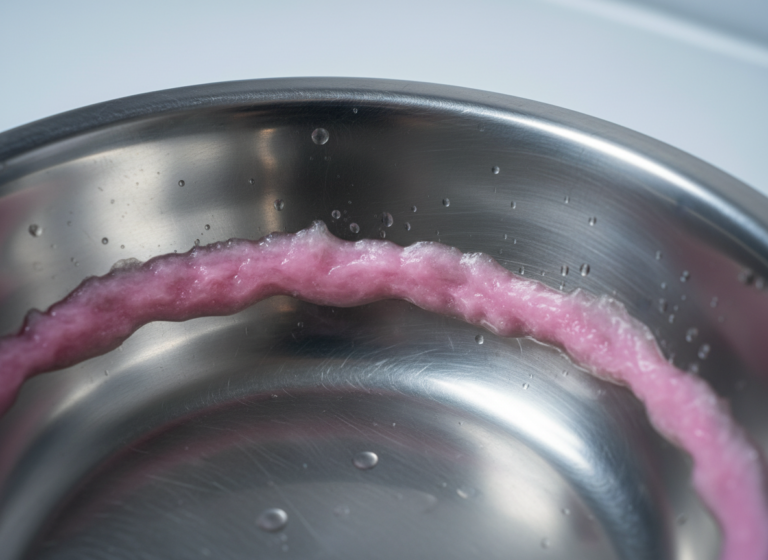
Before we compare materials, you need to understand the battlefield. Your dog’s bowl is a constant battleground against invisible threats. The primary enemy is a slimy, resilient substance called biofilm. This isn’t just leftover food; it’s a colony of microorganisms, including dangerous bacteria like E. coli, Salmonella, and Listeria, that attach themselves to a surface and create a protective matrix. Once a biofilm is established, it’s incredibly difficult to remove with a simple rinse.
The material of the bowl is the single most important factor in this battle. Porous surfaces, or surfaces with microscopic scratches and cracks, are perfect breeding grounds for biofilm. Bacteria lodge themselves in these imperfections, safe from soap and water, and multiply. Every time your dog eats or drinks, they are ingesting a dose of this bacterial soup, which can lead to gastrointestinal upset, dental issues, and other chronic health problems.
Beyond bacteria, there’s the risk of chemical contamination. This is particularly relevant for ceramic and plastic bowls. Glazes and plastics can contain harmful chemicals like lead, cadmium, and BPA. Over time, these toxins can leach from the bowl’s surface into your dog’s food and water, especially when exposed to acidic foods or repeated washing. The accumulation of these toxins can lead to severe long-term health consequences, including neurological damage and kidney failure. Your dog’s bowl isn’t just a dish; it’s a piece of health equipment that demands forensic-level scrutiny.
Forensic Analysis: Stainless Steel Under the Microscope
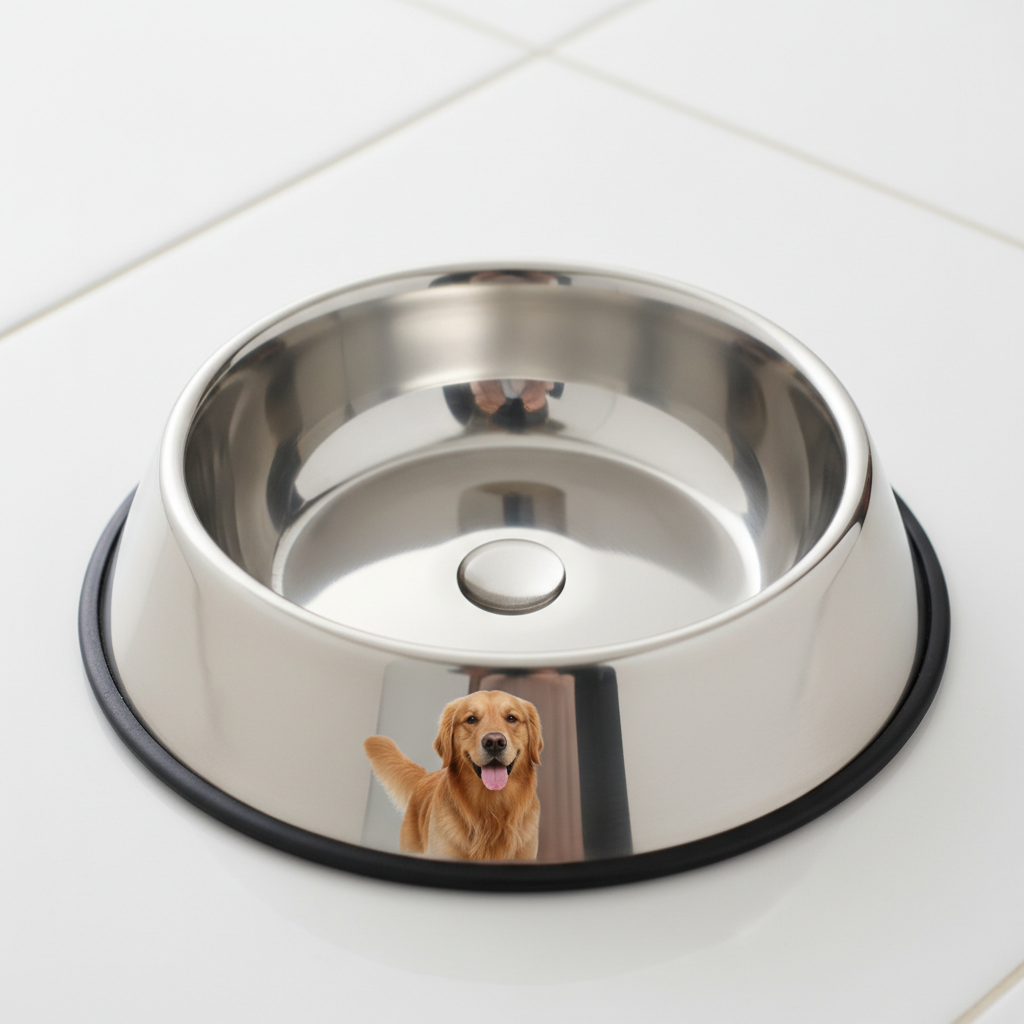
Stainless steel is often touted as the gold standard for pet bowls, and for good reason. From a purely scientific standpoint, its properties make it an ideal material for hygiene and safety. But not all steel is created equal, and understanding the details is critical.
The Pros: The Overwhelming Case for Steel
- Non-Porous Surface: This is the most significant advantage. High-quality stainless steel has a smooth, non-porous finish. There are no microscopic holes or crevices for bacteria to hide in. This makes the formation of biofilm extremely difficult and ensures that a simple wash can achieve true sanitization.
- Supreme Durability: Stainless steel is incredibly tough. It resists scratches from teeth and utensils, won’t crack if dropped, and is virtually chew-proof. This durability isn’t just about longevity; it’s about safety. A bowl that doesn’t scratch or crack maintains its non-porous integrity for life.
- Ease of Cleaning: Most stainless steel bowls are dishwasher-safe. The high temperatures and strong detergents of a dishwasher cycle will effectively sterilize the bowl, a level of clean that is difficult to achieve by hand.
- Chemically Inert: True, food-grade stainless steel does not react with food or water and does not leach chemicals. It’s a stable, safe material trusted in professional kitchens and medical facilities worldwide.
The Cons: The Critical Details You Cannot Ignore
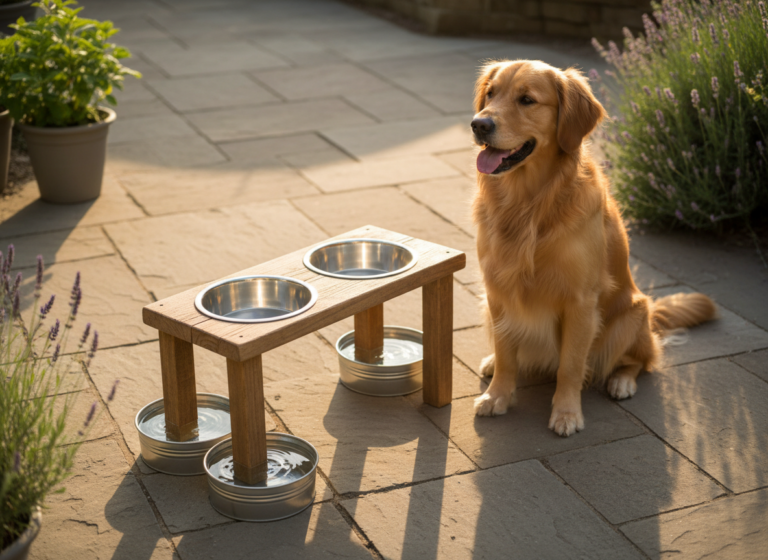
While the benefits are clear, there are crucial caveats. The biggest risk is purchasing a low-quality, non-food-grade product. You must look for food-grade 304 stainless steel, also known as 18/8 stainless steel. This designation refers to its composition of 18% chromium and 8% nickel, which gives it superior corrosion and rust resistance. Cheaper bowls may be made from lower grades that can rust over time, potentially leaching iron oxide and other unknown metals into your dog’s food. Other minor downsides include being lighter and more prone to sliding (easily solved with a rubber base) and a lack of aesthetic variety.
Hacker Tip: Always check the bottom of a stainless steel bowl for a stamp that says “304” or “18/8.” If it’s not marked, or if the price seems too good to be true, assume it’s an inferior grade. A few dollars saved is not worth the risk of rust and chemical leaching.
Forensic Analysis: Deconstructing the Ceramic Bowl
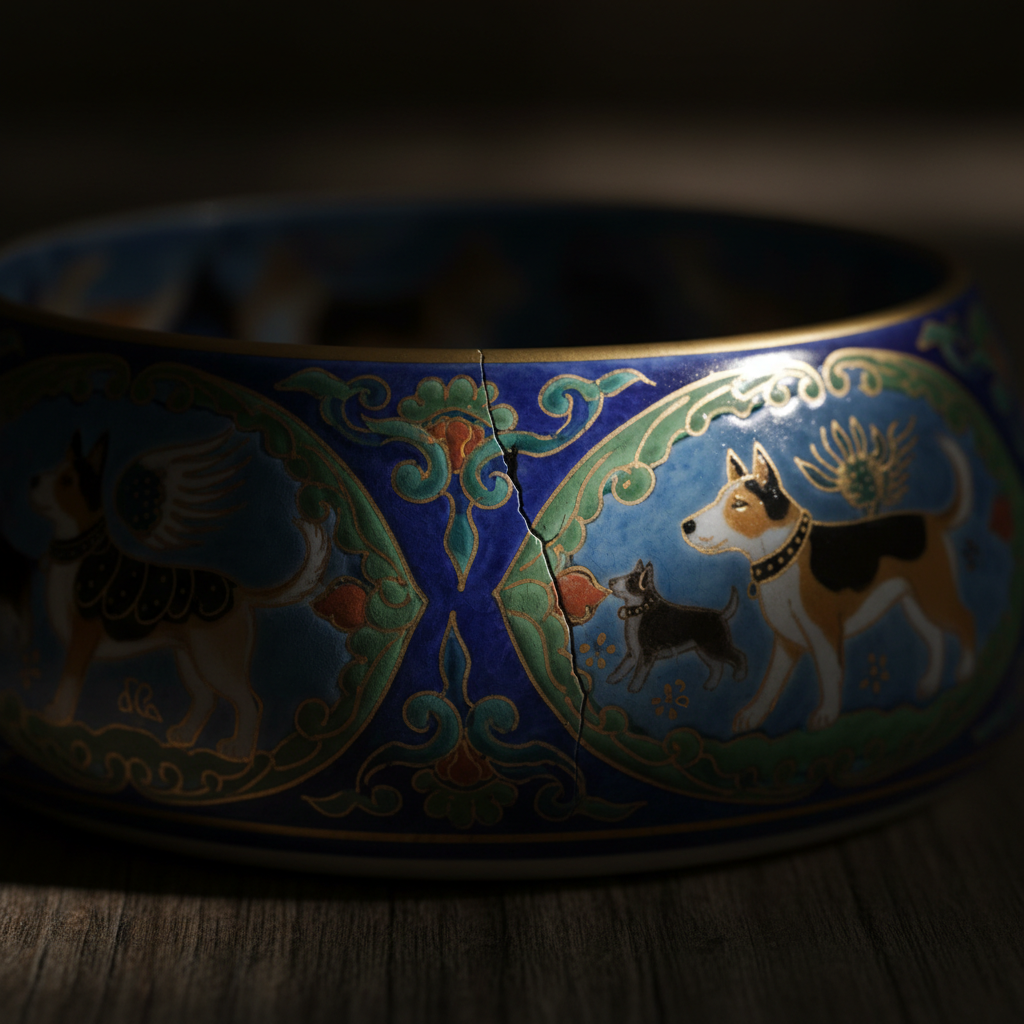
Ceramic bowls are the aesthetic choice. They come in endless colors, patterns, and handcrafted designs, allowing owners to match their pet’s accessories to their home decor. They are also heavy, which prevents many dogs from pushing them around the floor. However, beneath this attractive exterior lie significant potential risks that every owner needs to understand.
The Pros: Weight and Style
- Aesthetic Variety: Without a doubt, ceramic offers the most design flexibility. From minimalist stoneware to brightly painted pieces, there’s a ceramic bowl for every taste.
- Weight and Stability: The heft of a ceramic bowl makes it very stable. This is useful for enthusiastic eaters who tend to chase their bowls across the kitchen.
- Temperature Retention: Ceramic can help keep water cooler for longer periods compared to metal or plastic, which can be an advantage in warmer climates.
The Cons: The Glaze and Cracks Conceal Major Dangers
The primary safety concerns with ceramic bowls are twofold: the glaze and the material’s inherent fragility. The beautiful glaze that gives a ceramic bowl its color and shine can be a source of toxic heavy metals, specifically lead and cadmium. These substances are often used to create bright, vibrant colors. If the bowl is not fired at a high enough temperature for a sufficient amount of time, these toxins can leach from the glaze directly into your dog’s food. The risk is highest with bowls that are brightly colored (especially reds and oranges), handmade by artisans who may not follow strict safety protocols, or imported from countries with lax regulations.
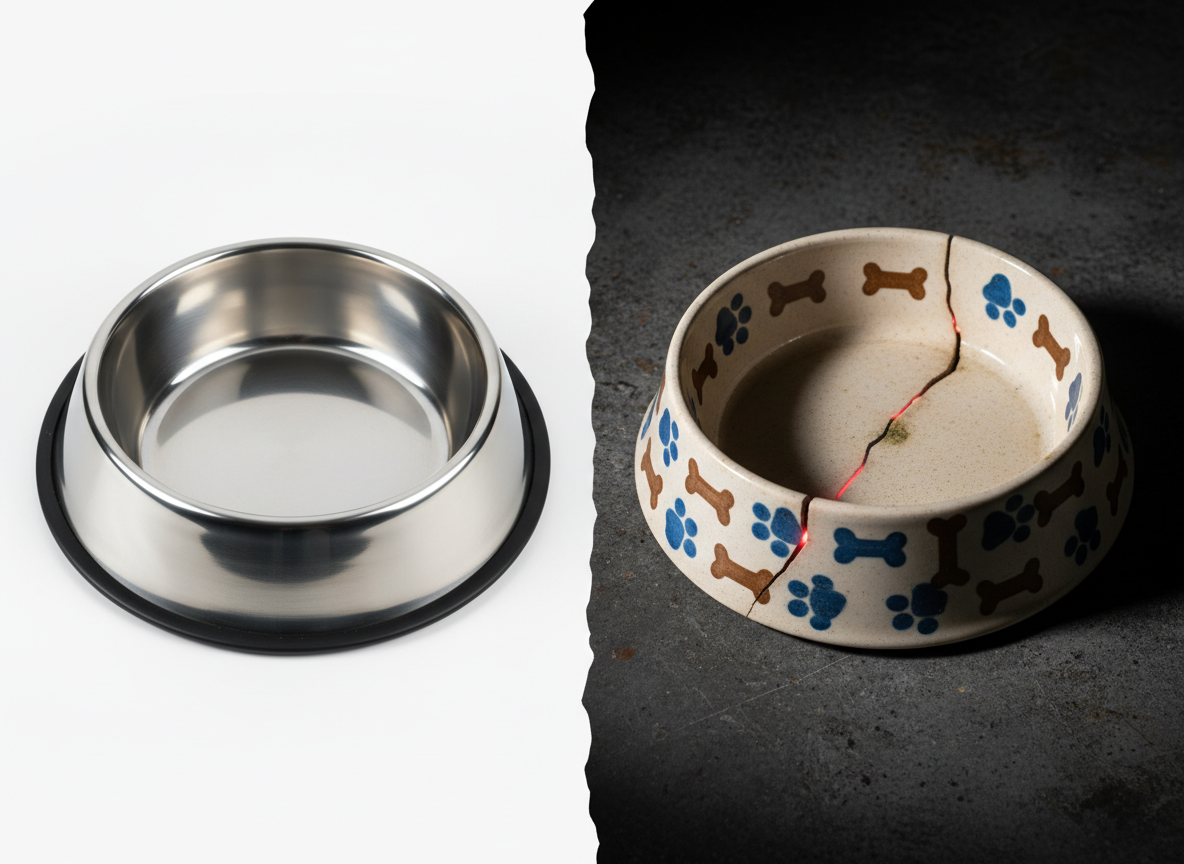
The second major flaw is fragility. Ceramic can chip and crack easily. Even a hairline crack, invisible to the naked eye, compromises the bowl’s safety. That crack becomes a porous trench, a perfect, protected environment for bacteria to colonize. You can wash the bowl daily, but you will never be able to fully sanitize the interior of that crack, creating a permanent biofilm factory. If a bowl suffers a larger chip or break, it not only becomes a bacterial hazard but also poses a risk of cutting your dog’s mouth or tongue.
Insider Secret: Do not trust a generic “food-safe” label on a ceramic bowl. This is often a meaningless marketing term. Demand proof. Look for brands that explicitly state their products are “Lead-Free” and “Cadmium-Free” and can provide third-party testing results. If you have any doubt about a current bowl, purchase a home lead test kit from a hardware store. Swab the bowl. The results may shock you.
The Head-to-Head Showdown: A Comparative Breakdown

To make the decision absolutely clear, let’s strip away the nuances and compare these two materials directly across the factors that matter most for your dog’s health and your peace of mind. This objective analysis removes aesthetics from the equation and focuses purely on function and safety.
| Safety & Usability Factor | Food-Grade (304/18-8) Stainless Steel | High-Quality, Certified Lead-Free Ceramic | The Undisputed Winner |
|---|---|---|---|
| Bacterial Resistance | Excellent. The non-porous surface is the most hygienic material available. | Good, but only when brand new and undamaged. Any chip or crack immediately compromises its safety. | Stainless Steel |
| Chemical Leaching Risk | Virtually zero. It is a stable, inert material. | Low to High. Entirely dependent on the quality of the glaze and firing process. A significant gamble. | Stainless Steel |
| Durability & Longevity | Excellent. Essentially indestructible under normal use. A lifetime product. | Poor. Prone to chipping from being dropped or even from utensils, rendering it unsafe. | Stainless Steel |
| Ease of Sanitization | Excellent. Can be sterilized effectively in a dishwasher or with boiling water without risk of damage. | Fair. Handwashing may not eliminate biofilm in micro-cracks. Not all are dishwasher-safe. | Stainless Steel |
| Weight & Stability | Fair. Lighter bowls may slide without a rubber base. | Excellent. The weight is a key feature, preventing movement. | Ceramic |
The data speaks for itself. While ceramic wins on stability and aesthetics, stainless steel dominates in every single category related to health and safety. When the primary question is “Which is safest?”, the answer becomes unequivocally clear.
Conclusion
The choice between ceramic and stainless steel is not merely a matter of style; it is a critical health decision. While a high-quality, certified lead-free ceramic bowl from a reputable manufacturer can be a safe option, it operates on a knife’s edge. Its safety is conditional, lasting only as long as its surface remains perfectly intact. The moment it sustains a chip or a crack, it transforms from a beautiful dish into a potential liability.
Food-grade 304 (18/8) stainless steel, on the other hand, offers unconditional safety. Its durability is its hygiene. Its non-porous nature is its defense. It is the only material that provides absolute peace of mind, day in and day out, for the lifetime of your pet. As a responsible pet owner, your priority must be to eliminate risks, especially hidden ones. Go to your dog’s feeding station right now. Inspect their bowls. If you see scratches, chips, or cracks, or if you don’t know for certain what material they are made of, it’s time for an immediate upgrade. Don’t compromise your dog’s health for aesthetics. Make the hacker’s choice: invest in food-grade stainless steel and ensure every meal is as safe as it is satisfying.