Cold Pressed vs. Extruded Dog Food: Which is Healthier?
Walk down any pet food aisle and you’re bombarded with marketing buzzwords: ‘grain-free,’ ‘all-natural,’ ‘human-grade.’ As The Canine Nutrition Hacker, I’m telling you to look past the noise. While ingredients are critical, they’re only half the story. The single most overlooked factor determining the nutritional value of your dog’s food is the manufacturing process. It’s the hidden variable that can render premium ingredients nearly useless.
The vast majority of dry dog food on the market—over 95%—is made through a process called extrusion. It’s fast, cheap, and creates a shelf-stable product. But it involves extreme heat and pressure that fundamentally alters the food’s nutritional profile. On the other side is a less common but rapidly growing method: cold-pressing. This gentle, low-temperature technique promises to preserve the integrity of the raw ingredients.
This isn’t just another pet blog post. This is a forensic analysis. We’re going to deconstruct both methods, expose the nutritional trade-offs, and run a cost-benefit analysis to determine which approach is truly healthier for your dog and smarter for your wallet. It’s time to stop buying the marketing and start understanding the science.
The Incumbent: Deconstructing High-Heat Extrusion
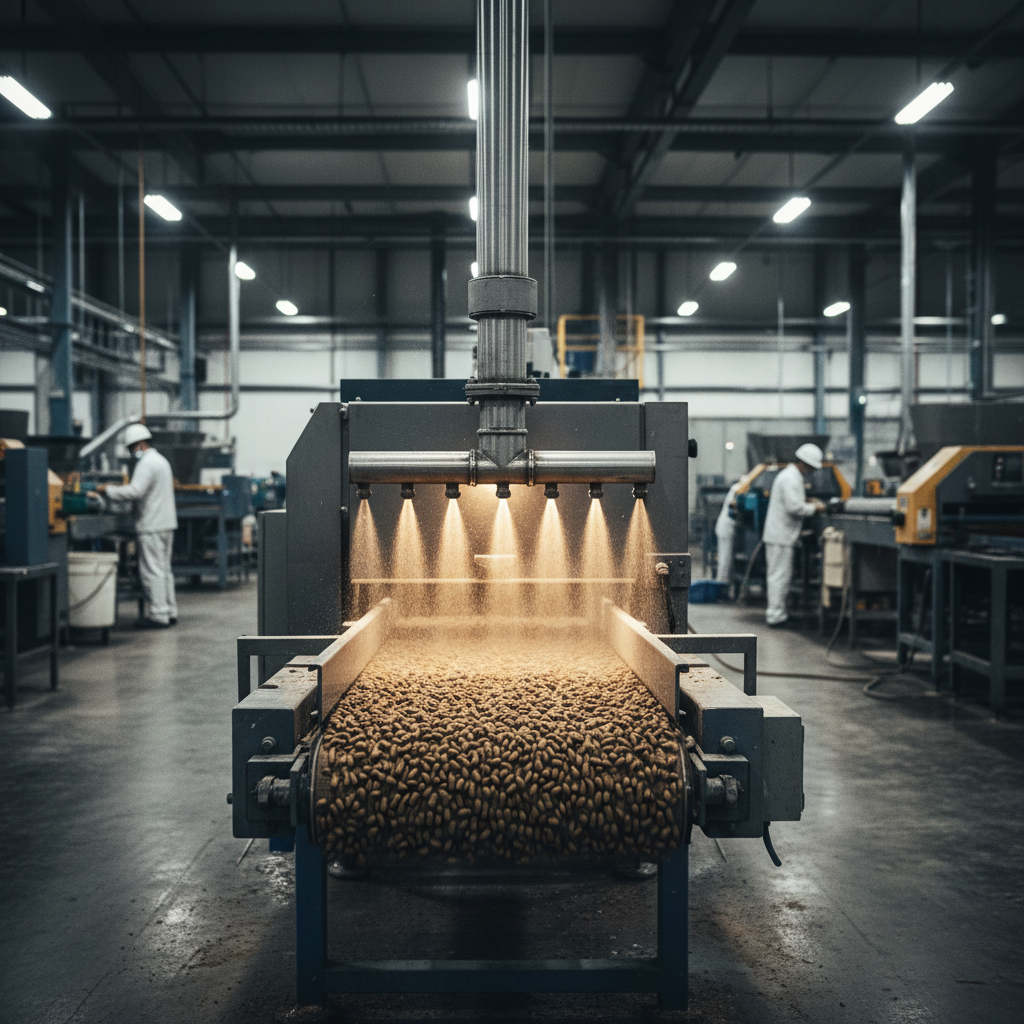
The Incumbent: Deconstructing High-Heat Extrusion
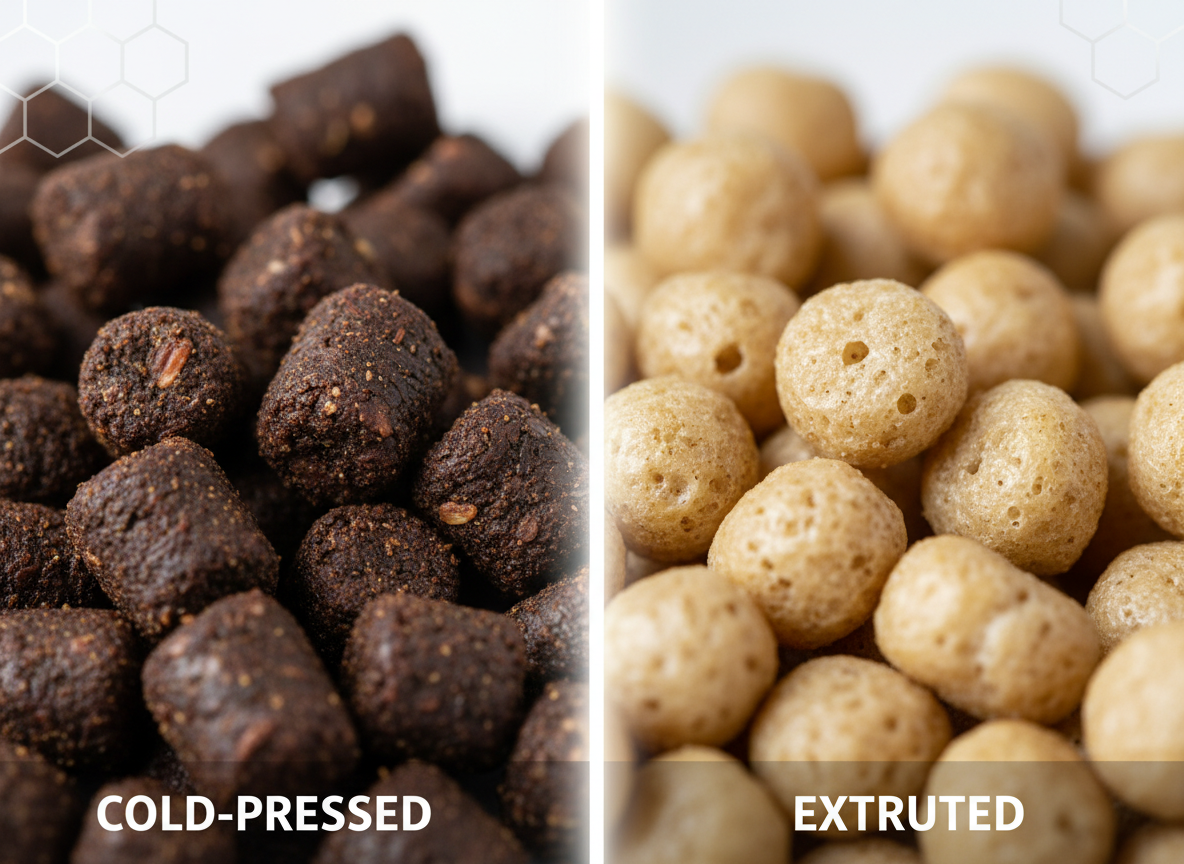
Extrusion is the undisputed king of the pet food industry. It’s a marvel of industrial efficiency, allowing manufacturers to produce massive quantities of kibble at a low cost. The process involves mixing ingredients into a dough, feeding it into an extruder, and subjecting it to extreme heat (up to 400°F / 200°C) and immense pressure. As the cooked dough is forced through a die, it expands or ‘puffs’ into the familiar kibble shapes before being dried and coated.
The Benefits of the Status Quo
From a manufacturer’s perspective, extrusion is a winning formula. The high temperatures effectively kill off potential pathogens like Salmonella and E. coli, creating a sterile product with a long shelf life. This process also gelatinizes starches, making carbohydrate-heavy formulas (often using cheap fillers like corn and wheat) easier for dogs to digest. These are the selling points, but as a nutrition hacker, we must look at the hidden costs.
The Nutritional Compromise
The same intense heat that provides sterility also wreaks havoc on the food’s nutritional content. This isn’t a minor issue; it’s a fundamental flaw.
- Nutrient Annihilation: Heat-sensitive vitamins, particularly B-complex vitamins and Vitamin C, are significantly degraded. Essential fatty acids (like Omega-3s) and antioxidants, crucial for fighting inflammation and cellular damage, are also compromised.
- Protein Denaturation: The high temperatures alter the molecular structure of proteins. While this doesn’t remove the protein, it can make it less bioavailable, meaning your dog’s body may struggle to absorb and utilize the amino acids effectively. For some dogs, this can lead to digestive upset or a dull coat, even on a ‘high-protein’ diet.
- The ‘Spray-On’ Solution: Manufacturers know this. Their solution is to spray the finished, sterile kibble with a coating of fats, flavor enhancers (animal digests), and a pre-mixed packet of synthetic vitamins and minerals to meet AAFCO standards. You’re not feeding your dog nutrient-rich food; you’re feeding them a cooked-to-death carrier pellet that has had nutrients artificially added back.
Insider Secret: If you see a long list of chemical-sounding vitamin names (e.g., pyridoxine hydrochloride, calcium pantothenate) and a short list of whole food ingredients on the label, it’s a red flag. It indicates that the original nutrients were likely destroyed during processing and replaced with a synthetic pack.
The Challenger: The Truth About Cold-Pressed Food
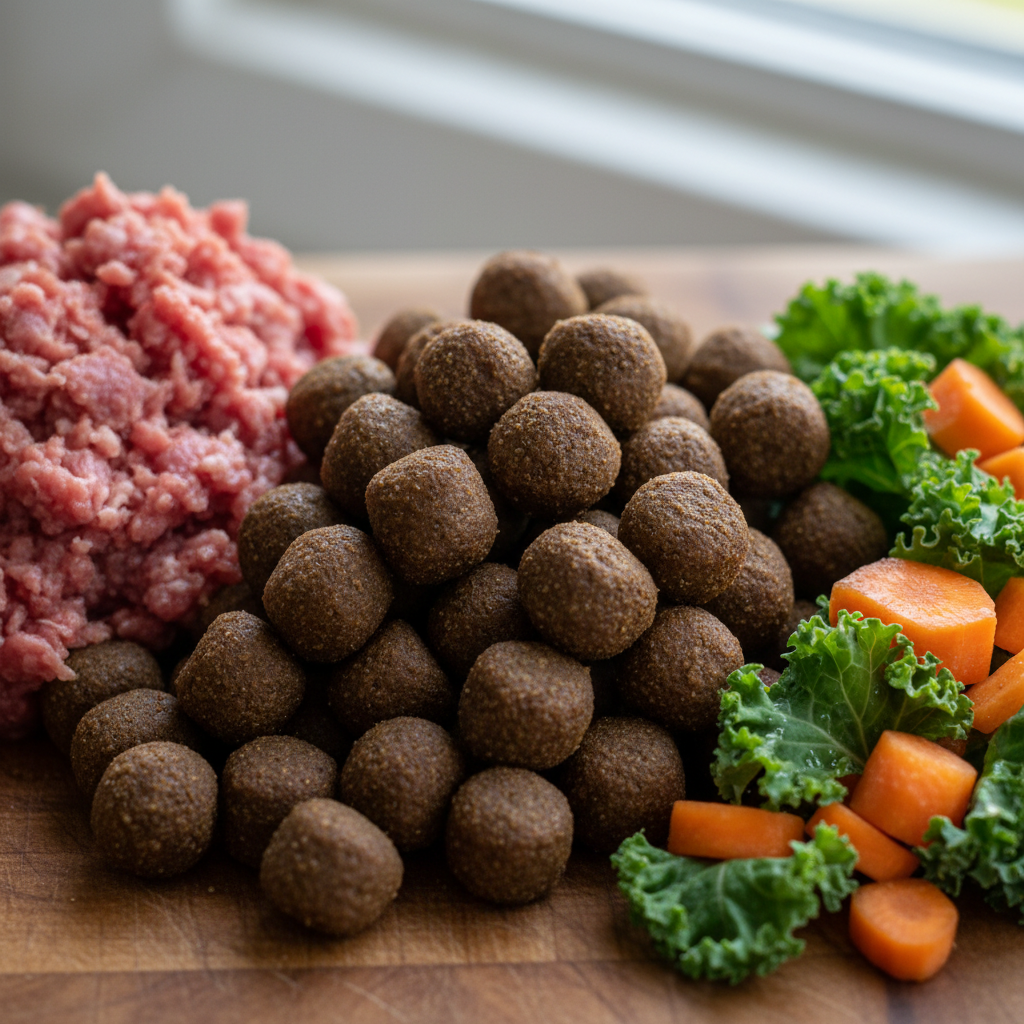
The Challenger: The Truth About Cold-Pressed Food
Cold-pressing is the antithesis of extrusion. As the name implies, this method avoids high heat entirely. Ingredients are first ground into a fine powder, mixed, and then gently pressed through a die at very low temperatures, typically between 113°F and 176°F (45°C – 80°C). The friction of the process creates just enough warmth to bind the food into dense, pellet-like pieces.
The Nutritional Advantage
By sidestepping extreme heat, cold-pressing offers a clear nutritional advantage. The core philosophy is to preserve the ingredients in a state as close to natural as possible.
- Maximum Nutrient Retention: The gentle process protects the heat-sensitive vitamins, minerals, and antioxidants found naturally in the whole food ingredients. This means the nutrition comes from the food itself, not from a synthetic spray-on coating.
- Superior Bioavailability: Proteins and fats are not denatured, maintaining their original structure. This makes them significantly easier for a dog’s digestive system to recognize, break down, and absorb. The result is often smaller, firmer stools—a clear sign of efficient digestion.
- Stomach-Friendly Breakdown: Unlike extruded kibble, which can swell with moisture in the stomach (a potential risk factor for bloat, especially in deep-chested breeds), cold-pressed pellets break down gently from the outside in. They dissolve rather than expand, reducing gastric distress.
The Practical Downsides
If cold-pressing is so superior, why isn’t it the industry standard? The answer lies in logistics and cost.
- Shorter Shelf Life: Without the sterilizing effect of high heat, cold-pressed foods are more perishable. They typically have a shelf life of around 6-12 months, compared to the 18-24 months of extruded kibble.
- Higher Price Point: The process is slower and requires higher-quality ingredients to start with (since you can’t rely on artificial flavors to make it palatable). This translates to a higher cost per bag.
- Limited Availability: You’re less likely to find cold-pressed options at a big-box supermarket. They are more common in boutique pet stores or through online direct-to-consumer brands.
The Forensic Showdown: A Head-to-Head Comparison
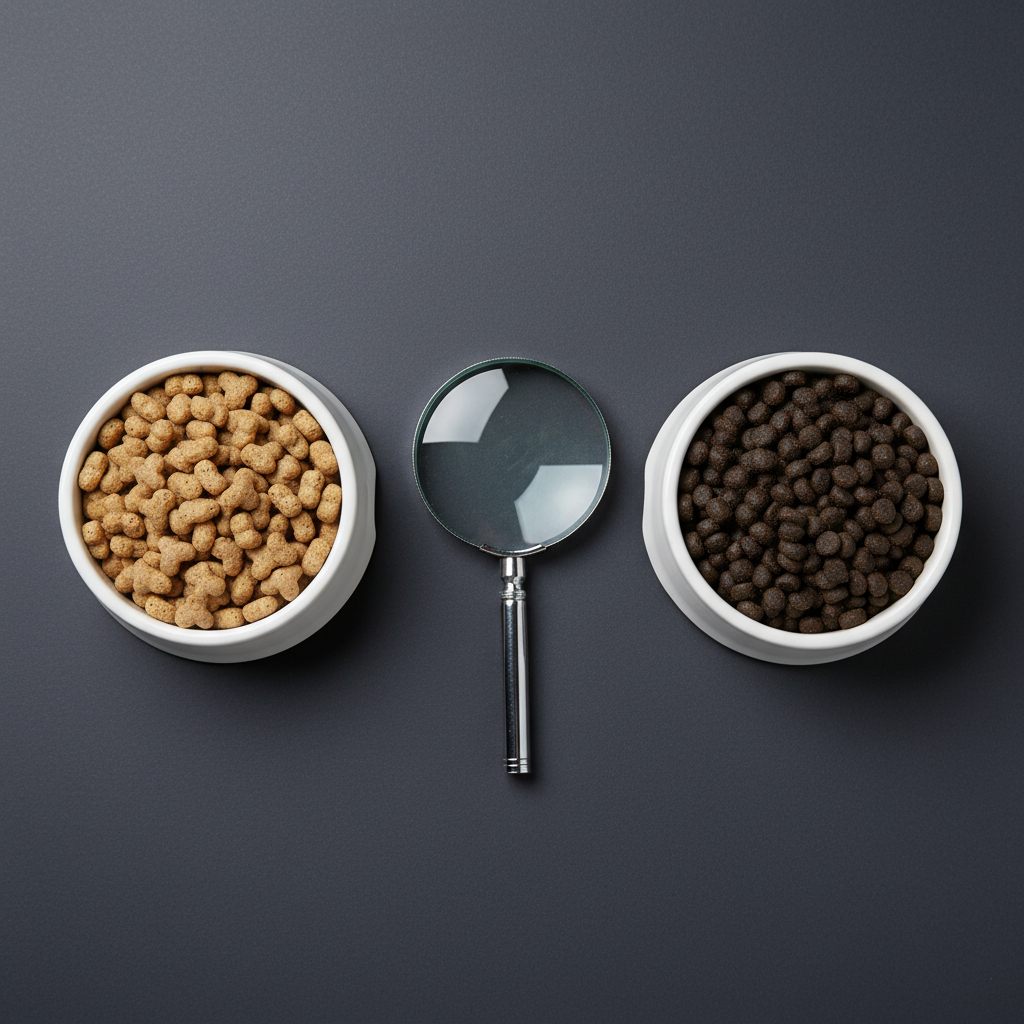
The Forensic Showdown: A Head-to-Head Comparison
To make an informed decision, we need to strip away the marketing and compare these two methods on the metrics that matter most for your dog’s health and your peace of mind. This table provides a clear, no-nonsense breakdown of the core differences.
| Metric | Extruded Kibble (High-Heat) | Cold-Pressed Food (Low-Heat) |
|---|---|---|
| Processing Temperature | Extremely High (up to 400°F / 200°C) | Very Low (113°F – 176°F / 45°C – 80°C) |
| Nutrient Integrity | Poor. Heat-sensitive vitamins, enzymes, and fats are degraded or destroyed. | Excellent. Natural nutrients from raw ingredients are preserved. |
| Protein Bioavailability | Compromised. Proteins are denatured by heat, potentially reducing digestibility. | High. Proteins remain in their natural state for easier absorption. |
| Primary Nutrient Source | Relies on a synthetic vitamin/mineral pack sprayed on after cooking. | Nutrients are derived directly from the whole food ingredients. |
| Digestibility & Stomach Action | Swells in the stomach, which can increase the risk of bloat. Higher potential for digestive upset. | Breaks down and dissolves gently, reducing gastric load and bloat risk. |
| Shelf Life | Very Long (18-24 months) due to high-heat sterilization. | Shorter (6-12 months) due to the absence of high heat. |
| Cost Tier | Low to High. Generally more affordable due to efficient mass production. | Mid to Premium. Higher cost due to slower processing and ingredient quality. |
| The Hacker’s Verdict | A convenient, budget-friendly option whose nutritional value is fundamentally compromised by its manufacturing process. Buyer beware of the ‘spray-on’ solution. | A nutritionally superior option that delivers more bioavailable nutrients per bite. The smarter investment for long-term health. |
Hacker Tip: When transitioning foods, especially to a denser food like cold-pressed, always do it slowly over 7-10 days. Start with 25% new food and 75% old, gradually increasing the ratio. This allows your dog’s digestive system to adapt to the higher nutrient load and different texture, preventing stomach upset.
Cost Analysis: Hacking Your Budget for Better Nutrition

Cost Analysis: Hacking Your Budget for Better Nutrition
The price tag is often the deciding factor for many pet owners, and on the surface, cold-pressed food looks significantly more expensive. But as a nutrition hacker, you know the sticker price is only part of the equation. We need to analyze the ‘true cost’ of feeding your dog.
Cost Per Day Breakdown
Let’s run the numbers for a hypothetical 50lb moderately active dog. These are estimates, but they illustrate the typical price gap.
- Mid-Tier Extruded Kibble: A 30lb bag might cost $65 and last approximately 40 days. This breaks down to roughly $1.63 per day.
- Premium Cold-Pressed Food: A 25lb bag might cost $85 and last approximately 35 days (due to higher density, feeding amounts are often lower). This breaks down to roughly $2.43 per day.
Yes, the daily cost is higher. But the analysis doesn’t end there.
The Hidden Savings Argument: Investing in Health
Viewing higher-quality food as an expense is a mistake. It’s an investment in your dog’s long-term health, and it can pay significant dividends.
- Feed Less, Get More: Because cold-pressed food is more nutrient-dense and bioavailable, you often need to feed 10-25% less by volume compared to a lower-quality extruded food. This slightly closes the daily cost gap.
- Reduced Vet Bills: This is the most critical factor. Poor nutrition is a leading cause of chronic health issues in dogs, including skin allergies, digestive problems (like IBD), pancreatitis, and joint inflammation. A highly digestible, less processed diet can mitigate these issues. Saving $0.80 per day on food is a false economy if it leads to a $1,000 vet bill for allergy testing and prescription diets down the line.
- Improved Vitality: The anecdotal evidence from owners who switch is overwhelming: shinier coats, more consistent energy levels, healthier skin, and better digestion. These aren’t just cosmetic benefits; they are signs of a thriving animal.
Hacker Tip: Can’t afford a full switch to cold-pressed? Don’t let perfect be the enemy of good. Try using cold-pressed food as a ‘topper’ on your existing kibble. Even adding 25% cold-pressed food to each meal can provide a significant boost in bioavailable nutrients without breaking the bank.
Conclusion
The Final Verdict: Process Over Promises
The debate between cold-pressed and extruded dog food isn’t about which one is ‘bad.’ It’s about understanding the fundamental trade-offs. Extruded kibble trades nutritional integrity for shelf stability and low cost. Cold-pressed food prioritizes nutritional value at the expense of convenience and price.
As The Canine Nutrition Hacker, my analysis is clear: the gentle, low-heat method of cold-pressing is unequivocally superior for preserving the bioavailability of nutrients. It delivers a product that is easier to digest, richer in natural vitamins and enzymes, and more aligned with a canine’s biological needs. While the upfront cost is higher, the potential long-term savings in vet bills and the priceless benefit of a healthier, more vibrant companion make it a powerful investment.
Your dog’s health is built meal by meal. The next time you shop for food, I challenge you to look beyond the clever marketing on the front of the bag. Think about the heat, the pressure, and the process. Ask yourself if you’re buying a bag of whole nutrition or a bag of cooked-to-death pellets with a synthetic vitamin spray. The choice you make has a profound impact on your dog’s well-being. Choose wisely.