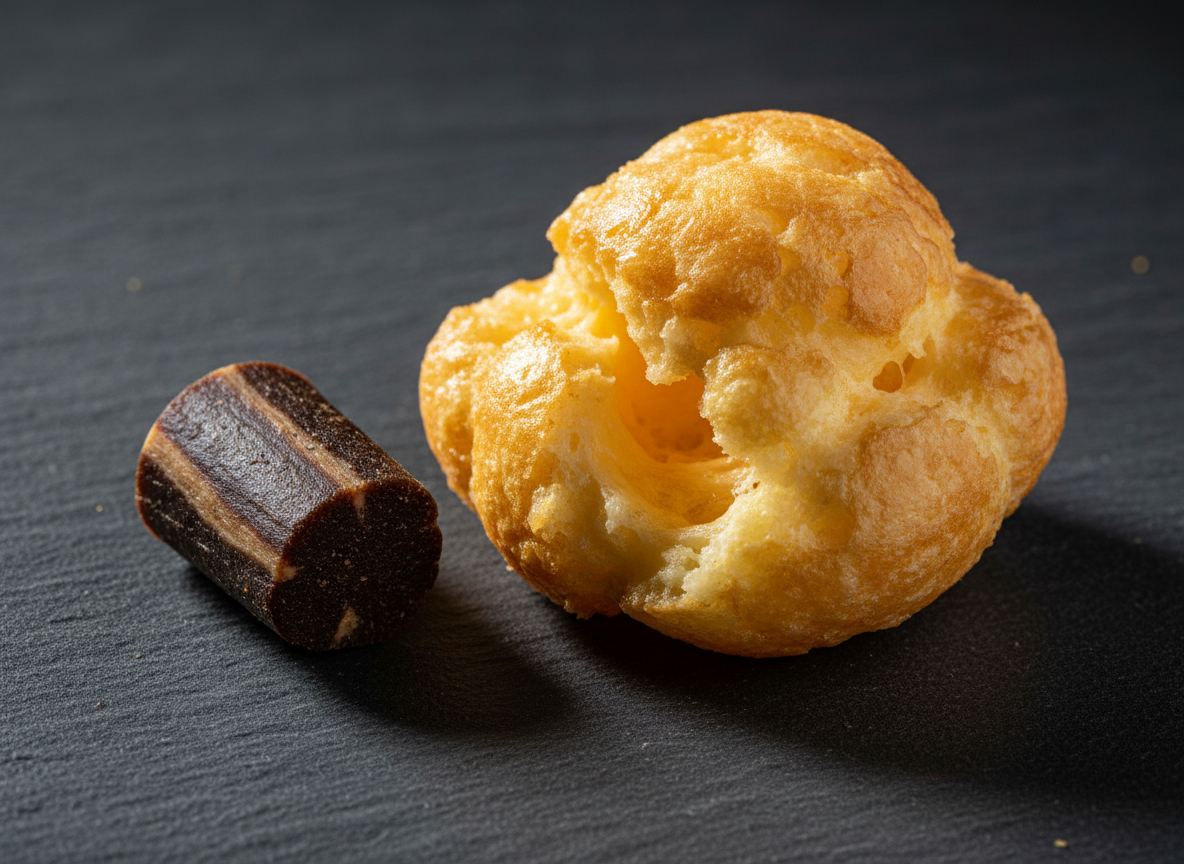
Don’t Toss It! How to Puff Yak Cheese Nuggets in the Microwave
Every savvy dog owner who invests in premium, long-lasting chews like yak cheese knows the routine. Your dog enjoys days, maybe even weeks, of dedicated chewing, and then you’re left with it: the final, stubby inch. It’s too small for safe chewing, presenting a clear and present choking or intestinal blockage danger. Most owners, guided by caution, throw this expensive remnant away. That’s a mistake. You are not just tossing a scrap; you’re discarding a perfectly good, nutrient-dense treat. This guide will expose the insider technique to safely reclaim that value.
We are going to transform that dangerous leftover nub into a crunchy, delicious, and entirely new treat experience for your dog. This isn’t just about reducing waste; it’s about hacking the products you already buy to maximize their value and your dog’s enrichment. Forget buying expensive, pre-puffed cheese treats. The secret is already in your kitchen: the microwave.
SAFETY DISCLAIMER: A Canine Nutrition Hacker’s First Principle
Before we proceed, a critical warning must be issued. The information provided here is for educational purposes and is based on established best practices. I am not a veterinarian. The process described involves heating items to extreme temperatures. The resulting puffed treat MUST be allowed to cool completely before being given to your dog to prevent severe mouth burns. Always supervise your dog with any chew or treat. When in doubt about any food item, consult with your trusted veterinary professional. Your dog’s safety is the absolute, non-negotiable priority.
The Yak Chew Endgame: Deconstructing the Hazard and the Hidden Value
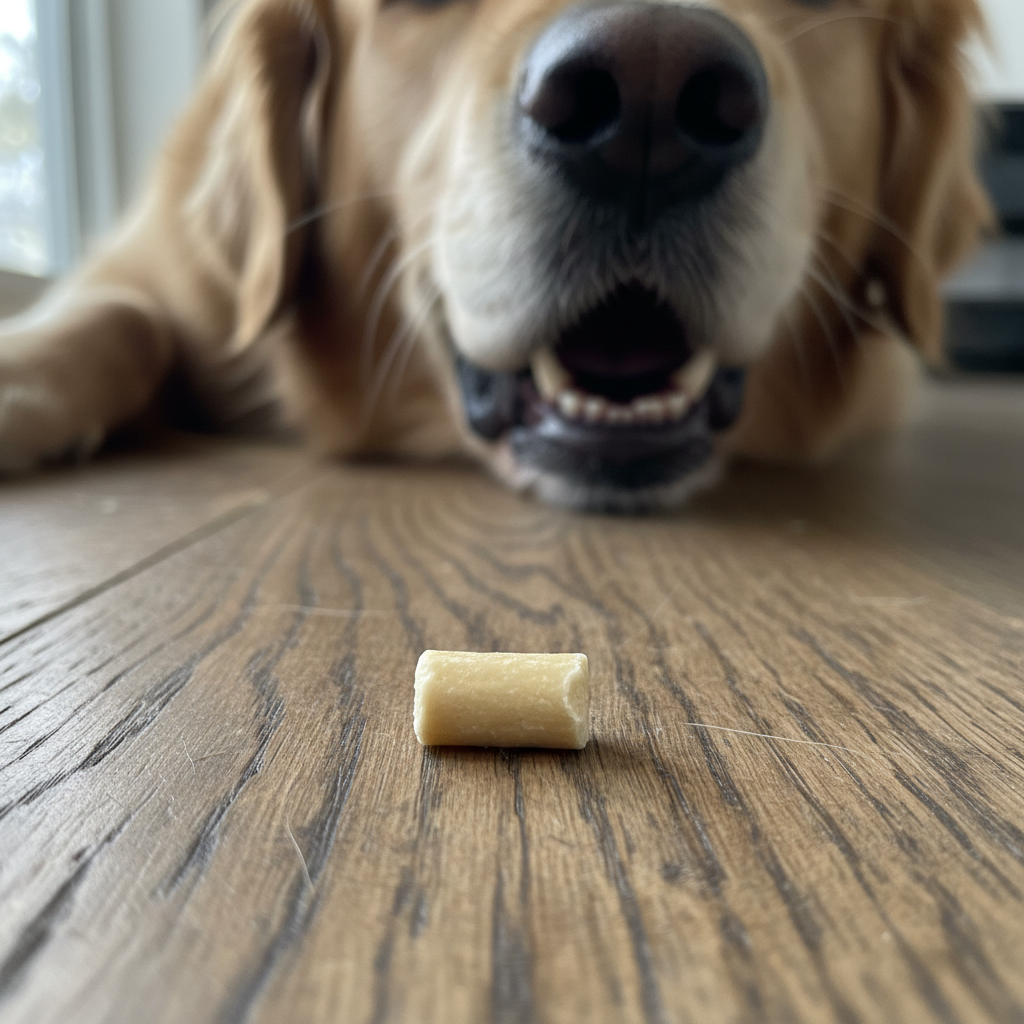
That small, leftover piece of yak chew, often called a ‘churro end’ or ‘nugget,’ represents a significant risk. Once it’s small enough for a dog to attempt to swallow whole, it becomes a primary choking hazard. Its dense, hard composition means it won’t easily break down if swallowed, creating a potential for a dangerous and costly intestinal obstruction. Removing it from your dog’s access at this stage is not just cautious—it’s mandatory for responsible ownership.
However, its danger doesn’t negate its inherent value. Let’s perform a forensic analysis of what you’re holding. A true Himalayan-style yak chew contains an elegantly simple list of ingredients:
- Yak and/or Cow Milk: A source of high-quality protein and calcium.
- Lime Juice: Used to curdle the milk and begin the cheese-making process.
- Salt: A trace amount that aids in preservation and curing.
That’s it. No binders, no artificial preservatives, no mystery fillers. The chew’s hardness comes from a weeks-long process of pressing and smoke-drying the cheese curd, removing nearly all moisture. The end-piece you’re holding is a concentrated nugget of this pure, limited-ingredient goodness. Tossing it is like throwing away the last, most potent bite of a premium steak.
Insider Secret: The pet food industry understands the value of these puffed nuggets. Many brands now sell bags of pre-puffed yak cheese treats at a premium price. They are simply taking the same end-pieces, puffing them up, and marking them up significantly. By puffing them yourself, you’re cutting out the middleman and reclaiming value you already paid for.
The Science of the Puff: A Forensic Look at Microwave Alchemy
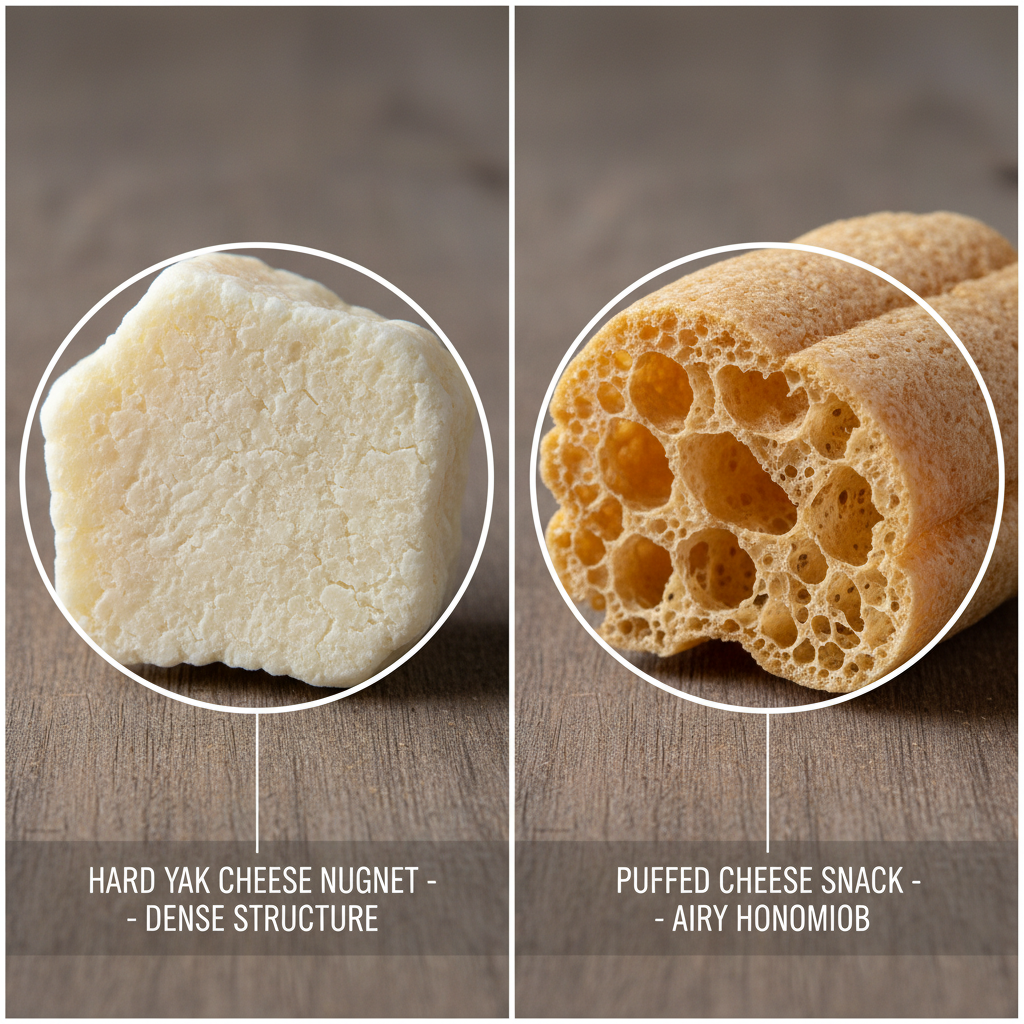
The transformation from a dense, rock-hard nugget to a light, airy puff is a fascinating display of basic food science. It’s not magic; it’s physics. The process is directly analogous to how a corn kernel becomes popcorn.
The traditional drying process for a yak chew removes most, but not all, of the water content. Microscopic pockets of moisture remain trapped within the extremely dense protein and fat matrix of the cheese. When you introduce the nugget to the intense, rapid energy of a microwave, these water molecules are agitated and heat up incredibly fast, turning into steam.
This steam expands violently, exerting immense pressure from the inside out. The hard, brittle structure of the cheese cannot contain this force. It gives way, expanding to many times its original size. The result is a de-densified, honeycomb-like structure that is crunchy and brittle, rather than dangerously hard. This process, known as ‘dielectric heating,’ fundamentally alters the physical properties of the treat:
- Density: It goes from being one of the densest dog chews on the market to one of the lightest treats available.
- Hardness: The rock-like composition is shattered, creating a texture that crumbles and dissolves easily when chewed.
- Safety: The choking and blockage risk associated with the small, dense nugget is completely neutralized. The puffed form is easily digestible.
You are, in essence, flash-cooking the cheese from the inside out, using its own residual moisture as the engine for its transformation. Understanding this science empowers you to perfect the technique and troubleshoot any issues, turning a kitchen appliance into a powerful tool for enhancing your dog’s safety and enrichment.
The Safe Chef Protocol: Step-by-Step Puffing Instructions

Executing this hack successfully requires precision and adherence to safety protocols. Follow these steps exactly to ensure a perfectly puffed, safe treat for your dog. Do not deviate from the cooling instructions.
Required Equipment
- A microwave oven
- A microwave-safe plate
- The leftover yak cheese nugget(s)
- A small bowl of water
- Tongs or an oven mitt for safe handling
The Puffing Process: A Precise Guide
- Hydration is Non-Negotiable: Place the hard yak cheese nugget in a bowl of warm water. Let it soak for a minimum of 5 minutes. This step is critical. It reintroduces a small amount of moisture, which will turn to steam and ensure a full, even puff. A bone-dry nugget will not puff correctly and may scorch.
- Proper Placement: Remove the soaked nugget from the water and place it in the center of your microwave-safe plate. Ensure there is ample space around it, as it will expand significantly.
- Execute the Puff: Place the plate in the microwave. Set the power to HIGH and the timer for 45 to 60 seconds. It’s best to start on the lower end of this range. Watch the nugget through the microwave door; you will see it expand rapidly.
- Adjust as Needed: The ideal time can vary based on your microwave’s wattage and the size/density of the nugget. If it hasn’t fully puffed after 45 seconds, add 10-second increments until it is fully expanded. Be careful not to overdo it, as it can burn.
- CRITICAL COOLING PERIOD: The puffed cheese will be volcanically hot, similar to molten sugar. DO NOT TOUCH IT WITH YOUR BARE HANDS. Use tongs to carefully remove the plate from the microwave. Place it on a heat-safe surface and let the puff cool completely for at least 10 to 15 minutes. Test it with your fingers to ensure there is no residual heat before giving it to your eager dog.
Hacker Tip: If you have multiple nuggets, soak and puff them one at a time. Puffing more than one at once can lead to uneven heating, with one burning before the other has fully puffed. This ensures a perfect result for every single piece.
Cost Analysis: The Economics of a ‘Free’ Dog Treat
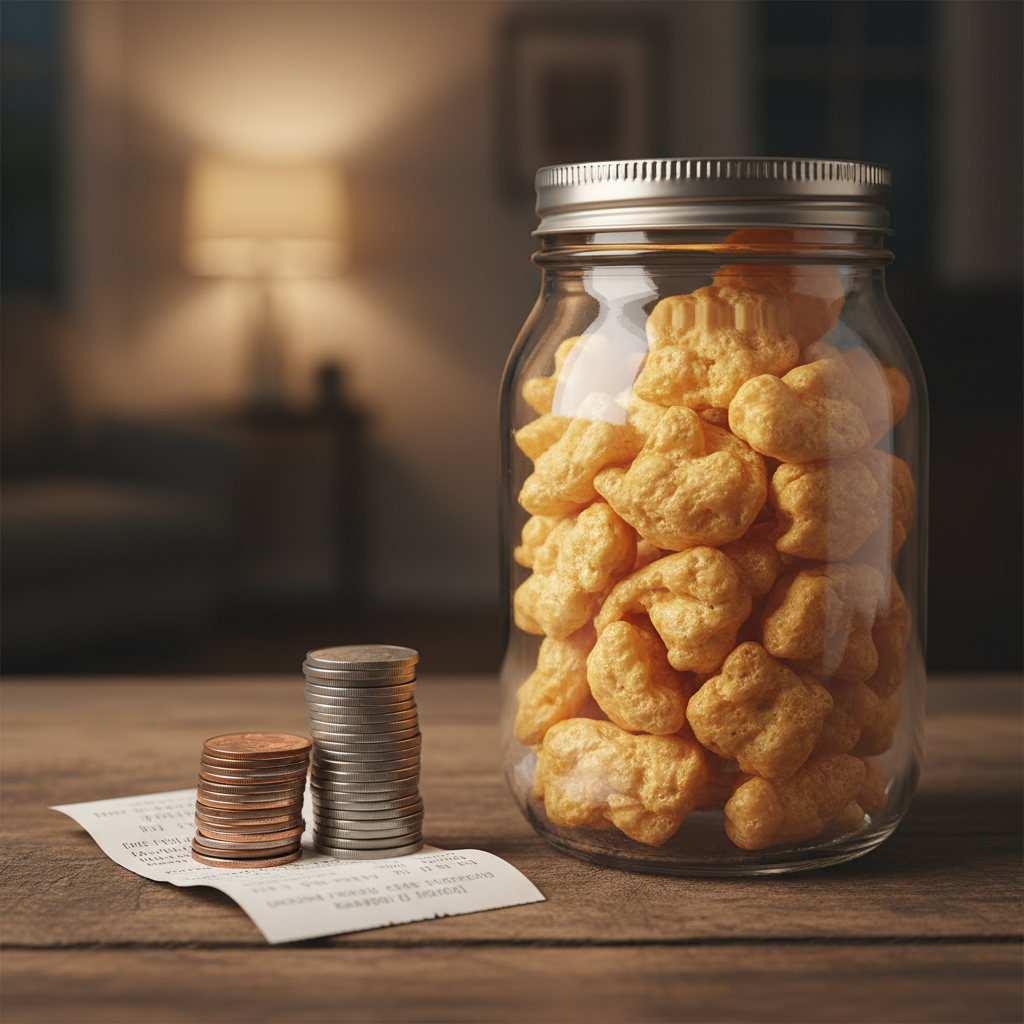
The term ‘free’ is misleading; you’ve already paid for the entire chew. This process is about loss prevention and value maximization. A typical yak chew end-piece represents 10-15% of the total product weight. If you’re a frequent buyer, the cost of that discarded portion adds up significantly over a year. Let’s break down the true value proposition.
Consider a large yak chew that costs $15 and weighs 5 ounces. The last leftover piece, weighing around 0.5 ounces, represents $1.50 of the purchase price. For a dog that goes through one of these a month, you’re throwing away $18 per year. For multi-dog households or power chewers, this number can easily double or triple. The only ‘cost’ to puffing it is a negligible amount of electricity and a few minutes of your time.
Now, let’s compare this to buying pre-puffed treats from a boutique pet store.
| Feature | DIY Puffed Nuggets | Store-Bought Cheese Puffs |
|---|---|---|
| Cost Per Treat | Effectively $0 (reclaimed from sunk cost) | $0.75 – $1.50 per piece |
| Ingredient Source | 100% known (from the original chew you selected) | Variable; may use lower quality cheese or additives |
| Control Over Process | Complete control over puffing and freshness | None; product may be stale |
| Value Proposition | Maximum Value Extraction. Turns a dangerous waste product into a high-value bonus treat. | Convenience at a High Premium. Paying for a service you can easily perform yourself. |
The conclusion is clear. From a purely economic standpoint, puffing your own yak cheese ends is an undeniable win. It’s a direct transfer of value from the trash can back to your dog’s treat allowance, reinforcing the core ‘hacker’ mindset of optimizing every dollar spent on your pet’s nutrition and well-being.
Advanced Tactics, Troubleshooting, and Storage
Once you’ve mastered the basic puff, you can refine your technique and prepare for common issues. Becoming an expert means knowing how to adapt and optimize.
Troubleshooting Common Failures
- Issue: The nugget only partially puffed or didn’t puff at all.
Analysis: This is almost always an issue of insufficient moisture. The nugget was likely too old and dry, or it wasn’t soaked for long enough.
Solution: Increase the soaking time to 10 minutes. Ensure the nugget is fully submerged. If a nugget is particularly old and dense, it may be too desiccated to puff properly. - Issue: The puff looks good but smells burnt.
Analysis: You’ve overheated it. The cheese has begun to caramelize and then burn. This happens quickly.
Solution: Reduce your microwave time by 10-15 seconds. Every microwave is different. Note the perfect time for your machine and nugget size. A perfectly puffed treat should be a light golden color, not dark brown. - Issue: The puff collapsed after cooling.
Analysis: This indicates the internal structure wasn’t fully cooked and set. The steam escaped before the structure was rigid enough to hold its shape.
Solution: This can happen if you open the microwave door too soon. Let it sit in the microwave for a minute after the timer goes off. Alternatively, it may need another 5-10 seconds of cooking time to fully stabilize.
Batching & Storage: The Pro Move
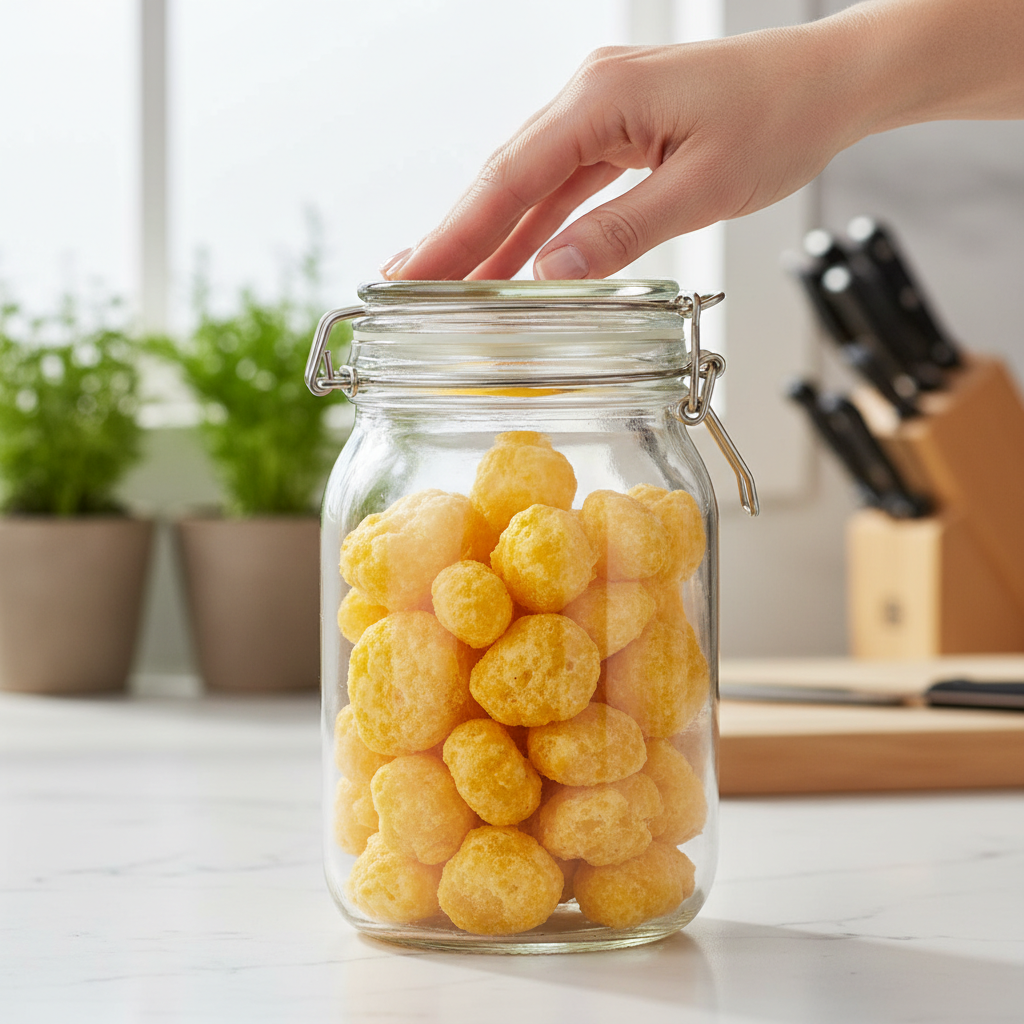
Don’t wait until you have a single nugget. Designate a small, dry, airtight container as your ‘nugget bank.’ As you collect the end-pieces from chews, add them to the jar. Once you have a handful, you can perform a batch-puffing session (remembering to still puff them one at a time in the microwave for best results).
Once puffed and—I cannot stress this enough—completely cooled to room temperature, you can store your homemade cheese puffs. Place them in an airtight container or a zip-top bag. Do not refrigerate them, as the moisture will make them soft. Stored in a dry pantry, these puffs will remain fresh and crunchy for several weeks, giving you a ready supply of high-value rewards for training or special occasions.
Conclusion
You now possess the knowledge to transform a liability into an asset. The dangerous, discarded end of a yak cheese chew is no longer waste, but an opportunity. By following this simple, science-backed protocol, you accomplish three key objectives of a savvy pet owner: you eliminate a serious safety hazard, you reclaim and maximize the financial value of the products you purchase, and you provide your dog with a novel, exciting, and delicious treat experience.
This is the essence of the Canine Nutrition Hacker philosophy. It’s about looking deeper than the surface-level instructions, questioning standard practices, and using intelligence to provide the best for your animal without needlessly draining your wallet. Stop throwing away money and start puffing. Your dog—and your bank account—will thank you.