Feeding Raw Beef Testicles to Dogs: Benefits and Sourcing
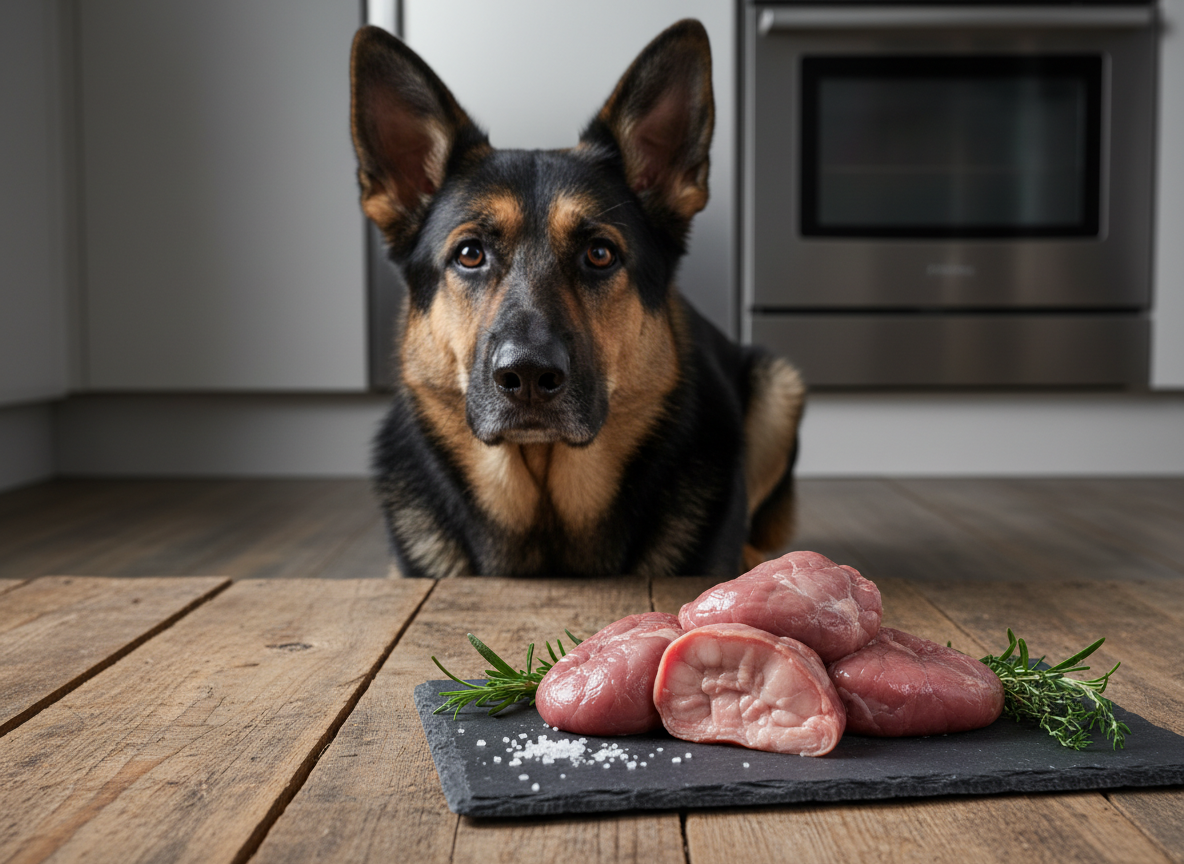
Let’s cut through the noise. The world of canine nutrition is saturated with marketing hype and overpriced bags of brown pellets filled with questionable ingredients. As The Canine Nutrition Hacker, my job is to bypass the fluff and get straight to the biological truth. Today, we’re tackling an ingredient that might make some squeamish but is a nutritional goldmine for our dogs: raw beef testicles. Often called ‘Rocky Mountain Oysters,’ these organs are far from a novelty; they are a potent source of hormones, minerals, and essential nutrients that can supercharge your dog’s health. This guide will provide a forensic breakdown of their benefits, reveal insider secrets for sourcing them safely and affordably, and give you a precise protocol for adding them to your dog’s diet.
SAFETY DISCLAIMER: I am a canine nutrition analyst, not a veterinarian. The information provided here is for educational purposes based on extensive research and experience. Before making any significant changes to your dog’s diet, especially if they have pre-existing health conditions, you must consult with a qualified veterinarian or a certified canine nutritionist. A raw diet requires careful balance, and organ meats are a supplemental part of that, not a complete meal.
The Nutritional Powerhouse: A Forensic Analysis of Beef Testicles
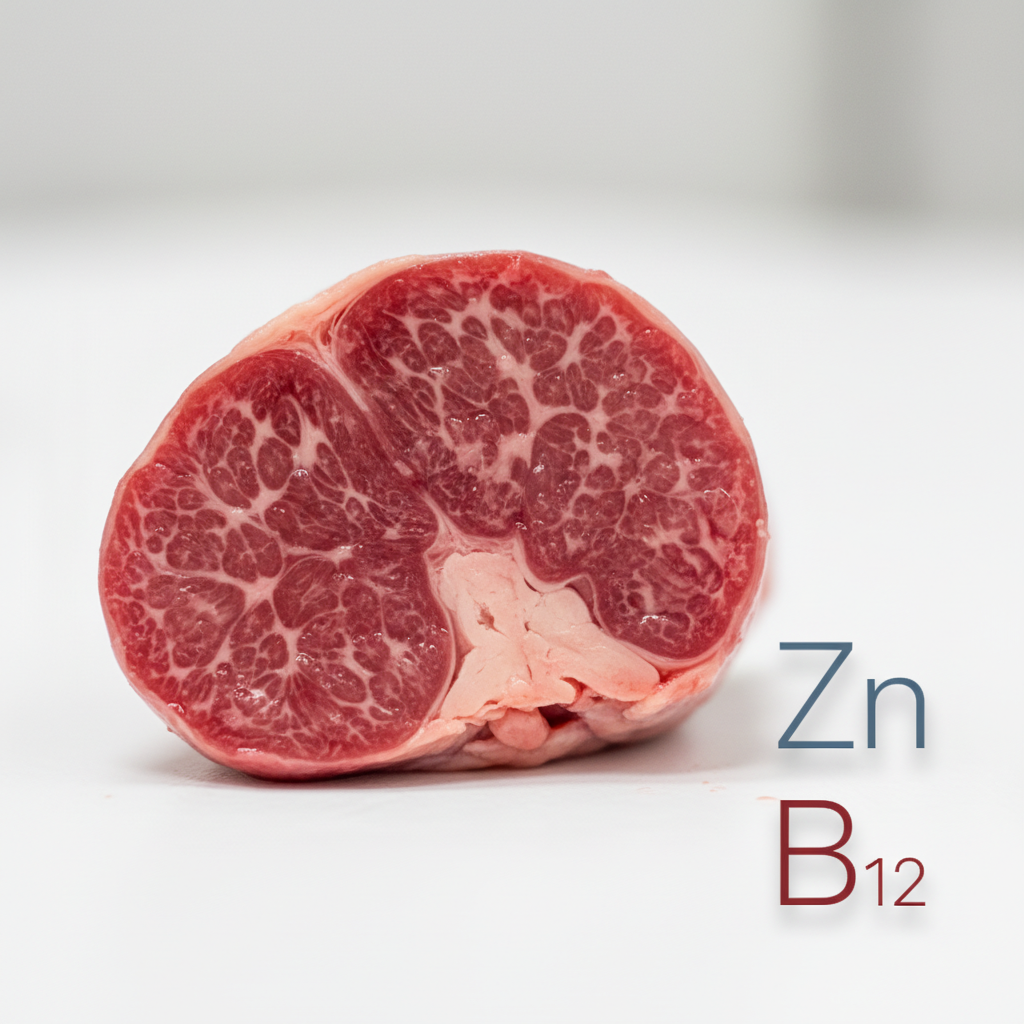
To understand the value of any ingredient, we must first analyze its composition. Commercial dog food companies often hide behind vague terms like ‘meat by-products.’ We don’t do that here. We look at the data. Beef testicles are a form of glandular therapy, providing like-for-like nutrients to support your dog’s own endocrine system.
Key Nutritional Components:
- Zinc: This is the star player. Beef testicles are one of the most concentrated natural sources of zinc. This mineral is a powerhouse for dogs, critical for immune function, thyroid health, skin and coat integrity, and wound healing. A zinc deficiency can lead to a host of dermatological and immune issues.
- B-Vitamins: They are packed with a spectrum of B vitamins, particularly B12 (Cobalamin) and B5 (Pantothenic Acid). Vitamin B12 is vital for nervous system function and red blood cell formation, while B5 plays a key role in energy metabolism and hormone production.
- Amino Acids: As a protein source, they provide a rich profile of amino acids, the building blocks of muscle, tissue, and enzymes. These are highly bioavailable, meaning your dog’s body can absorb and utilize them far more efficiently than plant-based or highly processed protein sources.
- Hormonal Support: This is the most unique aspect. As a key organ in the reproductive system, testicles contain hormones and glandular-specific nutrients that can help support your own dog’s hormonal balance. This is particularly beneficial for neutered males, as it can help replenish some of the hormonal feedback loops that are disrupted by the procedure.
Unlike synthetic vitamin packs added to kibble, the nutrients in raw organs are in their natural, most digestible form. The synergy between these vitamins and minerals creates a powerful effect that isolated, synthetic supplements simply cannot replicate. This isn’t just feeding; this is targeted, biological reinforcement.
Real-World Benefits: Translating Nutrients into Canine Vitality

Knowing the nutritional data is one thing; seeing the results in your dog is what truly matters. Introducing this organ meat isn’t about chasing trends; it’s about achieving tangible health improvements. Here’s what you can realistically expect when supplementing your dog’s diet correctly.
Improved Skin and Coat Health
The high concentration of bioavailable zinc is a game-changer for skin and coat. If you’re dealing with dull fur, flaky skin, or constant itching that isn’t allergy-related, a zinc deficiency could be the culprit. Feeding beef testicles can lead to a glossier, thicker coat and healthier, more resilient skin. It directly addresses the cellular health of the skin barrier.
Enhanced Energy and Stamina
The potent combination of B-vitamins and iron-rich blood supply in the organ directly fuels your dog’s metabolic engine. These nutrients are essential for converting food into usable energy. Owners often report a noticeable increase in their dog’s stamina and overall vitality, especially in working or athletic dogs who have higher energy demands.
Hormonal and Endocrine System Support
This is a critical benefit, especially for neutered dogs. Neutering can disrupt the entire endocrine system. Glandular therapy, by providing the raw materials found in these organs, can help support the adrenal glands and other parts of the system that have to pick up the slack. This can manifest as better mood regulation, improved muscle mass retention, and overall systemic balance.
Insider Secret: For male dogs, especially those neutered early, providing glandular support can be a proactive way to mitigate some long-term health issues associated with the procedure. It’s about providing the body with the specific building blocks it no longer produces efficiently.
The Sourcing Game: How to Find Quality and Avoid Pitfalls
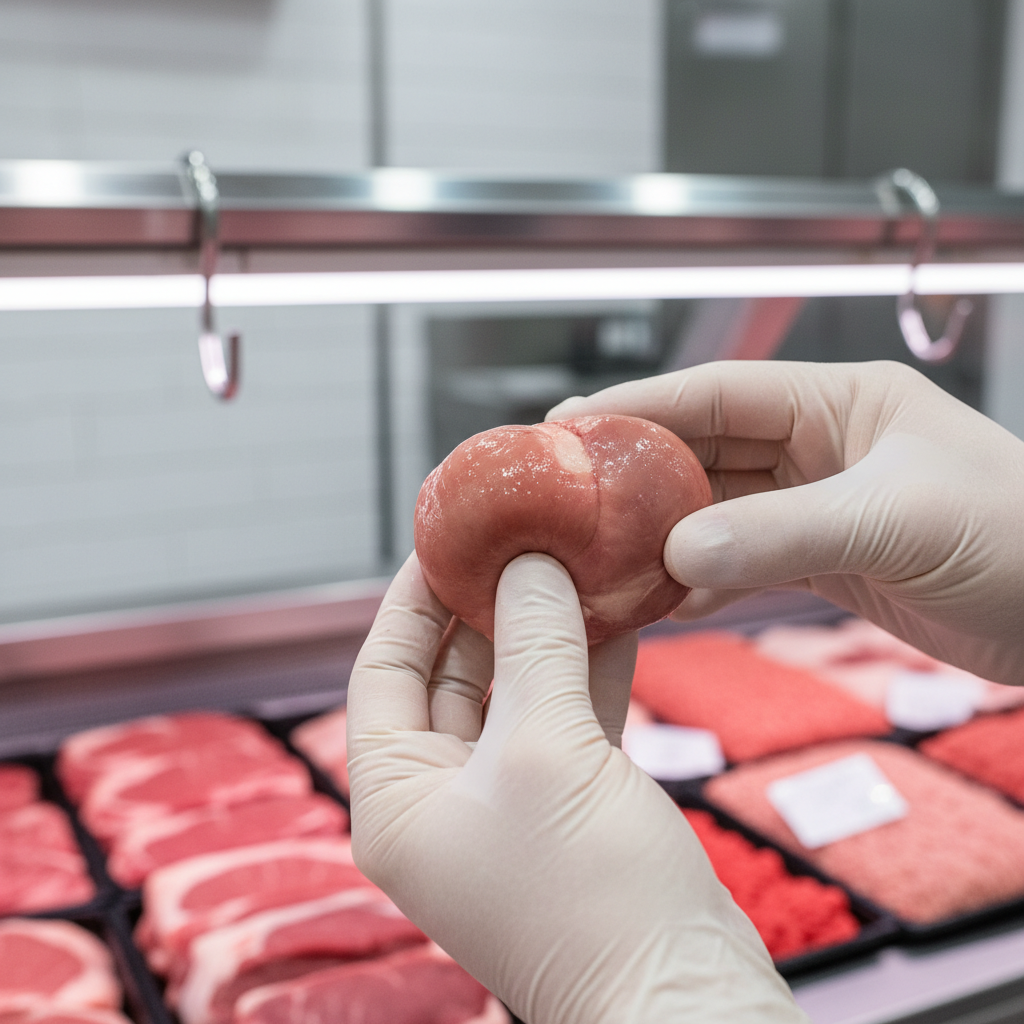
You can’t just grab any organ meat from any source. Quality and safety are non-negotiable. The goal is to provide clean, nutrient-dense food, not introduce pathogens or contaminants into your dog’s system. Here is your sourcing blueprint.
Tier 1: The Gold Standard – Local, Pasture-Raised
Your best source is always a local farmer or butcher who raises grass-fed, pasture-raised cattle. Why?
- Nutrient Density: Animals raised on pasture have a superior fatty acid profile (more Omega-3s) and higher vitamin content in their organs.
- No Additives: You can be certain the animal was not treated with hormones or routine antibiotics, which can be stored in organ tissues.
- Freshness: You are getting the product as fresh as possible, minimizing the risk of bacterial growth.
Action Step: Visit your local farmers’ market and talk to the ranchers. Many are happy to sell organ meats, which are often discarded, for a very low price.
Tier 2: The Reliable Backup – Quality Butcher Shops & Raw Co-ops
A good butcher who sources from reputable farms is your next best bet. They can tell you where the animal came from. Raw feeding co-ops are another excellent resource; they buy in bulk directly from farms and processors, passing significant savings and quality assurance on to members.
Tier 3: The Convenient Option – Online Raw Food Suppliers
There are numerous reputable online retailers specializing in raw pet food. They offer the convenience of home delivery. However, you must do your due diligence.
- Look for companies that specify ‘grass-fed,’ ‘human-grade,’ and ‘no hormones or antibiotics.’
- Check their sourcing and processing standards. Do they use High-Pressure Processing (HPP)? While HPP kills pathogens, it can also denature some enzymes and nutrients.
- Read reviews from other raw feeders.
CRITICAL WARNING: What to Avoid
Never source from a standard grocery store’s meat counter unless you can verify its origin and it’s explicitly labeled as human-grade and free from solutions or tenderizers. Organs are filters; any toxins the animal was exposed to can concentrate there. Quality is paramount.
The Safe Chef’s Guide: Preparation and Feeding Protocol
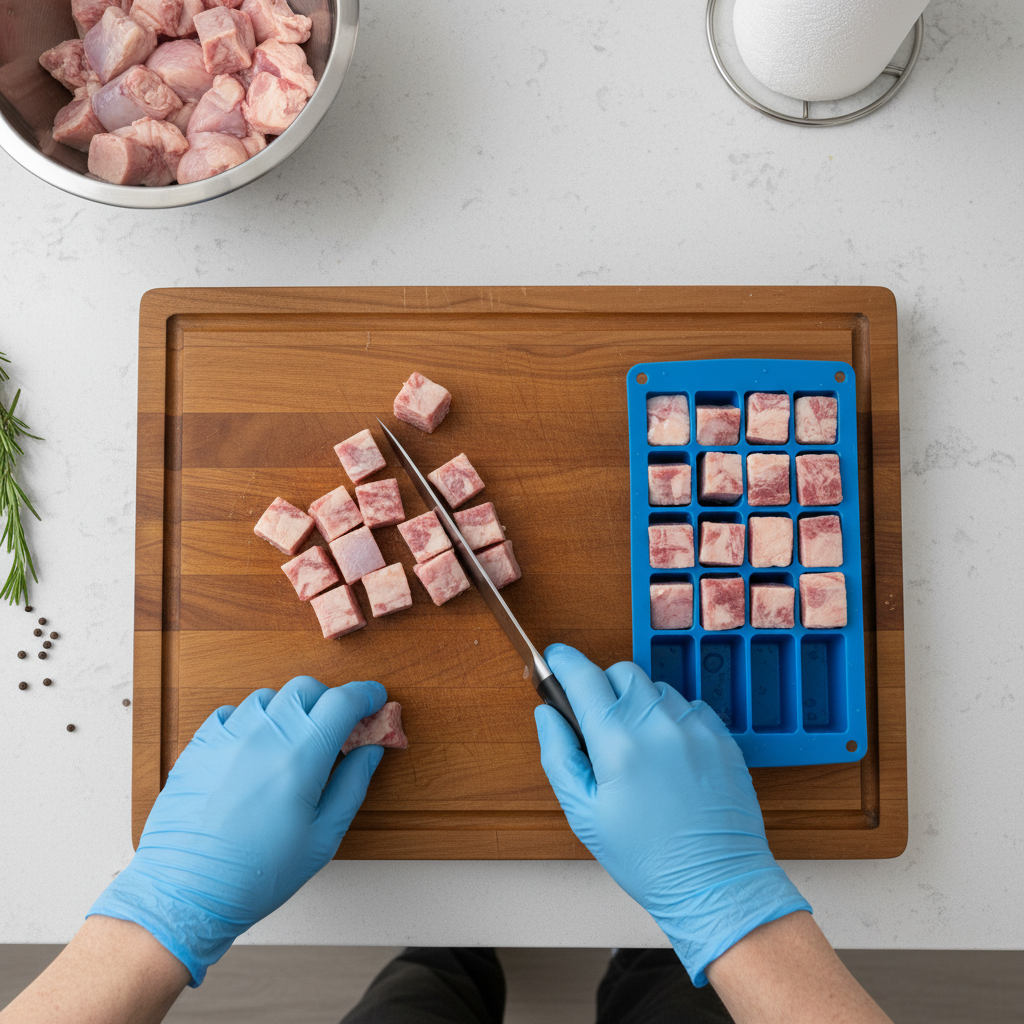
Once you’ve sourced quality beef testicles, proper handling and feeding are crucial. This is not a main meal; it’s a powerful supplement. Overfeeding organ meats can lead to digestive upset and nutrient imbalances.
Safe Handling 101
Treat raw organ meat with the same care you would treat raw chicken for yourself.
- Sanitize: Use a dedicated cutting board (plastic or glass is easier to sanitize than wood). Thoroughly wash the board, your knife, and your hands with hot, soapy water after handling.
- Freshness: The product should have a fresh, metallic smell, but not a foul or ‘off’ odor. If it smells bad, discard it.
- Freeze for Safety: Freezing the organs for a minimum of two weeks can help kill off potential parasites.
The Feeding Formula
Organ meats should constitute about 5-10% of your dog’s TOTAL raw diet. Glandular organs like testicles are potent and should be a smaller fraction of that organ meat total. A safe starting point is to feed it as a supplemental treat.
- Portioning: For a 50lb dog, a starting portion would be approximately 1 ounce, 2-3 times per week. Do not exceed this initially.
- Preparation: Thaw the frozen organ in the refrigerator. Dice the one-ounce portion into small, bite-sized pieces appropriate for your dog. You can feed it raw as a high-value treat or mix it in with their regular meal.
- Introduction: Start with a tiny piece to ensure your dog tolerates it well. Gradually increase to the recommended portion size over a week. Monitor their stool for any signs of digestive upset. If their stool becomes loose, reduce the amount.
Batch Cooking & Storage Hacker Tip
Don’t thaw and refreeze the entire organ repeatedly. After the initial two-week safety freeze, partially thaw the testicles until they are firm but can be cut with a sharp knife. Dice the entire batch into your desired portion sizes (e.g., 1-ounce cubes). Place these cubes into a silicone ice cube tray or on a parchment-lined baking sheet and freeze until solid. Once frozen, transfer the individual cubes to a freezer bag. Now you have perfectly portioned, easy-to-grab supplements ready to go.
The Cost-Benefit Analysis: Raw Sourcing vs. Commercial Treats

One of the core tenets of being a Canine Nutrition Hacker is maximizing nutritional value per dollar. Let’s break down the real cost of providing glandular support through raw sourcing versus buying a commercially prepared, shelf-stable alternative.
Commercial ‘glandular’ treats are often freeze-dried and sold in small, expensive packages. While convenient, you are paying a significant premium for processing and packaging. Sourcing raw allows you to get a more potent, less-processed product for a fraction of the price.
Below is a typical cost comparison for a 50lb dog, assuming a feeding schedule of 1 ounce, 3 times per week (12 ounces per month).
| Metric | DIY Raw Sourced Beef Testicles | Commercial Freeze-Dried Glandular Treats |
|---|---|---|
| Source | Local Butcher / Farmer / Co-op | Pet Store / Online Retailer |
| Average Cost | $2.00 – $4.00 per pound | $20.00 – $35.00 for a 3oz bag |
| Cost per Ounce | $0.13 – $0.25 | $6.67 – $11.67 |
| Monthly Cost (12oz) | $1.56 – $3.00 | $80.04 – $140.04 |
| Processing | None (Raw, Unaltered) | Freeze-Dried (High heat/pressure can degrade nutrients) |
| Verdict | Extremely cost-effective for a superior, more bioavailable product. Requires effort in sourcing and prep. | Convenient but vastly more expensive for a processed product with potentially lower nutritional potency. |
The numbers speak for themselves. By investing a small amount of time in sourcing and preparation, you can save over $100 per month while providing your dog with a higher quality, more natural form of this vital nutrient. This is the essence of hacking your dog’s nutrition: better results for less money.
Conclusion
Integrating raw beef testicles into your dog’s diet is a strategic move towards optimizing their health from the inside out. It’s a prime example of how ancestral nutrition can address modern canine health concerns. By moving beyond the marketing of conventional pet food and analyzing the biological value of whole, raw ingredients, you empower yourself to provide targeted, powerful nutrition. We’ve deconstructed the potent nutrients, outlined the tangible benefits, and provided a clear, safe protocol for sourcing and feeding. The cost analysis proves that superior nutrition doesn’t have to be expensive. You now have the knowledge to leverage this nutritional powerhouse safely and affordably, solidifying your role as your dog’s most informed health advocate.