Gently Cooked Dog Food: A Beginner’s Guide to Home Cooking
Walk down any pet food aisle and you’re entering a warzone of marketing claims. ‘Grain-free,’ ‘ancestral diet,’ ‘human-grade’—these terms are designed to confuse and upsell you. The truth? Most commercial kibble is ultra-processed at extreme temperatures, destroying vital nutrients and leaving you with a product full of fillers and synthetic additives. As The Canine Nutrition Hacker, I’m here to cut through the noise. Taking control of your dog’s bowl is the single most powerful move you can make for their long-term health. This guide isn’t about cute, dog-shaped cookies; it’s a strategic manual for safely and effectively preparing gently cooked, nutritionally complete meals at home. It’s time to stop guessing what’s in their food and start knowing.
The Mandatory Disclaimer: Your Vet is Your Co-Pilot

The Mandatory Disclaimer: Your Vet is Your Co-Pilot
Let’s get this straight before we proceed. I am not a veterinarian. This guide is for educational purposes, based on extensive research and experience in canine nutrition analysis. It is not a substitute for professional veterinary advice. Before you make any significant changes to your dog’s diet, you must consult with your veterinarian or, even better, a board-certified veterinary nutritionist. Homemade diets, when formulated incorrectly, can lead to severe nutritional deficiencies or excesses, causing irreversible health problems. Your vet will help you tailor a diet to your dog’s specific needs, considering their age, breed, activity level, and any underlying health conditions. Think of them as your essential co-pilot on this journey; you’re in the driver’s seat, but they have the navigational charts to prevent a crash.
Why Gently Cooked? Deconstructing the Nutritional Advantage
Why Gently Cooked? Deconstructing the Nutritional Advantage
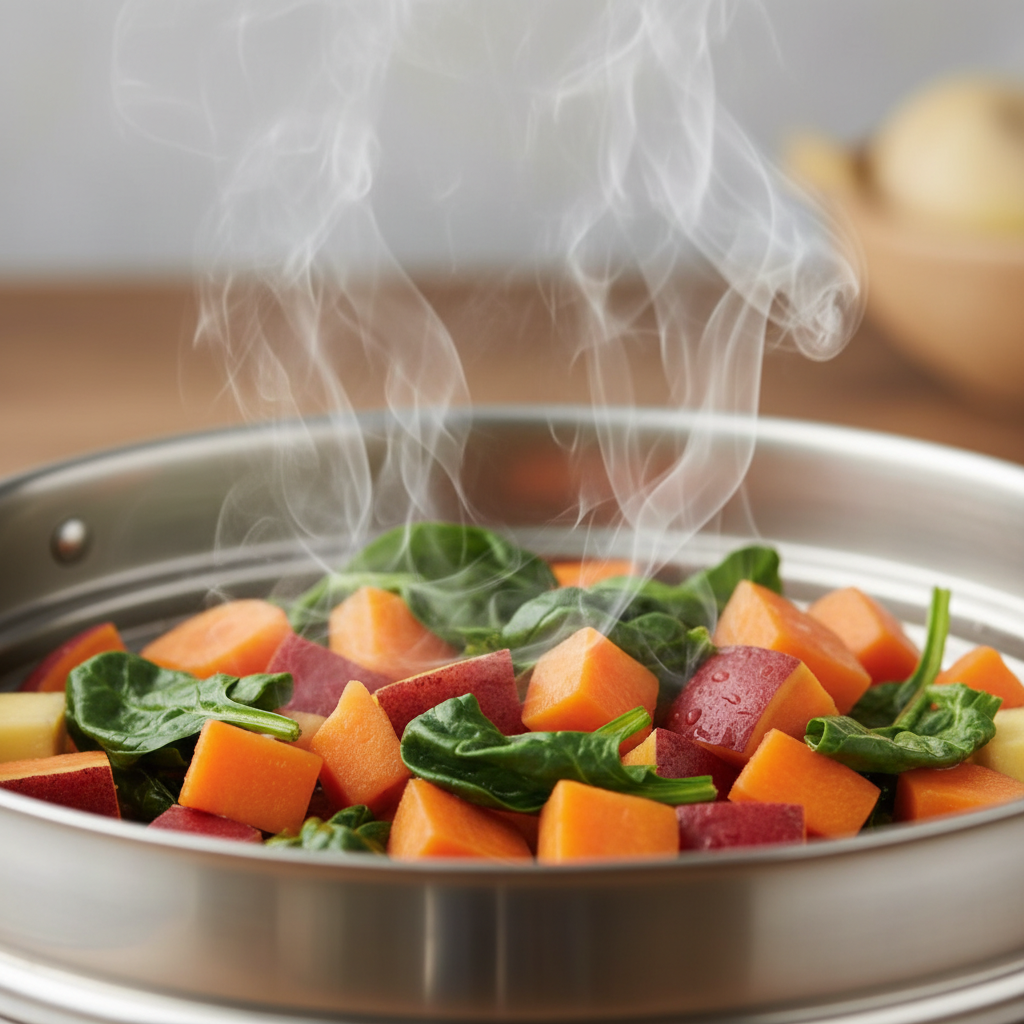
The term ‘gently cooked’ isn’t a marketing gimmick; it’s a specific cooking methodology with profound nutritional implications. Unlike kibble, which is extruded at temperatures often exceeding 300°F (150°C), gentle cooking involves using low heat (typically simmering or steaming) just enough to kill harmful pathogens like Salmonella and E. coli while preserving the integrity of the ingredients.
Kibble vs. Raw vs. Gently Cooked
Let’s analyze the options. High-heat processing of kibble creates advanced glycation end-products (AGEs) and denatures proteins, making them less digestible. A raw diet, while popular, carries a significant risk of bacterial contamination for both your pet and your family, and is not suitable for all dogs, especially those with compromised immune systems. Gently cooked food occupies the strategic middle ground.
Key advantages include:
- Increased Bioavailability: Cooking breaks down cell walls in vegetables and connective tissues in meat, making nutrients easier for your dog’s digestive system to absorb.
- Enhanced Digestibility: The gentle heat makes proteins more digestible than in their raw state, reducing the workload on the gut.
- Pathogen Elimination: It neutralizes the bacterial risks associated with raw meat, providing peace of mind.
- Nutrient Preservation: Unlike harsh extrusion, low-heat methods preserve a higher percentage of natural vitamins, antioxidants, and enzymes.
You are essentially serving a whole-food meal that is both safe and optimized for nutrient absorption. It’s the logical, science-backed approach to canine nutrition.
The Real Cost Breakdown: DIY vs. Premium Store-Bought
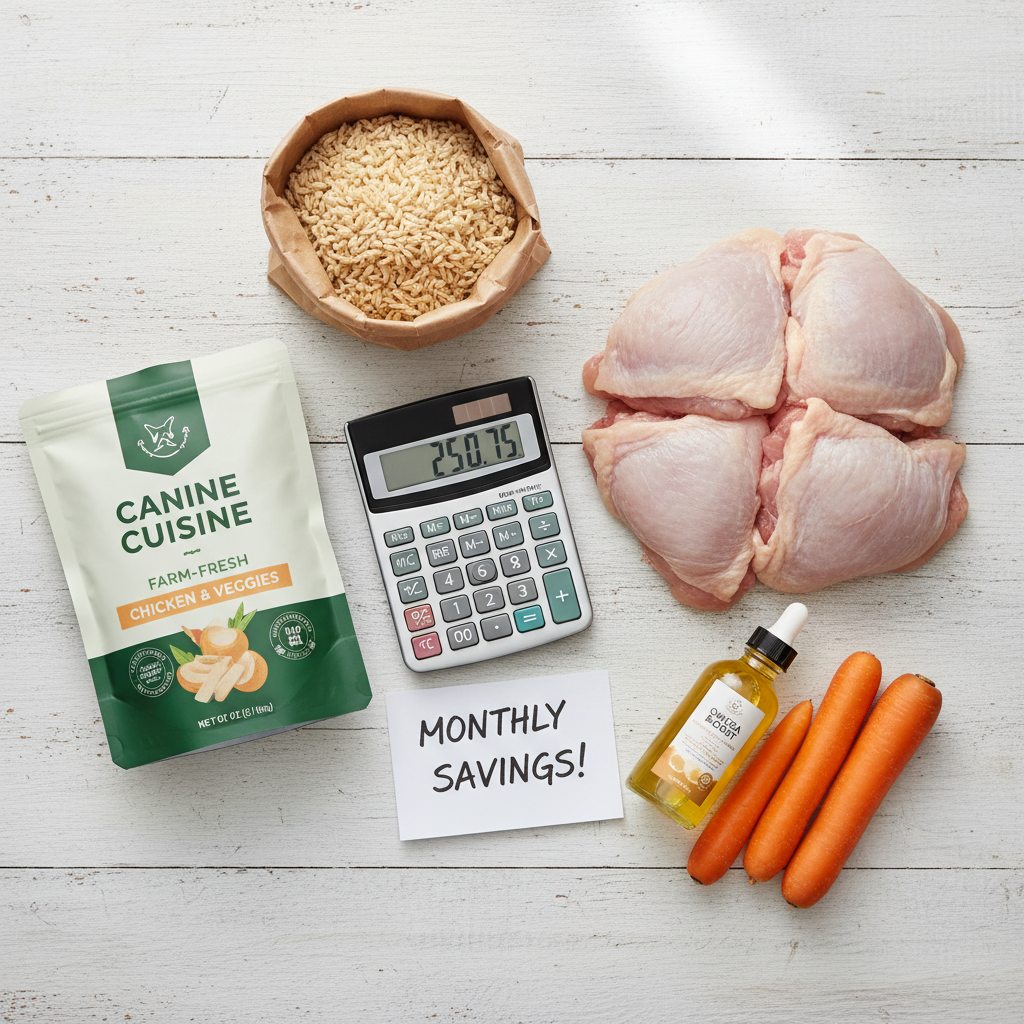
The Real Cost Breakdown: DIY vs. Premium Store-Bought
The sticker shock on ‘fresh’ or ‘human-grade’ subscription dog food services is a major barrier for many owners. But what’s the actual cost of doing it yourself? Let’s run the numbers for a moderately active 50-pound dog, comparing a typical premium subscription service with our DIY approach.
| Factor | Premium Subscription Service | DIY Gently Cooked (The Hacker Way) |
|---|---|---|
| Protein Source | ‘Mystery’ Chicken or Turkey | Chicken Thighs (Purchased in Bulk) |
| Carbohydrate | Sweet Potatoes / Lentils | Long-Grain Brown Rice |
| Vegetables | Carrots, Peas, Spinach | Frozen Carrots & Spinach |
| Supplements | Proprietary Vitamin Blend | Veterinarian-Approved Multivitamin & Fish Oil |
| Approx. Daily Cost | $7.00 – $10.00+ | $3.50 – $4.50 |
| Monthly Savings | N/A | ~$105 to $165 |
The data is clear. By sourcing your own ingredients, you can cut your costs by 50% or more while maintaining absolute control over quality. You’re not paying for fancy packaging, venture capital returns, or expensive marketing campaigns. You’re paying for pure nutrition.
Hacker Tip: Never pay retail for your protein. Connect with a local butcher for bulk deals on ground turkey or chicken. Watch for sales at your grocery store and stock your freezer. Buying ingredients like rice and oats in bulk from warehouse stores dramatically lowers your cost per pound. Your freezer is your greatest financial ally in this endeavor.
The Canine Nutrition Hacker’s Foundational Recipe

The Canine Nutrition Hacker’s Foundational Recipe: A Balanced Bowl for Beginners
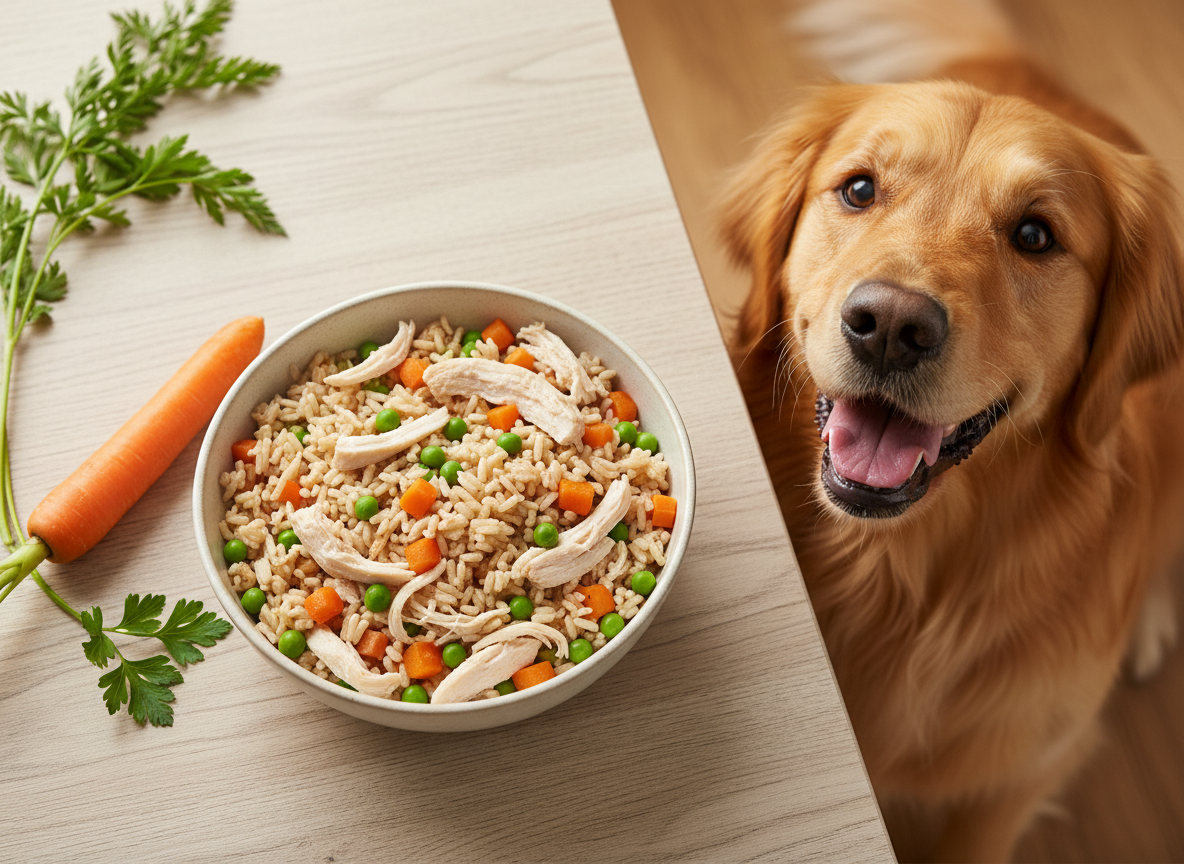
This recipe is a starting point, a balanced foundation you must discuss with your vet. They may recommend adjustments based on your dog’s specific needs. The goal is a balanced ratio, which for most adult dogs is approximately:
- 40% Lean Protein: The building blocks for muscle and tissue repair.
- 30% Complex Carbohydrates: For sustained energy.
- 25% Vegetables & Fruits: Packed with vitamins, minerals, and fiber.
- 5% Essential Fats & Supplements: For skin, coat, joint, and overall health.
Batch Recipe (Yields approx. 14 cups / 7 days for a 50lb dog)
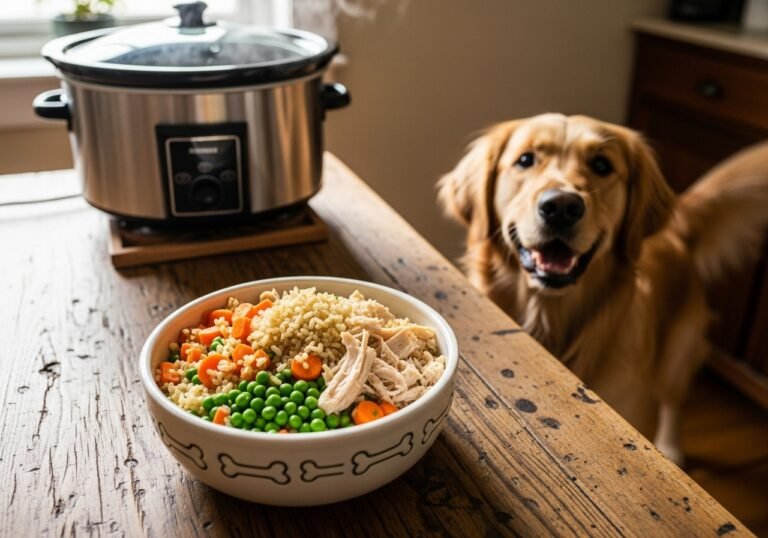
- Prepare the Protein: Gently cook 3 lbs of ground turkey or chicken (90/10) in a large stockpot over medium heat until browned. Do not drain the fat unless your dog requires a low-fat diet; these fats are a good energy source. Remove the meat and set aside.
- Cook the Carbohydrates: In the same pot, add 6 cups of water and bring to a boil. Add 3 cups of uncooked brown rice, reduce heat, cover, and simmer for 20-25 minutes or until the water is absorbed.
- Process the Produce: While the rice cooks, finely chop or lightly pulse in a food processor 2 cups of carrots, 2 cups of spinach, and 1 cup of green beans. A finer chop increases digestibility.
- Combine and Cool: Once the rice is cooked, turn off the heat. Add the cooked protein and chopped vegetables to the pot. Stir everything together thoroughly. Let the mixture cool completely to room temperature. This is critical before adding supplements.
- Supplement Strategically: Once cool, mix in your vet-approved supplements. This will typically include a high-quality canine multivitamin to cover micronutrient gaps, a calcium source (never use bone meal without vet guidance), and an Omega-3 source like 3 tablespoons of fish oil or ground flaxseed. This step is non-negotiable and must be directed by your vet.
The final product should be a moist, well-combined mixture. Your dog’s daily portion will be approximately 2 cups, but this can vary. Monitor your dog’s body condition and adjust as needed.
The Efficiency Hack: Batch Cooking, Storage, and Serving

The Efficiency Hack: Batch Cooking, Storage, and Serving
Consistent home cooking requires a system. Wasting an hour every day in the kitchen is not a sustainable strategy. The key is to batch cook once a week or once every two weeks.
Storage Protocol
Once your batch has cooled completely, it’s time to portion and store. Your goal is to minimize air exposure, which causes freezer burn and degradation.
- Refrigerator: Portions for the next 3-4 days can be stored in airtight containers in the refrigerator.
- Freezer: For longer-term storage, freezer-safe containers are essential. Glass containers, BPA-free plastic, or vacuum-sealed bags are all excellent options. Portion out daily or single-meal servings so you only thaw what you need.
- Label Everything: Always label your containers with the date it was made and the primary ingredients. This prevents mystery meals from accumulating in your freezer.
Safe Thawing and Serving
Never thaw food on the counter, as this allows bacteria to multiply. The safest method is to move a container from the freezer to the refrigerator the day before you need it. For a faster thaw, you can submerge the sealed container in a bowl of cold water. To serve, you can offer it cold from the fridge or gently warm it by adding a splash of hot water, which also enhances the aroma and appeal for picky eaters. Never microwave the food, as it can create dangerous hot spots and destroy nutrients, defeating the entire purpose of gentle cooking.
Hacker Tip: Use large silicone ice cube trays or muffin tins to freeze perfect single-serving portions. Once frozen solid, pop the food ‘pucks’ out and store them in a large freezer bag. This allows you to grab the exact amount you need, whether it’s a full meal for a small dog or a tasty meal topper for a larger one.
Conclusion
You now possess the foundational knowledge to move beyond the marketing hype and take genuine control of your dog’s nutrition. By embracing the principles of gently cooked, homemade food, you are no longer a passive consumer but an active participant in your dog’s health. Remember the critical rules: your veterinarian is your partner, nutritional balance is non-negotiable, and batch cooking is your key to sustainability. The initial effort is an investment that pays dividends in the form of improved vitality, a healthier coat, better digestion, and the priceless knowledge that you are providing the absolute best for your loyal companion. Stop guessing, and start cooking.