Easy Meatballs For Dogs With Megaesophagus (Bailey Chair Friendly)
Managing a dog with megaesophagus is not a task for the faint of heart. It’s a daily commitment that transforms mealtimes from a simple routine into a precise, gravity-defying procedure. As The Canine Nutrition Hacker, I’m not here to offer sympathy; I’m here to provide solutions. You’re on the front lines of your dog’s health, and you need an arsenal of effective, safe, and practical strategies. The single most powerful tool in that arsenal is mastering food consistency.
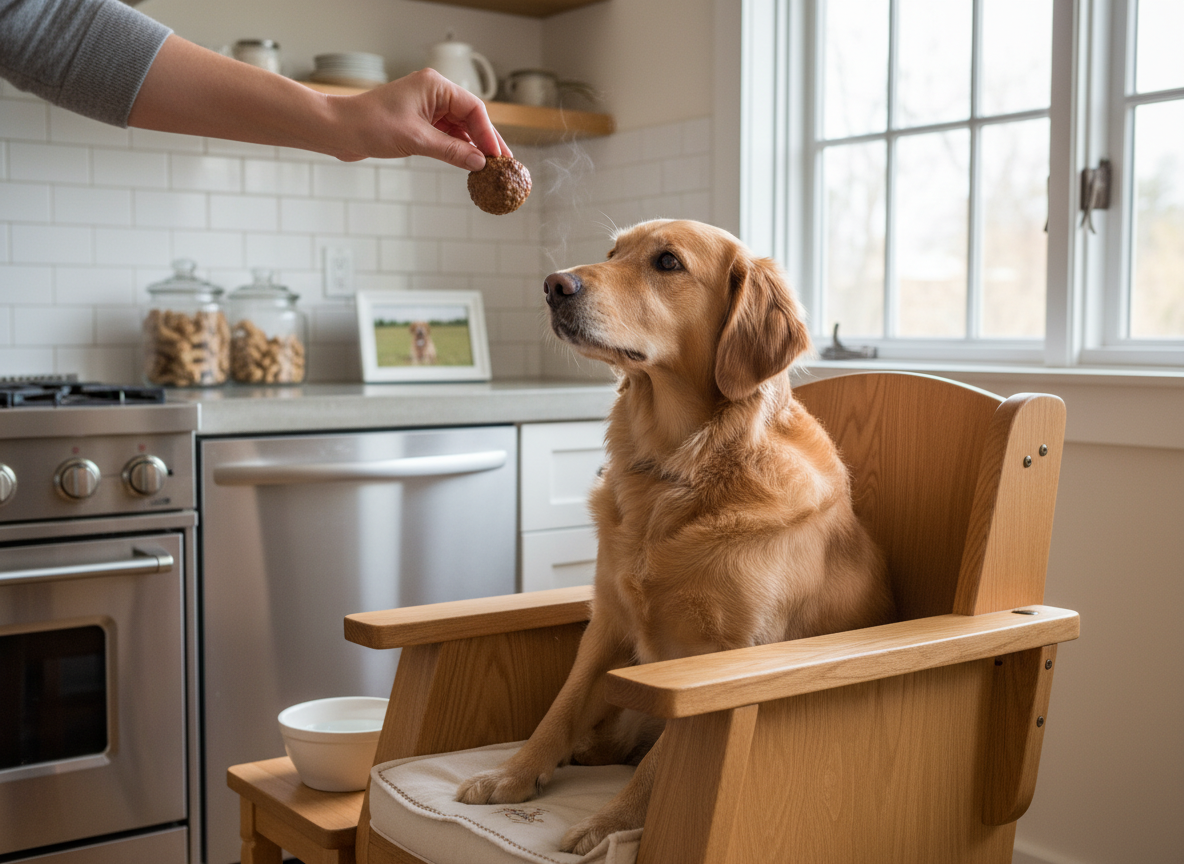
Megaesophagus is a condition where the esophagus—the tube carrying food from the mouth to the stomach—loses its muscular tone and ability to move food along. It becomes enlarged and flaccid, meaning food can get stuck instead of reaching the stomach. This leads to regurgitation and the life-threatening risk of aspiration pneumonia, which occurs when food or liquid enters the lungs. This is where the Bailey Chair, a custom feeding chair that holds your dog in a vertical position, becomes essential. But the chair is only half the battle. The food itself must be engineered to work *with* gravity.
This is where the humble meatball becomes a sophisticated medical tool. Forget dry, crumbly kibble or soupy canned food. The perfect megaesophagus meatball is a dense, smooth, slippery vehicle for nutrition, designed to slide directly into the stomach with minimal resistance. This guide will deconstruct the science behind this approach and provide you with a precise, actionable blueprint for creating safe and effective meatballs that can dramatically improve your dog’s quality of life.
MEDICAL DISCLAIMER: I am a canine nutrition analyst, not a veterinarian. The information and recipe provided here are for educational purposes and should be considered a starting point. You MUST consult with your veterinarian or a board-certified veterinary nutritionist before making any changes to your dog’s diet. A homemade diet for a dog with a serious medical condition requires precise nutritional balancing to prevent deficiencies.
Understanding the Enemy: Why Megaesophagus Demands a Different Approach to Feeding
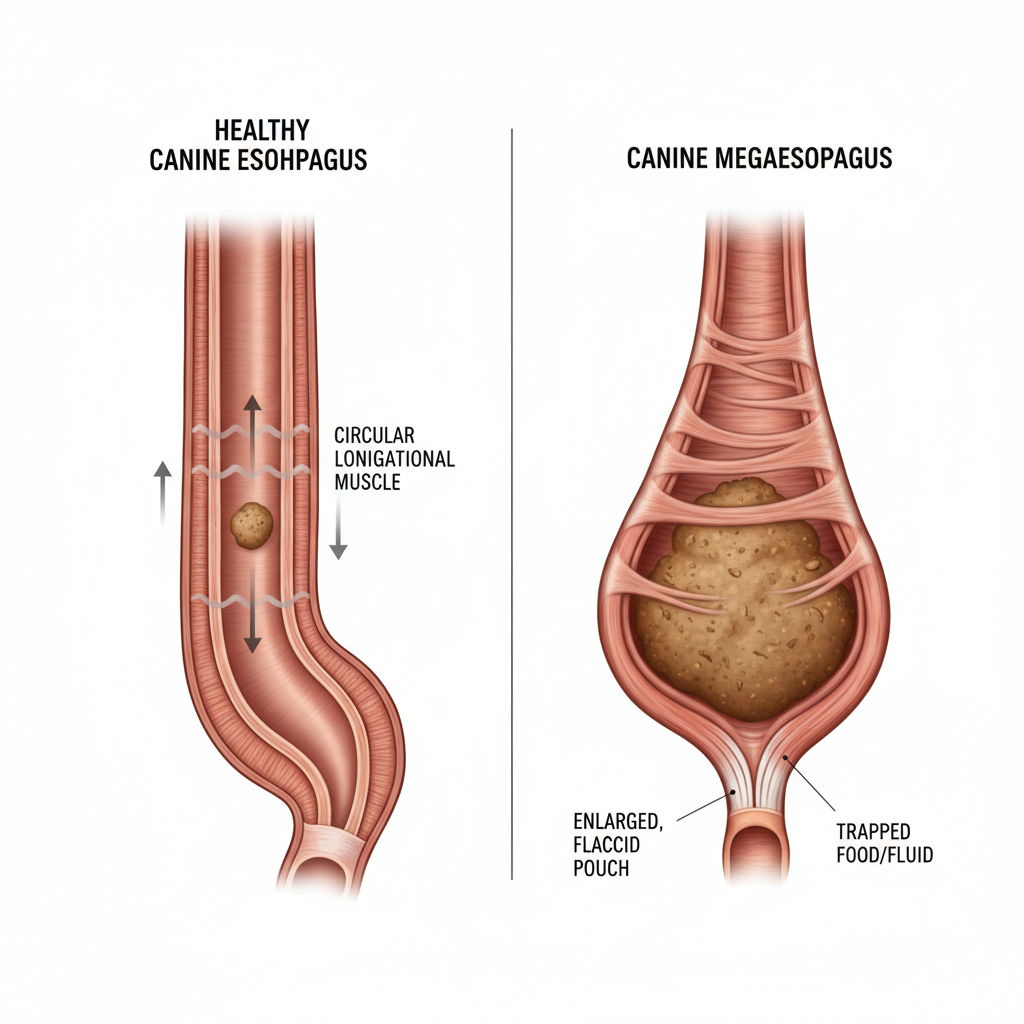
To defeat an enemy, you must first understand it. With megaesophagus, your primary adversary isn’t the condition itself, but its most dangerous complication: aspiration pneumonia. Every single meal carries a risk. Our goal is to mitigate that risk to near zero through meticulous preparation and procedure. The anatomy tells the story: a healthy esophagus uses coordinated muscular contractions (peristalsis) to push food down. In a dog with megaesophagus, that function is gone. The esophagus is essentially a passive, oversized pouch.
This is why food texture is non-negotiable. Let’s analyze the common failures:
- Dry Kibble: This is the worst offender. It’s abrasive, requires significant moisture to swallow, and can easily crumble, allowing small particles to be inhaled. Even when soaked, it often forms a gritty, oatmeal-like consistency that lacks the density to slide down effectively.
- Watery or Soupy Foods: While seemingly intuitive, thin liquids are incredibly difficult to control. They can easily splash and be aspirated. A dog cannot ‘sip’ from a vertical position; any liquid must be thick enough to hold its form.
- Standard Canned Food: The ‘pâté’ style is a step in the right direction, but often it’s too soft. It can break apart easily in the esophagus, failing to travel as a single, cohesive unit (a ‘bolus’).
The Bailey Chair and the Physics of Feeding
The Bailey Chair is a brilliant, simple invention that uses physics to our advantage. By placing the dog in a vertical ‘begging’ position, we allow gravity to do the work the esophagus no longer can. For this to work, the food must be a perfect projectile. It needs to be:
- Dense: Heavy enough to drop cleanly without hesitation.
- Cohesive: It must not break apart during its journey.
- Smooth & Slippery: It needs a low-friction surface to avoid getting stuck.
The meatball format, when properly engineered, checks all three boxes. It’s a self-contained, nutritionally packed bolus that becomes the safest possible delivery system for your dog’s calories.
The Solution: Engineering the Perfect ‘Gravity-Feed’ Meatball
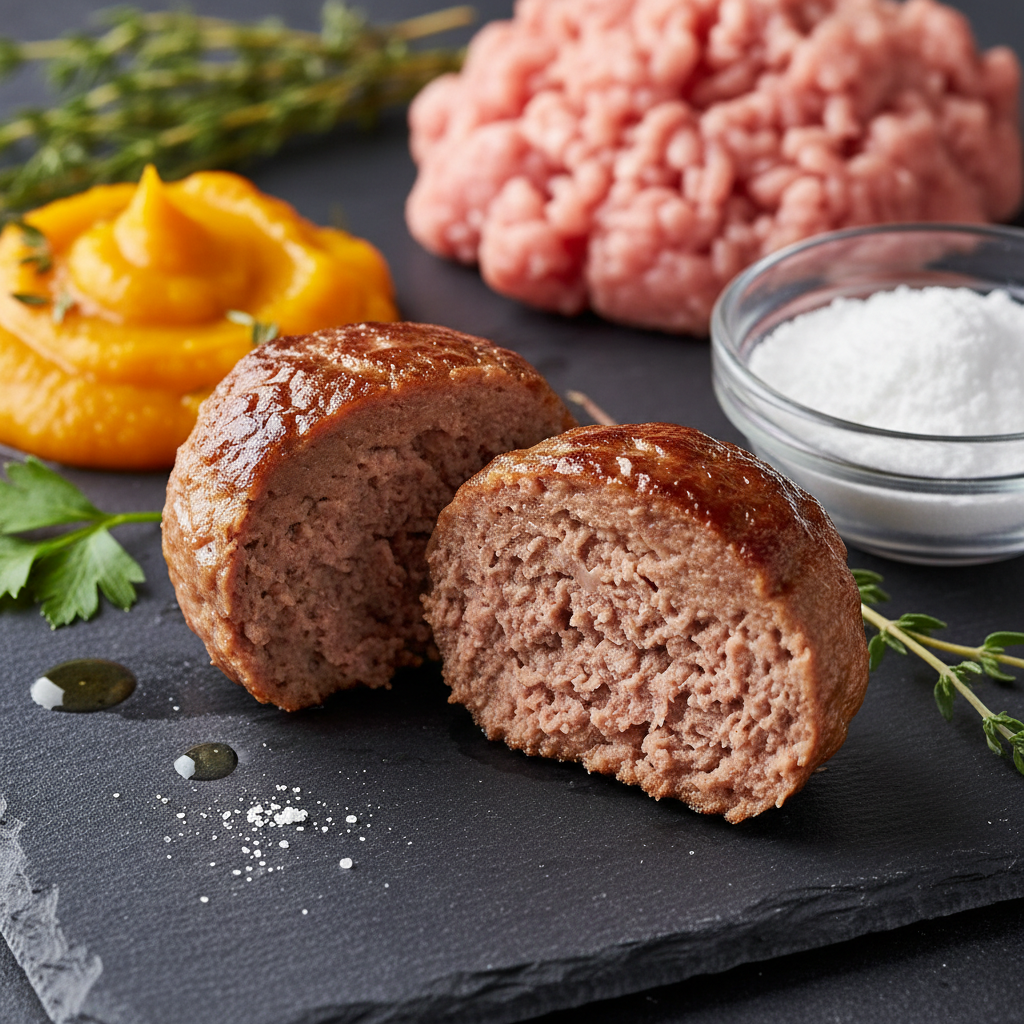
Creating the perfect meatball for a dog with megaesophagus is less like cooking and more like nutritional engineering. Every ingredient has a specific mechanical purpose beyond its nutritional value. We are building a food delivery system from the ground up.
Hero Ingredients: The Building Blocks of a Safe Meal
- The Protein Base (60-70%): This provides density and the core nutrition. Choose a lean ground meat (90-93% lean). Fat can separate when cooked, making the meatball greasy and potentially crumbly. Excellent choices include ground turkey, chicken, or lean beef. The protein must be ground finely to ensure a smooth final texture.
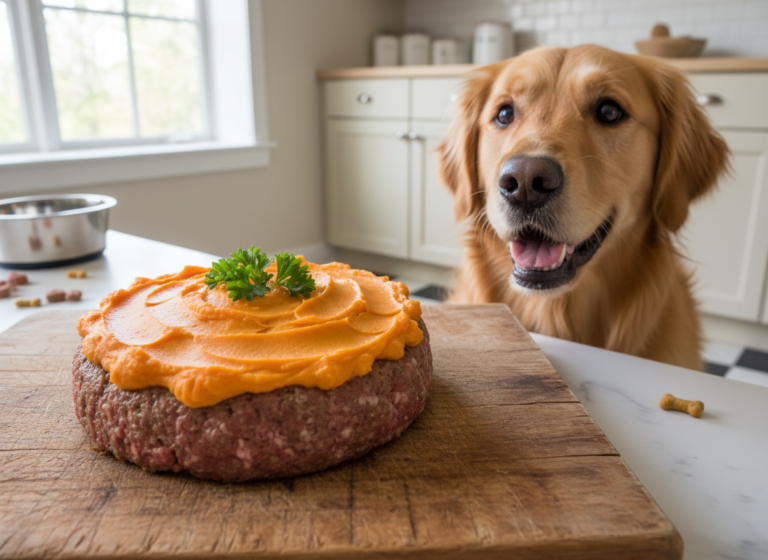
- The Binder (20-30%): This is what holds the meatball together, preventing it from crumbling. The binder must be starchy and smooth. Our top choices are plain pumpkin puree (not pie filling), well-cooked and mashed sweet potato, or thoroughly cooked oatmeal that has been blended into a paste. These ingredients create a sticky matrix that locks the protein together.
- The Lubricant (Trace amounts): To ensure a slippery surface, we add a lubricant. A small amount of unrefined coconut oil mixed in can work, but an even better method is a gelatin slurry. A ‘gelatin bloom’ (sprinkling gelatin over cool water and letting it absorb before gently warming) can be mixed in or used to coat the meatballs, creating a super-slick surface that slides effortlessly.
- The Nutritional Balancer (Essential): This is the most critical component for long-term health. A diet of just meat and pumpkin is dangerously incomplete. You MUST add a veterinary-approved nutritional supplement designed for homemade diets. Brands like Balance IT or Just Food For Dogs offer powders that provide all the essential vitamins, minerals, and calcium your dog needs. Do not skip this step.
Insider Secret: The ‘slurry’ is everything. Some owners find success by blending the cooked meatballs with a small amount of water or bone broth until it forms a thick, milkshake-like consistency. However, for many dogs, the solid meatball form is easier to manage. The key is to experiment under veterinary guidance to find the exact consistency—meatball or slurry—that works best for your individual dog. Start with meatballs, as they are often the gold standard.
The Blueprint: A Step-by-Step Recipe for Safe, Effective Megaesophagus Meatballs
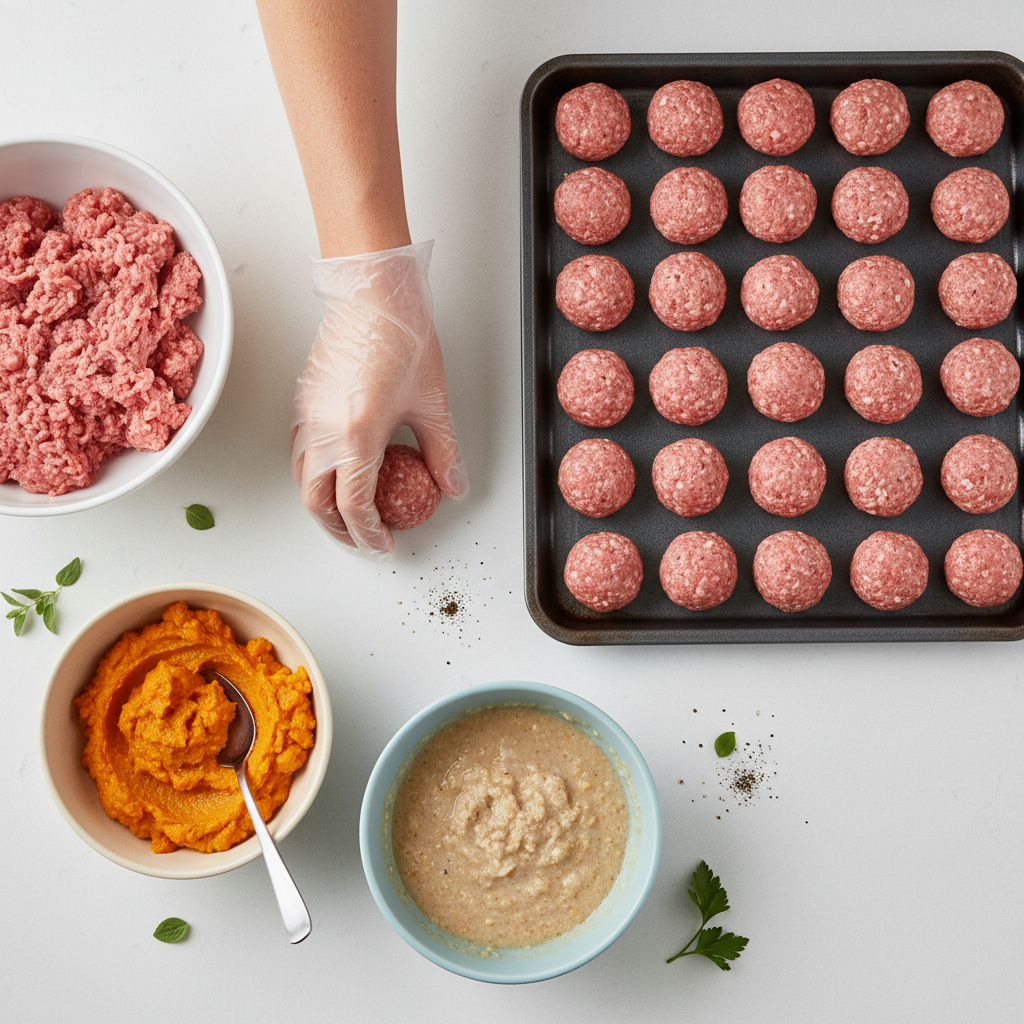
This blueprint is a reliable starting point. Remember to adhere to the ratios and instructions precisely for the best results. Consistency is key to safety.
SAFETY DISCLAIMER: This recipe is designed as a base. Always consult your veterinarian or a board-certified veterinary nutritionist to approve the ingredients and to determine the correct nutritional supplement and dosage for your dog’s specific needs, age, and weight.
Ingredients & Ratios (Yields approx. 1 week for a 50lb dog)
- 3 lbs Lean Ground Turkey (93/7)
- 1.5 cups Plain Pumpkin Puree (or mashed sweet potato)
- 1 cup Rolled Oats, cooked with 2 cups of water until very soft, then blended or mashed into a paste
- Your Veterinarian-Approved Nutritional Supplement (dosage as per instructions)
- 2 tablespoons Coconut Oil or 1 packet of unflavored gelatin prepared as a slurry
Step-by-Step Instructions
- Prepare the Binder: In a large mixing bowl, combine the pumpkin puree and the cooked, mashed oatmeal paste. Mix thoroughly until you have a uniform, smooth base.
- Incorporate Supplements: Add the coconut oil (or gelatin slurry) and the veterinary supplement powder to the binder mixture. Stir until completely integrated. It’s crucial to mix the supplements in now to ensure even distribution.
- Add the Protein: Add the lean ground turkey to the bowl. Using your hands (wear gloves for cleanliness), mix the meat into the binder. Do not overmix, as this can make the meatballs tough, but ensure everything is fully combined. The final mixture should be sticky and hold its shape well.
- Form the Meatballs: Roll the mixture into uniform, bite-sized meatballs. The ideal size depends on your dog, but generally, they should be about 1 to 1.5 inches in diameter—small enough to be swallowed whole without chewing. Place them on a baking sheet lined with parchment paper.
- Cook Thoroughly: Bake at 375°F (190°C) for 20-25 minutes, or until the internal temperature reaches 165°F (74°C). They should be firm and cooked through, but not browned or crispy. Crispy edges can be abrasive.
- Cool and Test: Let the meatballs cool completely. Test one by breaking it apart. It should be dense and moist, not crumbly.
The Financial Edge & Batch Cooking Strategy
Caring for a dog with a chronic condition can be expensive. Prescription veterinary diets are costly, and the bills can add up quickly. One of the significant advantages of this DIY approach is the potential for cost savings, without compromising on quality.
Real Cost Breakdown: DIY vs. Prescription Canned Diet
Let’s analyze the approximate weekly cost for a 50lb dog requiring about 1000 calories per day.
| Item | DIY Homemade Meatballs (Weekly Cost) | Veterinary Prescription Canned Diet (Weekly Cost) |
|---|---|---|
| Protein Source | 3 lbs Ground Turkey @ $5/lb = $15.00 | Approx. 14 cans (13oz) @ $4.50/can = $63.00 |
| Binder/Carb | Pumpkin/Oats = $4.00 | |
| Supplements | Balance IT Supplement = $7.00 | |
| Total Weekly Cost | ~$26.00 | |
| Daily Cost | ~$3.71/day | ~$9.00/day |
As you can see, the savings are substantial—potentially over $150 per month. This allows you to reinvest in high-quality ingredients and veterinary care.
Hacker Tip: The Batch Cooking Workflow
Your time is valuable. Don’t cook every day. Dedicate a few hours every two weeks to cook a large batch. This ensures consistency and makes daily feedings fast and stress-free.
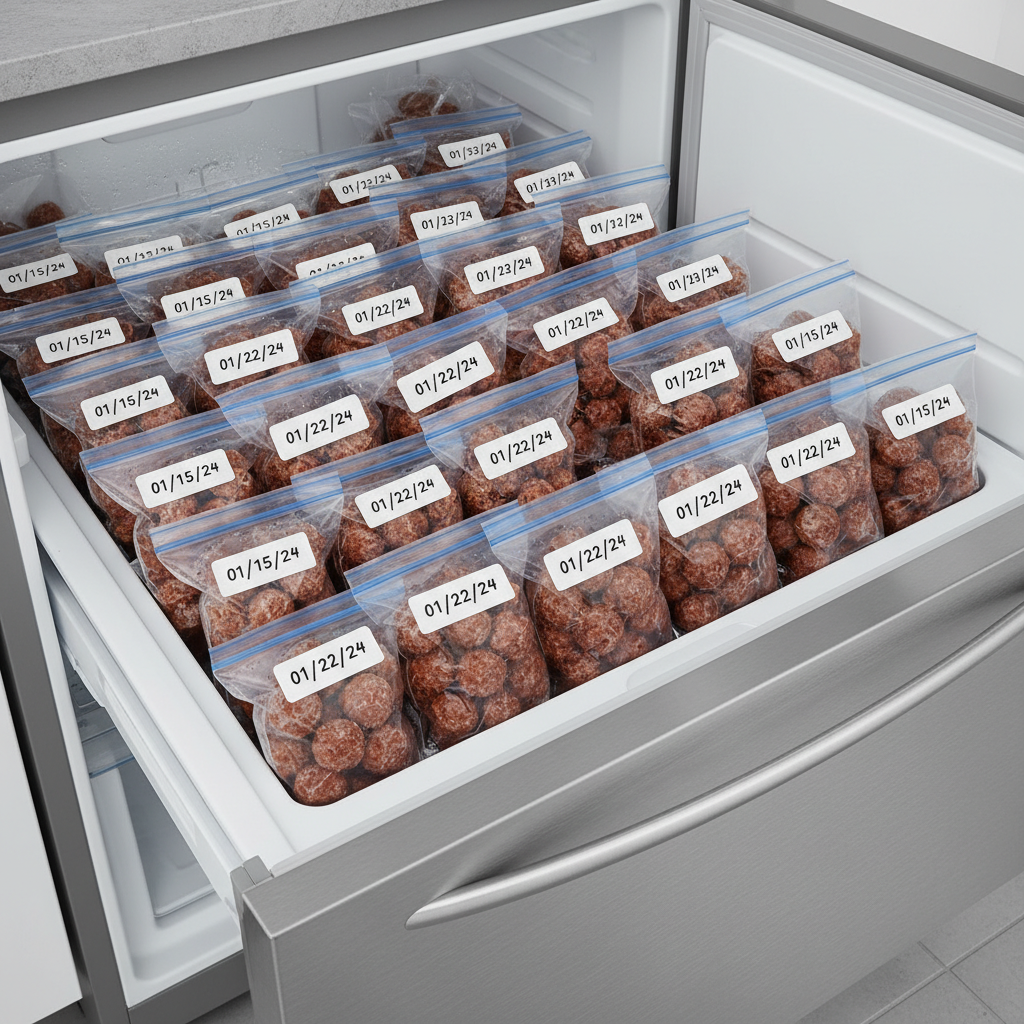
- Cook & Cool: Prepare a double or triple batch of the recipe. Let the meatballs cool completely to room temperature.
- Flash Freeze: Place the cooled meatballs on a baking sheet in a single layer and put them in the freezer for 1-2 hours. This prevents them from sticking together.
- Portion & Store: Once frozen solid, transfer the meatballs into freezer bags. Portion them into daily amounts. Use a food scale for accuracy. Label each bag with the date. They will keep in the freezer for up to 3 months.
- Thawing & Serving: The night before, move one day’s portion from the freezer to the refrigerator to thaw. Before feeding, gently warm the meatballs in the microwave or in a sealed bag placed in warm water. They should be at room temperature or slightly warm, never hot. Always test the temperature before feeding.
Non-Negotiable Safety Protocols and Red Flags

The recipe is only part of the solution. Your feeding protocol is what guarantees its success and your dog’s safety. There is no room for error.
The Feeding Ritual
- Upright Time is Sacred: Your dog must be in the Bailey Chair for the entire duration of the meal. After the last meatball is swallowed, they must remain in the chair for a minimum of 20-30 minutes. This allows gravity to ensure everything has reached the stomach. Do not rush this process. Use the time for bonding, gentle petting, or brushing.
- No Chewing Allowed: The meatballs are designed to be swallowed whole. If your dog tries to chew, they may crumble, defeating the purpose. Make them small enough to be swallowed easily.
- Water Management: Water is the silent challenge. A dog lapping water from a bowl is a high-risk activity. Many owners have success with ‘Knox Blocks’—a Jell-O-like cube made from unflavored gelatin and water that can be dropped down like a meatball—or by using a thickener to create a heavy, nectar-like water consistency. Discuss the safest hydration strategy with your vet.
Know the Red Flags: Aspiration Pneumonia
You must be hyper-vigilant for the signs of aspiration. Catching it early is critical. Contact your veterinarian immediately if you observe any of the following:
- Coughing or gagging, especially after meals
- Difficulty breathing or rapid breathing
- Lethargy or unusual weakness
- Fever
- Nasal discharge
Regular veterinary check-ups are essential to monitor your dog’s weight, body condition, and lung sounds. This is a team effort between you and your veterinary professionals. Your diligence at home, combined with their medical expertise, is the key to successfully managing megaesophagus.
Conclusion
Navigating a megaesophagus diagnosis is a journey of precision, patience, and unwavering dedication. By shifting your perspective from simply ‘feeding your dog’ to ‘engineering a safe nutritional delivery system,’ you take control of the primary variable in your dog’s health. These Bailey Chair-friendly meatballs are more than just a recipe; they are a strategic tool designed to work with your dog’s body, not against it. They offer a safe, cost-effective, and highly effective way to provide the nourishment your companion needs to thrive.
Remember, you are your dog’s greatest advocate. Arm yourself with this knowledge, build a strong partnership with your veterinarian, and embrace the routine. Your commitment to this process is the single most important factor in giving your dog a long, happy, and comfortable life.