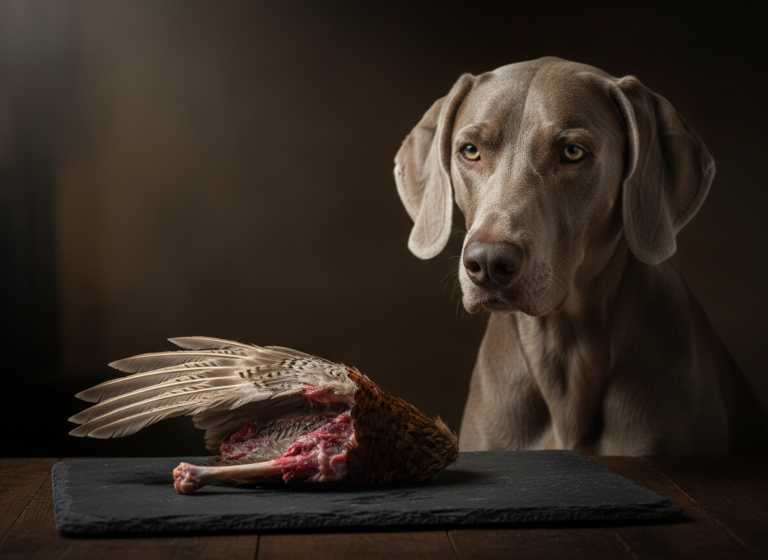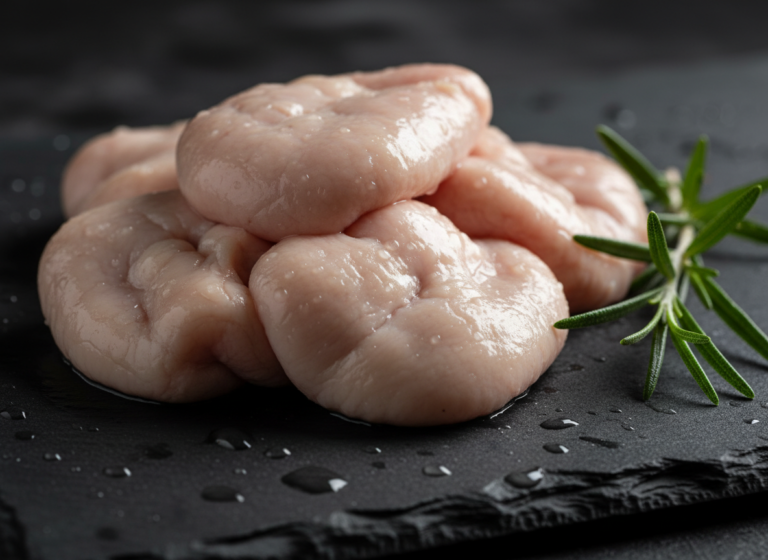
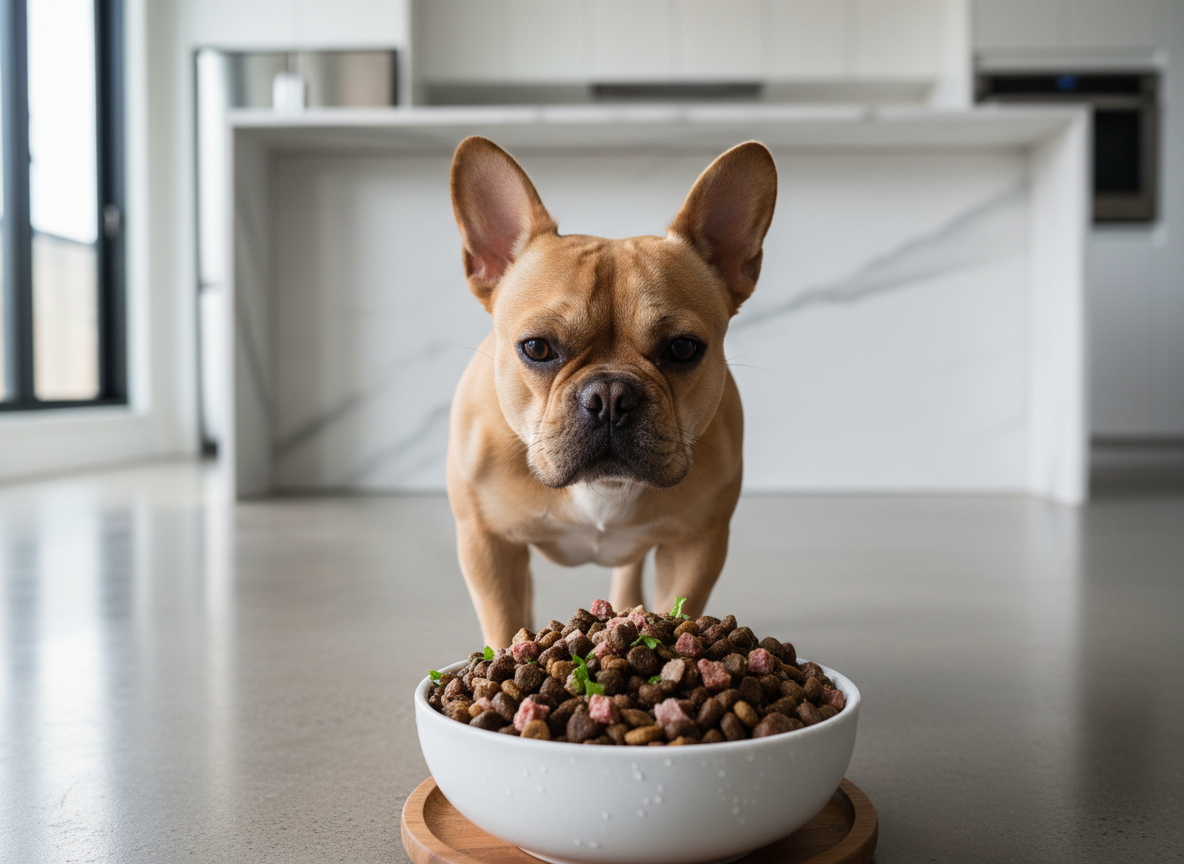
Goose Meat for Dogs: Is This Cooling Protein Right for Your Pup?
As a pet owner, watching your dog suffer from relentless itching, inflamed skin, or chronic digestive upset is a frustrating and often heartbreaking experience. You’ve likely tried countless foods, switching from chicken to beef to lamb, only to find temporary relief or no change at all. This is the endless cycle of food sensitivities, and it’s where most conventional approaches fail. Why? Because you’re often just swapping one common allergen for another.
Enter the world of nutritional hacking. We’re not just changing flavors; we’re changing the fundamental properties of the food. Today, we’re putting one of the most potent, under-the-radar proteins under the microscope: goose. This isn’t just another bird. In the framework of Traditional Chinese Veterinary Medicine (TCVM), goose is considered a ‘cooling’ and ‘novel’ protein, making it a strategic weapon against the ‘heat’ that manifests as inflammation and allergies in your dog. This guide will provide a forensic breakdown of goose meat, exposing why it works, which dogs benefit most, and how you can safely implement it to potentially resolve your dog’s chronic issues for good.
Deconstructing the Hype: What Makes Goose a ‘Cooling’ Novel Protein?
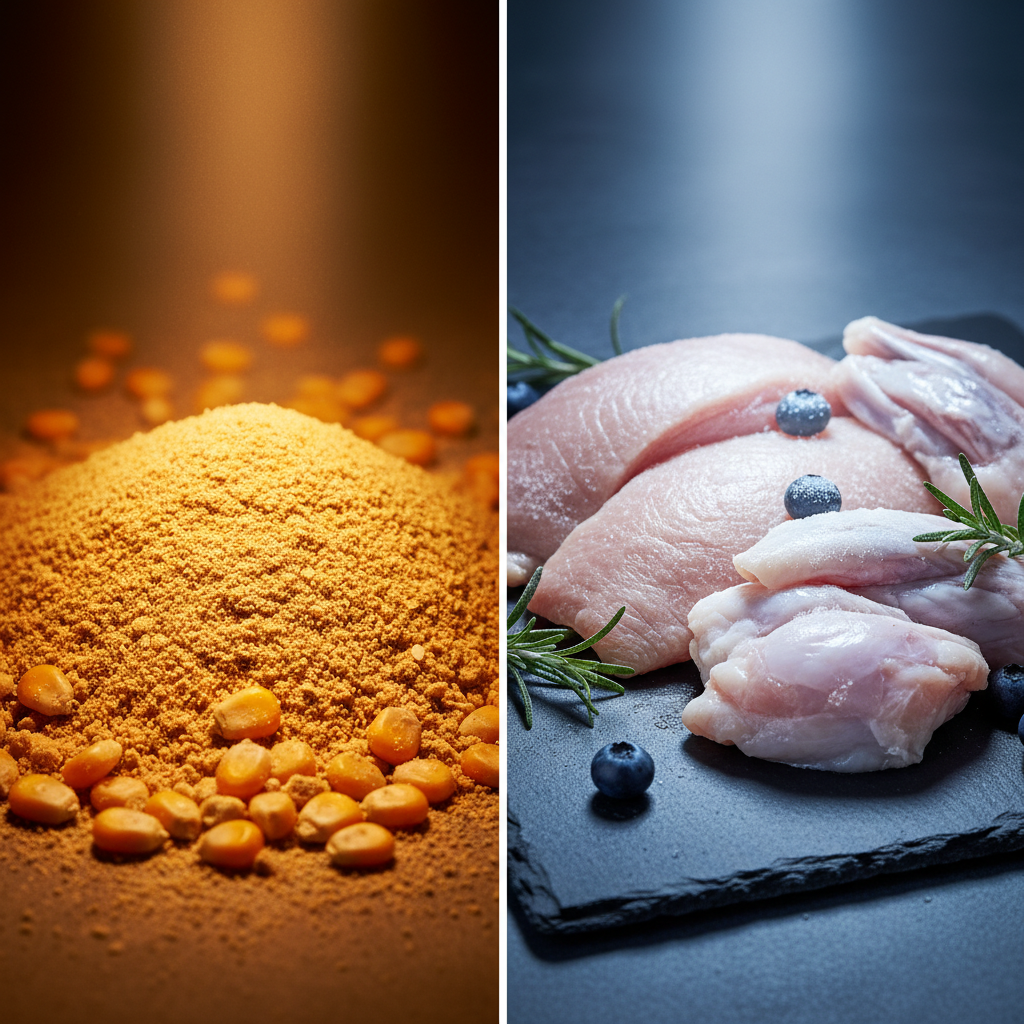
Before we dive into the specifics, you need to understand two critical concepts that are non-negotiable for any owner dealing with food sensitivities: ‘novel’ and ‘cooling’.
The ‘Novel Protein’ Advantage
A novel protein is simply a protein source your dog has likely never been exposed to. Food allergies in dogs are an immune system response to a protein the body has mistakenly flagged as a threat. The most common culprits are the proteins dogs have been eating for years, which often include:
- Chicken
- Beef
- Lamb
- Dairy
- Soy
By introducing a protein like goose, you sidestep the triggered immune response. The body doesn’t have a ‘history’ with it, so it’s less likely to react negatively. This provides a clean slate, allowing the inflamed system to calm down and heal.
The ‘Cooling’ Energetics of Goose
The concept of ‘food energetics’ from TCVM is an insider’s tool for managing chronic conditions. It classifies foods based on their energetic effect on the body after consumption. ‘Warming’ foods, like chicken and lamb, can sometimes exacerbate conditions associated with inflammation or ‘heat’.
Symptoms of excess ‘heat’ in a dog can include:
- Red, itchy skin and hot spots
- Excessive panting
- Red eyes
- Restlessness and anxiety
- Chronic ear or skin infections
Goose, along with other proteins like duck and rabbit, is classified as a ‘cooling’ food. It is believed to help clear heat from the body, reduce inflammation, and soothe the systems that are in overdrive. For a dog suffering from ‘hot’ allergy symptoms, switching from a ‘warming’ protein like chicken to a ‘cooling’ one like goose can be a game-changer, addressing the energetic imbalance at the root of the problem.
Hacker Tip: Think of it like this: you wouldn’t put a heated blanket on a sunburn. If your dog’s system is already ‘hot’ and inflamed from allergies, feeding them a ‘warming’ protein can be like adding fuel to the fire. A ‘cooling’ protein helps to put that fire out.
The Nutritional Blueprint: A Forensic Analysis of Goose Meat

Beyond its energetic properties, goose stands on its own as a nutritional powerhouse. Analyzing the label is key, and goose offers a compelling profile that directly supports canine health, especially for active or recovering dogs.
Macronutrient & Micronutrient Profile
Goose meat is a dense source of high-quality protein, essential for muscle maintenance and repair. It’s also exceptionally rich in several key nutrients that often outperform more common meats. Let’s put it head-to-head against chicken, the most common protein in dog food.
| Nutrient (per 100g cooked) | Goose Meat | Chicken Breast | The Hacker’s Verdict |
|---|---|---|---|
| Protein | ~29g | ~31g | Comparable high-quality protein. Goose provides a complete amino acid profile essential for all bodily functions. |
| Iron | ~3.8mg | ~1.0mg | Goose is a vastly superior source of iron, crucial for oxygen transport in the blood and preventing anemia. A huge win for energy and vitality. |
| Vitamin B6 | ~0.6mg | ~0.5mg | Goose holds an edge in B6, which is vital for nervous system function, red blood cell production, and hormone regulation. |
| Fat Content | ~13g (with skin) | ~3.6g | Goose is a richer meat, but its fat is high in monounsaturated fats like oleic acid (the same healthy fat found in olive oil), which supports a healthy coat and cellular function. Fat content is lower without the skin. |
Hero Ingredients Within Goose
When we talk about ‘hero ingredients’, we’re looking for what makes a food functionally excellent. For goose, these are:
- Iron: The high bioavailability of heme iron in goose makes it a superior choice for athletic dogs or those recovering from illness. More iron means better stamina and endurance.
- Riboflavin (B2) and Niacin (B3): These B-vitamins are critical for converting food into energy. A diet rich in them ensures your dog has a robust metabolism.
- Phosphorus: Working in tandem with calcium, the phosphorus in goose is essential for building and maintaining strong bones and teeth.
The richer fat profile not only provides a fantastic source of energy but also contributes to palatability. Finicky eaters are often drawn to the rich flavor of goose, making it an excellent choice for enticing a dog with a poor appetite.
Identifying the Ideal Candidate: Is Goose Right for *Your* Dog?

While goose is a powerful tool, it’s not a universal cure-all. It’s a targeted solution for specific problems. Your job as a nutritional hacker is to analyze your dog’s symptoms and determine if they fit the profile of a dog that would benefit from a cooling, novel protein.
The Symptom Checklist
Consider a switch to a goose-based diet if your dog exhibits several of the following ‘hot’ symptoms:
- Skin Issues: Persistent scratching, chewing at paws, red and inflamed skin, recurrent hot spots, or a generally dull, greasy coat.
- Ear Problems: Chronic ear infections that are yeasty, red, and painful to the touch.
- Digestive Upset: Loose stools or vomiting that seems linked to specific foods, especially chicken or beef.
- Behavioral Signs: Excessive panting even when at rest, general restlessness, or seeking out cool surfaces like tile floors to lie on.
- Eye-related Signs: Redness around the eyes or excessive eye discharge (‘gunk’).
Breeds Prone to Food Sensitivities
While any dog can develop allergies, some breeds are genetically predisposed to them. If you own one of these breeds and are seeing the symptoms above, goose should be high on your list of proteins to investigate:
- French Bulldogs
- Golden Retrievers & Labrador Retrievers
- German Shepherds
- Cocker Spaniels
- Boxers
- Shar-Peis
- West Highland White Terriers
MEDICAL DISCLAIMER: You are your dog’s primary advocate, but you are not a veterinarian. The information in this article is for educational purposes only. Always consult with your veterinarian or a board-certified veterinary nutritionist before making any significant changes to your dog’s diet. They can help you rule out other medical conditions and ensure the dietary change is appropriate for your dog’s specific health needs.
Implementation Strategy: Sourcing and Introducing Goose Meat Safely
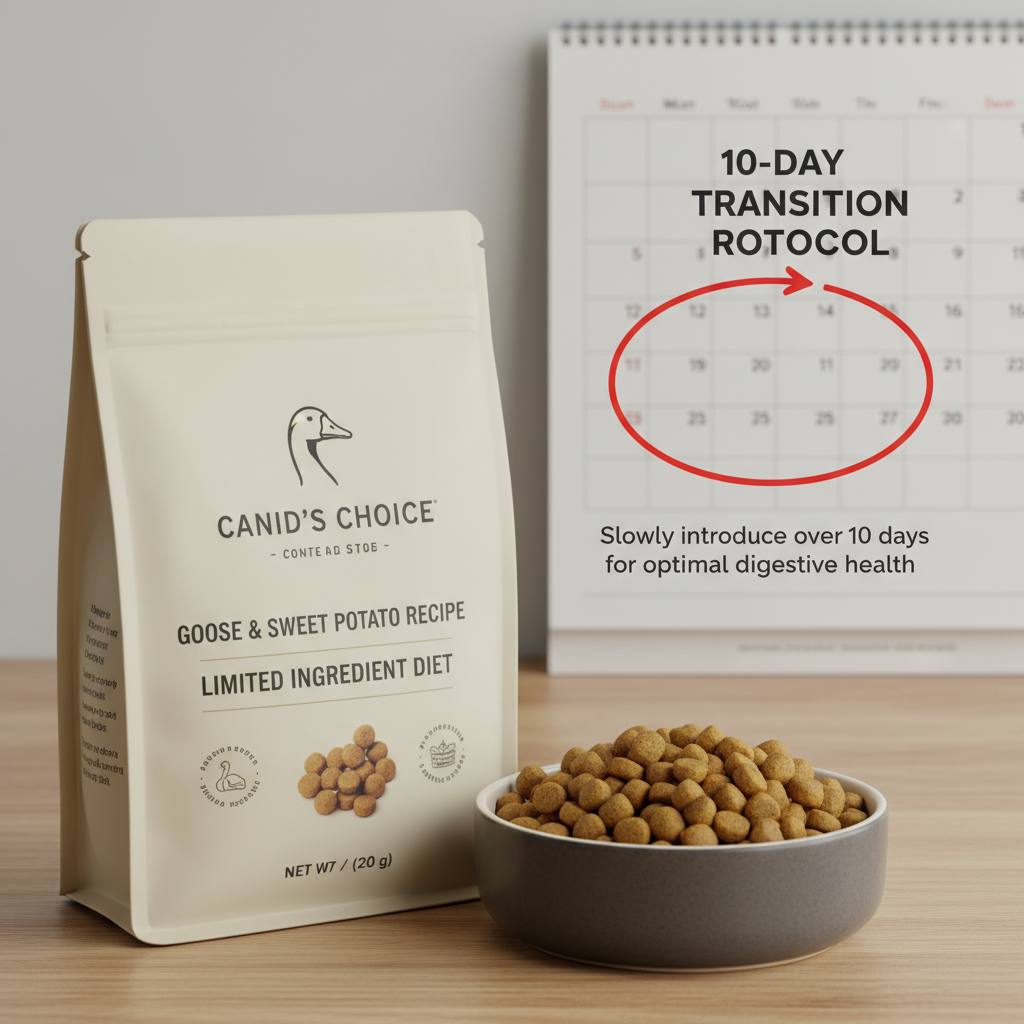
Once you and your vet have decided to proceed, the next step is implementation. This requires careful sourcing and a methodical transition to avoid shocking your dog’s digestive system.
Sourcing High-Quality Goose
You have two main paths: commercial foods or preparing it yourself.
- Commercial Diets: Look for limited ingredient diets (LID) that feature goose as the sole animal protein source. Read the ‘First 5 Ingredients’ carefully. You want to see ‘Goose’ or ‘Deboned Goose’, not ‘Meat By-product’. Avoid formulas that also include chicken fat or other common allergens, as this defeats the purpose of a novel protein trial.
- DIY Sourcing: For homemade or raw diets, you can find goose at specialty butcher shops, some high-end grocery stores (especially around holidays), or online suppliers of raw pet food. Always ensure it’s human-grade and handled with strict food safety protocols.
The 10-Day Transition Protocol
Never switch your dog’s food cold turkey. This is a recipe for digestive disaster. Use a slow, gradual transition to allow their gut bacteria to adapt:
- Days 1-3: 75% old food, 25% new goose-based food.
- Days 4-6: 50% old food, 50% new food.
- Days 7-9: 25% old food, 75% new food.
- Day 10 onwards: 100% new food.
Monitor your dog’s stool throughout this process. If they experience loose stool, pause at the current ratio for an extra day or two before increasing the new food.
Insider Secret: When running a food trial, eliminate all other protein sources. This means no chicken-flavored treats, no beef bully sticks, and no table scraps. The trial must be completely clean to accurately assess if the goose protein is working. Use single-ingredient goose jerky or simply use their kibble as treats during this period.
The DIY Option: A Balanced Goose-Based Recipe (For the Advanced Owner)
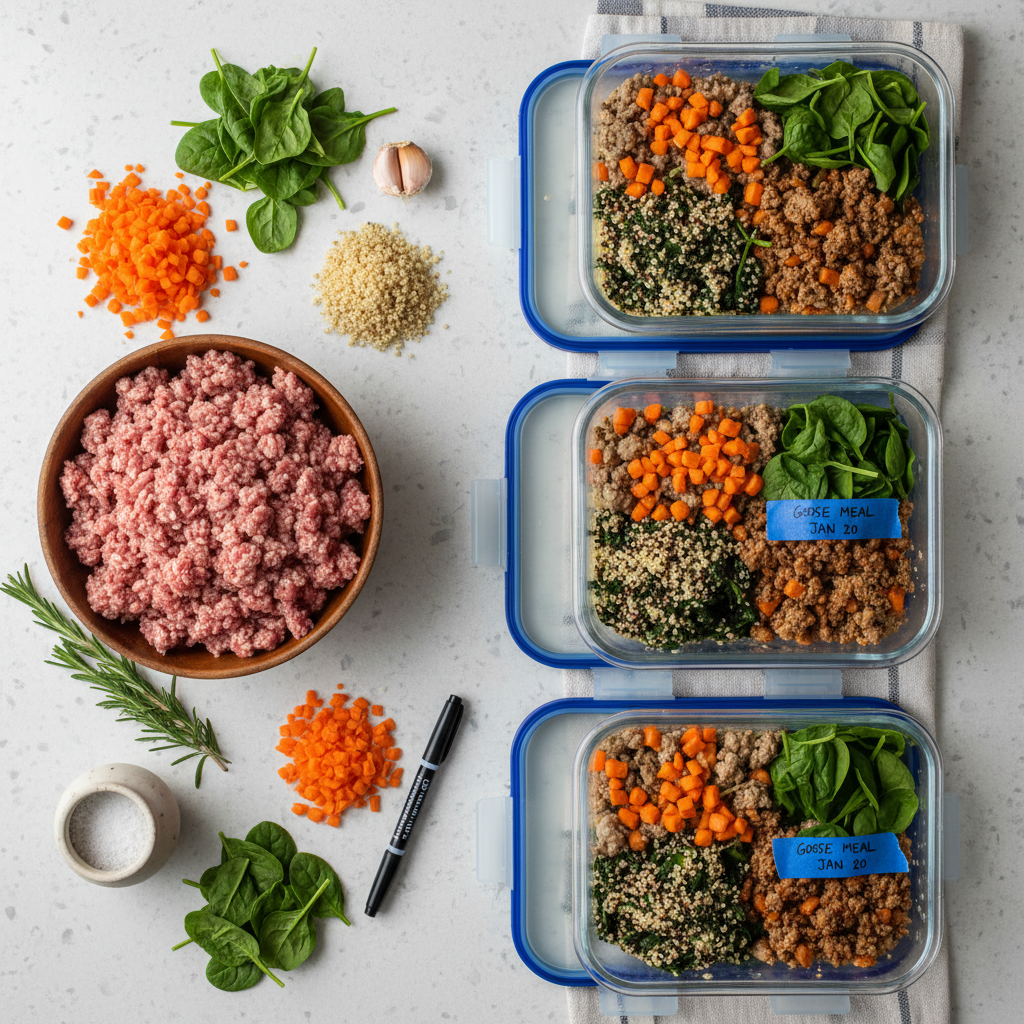
For the owner committed to full control over their dog’s intake, a homemade diet can be incredibly rewarding. However, it comes with a serious responsibility to ensure it is complete and balanced.
SAFETY DISCLAIMER: This recipe is a foundational guideline, not a complete nutritional plan. Long-term homemade diets require precise supplementation (calcium, essential fatty acids, vitamins, and minerals) to prevent severe health issues. You MUST work with a veterinary nutritionist to tailor this recipe to your dog’s specific needs, size, and activity level.
The Canine Nutrition Hacker’s Goose & Veggie Medley
This recipe follows a basic ratio for a cooked diet. All ingredients should be cooked and unseasoned.
- 50% Protein: Cooked and deboned ground goose.
- 25% Complex Carbohydrates: Cooked quinoa or brown rice (good sources of fiber).
- 25% Vegetables & Fruits: Steamed and mashed carrots, chopped spinach, or pumpkin puree (avoid onions, garlic, and grapes).
- Essential Fats: A small amount of a vet-approved Omega-3 oil (like fish oil or flaxseed oil) added after cooking and cooling.
Batch Cooking & Storage
To make this manageable, cook in large batches. Mix all the cooked and cooled ingredients together in a large bowl. Portion the mixture into individual meal-sized containers or silicone molds and freeze. A portion can be thawed in the refrigerator the night before serving. This ensures freshness and makes daily feeding incredibly simple.
Cost Breakdown: DIY vs. Premium Commercial
Is going DIY worth the effort financially? It depends on your sourcing.
| Factor | DIY Goose Diet (per month) | Premium Goose Kibble (per month) |
|---|---|---|
| Ingredient Cost | $150 – $250+ (Varies wildly based on goose price) | $90 – $120 (for a ~25lb bag) |
| Supplements | $20 – $40 (Calcium, Omega-3s, Multivitamin) | Included in formula |
| Time & Labor | High (Shopping, cooking, portioning) | Low (Open and scoop) |
| Total Estimated Monthly Cost (50lb dog) | $170 – $290+ | $90 – $120 |
The verdict is clear: while DIY offers ultimate control, premium commercial food is often more convenient and cost-effective, with the added security of being professionally formulated for nutritional completeness.
Conclusion
Goose is far more than just an alternative poultry option; it’s a strategic nutritional tool. As a novel and cooling protein, it offers a powerful, targeted solution for dogs plagued by the heat and inflammation of food allergies and sensitivities. By understanding the principles of novel proteins and food energetics, you elevate yourself from a simple pet owner to a proactive Canine Nutrition Hacker, capable of analyzing your dog’s symptoms and making informed, impactful decisions about their health.
Whether you choose a carefully vetted commercial food or embark on a balanced DIY path with professional guidance, introducing goose could be the key to ending the cycle of itching, irritation, and discomfort. Take this knowledge, examine your dog’s needs, read every label, and have an informed conversation with your veterinarian. The path to a healthier, more comfortable life for your companion may just begin with this remarkable bird.