How to Make Natural Dog-Safe Food Coloring for Icing
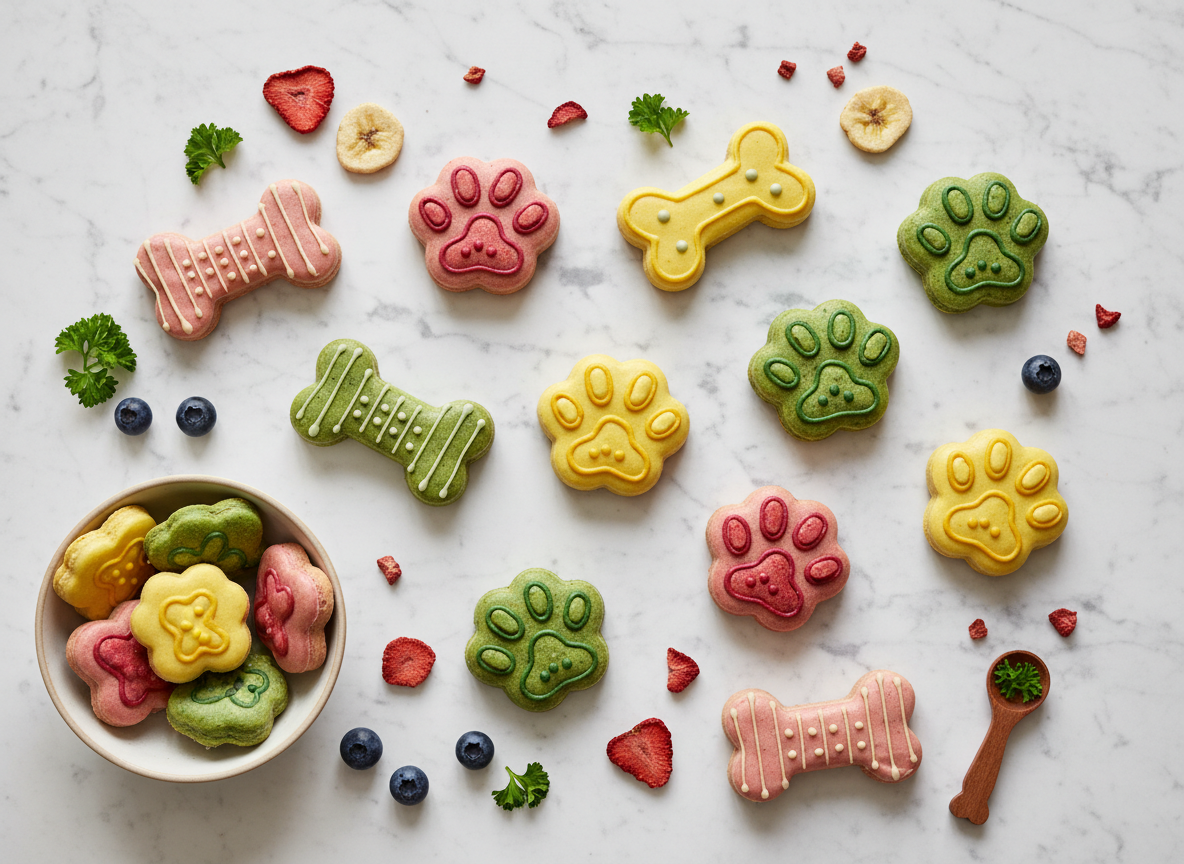
When a special occasion like a birthday or ‘gotcha day’ rolls around, we want to celebrate our canine companions. That often involves special treats, and what’s a celebratory treat without a bit of festive color? But before you reach for that bottle of standard food coloring from your baking cabinet, stop. As the Canine Nutrition Hacker, I’m here to tell you that the ingredient list on that tiny bottle is a minefield of artificial dyes and chemicals you don’t want anywhere near your dog’s bowl.
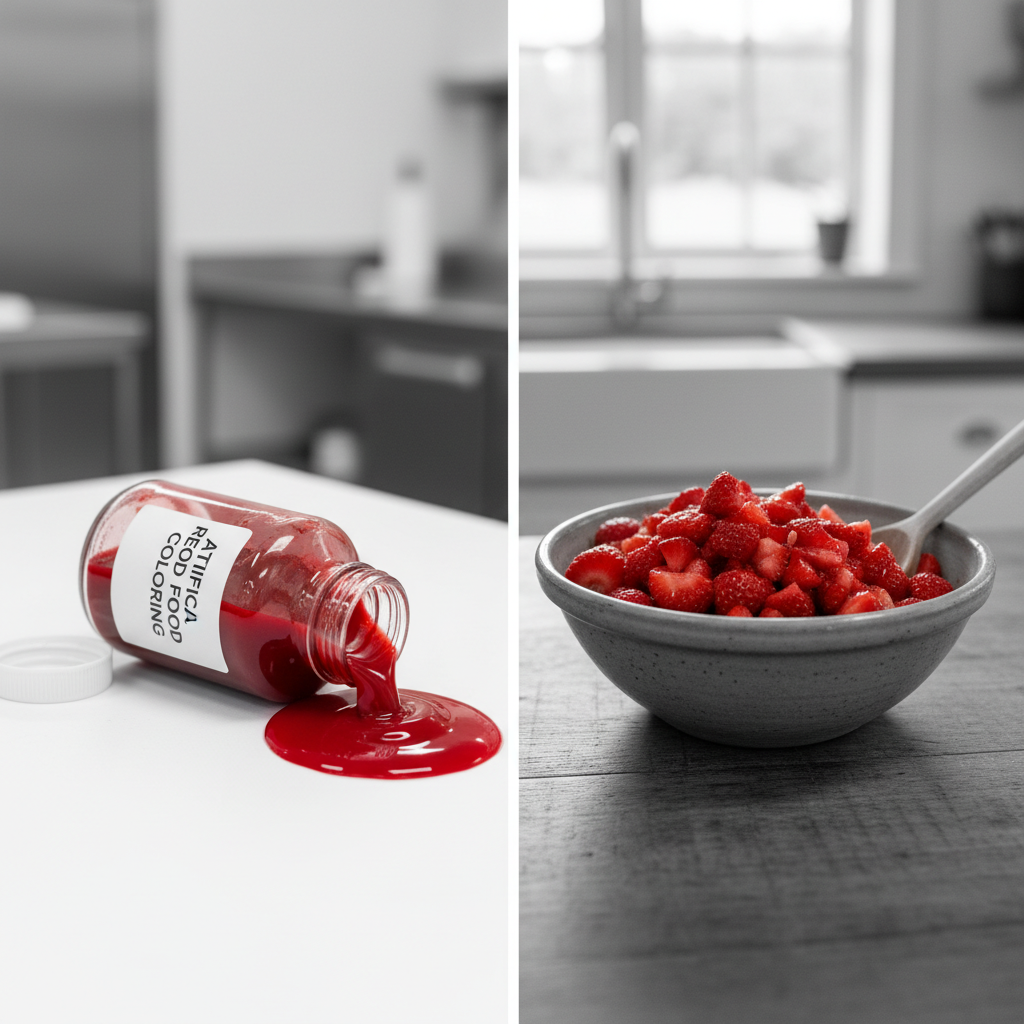
Commercial food colorings often contain petroleum-derived substances like Red 40, Yellow 5, and Blue 1, which have been linked to a host of health issues in both humans and sensitive pets. Furthermore, many baking products, especially sprinkles and pre-made icings, can hide a lethal threat: xylitol. My philosophy is simple: if you can’t pronounce it, or it didn’t grow on a plant or come from a reputable source, you should question its place in your dog’s diet. This guide will empower you to bypass the commercial junk and become a master of all-natural canine confections. We’ll turn your kitchen into a laboratory for vibrant, healthy, and completely dog-safe food colorings. Let’s hack your dog’s treat jar.
The Canine Nutrition Hacker’s Safety Mandate: Dyes to Ditch and Dangers to Dodge
The Canine Nutrition Hacker’s Safety Mandate: Dyes to Ditch and Dangers to Dodge
Before we create, we must eliminate. The first rule of canine nutrition hacking is to know the enemy. Your primary goal is your dog’s safety, and the world of decorative baking is surprisingly hazardous for them.
The Problem with Artificial Dyes
Human-grade food coloring is not designed for canine consumption. While a tiny drop might not cause immediate harm in most dogs, the cumulative effect of artificial additives is what we aim to avoid. Here’s what you’re dodging:
- Common Artificial Colors: Dyes like Allura Red (Red 40), Tartrazine (Yellow 5), and Brilliant Blue (Blue 1) are synthetic chemical cocktails. Studies have linked them to increased hyperactivity in children and allergic reactions, and their long-term effects on dogs are poorly understood. Why take the risk when a natural alternative is superior?
- Propylene Glycol: This is a common carrier ingredient in many liquid food colorings. While it’s considered safe for dogs in small amounts (it’s even used in some commercial dog foods), it is notoriously toxic to cats. If you have a multi-pet household, it’s an unnecessary risk to have in your kitchen.
The Unforgivable Ingredient: Xylitol
This is a non-negotiable, life-threatening danger. Xylitol is a sugar substitute that is extremely toxic to dogs. It can cause a rapid, severe drop in blood sugar (hypoglycemia) and liver failure, which can be fatal. It is commonly found in:
- Sugar-free icing and frostings
- Sprinkles and other cake decorations
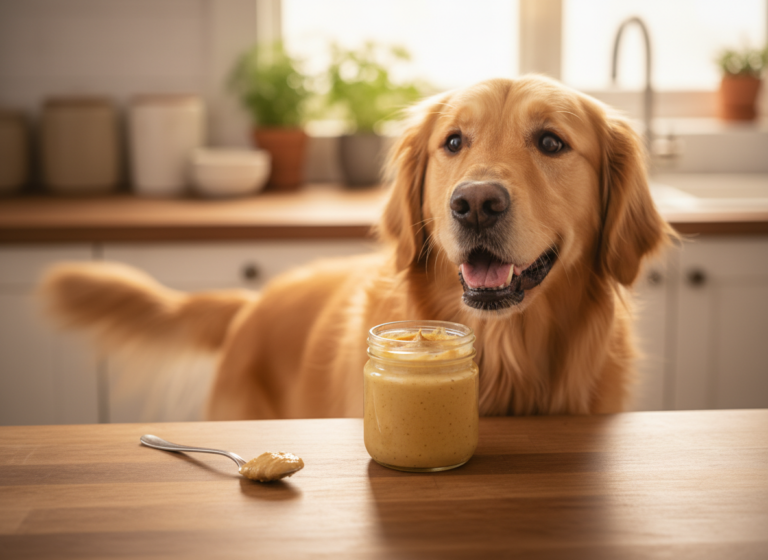
- Peanut butter (always check the label for ‘natural’ brands without it)
- Gummy candies and other sweets
There is no safe dose of xylitol for your dog. Always assume any human-grade decorative product contains it unless you can verify otherwise. This is the single most important reason to make your own icing and coloring from scratch.
Hacker Tip: Get into the habit of reading every single label, every single time. Brands change their formulas. The five minutes you spend scrutinizing an ingredient list could save you an emergency vet visit and thousands of dollars. Your dog’s life depends on your diligence.
Building Your Natural Color Palette: The Ingredient Arsenal
Building Your Natural Color Palette: The Ingredient Arsenal
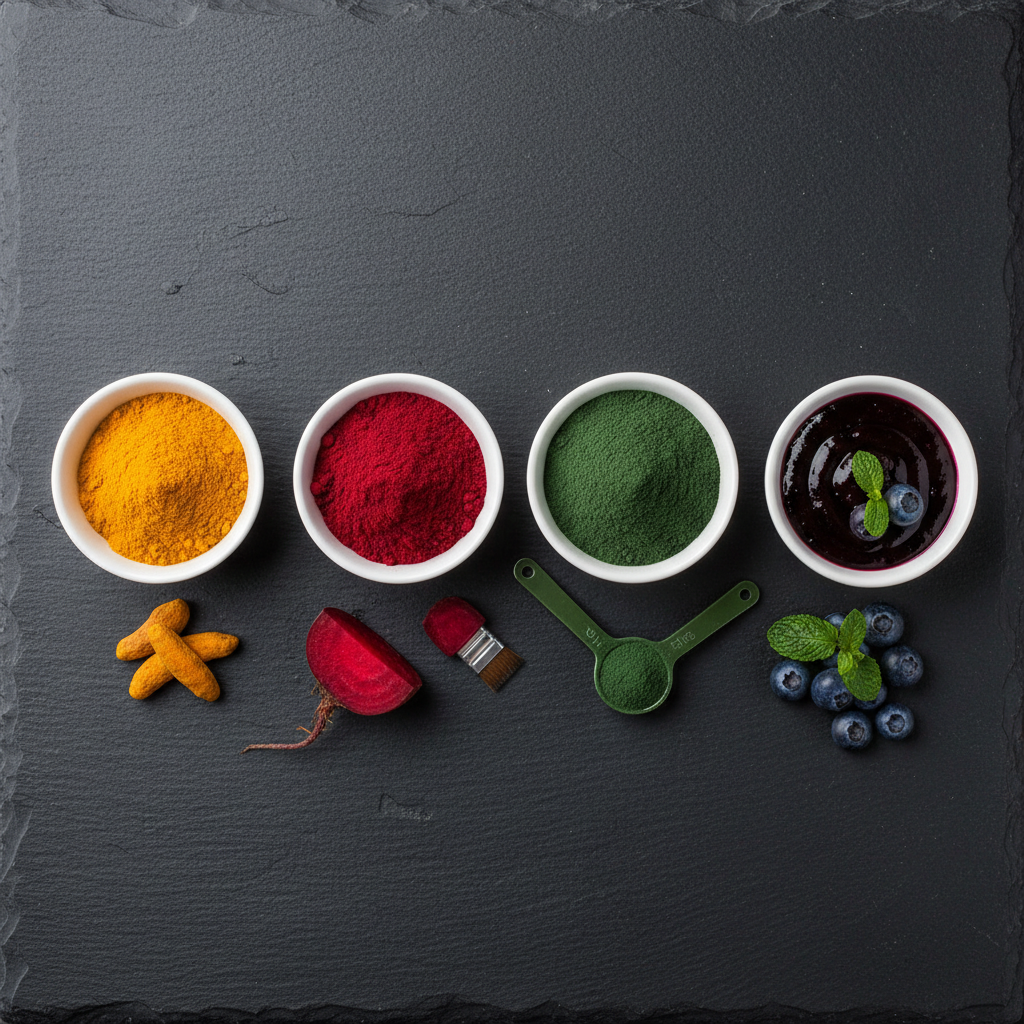
Welcome to your new paintbox. Nature provides a full spectrum of vibrant, nutrient-packed colors that can turn any bland treat into a work of art. Here is your arsenal, broken down by color. For each, we’ll discuss the best form to use (powder, purée, or juice) for maximum color impact.
Reds & Pinks
- Beets: The undisputed king of natural red. You can use the juice from boiled or roasted beets, or for a super-concentrated color, use high-quality beet powder. Nutrient Hack: Beets are packed with folate, potassium, and antioxidants.
- Strawberries & Raspberries: These provide a beautiful pinkish-red hue. Use a smooth, seedless purée for the best results. Simply blend fresh or frozen berries and push them through a fine-mesh sieve.
Oranges & Yellows
- Turmeric: A powerhouse of color and health benefits. You need only a tiny amount of turmeric powder to get a brilliant golden yellow. Nutrient Hack: Curcumin, the active compound in turmeric, is a potent anti-inflammatory.
- Pumpkin & Butternut Squash: A plain, unsweetened purée provides a lovely, soft orange color. Ensure you’re using 100% pure pumpkin, not pie filling.
- Carrots: Carrot juice, especially when reduced by simmering, creates a pleasant orange. Finely grated raw carrot can also add specks of color.
Greens
- Spinach: Don’t worry, your dog won’t taste it in the small amounts needed for color. The best method is to juice it or blend it with a tiny bit of water and strain it well.
- Spirulina: This blue-green algae is incredibly potent. A minuscule amount of spirulina powder will create a deep, rich green. It has a strong smell, so use it sparingly. Nutrient Hack: Spirulina is a complete protein and rich in vitamins.
Blues & Purples
- Blueberries & Blackberries: Like their red cousins, these berries create deep purple and blue tones when puréed and strained. The color can vary depending on the acidity of your icing base.
- Red Cabbage: This is a fun science experiment. Boil red cabbage leaves in water to create a purple liquid. This liquid is a natural pH indicator. Add a tiny pinch of baking soda to your purple juice, and it will magically turn blue!
Browns & Blacks
- Carob Powder: This is your safe and delicious substitute for chocolate. NEVER use chocolate, as it is toxic to dogs. Carob powder provides a rich brown color and a slightly sweet taste dogs love.
- Activated Charcoal: For a true, deep black, a very small amount of food-grade activated charcoal powder can be used. However, charcoal can interfere with the absorption of medications, so consult your veterinarian before using it, especially if your dog is on any medication or has health issues.
The Hacker’s Method: From Whole Food to Vibrant Color Concentrate
The Hacker’s Method: From Whole Food to Vibrant Color Concentrate
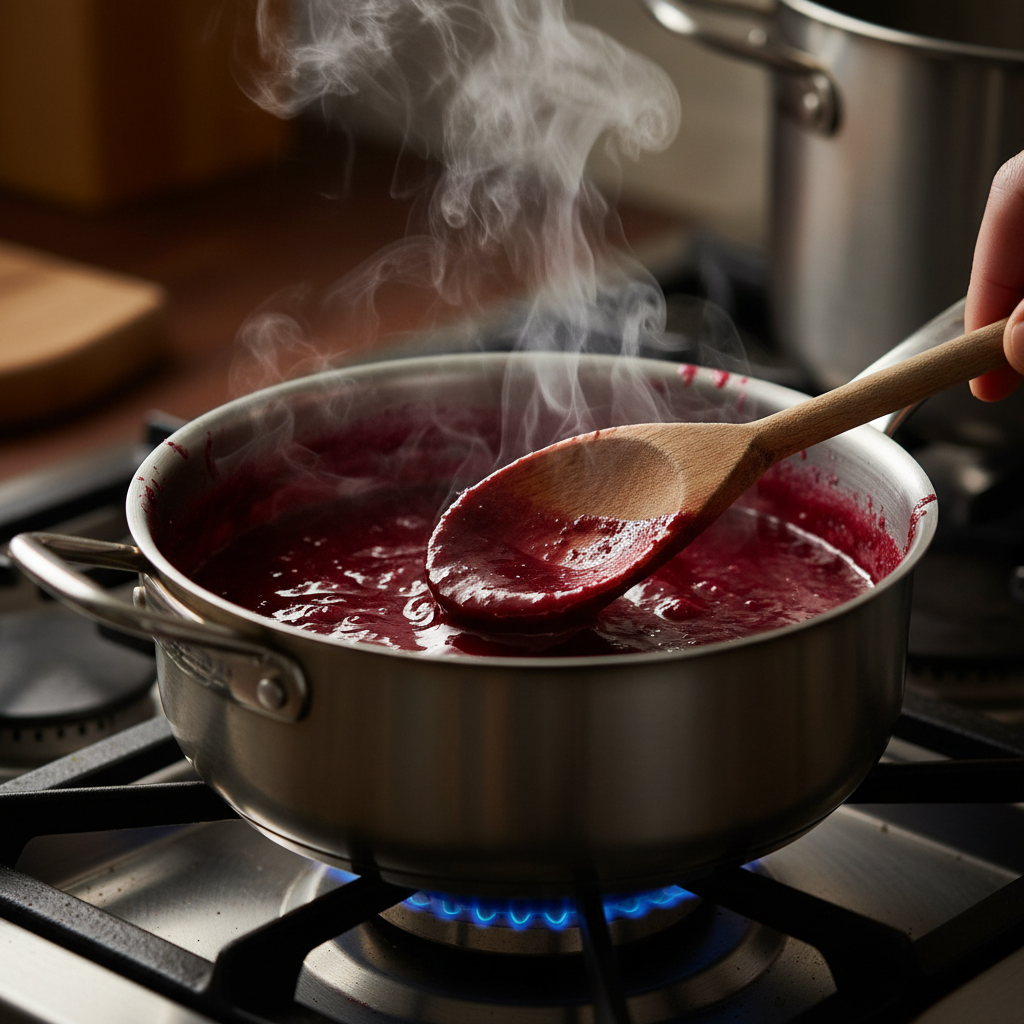
Having the right ingredients is only half the battle. The secret to professional-looking decorated treats is creating a colorant that is concentrated. Adding too much liquid (like plain juice or watery purée) will break your icing, making it runny and unusable. Master these three methods to create potent colorants.
Method 1: The Smooth Purée
This method is ideal for berries, pumpkin, and other soft fruits and vegetables.
- Place fresh or thawed frozen fruit/veg into a blender.
- Blend until completely smooth. Avoid adding water if possible.
- Place a fine-mesh sieve over a bowl and pour the purée into it.
- Using the back of a spoon or a small spatula, press the purée through the sieve. This removes seeds and fibrous material, leaving you with a silky-smooth, color-rich base perfect for mixing into frosting.
Method 2: The Concentrated Juice
Perfect for hard vegetables like beets and carrots, or leafy greens like spinach. This method creates the most potent liquid colorant.
- If you own a juicer, simply juice your raw ingredient.
- If you don’t have a juicer, finely chop your ingredient, add it to a blender with a small amount of water (just enough to get it moving), and blend until it’s a slurry.
- Pour the slurry into a cheesecloth or nut milk bag and squeeze every last drop of juice into a small saucepan.
- Gently simmer the juice over low heat. Do not boil. Let it reduce by about half. You will see the color darken and the liquid thicken slightly.
- Let it cool completely. This is your color concentrate. It’s twice as strong as the original juice, meaning you use less and maintain the integrity of your icing.
Method 3: The Powder Paste
This is the simplest and often most effective method, especially with potent powders like turmeric, beet, or spirulina.
- In a very small bowl, place a small amount of your chosen powder (e.g., 1/2 teaspoon).
- Add a few drops of water at a time, mixing with a small spoon or toothpick.
- Continue adding drops and mixing until you have a thick, smooth paste about the consistency of toothpaste.
- This paste will now incorporate seamlessly into your icing base without creating lumps or adding excess liquid.
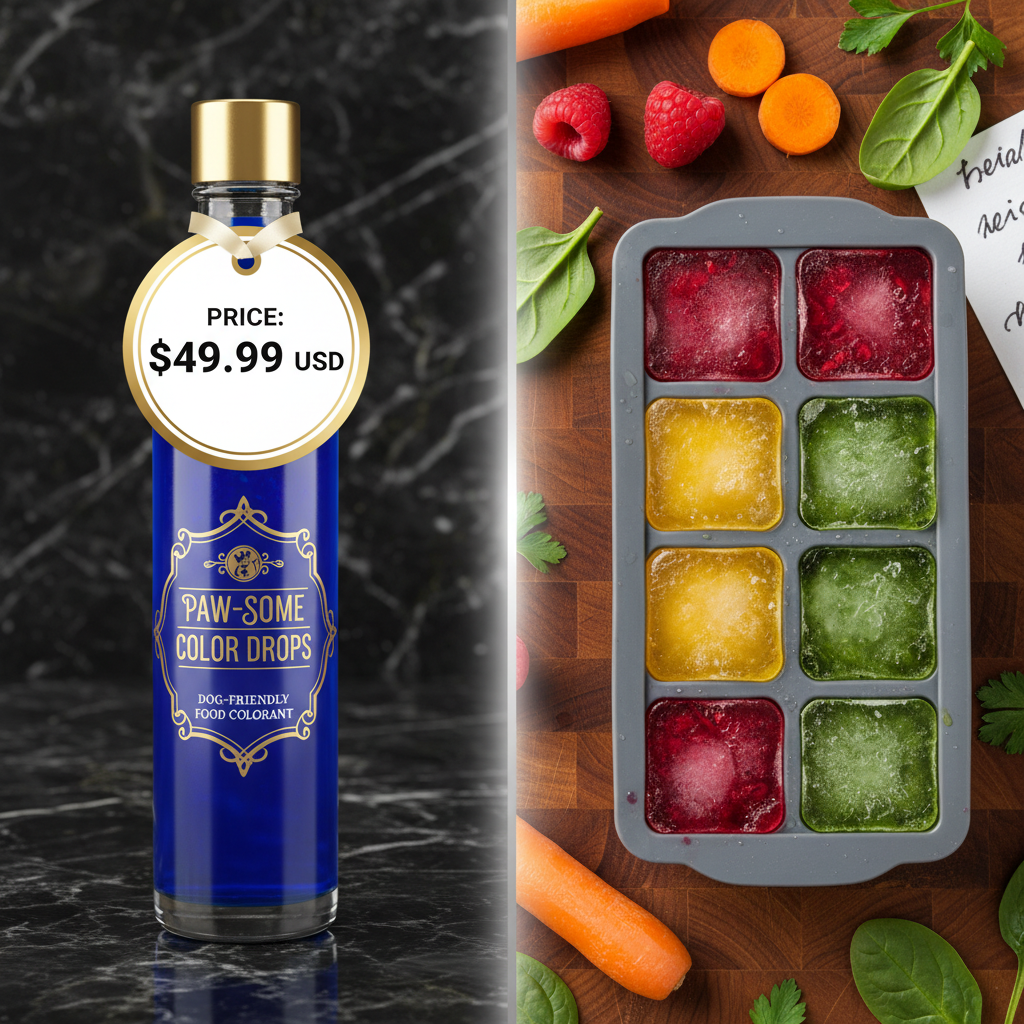
Insider Secret: Batch-produce your color concentrates! Pour your cooled, reduced juices or smooth purées into an ice cube tray and freeze. A single cube is the perfect portion to color a typical batch of dog treat icing. You’ll have a rainbow on demand, hacking your future prep time down to seconds.
The Base: Crafting the Perfect Dog-Safe Icing Canvas
The Base: Crafting the Perfect Dog-Safe Icing Canvas
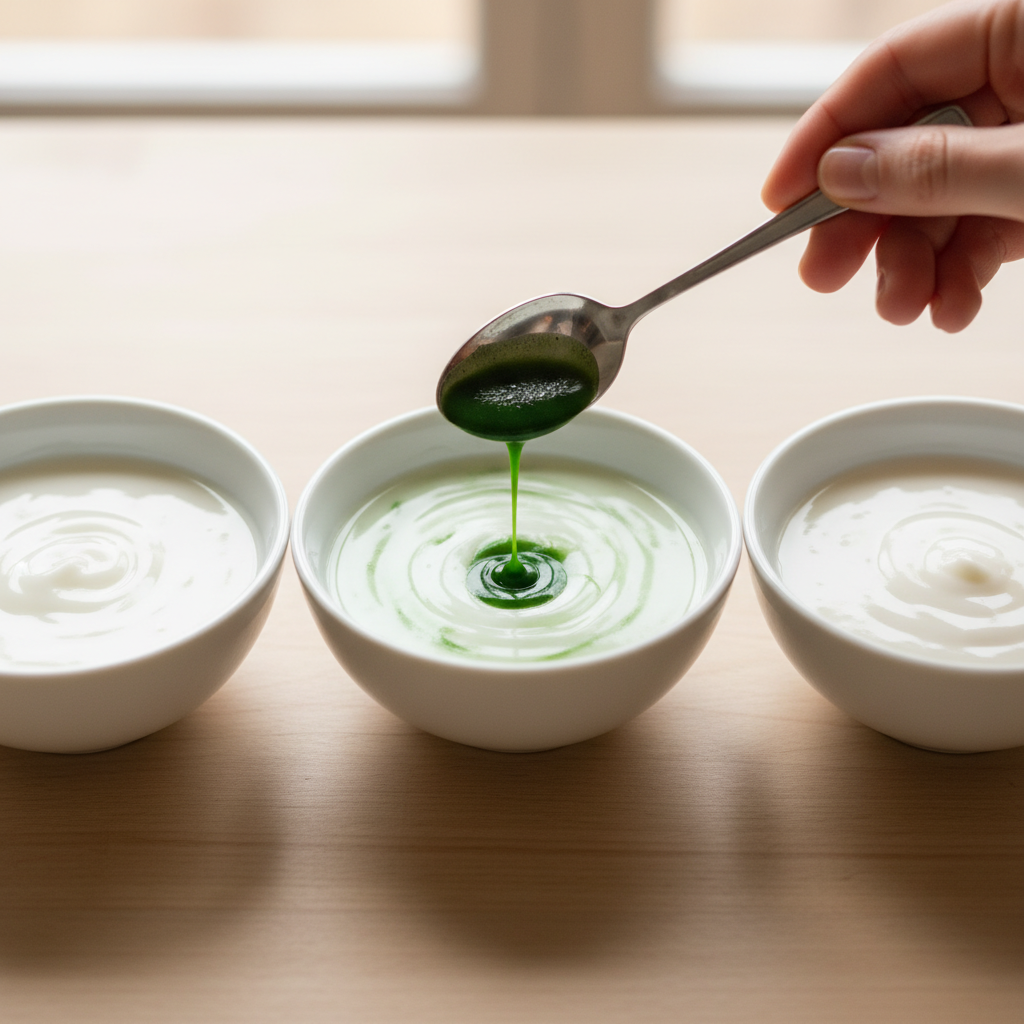
Your beautiful, natural colors need a perfect canvas. A good dog-safe icing should be simple, have a thick consistency for piping or spreading, and firm up when chilled. Always start with a white or neutral base to allow your colors to shine. Here are three hacker-approved recipes.
Recipe 1: Greek Yogurt & Starch Icing (The Protein Base)
This is the go-to for a simple, no-fuss, protein-packed frosting.
- Ingredients: 1/2 cup plain, unsweetened Greek yogurt; 2-3 tablespoons tapioca starch or cornstarch.
- Instructions: Place the Greek yogurt in a bowl. Add the starch one tablespoon at a time, mixing vigorously until smooth and thick. If it’s too thin, add more starch; if it’s too thick, add a tiny bit more yogurt. This icing firms up nicely in the refrigerator.
Recipe 2: Cream Cheese & Honey Frosting (The Celebration Special)
Richer and more decadent, this is perfect for a special birthday treat. Use in moderation.
- Ingredients: 4 ounces of plain, full-fat cream cheese, softened; 1 teaspoon of raw honey (optional).
- Instructions: Using a hand mixer or a sturdy whisk, whip the softened cream cheese until it’s light and fluffy. If desired, mix in the honey. This creates a rich, pipeable frosting similar to human cream cheese frosting.
Recipe 3: Mashed Potato & Broth Glaze (The Savory Option)
For dogs who prefer savory over sweet, this is a fantastic option.
- Ingredients: 1/2 cup plain mashed potatoes (no butter, salt, or milk); 1-2 tablespoons of sodium-free chicken or beef broth.
- Instructions: Ensure the mashed potatoes are completely smooth. Whisk in the broth one tablespoon at a time until you reach a thick, glaze-like consistency. It’s perfect for dipping or spreading.
The Coloring Process
Regardless of your chosen base, the process is the same. Start with your finished white icing in a bowl. Add a very small amount of your natural color concentrate, purée, or paste. Mix thoroughly. Continue to add tiny amounts of color and mix until you achieve the desired shade. It’s always easier to add more color than it is to take it away.
Real Cost & Time Breakdown: DIY vs. Store-Bought
Real Cost & Time Breakdown: DIY vs. Store-Bought
A core tenet of the Canine Nutrition Hacker is value. This isn’t just about saving money; it’s about getting superior quality and safety for your investment of time and resources. Let’s break down the real cost of going DIY versus buying a pre-made, so-called ‘natural’ dog food coloring.
The time investment for creating a full palette of colors is minimal. You can create enough color concentrate from one beet, a handful of spinach, and a few berries to last for months (if frozen) in about 20-30 minutes of active work. The value proposition is undeniable.
| Item/Color | DIY Method & Approximate Cost | Store-Bought ‘Natural’ Alternative | The Hacker’s Verdict |
|---|---|---|---|
| Vibrant Red/Pink | 1 organic beet (~$0.75) yields ~1/2 cup of potent concentrate. | $9.99 for a 0.5 oz bottle of ‘plant-based’ coloring. | Massive savings. For less than a dollar, you get 8 times the volume with zero preservatives or additives. |
| Bright Yellow | 1 tsp organic turmeric powder (~$0.10) is enough for multiple batches. | Included in a multi-color pack, averaging ~$3-4 per color. | The cost is negligible, and you get the added anti-inflammatory benefits of real turmeric. Unbeatable value. |
| Rich Green | 1 cup of spinach (~$1.00) yields ~1/4 cup of concentrate. | $9.99 for a 0.5 oz bottle of ‘plant-based’ coloring. | Again, the cost savings are immense, and you’re using a nutrient-dense superfood instead of a processed liquid. |
| Deep Purple/Blue | 1/2 cup of frozen blueberries (~$1.50) yields ~1/4 cup of purée. | Often the hardest color to find; specialty brands charge a premium. | DIY is superior in every way. You get antioxidants and fiber, and the cost is a fraction of a commercial product. |
Insider Secret: Don’t throw away the pulp after juicing carrots or beets! Mix the fibrous pulp with a little flour and an egg to create simple, healthy, and colorful dog biscuits. This is a zero-waste hack that turns one ingredient into two separate treats, maximizing your budget and nutritional output.
Conclusion
You are now equipped with the knowledge to transform your dog’s treats from mundane to magnificent, all while prioritizing their health and safety. By ditching the artificial dyes and embracing the power of whole foods, you’ve done more than just learn to make food coloring—you’ve taken another significant step toward having complete control over your dog’s nutrition. You’ve learned to identify and eliminate potential dangers, harness the nutritional power of everyday ingredients, and create something beautiful and safe, all while saving a significant amount of money.
This is the essence of being a Canine Nutrition Hacker. It’s about looking past the marketing, analyzing the reality of the ingredients, and making smarter, healthier, and more economical choices. Your dog trusts you implicitly to provide the best for them. Now, you can confidently decorate their next birthday pupcake or celebratory biscuit knowing that every colorful swirl is not only safe, but actively contributing to their well-being. Go ahead and get creative—your dog will thank you for it.