How to Switch Dog Food Without Causing an Upset Stomach
Stop guessing. Stop cleaning up messes. Switching your dog’s food isn’t a casual scoop-and-swap operation; it’s a calculated process that can either bolster their health or send their digestive system into a tailspin. Many well-meaning owners make the critical mistake of an abrupt change, leading to vomiting, diarrhea, and a miserable dog. This isn’t just an inconvenience—it’s a sign of a gut microbiome in chaos. As the Canine Nutrition Hacker, I’m here to give you the insider protocol. We’re going to dissect the process, expose the common pitfalls, and arm you with a bulletproof plan to transition your dog to their new diet smoothly and successfully. Forget the vague advice on the back of the bag; this is the definitive guide to a peaceful gut and a happy dog.
The Gut-Wrenching Truth: Why Sudden Food Switches Cause Chaos
To understand why a slow transition is non-negotiable, you must first understand your dog’s gut. It’s a complex ecosystem, a finely-tuned city of bacteria and enzymes—the microbiome—that has adapted specifically to digest their current food. Every protein, fat, and carbohydrate source requires a specific set of digestive tools. When you suddenly introduce a completely new set of ingredients, you’re essentially staging a coup in that ecosystem.
The existing gut bacteria are unprepared for the new formula. They lack the right enzymes to break it down efficiently. This undigested food ferments, creating gas, bloating, and the perfect environment for harmful bacteria to thrive. The result? An inflammatory response that manifests as the classic signs of gastrointestinal (GI) distress: explosive diarrhea, vomiting, and painful cramping. It’s not that the new food is necessarily ‘bad’; it’s that the gut was given no warning, no time to adapt its internal machinery.
The Primary Offenders of an Abrupt Switch:
- Microbiome Shock: The beneficial bacteria are overwhelmed, leading to a state of dysbiosis (an imbalance of good vs. bad bacteria).
- Enzymatic Deficiency: The pancreas may not produce the correct quantity or type of enzymes needed to break down the novel proteins and fats, leading to poor nutrient absorption and irritation.
- Osmotic Diarrhea: Undigested nutrients in the colon can draw excess water into the stool, resulting in loose, watery feces.
Insider Secret: Think of your dog’s gut like a highly specialized factory. If you’ve been manufacturing one product for years and suddenly switch the raw materials overnight without retooling the machines, the entire production line will crash. The slow transition is the retooling process.
The Canine Nutrition Hacker’s 7-10 Day Transition Protocol
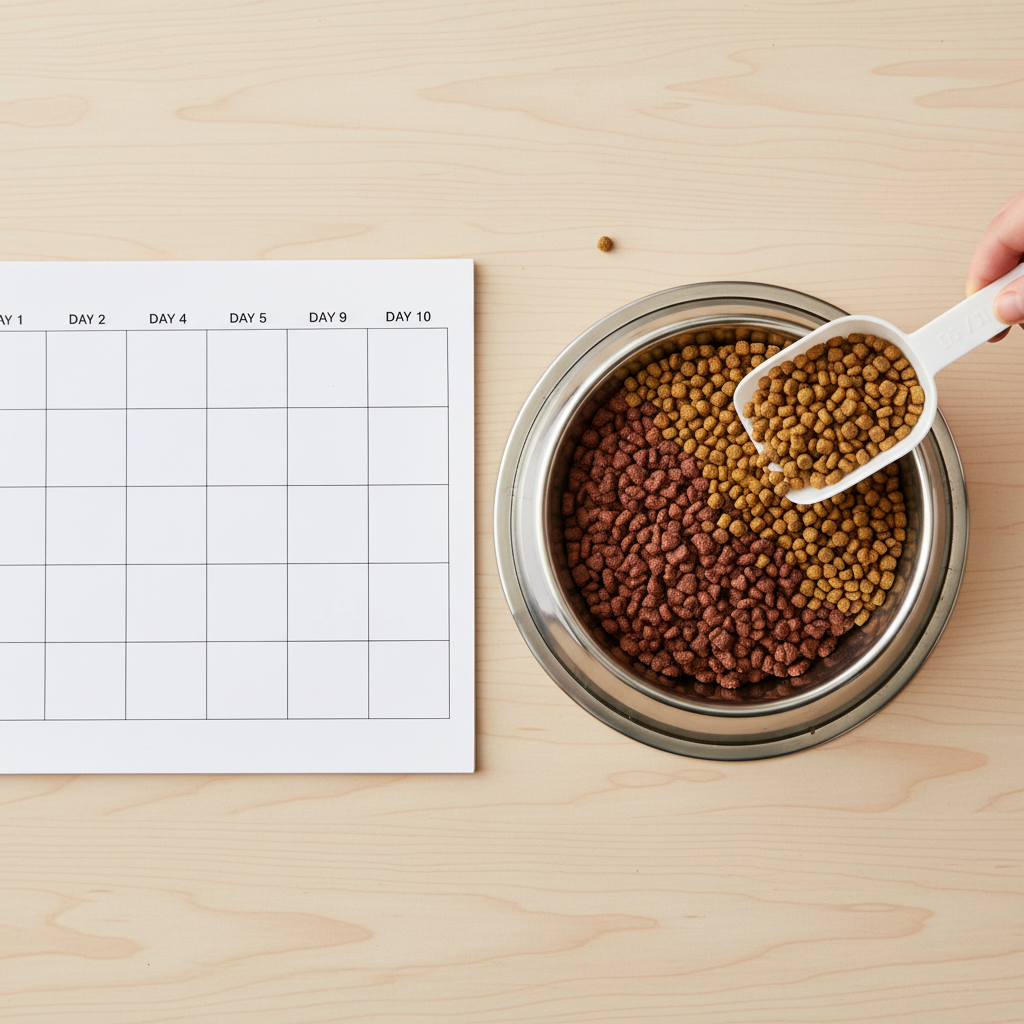
This is the blueprint. Do not deviate. This gradual introduction allows the gut microbiome to slowly adapt, for enzyme production to adjust, and for you to monitor for any subtle signs of intolerance before they become major problems. While a 7-day transition is the minimum, I strongly recommend a 10-day period for dogs with known sensitivities or for a switch between vastly different food types (e.g., grain-based kibble to a grain-free, novel protein formula).
The Official Transition Schedule
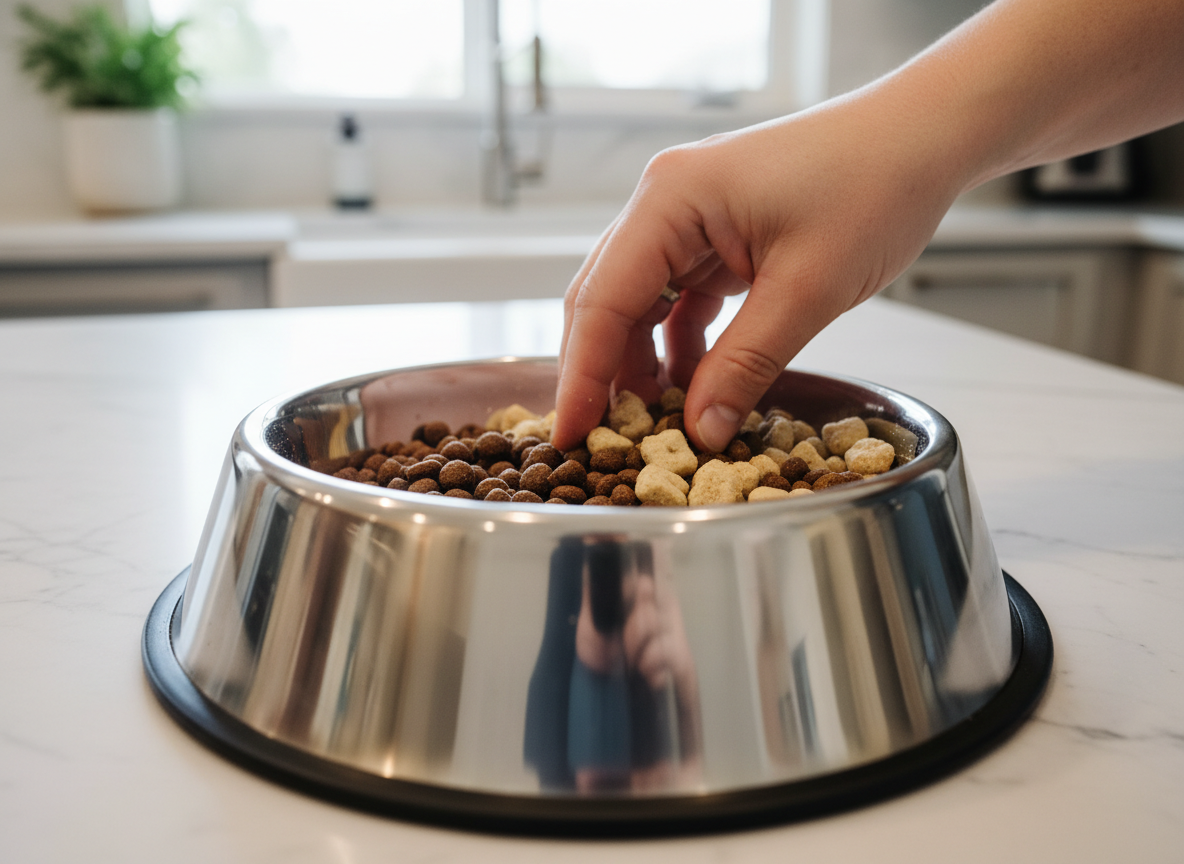
Use this table as your non-negotiable guide. ‘Old Food’ refers to the current diet, and ‘New Food’ is the one you are transitioning to. The percentages are based on the total volume of food per meal.
| Day(s) | Old Food Percentage | New Food Percentage | Monitoring Notes |
|---|---|---|---|
| 1-2 | 75% | 25% | Observe stool consistency. Normal is the goal. |
| 3-4 | 50% | 50% | Check for any increase in gas, itching, or lethargy. |
| 5-6 | 25% | 75% | Stools should remain firm. The dog’s energy should be normal. |
| 7-10+ | 0% | 100% | Full transition complete. Continue to monitor for 2 weeks. |
Hacker Tip: During the transition, do not introduce any other new variables. This is not the time to try new treats, dental chews, or human food scraps. You need a controlled environment. If an issue arises, you must be able to pinpoint the new food as the only possible cause.
Measure precisely. Do not ‘eyeball’ the ratios. Use measuring cups to ensure you are sticking to the protocol. For small dogs, a kitchen scale can provide even greater accuracy. Consistency is the key to giving your dog’s digestive system the predictable, stable environment it needs to adapt successfully.
Forensic Analysis: Identifying ‘Enemy Ingredients’ on the Label
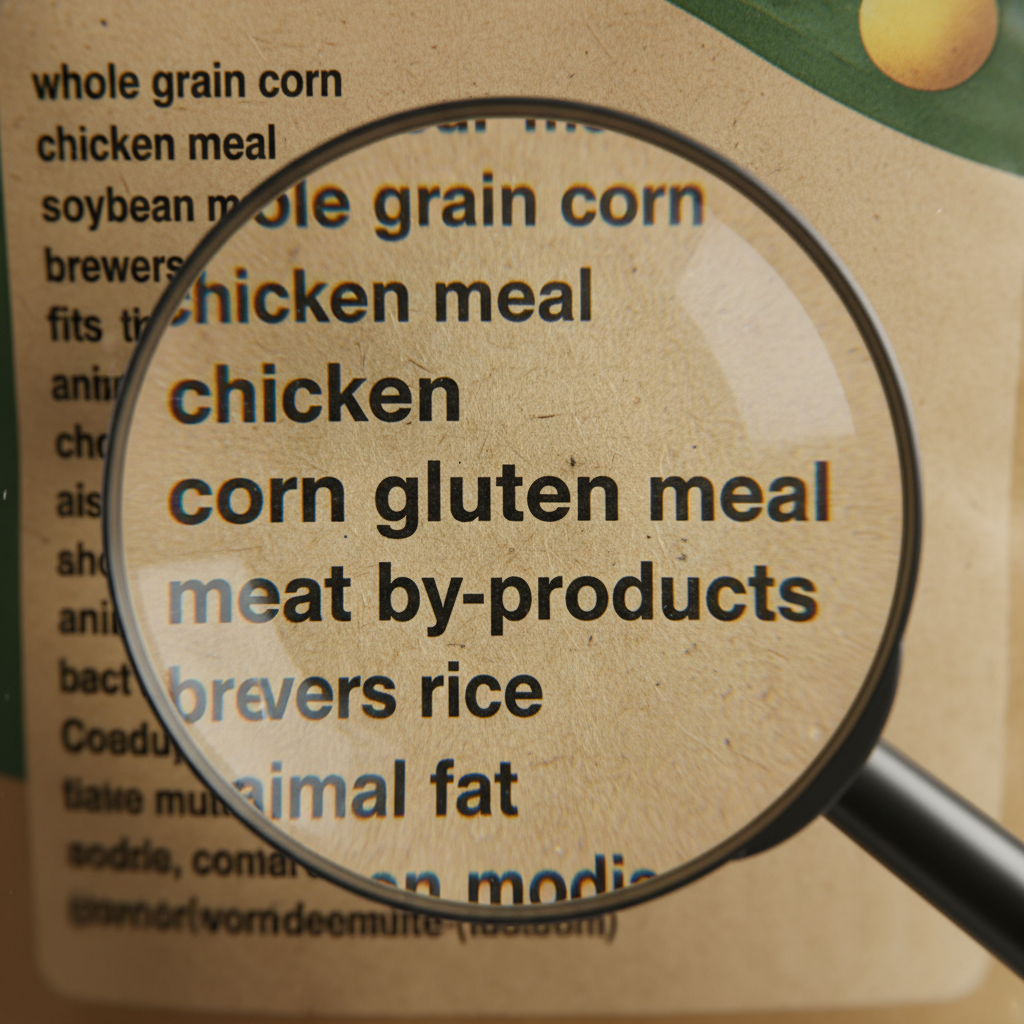
A successful transition also depends on choosing the right destination. Before you even begin the process, you must become a forensic analyst of the ingredient label. Many commercial dog foods are loaded with low-quality fillers and common allergens that are prime suspects for causing GI upset, even with a perfect transition.
The Most Wanted List of Triggers:
- Vague Protein Sources: Ingredients listed as ‘meat by-products’ or ‘animal meal’ are red flags. You have no idea what animal it came from. This is a common dumping ground for low-quality, rendered parts. Look for named sources like ‘deboned chicken’ or ‘grass-fed lamb’.
- Common Allergens: Chicken, beef, dairy, and eggs are the most frequent culprits of food allergies and intolerances in dogs. If your dog has chronic skin issues or digestive upset, the first step is to eliminate these.
- Cheap Fillers: Ingredients like corn, corn gluten meal, wheat, and soy offer minimal nutritional value and are often used to bulk up food cheaply. They are difficult for many dogs to digest and are common triggers for inflammation and allergies.
- Artificial Additives: Artificial colors (e.g., Red 40), flavors, and chemical preservatives (e.g., BHA, BHT, ethoxyquin) can contribute to gut inflammation and have no place in a high-quality diet.
Reading a label is a skill. The ingredients are listed by weight, so the first five tell you the most about the food’s quality. If the first few ingredients are high-quality, named meat sources, you’re on the right track. If they are fillers like corn and by-products, put the bag down and walk away.
Building a Gut-Support Arsenal: Your ‘Hero Ingredients’
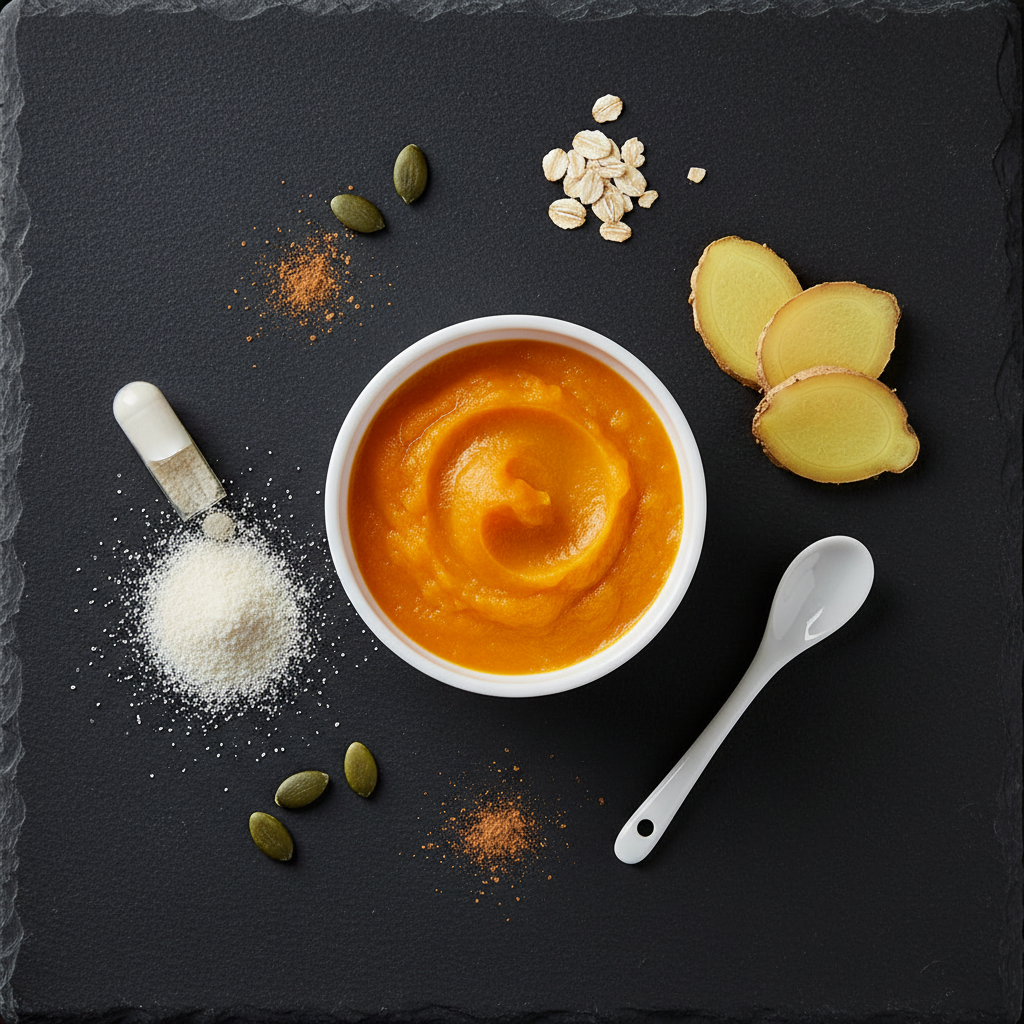
To further guarantee a smooth transition, you can proactively support the gut with powerful, beneficial additions. Think of these as your nutritional special forces, reinforcing the digestive system as it adapts to the new food.
Deploy These Hero Ingredients:
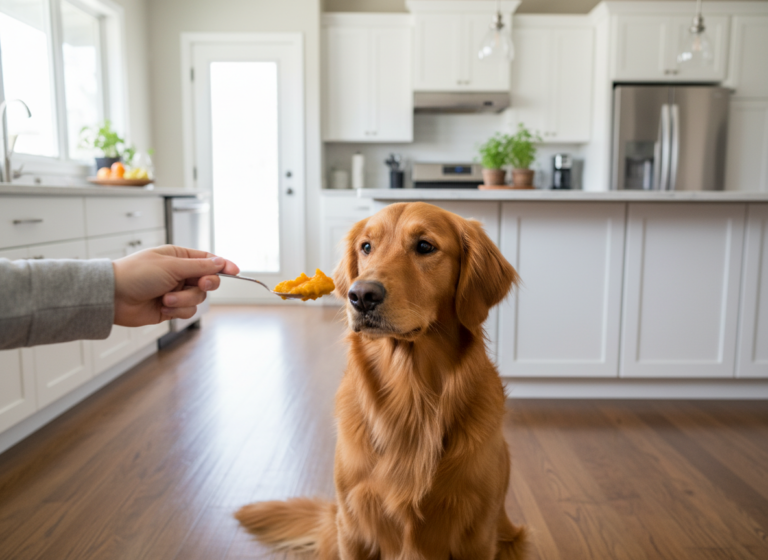
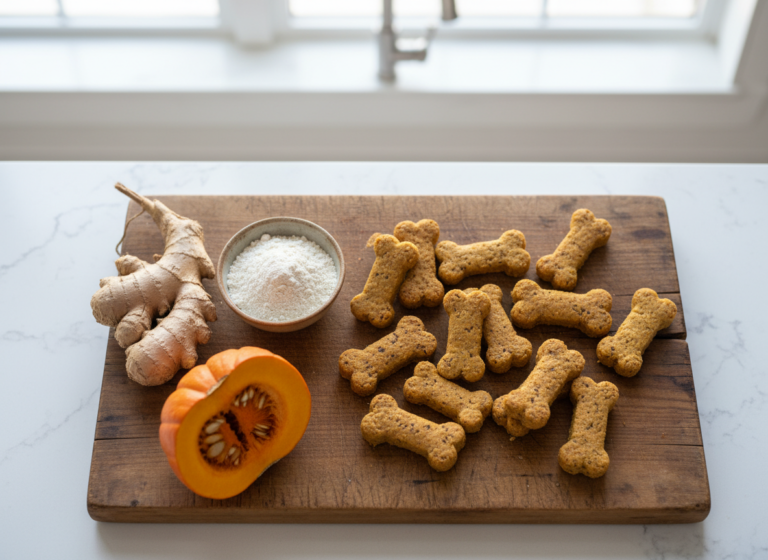
- Pure Canned Pumpkin: (NOT pumpkin pie filling). This is the ultimate gut regulator. It’s rich in soluble fiber, which can absorb excess water to firm up loose stools or add bulk to help with constipation. A spoonful (1 tsp for small dogs, 1-2 tbsp for large dogs) mixed into the food can work wonders.
- Probiotics: These are the ‘good guys’—live, beneficial bacteria that reinforce the gut microbiome. A high-quality, canine-specific probiotic supplement can help outcompete harmful bacteria and ease the transition. Look for products with multiple strains of bacteria like Lactobacillus and Bifidobacterium.
- Prebiotics: These are the food for the good bacteria. Prebiotics are specific types of fiber (like FOS or inulin) that nourish your dog’s existing beneficial gut flora, helping them thrive during the change. Many high-end foods now include prebiotics directly in their formula.
- Digestive Enzymes: For some dogs, especially seniors or those with pancreatic issues, a digestive enzyme supplement can help break down fats, proteins, and carbs more effectively, reducing the workload on the gut and improving nutrient absorption.
Hacker Tip: Start introducing a probiotic and/or pumpkin a few days before you begin the transition. This pre-loads the system with support, creating a more resilient gut environment before the new food is even introduced.
Red Flags: When to Pause the Transition and Consult a Vet

Even with a perfect protocol, a new food may simply not agree with your dog. It’s crucial to be a vigilant observer and know the signs that indicate you need to stop the transition and seek professional advice. Your dog’s health is the priority.
Cease the Transition Immediately If You Observe:
- Persistent Diarrhea: One or two slightly soft stools can be normal. But liquid, explosive, or bloody diarrhea for more than 24 hours is a major red flag.
- Vomiting: A single instance of regurgitation might not be a concern, but multiple episodes of vomiting are a clear sign of severe irritation.
- Complete Loss of Appetite: If your dog refuses to eat the new food mixture for more than one or two meals, do not force it.
- Lethargy or Behavioral Changes: A happy, energetic dog that suddenly becomes listless, tired, or irritable is communicating a problem.
- Severe Skin Reactions: Intense scratching, hot spots, or hives can indicate an acute allergic reaction to an ingredient in the new food.
If you see any of these signs, revert to 100% of the old food immediately. If the symptoms persist or are severe, contact your veterinarian. They can rule out underlying medical issues and provide guidance on the next steps, which may include a prescription diet or allergy testing.
Medical Disclaimer: I am a canine nutrition analyst, not a veterinarian. The information in this article is for educational purposes and is not a substitute for professional veterinary advice, diagnosis, or treatment. Always seek the advice of your veterinarian with any questions you may have regarding your dog’s medical condition.
Conclusion
You now possess the knowledge and the protocol to navigate a dog food transition like a professional. The power to protect your dog’s digestive health is in your hands. It requires patience, precision, and a commitment to observation. Remember the core principles: transition slowly over 7-10 days, analyze ingredient labels with a critical eye to avoid common triggers, and bolster the gut with hero ingredients like pumpkin and probiotics. By respecting the delicate biology of your dog’s digestive system, you eliminate the stress and mess of a bad switch, setting the foundation for long-term health and well-being. You are no longer just a pet owner; you are your dog’s nutritional advocate.