
Intermittent Fasting for Dogs: Healing Leaky Gut Naturally
As a dedicated dog owner, you’ve likely faced the frustration of chronic health issues that vets struggle to pinpoint. Persistent skin allergies, relentless ear infections, and mysterious digestive upset can feel like a never-ending battle. You’re told it’s ‘just allergies’ or to switch to another expensive ‘prescription’ kibble, yet the problems remain. The insider secret is that these disparate symptoms often point back to a single, critical origin: the gut. Specifically, a condition known as Leaky Gut Syndrome, or intestinal hyperpermeability.
This isn’t a fringe theory; it’s a physiological reality where the gut lining becomes compromised, allowing undigested food particles and toxins to flood the bloodstream, triggering systemic inflammation. The solution isn’t another bag of processed food. It’s a return to an ancestral principle: intermittent fasting (IF). This guide will provide a no-nonsense, forensic breakdown of how to use strategic fasting to give your dog’s digestive system the critical rest it needs to heal and rebuild. We will expose the enemies in your dog’s food bowl and arm you with the knowledge to reclaim their health from the inside out.
MEDICAL DISCLAIMER: The information in this article is for educational purposes only and is not a substitute for professional veterinary advice. Always consult with a qualified veterinarian before making any changes to your dog’s diet or health regimen, especially when considering fasting. Intermittent fasting is not appropriate for all dogs, particularly puppies, pregnant or nursing dogs, seniors, or those with underlying health conditions like diabetes or kidney disease.
Deconstructing Leaky Gut: The Gateway to Chronic Disease
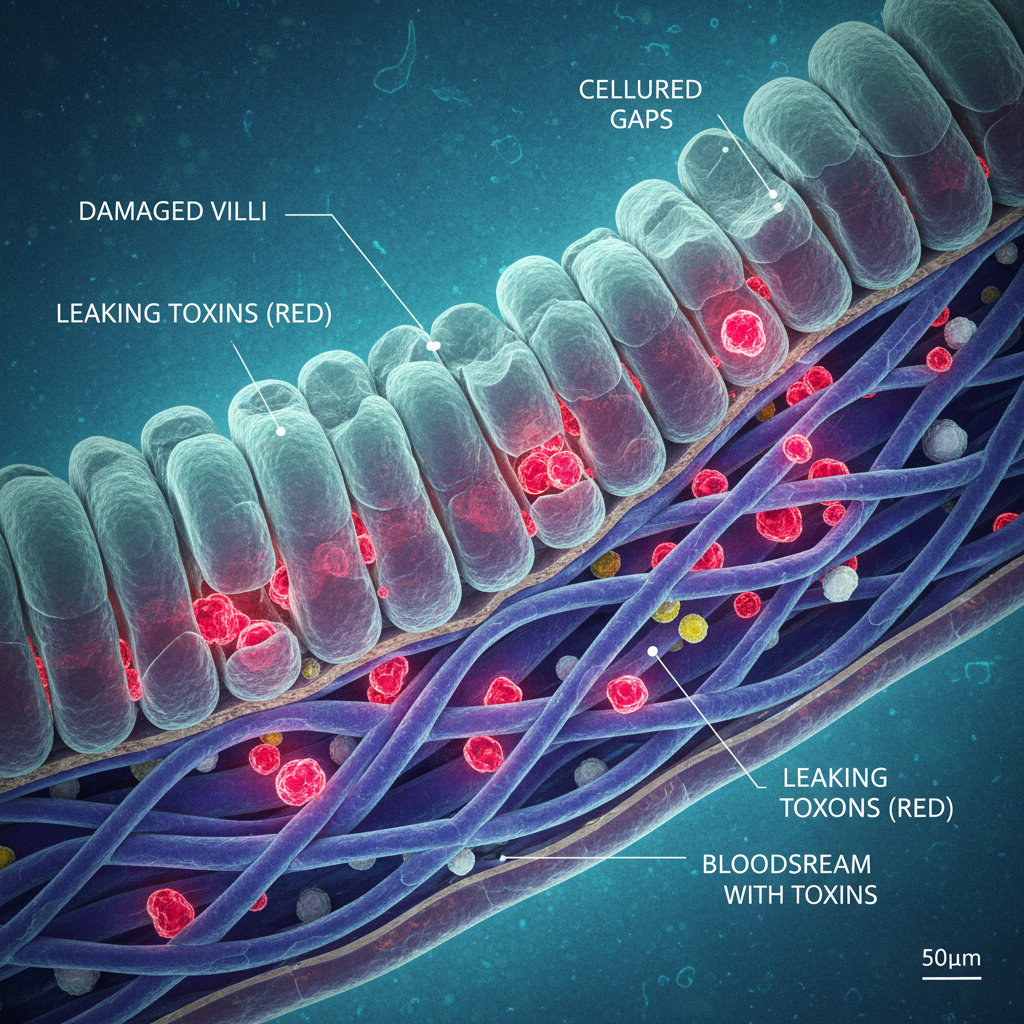
Before we can fix the problem, we must understand it with forensic precision. Leaky Gut Syndrome isn’t a disease in itself; it’s a state of chronic dysfunction that serves as a gateway to a cascade of other health issues. Imagine the lining of your dog’s intestines as a high-tech security fence, composed of a single layer of cells stitched together by tight junctions. This fence is designed to be selectively permeable, allowing only fully digested nutrients to pass through into the bloodstream while keeping out toxins, pathogens, and undigested food particles.
In a dog with leaky gut, this security fence is compromised. The tight junctions break apart, creating holes. Now, harmful substances ‘leak’ into the bloodstream, where the immune system identifies them as foreign invaders. This triggers a massive, body-wide inflammatory response. This chronic inflammation is the real enemy, manifesting in ways that may seem completely unrelated to the gut:
- Skin Issues: Hot spots, constant itching, rashes, and obsessive paw licking are classic signs of systemic inflammation originating in the gut.
- Allergies: Both food and environmental allergies are often symptoms of an overactive immune system, kicked into overdrive by a leaky gut.
- Digestive Upset: Chronic diarrhea, gas, bloating, and Irritable Bowel Syndrome (IBS) are direct consequences of poor gut health.
- Joint Pain: Inflammation is a key driver of arthritis and joint degradation.
- Autoimmune Conditions: Conditions where the body attacks its own tissues are strongly linked to intestinal hyperpermeability.
- Behavioral Problems: The gut-brain axis is a powerful connection. Anxiety, reactivity, and even aggression can be linked to gut inflammation.
Understanding this mechanism is the first step to taking back control. Your dog’s itchy skin isn’t the problem; it’s a symptom of a deeper, internal fire that we must extinguish at its source.
Enemy Ingredients: The Saboteurs in Commercial Dog Food
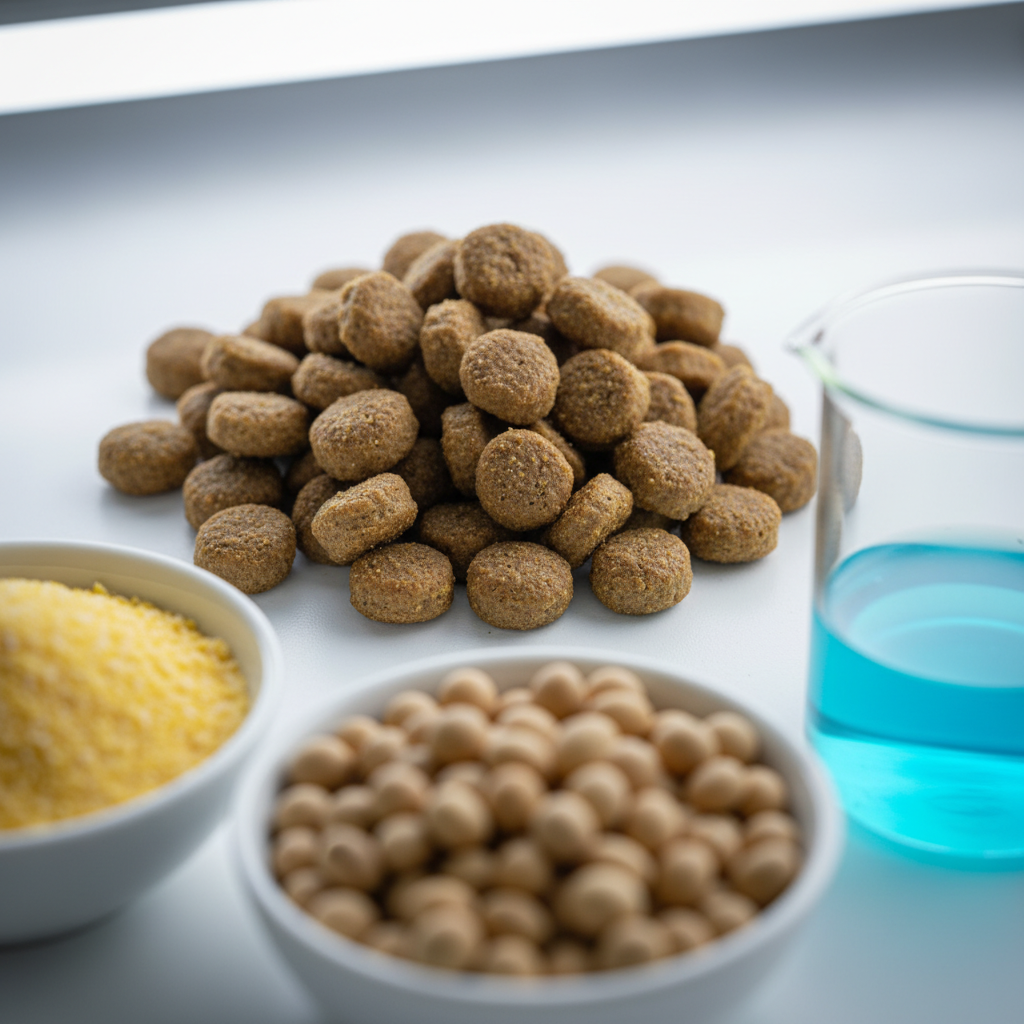
The modern canine diet is the primary culprit behind the leaky gut epidemic. Highly processed commercial kibble, despite its marketing claims of being ‘complete and balanced,’ is often a cocktail of inflammatory ingredients that assault the gut lining day after day. As The Canine Nutrition Hacker, my job is to teach you to see past the slick packaging and analyze the ingredient panel like a forensic scientist.
Advanced Glycation End-Products (AGEs)
This is the dirty secret of the pet food industry. Kibble is made using a high-heat extrusion process. When proteins and sugars are cooked at these extreme temperatures, they form inflammatory compounds called AGEs. These compounds are known to promote oxidative stress and inflammation, directly contributing to the breakdown of the gut’s protective barrier.
Lectins, Gluten, and Phytates
These are ‘anti-nutrients’ found primarily in grains and legumes—the cheap fillers that bulk up most kibbles. Corn, wheat, and soy are notorious for containing gluten and lectins that can irritate the gut lining. Even ‘grain-free’ foods are often loaded with peas, lentils, and potatoes, which contain their own set of gut-irritating lectins. These compounds can bind to the intestinal wall, causing damage and inflammation.
Chemicals, Preservatives, and Additives
Take a look at the tail end of an ingredient list. Do you see words you can’t pronounce? Artificial preservatives like BHA, BHT, and ethoxyquin are used to give kibble its unnatural shelf life but can wreak havoc on the gut microbiome. Artificial colors and flavors serve no nutritional purpose and only add to the chemical burden your dog’s body must process.
Hacker Tip: The ‘First 5 Ingredients’ rule is your first line of defense. If the list starts with corn, wheat, soy, or vague terms like ‘meat and bone meal,’ put the bag down. You are looking for whole, named meat sources like ‘deboned chicken’ or ‘grass-fed beef’ to lead the list.
Intermittent Fasting: Activating Your Dog’s Innate Healing Protocol

Now for the solution. Intermittent Fasting is not about starving your dog. It is about creating a strategic window of time where no food is consumed, allowing the body to switch from ‘digestion mode’ to ‘repair mode.’ This is not a new fad; it’s an ancestral blueprint. Wild canids, the ancestors of our dogs, evolved on a feast-and-famine cycle. They would make a kill, gorge, and then potentially go for days without a significant meal. Their bodies are exquisitely adapted to this cycle.
Constantly feeding our dogs two or three meals a day, every single day, means their digestive system never gets a break. It’s like running an engine 24/7 without ever stopping for an oil change. Giving the gut a period of rest triggers profound physiological benefits:
- Reduces Gut Inflammation: The most immediate benefit. With no food to process, the gut has a chance to calm down. The inflammatory processes cool off, giving the lining a chance to heal.
- Stimulates Autophagy: This is the body’s cellular cleanup crew. During a fast, the body begins to identify and eliminate damaged, dysfunctional cells—including those in the gut lining. It’s a critical process for regeneration and repair.
- Resets the Microbiome: Fasting helps to starve out the pathogenic ‘bad’ bacteria that thrive on the constant supply of carbohydrates found in processed foods. This allows the beneficial ‘good’ bacteria to repopulate and restore a healthy balance.
- Boosts Mitochondrial Health: Fasting enhances the function of mitochondria, the ‘powerhouses’ of our cells. Healthier mitochondria in the gut cells mean they have more energy to perform their barrier and nutrient-absorption functions effectively.
By implementing IF, you are simply re-engaging your dog’s innate, hardwired healing mechanisms that have been suppressed by modern feeding practices.
The Practical Guide: Implementing Intermittent Fasting Safely
Executing an intermittent fasting protocol requires a methodical and observant approach. You cannot simply stop feeding your dog. It must be done gradually and safely, with their health as the top priority.
CRITICAL WARNING
You MUST consult your veterinarian before starting. Intermittent fasting is NOT for every dog. It should be avoided in:
- Puppies under one year of age
- Pregnant or nursing females
- Diabetic dogs (unless under strict veterinary supervision)
- Dogs with liver or kidney disease
- Underweight or elderly dogs
For healthy adult dogs, follow this phased approach:
-
Phase 1: Establish a 12/12 Schedule (1-2 Weeks)
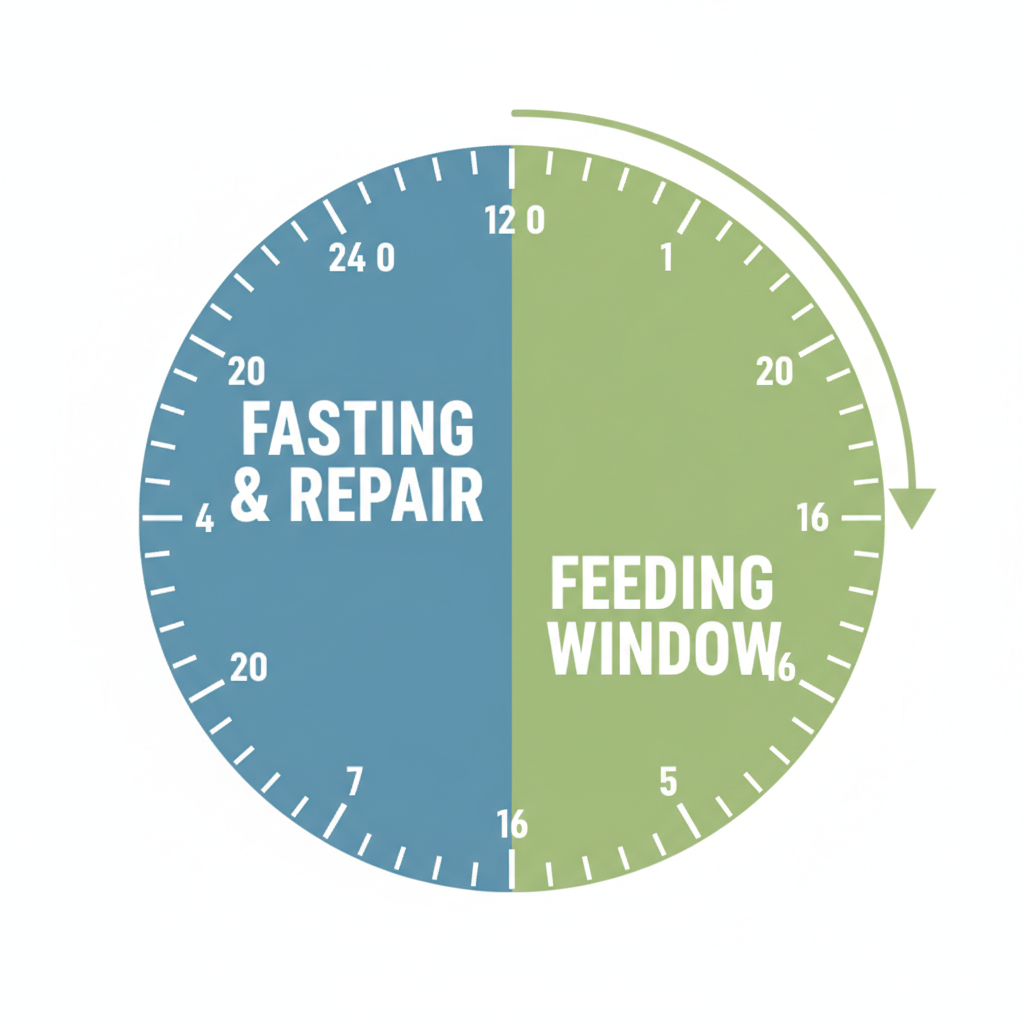
This is the starting point. You will compress your dog’s meals into a 12-hour feeding window, followed by a 12-hour fast. For example, feed the first meal at 8 AM and the second meal at 8 PM. The period from 8 PM to 8 AM is the fasting window. This helps your dog’s body adapt to a schedule.
-
Phase 2: Transition to a 16/8 Schedule (Ongoing)
This is the goal for most dogs. Gradually shrink the feeding window to 8 hours. For example, you might feed the first meal at 12 PM (noon) and the second meal at 8 PM. This provides a 16-hour fasting window, which is where the significant benefits of autophagy and gut repair begin to kick in. You can split their daily food allowance into two meals within this window.
-
Phase 3: The Optional One-Meal-A-Day (OMAD)
For some robust, healthy dogs, a 23/1 schedule (one large meal per day) closely mimics the ancestral feast-and-famine cycle. This is an advanced strategy and should only be considered after your dog has thrived on a 16/8 schedule for several months and with veterinary approval.
Hacker Tip: Hydration is non-negotiable. Always provide access to fresh, clean water during the fasting period. You can also offer a few ounces of plain, unsalted bone broth. It’s packed with gut-healing collagen and minerals like glycine and proline, and its low-calorie nature won’t disrupt the primary benefits of the fast.
Hero Ingredients: Fueling the Gut for Optimal Repair
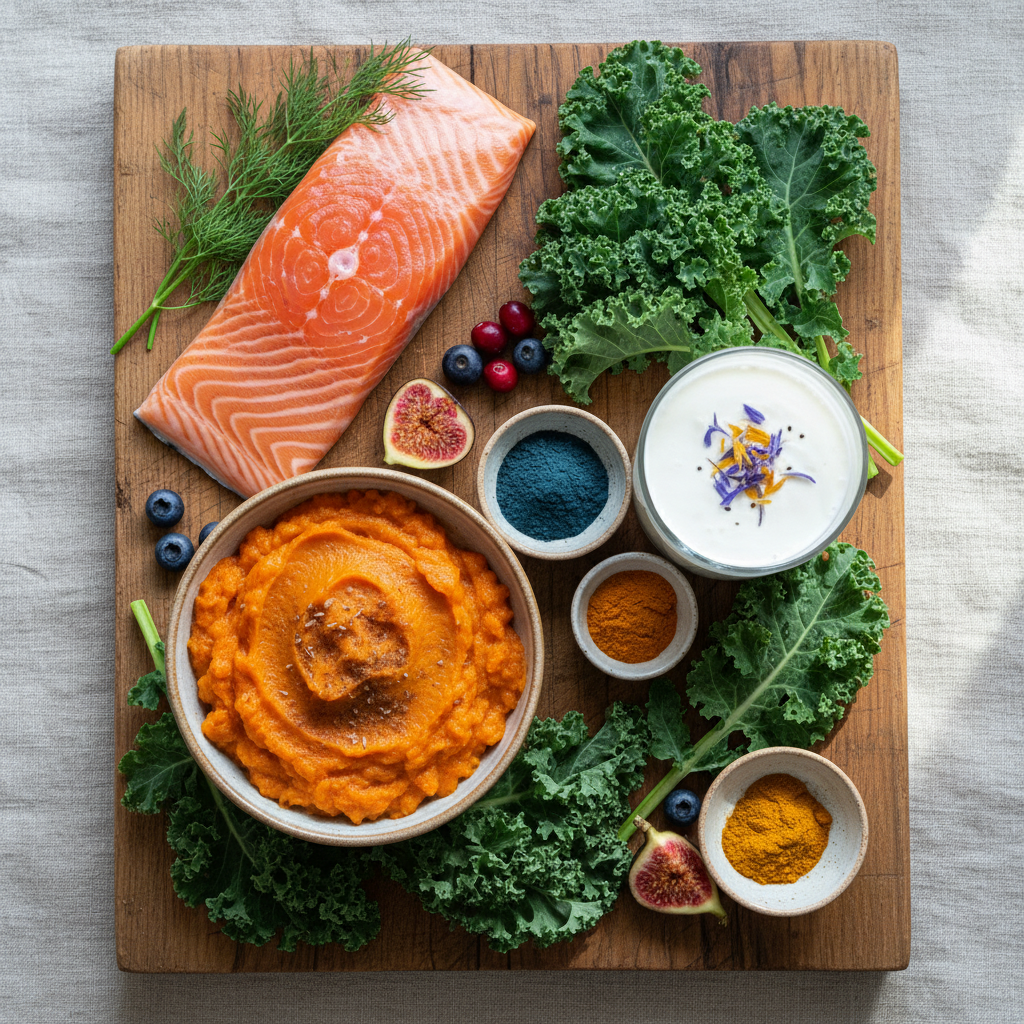
Fasting creates the opportunity for healing, but the food you provide during the feeding window provides the building blocks for that repair. Breaking a fast with a bowl of inflammatory kibble is like hiring a construction crew and then giving them rotten wood. You must focus on nutrient-dense, anti-inflammatory, whole foods.
Core Principles of a Gut-Healing Diet:
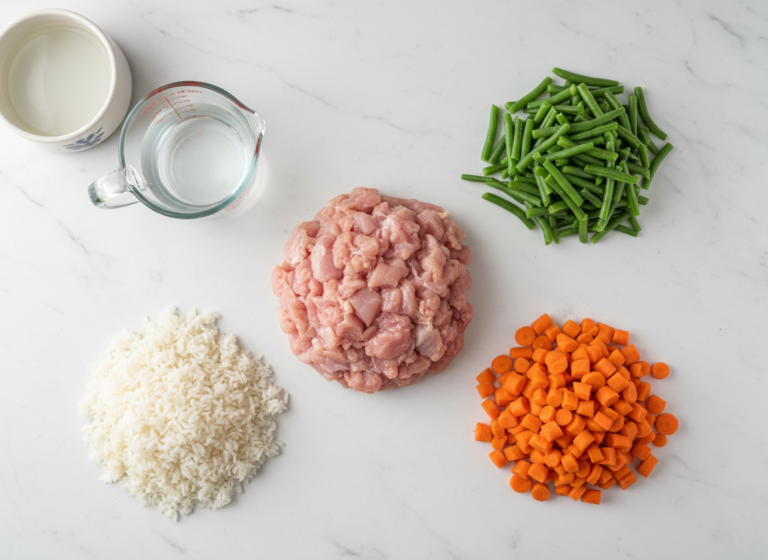
- Moisture-Rich: Kibble is chronically dehydrating. A diet based on fresh, gently cooked, or raw food provides the moisture necessary for all metabolic processes, including digestion.
- Easily Digestible Protein: Avoid rendered ‘meals.’ Opt for high-quality, gently cooked muscle meat. Novel proteins like rabbit, duck, or venison can be excellent for dogs with sensitivities to common proteins like chicken.
- Beneficial Fats: Omega-3 fatty acids are potent anti-inflammatories. Add sources like sardines (packed in water, no salt), phytoplankton, or high-quality fish oil to their meals.
- Probiotics & Fermented Foods: These re-seed the gut with beneficial bacteria. Plain kefir, goat milk, or fermented vegetables (like sauerkraut, in very small amounts) are excellent sources.
- Prebiotic Fiber: These are the foods that feed the good bacteria. Lightly steamed leafy greens (kale, spinach), asparagus, and pure pumpkin puree are fantastic options.
- Gut-Soothing Nutrients: Bone broth is rich in collagen and gelatin. L-Glutamine is an amino acid that serves as the primary fuel source for the cells of the intestinal lining, helping to repair those ‘leaky’ junctions.
Compare the components of a standard processed meal versus a gut-healing one:
| Meal Component | Gut-Wrecking Example (Kibble) | Gut-Healing Example (Fresh Food) |
|---|---|---|
| Protein Source | Chicken Meal (rendered, high-heat) | Gently Cooked Ground Turkey |
| Carbohydrate | Corn Gluten Meal, Pea Flour | Pumpkin Puree, Steamed Kale |
| Fat Source | ‘Animal Fat’ (unspecified) | Sardines in water (Omega-3s) |
| Gut Support | None (often contains inflammatory fillers) | A dollop of plain kefir (probiotics) |
| Moisture Content | ~10% (Dehydrating) | ~75% (Hydrating) |
Conclusion
Healing your dog’s leaky gut is not a quick fix; it is a strategic mission. It requires you to reject conventional wisdom and marketing hype in favor of ancestral biology and nutritional science. Intermittent fasting is not a fad—it is the most powerful, cost-effective tool at your disposal to reduce inflammation and activate your dog’s innate capacity for healing. By giving the digestive system a scheduled, intentional rest, you allow the body to divert its resources to deep cellular repair, resetting the microbiome and rebuilding the crucial gut barrier.
When you combine the power of fasting with a diet built on anti-inflammatory, whole-food hero ingredients, you create a synergistic effect that can resolve the root cause of countless chronic health issues. You are your dog’s greatest health advocate. By taking control of what goes into their bowl and when, you move beyond merely managing symptoms. You are fundamentally changing their biology for the better, unlocking a new level of health, energy, and vitality that processed food could never provide. The power to heal is in your hands.