Novel Proteins: Sourcing and Feeding Raw Muskrat to Dogs
SAFETY DISCLAIMER: Before you proceed, understand this is not veterinary advice. I am The Canine Nutrition Hacker, an expert researcher in canine nutrition, but I am not your veterinarian. Introducing any new food, especially a raw, wild-sourced protein like muskrat, requires careful consideration and ideally, collaboration with a board-certified veterinary nutritionist. This guide is for educational purposes to empower you with information. You are solely responsible for your dog’s health and dietary choices. Any raw feeding program must be properly balanced with necessary supplements to avoid nutritional deficiencies.
Let’s cut through the marketing noise. You’ve been told that novel proteins are the answer to your dog’s relentless itching, digestive upset, and chronic inflammation. You’ve shelled out a small fortune for pre-packaged raw venison, rabbit, or even kangaroo, watching your wallet shrink as you try to find something—anything—that doesn’t trigger a reaction. The commercial pet food industry has monetized your dog’s misery. But what if there was a powerful, nutrient-dense, and sustainable novel protein that the big brands haven’t touched? Enter the muskrat. This guide is your forensic blueprint to sourcing, preparing, and safely feeding raw muskrat, a truly novel protein that can be a game-changer for dogs with severe food allergies.
Why Muskrat? The Untapped Potential of an Aquatic Novel Protein
The term ‘novel protein’ simply means a protein source your dog has never been exposed to. For many dogs suffering from Immune-Mediated Food Sensitivity, the problem isn’t protein itself, but overexposure to common proteins like chicken, beef, and lamb. Their immune systems begin to flag these common foods as hostile invaders, triggering an inflammatory response that manifests as skin issues, ear infections, and gastrointestinal distress.
Muskrat (Ondatra zibethicus) presents a unique solution. As a semi-aquatic rodent, its protein structure is entirely different from conventional livestock and poultry. Here’s the forensic breakdown of its advantages:
- Truly Novel: It is virtually guaranteed your dog has never encountered muskrat protein before, making it an ideal candidate for an elimination diet to calm a hyperactive immune system.
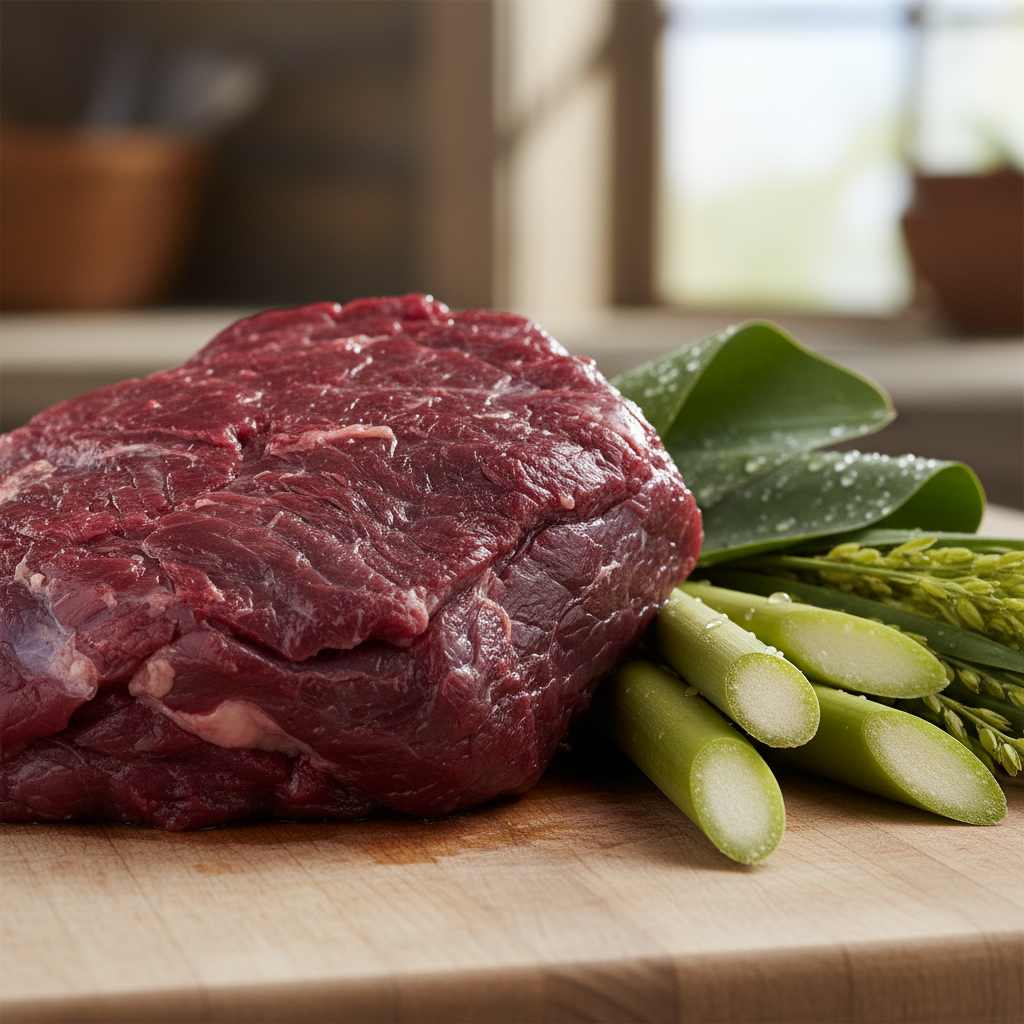
- Nutrient Profile: Muskrat meat is a rich, dark red meat, indicating a high concentration of iron and myoglobin. It’s packed with essential amino acids, B vitamins (especially B12), and minerals like phosphorus and zinc. Its fat content is rich in Omega-3 fatty acids, thanks to its aquatic diet of cattails, water lilies, and other vegetation.
- Sustainability and Cost: In many parts of North America, muskrats are considered a nuisance animal or are harvested for their pelts. This creates an opportunity to source a high-quality protein that is not part of the industrial farming complex. For the savvy owner, this can translate to significant cost savings.
Hacker Tip: When you’re assessing a novel protein, think beyond the label. Think about the animal’s natural diet. A wild-foraging animal like a muskrat has a far more diverse and nutrient-rich diet than a factory-farmed chicken, and this nutritional superiority is passed down in the meat.
The Forensic Sourcing Guide: How to Procure Safe, Clean Muskrat
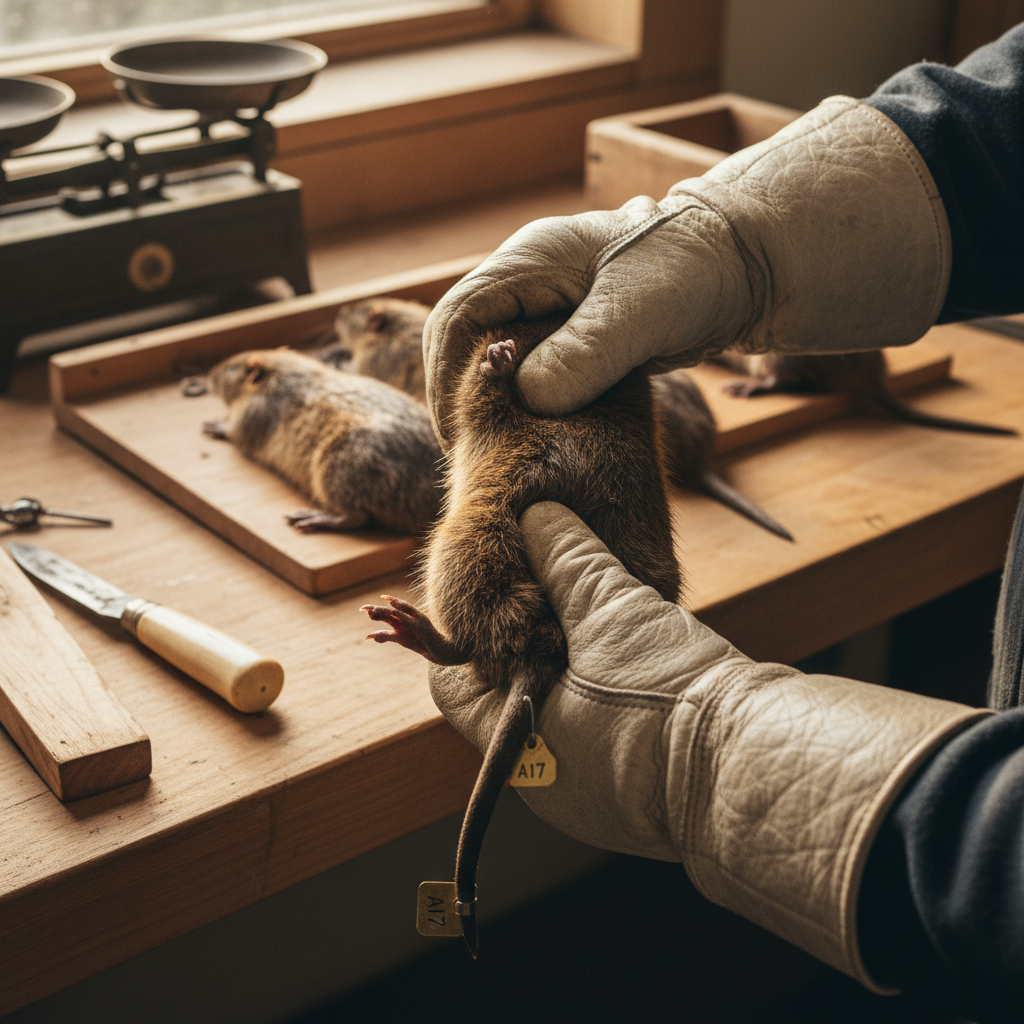
You cannot walk into a supermarket and buy muskrat. Sourcing it requires diligence and a focus on safety. Your goal is to find a clean, reliable source, and that means doing your homework. Cutting corners here is not an option.
Option 1: Licensed Trappers
This is your primary and most reliable source. Trappers are often state-licensed and follow specific regulations regarding harvesting seasons and methods. Many are focused on the fur and consider the carcass a byproduct. This is where you, the Canine Nutrition Hacker, find an opportunity.
- Locate Local Trappers: Contact your state’s Department of Fish and Wildlife or Department of Natural Resources. They can often provide lists of licensed trappers or point you to local trapping associations. Online forums and social media groups dedicated to trapping and fur harvesting are also valuable resources.
- Vet Your Source: Don’t just buy from the first person you find. Ask critical questions: Where do they trap? Are the areas free from industrial runoff, heavy pesticides, or contaminants? What is their process after the animal is dispatched? You want animals from clean water sources.
- Specify Your Needs: Be clear you are purchasing for raw consumption for a canine. This means the animal should be eviscerated (gutted) quickly to prevent bacteria from migrating from the intestines into the muscle meat. Ask for the heart, liver, and kidneys to be saved and bagged separately. These are vital components of a raw diet.
Option 2: Direct Sourcing (For the Highly Experienced)
If you live in a rural area and have the legal right and expertise, you may be able to trap muskrat yourself. This requires a deep understanding of local wildlife laws, trapping ethics, and proper field dressing techniques. This is not a beginner’s path. Failure to follow regulations can result in heavy fines, and improper handling can lead to dangerous contamination.
Insider Secret: When speaking with trappers, use the term ‘carcass.’ Explain you’re a raw feeder looking for a clean source of meat for your dogs. Many old-school trappers are happy to see the entire animal used and may give you an excellent price, often charging per animal rather than per pound.
Red Flags to Watch For:
- The trapper is evasive about their trapping locations.
- The carcasses are not fresh or have been poorly handled.
- The organs have a foul smell or discoloration (a healthy liver should be a deep, rich reddish-brown).
- The animal was harvested using poisons or other non-approved methods. Always insist on trap-harvested animals.
The Safe Chef’s Protocol: Preparing Muskrat for Your Dog
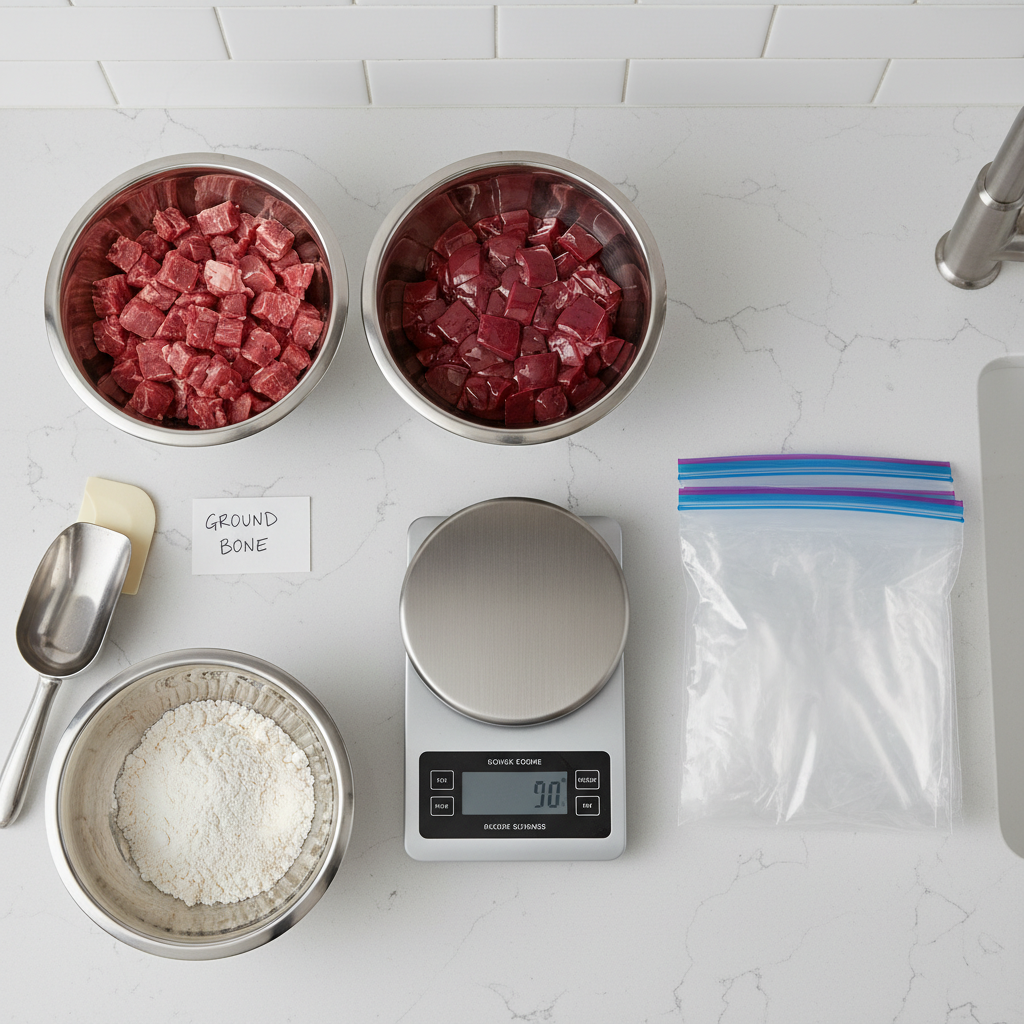
Once you’ve sourced your muskrat, proper preparation is non-negotiable. Your kitchen must become a bio-secure zone to prevent cross-contamination. Follow these steps meticulously.
Step 1: The Deep Freeze Protocol
Wild game can carry parasites. The most significant concern with animals like muskrat is Trichinella. While less common in rodents than in bears or wild boar, the risk is not zero. To mitigate this, every piece of meat, bone, and organ must be frozen solid at a temperature of -4°F (-20°C) or lower for a minimum of three weeks. This is a critical safety step. Do not skip it.
Step 2: Thawing and Processing
Thaw the muskrat in the refrigerator, never on the counter. Once thawed, work on a non-porous surface like a stainless steel table or a dedicated plastic cutting board. Disinfect all surfaces, tools (knives, grinders), and your sink thoroughly with a bleach solution or veterinary-grade disinfectant before and after processing.
Step 3: Creating a Balanced Meal
We’re not just throwing chunks of meat in a bowl. A balanced raw diet follows specific principles, most commonly the Prey Model Raw (PMR) or Biologically Appropriate Raw Food (BARF) models. A basic PMR ratio is a good starting point:
- 80% Muscle Meat: This is the main part of the muskrat carcass.
- 10% Edible Bone: Muskrat bones are small and generally easy for dogs to handle. You can feed sections of the carcass whole or use a powerful grinder to create a mince. Never feed cooked bones.
- 5% Liver: This is the primary secreting organ, rich in Vitamin A.
- 5% Other Secreting Organs: This includes kidney, spleen, and pancreas.
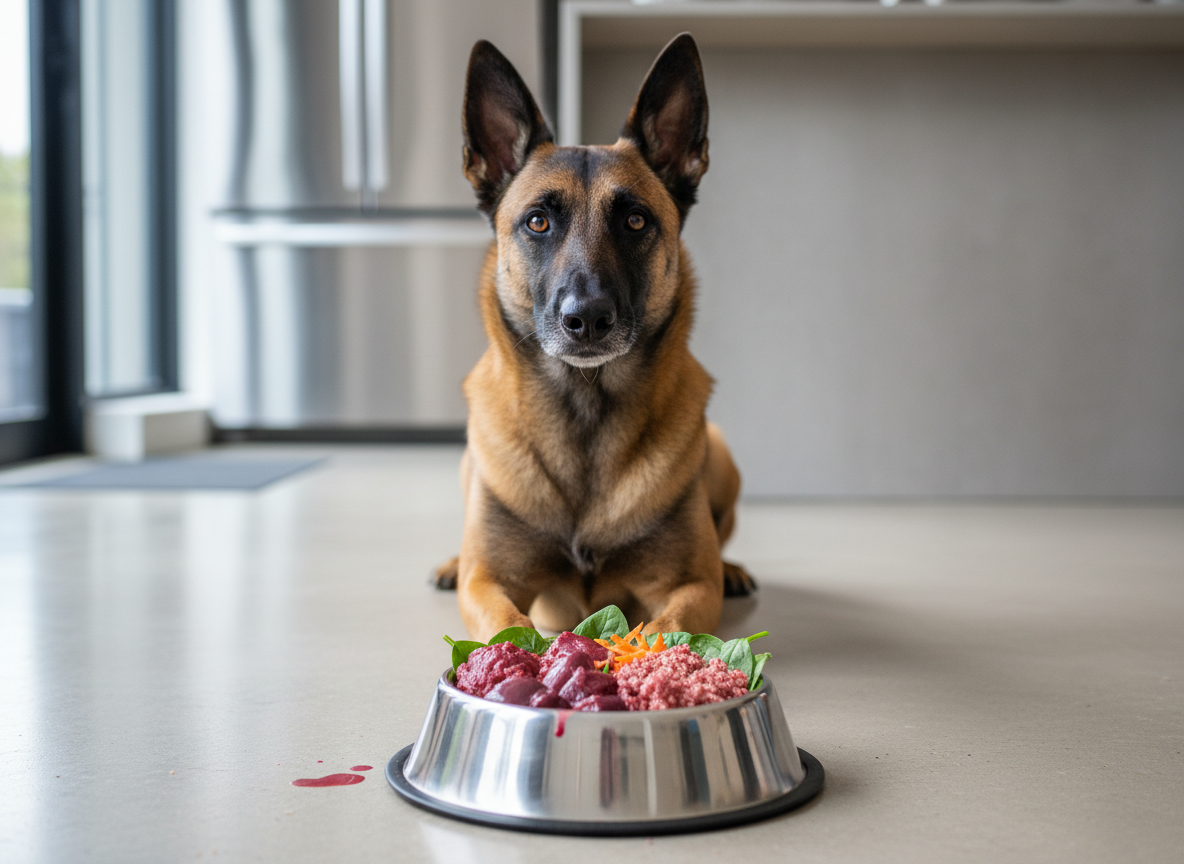
For a 50lb dog with average activity, you’ll feed approximately 1lb (16oz) of food per day. A single day’s meal might look like this:
- 12.8 oz of Muskrat Muscle Meat
- 1.6 oz of Muskrat Bone (ground or whole)
- 0.8 oz of Muskrat Liver
- 0.8 oz of Muskrat Kidney
You can add dog-safe vegetables (like pureed pumpkin or dark leafy greens) and other supplements as recommended by your veterinary nutritionist to provide fiber and micronutrients not found in meat alone.
Hacker Tip for Batching: Use a kitchen scale for precision. Process several muskrat carcasses at once. Portion the daily or weekly amounts into freezer-safe bags or containers. Label each with the date and contents. This ‘meal prep’ approach saves massive amounts of time and ensures consistency.
The Bottom Line: Cost Analysis of DIY Muskrat vs. Commercial Raw
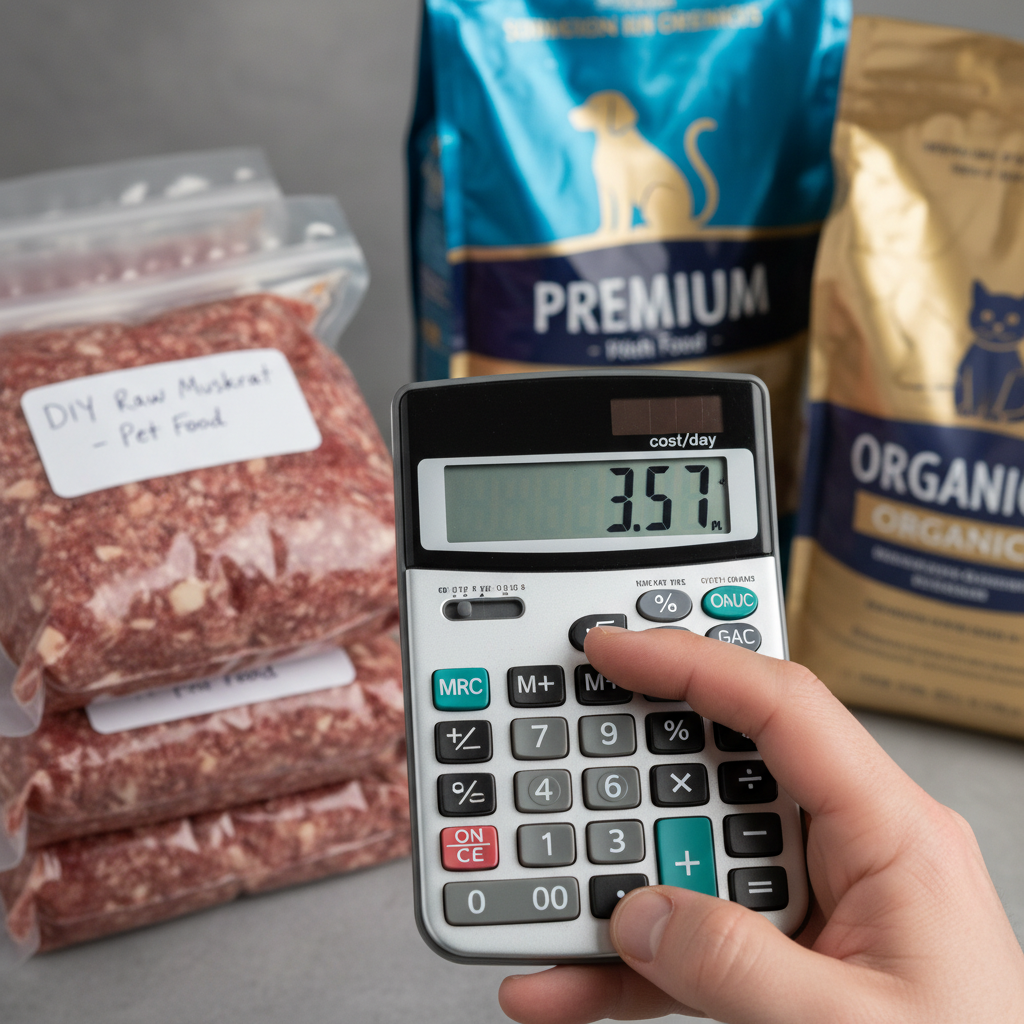
Here is where the ‘hacker’ mentality pays off. The premium you pay for commercial novel protein raw food is largely for convenience and marketing. By sourcing directly, you bypass the entire supply chain. Let’s run the numbers for a hypothetical 50lb dog requiring 1lb of food per day.
| Protein Source | Typical Cost Per Pound | Cost Per Day (50lb dog) | Notes |
|---|---|---|---|
| DIY Raw Muskrat | $1.50 – $4.00 | $1.50 – $4.00 | Price depends on your relationship with the trapper and location. Often sold by the carcass, yielding a very low per-pound cost. |
| Commercial Raw Rabbit | $9.00 – $12.00 | $9.00 – $12.00 | A common ‘premium’ novel protein. Price reflects processing, branding, and retail markup. |
| Commercial Raw Venison | $10.00 – $14.00 | $10.00 – $14.00 | Another premium option. Sourcing is more complex than standard livestock, driving up the price. |
| Premium Kibble (Novel Protein) | $4.00 – $6.00 (per lb of kibble) | ~$2.50 – $4.00 | Cheaper per day, but you’re paying for carbohydrate fillers and a lower-quality, highly processed protein source. |
The savings are undeniable. By investing your own time in sourcing and preparation, you can cut your dog’s food bill by 50-75% compared to buying a commercial raw equivalent. This isn’t just about saving money; it’s about gaining complete control over the quality and composition of every single ingredient your dog consumes. You become the quality control expert, not a faceless corporation with a history of recalls.
Potential Risks and Mitigation Strategies
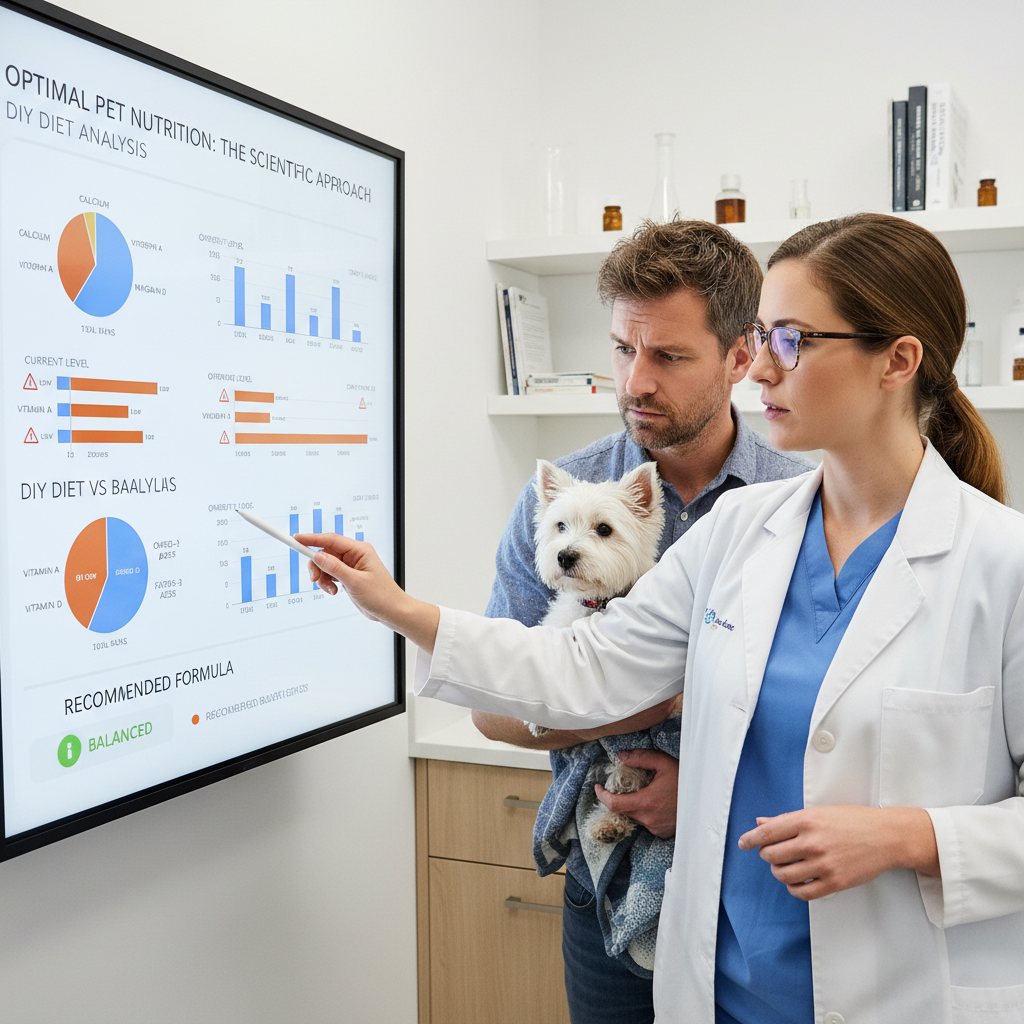
Feeding wild game is an advanced strategy and it carries inherent risks. Acknowledging and mitigating them is the hallmark of a responsible owner, not a reckless one.
Bacterial Contamination
Salmonella, E. coli, Campylobacter. These are risks with any raw meat, not just muskrat. Your mitigation is your handling protocol. A dog’s acidic stomach is well-equipped to handle bacteria, but your immune system is not.
- Your Safety: Wear gloves during processing. Use dedicated utensils and cutting boards. Disinfect everything meticulously. Wash your hands thoroughly.
- Your Dog’s Safety: Ensure the meat was handled properly from the field. Fast evisceration and cooling are key. Serve food in a stainless steel bowl and wash it with hot, soapy water after every meal.
Parasites
As discussed, the primary concern is Trichinella. The deep freeze protocol of -4°F for 3 weeks is your non-negotiable defense. Other parasites, like tapeworms or flukes, can be present in the intestines, which is why we feed a ‘clean’ (eviscerated) carcass and do not feed the intestinal tract.
Nutritional Imbalance
This is the most common risk in any DIY diet. Feeding only muscle meat will lead to severe deficiencies, particularly a calcium/phosphorus imbalance. Adhering strictly to the 80/10/10 ratio is a starting point, but it’s not the complete picture. This is where consulting a professional is paramount. They may recommend adding sources of:
- Omega-3s: Such as fish oil or green-lipped mussel powder (as muskrat fat content can vary).
- Manganese and Zinc: Often found in fur and feathers, which are typically removed. Shellfish like oysters or blue mussels can be added.
- Iodine: A crucial thyroid nutrient, often supplemented with kelp powder.
- Vitamin E: An important antioxidant that should be added to any diet containing frozen fish or significant amounts of polyunsaturated fats.
Do not guess. Work with a professional to build a complete nutritional profile around the muskrat base. Your goal is to optimize health, not just eliminate allergies.
Conclusion
Venturing into the world of raw, wild-sourced proteins like muskrat is the ultimate expression of taking control of your dog’s nutrition. It’s a rejection of the one-size-fits-all, filler-laden products that dominate the market. By sourcing and preparing your dog’s food, you eliminate the variables and provide a clean, potent, and biologically appropriate diet that can profoundly impact their health, especially for dogs plagued by allergies.
However, this path demands diligence, a commitment to safety, and a respect for the nutritional science involved. It is not the easy route, but for the dedicated owner—the true Canine Nutrition Hacker—the results can be transformative. You move from being a passive consumer to an active, empowered advocate for your dog’s well-being. Arm yourself with knowledge, build a relationship with a trusted professional, and unlock a new level of health for your canine partner.