Parisian Pups: Dog Friendly Macarons Recipe (Grain Free)
Let’s cut through the marketing fluff. You’ve seen them in high-end pet boutiques: tiny, colorful ‘gourmet’ treats with a price tag that rivals your own dessert. But when you flip the package over, the ingredient list tells a different story—a story of cheap fillers, sugar, and artificial dyes. I’m The Canine Nutrition Hacker, and my job is to expose the truth and empower you to take back control of your dog’s nutrition, one treat at a time.
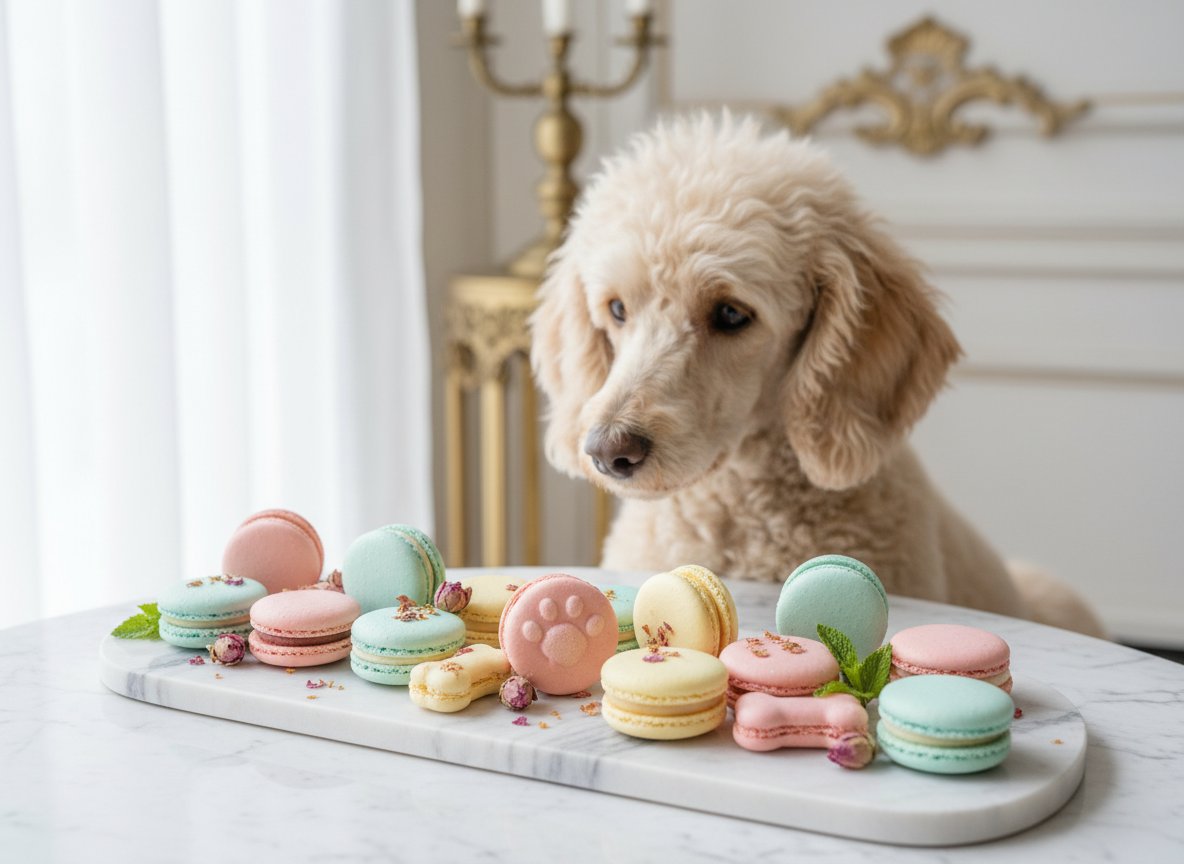
We’re going to create something truly special today: Parisian Pups Macarons. These aren’t just a treat; they’re a statement. A statement that you refuse to pay a premium for junk and that you can provide your dog with the absolute best, using whole, healthy ingredients you can pronounce. This recipe is completely grain-free, naturally colored, and packed with nutritional benefits.
IMPORTANT SAFETY DISCLAIMER
Before we begin, a critical note: I am a canine nutrition analyst, not a veterinarian. This recipe is intended as a treat and should not replace your dog’s balanced daily diet. Always consult with your veterinarian before introducing new foods, especially if your dog has underlying health conditions, allergies, or dietary sensitivities. Ensure all ingredients, especially yogurts or nut butters (not used in this recipe but common in others), are free of xylitol, which is highly toxic to dogs.
Deconstructing the Boutique Treat: A Cost & Ingredient Analysis
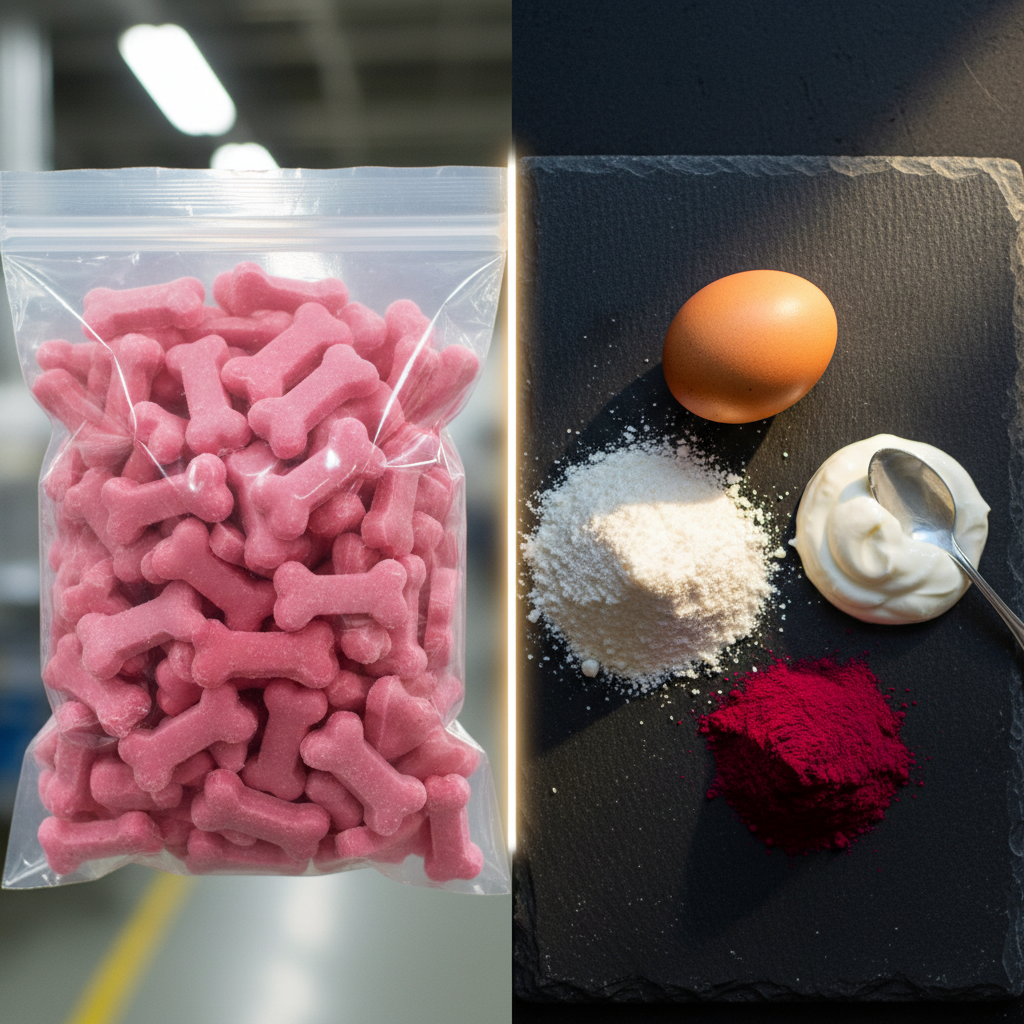
The ‘gourmet’ dog treat industry is built on emotional marketing, not nutritional science. They sell you a story, not a superior product. Let’s do a forensic breakdown of a typical boutique treat versus our homemade macarons.
The ‘First 5 Ingredients’ Trap
In many commercial treats, the first five ingredients might include things like rice flour, potato starch, cane molasses, glycerin, and gelatin. While not overtly harmful, these are cheap, high-glycemic fillers that offer minimal nutritional value. They are designed for texture and shelf stability, not for your dog’s health. Our recipe, by contrast, starts with nutrient-dense flours and protein.
The Real Cost Breakdown
The markup on commercial treats is staggering. You are paying for packaging, shipping, and marketing. By investing a small amount of time, you save a significant amount of money and dramatically increase the quality. Let’s analyze the cost for a batch of approximately 30 macarons.
| Metric | Boutique ‘Poochie Puffs’ (6oz Bag) | DIY Parisian Pups Macarons (Approx. 30) |
|---|---|---|
| Primary Ingredients | Rice Flour, Potato Starch, Sugar, Artificial Colors | Coconut Flour, Egg, Greek Yogurt, Beet Powder |
| Approximate Cost | $15.00 | $4.50 per batch |
| Cost Per Treat | $0.50 – $0.75 | $0.15 |
| Nutritional Value | Low (High in simple carbs) | High (Protein, Probiotics, Healthy Fats) |
| The Hacker’s Verdict | Overpriced, low-value filler. A marketing gimmick. | Nutrient-dense, cost-effective, and superior in every way. |
Insider Secret: The ‘natural flavor’ listed on many treat bags is a proprietary chemical blend designed to make bland ingredients palatable. With our recipe, the flavor comes from real, whole foods like yogurt and the natural sweetness of coconut.
The Anatomy of a Perfect Dog Macaron: Ingredient Forensics
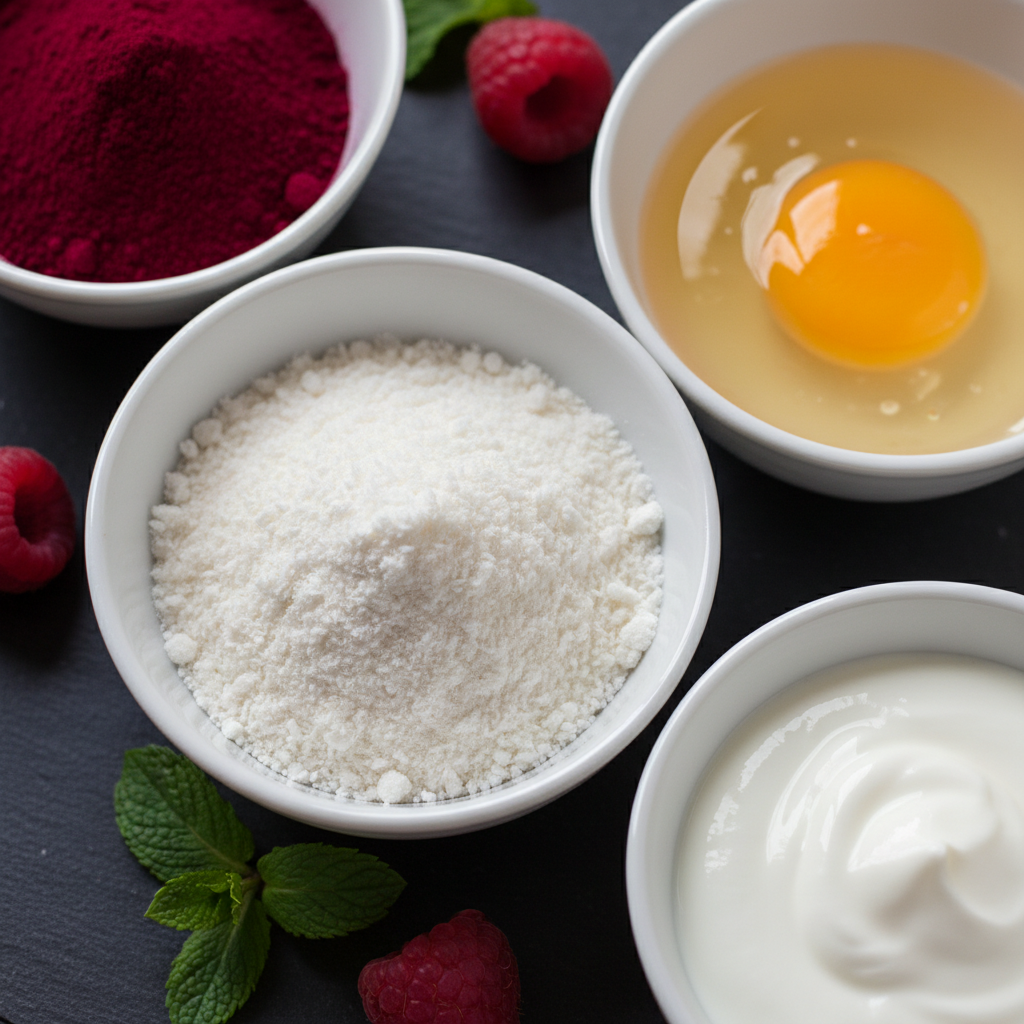
Every ingredient in this recipe is chosen with a specific nutritional purpose. There are no fillers, no shortcuts, and no compromises. This is the foundation of the Canine Nutrition Hacker philosophy.
The Base: Coconut Flour
We’re using coconut flour as our base. Unlike grain-based flours that can cause inflammation and digestive upset in some dogs, coconut flour is a nutritional powerhouse. It’s high in fiber for digestive health and rich in Medium-Chain Triglycerides (MCTs), a type of healthy fat that is easily digestible and provides a quick source of energy for your dog’s brain and body. It’s the perfect grain-free foundation.
The Binder: Egg Whites
The structure of a macaron comes from whipped egg whites. This isn’t just a binder; it’s a pure source of highly bioavailable protein. Protein is essential for muscle maintenance, tissue repair, and overall health. We use only the whites to achieve the classic light, airy texture of a macaron shell.
The Filling: Probiotic-Rich Greek Yogurt
The creamy filling is made from plain, unsweetened Greek yogurt. It’s crucial that you choose a yogurt with NO added sugars or artificial sweeteners like xylitol. Greek yogurt is an excellent source of calcium and, most importantly, live probiotic cultures that support a healthy gut microbiome, which is the cornerstone of your dog’s immune system.
The Colorants: Nature’s Palette
Forget artificial dyes like Red 40, which have been linked to hyperactivity and health issues. We use nature’s own color palette. A tiny amount of beet powder creates a beautiful pink, spirulina yields a vibrant green, and turmeric provides a golden yellow. These aren’t just for looks; they are superfoods. Beet powder is rich in antioxidants, while turmeric is a powerful anti-inflammatory.
Hacker Tip: When sourcing ingredients, read the label every single time. Brands can change formulations. Never assume a product is safe. Your primary mission is to protect your dog from harmful additives, especially xylitol, which can be fatal.
The Recipe: Your Step-by-Step Parisian Pups Protocol
This is where the magic happens. Follow these steps precisely for perfect, dog-safe macarons. Precision is key in macaron making, so measure your ingredients carefully.
Ingredients
- For the Shells:
- 1 cup fine coconut flour (or almond flour)
- 2 large egg whites, at room temperature
- 1/4 teaspoon of natural colorant powder (beet powder, spirulina, or turmeric) – optional
- For the Filling:
- 1/2 cup plain, unsweetened Greek yogurt or goat milk kefir (ensure it is xylitol-free)
Protocol: Making the Shells
- Preheat & Prep: Preheat your oven to 300°F (150°C). Line a baking sheet with parchment paper or a silicone baking mat.
- Sift the Flour: Sift the coconut flour into a bowl to remove any lumps. This is a non-negotiable step for a smooth shell. If using a colorant powder, sift it in with the flour.
- Whip the Whites: In a separate, scrupulously clean bowl, use an electric mixer to whip the egg whites. Start on low speed and gradually increase to high. Beat until stiff peaks form. This means when you lift the beaters, the peak holds its shape and doesn’t flop over.
- Fold Gently: Add one-third of the flour mixture to the whipped egg whites. Using a spatula, fold gently until just combined. Do not stir or you will deflate the egg whites. Repeat with the remaining flour in two more additions. The final batter should be thick but smooth.
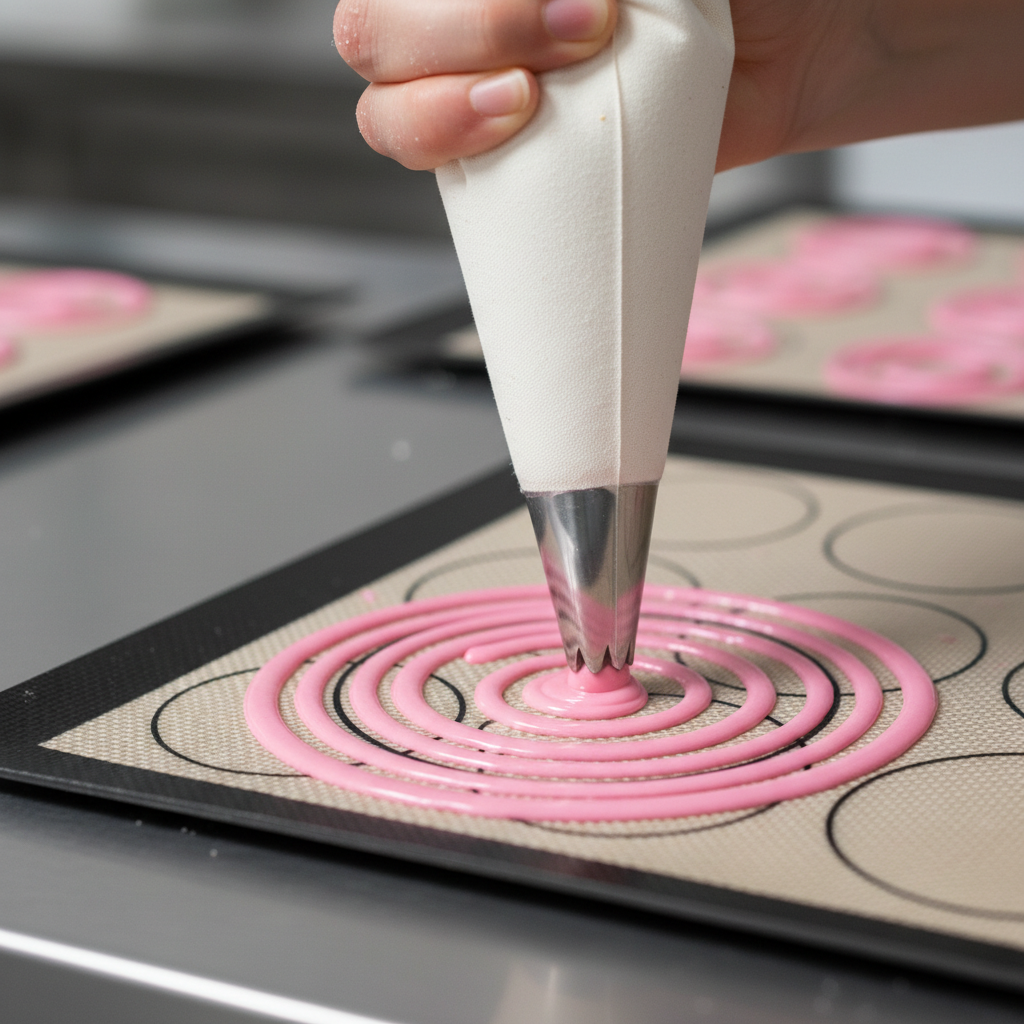
- Pipe the Shells: Transfer the batter to a piping bag with a round tip. Pipe small, 1-inch circles onto your prepared baking sheet, leaving about an inch of space between them.
- Rest the Shells: Let the piped shells rest at room temperature for 20-30 minutes. They should form a slight ‘skin’ and not be sticky to the touch. This step is crucial for developing the ‘feet’ or ruffled edges typical of macarons.
- Bake: Bake for 15-18 minutes. The shells should be firm and should easily peel off the parchment paper. Let them cool completely on the baking sheet before removing.
Protocol: Creating the Filling & Assembly
- Prepare the Filling: Ensure your Greek yogurt is thick. If it’s a bit watery, you can strain it through a cheesecloth for an hour to remove excess liquid.
- Assemble the Macarons: Once the shells are completely cool, match them up into pairs of similar size. Pipe or spoon a small amount of the Greek yogurt filling onto the flat side of one shell, and gently press the other shell on top to create a sandwich.
The Preservation Strategy: Batching, Storage, and Serving
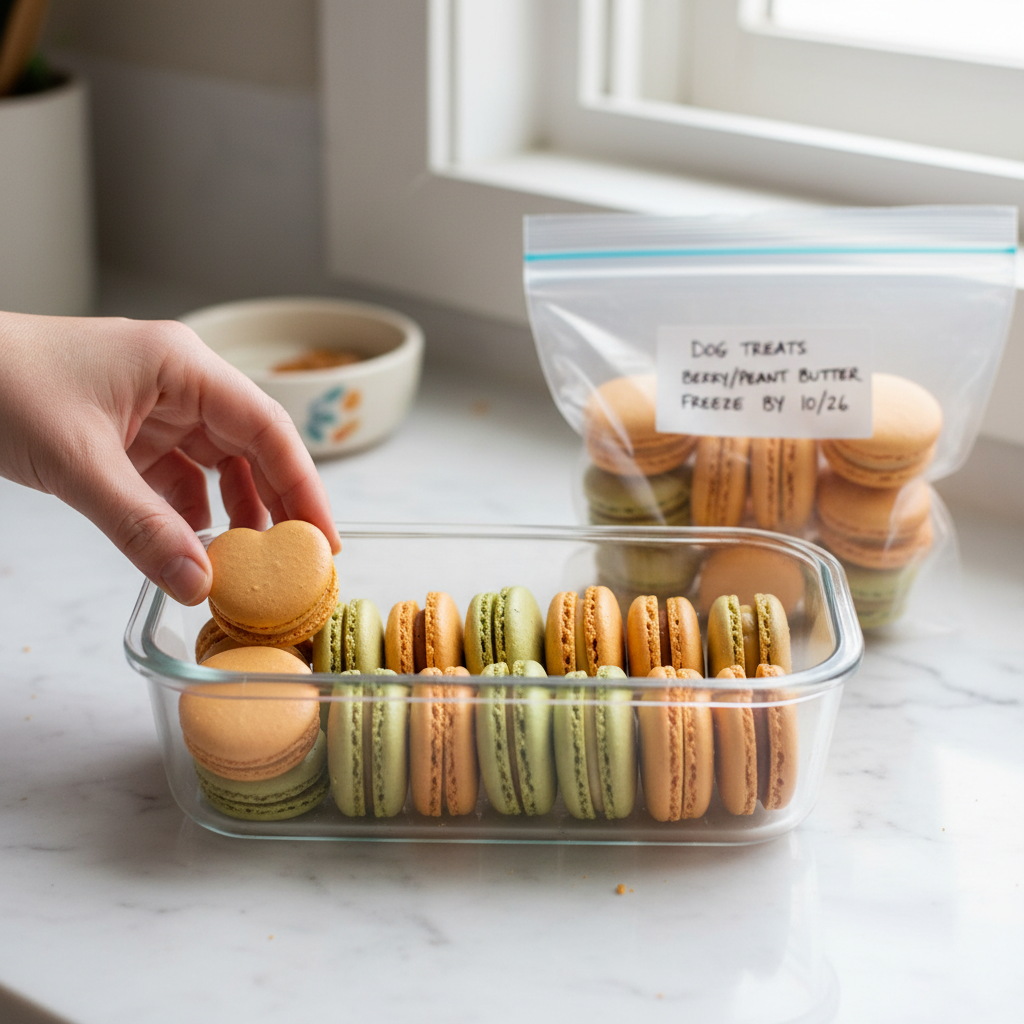
You’ve created a batch of nutritional gold. Now, let’s make sure it stays fresh and is served responsibly. Unlike commercial treats loaded with chemical preservatives, these require proper storage.
Storage Protocol
Because our filling is fresh yogurt, these macarons must be refrigerated. Arrange them in a single layer in an airtight container.
- Refrigerator: They will stay fresh for up to 3-4 days.
- Freezer: For longer storage, you can freeze the macarons. Place them in a single layer on a baking sheet and freeze until solid. Then, transfer them to a freezer-safe airtight container or bag. They will last for up to 2 months. You can thaw them in the refrigerator for an hour before serving.
Serving & Portion Control
These are nutrient-dense treats, not meal replacements. Moderation is essential.
- Small Dogs (under 20 lbs): 1 macaron per day.
- Medium Dogs (20-50 lbs): 2 macarons per day.
- Large Dogs (over 50 lbs): 3 macarons per day.
Insider Secret: Use these macarons as a high-value reward for training. The novelty and deliciousness can help you break through training plateaus, especially for difficult commands like ‘recall’ or ‘leave it’. The intense focus your dog will give you for one of these is worth more than a dozen boring commercial biscuits.
Conclusion
You have now successfully bypassed the pet store marketing machine. You’ve transformed simple, whole ingredients into a gourmet treat that is objectively healthier and more cost-effective than almost any commercial alternative. This is what being a Canine Nutrition Hacker is all about—using knowledge to see past the labels and take direct control over what fuels your dog.
Don’t stop here. Start looking at all the ingredient labels in your pantry, for both you and your dog. Question every additive, every filler, every unpronounceable chemical. You have the power to provide elite-level nutrition, and these Parisian Pups Macarons are just the beginning. You are now in control.