Quail Eggs for Dogs: Why They Are A Superfood Topper
Forget the latest marketing gimmicks and over-hyped supplements. The most potent nutritional upgrade for your dog’s bowl might just be one of nature’s smallest and most overlooked packages: the quail egg. As the Canine Nutrition Hacker, my job is to cut through the noise and give you the forensic data on what actually works. We’re not talking about marginal improvements; we’re talking about a superfood topper that can deliver a concentrated blast of bioavailable nutrients that many commercial dog foods lack. This isn’t just another trend; it’s a strategic tool for proactive pet owners looking to optimize their dog’s health from the inside out. In this guide, we’ll deconstruct the quail egg, analyze its components like a lab sample, and provide a no-nonsense protocol for adding it to your dog’s diet for maximum impact.
The Nutritional Forensics: Deconstructing the Quail Egg

Before you add anything to your dog’s bowl, you need to know its precise composition. A quail egg isn’t just a ‘mini chicken egg’; it’s a nutritionally distinct entity. On a gram-for-gram basis, it’s a powerhouse that delivers a disproportionately high level of essential nutrients. Let’s put it under the microscope.
Protein Profile: Beyond Simple Amino Acids
The protein in quail eggs is not only abundant but also highly digestible. It contains essential amino acids crucial for muscle development, tissue repair, and enzyme function. But the secret lies in its unique protein compounds. One key protein is lysozyme, an enzyme known for its natural antibacterial properties. It can help support a healthy gut microbiome by targeting harmful bacteria without disrupting beneficial flora—a level of sophistication you won’t find listed on a kibble bag.
Vitamin and Mineral Density
When we analyze the micronutrient content, the quail egg truly shines. It is a concentrated source of:
- Vitamin B12 (Cobalamin): Essential for brain function, nerve health, and the formation of red blood cells. Quail eggs contain significantly more B12 than chicken eggs relative to their size.
- Iron: Crucial for oxygen transport in the blood. The iron in quail eggs is highly bioavailable, meaning your dog’s body can absorb and utilize it efficiently.
- Riboflavin (B2): A key player in energy metabolism, helping convert food into fuel. It also supports healthy skin and vision.
- Selenium: A powerful antioxidant that protects cells from damage caused by free radicals and supports thyroid function and the immune system.
The Fatty Acid Advantage
The yolk of a quail egg is a rich source of healthy fats, including Omega-3 and Omega-6 fatty acids. While the ratio is important, the presence of these fats supports cognitive function, reduces inflammation, and contributes to a lustrous, healthy coat. It also contains choline, a vital nutrient for liver function and healthy brain development. For pet owners concerned about fat content, remember these are the ‘good fats’ that fuel cellular health, not the processed fats that lead to obesity.
Quail Eggs vs. Chicken Eggs: A Head-to-Head Analysis

Many owners ask, “Why not just use a small piece of a chicken egg?” This is where a forensic comparison reveals the quail egg’s strategic advantages. It’s not about one being ‘bad’ and the other ‘good’; it’s about understanding their distinct properties to make an informed choice for your dog’s specific needs.
While chicken eggs are a fine source of nutrition, quail eggs offer a different, more concentrated profile that can be particularly beneficial for certain dogs, especially those with sensitivities or allergies. Let’s break down the critical differences in a clear, comparative format.
| Metric | Quail Egg (Avg. 9g) | Chicken Egg (Avg. 50g) | The Hacker’s Verdict |
|---|---|---|---|
| Nutrient Density | Significantly higher concentration of Vitamin B12, Iron, and Riboflavin per gram. | Good source of nutrients, but more diluted by volume and water content. | For a concentrated ‘nutrient bomb’ without adding significant volume or calories, the quail egg is the clear winner. |
| Allergen Profile | Contains a different protein, ovomucoid, which is known to be far less allergenic. Often tolerated by dogs with chicken egg sensitivities. | A common allergen for dogs. The albumin protein is a frequent trigger for immune responses. | This is the quail egg’s secret weapon. It’s the ideal choice for dogs with known food sensitivities or owners looking to minimize allergy risks. |
| Shell Composition | Thinner, but an excellent, highly bioavailable source of calcium carbonate. Easier to crush and digest. | Thicker shell, also a good calcium source, but requires more effort to process into a usable powder. | The quail egg shell is a convenient, all-in-one calcium supplement that can be fed whole (for some dogs) or easily crushed. |
| Serving Size | Perfectly portioned. One egg is a suitable daily topper for small to medium dogs. No need to store leftovers. | Often too large for a single serving for smaller dogs, requiring portioning and refrigeration. | The quail egg’s natural portion control makes it a more practical and less wasteful option for daily supplementation. |
Insider Secret: The low allergenicity of quail eggs is a game-changer. Many commercial “limited ingredient” diets still cause reactions. By adding a novel, nutrient-dense protein source like a quail egg, you can often soothe inflammatory responses triggered by common proteins like chicken.
The ‘Safe Chef’ Guide: How to Prepare and Serve Quail Eggs
SAFETY DISCLAIMER: I am a canine nutrition analyst, not a veterinarian. The information provided is for educational purposes. Always consult with your veterinarian before making significant changes to your dog’s diet, especially if they have pre-existing health conditions like pancreatitis or kidney disease. When introducing any new food, start with a small amount to monitor for any adverse reactions.
Serving Raw: The Bioavailability Powerhouse
Feeding quail eggs raw is the most common and arguably the most beneficial method. It preserves the delicate enzymes and vitamins that can be degraded by heat. The risk of salmonella from quail eggs is significantly lower than with chicken eggs due to the quail’s higher body temperature and the presence of lysozyme, which inhibits bacterial growth.
- Source Quality: Always purchase quail eggs from a reputable source, preferably organic or from a local farm if possible.
- Wash the Exterior: Give the egg a quick rinse before serving.
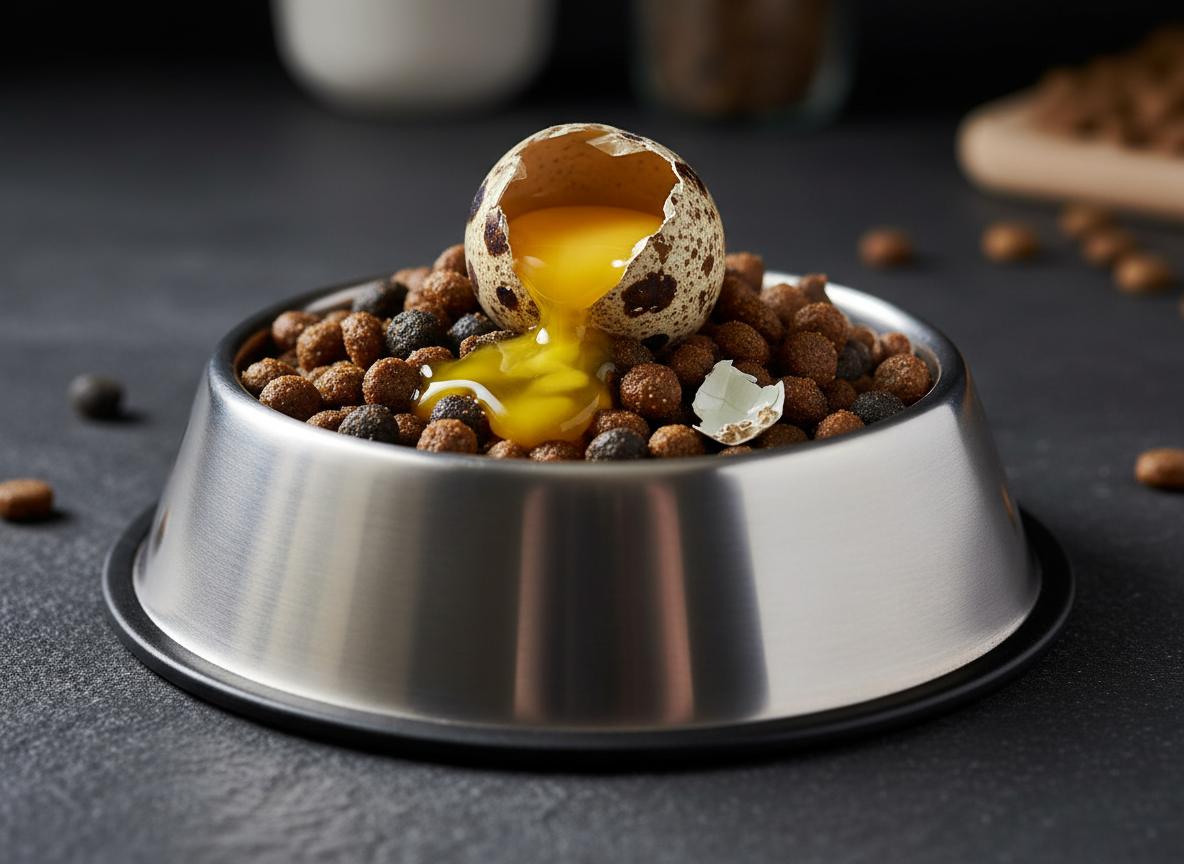
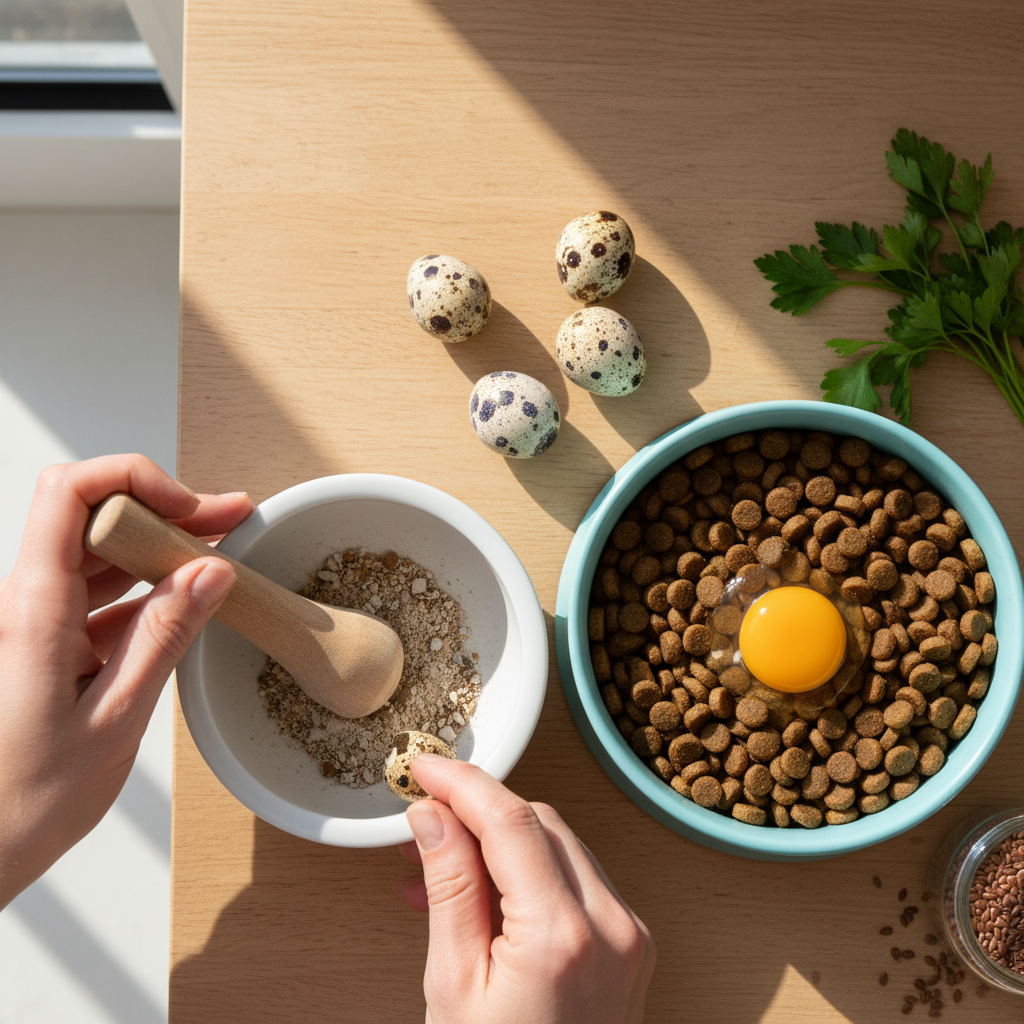
- Serving Method: You can crack the egg directly over your dog’s food. For smaller dogs, you can whisk it and pour a portion over their meal.
- The Shell Question: The shell is a fantastic source of calcium. You can crush it into a fine powder with a mortar and pestle or a clean coffee grinder and sprinkle it over the food. Some dogs, particularly those on a raw diet, will eat the egg whole, shell and all. Important: Only do this if you are confident your dog chews their food thoroughly.
Serving Cooked: The Gentle Introduction
If you or your vet are hesitant about feeding raw, a soft-boiled quail egg is an excellent alternative. This method makes the protein highly digestible while still retaining a significant portion of the nutrients in the runny yolk.
- Bring a small pot of water to a rolling boil.
- Gently place the quail eggs in the water.
- Boil for exactly 2 minutes for a soft-boiled egg with a liquid yolk.
- Immediately transfer the eggs to an ice bath to stop the cooking process.
- Peel the shell (it can be tricky, so be patient) and serve the egg whole or mashed into their food.
Dosage and Frequency: A Strategic Approach
Do not treat quail eggs like a main meal. They are a supplement. Use the following as a guideline:
- Small Dogs (under 20 lbs): 1 egg, 3-4 times per week.
- Medium Dogs (20-50 lbs): 1 egg daily.
- Large Dogs (over 50 lbs): 2 eggs daily.
Batch Cooking Tip: You can soft-boil a week’s worth of quail eggs at once. Store them, unpeeled, in an airtight container in the refrigerator for up to 5 days. This makes daily supplementation quick and easy.
The Real Cost Breakdown: Is This Superfood Worth the Investment?
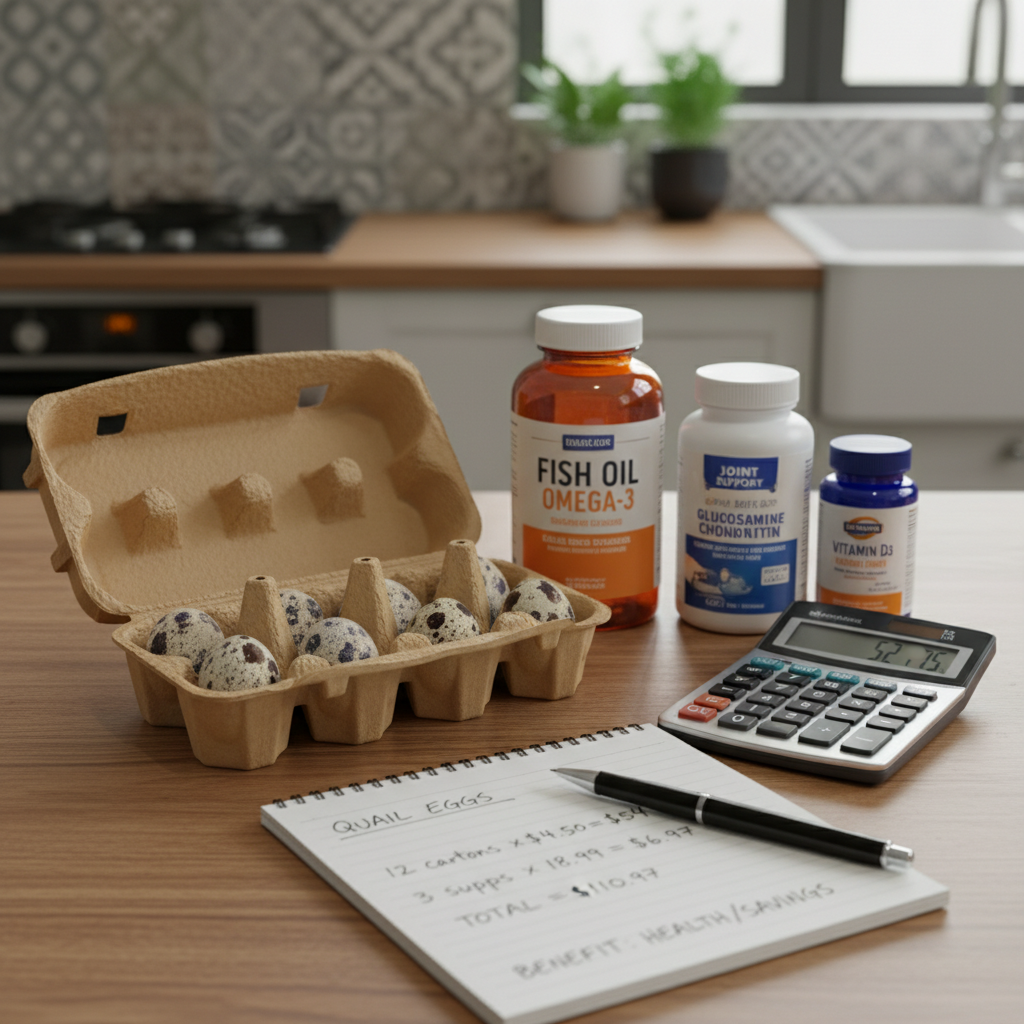
A savvy pet owner always analyzes the cost-to-benefit ratio. At first glance, a carton of quail eggs may seem more expensive than a bottle of generic fish oil capsules. However, when you deconstruct what you’re actually paying for, the value proposition becomes clear. You’re not just buying a single supplement; you’re getting a multi-faceted nutritional tool that can replace several other products.
Let’s compare the approximate monthly cost of adding quail eggs to a 50lb dog’s diet versus other common supplements. This analysis assumes one quail egg per day.
| Supplement | Primary Benefit | Approximate Monthly Cost (50lb Dog) | The Hacker’s Analysis |
|---|---|---|---|
| Quail Eggs | Skin/Coat, Allergy Support, Immune Health, Joint Support (via anti-inflammatory properties) | $15 – $25 (Avg. $0.60/egg) | Provides a wide spectrum of benefits from a single, whole-food source. High bioavailability means less waste and more effective nutrient uptake. Replaces the need for multiple isolated supplements. |
| Mid-Tier Fish Oil Capsules | Skin & Coat Health (Omega-3s) | $20 – $30 | Effective for its primary purpose, but lacks the broad range of vitamins, minerals, and unique proteins found in quail eggs. Risk of rancidity with lower-quality products. |
| Canine Probiotic Powder | Gut Health | $25 – $40 | Targets a specific system. Quail eggs support gut health via lysozyme but are not a replacement for a potent probiotic if one is medically necessary. However, they contribute to a healthier gut environment. |
| Basic Joint Supplement (Glucosamine/Chondroitin) | Joint Health | $30 – $50 | Addresses a single issue. The natural anti-inflammatory properties of the fatty acids in quail eggs can provide a foundational level of joint support, potentially reducing the need for high-dose synthetic supplements in younger dogs. |
The verdict is clear: while quail eggs are not a cure-all, their nutritional complexity offers a far greater return on investment than most single-purpose supplements. For the cost of a daily cup of coffee, you are providing a comprehensive boost to your dog’s diet that supports multiple biological systems simultaneously. It’s about efficiency and choosing a whole-food solution over a collection of fractionated, synthetic nutrients.
Targeted Health Benefits: Solving Problems with a Single Topper
The true power of a superfood lies in its ability to address specific health challenges. The unique combination of nutrients in quail eggs makes them a potent tool for managing common canine issues.
Enemy: Environmental and Food Allergies / Hero: Ovomucoid Protein
For dogs plagued by itchy skin, hot spots, and digestive upset from allergies, quail eggs can be a breakthrough. The ovomucoid protein they contain has been studied for its ability to act as a natural anti-histamine. It can help regulate the body’s allergic response at a cellular level. Unlike chicken eggs, which are a common trigger, quail eggs offer relief, making them a ‘hero’ ingredient for sensitive dogs.
Enemy: Dull Coat and Brittle Nails / Hero: Biotin, Zinc, and Healthy Fats
A dog’s coat is a direct reflection of its internal health. A dull, flaky coat is often a sign of nutritional deficiency. Quail eggs deliver a trifecta of coat-enhancing nutrients. Biotin (Vitamin B7) is crucial for keratin production, the protein that makes up hair and nails. The highly bioavailable zinc and the rich profile of Omega fatty acids in the yolk work together to reduce shedding, increase shine, and moisturize the skin from within. You’re not just masking the problem with a topical spray; you’re fixing it at the source.
Enemy: Weakened Immune System / Hero: Antioxidants & Lysozyme
Senior dogs, recovering dogs, or those who are frequently ill can benefit from an immune system boost. Quail eggs provide this through multiple pathways. Selenium and Vitamin A/E act as powerful antioxidants, neutralizing free radicals that cause cellular damage and stress the immune system. Furthermore, the natural antibacterial properties of the enzyme lysozyme help to fortify the gut—the body’s first line of immune defense—creating a less hospitable environment for pathogens.
Conclusion
In the world of canine nutrition, we are constantly bombarded with complex formulas and expensive, lab-created supplements. The quail egg stands in stark contrast—a simple, natural, and potent tool that delivers a complex array of benefits. It is a testament to the power of whole-food nutrition. By incorporating this small but mighty superfood topper, you are moving beyond simply feeding your dog; you are actively upgrading their nutrition with a targeted, bioavailable, and cost-effective strategy. You are not just following a trend; you are leveraging nutritional science to provide a tangible boost to their health, coat, and overall vitality. Make the smart choice. Hack their nutrition. The power is in the quail egg.