Raw Beef Lung for Dogs: The ‘Marshmallow’ Treat Guide
Walk down any pet store aisle and you’re bombarded with a wall of brightly colored bags, all screaming ‘natural,’ ‘gourmet,’ and ‘healthy.’ But turn over the package and the illusion shatters. The ingredient list reads like a chemistry experiment: propylene glycol, BHA, artificial smoke flavor, and a litany of unpronounceable fillers. You’re paying a premium for marketing, not nutrition. It’s time to stop playing their game.
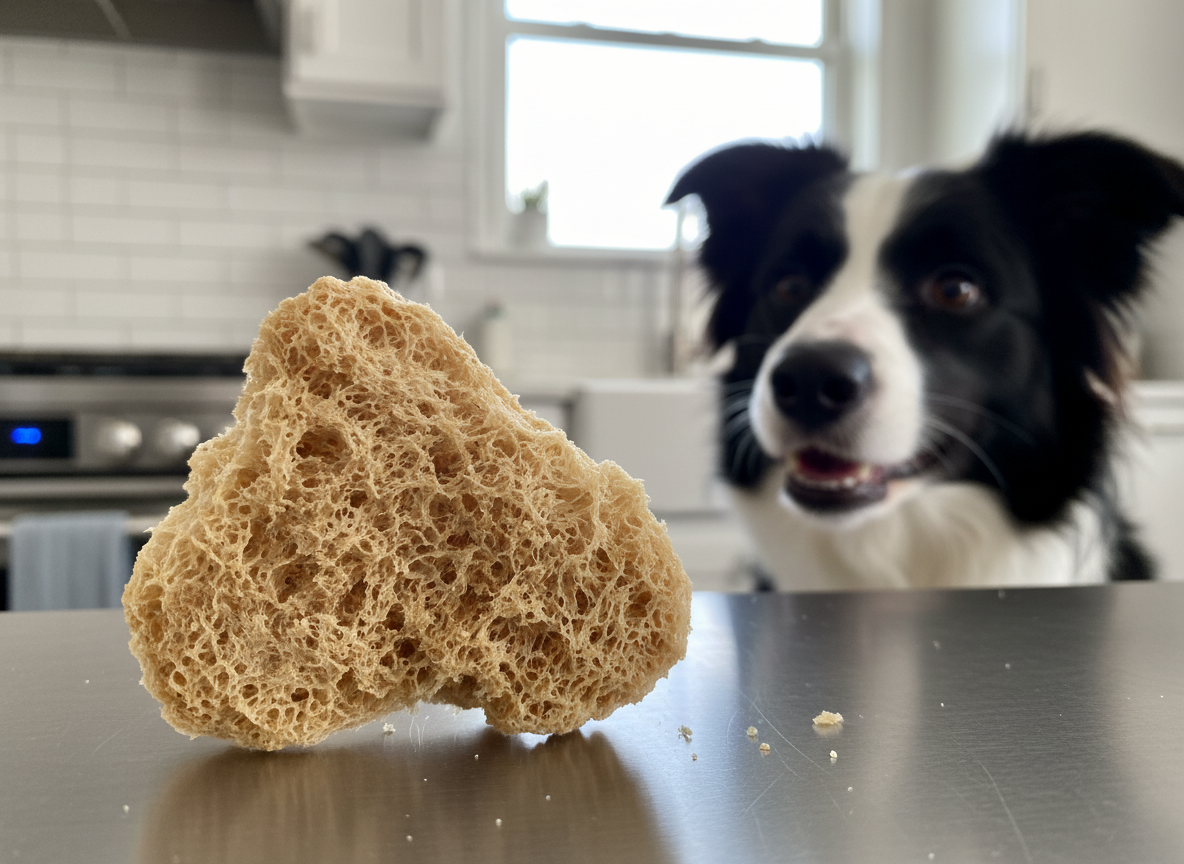
As The Canine Nutrition Hacker, I operate on a simple principle: maximum nutrition for minimum cost, with zero compromises on quality. Today, I’m pulling back the curtain on one of the raw feeding community’s most valuable secrets: raw beef lung. This isn’t just another treat; it’s a single-ingredient powerhouse that commercial brands buy in bulk, process, and sell back to you at a 500% markup. Its uniquely light, airy texture has earned it the nickname ‘the marshmallow treat’—a high-reward snack that won’t pack on the pounds.
This guide is your blueprint for taking back control. We will dissect the nutritional science, navigate the sourcing process like a pro, provide a step-by-step preparation manual, and run a cost-analysis that will change the way you buy treats forever. Forget the fancy packaging and deceptive claims. It’s time to give your dog a treat that is genuinely pure, potent, and cost-effective.
Why Beef Lung is a Nutrition Hacker’s Top Pick
The Nutritional Forensics of Beef Lung
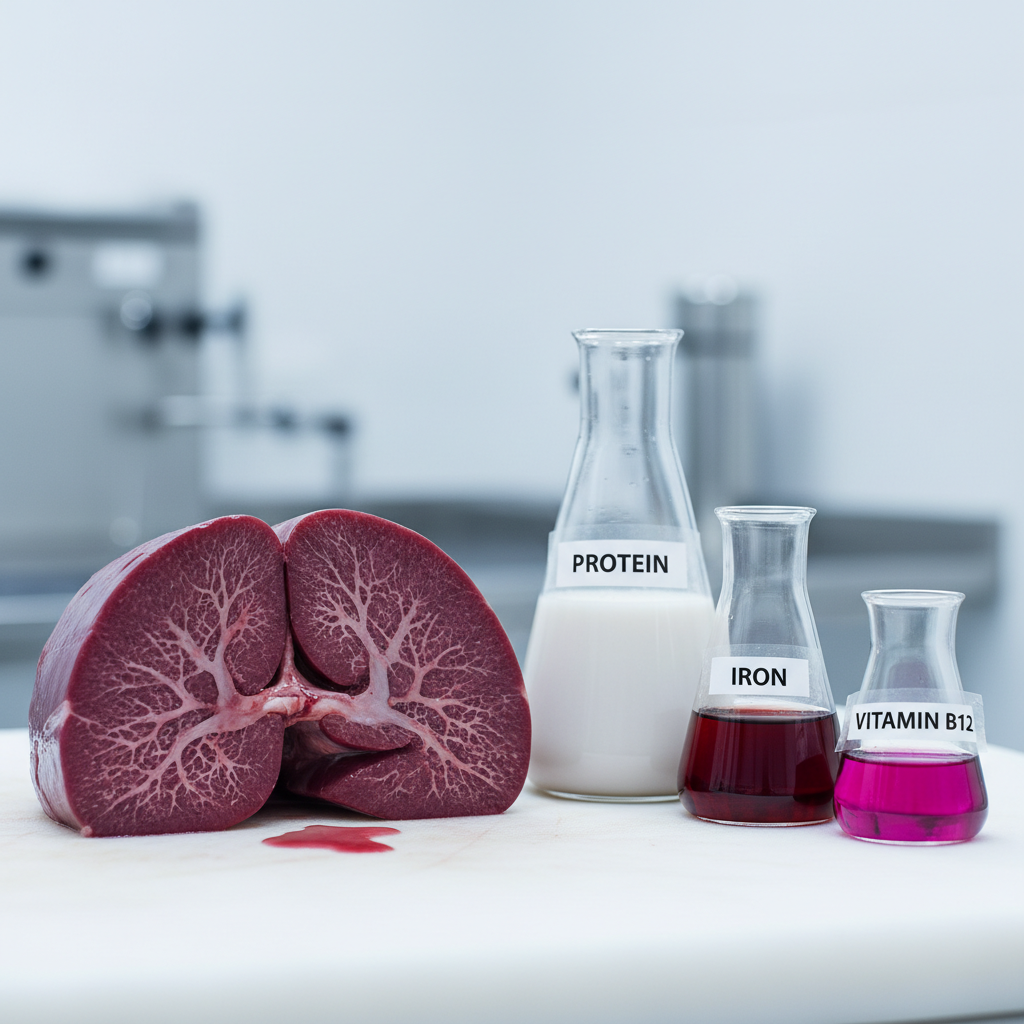
Before we get our hands dirty, let’s analyze the data. Why beef lung? Because from a nutritional standpoint, it delivers an incredible return on investment. Commercial treats are often built on a foundation of cheap fillers like corn, wheat, or soy, with a minimal amount of actual meat ‘flavor.’ Beef lung, on the other hand, is 100% functional tissue, packed with bioavailable nutrients.
Core Nutritional Profile:
- High-Quality Protein: Beef lung is comprised almost entirely of protein, essential for muscle maintenance, tissue repair, and overall metabolic function. Unlike plant-based proteins, this is a complete animal protein with all the essential amino acids your dog requires.
- Extremely Low in Fat: This is its defining feature. The spongy, airy structure of lung tissue means it’s naturally very low in fat. This makes it an exceptional treat for dogs on a weight management plan or those prone to pancreatitis, who cannot tolerate rich, fatty snacks.
- Rich in B Vitamins: It’s a significant source of Vitamin B12 (Cobalamin), which is crucial for nervous system function and the formation of red blood cells. It also contains other B vitamins like Riboflavin (B2) and Niacin (B3) that help convert food into energy.
- Essential Mineral Content: Beef lung provides a healthy dose of iron, vital for oxygen transport in the blood, as well as phosphorus and selenium, which support bone health and antioxidant function, respectively.
When you provide a piece of dehydrated beef lung, you are offering a pure, unadulterated nutritional supplement. There are no binding agents, no artificial preservatives, and no empty calories. It’s a clean, efficient fuel source that doubles as a high-value reward, making it an indispensable tool in any savvy owner’s arsenal.
Sourcing & Safety: Your Due Diligence Checklist
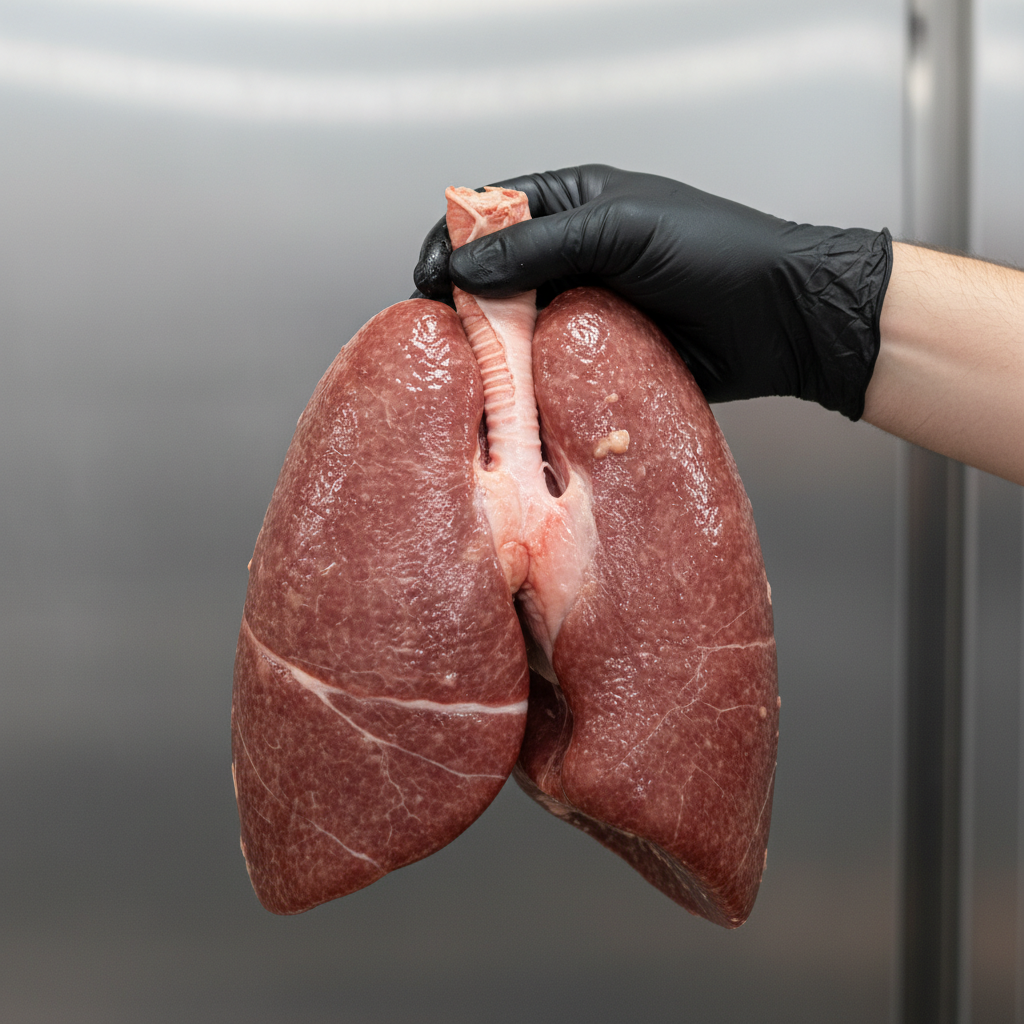
Navigating the Market for Pristine Product
Sourcing is the most critical step. The quality of your final product is entirely dependent on the quality of your raw ingredient. Low-quality sourcing can introduce contaminants and negate the health benefits. This is where you must perform your due diligence.
SAFETY DISCLAIMER: I am a canine nutrition analyst, not a veterinarian. The information provided here is for educational purposes based on extensive research and experience. Raw feeding carries inherent risks. Always consult with a qualified veterinarian or veterinary nutritionist before making significant changes to your dog’s diet, especially if they have underlying health conditions.
Where to Source:
- Local Butchers: This is your best starting point. Build a relationship with a local, trusted butcher. They often discard organ meats or sell them cheaply. Specify that you need it for pet consumption and ask about their sourcing practices.
- Raw Food Co-ops: These groups are a goldmine for raw feeders. Members buy in bulk directly from farms or distributors, dramatically lowering costs and often providing access to higher-quality, grass-fed, and pasture-raised options.
- Ethnic Markets: Many international markets carry a wider variety of organ meats than standard grocery stores. Inspect the product carefully for freshness.
- Online Raw Food Suppliers: Numerous companies specialize in shipping frozen raw pet food products directly to your door. Vet these companies carefully; look for transparency in their sourcing and handling processes.
Quality Inspection Checklist:
- Color: Fresh beef lung should have a vibrant, pinkish-red color. Avoid anything that looks gray, brown, or has discolored spots.
- Smell: It should have a fresh, clean, slightly metallic smell characteristic of fresh meat. Any ‘off,’ sour, or rancid odor is a major red flag. Trust your nose.
- Source Verification: The gold standard is lung from 100% grass-fed, pasture-raised cattle. This ensures a better fatty acid profile and minimizes exposure to antibiotics and hormones. Ask your supplier directly about their farm sources.
Insider Secret: When talking to your butcher, don’t just ask for ‘beef lung.’ Ask if they have any ‘pet trim’ or organ meat set aside for grinding. You can often get lung, heart, and other valuable organs for a fraction of the price because they aren’t prime cuts for human consumption. This simple language switch can save you up to 50%.
The ‘Safe Chef’ Preparation Guide: From Raw to Ready
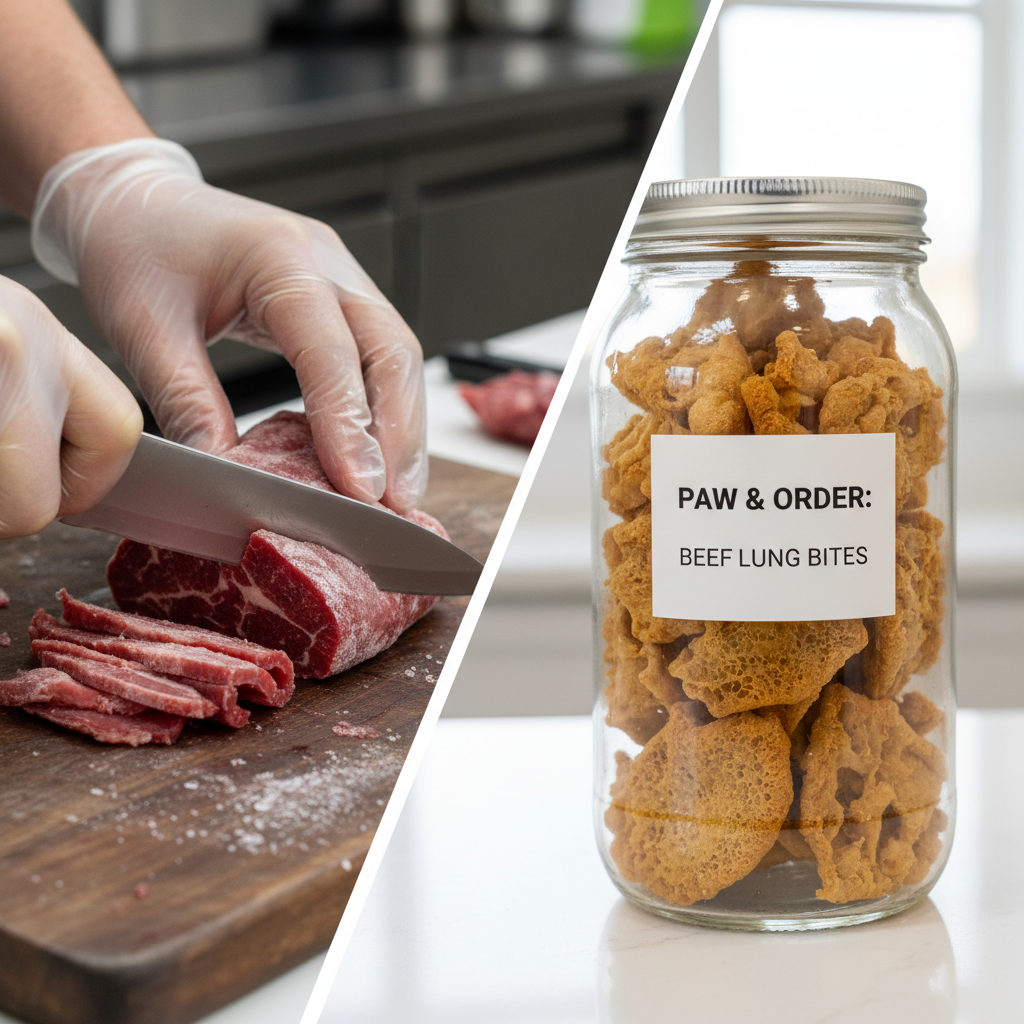
Mastering the Two Core Methods
Once you have your high-quality beef lung, preparation is straightforward. The goal is to make it safe, palatable, and easy to store. We will cover two primary methods: serving it raw as part of a meal and dehydrating it into shelf-stable ‘puffs.’
Method 1: Raw Preparation for Meal Enhancement
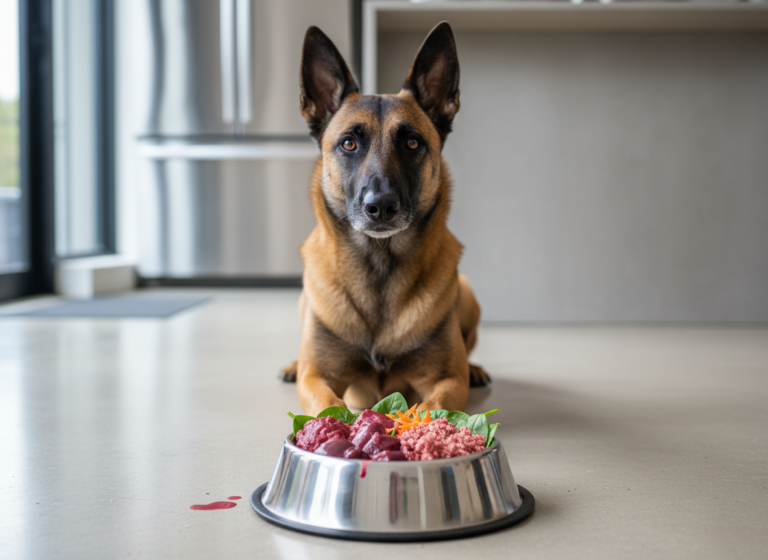
Feeding beef lung raw retains its maximum nutritional value. It’s an excellent addition to a balanced raw or home-cooked diet.
- Partial Freezing: Place the fresh lung in the freezer for 1-2 hours. This will firm it up significantly, making it much easier to slice without it turning to mush.
- Slicing: Using a sharp, clean knife on a dedicated raw-meat cutting board, slice the lung into bite-sized cubes or strips appropriate for your dog’s size. For a 50lb dog, cubes of about 1-inch are a good starting point.
- Portioning: Remember, organ meats are rich. They should not exceed 10% of your dog’s total daily food intake. A few cubes are plenty. Use a digital kitchen scale for accuracy.
- Storage: Immediately portion the raw pieces into freezer bags or containers for long-term storage. They will keep safely in the freezer for up to 6 months. Thaw a small batch in the refrigerator as needed.
Method 2: Dehydrating for ‘Marshmallow’ Puffs
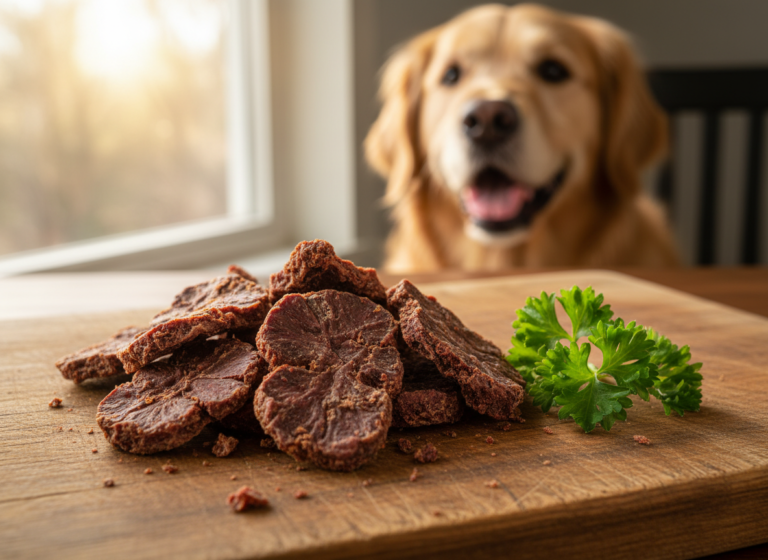
This is how you create those incredibly light, crunchy, high-value training treats that dogs go crazy for. The process removes moisture, concentrating the flavor and making them shelf-stable.
- Partial Freezing & Slicing: As with the raw method, partially freeze the lung first. Then, slice it as thinly as possible – aim for 1/4 inch or less. The thinner the slice, the quicker it will dehydrate and the puffier it will become.
- Arranging: Place the thin slices on your dehydrator trays in a single layer. Ensure there is space between the pieces for air to circulate effectively. Do not let them overlap.
- Dehydrating: Set your dehydrator to a temperature between 155-160°F (68-71°C). This temperature is high enough to safely kill potential pathogens. Let them dehydrate for 8-12 hours. The exact time will depend on the thickness of your slices and your specific dehydrator model.
- Checking for Doneness: The final product should be light, airy, and snap easily. If it’s chewy or flexible, it needs more time. There should be no visible moisture.
- Batch Cooking & Storage Tip: Once fully dehydrated and cooled, store the lung puffs in an airtight glass jar or vacuum-sealed bag. They will last for several weeks at room temperature or for many months in the freezer. Storing them with a food-safe desiccant packet will extend their shelf life even further by absorbing any residual moisture.
Cost Analysis: DIY Lung vs. Store-Bought Deception

Breaking Down the Numbers
This is where the ‘hacker’ mindset truly pays off. The price difference between making your own beef lung treats and buying a pre-packaged version is staggering. Brands prey on convenience, but with minimal effort, you can save a significant amount of money while providing a superior product. Let’s run the numbers, assuming a market price of around $3.00/lb for raw beef lung from a butcher.
| Treat Type | Source / Brand | Cost per Pound (Approx.) | Cost per Ounce (Approx.) | Verdict |
|---|---|---|---|---|
| DIY Raw Beef Lung | Local Butcher / Co-op | $3.00 | $0.19 | Unbeatable value. 100% pure meat with zero processing or markup. The absolute baseline for cost. |
| DIY Dehydrated Lung | Homemade (Factoring in electricity) | ~$3.50 (raw weight) | ~$1.25 (finished weight) | Incredible savings. Dehydration removes water weight, concentrating the product. The cost per finished ounce is still a fraction of commercial options. |
| Premium Commercial Dehydrated Lung | Boutique Pet Store Brand | $48.00 – $80.00 | $3.00 – $5.00+ | Extreme markup. You are paying for packaging, marketing, shipping, and the retailer’s profit margin. The product is identical to what you can make at home. |
The data is undeniable. By sourcing and dehydrating beef lung yourself, you save over 75% compared to buying a similar product from a premium brand. For a 4-ounce bag of treats that might cost $15-$20 in a store, you can produce the same amount at home for less than $5. Over the course of a year, this translates to hundreds of dollars in savings that can be reallocated to other aspects of your dog’s care, like high-quality food or veterinary check-ups. This isn’t just about saving money; it’s about refusing to pay for marketing hype and taking direct control over your dog’s nutritional intake.
Risk Mitigation: What Every Owner Must Know
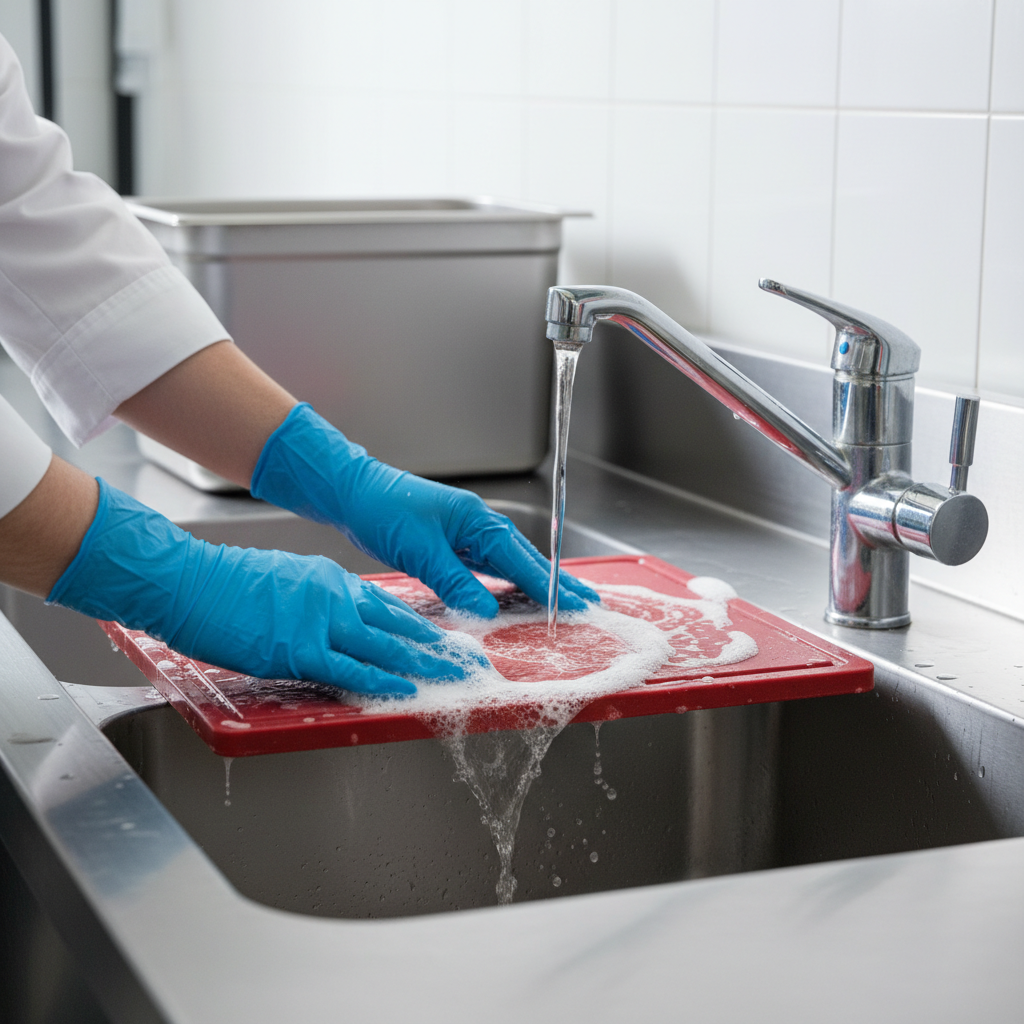
Executing with Precision and Safety
Being a nutrition hacker means being smart and safe. Raw meat demands respect and proper handling protocols. Cutting corners here is not an option. Follow these rules diligently to mitigate any potential risks.
1. Pathogen Control
Raw meat can harbor bacteria like Salmonella and E. coli. While a healthy dog’s digestive system is well-equipped to handle this, humans are not. Cross-contamination is the primary risk.
- Dedicated Equipment: Use a separate cutting board, knives, and utensils exclusively for raw meat. A non-porous material like plastic or composite is easier to sanitize than wood.
- Sanitization Protocol: After use, wash all equipment, countertops, and your sink with hot, soapy water, followed by a disinfectant spray (like a vinegar-water solution or commercial food-safe sanitizer).
- Hand Washing: Wash your hands thoroughly with soap and warm water for at least 20 seconds before and after handling raw meat.
2. Choking Hazards
Beef lung, especially when dehydrated, can be brittle. Always supervise your dog when they are eating treats.
- Size Appropriately: Cut treats to a size that is appropriate for your dog. For smaller dogs or aggressive chewers, larger pieces that encourage gnawing rather than swallowing whole are safer.
- Supervision is Mandatory: WARNING: Choking Hazard. Never leave your dog unattended with any treat, especially a new one. Be prepared to intervene if a piece breaks off awkwardly.
3. Dietary Balance and Moderation
Treats are not a complete meal. They are supplements and rewards. Feeding too much organ meat can lead to dietary imbalances or digestive upset.
- The 10% Rule: A widely accepted guideline is that treats should not make up more than 10% of your dog’s daily caloric intake.
- Introduce Slowly: When introducing any new food, start with a very small amount to see how your dog’s system reacts. A sudden large quantity of rich organ meat can cause loose stools.
- Nutrient Imbalance: Organ meats are high in certain nutrients, like Vitamin A (in liver) and phosphorus. While lung is more balanced, it should still be fed as part of a varied diet to prevent any single nutrient from being over-represented.
Conclusion
You now possess the complete blueprint to hack the pet treat industry. By choosing to source and prepare raw beef lung, you are moving beyond the role of a mere consumer and becoming a proactive guardian of your dog’s health. You’ve seen the nutritional data, you have the sourcing checklist, you’ve mastered the preparation, and you understand the staggering cost savings. There are no more excuses for paying exorbitant prices for inferior, mystery-ingredient products.
This is about more than just a treat. It’s a change in mindset. It’s about looking at every label, questioning every ingredient, and demanding the absolute best for your canine companion. The power is in your hands—in your kitchen, in your dehydrator, and in your informed decisions. Welcome to the world of the Canine Nutrition Hacker. Your dog, and your wallet, will thank you for it.