Raw Feeding Guide: Where to Buy Affordable Whole Ducks for Dogs
Let’s cut through the marketing noise. The commercial raw food industry has convinced you that providing a species-appropriate diet has to cost a fortune. They package ground-up products in fancy tubs, slap a premium price tag on them, and sell you on convenience. I’m here to tell you there’s a better, smarter, and significantly cheaper way. Welcome to the world of sourcing your own ingredients, where you control the quality and the cost. Today, we’re targeting one of the most nutritionally potent proteins you can offer: whole duck.
Sourcing and preparing whole duck is a cornerstone of savvy raw feeding. It’s a nutritional powerhouse that can solve allergy issues and build incredible muscle tone, and when you know where to look, it costs a fraction of what you’re paying for pre-made raw pucks. This guide is your roadmap to hacking the system.
CRITICAL SAFETY DISCLAIMER: Before we proceed, understand this: I am not a veterinarian or a certified canine nutritionist. I am a dedicated researcher and dog owner who analyzes nutrition from a practical, results-oriented perspective. The information provided here is for educational purposes. A balanced raw diet is complex and requires more than just meat. You must conduct your own thorough research and consult with a qualified veterinary professional or nutritionist to ensure your dog’s diet is complete and balanced, which often requires specific supplementation. Do not transition your dog to a raw diet without professional guidance.
Deconstructing the Duck: A Nutritional Powerhouse for Your Dog
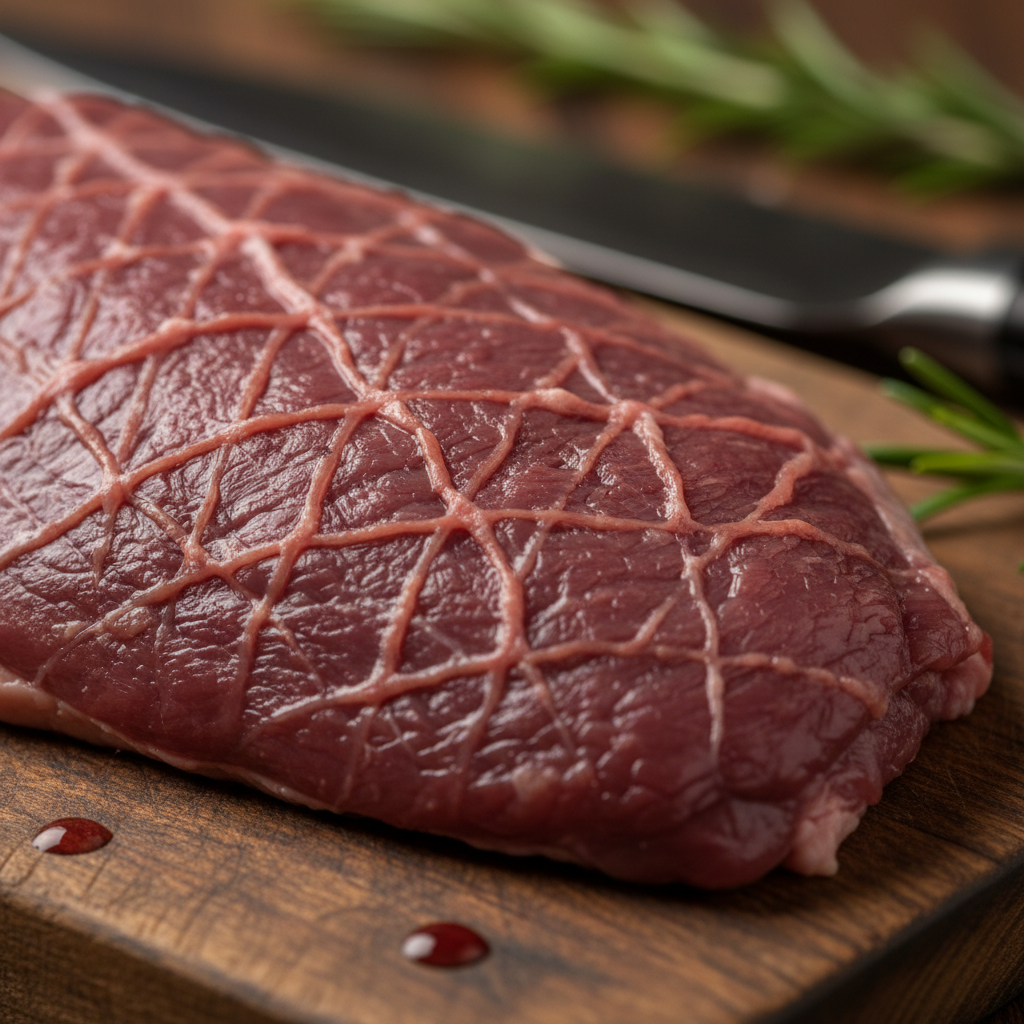
Why the obsession with duck? It’s simple forensics. When you analyze the nutritional profile, duck stands out as a superior choice for many dogs, especially those plagued by sensitivities to common proteins like chicken or beef. It’s classified as a ‘novel protein,’ meaning most dogs haven’t been overexposed to it, dramatically reducing the likelihood of allergic reactions.
But its benefits go far beyond being hypoallergenic. Duck is a rich, dark meat that is loaded with high-quality, easily digestible protein essential for building and maintaining lean muscle mass. It’s a concentrated source of essential minerals, including:
- Iron: Crucial for energy production and oxygen transport in the blood.
- Selenium: Supports thyroid function and antioxidant defense.
- Zinc: Vital for immune function, skin health, and metabolic processes.
Furthermore, duck provides an excellent profile of B vitamins, such as B6 and B12, which are fundamental for cardiovascular health and cognitive function. The real secret, however, lies in the concept of feeding the whole animal. A whole duck provides not just muscle meat, but also nutrient-dense organs, fat, and raw, edible bone. This ‘whole prey’ model delivers a synergistic blend of nutrients that is impossible to replicate with muscle meat alone.
Insider Secret: Don’t fear the fat. Duck fat is a clean, highly palatable energy source for active dogs. It’s rich in linoleic acid, an omega-6 fatty acid that is vital for skin and coat health. Rendered duck fat is liquid gold in the culinary world for a reason; for your dog, it’s a premium fuel source.
The Source Code: Where to Find Budget-Friendly Whole Ducks

This is where the hack begins. Forget your standard supermarket poultry aisle, which often carries overpriced, selectively bred ducks intended for roasting. We need to think like a supplier, not just a consumer. Your mission is to find whole, unprocessed ducks—ideally with organs, neck, and sometimes even head and feet included—for the lowest possible price.
Ethnic & International Markets
This is your number one target. Asian, Hispanic, and Eastern European markets are goldmines for affordable, whole poultry. They cater to a clientele that cooks with the entire animal, meaning you’ll find ducks sold in a more complete form and at a price point that will shock you. I regularly find whole ducks for under $3.00/lb at my local Asian market, a price that is simply unbeatable.
Local Farms & Butchers
Building a relationship with a local butcher or a nearby farm that raises ducks can be a game-changer. Ask them directly if they sell ducks for pet consumption or if they have ‘cosmetically imperfect’ birds they’d sell at a discount. Often, these are perfectly healthy animals that just don’t meet the aesthetic standards for restaurant supply. You get incredible quality while supporting a local business.
Online Raw Food Co-ops
Raw food co-ops are groups of pet owners who band together to place large, wholesale orders directly from farms and processors. This bulk-buying power gives you access to prices you could never get as an individual consumer. Search online for raw feeding co-ops in your state or region. The logistics might require you to pick up a large order once a month, but the savings are substantial.
Hunting Connections
This is a more niche strategy, but if you live in an area where duck hunting is common, it’s worth exploring. Connect with local hunters who may have more birds than they can use. They are often willing to part with them for a very low price or even for free. Important: Ensure you know the source and that the animal was handled safely and is disease-free.
The Bottom Line: A Forensic Cost Breakdown
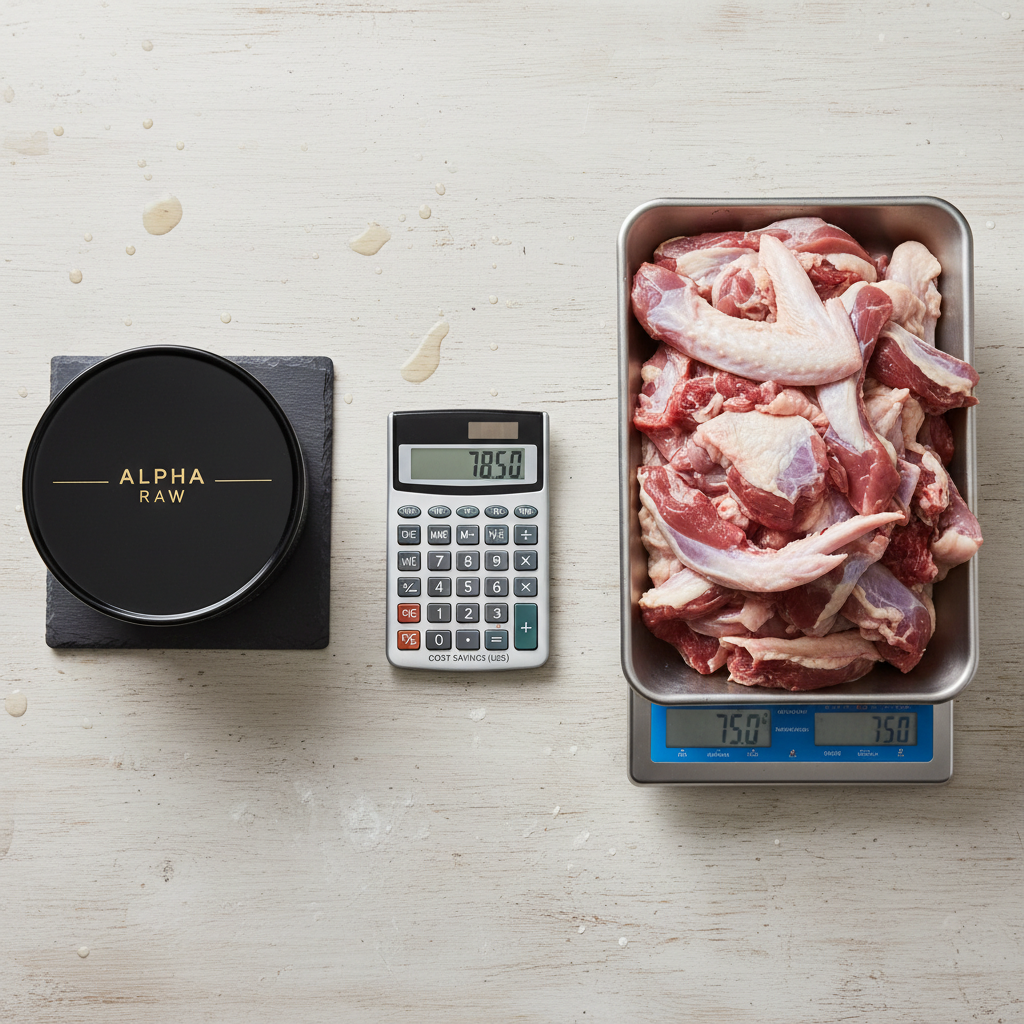
Talk is cheap. Let’s analyze the hard data. The numbers below are based on sourcing a whole duck and feeding a moderately active 50-pound dog, which typically requires about 1.25 pounds (2.5% of body weight) of food per day, or approximately 37.5 pounds of food per month. The comparison exposes the inflated pricing of convenience.
| Source | Typical Price Per Pound | Estimated Monthly Cost (50lb Dog) | Verdict |
|---|---|---|---|
| Premium Commercial Raw Duck | $9.00 – $12.00 | $337.50 – $450.00 | Extremely high cost for convenience. Often contains added fillers or is ground, removing the dental benefits of chewing. |
| Local Butcher / Farm | $4.00 – $6.00 | $150.00 – $225.00 | Excellent quality and supports local economy. A solid mid-range option with transparent sourcing. |
| Online Raw Co-op | $2.50 – $4.00 | $93.75 – $150.00 | Requires bulk purchase and storage space, but offers some of the best prices for high-quality, farm-sourced meat. |
| Ethnic / International Market | $2.25 – $3.50 | $84.38 – $131.25 | The ultimate hack for affordability. Quality is generally good, and the inclusion of organs/feet adds nutritional value. |
The analysis is stark. By simply changing where you shop, you can slash your dog’s monthly food bill by over 70% compared to buying a pre-made commercial raw duck diet. That’s a potential savings of over $300 per month, or $3,600 per year, for a single 50-pound dog. This is money that can be reinvested into high-quality supplements, veterinary care, or other forms of enrichment.
The Protocol: Safe Handling and Batch-Prep for Raw Duck

Sourcing the duck is half the battle; preparing it safely and efficiently is the other. This requires a strict protocol to prevent cross-contamination and ensure your dog gets the right portions. This is your new standard operating procedure.
Step 1: Establish a Decontamination Zone
Designate a specific area of your kitchen for raw meat preparation. Use a large, non-porous cutting board (plastic or glass) that is used only for raw meat. After your session, all tools, surfaces, and the sink must be thoroughly sanitized with a food-safe disinfectant.
Hacker Tip: Buy a cheap, brightly colored cutting board (e.g., red) and dedicate it solely to your dog’s raw meat. This visual cue prevents accidental use for your own food preparation.
Step 2: Breaking Down the Bird
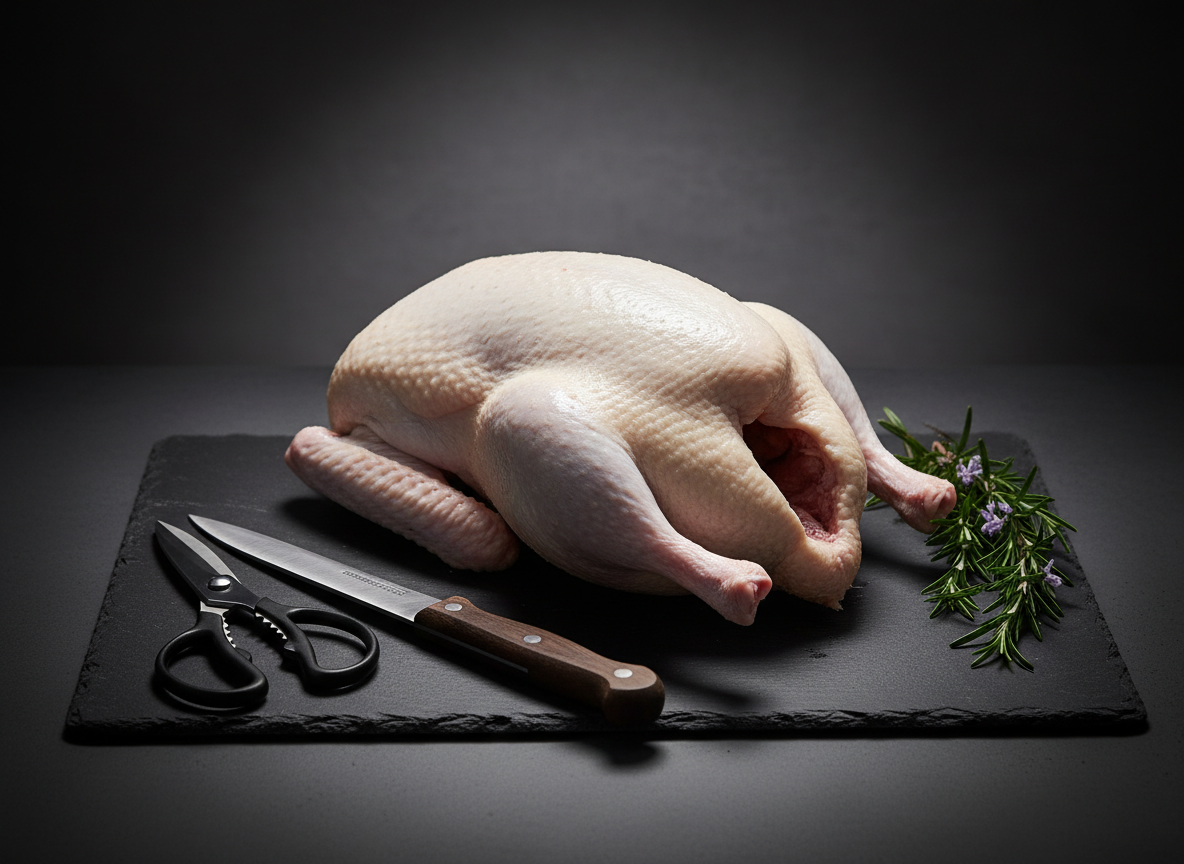
For a 50lb dog, a 5-6 pound duck can provide meals for 4-5 days. You’ll need a heavy-duty knife or, preferably, a pair of sharp poultry shears.
- Place the duck on your dedicated cutting board. Remove any giblets from the cavity (liver, heart, gizzards)—these are nutritional gold.
- Use the poultry shears to cut along each side of the backbone to remove it. The backbone can be fed as a meal itself.
- Separate the legs and thighs at the joint.
- Separate the wings.
- Cut the breast meat away from the breastbone, or simply split the breastplate in half with the shears.
- You now have several portions: 2 legs/thighs, 2 wings, 2 breast halves, the backbone, and the organs.
Step 3: Portioning and Storage
Using a kitchen scale, weigh out your dog’s daily meal requirement into individual portions. A balanced meal should include muscle meat, organ (about 5-10% of the total diet), and edible bone. The duck parts you’ve created are a perfect mix. Place each daily portion into a freezer-safe bag or container. Label with the date and contents. They will keep in a deep freezer for up to a year.
A Critical Warning on Bones
This is non-negotiable: You must never, ever feed your dog cooked bones. Cooking makes bones brittle, causing them to splinter into sharp, dangerous fragments that can perforate the digestive tract. The bones from a raw duck (wings, neck, back) are soft, pliable, and perfectly safe for most dogs to chew and digest, providing essential calcium, phosphorus, and dental cleaning benefits. RAW BONES ONLY.
Conclusion
You now have the intelligence and the protocol to break free from the high costs of commercial raw feeding. Sourcing whole duck isn’t just about saving money; it’s about taking ultimate control over the quality and composition of your dog’s diet. By seeking out unconventional suppliers like ethnic markets and local farms, you gain access to superior ingredients at a fraction of the price. You are no longer just a consumer; you are your dog’s personal nutritionist and procurement specialist. Analyze the labels, question the prices, and always seek out the source. That is how you hack canine nutrition.