
Stop the Scoot: Best High Fiber Dog Food for Anal Gland Problems
That cringe-inducing drag across the carpet. The tell-tale sign of discomfort. If you’re a dog owner, you know the ‘scoot’ all too well. It’s more than an embarrassing habit; it’s a clear signal that your dog is suffering from anal gland issues. While groomers and vets can provide temporary relief through manual expression, this is merely treating a symptom. As the Canine Nutrition Hacker, I’m here to tell you that the root of the problem almost always lies in the food bowl. The commercial dog food industry is rife with low-cost fillers and inadequate fiber that lead to poor stool quality, which is the direct cause of impacted anal glands.
This guide is not about temporary fixes. It’s about a permanent, dietary solution. We will dissect the science behind anal gland function, expose the ‘enemy’ ingredients sabotaging your dog’s health, and identify the high-fiber ‘hero’ ingredients that will stop the scoot for good. Prepare to become a label-reading expert and take back control of your dog’s digestive wellness.
Medical Disclaimer: I am a canine nutrition analyst, not a veterinarian. The information in this article is for educational purposes only. Chronic or severe anal gland issues, especially those involving infection or abscess, require immediate veterinary attention. Always consult your vet before making significant changes to your dog’s diet.
The Anatomy of a Scoot: Why Your Dog’s Diet is Failing Their Glands
To solve the problem, you must first understand the mechanism. Your dog has two small sacs located just inside their anus, which produce a uniquely scented, oily substance. In a healthy dog, every firm bowel movement puts natural pressure on these glands, causing them to express a small amount of fluid. This is a normal, unnoticed biological process.
The system breaks down when stool is consistently soft, mushy, or too small. Without the pressure from a well-formed stool, the glands don’t empty properly. The fluid builds up, thickens, and can lead to painful impaction and even infection. This is where diet becomes the prime suspect.
The Enemy Ingredients on the Label
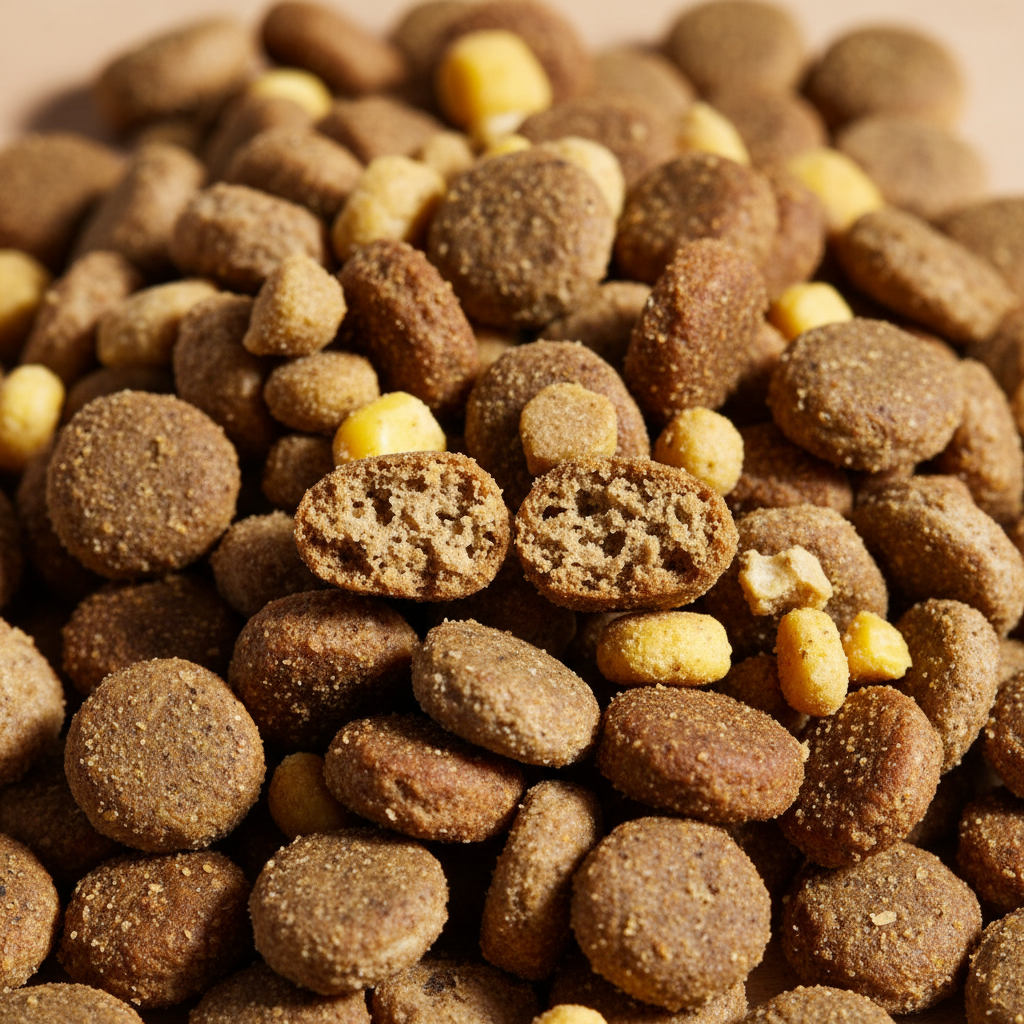
Many popular dog foods are formulated for cost-effectiveness, not optimal canine biology. They are packed with ingredients that disrupt digestive health and lead to poor stool quality. Be on the lookout for these culprits in the first 5-7 ingredients:
- Vague Meat Meals: Terms like ‘meat and bone meal’ or ‘animal by-product meal’ are red flags. They come from unspecified sources and can be difficult for many dogs to digest, leading to inflammation and inconsistent stools.
- Corn and Corn Gluten Meal: A cheap, subsidized filler. Corn is a lower-quality protein source and a common allergen. Its primary role is to bind kibble and cut costs, but it often results in soft, voluminous stools that lack the density to express glands.
- Wheat and Soy: These are common allergens and inflammatory agents for many dogs. Chronic inflammation in the digestive tract is a direct contributor to anal sac disease.
- Excessive Simple Carbohydrates: Diets heavy in potatoes or tapioca starch without sufficient fiber can turn to mush in the gut, failing to provide the necessary bulk.
Insider Secret: The term ‘fiber’ on a ‘Guaranteed Analysis’ panel tells you almost nothing. It doesn’t differentiate between high-quality functional fiber and cheap, non-functional fillers like powdered cellulose (which is essentially wood pulp). The quality of the fiber source, found in the ingredient list, is what truly matters.
The Fiber Fix: Decoding Soluble vs. Insoluble Fiber for Optimal Stool
Fiber is the single most powerful tool for managing anal gland health. But not all fiber is created equal. A dog’s diet requires a precise balance of two types of fiber to produce the ‘perfect poop’—one that is firm, well-formed, and bulky enough to do its job.
The Power of Insoluble Fiber
Think of insoluble fiber as the ‘bulking agent.’ It does not dissolve in water. Instead, it passes through the digestive system largely intact, absorbing water and adding significant mass to the stool. This is what creates the size and firmness needed to put pressure on the anal glands.
Hero Insoluble Fiber Ingredients to Look For:
- Beet Pulp
- Pea Fiber
- Oat Hulls
- Miscanthus Grass
The Role of Soluble Fiber
Soluble fiber dissolves in water to form a gel-like substance in the digestive tract. This gel slows down digestion, which can help in cases of diarrhea, but its main benefit for anal glands is its role as a prebiotic. It feeds the beneficial bacteria in your dog’s gut. A healthy gut microbiome leads to more consistent and healthier digestion overall.
Hero Soluble Fiber Ingredients to Look For:
- Pumpkin & Squash
- Psyllium Seed Husk
- Apple Pectin
- Chicory Root (Inulin)
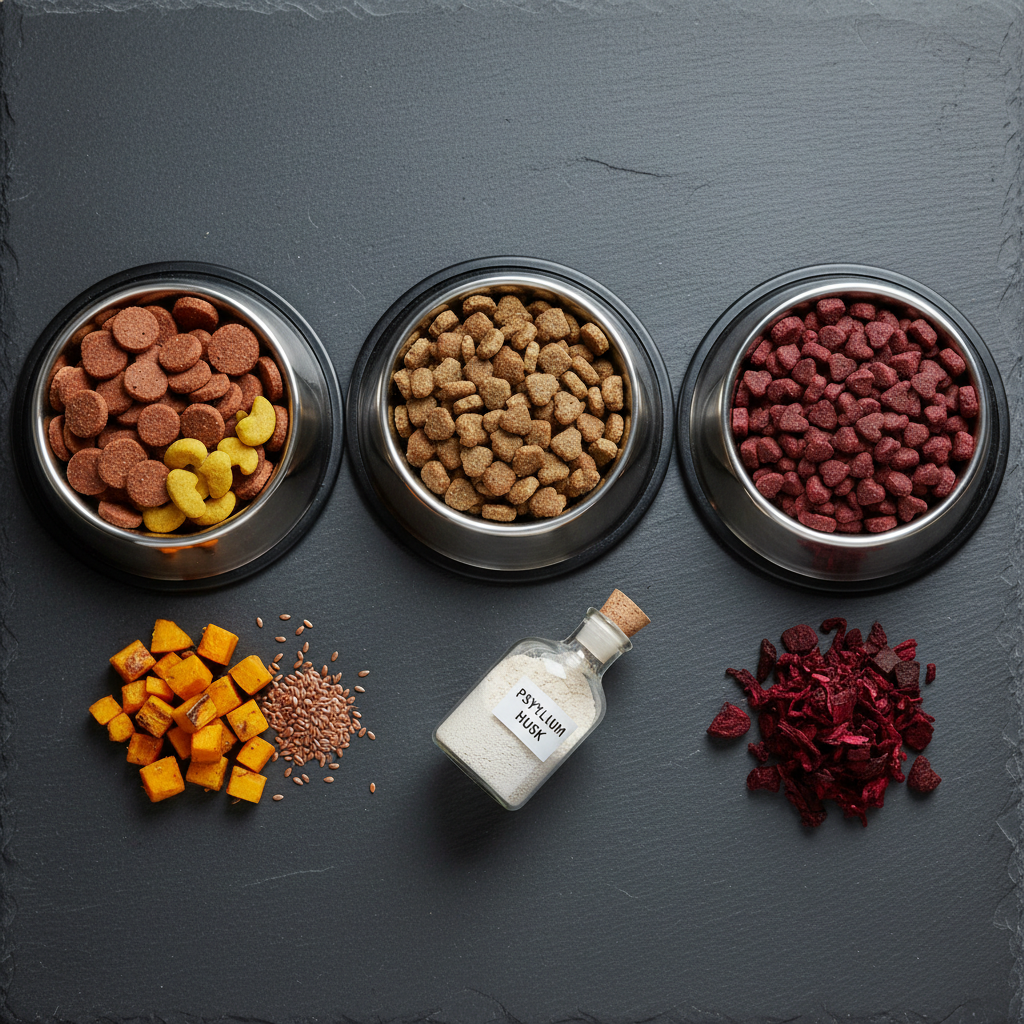
The ultimate goal is a food that utilizes a strategic blend of both. A formula that relies solely on a cheap insoluble fiber might produce a large stool, but without the gut-soothing properties of soluble fiber, digestion may still be inconsistent. The best formulas use ingredients like pumpkin and beet pulp in tandem.
Forensic Review: Top High-Fiber Commercial Dog Foods
Navigating the pet food aisle is a minefield of marketing claims. Here, we apply the Canine Nutrition Hacker lens to a few prescription and premium over-the-counter options known for their high-fiber content. We’ll analyze them based on our established principles.
Royal Canin Veterinary Diet Gastrointestinal High Fiber
- The ‘First 5 Ingredients’ Truth: Brewers Rice, Chicken By-Product Meal, Corn, Chicken Fat, Powdered Cellulose. The inclusion of by-product meal and corn in the top 3 is a concern for a premium-priced food. However, the formulation is clinically proven.
- Fiber Source Analysis: The heavy lifting is done by Powdered Cellulose (insoluble) and Psyllium Seed Husk (soluble). It also contains Beet Pulp. This is a very direct, brute-force approach to adding fiber.
- Cost Per Day (50lb dog): Approximately $3.50 – $4.00/day.
- Recall Check: Royal Canin has had recalls in the past, though its veterinary lines are generally produced with high standards.
Hill’s Prescription Diet w/d Multi-Benefit
- The ‘First 5 Ingredients’ Truth: Whole Grain Wheat, Powdered Cellulose, Chicken Meal, Whole Grain Corn, Corn Gluten Meal. Like Royal Canin, this formula relies heavily on corn and wheat, which can be problematic for sensitive dogs.
- Fiber Source Analysis: The primary fiber source is Powdered Cellulose, an aggressive insoluble fiber. It’s designed for weight management and digestive health, making stool bulky.
- Cost Per Day (50lb dog): Approximately $3.25 – $3.75/day.
- Recall Check: Hill’s has also had recalls, most notably a major one related to Vitamin D levels in 2019.
Wellness CORE Digestive Health with Wholesome Grains
- The ‘First 5 Ingredients’ Truth: Deboned Chicken, Chicken Meal, Brown Rice, Barley, Oat Groats. A much stronger start, with quality protein and whole grains. No corn, wheat, or soy.
- Fiber Source Analysis: This formula uses a sophisticated blend of Dried Plain Beet Pulp, Ground Flaxseed, Pumpkin, and Inulin from chicory root. This provides an excellent mix of soluble and insoluble fibers.
- Cost Per Day (50lb dog): Approximately $2.75 – $3.25/day.
- Recall Check: Wellness has a relatively clean recall history compared to some larger brands.
| Brand | Primary Protein | Grain Status | Primary Fiber Sources | Verdict |
|---|---|---|---|---|
| Royal Canin GI High Fiber | Chicken By-Product Meal | Contains Corn & Rice | Powdered Cellulose, Psyllium Husk | Effective but uses lower-quality base ingredients for the price. Best for vet-prescribed cases. |
| Hill’s Prescription Diet w/d | Chicken Meal | Contains Wheat & Corn | Powdered Cellulose | A veterinary tool for multiple conditions, but relies on common allergens and fillers. |
| Wellness CORE Digestive Health | Deboned Chicken | Wholesome Grains (No Corn/Wheat) | Beet Pulp, Pumpkin, Flaxseed | Excellent, balanced formula with high-quality ingredients. A top choice for a non-prescription solution. |
The DIY Fiber Boost: Hacking Your Dog’s Current Food
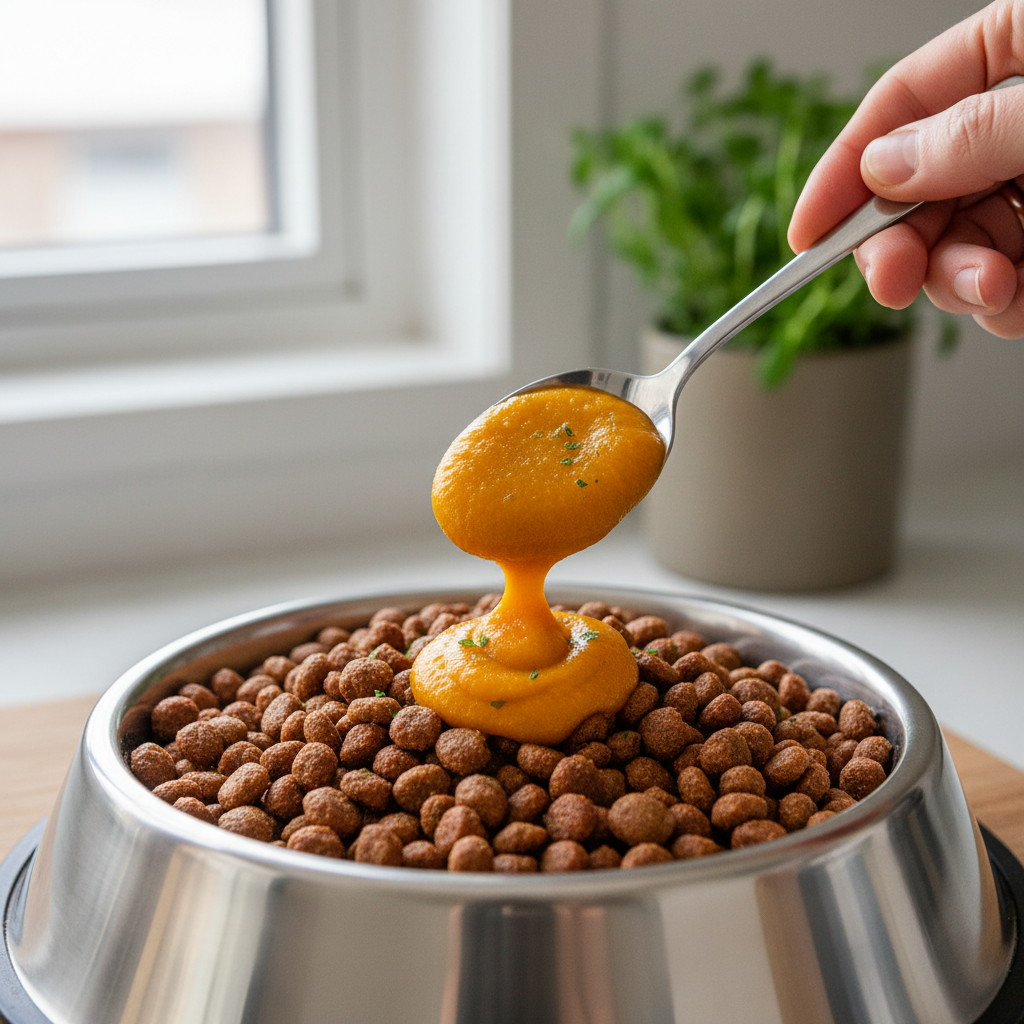
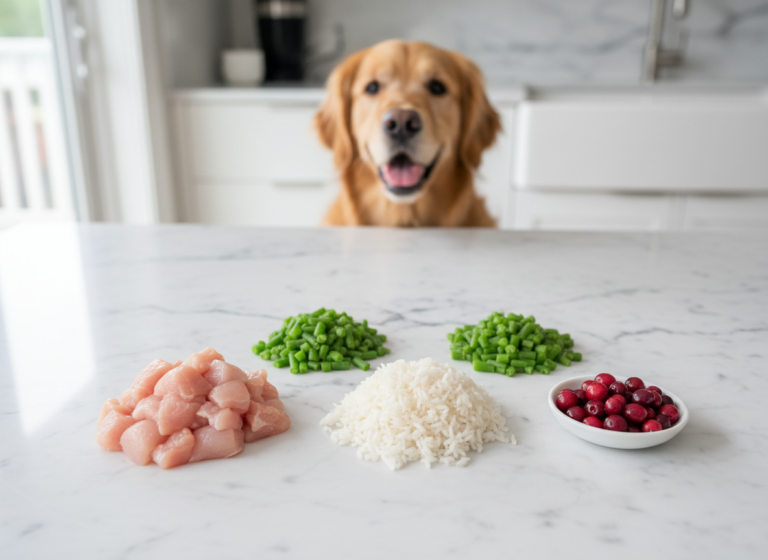
A complete diet overhaul isn’t always practical or necessary. If your dog is otherwise doing well on their current food, you can ‘hack’ their meals by supplementing with high-quality fiber sources. This gives you precise control over their fiber intake. Introduce any new food item slowly and monitor stool quality.
Safe & Effective Fiber Toppers
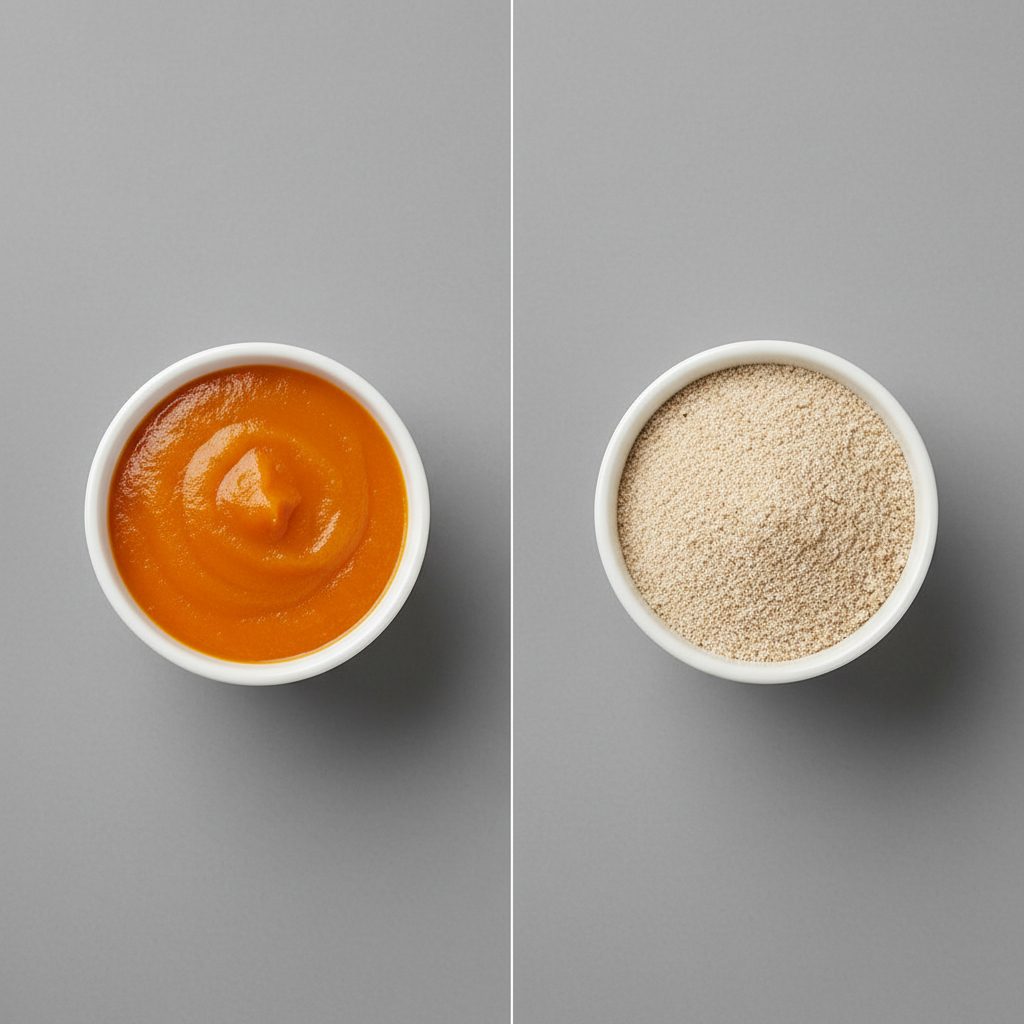
- 100% Pure Canned Pumpkin: This is the go-to solution for many owners. It’s rich in soluble fiber and vitamins. Ensure you buy pure pumpkin, NOT pumpkin pie filling, which contains sugar and spices. A good starting dose is 1 teaspoon per 10 pounds of body weight per day.
- Psyllium Husk Powder: A potent source of soluble fiber that forms a gel. A little goes a long way. Start with a tiny pinch (less than 1/4 teaspoon for a medium dog) mixed with water to form a slurry before adding to food.
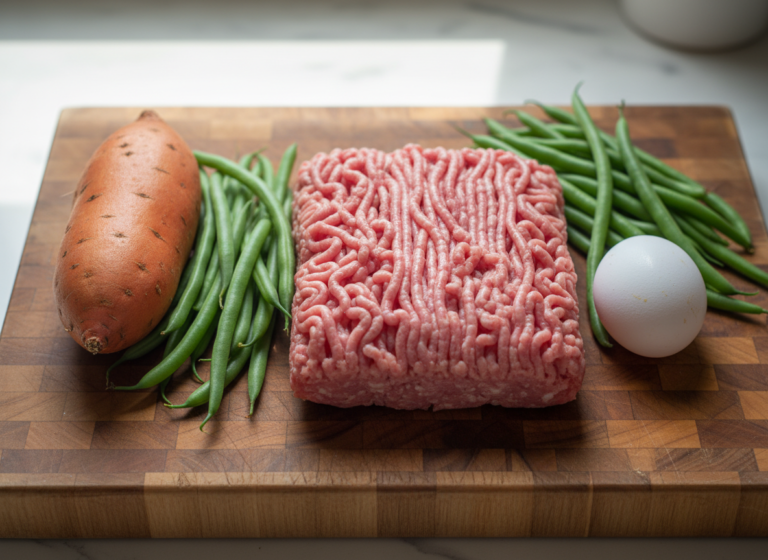
- Steamed, Unsalted Green Beans: An excellent source of insoluble fiber and a low-calorie way to add bulk to a meal, which is also great for weight management. Chop them up and add a small handful to your dog’s bowl.
- Ground Flaxseed: Provides a great blend of soluble and insoluble fiber, plus the anti-inflammatory benefits of Omega-3 fatty acids. Store in the fridge to prevent the oils from going rancid.
Hacker Tip: Buy canned pumpkin in bulk after holidays like Halloween and Thanksgiving when it goes on deep discount. You can freeze it in ice cube trays for perfectly portioned, ready-to-use fiber boosts all year long.
Warning: When adding fiber, you must also ensure your dog has constant access to fresh water. Fiber needs water to do its job; without adequate hydration, it can lead to constipation.
Beyond the Bowl: Lifestyle Factors That Impact Anal Gland Health
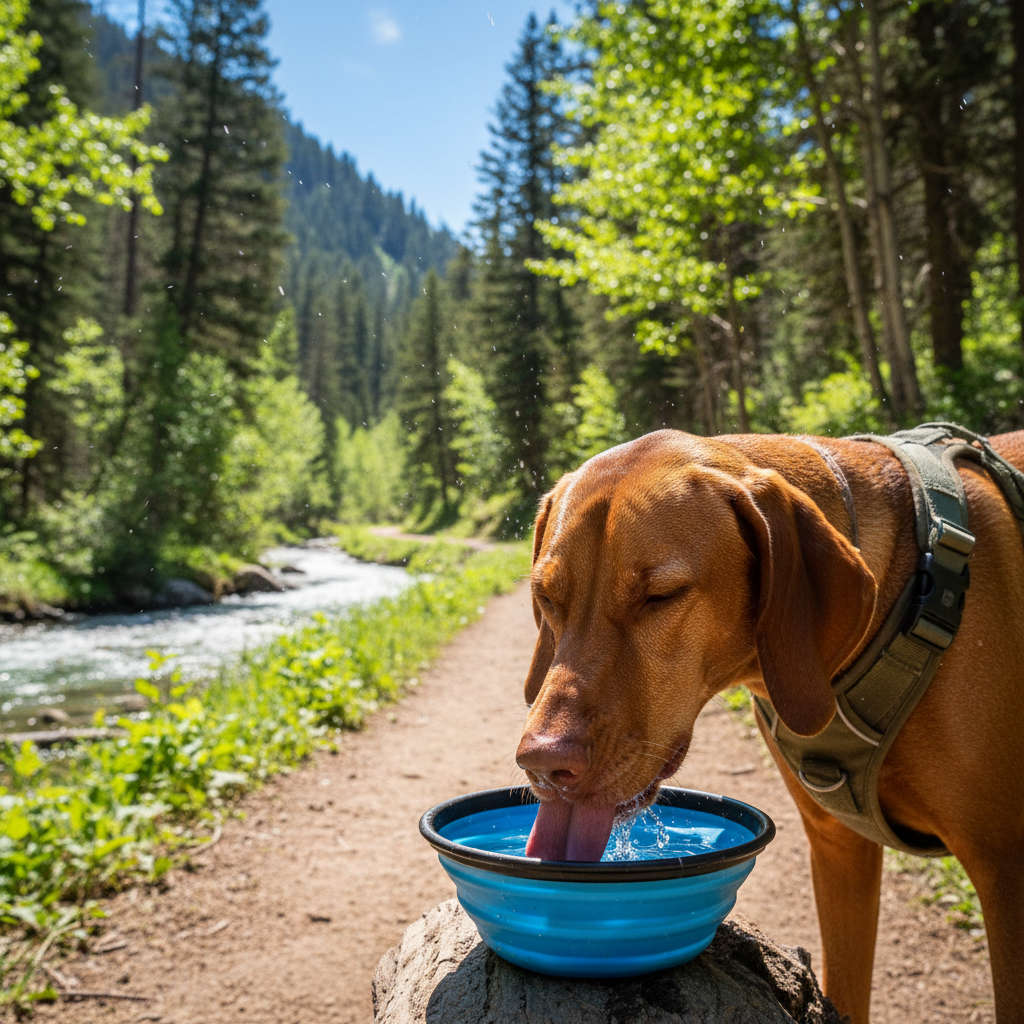
While diet is the cornerstone of managing anal gland health, it’s part of a larger ecosystem of wellness. Optimizing your dog’s lifestyle can further support healthy digestive function and reduce the likelihood of problems.
Weight Management is Non-Negotiable
Excess fat pads around the perianal area can physically obstruct the anal glands, preventing them from emptying naturally, even with perfect stool quality. A lean body condition is critical. If you can’t easily feel your dog’s ribs, it’s time to consult your vet about a weight management plan. Reducing calories and increasing exercise is paramount.
The Importance of Hydration and Exercise
As mentioned, fiber cannot work without water. A dehydrated dog is a constipated dog. Ensure fresh, clean water is always available, and consider adding water or bone broth to their kibble to increase moisture intake. Regular exercise, like brisk walks or runs, does more than burn calories—it physically stimulates the intestines, promoting regular, healthy bowel movements.
Rule Out Underlying Allergies
Chronic food or environmental allergies can cause systemic inflammation. This inflammation can affect all parts of the body, including the anal glands, causing them to swell and making them more difficult to express. If your high-fiber diet isn’t fully resolving the issue and your dog also has symptoms like itchy skin, ear infections, or watery eyes, it’s time to discuss allergy testing or an elimination diet with your veterinarian.
Conclusion
The persistent ‘scoot’ is a frustrating problem, but it is not one you have to simply manage with inconvenient trips to the vet. It is a problem you can solve. The power lies in understanding the direct connection between low-quality ingredients, inadequate fiber, and poor stool quality. By transitioning from a passive consumer to a proactive Canine Nutrition Hacker, you can dissect ingredient labels, identify the foods that serve your dog’s biological needs, and supplement their diet intelligently.
The solution isn’t a magic pill; it’s a well-formed bowel movement. By focusing on a diet rich in a balanced blend of soluble and insoluble fibers from high-quality sources, you provide your dog’s body with the tools it needs to function as it should. Stop treating the symptom. Start solving the problem from the inside out, beginning today, at the food bowl.