Vet-Approved Homemade Diet for Calcium Oxalate Bladder Stones
MEDICAL DISCLAIMER: This guide is for informational purposes only and is not a substitute for professional veterinary advice. Calcium oxalate bladder stones are a serious medical condition that requires a diagnosis and ongoing management plan from a qualified veterinarian. Do not change your dog’s diet without your veterinarian’s explicit approval and supervision. This framework is designed to help you have an informed conversation with your vet about dietary options.
As The Canine Nutrition Hacker, I analyze dog food with forensic precision. But when a medical diagnosis like calcium oxalate stones enters the picture, the game changes. You’re no longer just avoiding fillers; you’re actively fighting a metabolic disease with nutrition. The bags of prescription kibble are effective but costly and often contain ingredients you’d otherwise avoid. The alternative—a homemade diet—can feel daunting and dangerous if done incorrectly. This guide is your strategic blueprint. We will deconstruct the enemy, identify the nutritional weapons you need, and provide a vet-approved framework to create a safe, effective, and cost-conscious diet that puts you in control of your dog’s health.
Understanding the Enemy: Deconstructing Calcium Oxalate Stones

Before you can fight an enemy, you must understand it. Calcium oxalate stones are not random occurrences; they are the result of a specific chemical imbalance in your dog’s urine. Think of it like making rock candy. If you supersaturate sugar water, crystals form. Similarly, when your dog’s urine becomes supersaturated with calcium and oxalates, microscopic crystals form. Over time, these crystals aggregate, forming hard, jagged stones that can cause pain, blockages, and severe urinary tract issues.
Three primary factors contribute to their formation:
- Urine Concentration: The less water in the urine, the more concentrated the minerals become, making it easier for them to crystallize. This is why hydration is the number one weapon in your arsenal.
- Urine pH: Calcium oxalate stones thrive in acidic urine (pH below 6.5). The goal of a therapeutic diet is to raise the urine pH to a neutral or slightly alkaline state.
- Mineral Content: An excess of calcium and, more importantly, oxalates in the diet provides the raw building blocks for the stones themselves.
The High-Oxalate Hit List: Enemy Ingredients to Eliminate
Your first mission is to remove high-oxalate foods from your dog’s diet immediately. Many of these are considered ‘healthy’ in other contexts, which is why this condition is so tricky. Scrutinize not just their main meals, but all treats and table scraps.
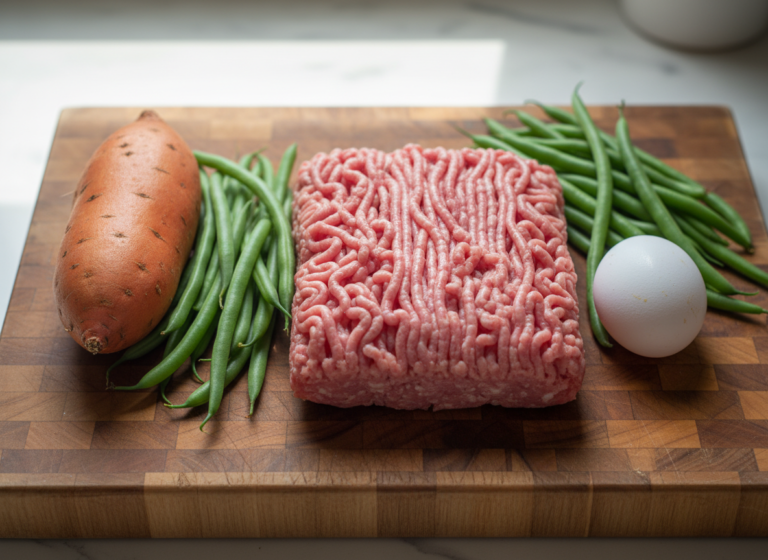
- Vegetables: Spinach, sweet potatoes, rhubarb, beets, and swiss chard are extremely high in oxalates.
- Legumes: All beans (including green beans in very large amounts, though they are low-oxalate in moderation), soybeans, and tofu.
- Grains: Brown rice, wheat bran, and quinoa. This is why white rice is a ‘hero’ ingredient in this specific context.
- Nuts and Seeds: All nuts and seeds are off-limits.
- Organ Meats: Liver and sweetbreads can be high in purines, which can indirectly contribute to the problem. Use them sparingly, if at all, under vet guidance.
By eliminating these sources, you starve the stones of their primary building material.
The Strategic Blueprint: 4 Pillars of a Low-Oxalate Diet
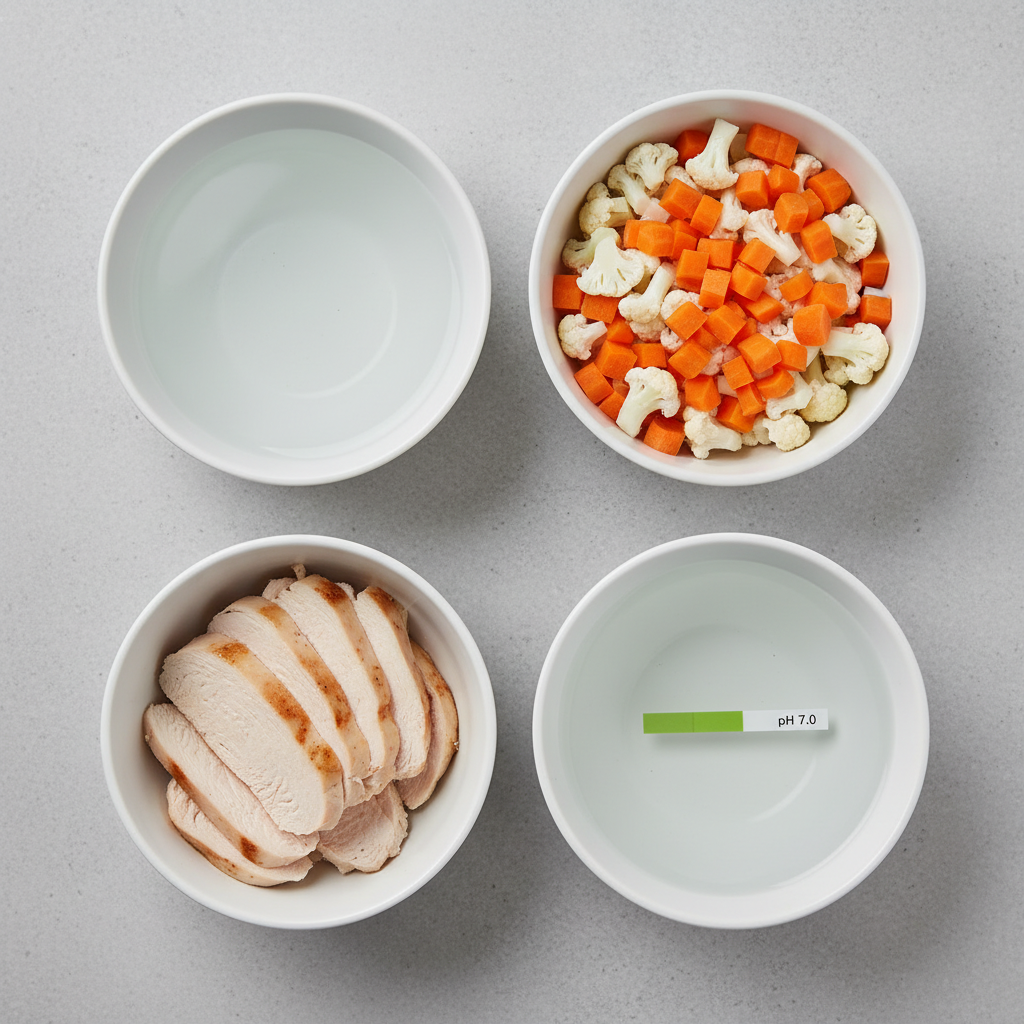
Managing this condition isn’t about a single ‘magic’ ingredient; it’s about a holistic dietary strategy built on four non-negotiable pillars. Internalize these principles, and you’ll understand the ‘why’ behind every food choice you make.
1. Radical Hydration: Dilution is the Solution
This is the most critical pillar. You cannot succeed without it. The goal is to make your dog’s urine so dilute that the crystals cannot form, regardless of other factors. Aim for a urine specific gravity (a measure of concentration your vet can test) of 1.020 or lower. How do you achieve this? Force water.
- Add warm water or low-sodium bone broth directly to every meal, turning it into a thick soup.
- Place multiple water bowls around the house.
- Invest in a pet water fountain; the moving water encourages drinking.
- Offer ice cubes as treats (ensure they are appropriately sized to avoid choking).
2. The Low-Oxalate Arsenal: Choosing Hero Ingredients
With the ‘enemy’ ingredients eliminated, you must build meals from a list of safe, low-oxalate foods. This will form the core of your homemade recipe.
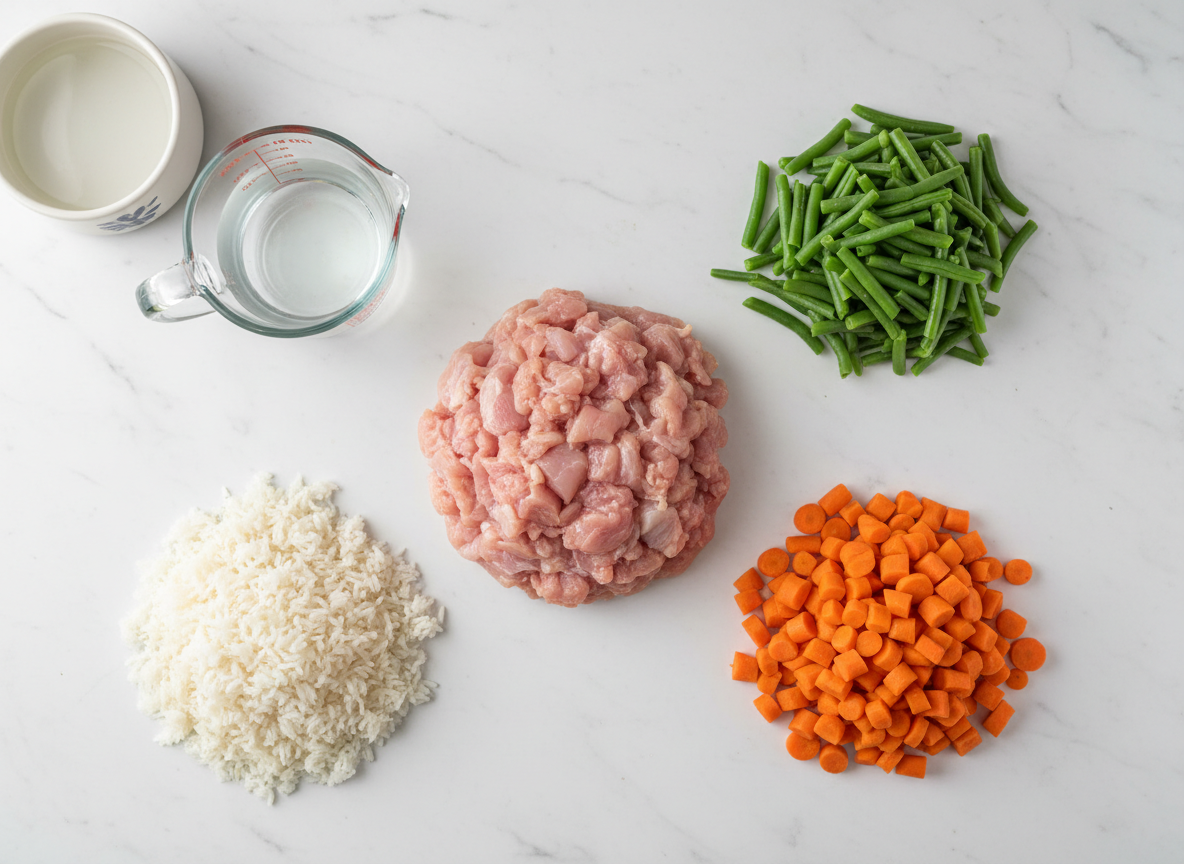
- Proteins: Chicken, turkey, beef, lamb, and eggs are excellent low-oxalate choices. Ensure they are lean to avoid pancreatitis.
- Carbohydrates: White rice is the preferred choice as the bran (which contains oxalates) has been removed. White potatoes (peeled) are also a good option.
- Vegetables: Carrots, cauliflower, broccoli (in moderation), cucumber, peas, and green beans (in moderation) are safe choices to provide fiber and micronutrients.
- Fats: A small amount of healthy fat like fish oil (for omega-3s) is beneficial, but consult your vet for proper dosage.
3. Mastering Urine pH: The Alkaline Advantage
Your goal is to shift your dog’s urine from a stone-forming acidic state to a neutral or slightly alkaline pH of 6.5-7.5. While the diet itself helps, your veterinarian will likely prescribe a medication called potassium citrate. This is an alkalinizing agent that is a cornerstone of medical management. It’s crucial to give this as prescribed and have your vet regularly monitor your dog’s urine pH to ensure you’re in the target range.
4. Calculated Calcium & Protein: A Delicate Balance
This is where many owners make a critical mistake. Hearing ‘calcium’ oxalate, they assume they must eliminate all calcium. This is incorrect and dangerous. Dietary calcium is essential. It binds to oxalates in the intestines, which are then harmlessly excreted in the feces. If there isn’t enough calcium in the diet, oxalates are absorbed into the bloodstream and excreted through the kidneys, which is where they form stones. The key is to provide a normal, not excessive, amount of calcium. This is why a balanced vitamin-mineral supplement, prescribed by your vet, is not optional.
Similarly, protein should be high-quality and easily digestible, but not fed in massive excess. High protein intake can slightly acidify the urine, working against your goals. Follow the ratios in the recipe below as a starting point for discussion with your veterinarian.
The Canine Nutrition Hacker’s Base Recipe (Vet-Approved Framework)
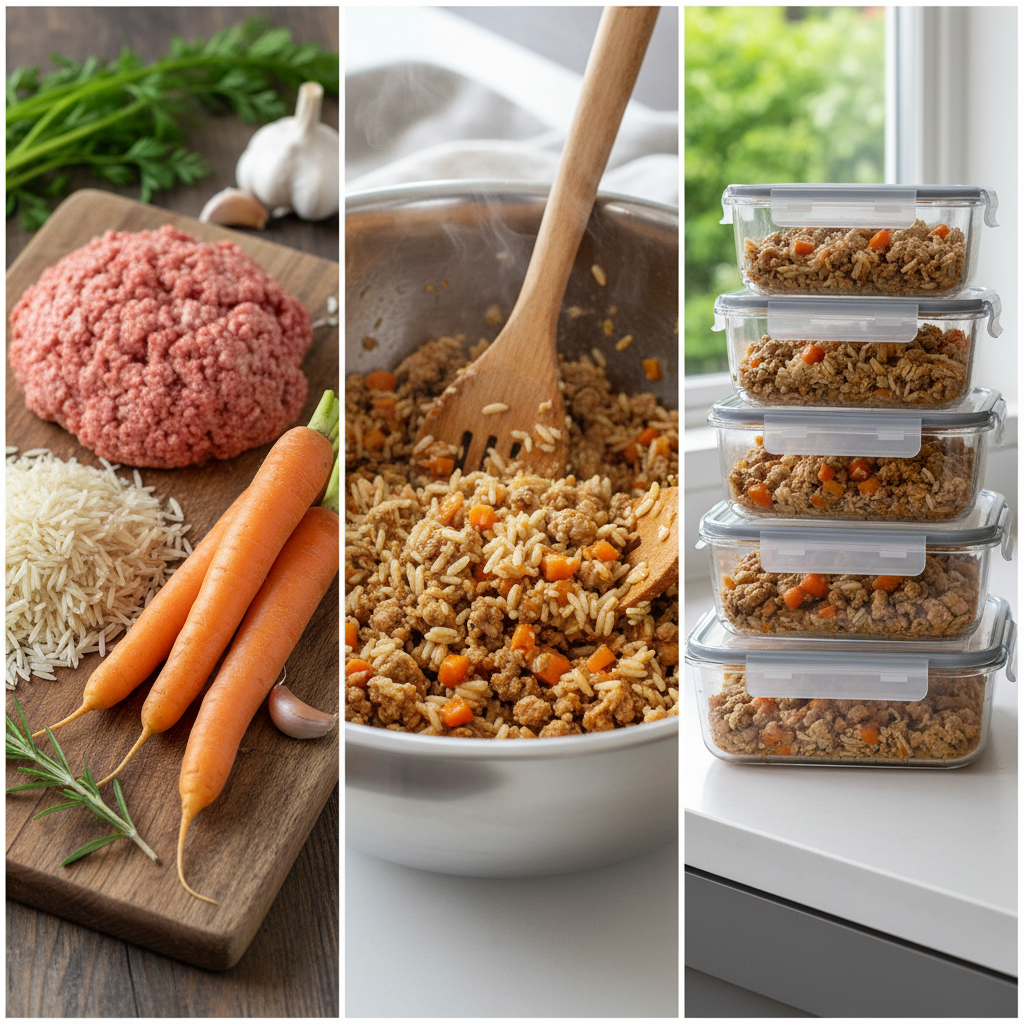
CRITICAL SAFETY WARNING: This is a foundational recipe framework, NOT a complete nutritional plan. It lacks essential vitamins and minerals that your dog needs to survive and thrive. You MUST consult your veterinarian to add a specific vitamin and mineral supplement formulated for homemade diets (e.g., Balance IT or Just Food For Dogs supplements). Failure to properly supplement a homemade diet will lead to severe nutritional deficiencies and other life-threatening health problems.
This recipe is based on a ratio of approximately 50% protein, 25% carbohydrate, and 25% low-oxalate vegetables by cooked weight. All ingredients should be cooked thoroughly without any salt, onions, garlic, or other seasonings.
Base Ingredients & Ratios:
- Protein: Lean ground turkey, chicken, or beef (90/10 or leaner).
- Carbohydrate: Cooked white rice.
- Vegetables: Steamed and chopped carrots, green beans, or cauliflower.
Example Batch for a 40lb Dog (Provides ~4 days of food):
- Cook 2 lbs of lean ground turkey until no longer pink. Drain off all the fat.
- Cook 1 cup of dry white rice (which yields about 3 cups cooked).
- Steam 3 cups of chopped low-oxalate vegetables (e.g., 1.5 cups carrots, 1.5 cups green beans).
- In a large bowl, combine the cooked meat, rice, and vegetables. Mix thoroughly.
- Let the mixture cool completely. This large batch will weigh approximately 5-6 lbs.
- A 40lb dog will typically eat about 1.5 lbs (or 3 cups) of this food per day, split into two meals. This is an estimate; your vet will determine the exact caloric needs.
Hacker Tip (Batch Cooking): Efficiency is key. Cook a one-week supply at a time. After mixing and cooling, use a kitchen scale to portion the exact daily amount into individual freezer bags or containers. Each morning, simply move one container from the freezer to the refrigerator to thaw for the next day. This ensures freshness and makes daily feeding effortless.
Remember to mix in the vet-prescribed supplement and any required medications (like potassium citrate) into each meal right before serving. Also, add a generous amount of warm water to every meal to boost hydration.
The Financial Edge: Homemade vs. Prescription Diet Costs
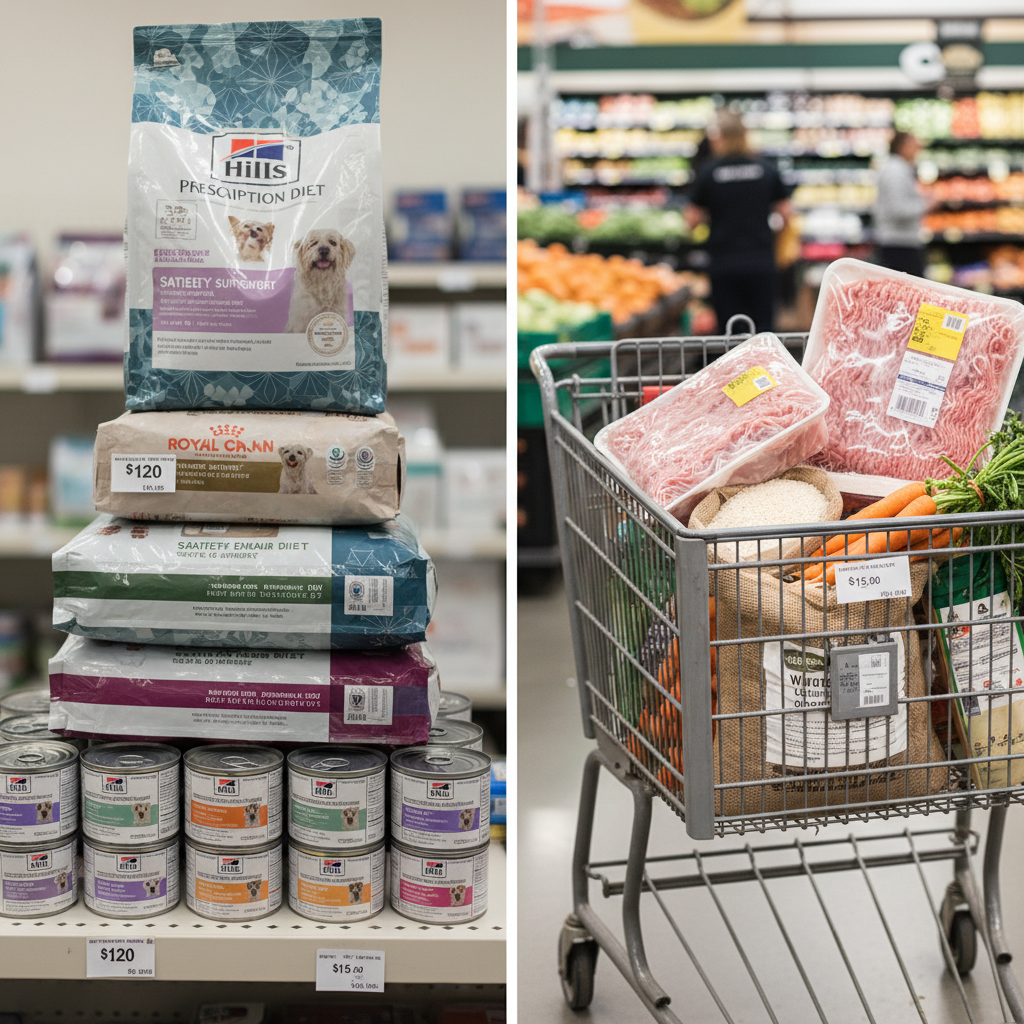
One of the primary motivators for switching to a homemade diet is cost. Prescription veterinary diets are highly effective but carry a premium price tag. Let’s break down the real-world costs for a hypothetical 40lb dog.
Prescription diets, like Royal Canin Urinary SO or Hill’s Prescription Diet c/d, are formulated to manage urinary issues. They work by controlling mineral levels, promoting a target urine pH, and encouraging water intake. However, this specialized formulation comes at a cost, both financially and sometimes in terms of ingredient quality (often featuring corn and chicken by-product meal as primary ingredients).
A homemade diet gives you absolute control over every ingredient that goes into your dog, but requires more effort and careful planning. Here is how they stack up:
| Feature | Prescription Diet (e.g., Royal Canin SO) | DIY Homemade Diet |
|---|---|---|
| Approx. Cost Per Day (40lb dog) | $4.00 – $5.50 | $2.75 – $3.75 |
| Ingredient Quality Control | Fixed formula; may contain fillers. | 100% Owner Controlled. Human-grade ingredients. |
| Moisture Content | Low (kibble); requires adding water. | Extremely High. Inherently hydrating. |
| Preservatives & Additives | Contains artificial or natural preservatives. | None. Made fresh. |
| Convenience Factor | Very high. Scoop and serve. | Low. Requires shopping, cooking, and storage. |
| Verdict | Effective but expensive with less ingredient transparency. | More affordable with superior ingredient quality, but requires significant commitment and vet oversight. |
Insider Secret: The cost of a homemade diet drops significantly when you buy in bulk. Watch for sales on lean ground meats at your local supermarket and buy several pounds to freeze. Large bags of white rice are incredibly inexpensive. You can reduce your daily cost by 20-30% with smart, bulk shopping, making the financial incentive even greater.
Conclusion
Switching to a homemade diet for a dog with calcium oxalate stones is a significant commitment, but it is also an act of profound empowerment. You are no longer a passive consumer of a pre-made product; you are an active, informed participant in your dog’s medical care. The cornerstones of this strategy are non-negotiable: radical hydration, strict adherence to low-oxalate ingredients, and an unwavering partnership with your veterinarian for supplementation and monitoring.
By taking control of the food bowl, you gain unparalleled influence over your dog’s internal environment. You can provide a fresh, hydrating, and precisely formulated meal that starves the stones of their building blocks. This is not the easy path, but for the dedicated owner, it is the path to taking back control and providing the best possible nutritional defense for your loyal companion.