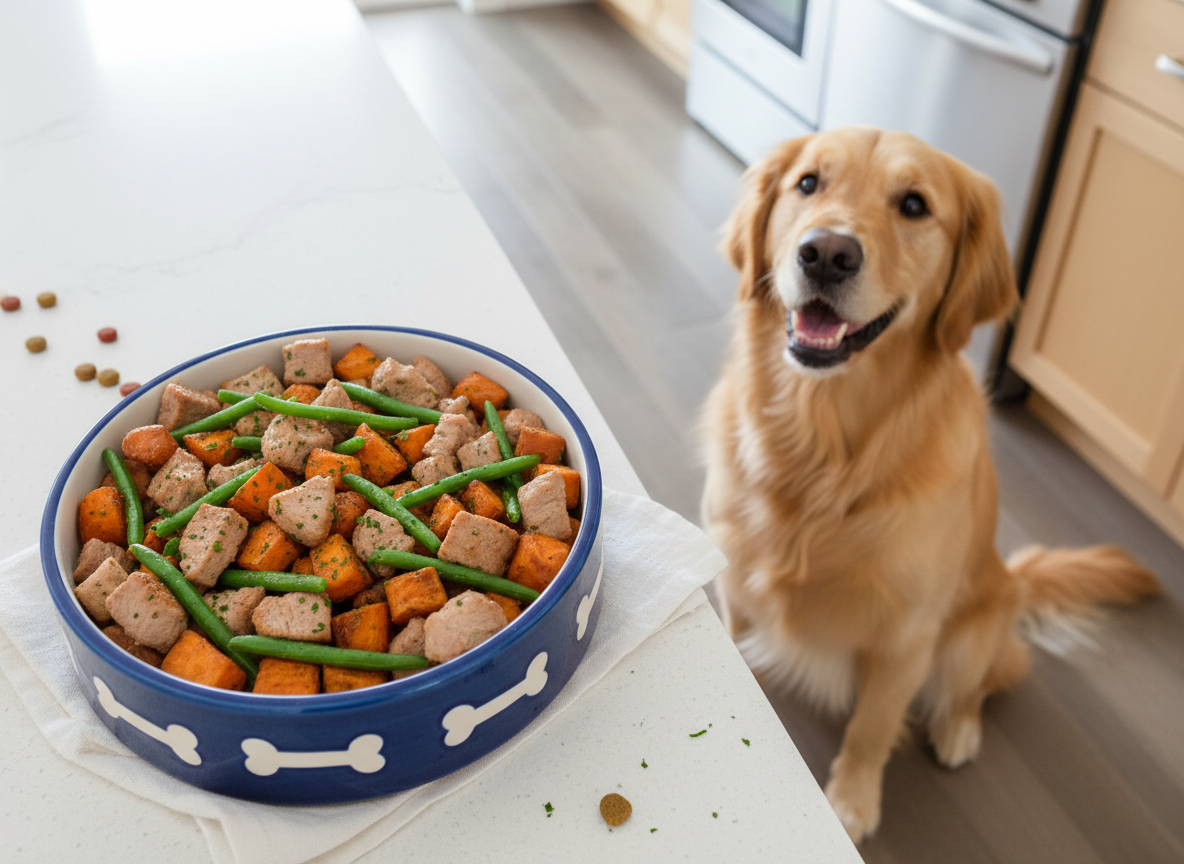
Vet-Approved Homemade Dog Food Recipe Using Pork Loin
IMPORTANT DISCLAIMER: Before you proceed, understand this critical point: I am The Canine Nutrition Hacker, not a licensed veterinarian. This recipe is based on established nutritional principles and has been formulated to be balanced, but it is not a substitute for professional veterinary advice. Every dog is an individual with unique health needs. You must consult with your veterinarian or a board-certified veterinary nutritionist before making any changes to your dog’s diet. Furthermore, homemade diets require precise supplementation to be complete and balanced. Failure to do so can lead to serious nutritional deficiencies.
Now that we have the essential safety protocol established, let’s get down to business. You’re here because you’ve looked at the back of a kibble bag and felt a sense of unease. You’ve seen ingredients like ‘meat by-product meal,’ ‘corn gluten meal,’ and a list of unpronounceable chemicals. You’ve questioned if this highly-processed, shelf-stable product is truly the peak of nutrition for your companion. The answer, for the discerning owner, is a resounding ‘no.’ Welcome to the world of homemade dog food, where you control every single ingredient that goes into your dog’s bowl. This isn’t about cute, bone-shaped cookies; this is about hacking your dog’s health from the inside out. Today, we’re unlocking the power of a surprisingly effective and often-overlooked protein source: pork loin.
The Pork Loin Advantage: Why This Novel Protein is a Game-Changer
When you think of dog food proteins, your mind likely jumps to chicken or beef. These are the industry standards, plastered across every bag in the pet food aisle. But their ubiquity is also their downfall. Constant exposure to the same proteins is a leading cause of food sensitivities and allergies in dogs. The result? Chronic itching, hot spots, digestive upset, and endless vet visits. The solution is often a ‘novel protein’—a protein source your dog has never been exposed to before.
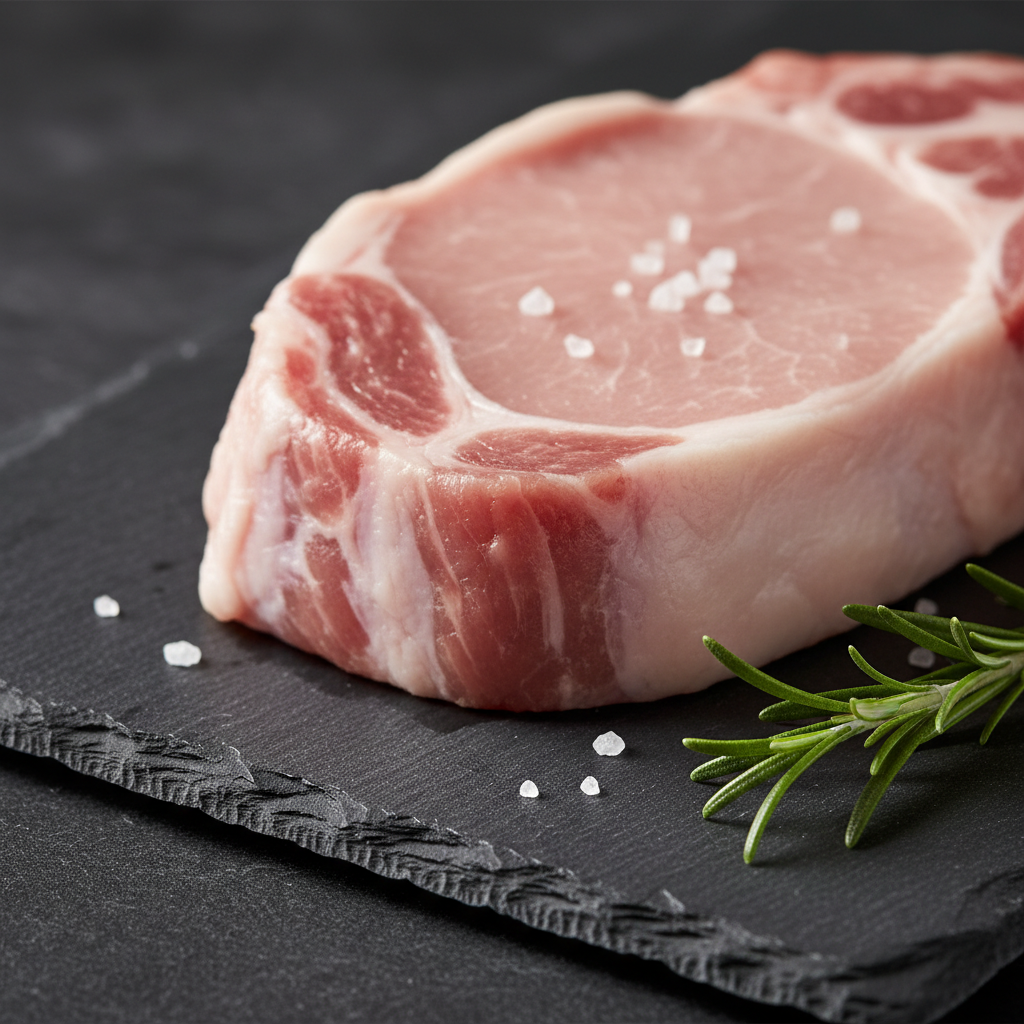
Enter pork. For years, pork has been unfairly maligned in the dog world, with myths about it being too fatty or dangerous. Let’s debunk that nonsense right now. Modern, commercially raised pork, particularly a lean cut like pork loin, is an incredibly high-quality protein source. It boasts a fantastic amino acid profile essential for muscle development, tissue repair, and overall systemic health. It’s also rich in thiamine, a B vitamin crucial for metabolism and brain function that isn’t as abundant in other meats.
Busting the Myths
- The Trichinosis Myth: The fear of trichinosis (a parasitic roundworm) is outdated. The risk from commercially sourced, USDA-inspected pork in the United States is virtually nonexistent. Furthermore, the risk is completely eliminated by cooking the meat to an internal temperature of 145°F (63°C), which our recipe requires.
- The ‘Too Fatty’ Myth: While some cuts of pork like bacon are obviously inappropriate, a trimmed pork loin is one of the leanest proteins available. It is often leaner than chicken thighs and many cuts of beef, providing concentrated protein without excessive fat.
By using pork loin, you are not just feeding your dog; you are implementing a strategic nutritional approach. You are sidestepping the most common allergens and providing a clean, powerful, and highly digestible protein source that can calm an overactive immune system and build a foundation for robust health.
The Forensic Cost Analysis: DIY vs. Premium Store-Bought

One of the biggest hurdles for owners considering a fresh food diet is the perceived cost. The marketing for ‘premium,’ ‘human-grade,’ and ‘limited ingredient’ commercial foods comes with a premium price tag. But what if I told you that by investing a little time, you could provide a far superior meal for a fraction of the cost? Let’s run the numbers. We’ll analyze the cost of our homemade pork loin recipe against a leading ‘premium’ limited-ingredient pork and sweet potato kibble.
Assumptions for this analysis are based on average US grocery prices and are calculated for a moderately active 50lb dog, which typically requires around 1000-1200 calories per day. Our homemade recipe yields approximately 10 lbs of food, with a recommended serving size of about 1.5 lbs per day for a 50lb dog.
| Metric | Homemade Pork Loin Recipe | Premium Pork Kibble Brand |
|---|---|---|
| Primary Ingredients | Pork Loin, Sweet Potatoes, Carrots, Spinach, Green Beans, Fish Oil | Pork, Pork Meal, Peas, Sweet Potatoes, Canola Oil |
| Cost of Base Ingredients | Approx. $4.00/lb | Approx. $4.50/lb (for a 24lb bag at $108) |
| Daily Serving (50lb dog) | ~1.5 lbs (680g) | ~2.5 cups (280g) |
| Cost Per Day | ~$3.75/day (based on batch cost) | ~$4.40/day |
| Monthly Cost | ~$112.50 | ~$132.00 |
| Verdict | Superior quality, whole ingredients, complete transparency, and saves over $230 per year. | High cost for processed ingredients, potential for fillers and lower-quality ‘meal’ ingredients. |
Hacker Tip: The real savings multiply when you buy in bulk. Watch for sales on pork loin at your local supermarket or Costco. You can often find it for under $2.00/lb. Buying in bulk and having a dedicated ‘prep day’ can cut your daily feeding cost by 30-50%, making this diet significantly cheaper than even mid-range kibble.
The table makes it clear. You are not only saving money, but you are also providing a meal free from the processing, preservatives, and potential contaminants of factory-produced kibble. You are paying less for 100% human-grade ingredients. That is the definition of a nutritional hack.
The Blueprint: A Complete & Balanced Pork Loin Recipe
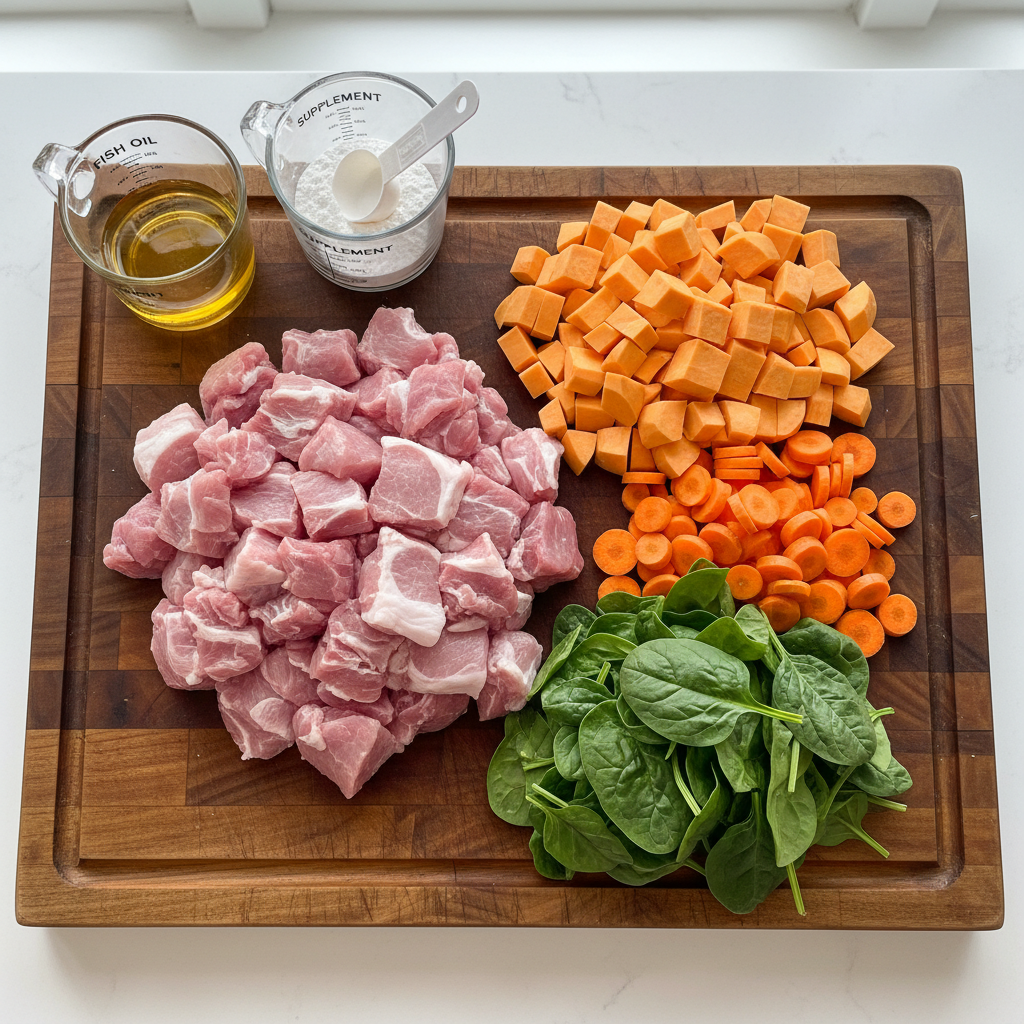
This is the core of the operation. Follow these instructions precisely. Do not substitute ingredients without consulting your veterinarian, as this can unbalance the nutritional profile. This recipe is formulated based on AAFCO guidelines for adult maintenance when combined with the necessary supplements.
Ingredients & Ratios
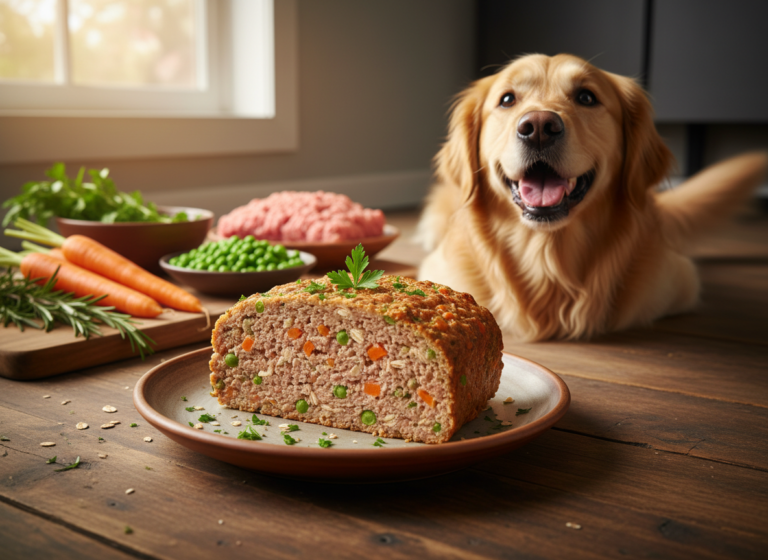
This recipe follows a balanced ratio of approximately 50% Protein, 25% Complex Carbohydrates, and 25% Vegetables/Fruits. This batch makes about 10 pounds of food.
- 5 lbs Pork Loin, trimmed of excess fat and cut into 1-inch cubes
- 2.5 lbs Sweet Potatoes, scrubbed and diced
- 1.25 lbs Carrots, scrubbed and chopped
- 1.25 lbs Green Beans or Spinach (or a mix)
- 1/4 cup Fish Oil (high in Omega-3s, like salmon or sardine oil) OR 1/2 cup ground flaxseed
- Required Supplements: See below.
The Critical Missing Piece: Supplements
This is the most important part of the recipe. Do not skip this. A diet of meat and vegetables alone is dangerously deficient in crucial minerals, particularly calcium. You must add a supplement to make this food complete and balanced. Your two main options are:
- All-in-One Powder: Use a product specifically designed to balance homemade dog food, such as Balance IT or Just Food For Dogs DIY Nutrient Blend. Follow the product’s instructions to the letter. This is the safest and easiest method.
- Individual Supplements: For the advanced hacker, you can add individual components. This requires precise calculation and veterinary guidance. You will need a calcium source (calcium carbonate or eggshell powder) and a comprehensive vitamin/mineral supplement. Again, consult your vet for dosages.
Step-by-Step Preparation Protocol
- Cook the Pork: In a large stockpot, add the cubed pork loin and just enough water to cover it. Bring to a simmer and cook until the pork is no longer pink inside (internal temperature of 145°F). Do not drain the water; it contains valuable nutrients.
- Cook the Carbohydrates: Add the diced sweet potatoes and carrots to the pot with the pork. Continue to simmer until the vegetables are tender (easily pierced with a fork).
- Wilt the Greens: Turn off the heat. Add the green beans or spinach to the hot mixture and stir. The residual heat will be enough to gently cook them, preserving more nutrients.
- Cool and Combine: Let the mixture cool down to room temperature. This is crucial before adding oils and supplements, as heat can degrade them.
- Incorporate Fats & Supplements: Once cool, stir in the fish oil (or ground flaxseed) and your chosen supplement powder. Mix thoroughly until everything is evenly distributed.
- Final Processing (Optional): For picky eaters or dogs who tend to sort their food, you can use a food processor or immersion blender to lightly pulse the mixture into a more uniform, pâté-like consistency. For most dogs, a chunky stew is perfect.
The Hacker’s Guide to Efficient Batching & Storage
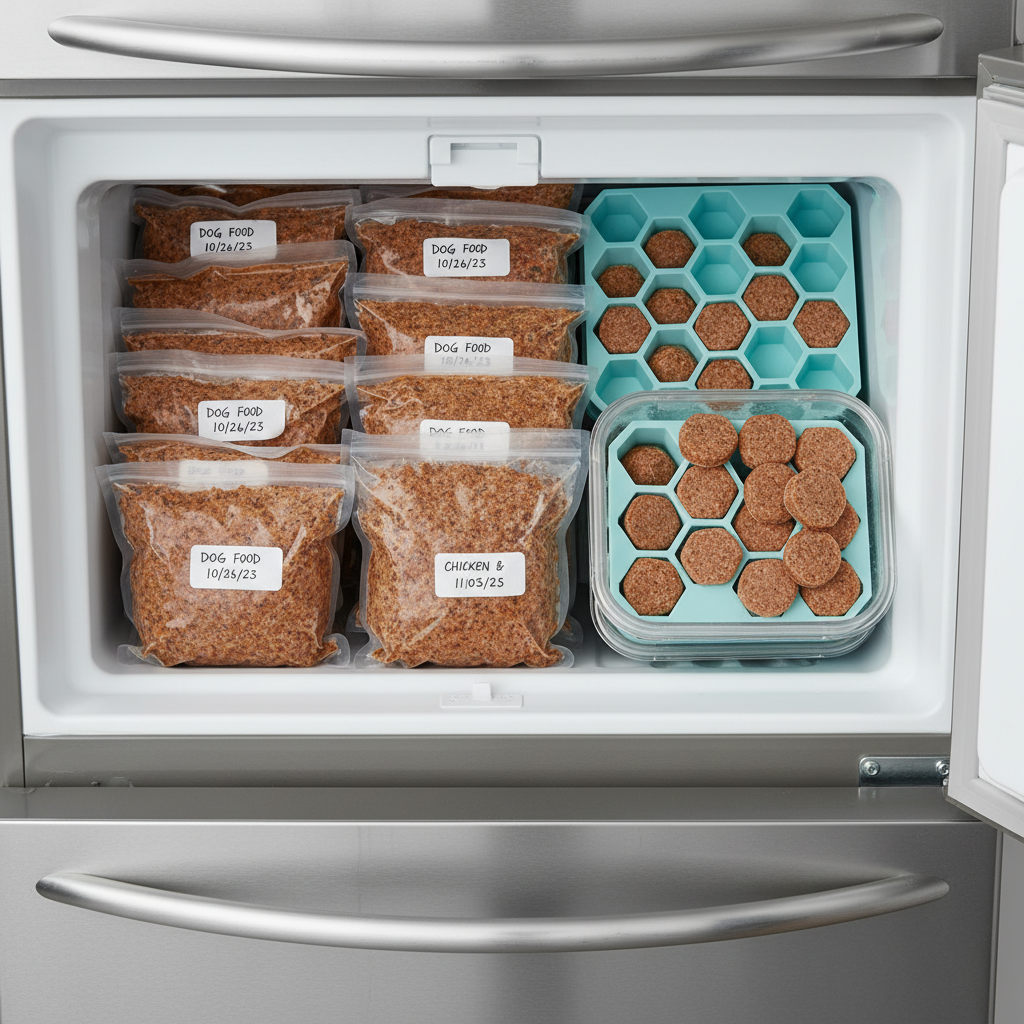
Your time is valuable. Cooking for your dog every night is not a sustainable plan. The key to long-term success with a homemade diet is mastering the art of batch cooking and strategic storage. This recipe is designed to be made in a large batch that can last for weeks, saving you immense time and effort.
The Batching Protocol
This 10-pound recipe will provide approximately 6-7 days of food for a 50lb dog. To make it truly efficient, I recommend doubling the recipe to make a 20-pound batch. This will require a very large stockpot (16 quarts or larger), but the time investment is nearly the same, and it will yield enough food for about two weeks.
Portioning and Refrigeration
Once the food is prepared and cooled, it’s time to portion. Use a kitchen scale for accuracy. Based on your dog’s weight and activity level (consult your vet for exact caloric needs), weigh out each meal into individual containers. You can keep up to 3-4 days’ worth of food in airtight containers in the refrigerator. Any food that will not be used within that timeframe must be frozen immediately to maintain freshness and safety.
Freezing for Long-Term Storage
Freezing is your greatest ally. Properly stored, this food can last for up to 3 months in the freezer.
- Airtight Containers: Simple freezer-safe glass or BPA-free plastic containers work well. Leave a little headspace at the top to allow for expansion.
- Freezer Bags: For space-saving, use high-quality freezer bags. Portion the food, press the bag flat to remove as much air as possible, and then seal. You can stack these flat ‘bricks’ of food very efficiently.
- Vacuum Sealing: This is the gold standard. A vacuum sealer removes all the air, preventing freezer burn and preserving the nutritional integrity of the food for even longer periods.
Insider Secret: Use large silicone muffin tins or freezer trays to create perfect, pre-portioned pucks of food. Once frozen solid, you can pop the pucks out and store them all in a large freezer bag. This makes grabbing a single meal incredibly fast and easy. Simply take out the required number of pucks the night before and let them thaw in the refrigerator.
By dedicating just one afternoon a month to this process, you can have a freezer stocked with high-quality, cost-effective, and perfectly balanced meals, ready to go. This is how you make a homemade diet a practical and permanent part of your life.
Conclusion
You now possess the blueprint to fundamentally upgrade your dog’s nutrition. By moving beyond the bag, you’ve taken control of the single most important factor in your dog’s long-term health and vitality. This vet-approved pork loin recipe is more than just a meal; it’s a tool. It’s a tool to combat common food allergies, a tool to provide superior nutrition with whole ingredients, and a tool to do it all while saving significant money over premium commercial diets. You have the knowledge to source the ingredients, prepare the food safely, and store it efficiently.
Remember the foundational rule: always partner with your veterinarian. Use their expertise to tailor this plan to your dog’s specific needs, to ensure correct portioning, and to confirm the right supplementation strategy. Empowered with this information and guided by professional advice, you are no longer just a pet owner; you are your dog’s personal chef and most important health advocate. You are a Canine Nutrition Hacker.