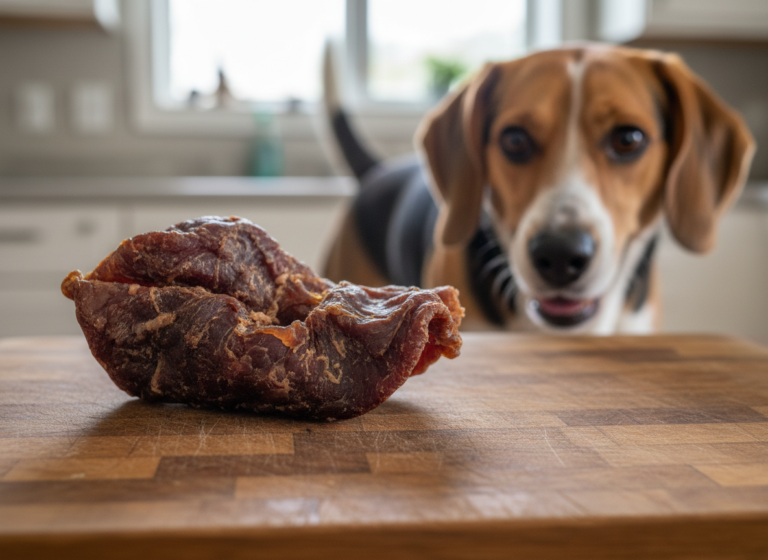

Whole Raw Herring for Dogs: An Omega-3 Superfood Guide
Forget the expensive, processed supplements and mystery-meat kibbles. The single most powerful, cost-effective nutritional upgrade you can give your dog is likely swimming in the cold waters of the Atlantic. I’m talking about whole, raw herring. As The Canine Nutrition Hacker, I dissect labels and expose marketing fluff for a living. Today, we’re bypassing the factory altogether and going straight to the source.
This guide isn’t about cute pet trends; it’s a deep-dive into the raw science and practical application of using herring as a biological super-supplement. We will cover the potent nutritional profile, safe sourcing and handling protocols, and a stark cost-analysis that will make you question every dollar you spend on commercial additives. This is about giving you the knowledge to take direct control over your dog’s health.
IMPORTANT DISCLAIMER: I am a canine nutrition analyst, not a veterinarian. The information in this guide is for educational purposes only. Before making any significant changes to your dog’s diet, especially introducing raw foods, you must consult with a qualified veterinarian or a board-certified veterinary nutritionist. A balanced diet is crucial for your dog’s long-term health, and raw herring should be considered a supplemental part of a complete nutritional plan, not the entirety of it.
Why Herring? Unpacking the Omega-3 Goldmine
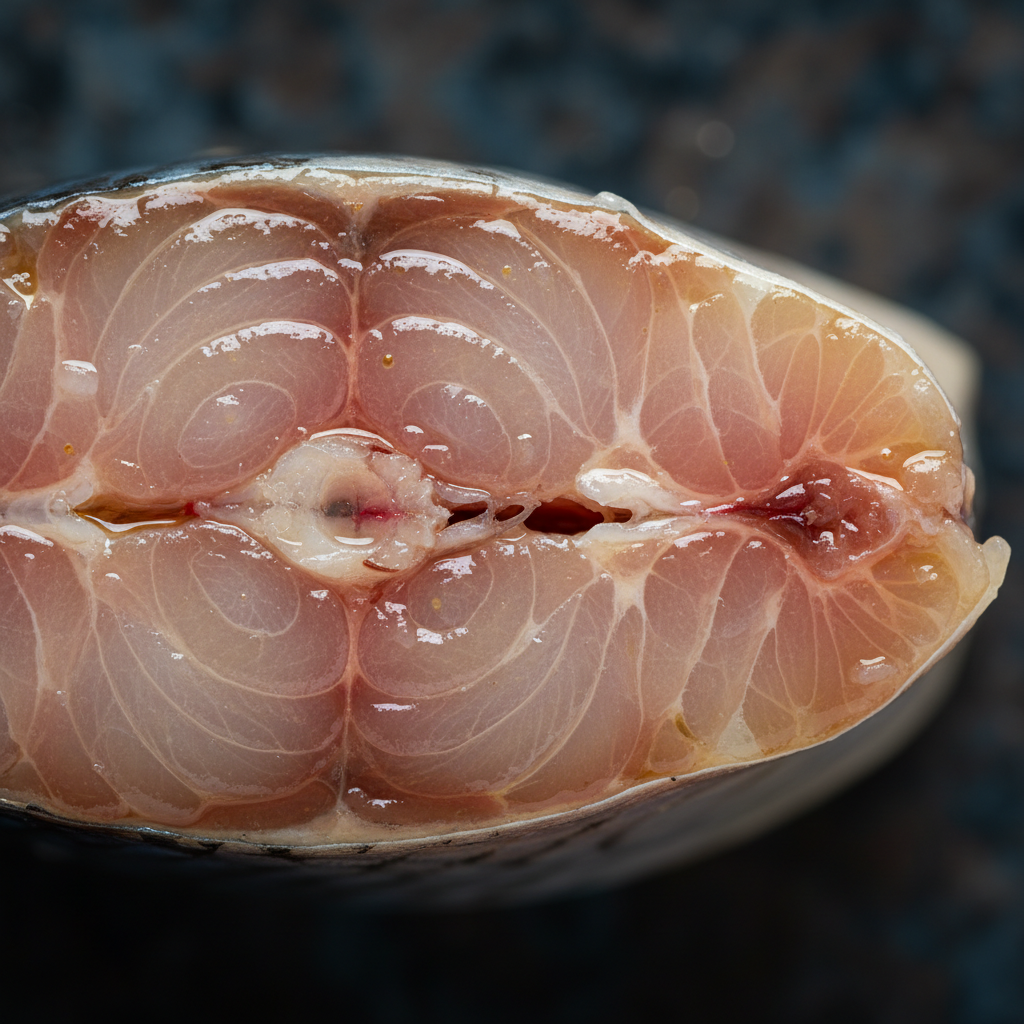
Let’s cut to the chase. The primary reason herring is a nutritional powerhouse is its dense concentration of long-chain omega-3 fatty acids, specifically Eicosapentaenoic Acid (EPA) and Docosahexaenoic Acid (DHA). Unlike plant-based omega-3s (ALA), which dogs convert inefficiently, EPA and DHA are biologically available and ready for immediate use. These aren’t just ‘nice-to-have’ nutrients; they are fundamental building blocks for health.
The Critical Roles of EPA and DHA:
- Potent Anti-Inflammatory: Chronic inflammation is the silent driver behind countless canine health issues, from arthritis and joint pain to skin allergies and digestive disorders. EPA is a natural, powerful anti-inflammatory that can help manage these conditions at a cellular level, reducing stiffness and improving mobility.
- Cognitive and Neurological Health: DHA is a primary structural component of the brain and retina. For puppies, it’s crucial for neurological development. For senior dogs, it helps support cognitive function, potentially slowing the onset of age-related mental decline.
- Skin and Coat Integrity: A dull, flaky coat and itchy skin are often the first outward signs of a nutritional deficiency. Omega-3s fortify the skin barrier, reducing moisture loss and improving resilience against allergens. The result is a visibly glossier coat and healthier, less irritated skin.
Beyond the omega-3s, herring delivers a payload of other critical nutrients:
- High-Quality Protein: Provides all the essential amino acids necessary for muscle maintenance and repair.
- Vitamin D: Essential for calcium regulation and immune function, a nutrient often lacking in homemade diets.
- Selenium: A vital antioxidant that works synergistically with Vitamin E to protect cells from oxidative damage.
Hacker’s Insight: Why herring over salmon or tuna? It’s a matter of safety and sustainability. As a small, fast-growing fish, herring sits low on the food chain. This means it has a significantly lower bioaccumulation of heavy metals like mercury compared to larger, longer-living predatory fish. You get all the benefits with a fraction of the risk.
The Sourcing Playbook: Finding Safe, High-Quality Herring
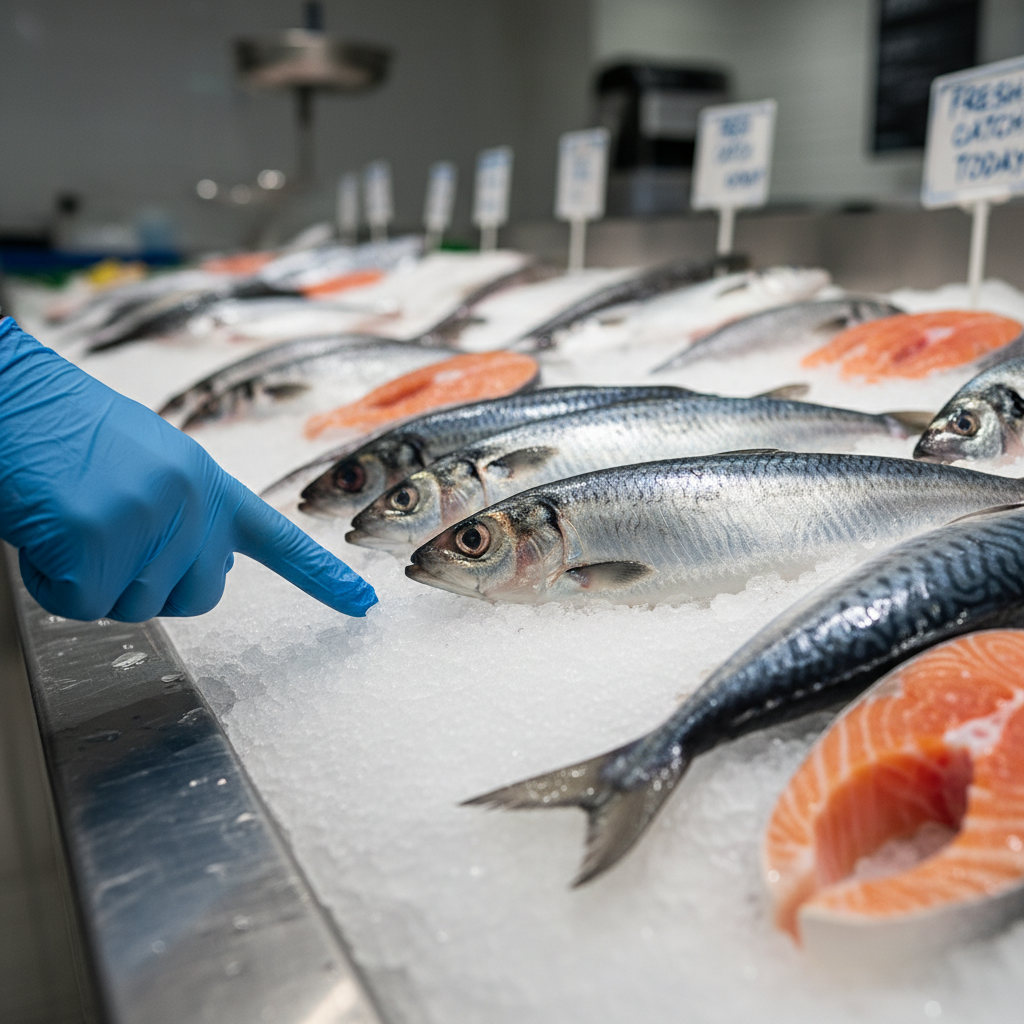
Sourcing is the single most critical step. Providing your dog with contaminated or poor-quality fish is worse than providing no fish at all. You need to become a forensic analyst at the fish counter. Here’s your playbook.
Your Sourcing Options:
- Local Fish Markets: This can be your best option for freshness. Build a relationship with the fishmonger. Ask when they get their deliveries and where the herring is from (look for wild-caught Atlantic herring).
- Ethnic Grocery Stores: Asian and Eastern European markets often carry whole frozen herring at a very competitive price point. Don’t overlook these hidden gems.
- Online Raw Pet Food Suppliers: Companies specializing in raw pet food often sell IQF (Individually Quick Frozen) herring. This is often the safest and most convenient option, as the flash-freezing process is highly effective at killing potential parasites.
The Quality Checklist:
Whether fresh or frozen, you must inspect the product. Look for:
- Clear, Bright Eyes: Cloudy or sunken eyes are a tell-tale sign of a fish that is past its prime.
- Firm Flesh: Press the fish gently. The flesh should spring back. If it leaves an indentation, it’s not fresh.
- Clean, Oceanic Scent: Fresh fish smells like the ocean. It should not have a pungent, ‘fishy’ or ammonia-like odor. Trust your nose.
- Intact, Shiny Skin: The skin should be bright and silvery, not dull or slimy.
Insider Secret: Always opt for fish that has been previously frozen, even if you’re buying it ‘fresh’ from the counter. Most commercial ‘fresh’ fish has been frozen at sea anyway. A hard freeze for at least a week (or the commercial flash-freezing process) is the most reliable way to kill off parasites like anisakis worms, which can be present in raw fish. Prioritize safety over the illusion of ‘freshness’.
The Hacker’s Prep Guide: Serving Herring Safely

Proper handling and preparation are non-negotiable. This is raw meat, and you must follow food safety protocols to protect both your dog and your family.
Thawing and Handling Protocol
Never thaw fish on the counter. The safest method is to move the required portion from the freezer to the refrigerator 12-24 hours before you plan to serve it. Handle raw herring on a dedicated, non-porous cutting board (plastic or glass, not wood) that you can sanitize thoroughly. Wash your hands, the cutting board, knives, and any surfaces that come into contact with the raw fish with hot, soapy water.
Serving Size: The Dosage Formula
Think of herring as a supplement, not a meal. Overdoing it can lead to digestive upset or an unbalanced diet. A solid starting point is:
- Small Dogs (under 20 lbs): Half a small herring, 2-3 times per week.
- Medium Dogs (20-50 lbs): One whole herring, 2-3 times per week.
- Large Dogs (over 50 lbs): One to two whole herrings, 2-3 times per week.
Always start with a smaller amount to see how your dog’s digestive system reacts. You are adding a very rich, oily food to their diet. A gradual introduction is key.
To Chop or Not to Chop?
For most dogs, serving the herring whole is ideal. This encourages chewing, which is great for dental health. The bones in small, raw fish like herring are soft, pliable, and fully digestible, providing an excellent source of calcium. However, for small breeds, brachycephalic (flat-faced) breeds, or dogs that tend to gulp their food, it is safer to chop the herring into bite-sized pieces or even run it through a meat grinder to eliminate any potential choking hazard. Always supervise your dog when they are eating whole raw fish.
Cost Breakdown: Raw Herring vs. Commercial Supplements

Many pet owners believe feeding fresh food is prohibitively expensive. Let’s run the numbers. The analysis below is based on a hypothetical 50lb dog, requiring approximately 1000mg of combined EPA/DHA daily, which is roughly three whole herrings per week.
| Omega-3 Source | Typical Cost | Approx. Monthly Cost (50lb Dog) | Pros | Cons |
|---|---|---|---|---|
| DIY Raw Herring | $3-5 per lb (frozen) | $9 – $15 | Whole food nutrition, highly bioavailable, cost-effective, dental benefits. | Requires freezer space, handling raw fish, sourcing effort. |
| High-Quality Fish Oil (Liquid) | $25-40 per 16oz bottle | $20 – $35 | Easy to dose, concentrated, long shelf life. | Can go rancid, messy, risk of oxidation, lacks whole food synergy. |
| Fish Oil Capsules | $20-35 per 180 capsules | $15 – $25 | No mess, precise dosage, protects oil from oxidation. | Dogs may spit them out, contains gelatin/other ingredients. |
| Premium Kibble w/ Fish | $70-90 per 25lb bag | $80 – $110 (for food) | Convenient all-in-one solution. | Omega-3s degrade with heat/processing/storage, unknown quantity/quality, expensive. |
Hacker’s Tip: The real savings come from buying in bulk. Find a local fishing co-op or an online raw food supplier and purchase a 10lb or 20lb case of frozen herring. The per-pound cost plummets, often making it the most affordable high-quality omega-3 source by a significant margin. Your freezer is your greatest ally in the fight for better nutrition at a lower cost.
Navigating the Risks: Potential Downsides and Warnings

Being a savvy owner means understanding the potential risks, not just the benefits. While herring is one of the safest raw fish to feed, you must be aware of the following.
Thiaminase
Herring, like some other raw fish, contains an enzyme called thiaminase, which breaks down thiamine (Vitamin B1). A diet high in thiaminase-containing fish could theoretically lead to a thiamine deficiency. However, the key here is moderation. Feeding herring 2-3 times a week as part of a varied diet is highly unlikely to cause any issues. The nutritional benefits far outweigh the minimal risk when fed in appropriate amounts. Cooking deactivates the enzyme, but also degrades the delicate omega-3s, defeating the purpose.
Parasites
This is a valid concern with any raw meat. As mentioned in the sourcing section, the risk of parasites is virtually eliminated by purchasing from reputable suppliers and exclusively using fish that has been commercially flash-frozen or kept in a deep freeze (-4°F or -20°C) for a minimum of 7 days.
Bones
Again, raw fish bones are soft and digestible. They are not like the brittle, dangerous cooked bones you’re warned about. The primary risk is choking, not perforation. Supervise your dog. If you have a ‘gulper’ or are otherwise concerned, chop or grind the fish. Problem solved.
Allergies
While fish is often considered a ‘novel protein’, allergies are still possible. When you first introduce herring, watch for any signs of an adverse reaction, such as itchy skin, hives, facial swelling, or gastrointestinal upset (vomiting or diarrhea). If you notice any of these signs, stop feeding the fish and consult your vet.
Conclusion
Incorporating whole raw herring into your dog’s diet is a master-level move in canine nutrition hacking. It is a direct, unfiltered, and cost-effective method for delivering critical omega-3 fatty acids that can profoundly impact their joint health, cognitive function, and skin and coat vitality. By following proper sourcing, handling, and feeding protocols, you can safely unlock the benefits of this oceanic superfood.
Stop paying a premium for processed oils and kibbles that have had their most valuable nutrients cooked into oblivion. Take control. Embrace the power of whole, raw foods and give your dog the vibrant health they deserve. Your dog’s well-being is the ultimate return on investment.