Why Venison is the Holy Grail for Dogs With Severe Allergies
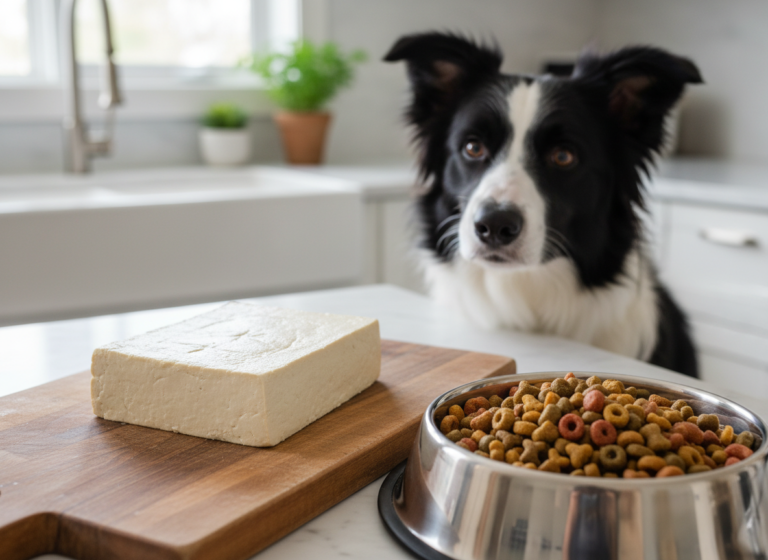
Watching your dog suffer from relentless itching, chronic ear infections, and digestive distress is a uniquely painful experience for any pet owner. You’ve tried countless foods, spent a fortune on vet bills, and yet the mysterious ailment persists. The culprit is often hiding in plain sight: your dog’s food bowl. Most commercial dog foods are built around a handful of common proteins that, for a growing number of dogs, have become immunological enemies.
This isn’t just another blog post about ‘superfoods.’ This is a strategic guide to understanding the root cause of most canine food allergies and sensitivities. We will dissect the science behind novel proteins and demonstrate why venison, specifically, has become the go-to solution for veterinarians and savvy owners dealing with the most severe cases. We’re here to cut through the marketing noise and give you the tools to analyze ingredients, choose the right formula, and finally provide your dog with the relief they deserve.
Medical Disclaimer: This article is for informational purposes only and is not a substitute for professional veterinary advice. Always consult with your veterinarian before making any changes to your dog’s diet, especially if you suspect a food allergy.
The Allergy Epidemic: Identifying the Usual Suspects in Your Dog’s Bowl
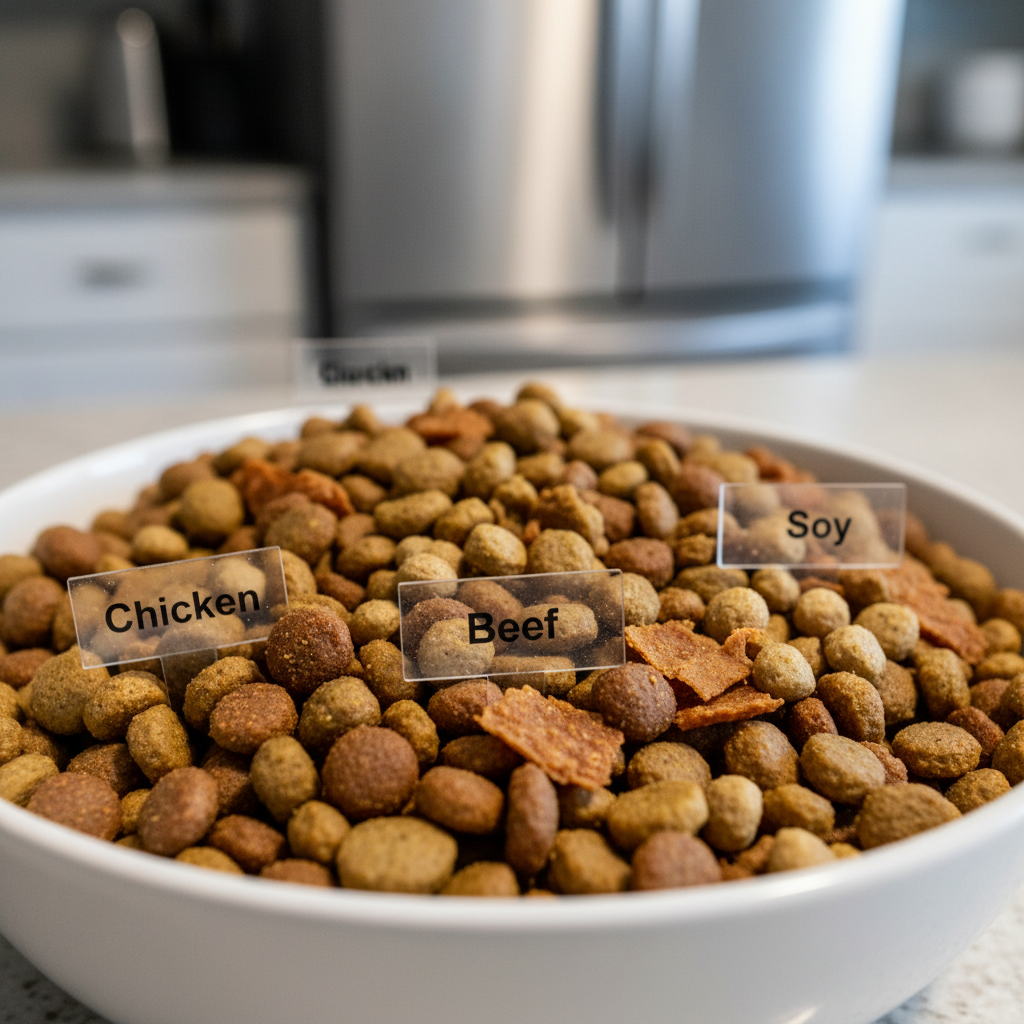
Before you can solve a problem, you must understand it. A food allergy is an immune system response. Your dog’s body mistakenly identifies a specific protein as a harmful invader and launches an inflammatory attack. The symptoms of this attack are what you see on the surface: incessant scratching, hot spots, paw licking, vomiting, or diarrhea. A food sensitivity, or intolerance, is a digestive issue, not an immune response, but the symptoms can often overlap.
The core of the problem is overexposure. For decades, the pet food industry has relied heavily on a few cheap, accessible protein sources. This constant exposure has, over generations, primed the immune systems of many dogs to become hypersensitive. When you look at the ingredient list on most standard dog foods, you are guaranteed to find one or more of these common triggers.
The Top Protein Offenders
Clinical studies and veterinary data consistently point to a specific list of ingredients as the primary cause of canine food allergies. These are the enemies you must learn to identify and eliminate:
- Chicken: By far the most common allergen in dogs, simply because it is the most ubiquitous ingredient in dog foods, treats, and even some medications.
- Beef: Another prevalent protein source that frequently triggers adverse reactions in sensitized dogs.
- Dairy: Many dogs are lactose intolerant, but some can also have a true allergic reaction to the proteins found in milk products.
- Soy: A cheap, plant-based protein filler that is notorious for causing both allergic reactions and digestive upset.
- Lamb: Once considered a novel protein, its widespread use over the last 20 years has made it a more common allergen.
- Wheat & Corn: While grain allergies are less common than protein allergies, the gluten in these ingredients can be a significant trigger for some dogs.
Insider Secret: The term ‘meat by-product’ on a label can be a Trojan horse for allergens. This vague ingredient can contain any part of an animal and could include the very protein you are trying to avoid. True high-quality foods will specify the source, such as ‘venison meal’ or ‘deboned chicken’.
The first step in your mission is to become a forensic analyst of your dog’s current food label. Identify which of these proteins are present. This knowledge is your baseline for building a new, non-reactive dietary strategy.
The Power of the Novel Protein: Why Venison is the Hero Ingredient
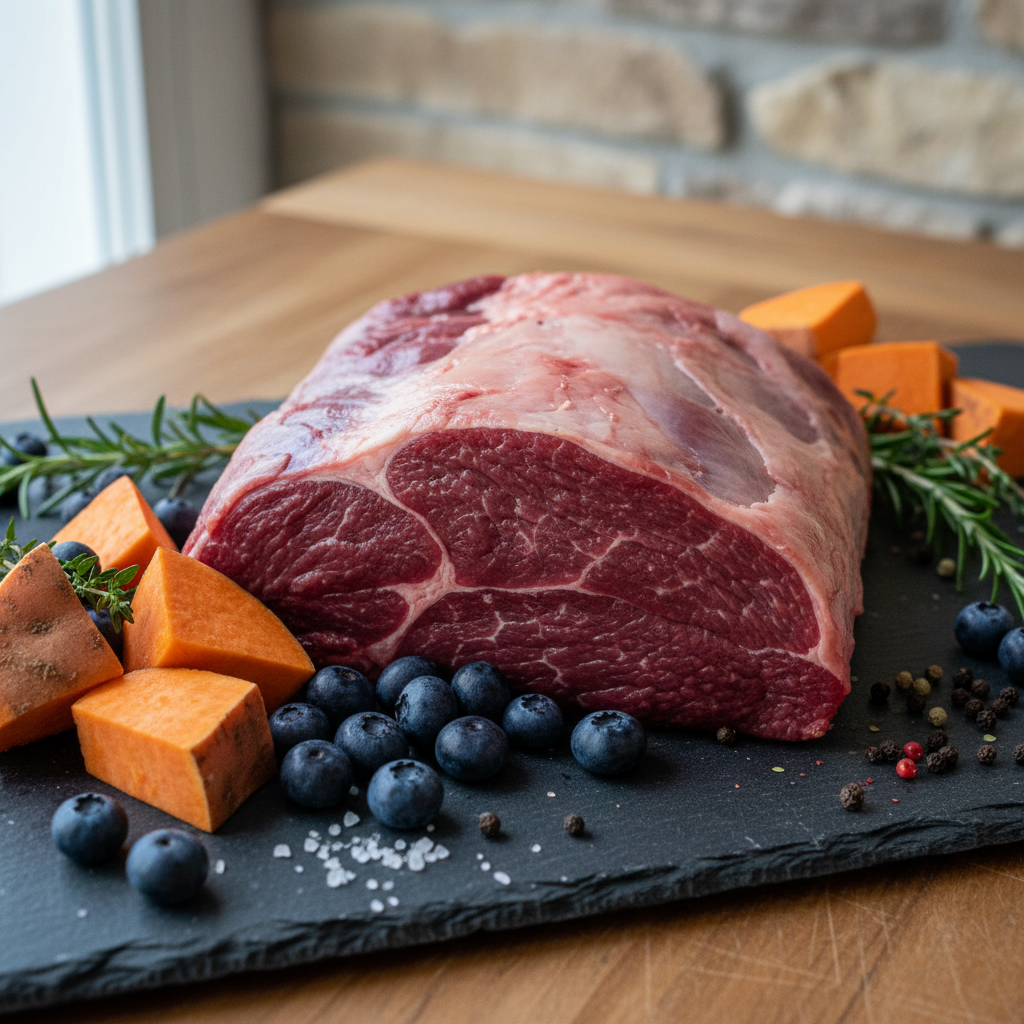
If common proteins are the enemy, a ‘novel protein’ is the hero. The concept is brilliantly simple: a novel protein is one that your dog’s immune system has never, or very rarely, been exposed to. By introducing a protein source that the body doesn’t recognize as a threat, you effectively press the reset button on the allergic response. The inflammatory cycle is broken, and the body has a chance to heal.
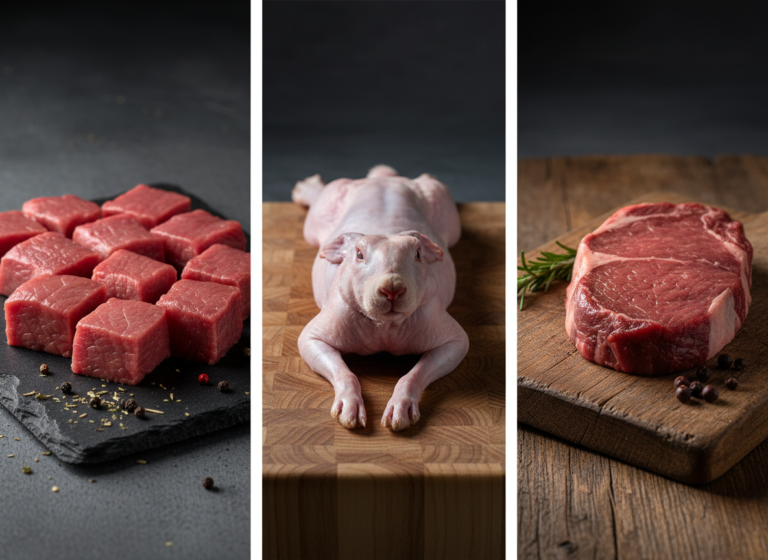
While several novel proteins exist (such as duck, rabbit, or even kangaroo), venison stands out for a unique combination of nutritional and practical benefits, making it the ‘holy grail’ for dogs with severe issues.
The Nutritional Superiority of Venison
Venison isn’t just a substitute; it’s an upgrade. As a protein source, it offers a powerful nutritional profile that actively supports a dog’s recovery and overall health.
- Leaner Protein: Venison is naturally leaner than beef and even chicken, containing less fat and cholesterol. This makes it an excellent choice for maintaining a healthy weight, which is crucial as obesity can exacerbate inflammatory conditions.
- Rich in Iron and B Vitamins: It is packed with essential nutrients like iron (for energy and red blood cell production), Vitamin B12 (for brain function), Riboflavin (B2), and Niacin (B3). These vitamins are critical for metabolic function and maintaining energy levels.
- High Palatability: Dogs are often drawn to the rich, gamey flavor of venison, which is a major advantage when dealing with picky eaters who may have developed food aversions due to chronic digestive upset.
- Ideal for Limited Ingredient Diets (LID): Because venison is a single, potent protein source, it is the perfect foundation for a Limited Ingredient Diet. These diets minimize the number of ingredients to reduce the chances of an allergic reaction, making it easier to pinpoint specific triggers.
By switching to a venison-based diet, you are not just removing the problem ingredients; you are replacing them with a nutritionally dense, anti-inflammatory protein that helps heal the gut and restore vitality from the inside out.
Forensic Label Analysis: Choosing a Legitimate Venison Formula

The pet food industry is notorious for deceptive marketing. A bag with a majestic deer on the front can still be packed with chicken fat and corn fillers. Your most powerful tool is the ability to ignore the marketing on the front and critically analyze the ingredient panel on the back. Here is your protocol.
The ‘First 5 Ingredients’ Rule
Ingredients are listed by pre-cooked weight. The first five ingredients comprise the vast majority of the food’s content and nutritional value. In a high-quality venison formula, you must see venison listed first, preferably as ‘Deboned Venison’ or ‘Venison Meal’.
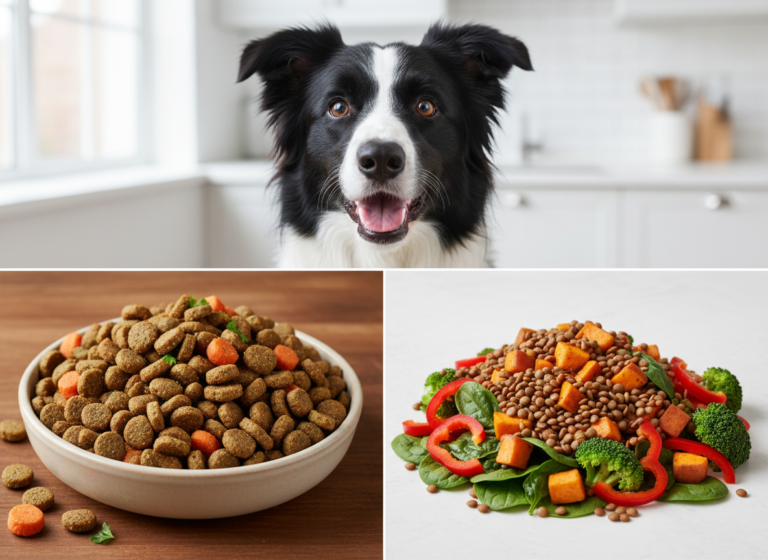
- Gold Standard Example: Deboned Venison, Venison Meal, Sweet Potatoes, Peas, Lentils…
- Red Flag Example: Corn, Chicken By-Product Meal, Soybean Meal, Powdered Cellulose, Venison Flavor… (Here, ‘venison’ is just a flavoring, not the primary protein).
Exposing Filler Frauds and Hidden Allergens
Manufacturers use cheap fillers to increase profit margins. These provide minimal nutritional value and can often be sources of inflammation. Scrutinize the label for these red flags:
- Vague Protein Terms: Avoid ‘meat meal’ or ‘animal by-product meal’. You have no idea what animal it came from.
- Protein Fillers: Corn gluten meal, soy protein concentrate, and wheat gluten are low-quality plant proteins used to artificially inflate the protein percentage on the label.
- Hidden Fats: Look for a specified fat source. ‘Venison Fat’ or ‘Sunflower Oil’ is good. ‘Animal Fat’ is a red flag, as it’s often preserved with harsh chemicals and could be from an allergenic source like chicken.
- Artificial Additives: Artificial colors (e.g., Red 40), flavors, and chemical preservatives (e.g., BHA, BHT, ethoxyquin) have no place in a therapeutic diet.
Brand Comparison: The Venison Showdown
To illustrate, let’s compare the structure of three theoretical tiers of venison dog food for a 50lb dog.
| Attribute | Budget Brand (Tier 3) | Mid-Range Brand (Tier 2) | Premium LID Brand (Tier 1) |
|---|---|---|---|
| Primary Protein | Corn, with ‘Venison Flavor’ | Chicken Meal, with some Venison | Deboned Venison, Venison Meal |
| Carbohydrate Source | Corn, Wheat, Soy Hulls | Brown Rice, Barley | Sweet Potatoes, Lentils, Peas |
| Grain Status | Contains Gluten | Grain-Inclusive | Grain-Free |
| Approx. Cost/Day (50lb Dog) | $1.25 | $2.50 | $3.75+ |
| The Hacker’s Verdict | AVOID. Deceptive labeling, packed with fillers and potential allergens. | Better, but not ideal for a true elimination diet due to multiple protein/grain sources. | IDEAL. A true Limited Ingredient Diet built for allergy elimination and recovery. |
Hacker Tip: ‘Venison Meal’ is not a bad ingredient. It’s a concentrated protein source where the water and fat have been removed. In fact, on a dry matter basis, meal can be more protein-rich than whole meat. The ideal food often contains both ‘Deboned Venison’ for whole-food value and ‘Venison Meal’ for a protein boost.
The Elimination Diet: Your 12-Week Protocol for Success

An elimination diet is the gold standard for diagnosing a food allergy. It’s a systematic process of removing all potential allergens and then strategically reintroducing them to identify the specific trigger. Using a venison-based Limited Ingredient Diet is the perfect tool for this process. This requires absolute discipline, but the clarity it provides is invaluable.
Phase 1: The Elimination (Weeks 1-12)
The goal of this phase is to completely clear your dog’s system of all previous food proteins and allow the inflammation to subside. For a minimum of 8 to 12 weeks, you must feed your dog nothing but the chosen venison LID food and fresh water. Nothing else.
- Select Your Weapon: Choose a true LID venison formula. Ensure it contains a single protein (venison) and a single novel carbohydrate (like sweet potato or pumpkin).
- Purge the Pantry: Get rid of all other dog treats, rawhides, dental chews, and old food. The temptation to give ‘just one’ can ruin the entire process.
- Enforce the ‘Zero Tolerance’ Rule: This is the most critical step. Absolutely no other food items can pass your dog’s lips. This includes:
- Table scraps from the family.
- Flavored toothpastes.
- Flavored medications (ask your vet for unflavored or transdermal alternatives).
- Treats from well-meaning friends or neighbors.
- Anything they might scavenge on a walk.
- Document Everything: Keep a detailed journal. Rate the intensity of itching, skin redness, stool quality, and energy levels on a scale of 1 to 10 each week. Photos can be extremely helpful to track progress.
By the end of this phase, you should see a significant improvement in your dog’s symptoms. If you don’t, the issue may not be a food allergy, or the dog may be allergic to something in the environment (atopy).
Phase 2: The Re-Challenge (Week 13+)
Once your dog’s symptoms have resolved, it’s time to confirm the allergen. Under your vet’s guidance, you will reintroduce one of the old proteins. For example, you would add a small amount of plain, cooked chicken to their venison meal. If the allergic symptoms (itching, diarrhea) return within 7-10 days, you have found your culprit. You then stop the chicken, wait for symptoms to resolve, and can test another protein like beef. This process systematically unmasks the enemy ingredients your dog must avoid for life.
Conclusion
Navigating the world of canine allergies can feel like a losing battle, but you are now armed with a powerful strategy. The endless cycle of itching, irritation, and expensive vet visits is most often a direct result of common, overused proteins in commercial dog foods. By understanding the ‘novel protein’ principle, you can bypass the problem entirely.
Venison is not a magic cure, but it is a potent, nutritionally superior tool that allows you to reset your dog’s immune system. It provides the clean, limited-ingredient foundation necessary to conduct a proper elimination diet and finally uncover the true source of your dog’s suffering. The power to change your dog’s life lies in your ability to read an ingredient label, reject the marketing hype, and invest in a food that solves the problem rather than just managing the symptoms.
Take control of what goes into your dog’s bowl. Question every ingredient. Demand quality. Your dog’s health, comfort, and vitality depend on it. You are their advocate, and now, you are their nutrition hacker.