3-Ingredient Dog Friendly Crepes for Sunday Brunch
Let’s cut through the noise. The commercial dog treat industry is a masterclass in marketing, selling you bags of grain-based fillers, artificial colors, and vaguely named ‘meat-flavored’ by-products for a premium price. As the Canine Nutrition Hacker, my mission is to empower you to see past the slick packaging and take control of what goes into your dog’s body. Why pay top dollar for junk when you can create something truly gourmet, nutritious, and incredibly simple in your own kitchen?
This isn’t about complicated, time-consuming recipes. This is about strategic nutrition. We’re talking about 3-ingredient, dog-friendly crepes. It’s the ultimate Sunday brunch upgrade for your canine companion that will cost you pennies on the dollar compared to store-bought ‘gourmet’ treats, while providing infinitely more nutritional value.
IMPORTANT SAFETY DISCLAIMER: Before we proceed, understand my position. I am a canine nutrition analyst and advocate, not a veterinarian. This recipe is intended as a supplemental treat and must not be used to replace your dog’s complete and balanced daily diet. Treats should not constitute more than 10% of your dog’s daily caloric intake. Always consult with your veterinarian before introducing new foods into your dog’s diet, especially if they have pre-existing health conditions, allergies, or dietary sensitivities. Every dog is an individual, and professional veterinary advice is paramount.
The Problem with Store-Bought: Unmasking Hidden Junk
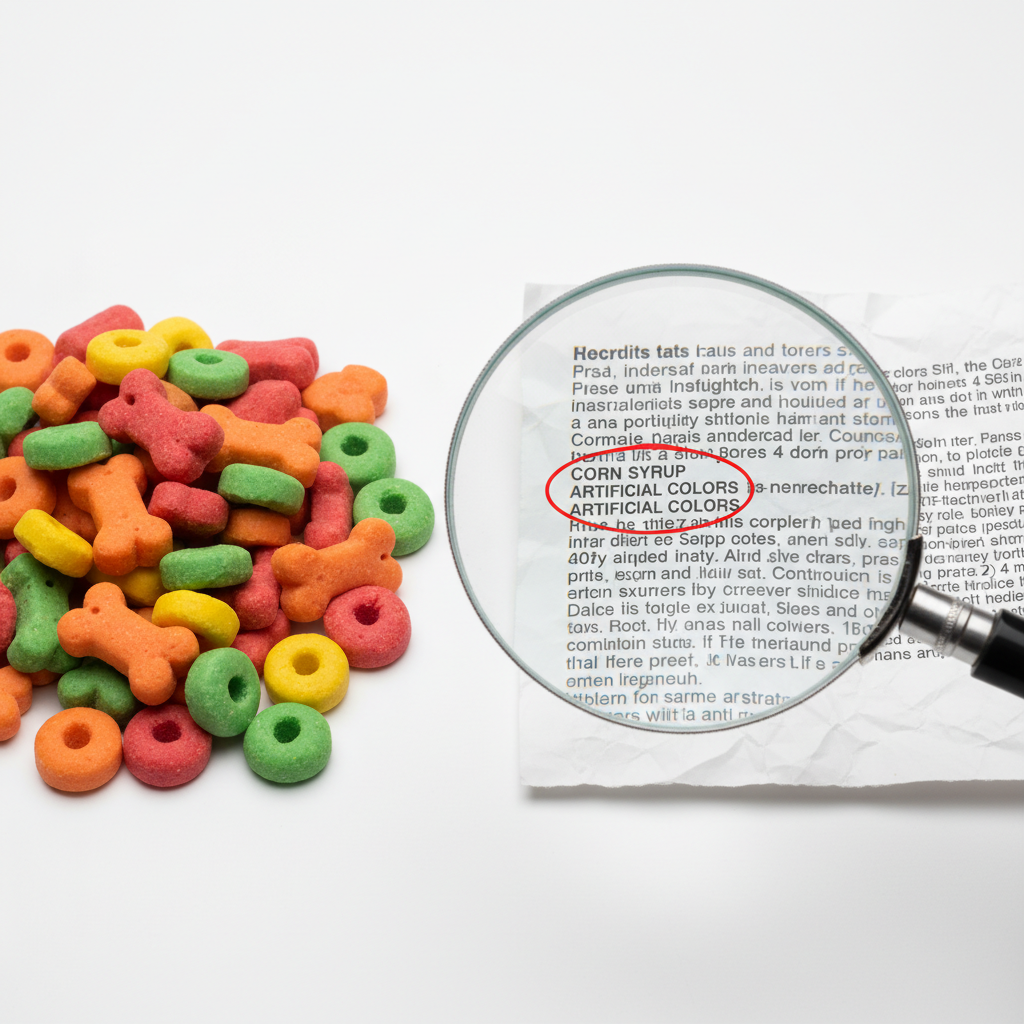
Walk down any pet food aisle and you’re bombarded with options. Bags with pictures of happy dogs, words like ‘natural,’ ‘gourmet,’ and ‘premium.’ Now, pick one up and turn it over. Let’s perform a forensic analysis of a typical ingredient label. The first five ingredients tell you everything you need to know, as they make up the bulk of the product.
What do you often see? Things like corn gluten meal, wheat flour, sugar, propylene glycol (a controversial preservative), and artificial colors like Red 40. These are cheap, inflammatory fillers designed for shelf stability and profit margin, not canine health. You are essentially paying for cleverly marketed biscuits with minimal nutritional density. Your dog deserves better.
Insider Secret: The term ‘meat flavor’ on an ingredient list is a major red flag. It’s often derived from a chemical process called palatant enhancement, designed to make low-quality ingredients more appealing to your dog. It provides zero nutritional value and masks the fact that there’s little to no actual quality meat in the product.
By shifting to a DIY approach for treats, you seize complete control. You choose the ingredients, you ensure their quality, and you eliminate the entire universe of artificial preservatives, colors, and mystery ‘flavors’ that offer no benefit to your dog’s health.
The Canine Nutrition Hacker’s 3-Ingredient Crepe Blueprint
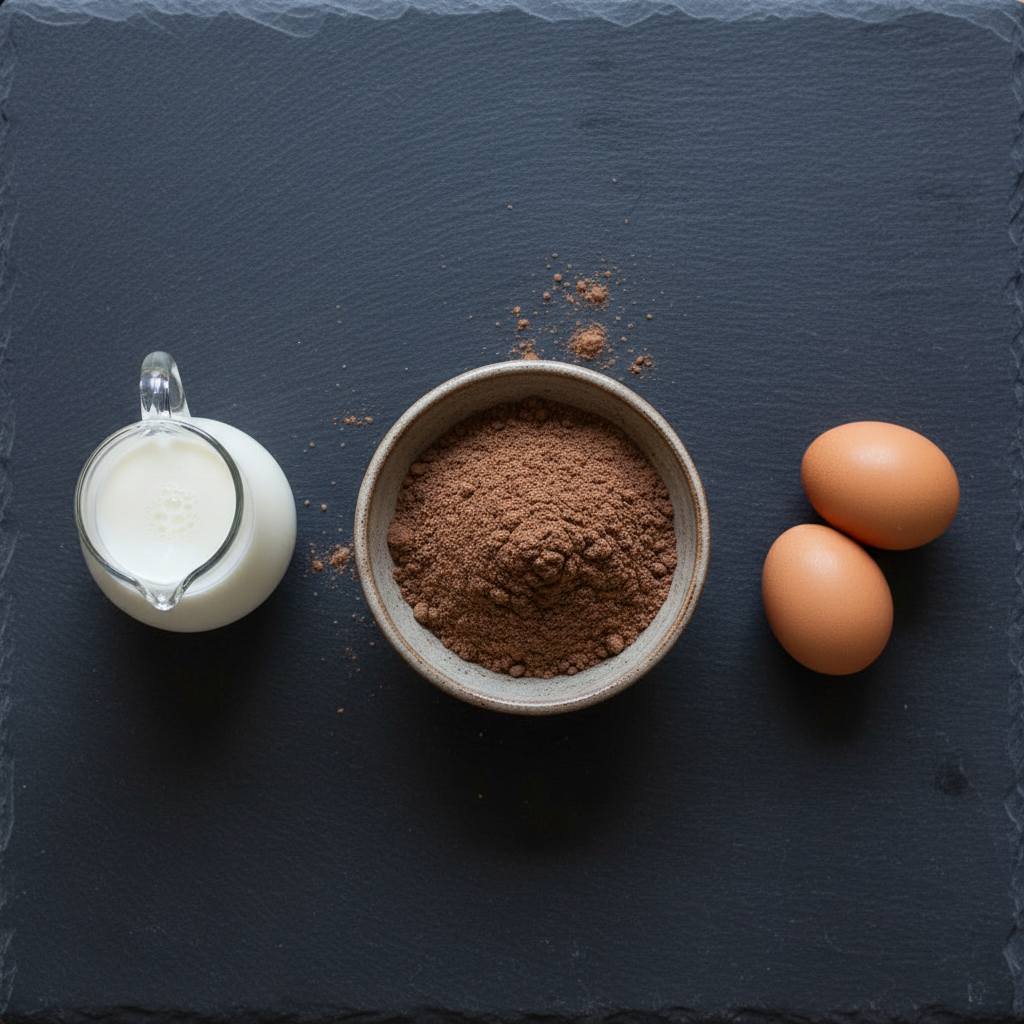
Simplicity is the ultimate sophistication, especially in nutrition. This recipe is built on a foundation of three nutrient-dense powerhouses. No fillers, no fluff—just functional food.
The Core Components:
- Buckwheat Flour: Don’t let the name fool you; buckwheat is not wheat. It’s a gluten-free seed packed with protein, fiber, and essential minerals like manganese and magnesium. It’s an excellent, low-glycemic energy source that’s gentle on most dogs’ digestive systems.
- Eggs: A perfect protein. Eggs are a complete source of amino acids, the building blocks of muscle. They’re also rich in vitamins and minerals, including Vitamin D, B12, and selenium. We use the whole egg for maximum benefit.
- Water or Goat’s Milk: Water works perfectly fine for a basic crepe. However, to elevate the nutritional profile, I recommend using plain, unsweetened goat’s milk. It’s often more digestible for dogs than cow’s milk and provides a boost of calcium and probiotics.
The Recipe (Yields approx. 8-10 small crepes):
- Combine Ingredients: In a medium bowl, whisk together 1/2 cup of buckwheat flour and 2 large eggs until a thick paste forms.
- Thin the Batter: Slowly whisk in 3/4 cup of water or plain goat’s milk. Continue whisking until the batter is smooth, thin, and free of lumps. It should have the consistency of heavy cream. Let it rest for 5 minutes.
- Heat the Pan: Lightly grease a non-stick skillet or crepe pan with a tiny amount of coconut oil and heat over medium-low heat. The pan is ready when a drop of water sizzles and evaporates quickly.
- Cook the Crepe: Pour about 2-3 tablespoons of batter into the center of the pan and immediately swirl the pan to spread the batter into a thin, even circle.
- Flip with Care: Cook for about 60-90 seconds, or until the edges begin to lift and the surface appears dry. Using a thin spatula, gently flip the crepe and cook for another 30 seconds on the other side. The crepe should be pliable and lightly golden, not crispy.
- Cool and Serve: Slide the finished crepe onto a plate to cool. Repeat with the remaining batter, adding a tiny bit more oil to the pan as needed. Serve plain or with the safe toppings listed below.
Cost Analysis: DIY Crepes vs. ‘Gourmet’ Store-Bought Treats
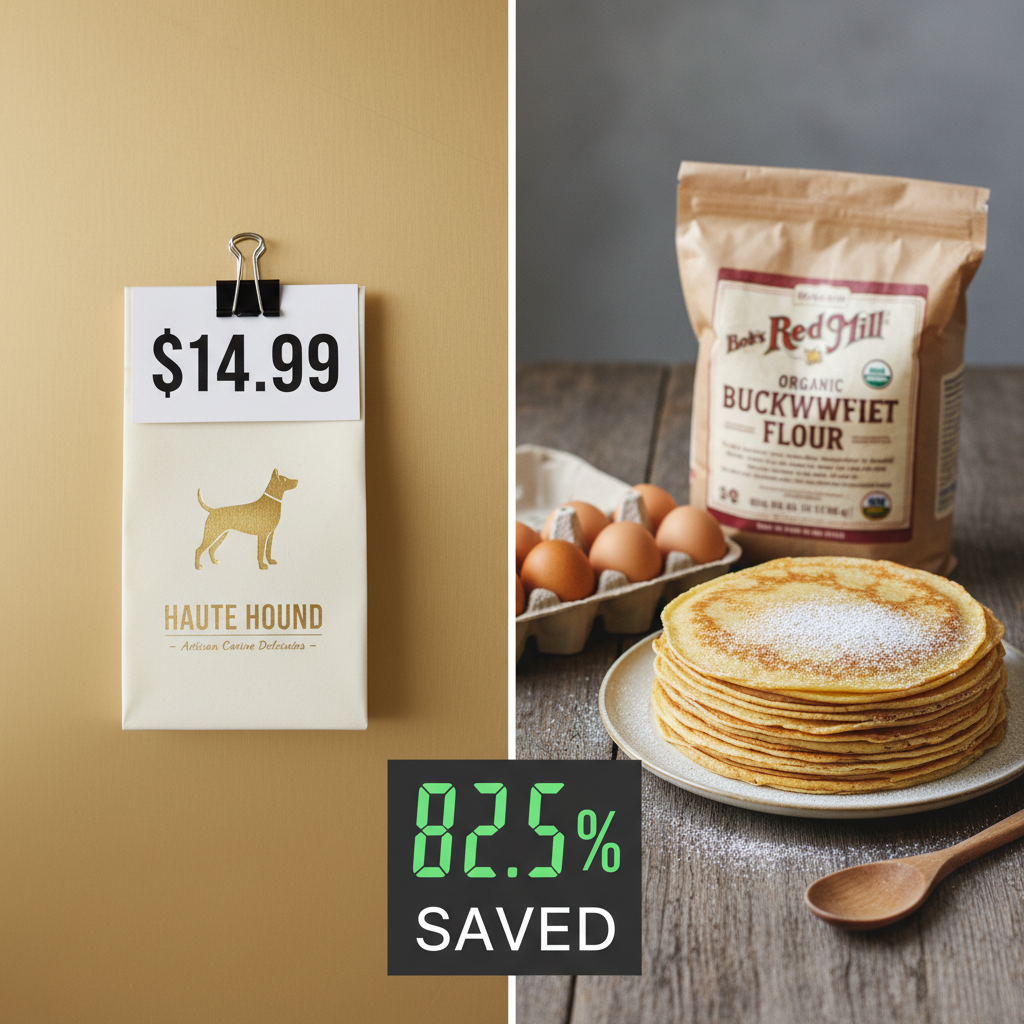
The financial argument for making your own treats is just as compelling as the nutritional one. Let’s break down the real numbers. We’ll compare the cost of making a batch of our crepes to purchasing a typical 8oz bag of ‘premium’ or ‘gourmet’ jerky-style treats from a boutique pet store.
| Item / Metric | DIY Crepe Recipe Cost | Premium Commercial Treat Cost |
|---|---|---|
| Buckwheat Flour (1/2 cup) | ~$0.40 | N/A |
| Eggs (2 large) | ~$0.60 | N/A |
| Goat’s Milk (3/4 cup) | ~$0.75 | N/A |
| Total Cost per Batch (10 Crepes) | $1.75 | $14.99 |
| Cost Per Treat | $0.18 | ~$0.75 (for a comparable size treat) |
| The Verdict | Massive Savings & Superior Quality | High Cost for Questionable Ingredients |
The numbers don’t lie. You can produce a superior, human-grade quality treat for approximately 76% less than the commercial equivalent. You’re not paying for marketing, fancy packaging, or a supply chain. You’re paying for pure, unadulterated ingredients. This is the essence of hacking your dog’s nutrition: maximizing quality while minimizing cost.
Nutrient-Boosting Upgrades: Safe Toppings for Your Crepes
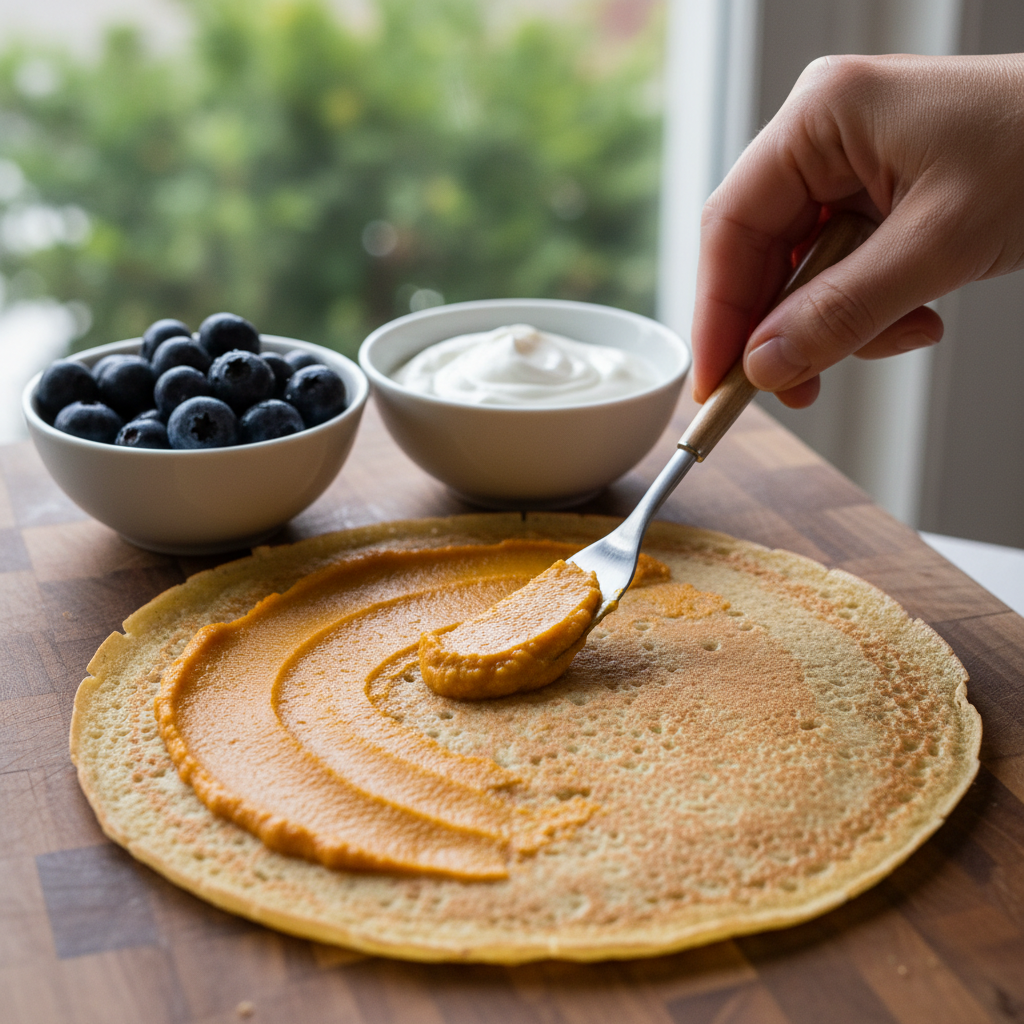
While the 3-ingredient crepe is nutritionally sound on its own, you can easily upgrade it with a variety of safe and beneficial toppings. This is where you can tailor the treat to your dog’s specific needs or preferences.
Approved Topping List:
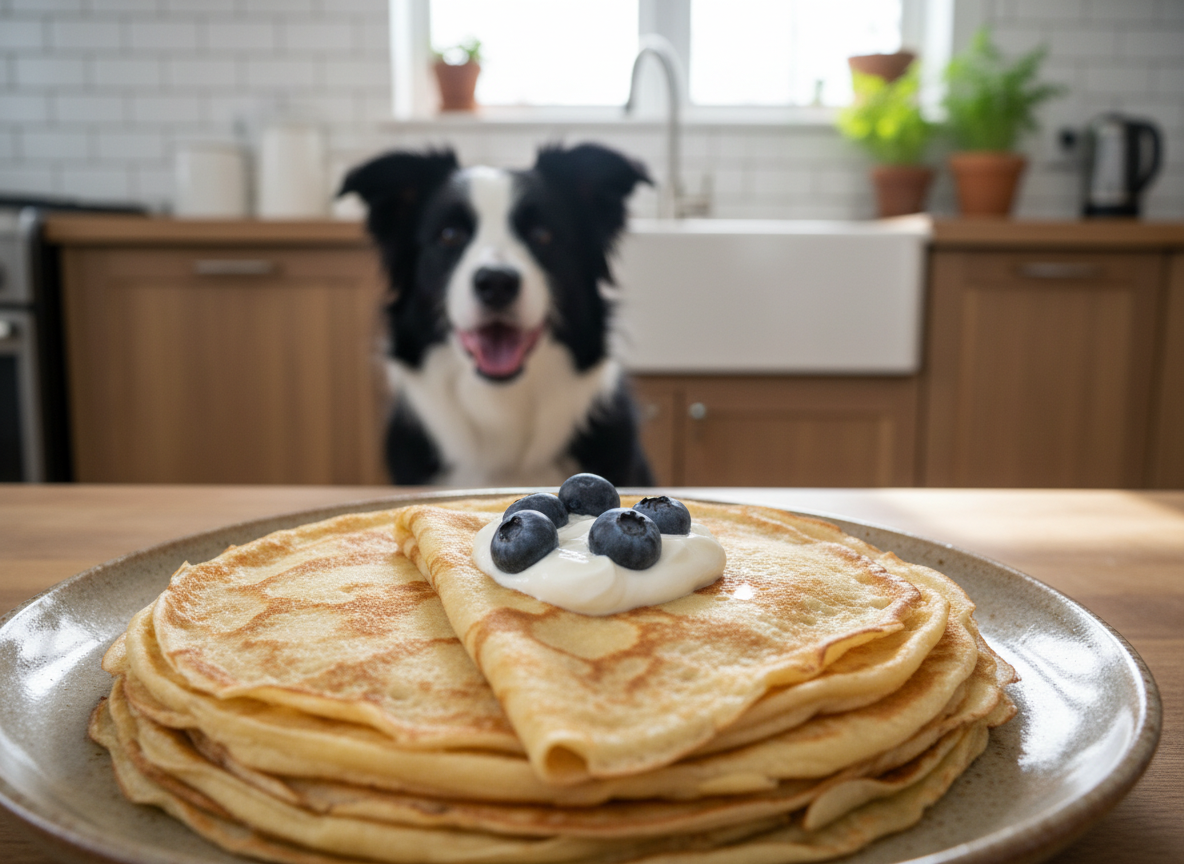
- Plain Greek Yogurt: A small dollop provides an excellent source of probiotics for gut health. Ensure it’s plain, unsweetened, and contains no xylitol.
- Blueberries: A true superfood, blueberries are packed with antioxidants, fiber, and vitamins C and K. A few berries mashed onto the crepe is a perfect addition.
- Pumpkin Purée: Not pumpkin pie filling! 100% pure pumpkin purée is a fantastic source of fiber, aiding in digestive regularity.
- Xylitol-Free Peanut Butter: A thin smear of natural peanut butter can be a great source of protein and healthy fats. It is CRITICAL to check the label and ensure it does not contain xylitol, which is highly toxic to dogs.
- Sardines (in water, no salt added): For a savory crepe, mash one or two sardines. They are an incredible source of Omega-3 fatty acids for skin, coat, and joint health.
- Finely Chopped Parsley: A sprinkle of fresh parsley can help freshen your dog’s breath naturally.
WARNING: Ingredients to AVOID AT ALL COSTS
Never use the following ingredients as toppings or in any homemade dog food. This list is not exhaustive, but these are some of the most common and dangerous toxins:
- Xylitol (Artificial Sweetener)
- Chocolate & Cocoa Powder
- Grapes & Raisins
- Onions, Garlic, & Chives
- Macadamia Nuts
- Avocado
- Alcohol or Caffeine
The Efficiency Hack: Batch Cooking and Smart Storage
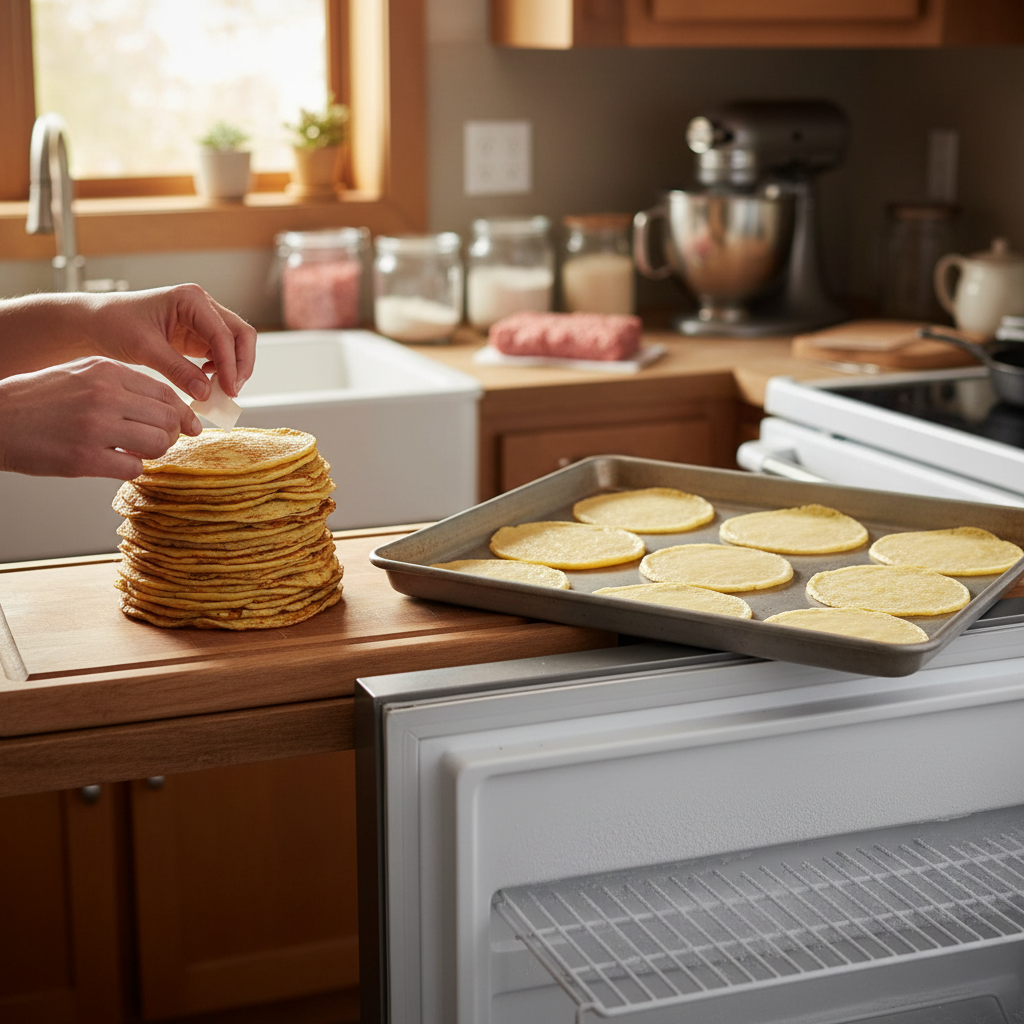
Your time is valuable. The key to maintaining a DIY treat regimen is efficiency. Making a double or triple batch of these crepes takes only marginally more time than a single batch and sets you up for weeks.
Step-by-Step Storage Protocol:
- Cool Completely: This is the most important step. Stacking warm crepes will create steam and make them soggy. Lay them out in a single layer on a wire cooling rack until they reach room temperature.
- For Refrigeration (Short-Term): Cut squares of parchment paper slightly larger than your crepes. Stack the crepes, placing a sheet of parchment between each one to prevent sticking. Place the stack in an airtight container. They will keep in the refrigerator for 3-4 days.
- For Freezing (Long-Term): Lay the cooled crepes in a single layer on a baking sheet lined with parchment paper. Place the sheet in the freezer for about 1-2 hours, or until the crepes are frozen solid. This is called flash freezing and prevents them from clumping together.
- Final Storage: Once frozen, transfer the crepes to a freezer-safe zip-top bag or airtight container. Don’t forget to label it with the date. They will maintain excellent quality for up to 3 months.
Hacker Tip: For the ultimate grab-and-go treat, spread a thin layer of a freezer-safe topping (like peanut butter or pumpkin purée) on each crepe before you flash freeze them. You can then serve them directly from the freezer on a hot day for a cool, refreshing snack.
Conclusion
You’ve now moved beyond the role of a mere pet owner and into the realm of a proactive canine nutrition advocate. You’ve seen how easy it is to bypass the misleading marketing and questionable ingredients of the commercial treat industry. With three simple ingredients, you’ve created a treat that is not only delicious but also fundamentally better and more affordable.
This is the core philosophy of the Canine Nutrition Hacker: Use knowledge to deconstruct the system and rebuild it in a way that truly serves your dog’s health. Stop guessing what’s in their treats and start knowing. You have the recipe, the cost analysis, and the strategy. Go forth, hack the system, and give your dog the best, most well-deserved Sunday brunch of their life.