Can Dogs Eat Grits? The Truth About Cornmeal for Pups
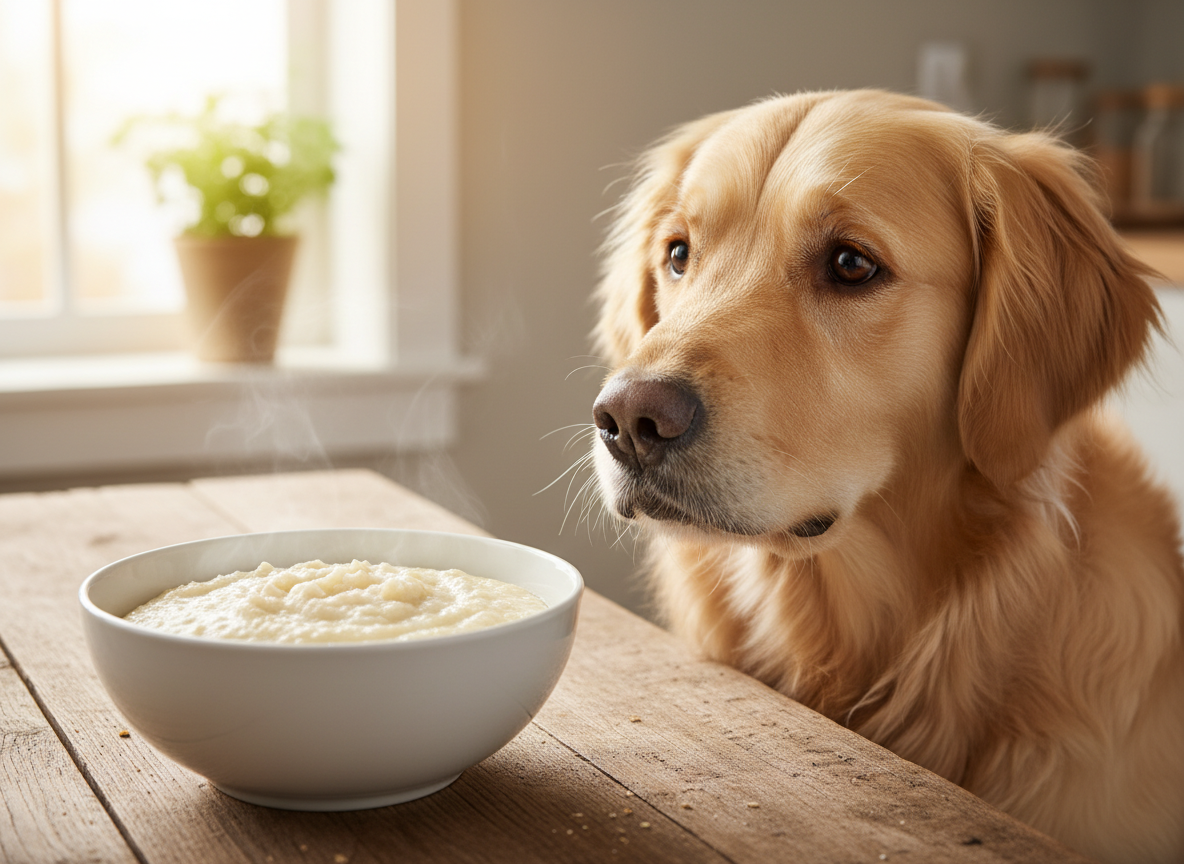
You’re in the kitchen, enjoying a warm, comforting bowl of grits for breakfast. Your dog is at your feet, deploying those irresistible puppy-dog eyes. The thought crosses your mind: ‘Can I share just a little?’ As a pet owner, it’s a familiar scenario. As The Canine Nutrition Hacker, it’s a critical decision point that separates a well-meaning owner from an informed one. The internet offers a confusing mix of ‘yes’ and ‘no,’ but rarely delves into the forensic details of why.
Grits, a staple ground-corn dish, are fundamentally just carbohydrates. While not inherently toxic, their nutritional profile—or lack thereof—and the way humans prepare them can create a minefield of health risks for your canine companion. We’re not just going to answer the question; we’re going to dissect it. We will analyze the ingredient, expose the potential dangers lurking in your breakfast bowl, and equip you with the knowledge to make authoritative decisions about your dog’s diet. Forget generic advice. It’s time to analyze the truth about cornmeal for pups.
Deconstructing Grits: What’s Really in That Bowl?
Deconstructing Grits: What’s Really in That Bowl?
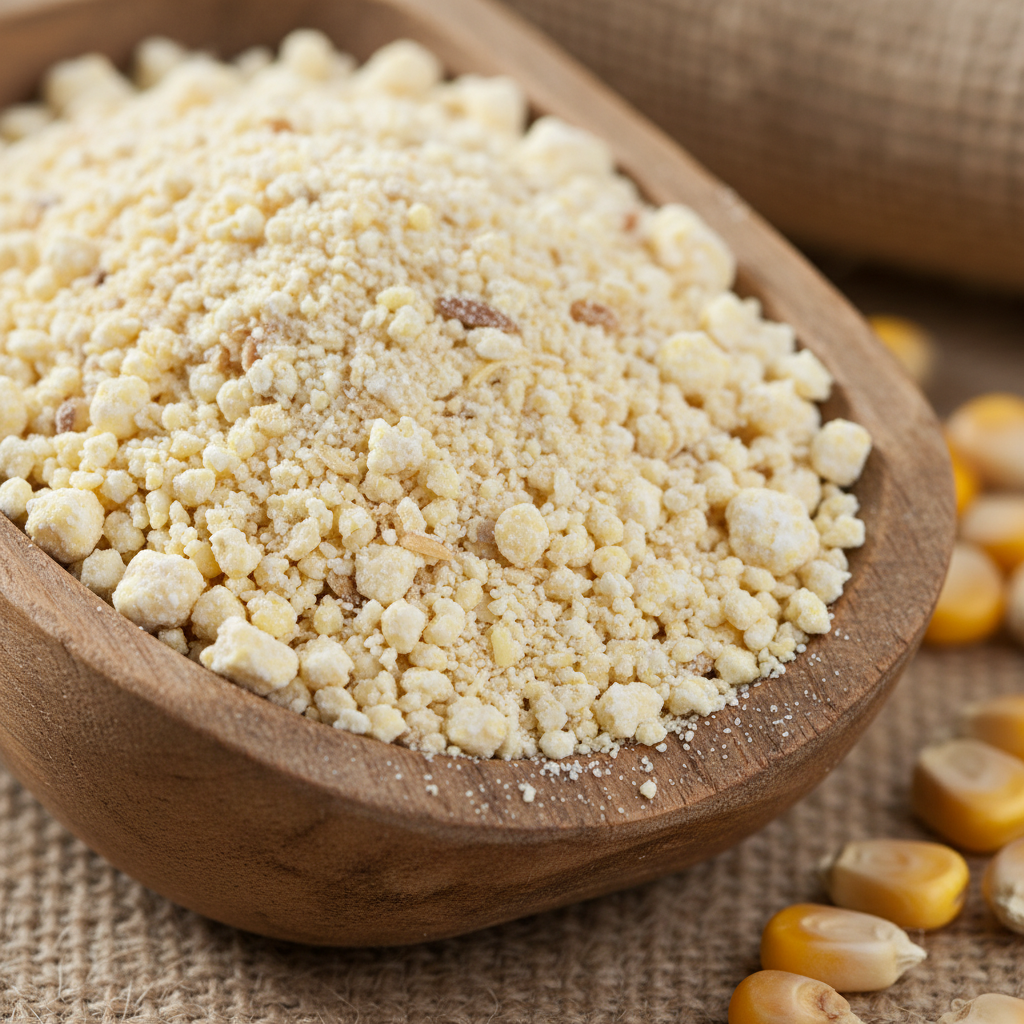
Before we can pass judgment, we must first understand the subject. ‘Grits’ is a simple name for a product with several variations, each with a different nutritional implication for your dog. At its core, grits are simply dried corn that has been ground down. However, the processing method matters immensely.
The Different Faces of Cornmeal
- Stone-Ground Grits: This is the most traditional form. The entire corn kernel—germ, hull, and endosperm—is ground, retaining more nutrients and fiber. If you were forced to choose, this would be the least offensive option.
- Hominy Grits: These are made from corn kernels that have been soaked in an alkali solution (like lime or lye) to remove the hull and germ. This process, called nixtamalization, changes the corn’s nutritional structure, but it’s still primarily starch.
- Quick or Instant Grits: These are the versions you’ll most commonly find in supermarkets. They have been finely ground and processed to cook quickly. This processing strips away most of the minimal nutritional value, leaving behind a product that is little more than refined starch. These are the worst offenders.
A Forensic Nutritional Analysis
Let’s put a cup of cooked, plain grits under the microscope from a canine perspective. What you’ll find is profoundly underwhelming. It’s a food high in calories from carbohydrates but glaringly deficient in the nutrients a dog requires for optimal health. It contains virtually no significant protein, healthy fats, vitamins, or minerals. It is, in nutritional terms, an empty-calorie filler.
For a species that thrives on a protein-centric diet, feeding them a bowl of starchy cornmeal is like telling a professional athlete to fuel up on cotton candy. It might fill their stomach and temporarily satisfy hunger, but it does nothing to build muscle, support organ function, or boost their immune system. In fact, it can do the opposite by displacing nutrient-rich foods they should be eating instead.
Insider Secret: Commercial dog food manufacturers have been criticized for years for using corn as a cheap filler. When you feed your dog grits, you are essentially doing the same thing—padding their diet with a low-cost, low-value ingredient. Your dog deserves better than filler.
The Red Flags: Unmasking the Dangers of Grits for Dogs
The Red Flags: Unmasking the Dangers of Grits for Dogs
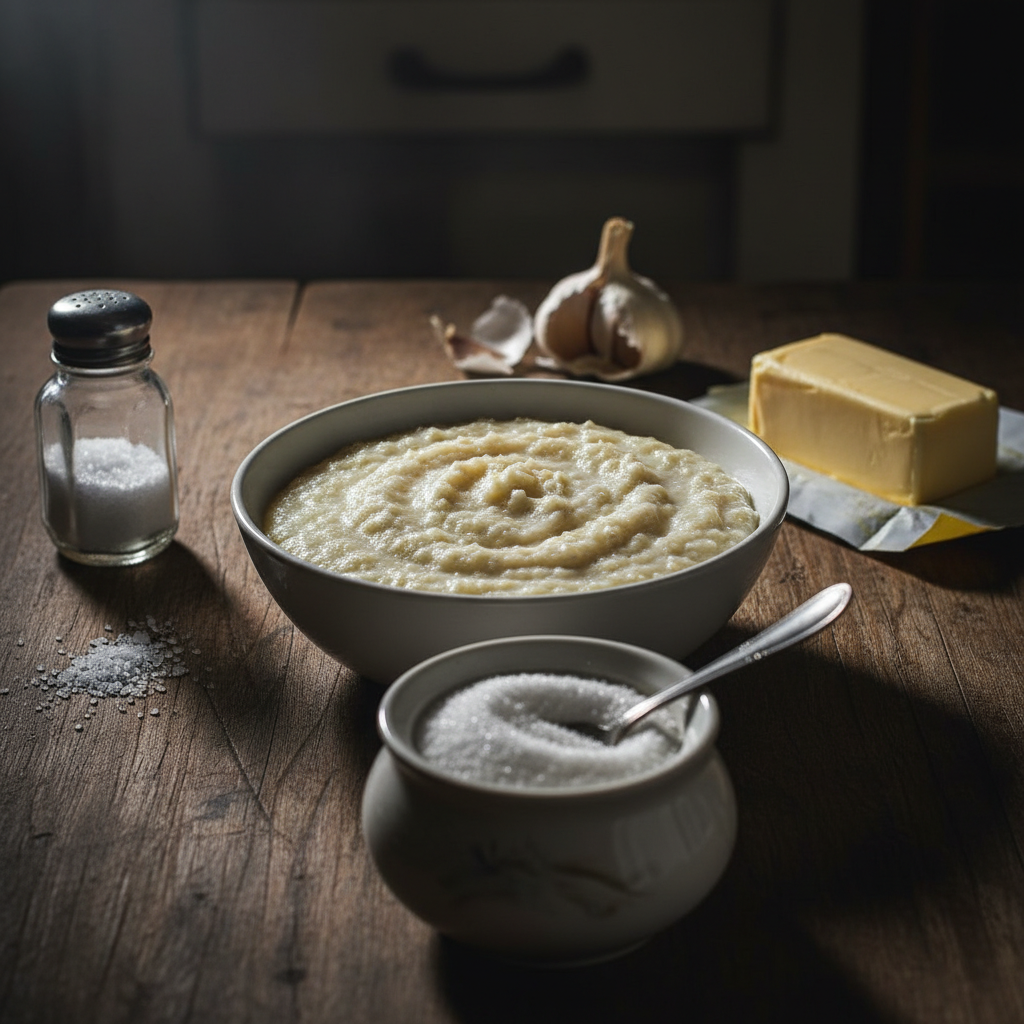
The true danger of grits rarely lies in the cornmeal itself, but in how it’s prepared and the quantity in which it’s served. A small spoonful of plain, cooked grits is unlikely to cause harm, but that’s not how humans eat them, and the risks escalate quickly.
The Add-In Minefield
This is the single most critical danger. We prepare grits to be flavorful, which means adding ingredients that can range from unhealthy to downright toxic for dogs.
- Salt: Dogs are highly sensitive to sodium. The amount of salt in a human portion of grits can lead to sodium ion poisoning, causing vomiting, diarrhea, tremors, seizures, and even death.
- Butter and Cheese: These high-fat dairy products are a one-way ticket to gastrointestinal distress and, more seriously, pancreatitis. Pancreatitis is a painful, potentially fatal inflammation of the pancreas often triggered by high-fat meals. This is not a risk worth taking.
- Garlic and Onions: Often used in savory grits, both are toxic to dogs. They belong to the Allium family and can damage a dog’s red blood cells, leading to anemia.
- Sugar and Syrups: Sweet grits are a disaster for dogs. Sugar contributes to obesity, dental problems, and can disrupt their metabolic balance, potentially leading to diabetes.
The Corn Controversy and Portion Problem
Corn is one of the more common food allergens for dogs. While not as prevalent as chicken or beef allergies, a corn sensitivity can manifest as itchy skin, chronic ear infections, and digestive upset. If your dog has a known grain sensitivity, grits are an absolute non-starter.
Even for a dog without allergies, grits present a major portion problem. As we’ve established, they are calorie-dense. Regularly feeding your dog grits, even as a ‘treat,’ can lead to rapid weight gain. Canine obesity is a serious epidemic, contributing to a host of secondary issues like joint disease, heart problems, and a shortened lifespan. A few ‘harmless’ spoonfuls a day can add hundreds of unnecessary calories to your dog’s weekly intake.
The Canine Hacker’s Protocol: Serving Grits Safely (If You Must)
The Canine Hacker’s Protocol: Serving Grits Safely (If You Must)
I generally advise against feeding grits. There are countless healthier, more beneficial options. However, if you are in a situation where you feel compelled to share, there is a strict protocol that must be followed to minimize risk. This is not a recipe for a meal; it’s a damage control procedure for a rare, tiny treat.
Hacker Tip: The only justifiable scenario for grits is as a bland, temporary component for a dog with an upset stomach, and even then, plain cooked white rice or pumpkin puree is vastly superior. Think of grits as a last resort, not a go-to.
If you proceed, you must adhere to these rules without exception:
- Select the Right Type: Use only stone-ground or whole-grain grits. Absolutely no instant or quick-cook varieties, as these are often fortified with sodium or other additives and are nutritionally void.
- Cook with Water ONLY: Prepare the grits using only plain, fresh water. Do not use milk, broth, or any other liquid. Do not add a single grain of salt or any other seasoning. The goal is maximum blandness.
- Enforce Strict Portion Control: The amount should be minuscule. For a small dog, no more than a teaspoon. For a medium to large dog, a single tablespoon is the absolute maximum. This is a taste, not a snack.
- Serve Cooled and Plain: Ensure the grits are cooled to room temperature to prevent burns to your dog’s mouth. Serve it by itself, not mixed with their regular food or any other toppings.
Failure to follow these steps turns a nutritionally questionable treat into a potentially dangerous one. There is no room for error or ‘just a little bit’ of butter. The rules are absolute.
Beyond the Bowl: Nutrient-Dense Alternatives Your Dog Actually Needs
Beyond the Bowl: Nutrient-Dense Alternatives Your Dog Actually Needs
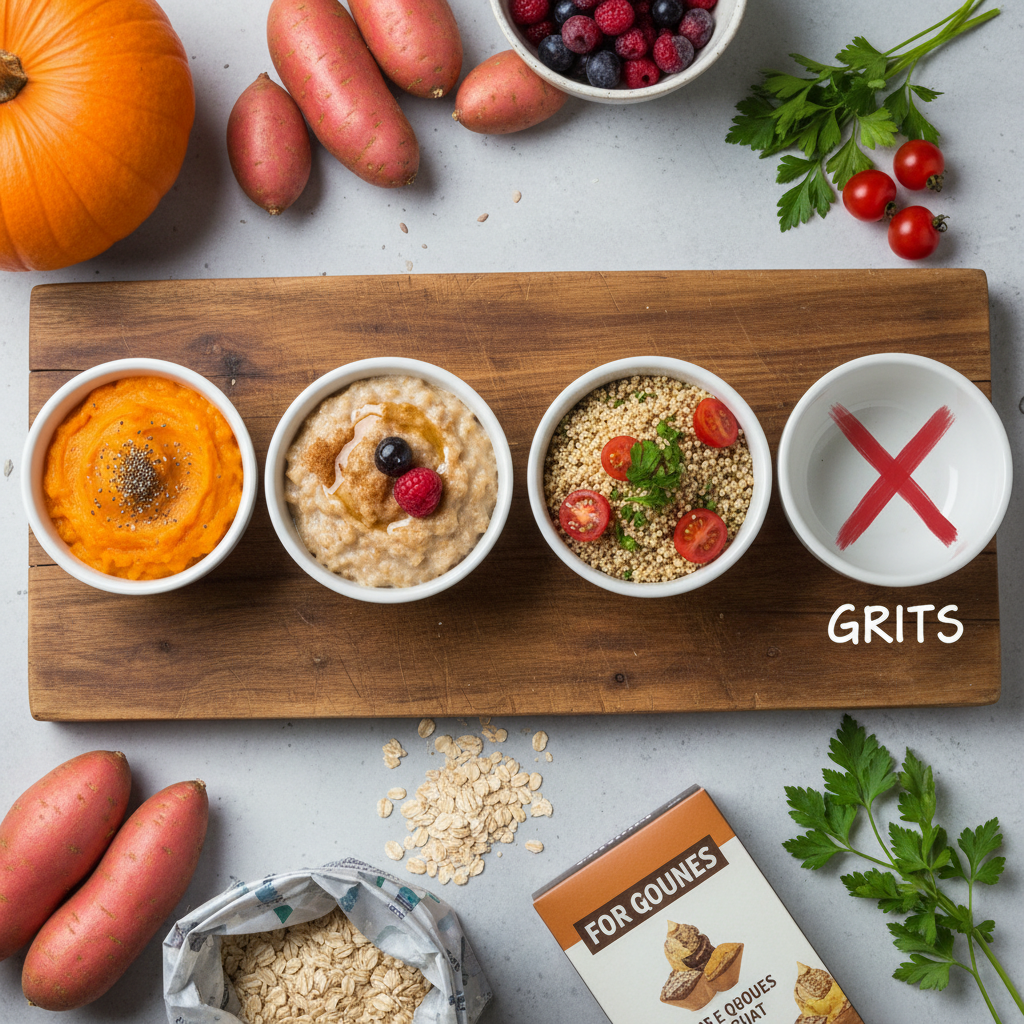
Empowerment comes from knowing better options. Instead of focusing on a food that offers minimal benefits and multiple risks, let’s pivot to superior alternatives that can actively improve your dog’s health. If you’re looking to supplement your dog’s diet with a healthy carbohydrate or a special treat, these are the choices a true Canine Nutrition Hacker would make.
Here is a forensic comparison of grits versus nutritionally superior alternatives:
| Food Source | Key Nutritional Benefit | Preparation | Canine Hacker Verdict |
|---|---|---|---|
| Grits (Corn) | Empty calories, starch | Cooked plain with water | Avoid. High risk, no reward. Offers no functional benefit to your dog’s diet. |
| Pumpkin Puree | Soluble fiber, Vitamin A, antioxidants | 100% pure canned pumpkin (no pie filling) | Excellent. Fantastic for digestive regularity (both constipation and diarrhea). Low in calories. |
| Cooked Sweet Potato | Complex carbs, fiber, vitamins A & C | Steamed or boiled, no skin or seasoning | Excellent. A nutrient-dense carbohydrate source that provides sustained energy. Great for active dogs. |
| Plain, Cooked Oatmeal | Soluble fiber, minerals | Cooked with water, no sugar or toppings | Good. A decent source of fiber, but should be given in moderation. Ensure it’s well-cooked. |
| Quinoa | Complete protein, fiber, essential amino acids | Rinsed well and cooked plain | Good. A highly nutritious seed that offers more protein than most grains. Serve in small quantities. |
Each of these alternatives provides functional benefits that grits lack. Pumpkin aids digestion. Sweet potato provides essential vitamins and complex carbohydrates for energy. Oatmeal and quinoa offer valuable fiber and minerals. When you have access to these nutritional powerhouses, reaching for a scoop of empty-calorie cornmeal simply makes no sense for your dog’s long-term health and wellness.
Conclusion
So, can dogs eat grits? Technically, yes, in the same way a human can technically eat cardboard. It’s ingestible but offers no real value and comes with significant risks if not handled with extreme care. Our forensic analysis has shown that grits are a nutritionally bankrupt food for dogs, acting as a filler that can contribute to obesity and displace genuinely healthy foods from their diet. The real danger, however, lies in the toxic add-ins—salt, butter, garlic, sugar—that transform a bland starch into a serious health hazard.
As The Canine Nutrition Hacker, my verdict is clear: Avoid grits. Your dog’s bowl is sacred ground, a place for optimized, life-sustaining nutrition, not leftover breakfast filler. Instead of asking what your dog can eat, start asking what your dog should eat. Choose from the superior alternatives like pumpkin, sweet potato, or quinoa to provide functional benefits that support a long, healthy, and vibrant life.
Medical Disclaimer: I am a canine nutrition analyst, not a veterinarian. The information in this article is for educational purposes only. Always consult with your trusted veterinarian before making any changes to your dog’s diet, especially if your dog has underlying health conditions.