Wet Canned Food Vs. Dry Kibble: Cost & Health Breakdown
Strolling down the pet food aisle is an exercise in analysis paralysis. You’re bombarded with slick packaging, buzzwords like ‘grain-free’ and ‘holistic,’ and a fundamental choice that can impact your dog’s long-term health: wet canned food or dry kibble. Most advice is watered down, but not here. I’m The Canine Nutrition Hacker, and my job is to cut through the marketing noise and give you the unvarnished truth.
We’re not just comparing prices on a bag versus a can. That’s amateur hour. We’re going deep, conducting a forensic analysis of ingredient panels, debunking long-held myths about dental health, and calculating the true cost per calorie to reveal which option delivers the most nutritional bang for your buck. Forget what the commercials tell you. This is a head-to-head breakdown of cost, health, and convenience, designed to empower you to make the most informed decision for your canine companion. Let’s get to work.
The Ingredient Label Deep Dive: Exposing Fillers and Finding Value

The ‘First 5’ Rule: Your Primary Weapon
The single most important skill you can develop as a pet owner is reading an ingredient label. Ingredients are listed by pre-cooked weight, so the first five tell you almost everything you need to know about the food’s quality. This is where manufacturers hide their secrets.
Deconstructing Dry Kibble
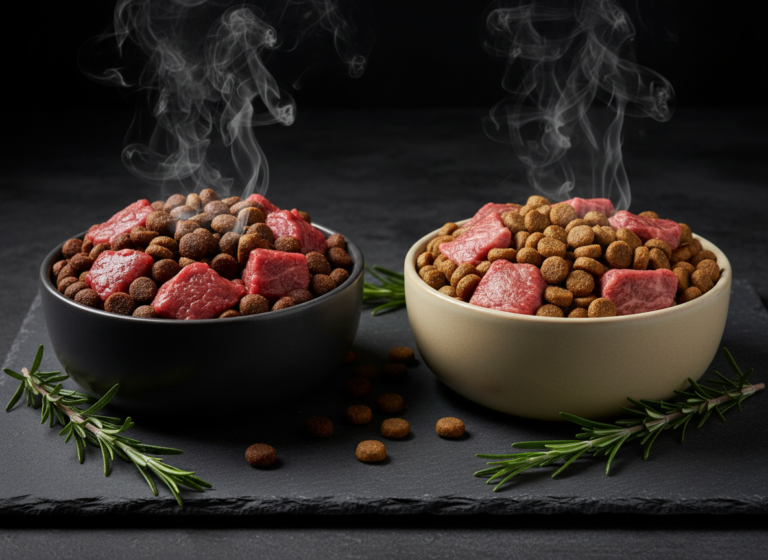
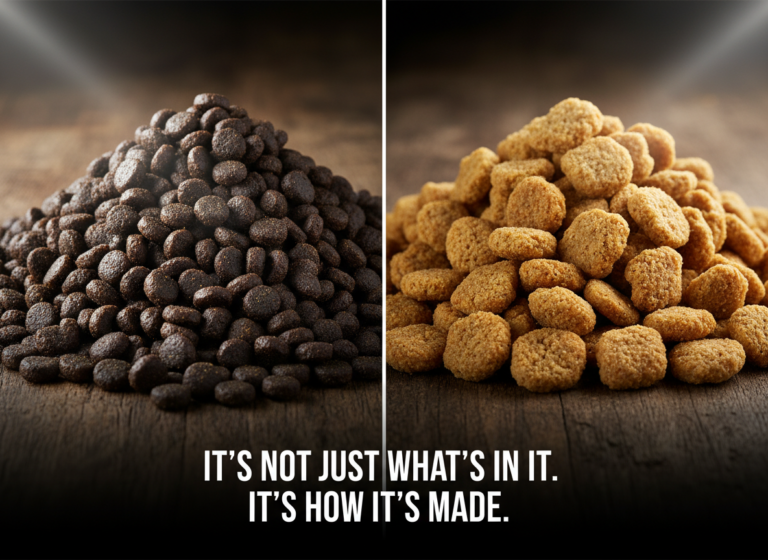
Dry food is a marvel of food science, designed for shelf stability and convenience. The manufacturing process, called extrusion, requires starches to bind the kibble together. This is its greatest strength and its most significant nutritional weakness.
- Protein Sources: Look for a named meat meal, like ‘Chicken Meal’ or ‘Lamb Meal.’ A ‘meal’ is simply the whole meat source with the water and fat rendered out, creating a concentrated protein powder. It’s a high-quality ingredient. Be wary of generic terms like ‘Meat and Bone Meal,’ which can be a low-quality mix from various sources.
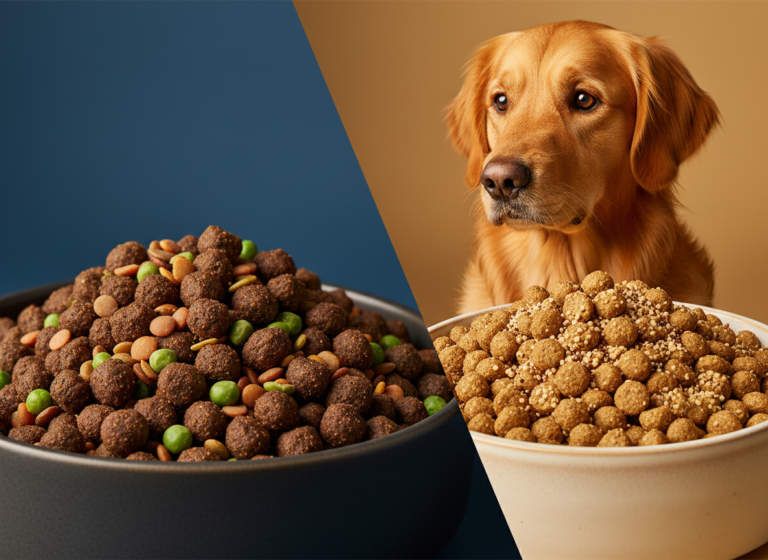
- The Fillers: This is where costs are cut. Ingredients like Corn Gluten Meal, Wheat Middlings, and Soy Hulls offer minimal nutritional value for a carnivore. They are cheap plant-based proteins and carbohydrates used to bulk up the food and boost the protein percentage on the label without using more expensive meat.
- Preservatives: To be shelf-stable for months, kibble requires preservatives. Natural options like mixed tocopherols (Vitamin E) are ideal. Be cautious of artificial preservatives like BHA, BHT, and ethoxyquin, which have been subjects of health debates for years.
Hacker Tip: Watch out for ‘ingredient splitting.’ This is a trick where a manufacturer takes a single low-quality ingredient, like corn, and lists its components separately (‘ground corn,’ ‘corn gluten meal’) to push them further down the ingredient list. This makes it seem like there’s less corn and more meat than there actually is.
Analyzing Wet (Canned) Food
Wet food undergoes a different process. It’s cooked directly in the can, which pasteurizes it and seals in moisture and nutrients without the need for heavy artificial preservatives.
- Protein Sources: The ‘First 5’ in a quality wet food should read like a grocery list. You’ll often see ‘Deboned Chicken,’ ‘Beef,’ ‘Lamb Broth.’ The high moisture content (typically 75-85%) means the overall protein percentage looks lower than kibble on the label, but the quality is often higher and more bioavailable.
- Thickeners and Gums: To create the ‘gravy’ or ‘pate’ texture, wet foods use binding agents. Many are harmless, like guar gum. However, be on the lookout for carrageenan. While approved for use, it’s a controversial ingredient that some studies have linked to intestinal inflammation.
- Fewer Carbohydrates: Because wet food doesn’t need starches to hold its shape like kibble, it is generally much lower in carbohydrates and higher in protein and fat. This more closely mimics a dog’s ancestral diet.
The Health Matrix: Hydration, Dental Myths, and Digestibility

Hydration: The Unspoken Advantage of Wet Food
This is arguably the most overlooked health benefit of canned food. Domestic dogs evolved from ancestors who derived most of their hydration from their prey. Dry kibble contains only about 10% moisture. A diet consisting solely of kibble puts the onus entirely on the dog to drink enough water to compensate. Many don’t. Chronic, low-grade dehydration can put stress on the kidneys and urinary tract over time. For dogs prone to urinary crystals or kidney disease, the 75%+ moisture content in wet food is a massive, non-negotiable health advantage. It continuously flushes their system, promoting better organ function.
The Great Dental Debate: Does Kibble Really Clean Teeth?
This is one of the biggest myths in the pet food industry. The idea that crunchy kibble scrapes plaque off teeth is marketing genius, but nutritionally and medically flawed. Most dogs don’t chew their kibble long enough for any meaningful abrasive action to occur; they swallow it whole or crack it once. It’s like arguing that eating crunchy pretzels cleans your teeth. The high carbohydrate and sugar content in many kibbles can actually contribute to plaque and tartar formation. There is no substitute for regular brushing, dental chews, and professional cleanings. Do not choose a food based on a false promise of dental health.
Palatability & Digestibility
For picky eaters, senior dogs with a diminished sense of smell, or dogs recovering from illness, wet food is often the clear winner. The aroma is stronger and the texture is more appealing. Furthermore, the composition of wet food—higher in protein, lower in processed carbohydrates—is often easier for a dog’s digestive system to process. This can result in higher nutrient absorption, better muscle maintenance, and sometimes, smaller and firmer stools. The gentle cooking process of canned food can also preserve the integrity of the nutrients better than the high-heat, high-pressure extrusion process used for kibble.
The True Cost Analysis: A Cost-Per-Day Breakdown

You can’t compare the price of a 30lb bag of kibble to a case of 12 cans. The densities, moisture levels, and caloric contents are completely different. The only way to get an accurate financial picture is to calculate the cost per day based on the feeding guidelines for your dog’s weight. Let’s run the numbers for a hypothetical, moderately active 50lb dog, comparing a mid-tier dry food with a mid-tier wet food.
| Metric | Mid-Tier Dry Kibble | Mid-Tier Wet Food |
|---|---|---|
| Retail Price | $60.00 per 30lb bag | $36.00 per case (12 x 13oz cans) |
| Calories (Approx.) | ~400 kcal per cup | ~450 kcal per can |
| Amount Needed for 50lb Dog | ~3 cups per day | ~2.5 cans per day |
| Total Servings per Unit | ~40 days (120 cups/bag) | ~4.8 days (12 cans/case) |
| Cost Per Day | $1.50 ($60 / 40 days) | $7.50 ($36 / 4.8 days) |
The results are stark. On a pure cost-per-day basis, kibble is overwhelmingly cheaper. This is the primary reason it dominates the market. The convenience of scooping from a bag that lasts over a month is also a significant factor for many owners. However, this table doesn’t account for potential long-term veterinary bills that could arise from diet-related issues. The higher cost of wet food buys you superior hydration, often higher-quality protein, and fewer filler carbohydrates. The decision is a balance between your budget and your nutritional priorities.
Insider Secret: Don’t just look at the price tag. Look at the feeding guidelines. A cheaper, low-quality kibble full of fillers may require you to feed 4-5 cups a day, whereas a nutrient-dense, premium kibble might only require 2.5-3 cups. Sometimes, the more expensive bag is actually cheaper to feed on a per-day basis.
The Hybrid Approach: Hacking the Bowl for the Best of Both Worlds
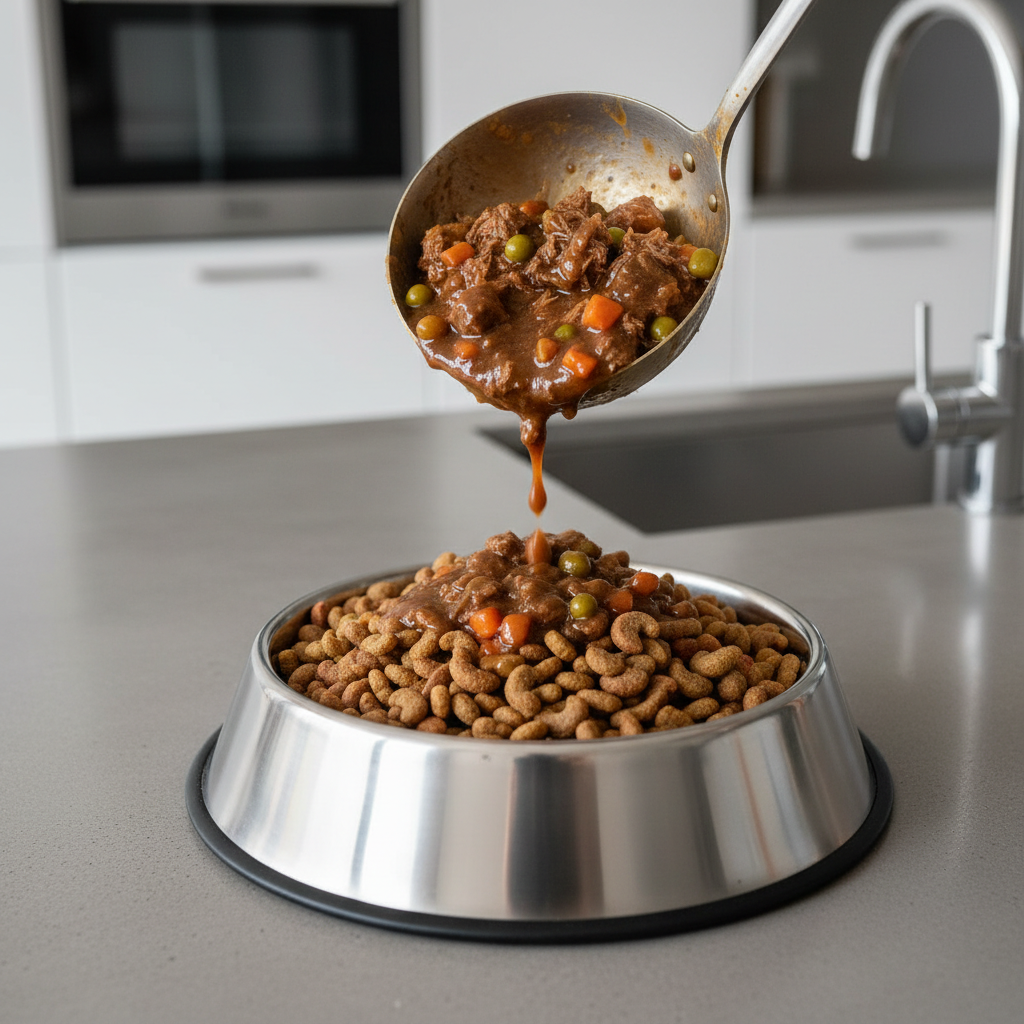
Why Choose When You Can Combine?
For the savvy owner, the debate isn’t always ‘either/or.’ A hybrid feeding strategy allows you to leverage the benefits of both types of food while mitigating their respective drawbacks. By using kibble as a base and adding wet food as a ‘topper’ or mixer, you can create a customized meal plan that fits your budget and elevates your dog’s nutrition.
Benefits of the Hybrid Method:
- Enhanced Hydration: Even adding a quarter of a can of wet food to each meal significantly increases your dog’s daily water intake.
- Improved Palatability: A scoop of savory wet food mixed in can entice even the pickiest eaters to finish their kibble.
- Nutrient Boost: You are adding a dose of high-quality, meat-based protein and reducing the overall carbohydrate load of the meal.
- Cost Management: This approach is far more affordable than feeding an all-wet-food diet, while still providing many of its benefits.
How to Implement a Hybrid Diet Safely:
You can’t simply add wet food on top of a full serving of kibble; that’s a recipe for weight gain. You must account for the added calories.
- Calculate Total Daily Calories: First, determine the total number of calories your dog needs per day based on their weight, age, and activity level. You can find calculators online or consult your vet.
- Determine Your Ratio: Decide on your mix. A common starting point is 75% of calories from kibble and 25% from wet food.
- Measure, Don’t Guess: Do the math. If your dog needs 1200 calories, you would feed 900 calories worth of kibble and 300 calories worth of wet food. Read the labels on both products to determine the correct portion sizes.
- Monitor and Adjust: Keep a close eye on your dog’s weight and body condition. Adjust the ratios as needed to maintain a healthy, lean physique.
This method offers a powerful, flexible solution, allowing you to provide a more ancestrally appropriate, moisture-rich diet without breaking the bank.
Conclusion
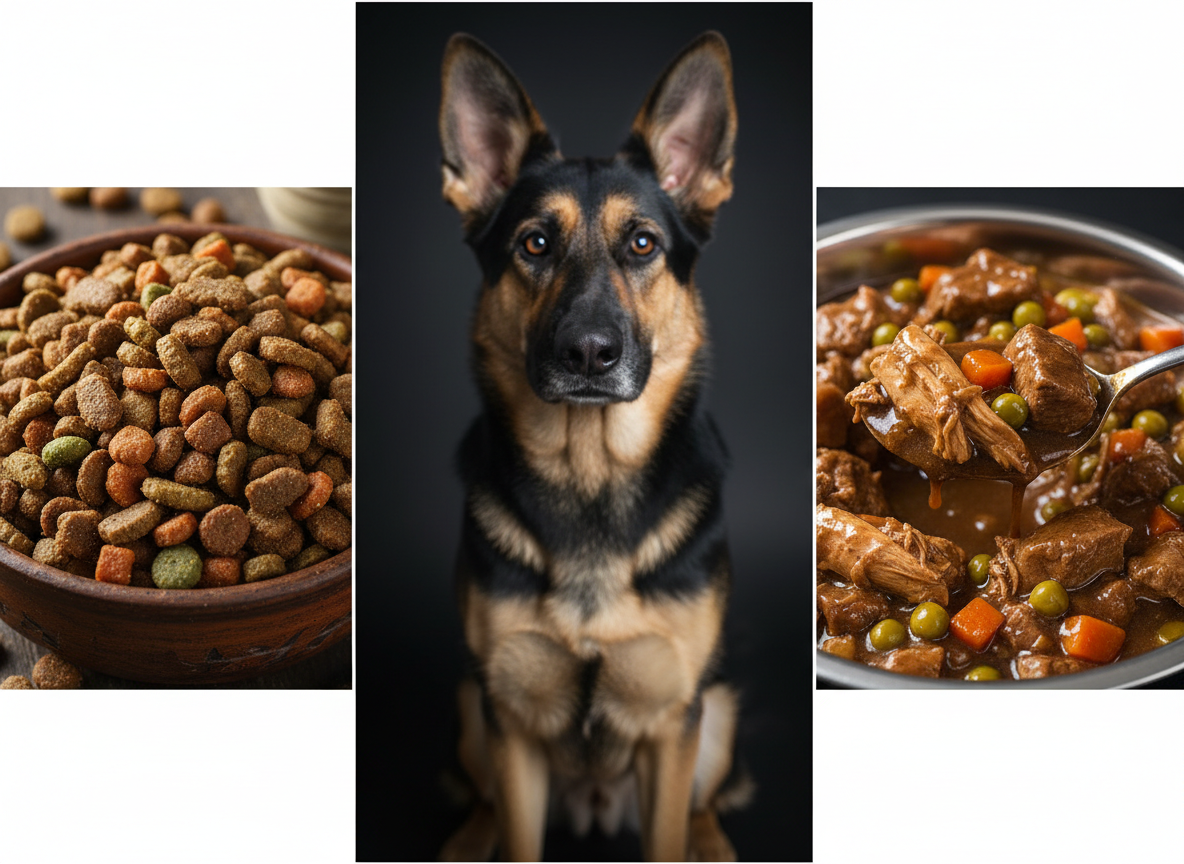
The battle between wet food and dry kibble has a clear verdict: it depends entirely on your priorities. There is no one-size-fits-all answer. Dry kibble is the undisputed champion of cost and convenience. Wet food is the clear winner for hydration, palatability, and often, higher-quality protein with fewer fillers.
Armed with the knowledge of how to dissect an ingredient panel and calculate the true cost per day, you are no longer a passive consumer; you are your dog’s personal nutritionist. You can see past the marketing and make a data-driven decision. Whether you choose one, the other, or the strategic hybrid approach, the power is now in your hands. Analyze the label, run the numbers, and build the perfect bowl for your dog’s specific needs and your budget. That’s how you hack canine nutrition.