What to Feed a Dog on Chemo: Nausea-Fighting Meal Ideas
MEDICAL DISCLAIMER: Before you read another word, understand this: I am not a veterinarian. This guide is for informational purposes and is based on extensive research and experience in canine nutrition. Your dog’s cancer treatment is a medical protocol that must be managed by a qualified veterinary oncologist. Always consult with your veterinarian before making any changes to your dog’s diet, especially during chemotherapy.
Receiving a cancer diagnosis for your dog is devastating. The path forward, often involving chemotherapy, feels daunting. As you navigate vet appointments and treatment schedules, you might feel helpless. But there is one area where you have immense power: the food bowl. Nutrition isn’t just about sustenance; during chemo, it becomes a frontline therapeutic tool. It’s your secret weapon to manage side effects, maintain your dog’s strength, and fight for their quality of life.
Forget the generic advice you’ve seen on pet blogs. We’re not talking about simply finding a food your dog ‘will eat.’ We’re talking about a strategic nutritional intervention. This is the Canine Nutrition Hacker’s guide to turning your dog’s mealtime into a potent ally in their fight against cancer. We will dissect the ‘why’ behind chemo-induced nausea and build a practical, actionable plan to keep your dog eating, hydrated, and as strong as possible through their treatment.
The Chemo Battlefield: Why Nutrition is Your #1 Ally
Chemotherapy is a powerful weapon designed to kill rapidly dividing cancer cells. The unfortunate collateral damage is that it also affects other rapidly dividing cells in the body—primarily those lining the gastrointestinal (GI) tract and in the bone marrow. This assault on the gut is the direct cause of the most common side effects: nausea, vomiting, diarrhea, and a profound loss of appetite (anorexia).
When a dog stops eating, a dangerous cascade begins. They lose weight, primarily from muscle mass, a condition called cancer cachexia. This muscle wasting weakens them, compromises their immune system, and reduces their tolerance for the chemotherapy itself. A weak, malnourished dog cannot fight effectively. This is where you, the owner, step in. Your mission is to provide targeted, strategic nutrition that accomplishes four critical goals:
- Minimize Nausea: By providing highly digestible, gentle foods that don’t tax the already-irritated GI system.
- Maintain Body Weight: By using calorie-dense, palatable foods that encourage eating even when appetite is low.
- Support the Immune System: By delivering high-quality proteins and fats that provide the building blocks for a functional immune response.
- Enhance Quality of Life: By making mealtime a positive, comforting experience rather than a source of stress and aversion.
Viewing nutrition through this lens transforms it from a passive activity to an active part of the treatment plan. Every calorie counts, and every ingredient choice matters. You are not just ‘feeding your dog’; you are arming their body with the resources it needs to endure and win the battle ahead.
Decoding the ‘Cancer Diet’: Key Nutritional Principles
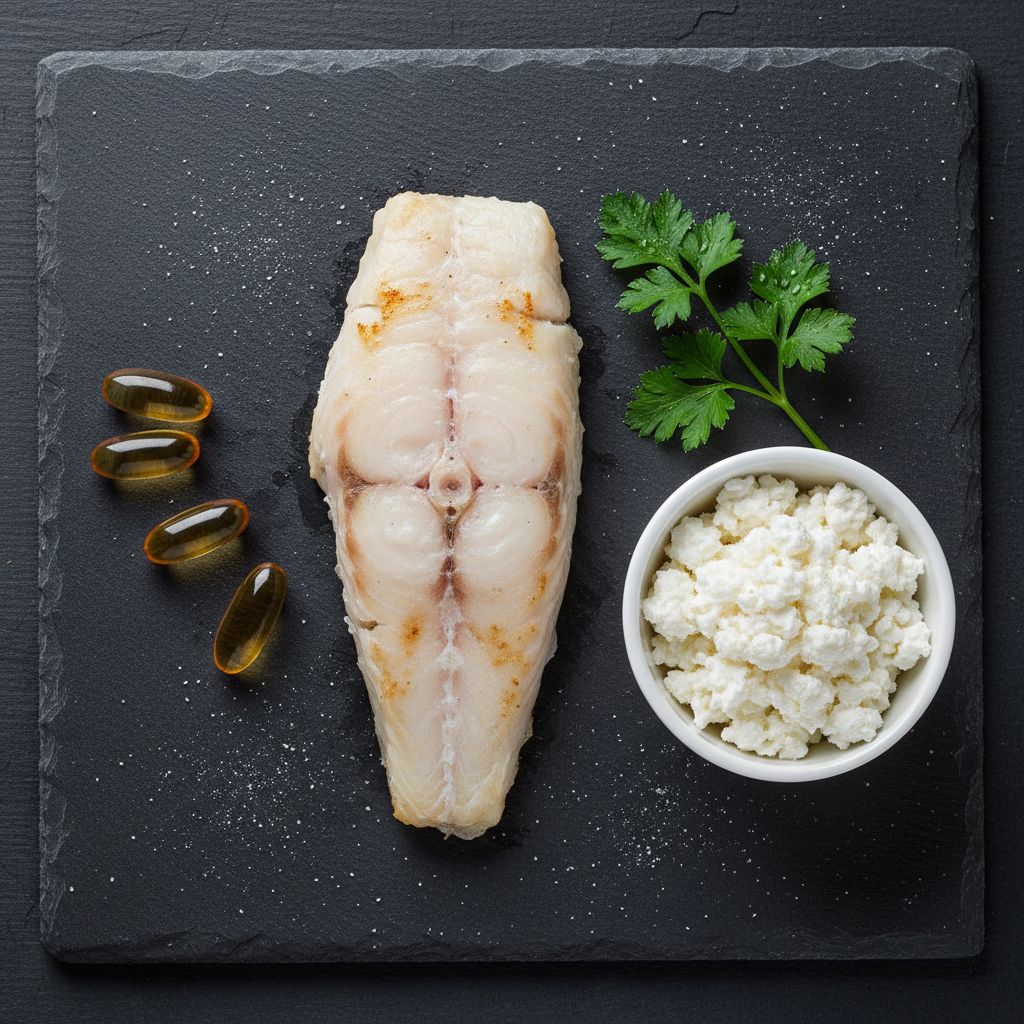
While there is no single ‘magic’ diet that cures cancer, decades of research have illuminated a nutritional profile that best supports a dog’s body during treatment. The goal is to fuel the patient, not the disease. This means shifting the macronutrient profile away from what some cancer cells prefer (simple carbohydrates) and towards what the body needs for strength and repair (protein and fat).
High-Quality, Easily Digestible Protein
Protein is the absolute cornerstone. It’s essential for repairing tissues, supporting immune function, and—most critically—preventing the muscle wasting that plagues cancer patients. However, not all protein is created equal. During chemo, the digestive system is compromised. We need protein sources that are easy to break down and absorb. Think lean, cooked meats like boiled chicken breast, turkey, whitefish (cod, haddock), or lean ground beef. These are far superior to tough, fatty red meats or complex plant proteins that can be harder on the gut.
Strategic Fats (The Good Kind)
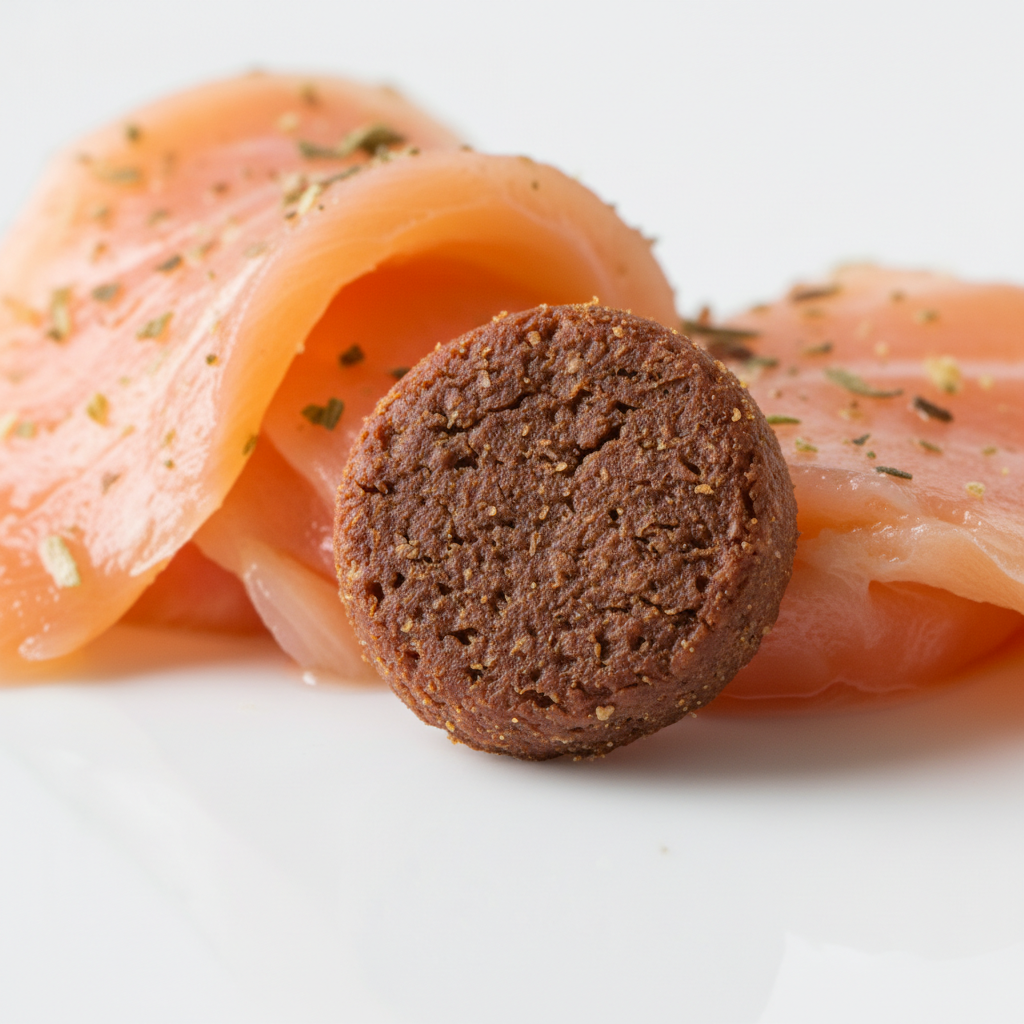
Fat is the most concentrated source of energy, providing more than twice the calories per gram as protein or carbs. For a dog with a poor appetite, this is a huge advantage. We can pack more energy into a smaller, more manageable meal. The focus should be on omega-3 fatty acids, particularly EPA and DHA found in fish oil. These fatty acids have potent anti-inflammatory properties, which can help counteract some of the inflammation associated with both cancer and its treatments. They may also help combat cachexia. Sources include fish oil supplements (consult your vet for dosage), salmon, and sardines packed in water (no salt added).
Low Simple Carbohydrates
The theory that cancer cells have a high metabolism for glucose (simple sugars) has led to the recommendation of low-carbohydrate diets. While the direct impact on tumor growth in dogs is still being studied, the practical benefit is clear: we want to limit ‘filler’ calories. Replacing simple carbs like corn, wheat, and sugar with nutrient-dense sources of energy like protein and fat is a smarter strategy. When carbs are used, they should be complex and beneficial, such as pumpkin or sweet potato, which provide fiber to support digestive health.
Hacker Tip: The ideal chemo-support diet is often high in protein, high in fat, and low in carbohydrates. This profile helps maintain muscle mass, provides dense energy, and may create a less favorable metabolic environment for cancer cells.
The Nausea-Fighting Arsenal: ‘Hero’ Ingredients & Meal Toppers
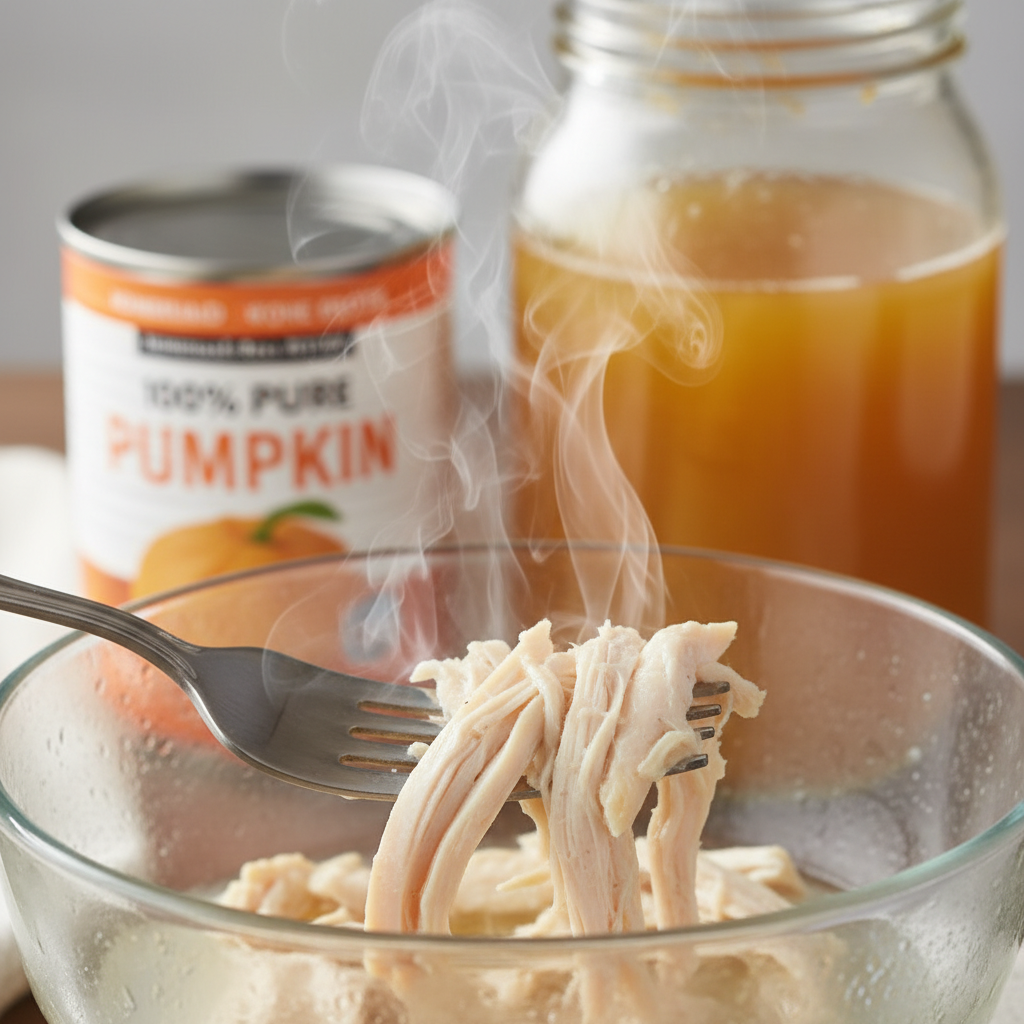
When your dog turns their nose up at everything, you need a roster of tempting, stomach-soothing options. This is your ‘hero’ list. The key is blandness, moisture, and aroma. Rotate these options to keep things interesting and find what works on any given day.
- Boiled, Shredded Chicken or Turkey: The gold standard. It’s bland, highly digestible, and palatable. Boil it without any salt or seasonings. Use the cooking water as a hydrating broth.
- Plain Pumpkin Purée: Use 100% pure pumpkin, not pie filling. It’s a fantastic source of soluble fiber, which can help with both diarrhea and constipation. A spoonful mixed into food is usually all that’s needed.
- Unsalted Bone Broth: A gut-healing superfood. It’s hydrating, rich in nutrients, and its savory aroma can entice a reluctant eater. Gently warm it and pour it over their food or offer it alone in a bowl.
- White Rice or Cooked Pasta: A simple, bland carbohydrate source that can help bind stool in cases of diarrhea and provide easily accessible energy. Use in moderation.
- Low-Fat Cottage Cheese or Plain Yogurt: Soft, easy to eat, and a good source of protein and probiotics (in yogurt) for gut health. Ensure your dog is not lactose intolerant.
- Scrambled Eggs: A complete protein source that is soft and easy for a sore mouth to handle. Cook without butter or salt.
- Meat-Based Baby Food: A true insider secret. Stage 2 meat baby foods (like chicken, turkey, or beef) are essentially a smooth purée of meat and broth. CRITICAL: Check the label to ensure there is absolutely NO onion or garlic powder.
Insider Secret: A dog’s sense of smell is their primary driver for appetite. Chemotherapy can alter their sense of smell and taste. Gently warming your dog’s food for 10-15 seconds in the microwave releases its aroma, making it significantly more appealing. Stir well to avoid hot spots.
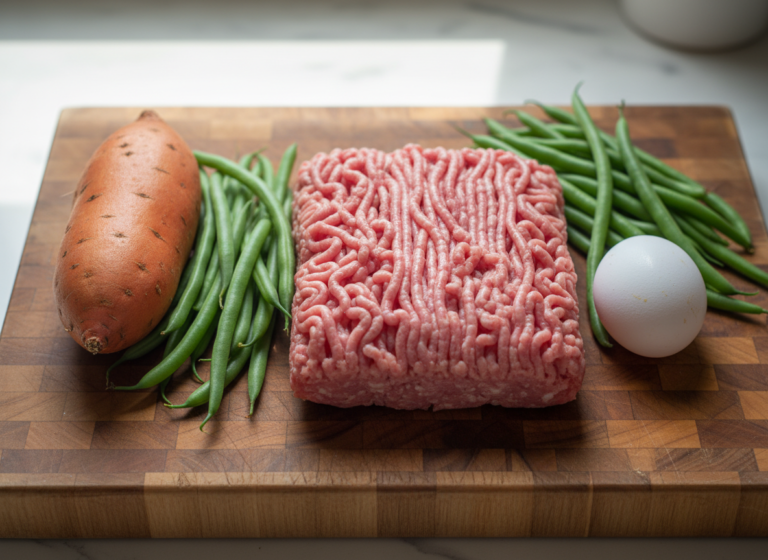
Combine these heroes to create simple, tempting meals. A classic combination is shredded chicken, white rice, and a dollop of pumpkin. Another is ground turkey mixed with scrambled egg. The goal isn’t a gourmet meal; it’s a tolerable, nutritious one.
The ‘Enemy’ List: Foods and Ingredients to Avoid During Chemo
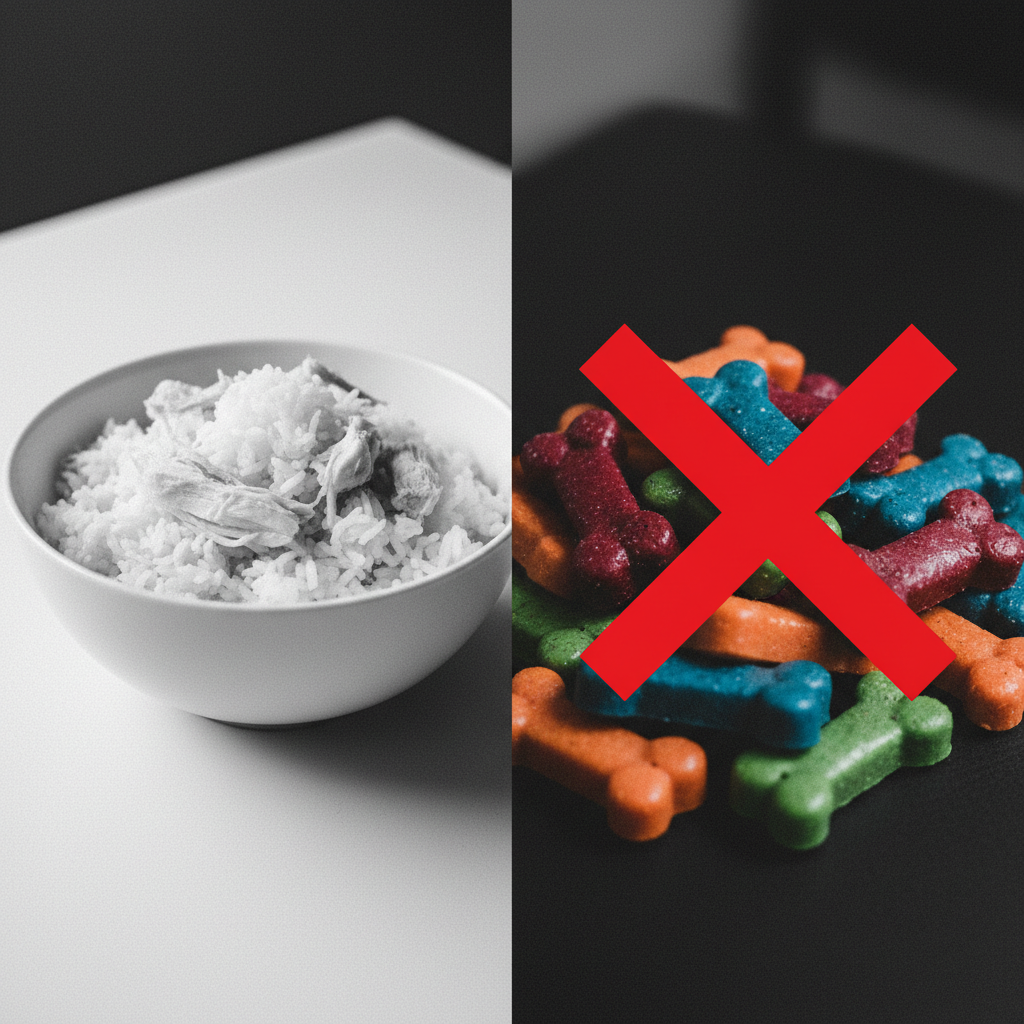
Just as important as what you add to the bowl is what you keep out of it. During chemotherapy, the GI tract is sensitive and the immune system is suppressed. Certain foods can exacerbate problems or introduce unnecessary risks.
- Greasy, Fatty, and Fried Foods: Items like bacon, sausage, or fatty meat trimmings can trigger pancreatitis and are extremely difficult for a compromised gut to digest, often leading to vomiting and diarrhea.
- Raw Diets: This is a hard ‘no’ during chemotherapy. A dog on chemo is immunocompromised. Raw meat carries a significantly higher risk of bacterial contamination (Salmonella, E. coli, Listeria). A healthy dog might handle this, but for a chemo patient, it can lead to a systemic infection that can be life-threatening.
- Heavily Processed Treats: Many commercial dog treats are loaded with artificial colors, flavors, preservatives, and low-quality fillers. These offer no nutritional value and can introduce unnecessary chemicals for the liver to process. Stick to simple, whole-food treats.
- Spicy or Heavily Seasoned Foods: Anything with spices, onions, garlic, or high salt content will irritate the stomach lining. Human food is generally off-limits unless it’s a plain, cooked ingredient from the ‘hero’ list.
- Low-Quality Kibble with Fillers: Dry foods that list corn, wheat gluten meal, or soy as primary ingredients are providing less bioavailable nutrition. These fillers can be inflammatory and are not the optimal fuel source for a dog in treatment.
- Foods with Overpowering Odors: While warming food helps, some foods (like certain types of fish) can have an aroma that is too strong and may actually create a food aversion. Pay attention to your dog’s reaction and avoid anything they seem to recoil from.
Your job is to simplify. The diet should be clean, bland, and focused on high-quality, recognizable ingredients. This is not the time for culinary experimentation; it’s the time for gentle, supportive nutrition.
Practical Strategies: When and How to Feed Your Dog
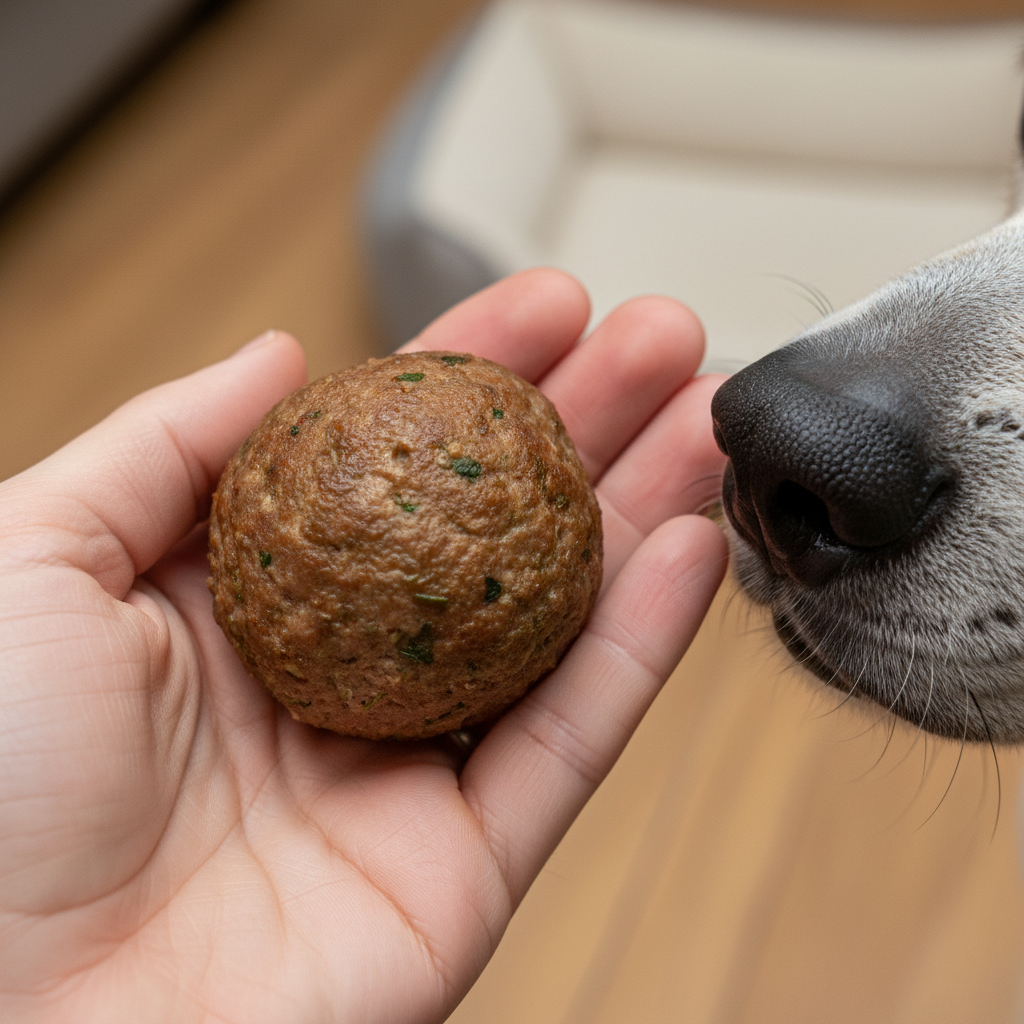
Perfectly crafted meals are useless if your dog won’t eat them. The ‘how’ and ‘when’ of feeding are just as critical as the ‘what.’ This requires patience, observation, and a willingness to break from your normal routine.
Small, Frequent Meals
Instead of one or two large meals, switch to four to six small ‘mini-meals’ throughout the day. A large volume of food hitting a sensitive stomach can trigger nausea. Smaller, more frequent feedings are less intimidating and much easier to digest. This approach also provides more opportunities to get vital calories in.
Timing with Medication
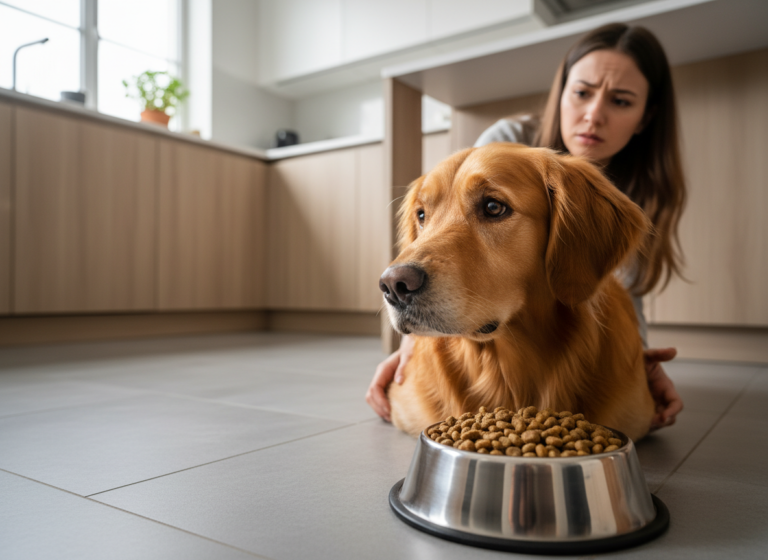
Your oncologist will likely prescribe anti-nausea medications (e.g., Cerenia, Ondansetron). These are your best friends. Administer them exactly as prescribed, typically 30-60 minutes *before* offering food. This gives the medication time to work, ensuring your dog approaches the bowl when they are feeling their best. Trying to feed a dog at the peak of their nausea is a losing battle and can create a negative association with food.
Hydration is Non-Negotiable
Dehydration is a serious risk during chemo, especially if vomiting or diarrhea is present. A dog that won’t eat is often a dog that won’t drink. You must be proactive.
- Add water or unsalted bone broth directly to their food to create a soupy consistency.
- Keep multiple fresh water bowls available.
- If your dog is refusing water, offer bone broth or chicken broth (no salt, no onions) as a more tempting liquid.
Hacker Tip: Pour unsalted bone broth into ice cube trays and freeze. Offer these ‘broth-sicles’ as a treat. Many dogs enjoy licking them, and it’s a clever way to get fluids and a few extra nutrients in.
Hand-Feeding and Encouragement
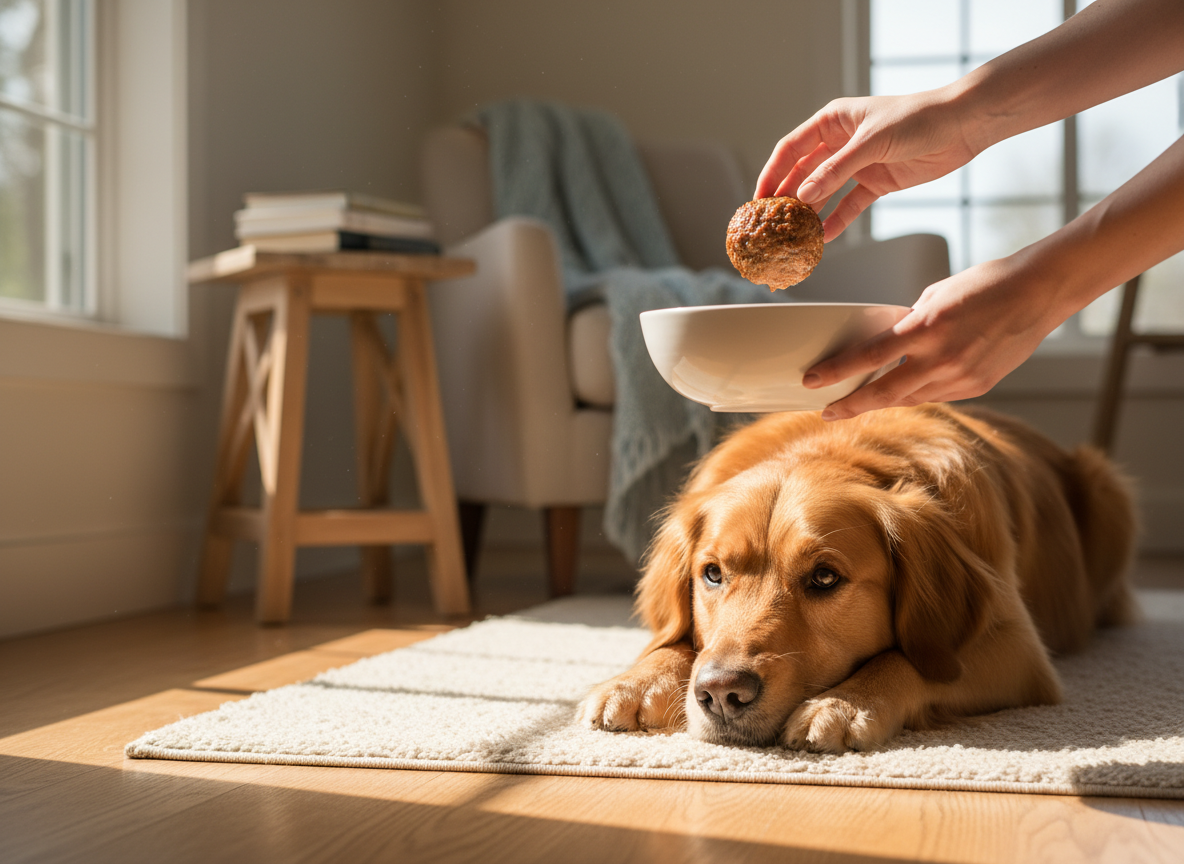
Sometimes, a sick dog needs encouragement. The act of hand-feeding can provide comfort and security, coaxing them to take a few bites when they otherwise wouldn’t. Sit on the floor with them, speak in a calm voice, and offer small meatballs of food from your palm. Don’t pressure them. If they refuse, take it away and try again in an hour. Your patience and positive energy are a key part of this process.
Commercial vs. Homemade: A Cost and Convenience Analysis
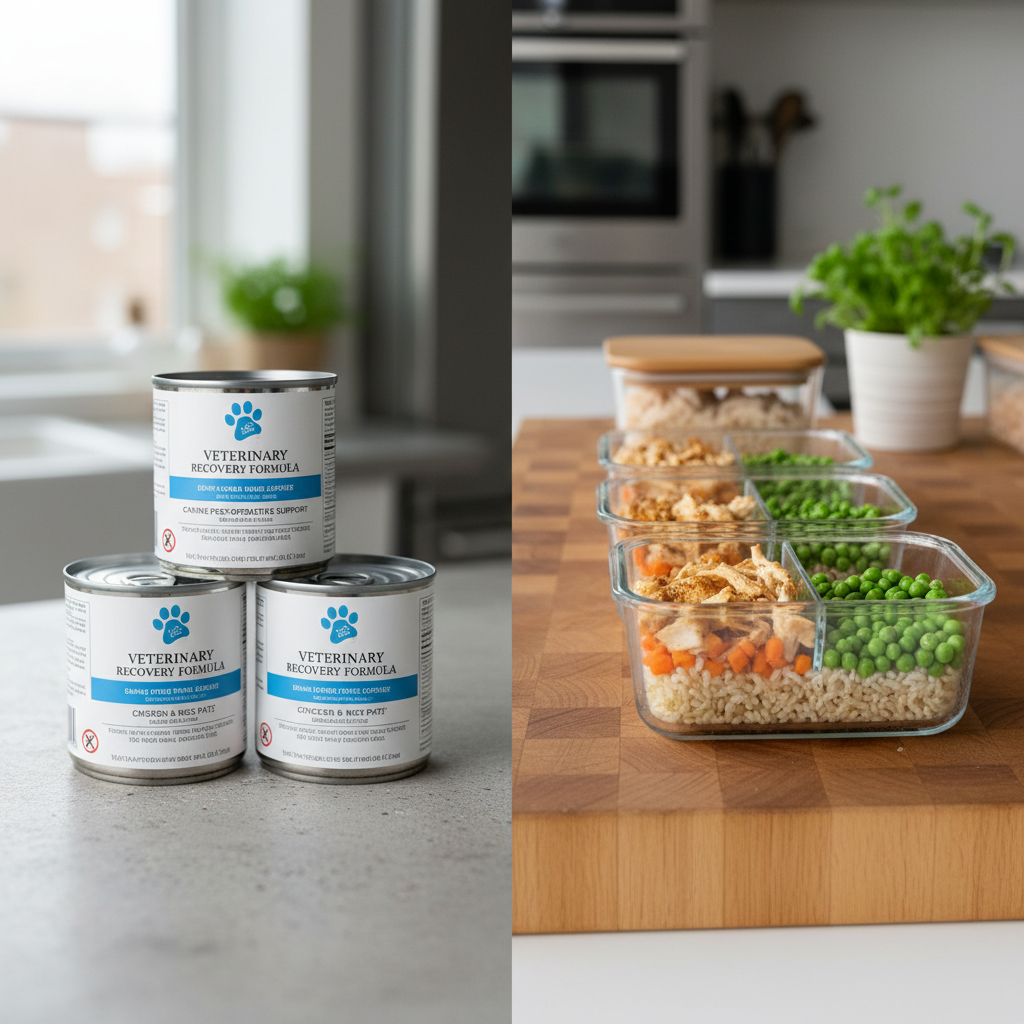
The decision to use a prescription veterinary diet or prepare a homemade diet is a common dilemma. Both have significant pros and cons, and the right choice depends on your budget, your time, and your dog’s specific needs and preferences. Many owners find a hybrid approach—supplementing a prescription diet with homemade ‘hero’ ingredients—works best.
Therapeutic Veterinary Diets
Brands like Hill’s Prescription Diet ONC Care, Royal Canin Recovery RS, and Purina Pro Plan Veterinary Diets CN Critical Nutrition are specifically formulated for sick or recovering animals. They are calorie-dense, highly palatable, and nutritionally complete, taking the guesswork out of feeding. The primary drawbacks are the high cost and the fact that some picky dogs may still refuse them.
Balanced Homemade Diets
Cooking for your dog gives you complete control over ingredient quality and can be highly effective for tempting a picky eater. However, it is extremely difficult to create a long-term diet that is 100% nutritionally complete and balanced without professional guidance. For short-term nausea management, simple recipes are fine. For long-term feeding, you must work with your veterinarian or a veterinary nutritionist to ensure you are not creating nutritional deficiencies. A service like BalanceIT.com can help formulate recipes with the necessary supplements.
Here is a breakdown of the key factors:
| Feature | Prescription Veterinary Diet | Veterinarian-Guided Homemade Diet |
|---|---|---|
| Palatability | Formulated to be highly palatable, but can be ‘hit or miss’ with individual dogs. | Generally very high. You can tailor ingredients to your dog’s specific preferences. |
| Cost | High. Can cost $4.00 – $7.00+ per day for a medium-sized dog. | Variable. Can be more or less expensive than prescription food depending on protein sources chosen. |
| Convenience | Very high. Simply open the can or bag. No prep time required. | Low. Requires shopping, cooking, portioning, and storage. Time-consuming. |
| Nutritional Balance | Guaranteed to be complete and balanced for the specific medical condition. | Requires strict adherence to a recipe and added supplements. High risk of imbalance if not properly formulated. |
| Verdict | Excellent for convenience, guaranteed nutrition, and peace of mind. Ideal for owners with limited time. | Excellent for palatability and ingredient control. Best for owners willing to invest time and work closely with a vet. |
Conclusion
Navigating your dog’s chemotherapy is a marathon, not a sprint. There will be good days and bad days. Your role as their nutritional advocate is to remain patient, adaptable, and observant. The strategies outlined here are your playbook, but your dog is the ultimate guide. Pay attention to what they will eat, what soothes their stomach, and what brings them comfort.
Remember the core principles: prioritize high-quality, digestible protein and fats; keep meals small and frequent; use anti-nausea medication strategically; and push fluids relentlessly. Above all, maintain your partnership with your veterinary oncologist. They are your most valuable resource. By combining their medical expertise with your dedicated nutritional support, you give your beloved companion the best possible chance to not just survive treatment, but to thrive through it.