Best Low Fat Dog Food Options for Managing Pancreatitis
Hearing the word “pancreatitis” from your veterinarian can send a shockwave of fear and confusion through any dog owner. Suddenly, the food you provide is no longer just a meal; it’s a medical necessity. The commercial pet food aisle, once a place of simple choices, becomes a labyrinth of confusing labels, marketing jargon, and hidden dangers. I’m The Canine Nutrition Hacker, and my mission is to arm you with the data you need to cut through the noise. Managing pancreatitis is a non-negotiable battle fought in the food bowl, and the primary enemy is fat. This guide is your strategic briefing. We will forensically analyze ingredient lists, compare the top veterinary diets, and even explore a safe, cost-effective DIY approach. This is not about guessing; it’s about taking decisive, informed control of your dog’s nutrition and, by extension, their health.
MEDICAL DISCLAIMER: This article is for informational purposes only and is not a substitute for professional veterinary advice, diagnosis, or treatment. The management of pancreatitis is a serious medical issue that requires a veterinarian’s guidance. Always consult with your veterinarian before making any changes to your dog’s diet or treatment plan.
Decoding Pancreatitis: Why Fat is the Public Enemy #1
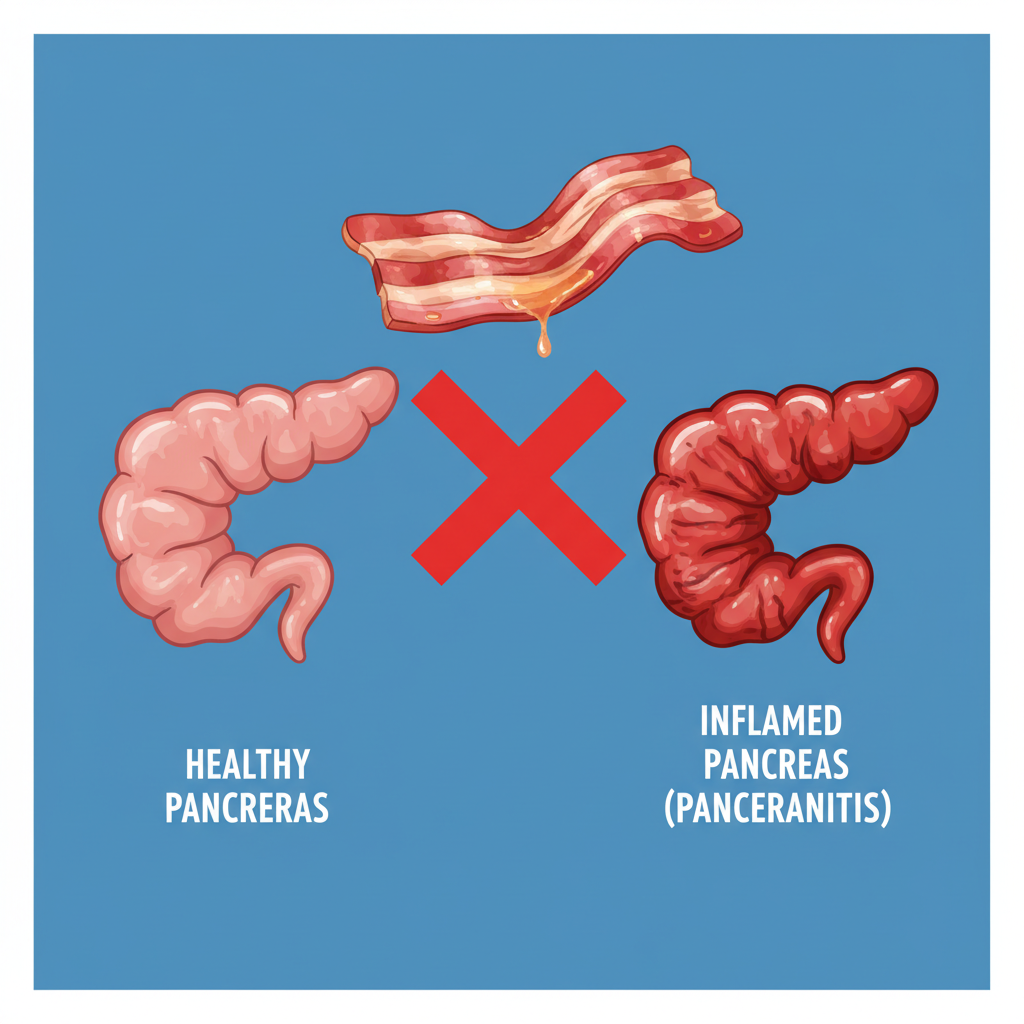
To effectively manage pancreatitis, you first need to understand the enemy. The pancreas is a small organ with a massive job: producing enzymes to digest food and hormones like insulin to regulate blood sugar. In a healthy dog, these digestive enzymes are inactive until they reach the small intestine. During a pancreatitis attack, these powerful enzymes activate prematurely inside the pancreas, causing it to literally begin digesting itself. This leads to severe inflammation, excruciating pain, and a cascade of systemic health problems.
The single most common trigger for this devastating process is a high-fat meal. A greasy piece of steak, a chunk of cheese, or even chronically feeding a food too rich in fat can overwhelm the pancreas, leading to an acute flare-up or contributing to chronic, low-grade inflammation.
The Numbers Game: What “Low Fat” Really Means
The term “low fat” is not just a marketing slogan; it’s a specific nutritional target. For dogs with a history of pancreatitis, veterinarians typically recommend a diet with less than 10% fat on a Dry Matter Basis (DMB). Many therapeutic diets are even lower, around 7-8%. Calculating DMB is critical because the moisture content in food skews the percentages listed on the “Guaranteed Analysis” panel.
Here’s how to do the math yourself:
- Find the “Moisture %” on the bag (e.g., 10%).
- Subtract this from 100 to get the Dry Matter content (100% – 10% = 90% Dry Matter).
- Find the “Crude Fat %” on the bag (e.g., 8%).
- Divide the Crude Fat by the Dry Matter percentage (8 / 90 = 0.088).
- Multiply by 100 to get the Dry Matter fat percentage (0.088 * 100 = 8.8% fat DMB).
This simple calculation is your most powerful tool for vetting any food, treat, or topper.
Enemy Ingredients to Banish Immediately
Your first mission is to eliminate all high-fat threats from your dog’s environment. These are the primary culprits that can trigger a relapse:
- Greasy Table Scraps: Bacon, fatty meats, gravy, butter, and oils are absolute contraband.
- High-Fat Meats: Avoid foods where lamb, duck, or fatty cuts of beef are the primary ingredient.
- Most Commercial Treats: Many popular jerky treats, dental chews, and biscuits are loaded with fat. You must read every label.
- Certain Oils: While some oils have benefits, they are pure fat and must be used with extreme caution and only under veterinary direction.
- Low-Quality Fillers: Heavily processed ingredients can contribute to overall inflammation, putting more stress on the digestive system.
The Forensic Review: Vetting Commercial Low-Fat Dog Foods

When managing pancreatitis, you’ll encounter two main categories of commercial food: veterinary prescription diets and over-the-counter (OTC) “low fat” options. Prescription diets are formulated, tested, and clinically proven for specific medical conditions. They are the gold standard and the safest starting point. OTC options require much more scrutiny, but a few can be suitable for long-term management with your vet’s approval.
Hacker Tip: Don’t be swayed by marketing terms like “holistic” or “natural.” For pancreatitis, the guaranteed analysis and the digestibility of the ingredients are all that matter. The blander and more boring it sounds, the better it likely is for your dog’s pancreas.
The First 5 Ingredient Truth
Let’s put the top veterinary contenders under the microscope. The first five ingredients make up the bulk of the food, so they tell the real story.
Royal Canin Veterinary Diet Gastrointestinal Low Fat
This is one of the most commonly prescribed diets for a reason. It’s highly palatable and effective.
- First 5 Ingredients: Brewers Rice, Chicken By-Product Meal, Wheat, Barley, Natural Flavors.
- Analysis: The use of brewers rice and barley makes it highly digestible, putting minimal strain on the GI tract. Chicken by-product meal is a concentrated source of protein, but some owners prefer whole meats. The fat content is appropriately low.
- Cost Per Day (50lb dog): Approximately $3.50 – $4.00.
- Recall Check: Royal Canin has a history of recalls, but their veterinary lines are produced with high quality control standards.
Hill’s Prescription Diet i/d Low Fat
Another heavyweight in the therapeutic diet space, Hill’s focuses heavily on clinical research.
- First 5 Ingredients: Brewers Rice, Corn Starch, Corn Gluten Meal, Chicken By-Product Meal, Chicken Liver Flavor.
- Analysis: Like Royal Canin, it prioritizes digestible carbs. The inclusion of corn gluten meal is controversial for some, but in this context, it serves as a digestible, low-fat protein source. The key is its proven clinical efficacy for GI issues.
- Cost Per Day (50lb dog): Approximately $3.75 – $4.25.
- Recall Check: Hill’s has also had recalls in its history, most notably related to Vitamin D levels in 2019, but they have since implemented stricter testing protocols.
Purina Pro Plan Veterinary Diets EN Gastroenteric
Purina offers a strong, research-backed option that is often a bit more budget-friendly.
- First 5 Ingredients: Brewers Rice, Corn Gluten Meal, Whole Grain Corn, Chicken Meal, Animal Fat Preserved With Mixed-Tocopherols.
- Analysis: The ingredient profile is similar to its competitors, relying on corn and rice for digestibility. The term “Animal Fat” can be concerning, but in a veterinary diet, the source and amount are precisely controlled to meet the low-fat requirement.
- Cost Per Day (50lb dog): Approximately $3.25 – $3.75.
- Recall Check: Purina has a generally good safety record, particularly for its specialized veterinary lines.
| Brand | Primary Protein Source(s) | Fat % (DMB) | Prescription Required? | Hacker Verdict |
|---|---|---|---|---|
| Royal Canin GI Low Fat | Chicken By-Product Meal | ~7.8% | Yes | Excellent palatability and proven results. A top-tier, reliable choice for acute or chronic cases. |
| Hill’s Prescription Diet i/d Low Fat | Chicken By-Product Meal, Corn Gluten Meal | ~8.5% | Yes | Backed by extensive research. A go-to for veterinarians managing complex GI cases. |
| Purina Pro Plan EN Gastroenteric | Corn Gluten Meal, Chicken Meal | ~9.5% | Yes | A highly effective and often more affordable prescription option without sacrificing quality control. |
The DIY Approach: A Safe, Home-Prepared Low-Fat Diet
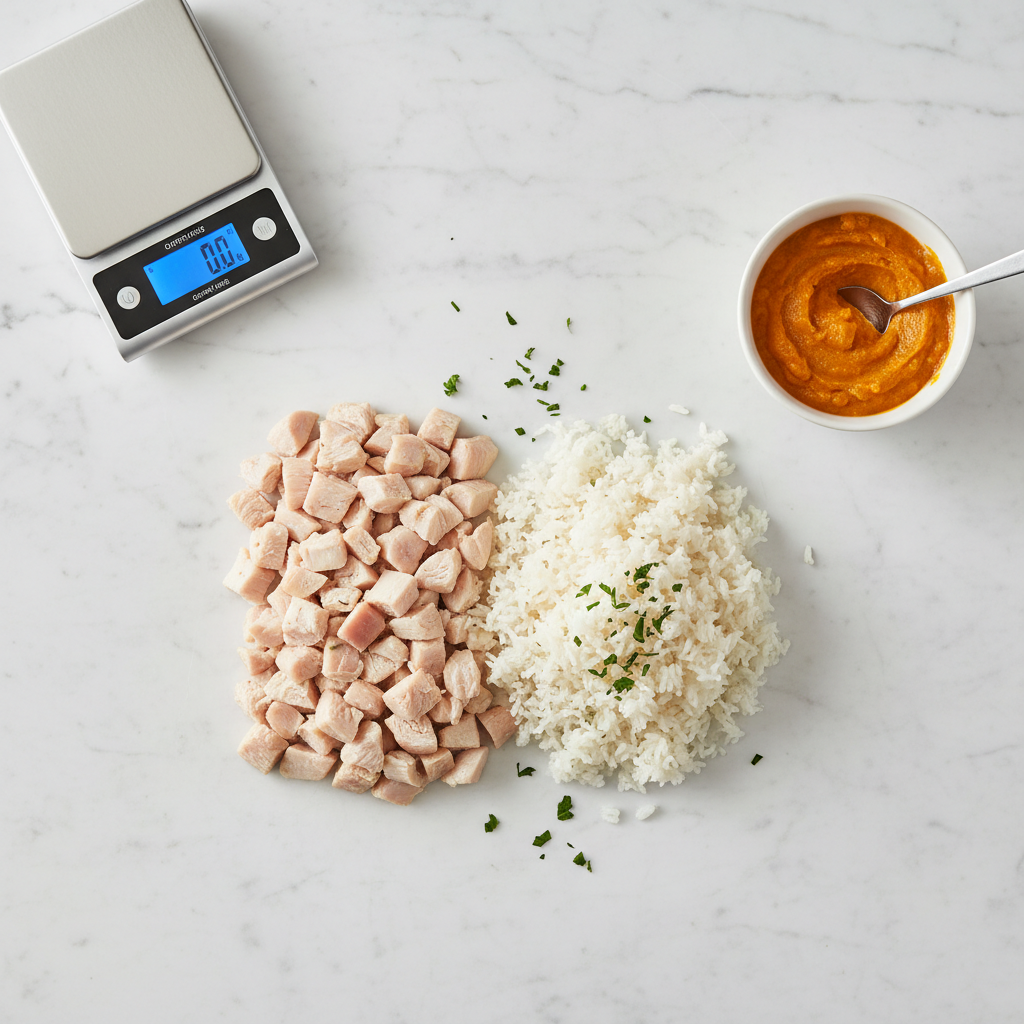
For some owners, preparing their dog’s food at home offers the ultimate control over every single ingredient. However, this path is fraught with risk if not executed perfectly. A homemade diet for a dog with pancreatitis must be low in fat AND nutritionally complete.
CRITICAL SAFETY DISCLAIMER: Do not attempt to feed a homemade diet without direct guidance from a board-certified veterinary nutritionist or your primary veterinarian. An unbalanced diet can lead to severe nutritional deficiencies and other health problems. This recipe is a basic template for discussion with your vet, not a standalone prescription.
Real Cost Breakdown: DIY vs. Prescription Kibble
Many assume homemade is cheaper. Let’s run the numbers for a 50lb dog, comparing a premium prescription diet to a basic homemade recipe.
| Item | Prescription Diet (Monthly Cost) | DIY Diet (Monthly Cost) |
|---|---|---|
| Base Food | ~ $120 (40lb bag) | ~ $90 (Chicken Breast, Rice, Pumpkin) |
| Required Supplements | $0 (Included) | ~ $40 (e.g., Balance IT or similar) |
| Total Monthly Cost | ~ $120 | ~ $130 |
As you can see, when you factor in the non-negotiable cost of a balancing supplement, the DIY route is often not cheaper. The true benefit is ingredient control, not cost savings.
The Foundational Low-Fat Recipe Template
This is a starting point for a conversation with your vet. They will adjust ratios based on your dog’s specific caloric needs and health status.
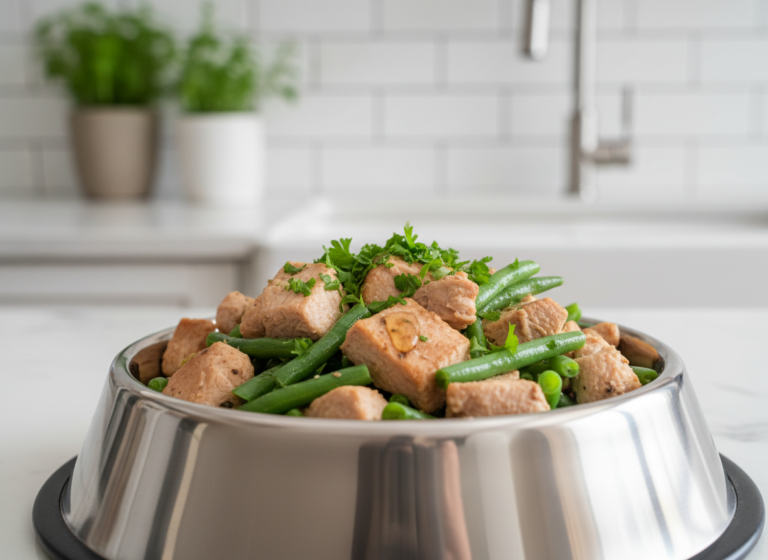
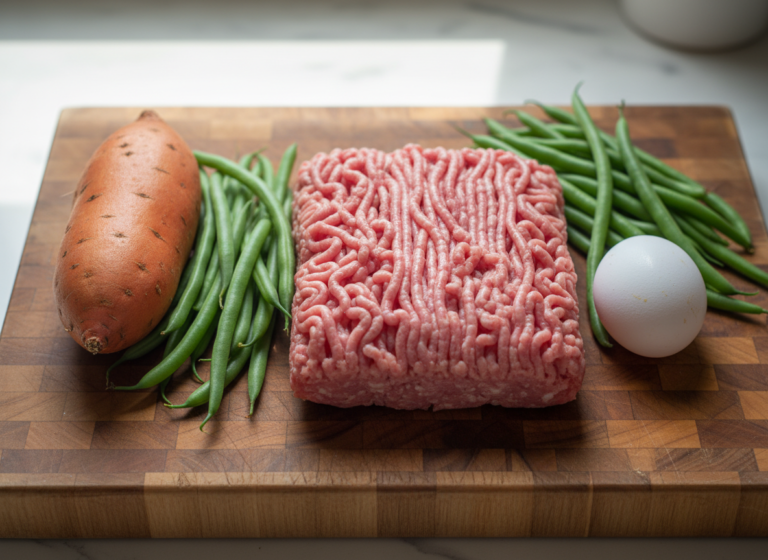
- Lean Protein (50% of meal): Boiled, skinless, boneless chicken breast is the gold standard. Other options include 99% lean ground turkey, cod, or cottage cheese (low-fat). The meat should be boiled or steamed, and all fat drained away.
- Digestible Carbohydrate (50% of meal): Plain, boiled white rice is the most common choice as it’s exceptionally easy to digest. Cooked sweet potato or plain boiled pasta can also be used.
- Fiber/Veggies (Optional Add-in): A tablespoon of plain, canned pumpkin (not pie filling) or a few steamed green beans can add fiber to support digestion.
- The Critical Component: You MUST add a veterinary-approved supplement mix designed for homemade diets. Brands like Balance IT or Just Food For Dogs have products that will provide the essential vitamins, minerals, and amino acids (like taurine) that are missing from these simple ingredients.
Insider Secret: A digital food scale is your best friend. Guessing portion sizes is a recipe for disaster. Precise measurements are key to keeping fat levels consistent and managing your dog’s weight. Cook in large batches on the weekend, weigh out daily portions, and freeze them in individual containers for a week’s worth of safe, easy meals.
Beyond the Bowl: Essential Lifestyle Hacks for Pancreatitis Management

Managing pancreatitis extends far beyond the main food bowl. Your entire approach to feeding, treating, and daily life needs to be re-evaluated to create a safe environment for your dog.
The Zero-Tolerance Policy on Table Scraps
This is the most important rule. One well-meaning mistake can land your dog in the emergency room. Your dog is now on a strict, medical diet. All family members and guests must understand that there are no exceptions. The dog cannot have: a lick of butter, a piece of fat trimmed from a steak, a fallen piece of cheese, or anything else that is not their approved food. Secure your trash cans and be vigilant about dropped food.
The Great Treat Investigation
The treat aisle is a minefield. Assume every commercial treat is too high in fat until proven otherwise. You must become a forensic investigator of treat labels, using the Dry Matter Basis calculation we discussed earlier. Many products marketed as “healthy” or “natural” can contain over 20% fat.
Hacker-Approved Low-Fat Treats:
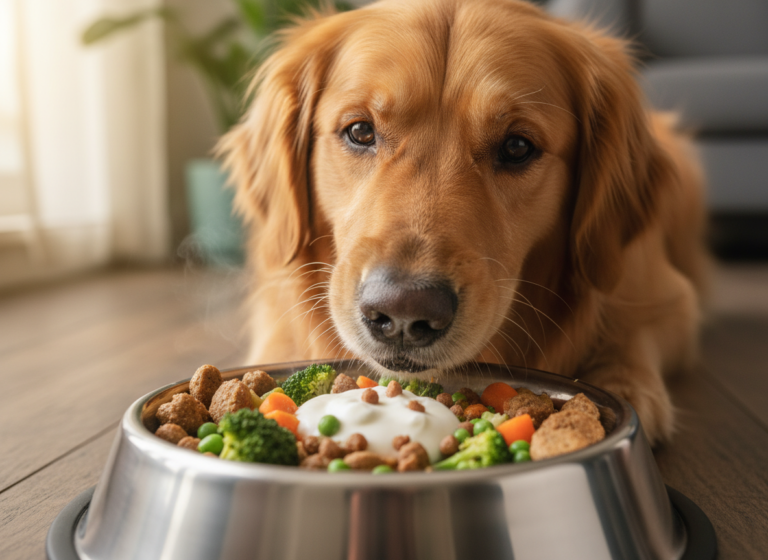
- Vegetables: Baby carrots, green beans, broccoli florets, and celery sticks are excellent, crunchy, low-calorie options.
- Fruits (in moderation): Small pieces of apple (no core or seeds), banana, or blueberries are generally safe.
- Commercial Options: Look for treats specifically labeled “low fat.” Brands like Lean Treats or Charlee Bear treats are often vet-recommended. Always double-check the fat percentage.
- DIY Treats: You can bake or dehydrate small pieces of the same lean protein you use in their food, like chicken breast.
Meal Frequency and Portion Control
Feeding one or two large meals a day forces the pancreas to release a large volume of enzymes all at once. This can put unnecessary strain on the organ. It’s far better to divide your dog’s total daily food allowance into three or four smaller meals spread throughout the day. This provides a steady, low level of stimulation to the pancreas, which is much easier for it to handle.
Hacker Tip: Read the ingredient list on your dog’s medications or supplements. Some liquid medicines or chewable pills are formulated with high-fat, palatable flavorings to make them appealing. Ask your vet or pharmacist about the fat content to ensure a daily medication isn’t inadvertently sabotaging your diet plan.
Conclusion
A pancreatitis diagnosis is a serious call to action, but it is not a hopeless situation. It marks the moment you transition from a standard pet owner to a highly informed nutritional advocate for your dog. Your success hinges on three core principles: strict fat limitation, absolute consistency, and a strong partnership with your veterinarian. By learning to decode labels, understanding the science behind the diet, and securing your dog’s environment from high-fat dangers, you can profoundly impact their quality of life. You have the power to minimize painful flare-ups and provide your companion with happy, comfortable years ahead. This isn’t just about changing their food; it’s about fundamentally changing your approach to their nutritional wellbeing. Your dog’s health is in your hands. You have the knowledge. Now go be their hero.