Anti-Yeast Diet for Dogs: Foods to Fight Fungal Infections
That smell. The incessant scratching. The greasy coat and angry, inflamed ears. If you’re a pet owner battling chronic yeast infections in your dog, you know this frustrating cycle all too well. You’ve tried the shampoos, the medications, the vet visits, yet the problem always returns. Why? Because you’re often only treating the symptoms, not the source. The real battleground is your dog’s food bowl.
I’m The Canine Nutrition Hacker. I don’t just read the front of the bag; I dissect the ingredient panel. I see past the fancy marketing to what’s actually fueling your dog. And the truth is, many popular dog foods are the equivalent of fast food for yeast, packed with the very sugars and starches that allow fungal populations to explode. This guide isn’t about temporary fixes. It’s about a strategic dietary overhaul to starve the yeast and reclaim your dog’s comfort and health. We will dismantle the problem, identify the enemy ingredients, and build an arsenal of nutritional weapons to win this fight for good.
MEDICAL DISCLAIMER: I am a canine nutrition analyst, not a veterinarian. The information in this article is for educational purposes only. A persistent yeast infection requires a proper diagnosis from a licensed veterinarian to rule out other underlying conditions. Always consult your vet before making significant changes to your dog’s diet, especially if they have pre-existing health issues.
The Enemy Unmasked: How Your Dog’s Diet Feeds Fungal Overgrowth
To defeat an enemy, you must first understand it. The primary culprit in canine yeast infections is a fungus called Malassezia pachydermatis. It’s a normal resident on your dog’s skin and in their ears and gut. In a healthy dog, its population is kept in check by a robust immune system and a balanced internal environment. The problem arises when conditions allow it to multiply uncontrollably, leading to dermatitis, otitis (ear infections), and systemic issues.
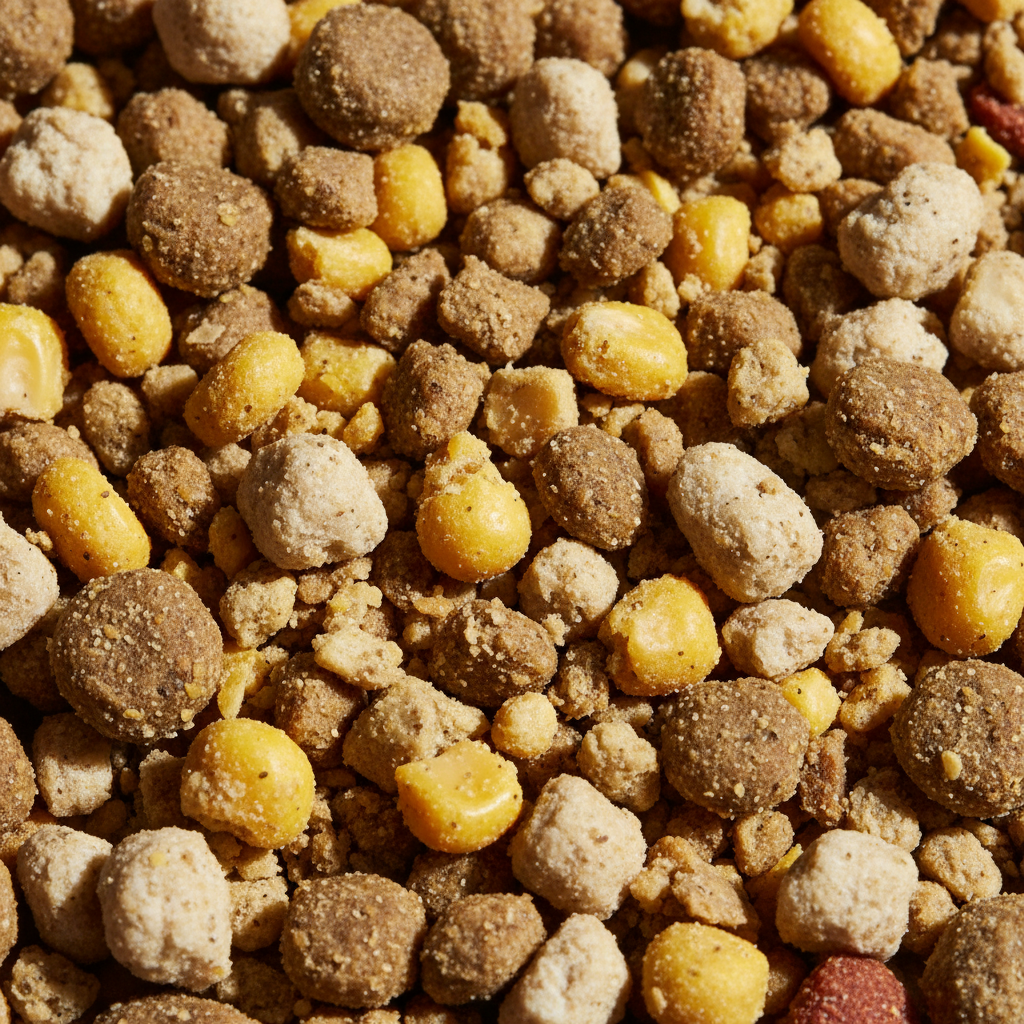
The number one fuel source for yeast is sugar. And sugar in your dog’s diet isn’t just candy and treats. It’s hidden in plain sight in the form of high-starch carbohydrates that the body breaks down into glucose. This is where most commercial dog foods fail spectacularly.
The Primary Fuel Sources for Yeast:
- High-Glycemic Carbohydrates: These are the worst offenders. They are rapidly digested and cause a quick spike in blood sugar, providing an all-you-can-eat buffet for yeast. Ingredients like corn, wheat, white rice, and potato are prime examples. Many so-called ‘premium’ foods are loaded with them because they are cheap fillers.
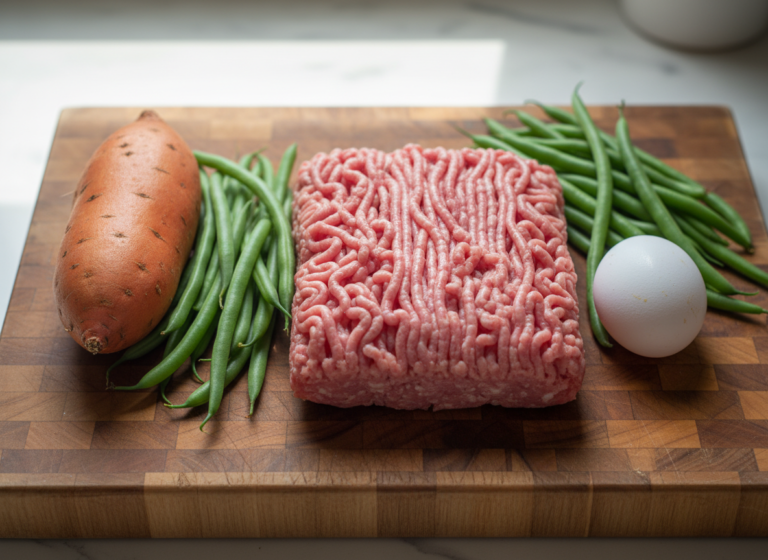
- Starchy Vegetables and Legumes: Even ‘healthy’ grain-free foods can be problematic. Ingredients like sweet potatoes, peas, chickpeas, and lentils are still high in starch. While better than corn, a dog with a severe yeast issue may need these drastically reduced or eliminated.
- Hidden Sugars: Manufacturers often add sweeteners to make food more palatable. Look for ingredients like molasses, corn syrup, fructose, or honey on the label. These are direct fuel for yeast and have no place in a therapeutic diet.
- Certain Fruits: While rich in antioxidants, fruits are also high in natural sugars. During an active yeast battle, high-sugar fruits like bananas, mangoes, and even apples should be avoided.
Hacker Tip: The ingredient list is your intelligence report. Ingredients are listed by weight. If you see corn, potato, or pea starch in the first five ingredients, that food is likely a high-carb formula that will perpetuate the yeast cycle. Don’t be fooled by ‘grain-free’ marketing; focus on the actual starch content.
Building the Anti-Yeast Arsenal: Hero Ingredients to Reclaim Gut Health
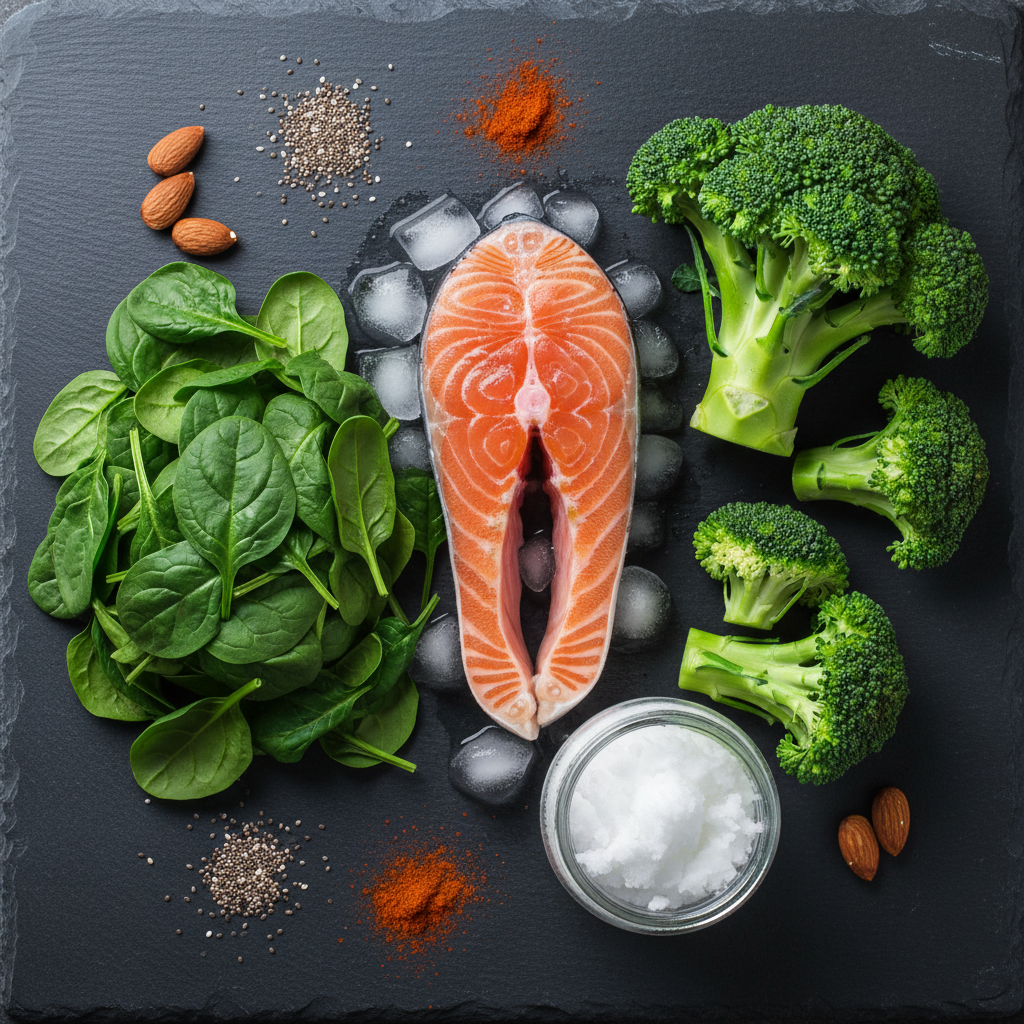
Now that we’ve identified the enemy, let’s arm ourselves with the right nutritional weapons. The goal of an anti-yeast diet is twofold: starve the existing yeast population and support the dog’s immune system and gut microbiome to prevent future overgrowth. This means focusing on high-quality protein, healthy fats, and low-starch, high-fiber vegetables.
Core Components of the Anti-Yeast Diet:
- High-Quality Animal Protein: Protein should be the cornerstone of the diet. Focus on lean meats like turkey, beef, chicken, and fish. For dogs with common protein allergies (which can exacerbate inflammation), consider novel proteins like rabbit, duck, or venison. Protein provides essential amino acids for immune function without feeding the yeast.
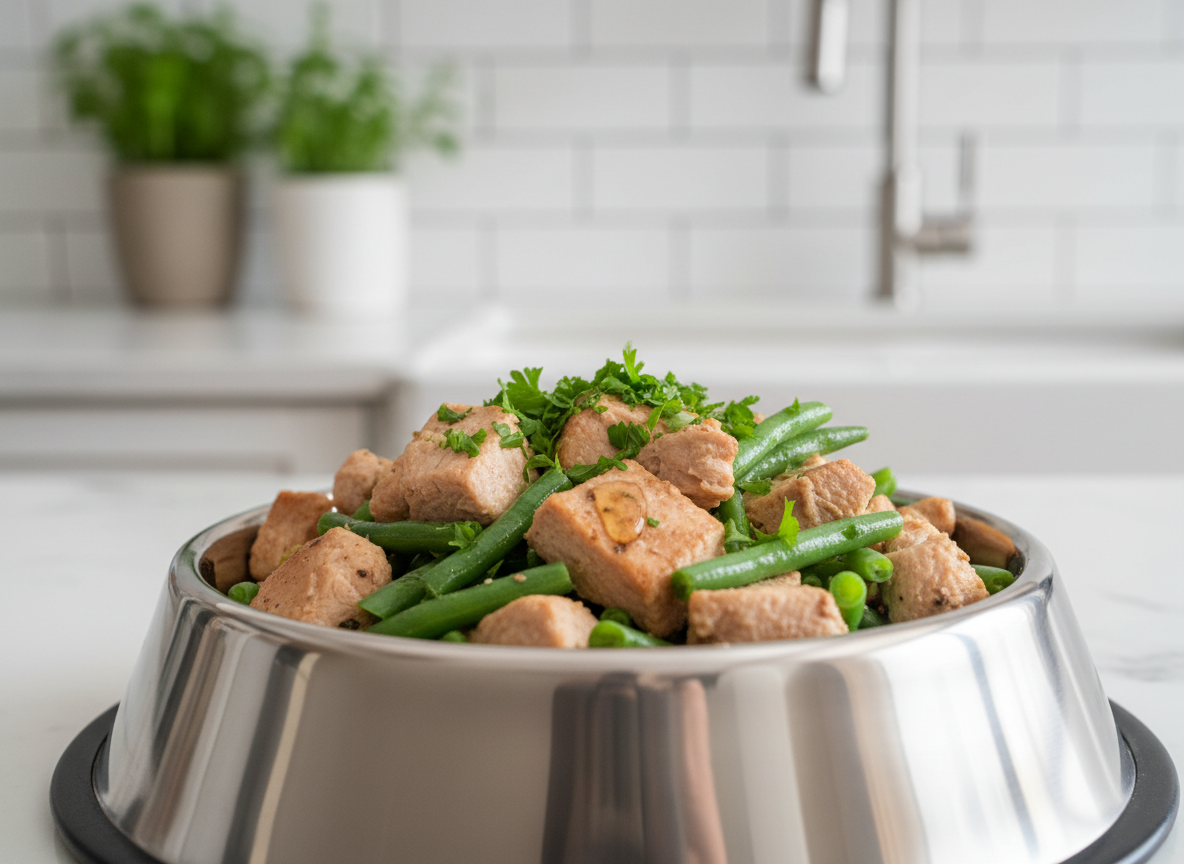
- Low-Starch Vegetables: These provide essential vitamins, minerals, and fiber without the sugar payload. Excellent choices include: leafy greens (spinach, kale), broccoli, cauliflower, green beans, and zucchini. These should make up the bulk of the carbohydrate content in the diet.
- Beneficial Fats and Oils: Healthy fats are crucial for skin health and reducing inflammation. The star player here is Coconut Oil. It contains caprylic acid and lauric acid, which have been shown to have natural anti-fungal properties that can directly damage the cell wall of yeast organisms. Other beneficial oils include omega-3-rich fish oil or flaxseed oil.
- Natural Anti-Fungals (with Vet Approval): Certain additions can provide an extra boost. Apple Cider Vinegar (raw, unpasteurized) can help create a less hospitable environment for yeast when used topically (diluted) or in small amounts in food. Herbs like oregano oil and Pau D’Arco have powerful anti-fungal properties but must be used under veterinary supervision due to their potency.
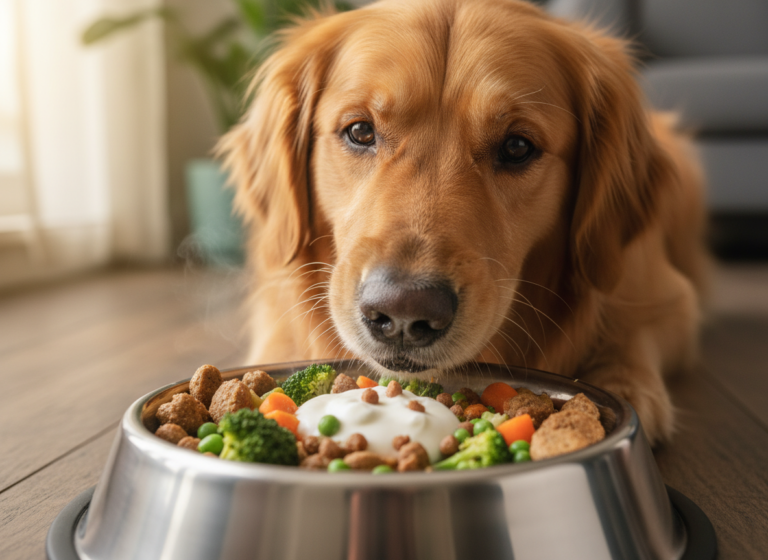
Insider Secret: Fermented foods can be a game-changer. A small amount of plain kefir or plain yogurt (with no added sugar) can introduce beneficial probiotics to the gut, helping the ‘good’ bacteria outcompete the yeast for resources. Start with a very small amount to ensure your dog tolerates it well.
The Forensic Label Review: Selecting a Commercial Anti-Yeast Food
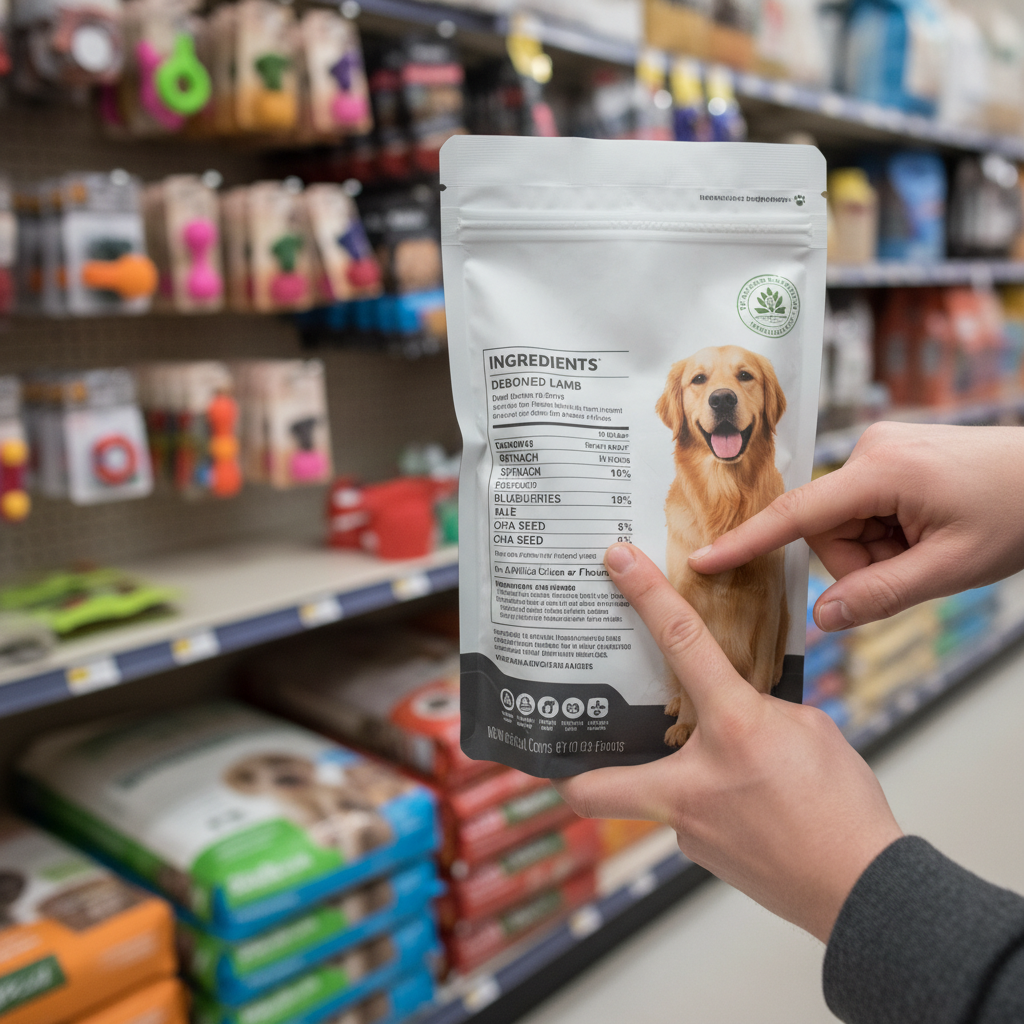
Navigating the pet food aisle is a minefield. Brands use clever marketing to hide subpar ingredients. Your job as The Canine Nutrition Hacker is to ignore the flashy packaging and go straight to the guaranteed analysis and ingredient list. For an anti-yeast diet, you are looking for a food that is high in protein, moderate in fat, and extremely low in carbohydrates (ideally under 25% on a dry matter basis).
How to Analyze a Dog Food Label for Yeast:
- Check the First 5 Ingredients: They should be named animal proteins (e.g., ‘Deboned Chicken’, ‘Beef Meal’). If you see a carbohydrate like ‘potatoes’ or ‘peas’ as the first or second ingredient, put the bag down.
- Calculate the Carbohydrate Content: The percentage of carbohydrates isn’t required on the label, but you can estimate it. Find the percentages for Protein, Fat, Moisture, and Ash (if not listed, estimate ash at 7%). Add them together and subtract from 100. The result is your estimated carb percentage. (100 – %Protein – %Fat – %Moisture – %Ash = %Carbs). Aim for the lowest number possible.
- Scan for Hidden Sugars: Read the entire list. Look for molasses, syrups, or even fruit purees that can add unnecessary sugar.
Let’s compare the common food types you’ll encounter:
| Food Type | Typical Carb Source | Protein Quality | Yeast-Fighting Potential | Verdict |
|---|---|---|---|---|
| Standard Grain-Free Kibble | Sweet Potato, Peas, Lentils | Variable (often includes plant protein) | Low to Moderate | Often a trap. Marketed as healthy, but the high starch content from legumes and potatoes can still be a major yeast trigger. Proceed with caution. |
| Limited Ingredient Diet (LID) | Often a single carb like potato or pea | Good (focused on novel proteins) | Moderate | Excellent for ruling out protein allergies that contribute to inflammation, but you must select an LID with a genuinely low-glycemic carb source, which is rare. |
| Air-Dried / Dehydrated Food | Often no grains or starchy vegetables | Excellent (less processed) | High | A strong choice. These foods are minimally processed and often have very low carbohydrate content. They are expensive but effective. |
| Raw / Fresh Food Service | Leafy Greens, Non-starchy veg | Excellent (bioavailable) | Very High | The gold standard for an anti-yeast diet. These diets are inherently low in the starches and sugars that yeast craves. This offers the most control over ingredients. |
The Safe Chef Guide: A DIY Anti-Yeast Meal Foundation
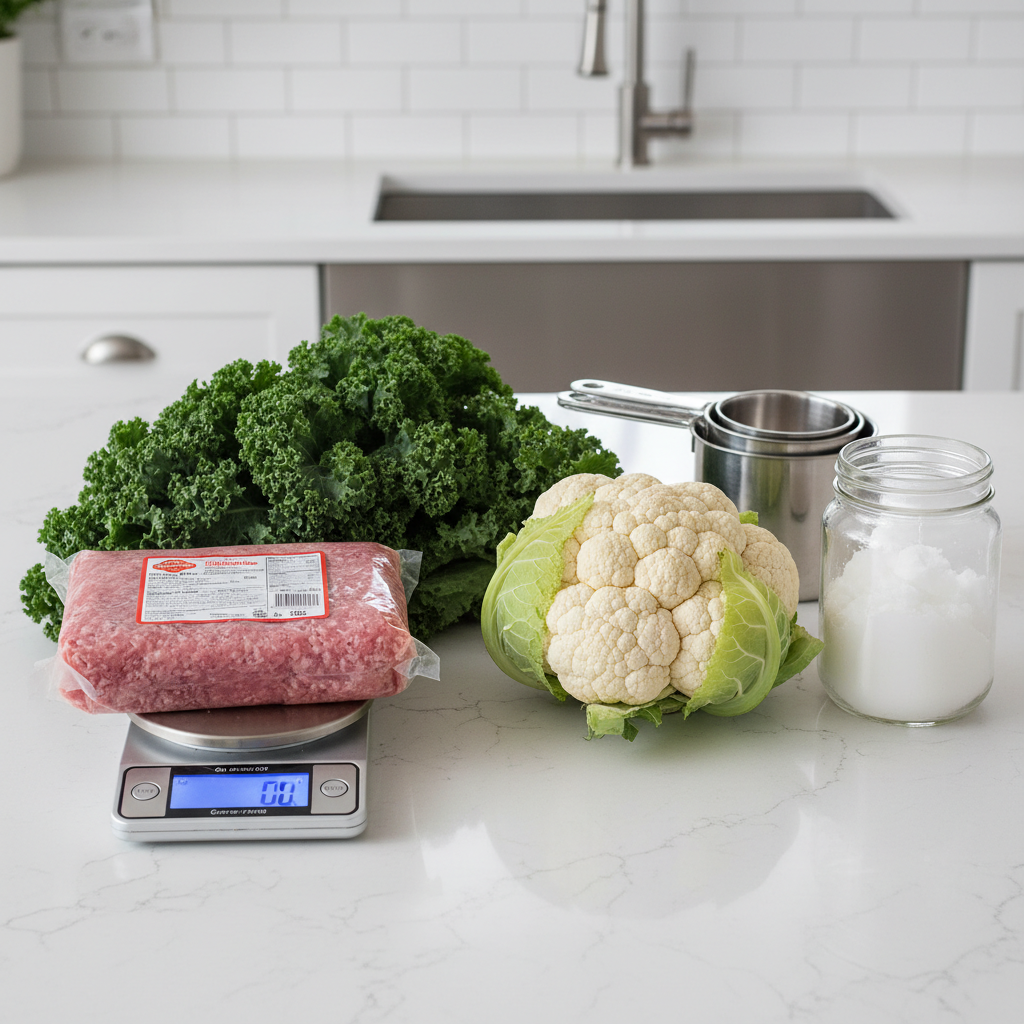
For the ultimate control over what goes into your dog, nothing beats a carefully formulated homemade diet. This approach allows you to completely eliminate yeast-feeding ingredients. However, it requires diligence to ensure the diet is balanced and meets all of your dog’s nutritional needs.
CRITICAL SAFETY DISCLAIMER: You cannot simply feed your dog meat and vegetables. A long-term homemade diet requires proper supplementation to provide essential vitamins and minerals (especially calcium) that would otherwise be missing. Failure to do so can lead to serious health problems. Work with a veterinarian or a board-certified veterinary nutritionist to create a complete and balanced recipe.
The Foundational Anti-Yeast DIY Ratio:
A good starting point for a DIY anti-yeast diet is a ratio that prioritizes protein and minimizes carbohydrates. A general guideline is:
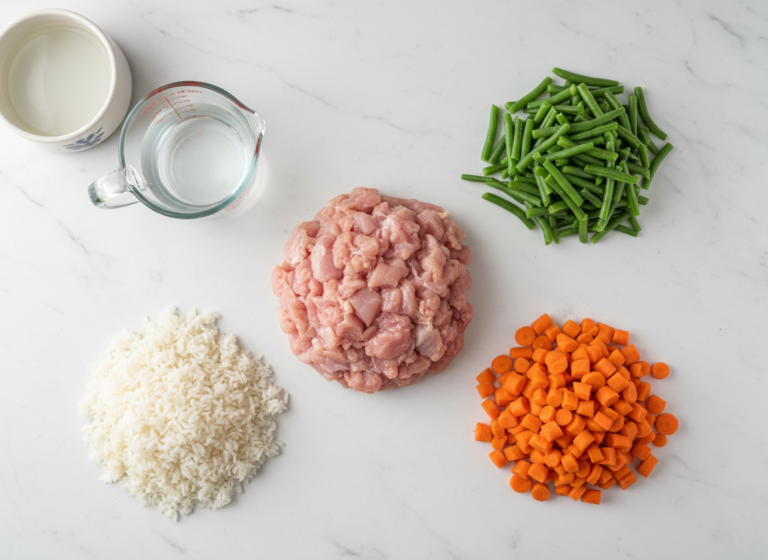
- 60-70% High-Quality Animal Protein: Ground turkey, beef (90/10 or leaner), chicken, or fish. Should be lightly cooked.
- 20-30% Low-Starch Vegetables: Finely chopped or pureed for better digestion. Think zucchini, cauliflower, broccoli, and leafy greens.
- 5% Beneficial Extras: This includes healthy fats like coconut oil and organ meats (liver, heart), which are nutrient-dense. A small amount of liver (no more than 5% of the total diet) is excellent.
- Essential Supplements: A high-quality vitamin/mineral supplement designed for homemade dog food is non-negotiable. This will provide calcium, phosphorus, zinc, vitamin D, and other micronutrients.
Sample Batch Recipe (for a 50lb dog, approx. 2 days’ worth):
- Cook 2 lbs of ground turkey until no longer pink. Drain excess fat.
- Steam and then puree 1 lb of mixed low-starch vegetables (e.g., a mix of green beans, zucchini, and a small amount of spinach).
- In a large bowl, combine the cooked turkey and vegetable puree.
- Stir in 2 tablespoons of virgin coconut oil.
- Add 2 oz of cooked beef liver, finely chopped.
- Once the mixture has cooled to room temperature, mix in the daily required dose of your chosen vitamin/mineral supplement according to its package directions.
Batch Cooking & Storage Tip: This process can be time-consuming. Triple the recipe and portion the finished food into individual meal-sized containers or freezer bags. It can be stored in the refrigerator for up to 3 days or frozen for up to 3 months. Thaw in the refrigerator overnight before serving.
Conclusion
Combating chronic yeast infections in your dog is a marathon, not a sprint. It requires a fundamental shift in how you view their food bowl—from a source of basic calories to a powerful tool for healing. The core principle is simple: starve the yeast, nourish the dog. By ruthlessly eliminating high-starch fillers and hidden sugars, and by building a diet rich in high-quality proteins, healthy fats, and low-glycemic vegetables, you can fundamentally change your dog’s internal environment to one where yeast cannot thrive.
Whether you choose a meticulously selected commercial food or embark on a balanced DIY diet, consistency is key. Read every label, question every ingredient, and become your dog’s staunchest nutritional advocate. Remember to implement these changes gradually and always in partnership with your veterinarian, who can provide a proper diagnosis and ensure your dog’s overall health is managed. You have the power to break the cycle of itching and inflammation. The path to a healthier, more comfortable life for your dog starts now, and it starts in the kitchen.