What to Feed a Female Dog Who Won’t Eat During Her Heat Cycle
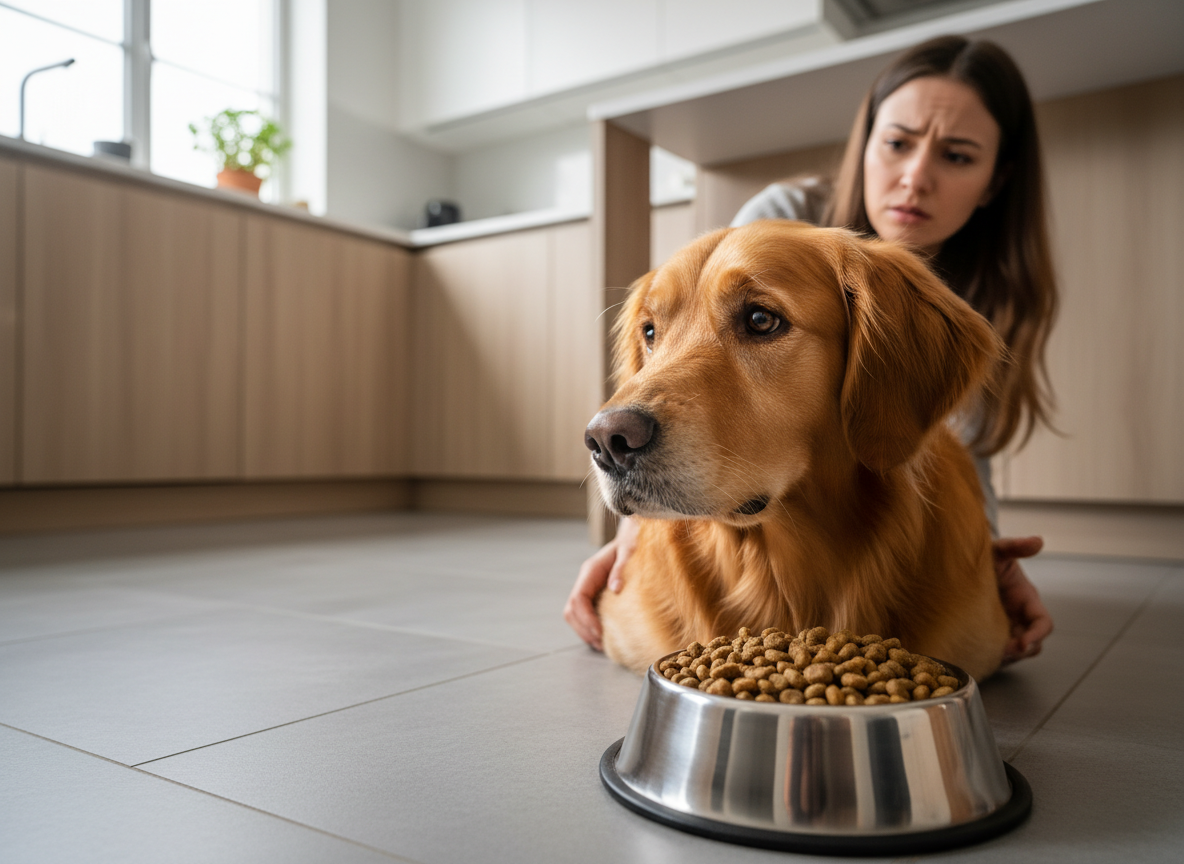
The scenario is unnervingly common: your normally ravenous female dog suddenly turns her nose up at her food. She’s pacing, she’s anxious, and her meal sits untouched. If this coincides with her heat cycle, you’re not alone. This frustrating period of inappetence is a biological reality driven by a powerful cocktail of hormones. Many owners resort to pleading, trying every treat in the pantry, and worrying incessantly. But worry doesn’t solve the problem—strategy does.
As the Canine Nutrition Hacker, I’m here to cut through the generic advice. We’re not just going to ‘try’ things; we’re going to deploy targeted nutritional tactics based on understanding the ‘why’ behind her hunger strike. This is about providing high-value, nutrient-dense, and irresistible options that work with her body’s current state, not against it. Forget the guesswork. It’s time to approach this problem with the precision of a nutritionist and the street-smarts of an experienced owner.
MEDICAL DISCLAIMER: This guide provides nutritional strategies for managing common appetite loss during a normal heat cycle. It is not a substitute for professional veterinary advice. If your dog refuses all food for more than 48 hours, displays signs of lethargy, vomiting, or has a foul-smelling discharge, contact your veterinarian immediately as it could indicate a serious condition like pyometra.
The Science Behind the Snub: Why Her Hormones Are in Control
Before we can hack the solution, we must first deconstruct the problem. Your dog isn’t being ‘picky’ or ‘stubborn’ in the way a toddler is. Her behavior is a direct result of significant physiological changes. Understanding this is the first step to removing emotion and implementing an effective plan.
The Hormonal Takeover
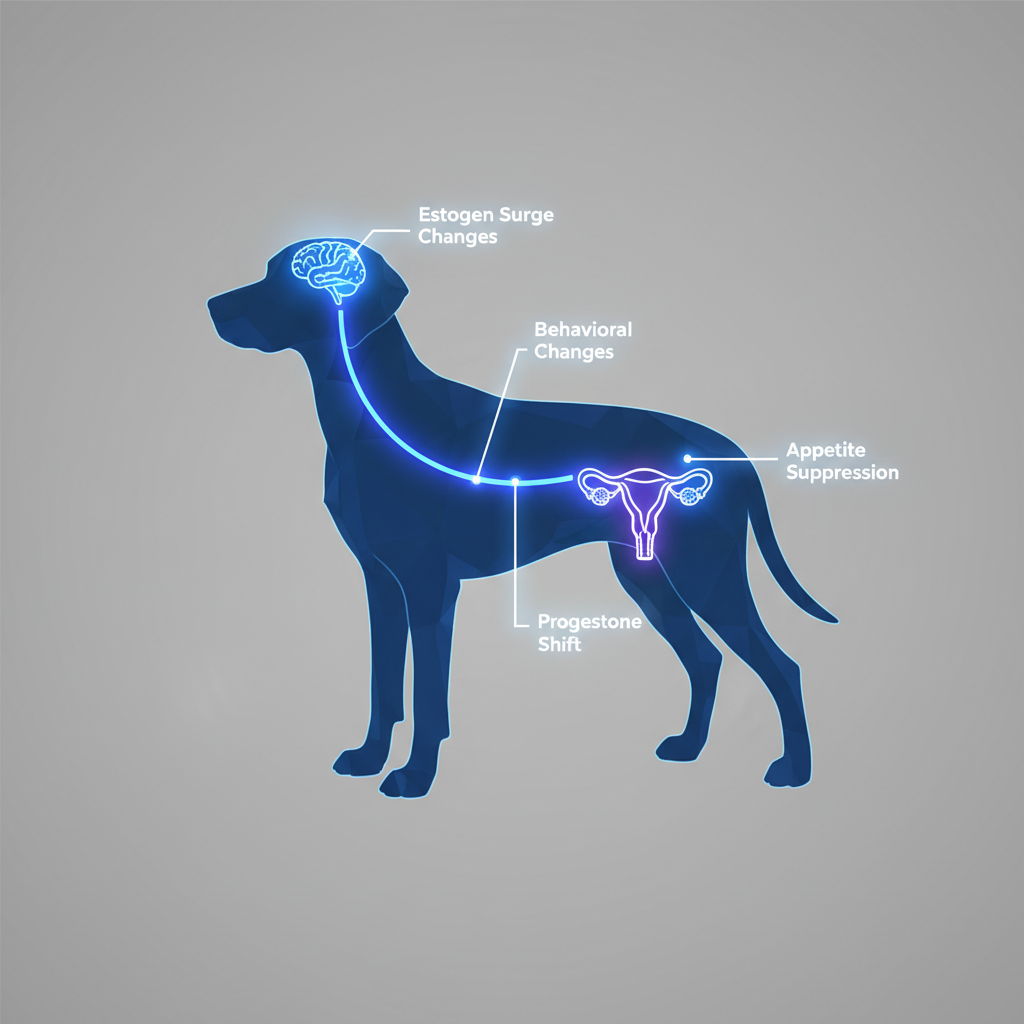
A dog’s heat cycle, or estrus, is governed by two primary hormones: estrogen and progesterone. During proestrus (the initial stage with swelling and discharge), estrogen levels rise dramatically. This surge is responsible for the physical changes and the initial behavioral shifts. As she moves into estrus (the fertile period), estrogen falls and progesterone begins to rise. This hormonal rollercoaster has profound effects:
- Nausea and Discomfort: Just like in humans, hormonal shifts can cause feelings of nausea or general malaise. Her body is also preparing for a potential pregnancy, which can come with physical discomfort akin to cramping. Eating a large, heavy meal is the last thing she wants to do when she feels bloated or crampy.
- Psychological Distraction: Her biological imperative is screaming at her to find a mate. Her senses are heightened, she’s more alert to her surroundings, and her focus is external, not on her food bowl. This primal distraction is a powerful appetite suppressant.
- Changes in Scent and Taste: While not definitively proven, it’s highly plausible that the same hormonal changes that alter her own scent to attract males may also subtly alter her perception of the smell and taste of her food, making it less appealing.
Insider Secret: Watch for the subtle cues. A dog who is simply distracted by her cycle might still accept a high-value treat by hand, but won’t focus on a full meal. A dog in physical discomfort may arch her back slightly, seem reluctant to lie down comfortably, or repeatedly lick her abdomen. Differentiating between distraction and discomfort can help you tailor your approach.
Nutritional Triage: Identifying Enemy vs. Hero Ingredients
During the heat cycle, your dog’s digestive system is under stress. This is not the time to challenge it with hard-to-digest, low-value foods. Our mission is to reduce her body’s workload while maximizing nutrient intake. This requires a forensic look at what’s in her bowl.
Enemy Ingredients to Avoid During Estrus
These are foods and ingredients that can exacerbate the problem, either by being unappealing, hard to digest, or potentially inflammatory.
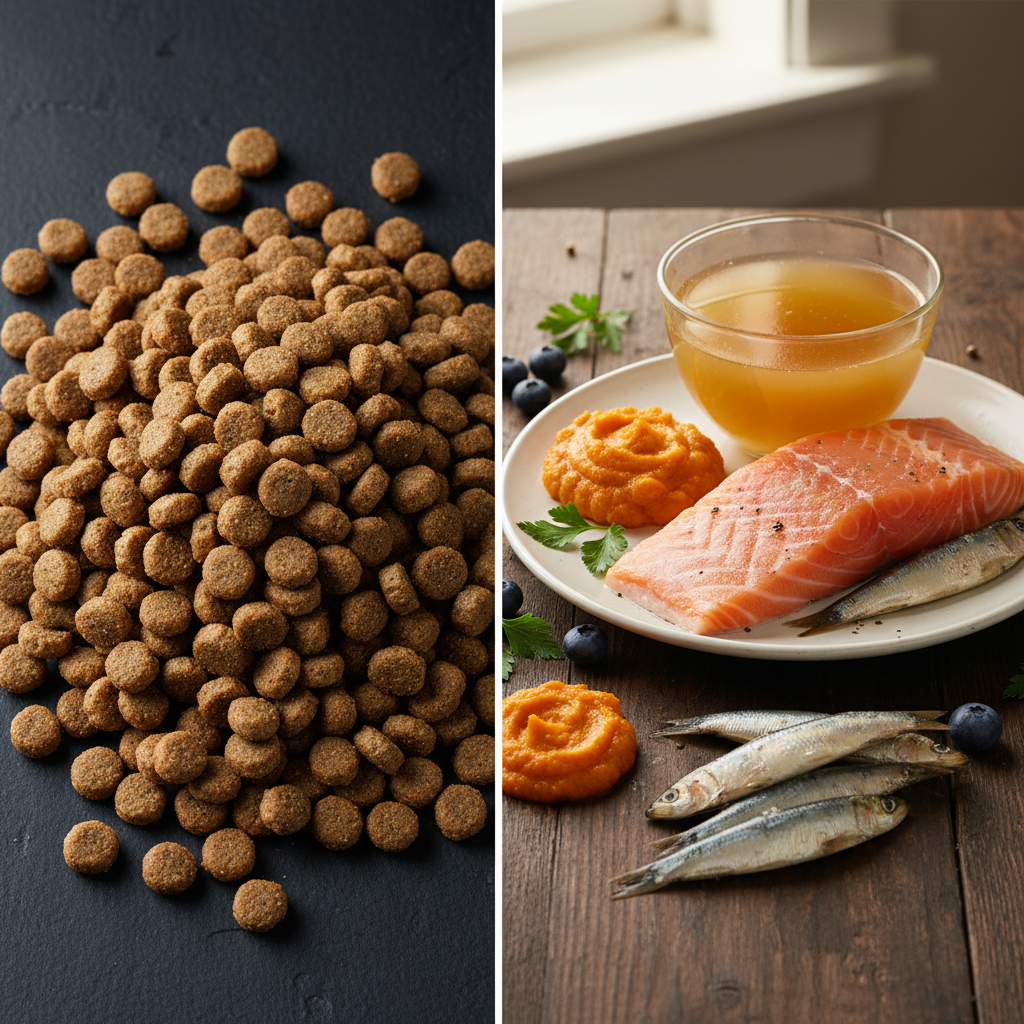
- Dry, Rendered Kibble: A bowl of hard, dry pellets is often the first thing to be rejected. It requires significant digestive effort and lacks the enticing aroma needed to overcome her hormonal distraction.
- High-Carb Fillers: Ingredients like corn, wheat, and soy are staples in low-quality foods. They offer minimal nutritional value and can contribute to bloating and digestive sluggishness. Check your ingredient label; if these are in the top 5, you’re fighting an uphill battle.
- Common Protein Allergens: Even if your dog isn’t fully allergic, proteins like chicken and beef are the most common culprits for low-grade sensitivities. Her immune system is already taxed; now is not the time to add potential inflammatory stressors.
- Artificial Additives: Avoid foods with artificial colors, flavors, and preservatives like BHA or BHT. A stressed system doesn’t need an additional chemical load to process.
Hero Ingredients to Deploy
These are your secret weapons. They are highly palatable, easily digestible, and packed with the nutrients she needs in a concentrated form.
- Moisture-Rich Proteins: Think boiled chicken (if tolerated), lean ground turkey, scrambled eggs, or whitefish like cod. Cooking these proteins makes them easier to digest and their aroma is far more enticing than dry kibble.
- Omega-3 Powerhouses: Sardines packed in water (no salt) are a nutrition hacker’s top tool. They are loaded with anti-inflammatory omega-3 fatty acids, are incredibly smelly (in a good way for dogs), and offer a novel, high-value taste. Salmon oil drizzled over food is another excellent option.
- Soothing Binders: A tablespoon of plain, canned pumpkin puree (not pie filling) provides soluble fiber that can soothe an upset stomach. It helps with both constipation and loose stools, regulating a system in flux.
- Warm Bone Broth: This is perhaps the single most effective tool. A high-quality bone broth (no onions or high sodium) poured over her existing food warms it up, dramatically enhances the aroma, and provides crucial hydration and collagen.
The Canine Nutrition Hacker’s Playbook: 5 Strategies to Beat the Hunger Strike
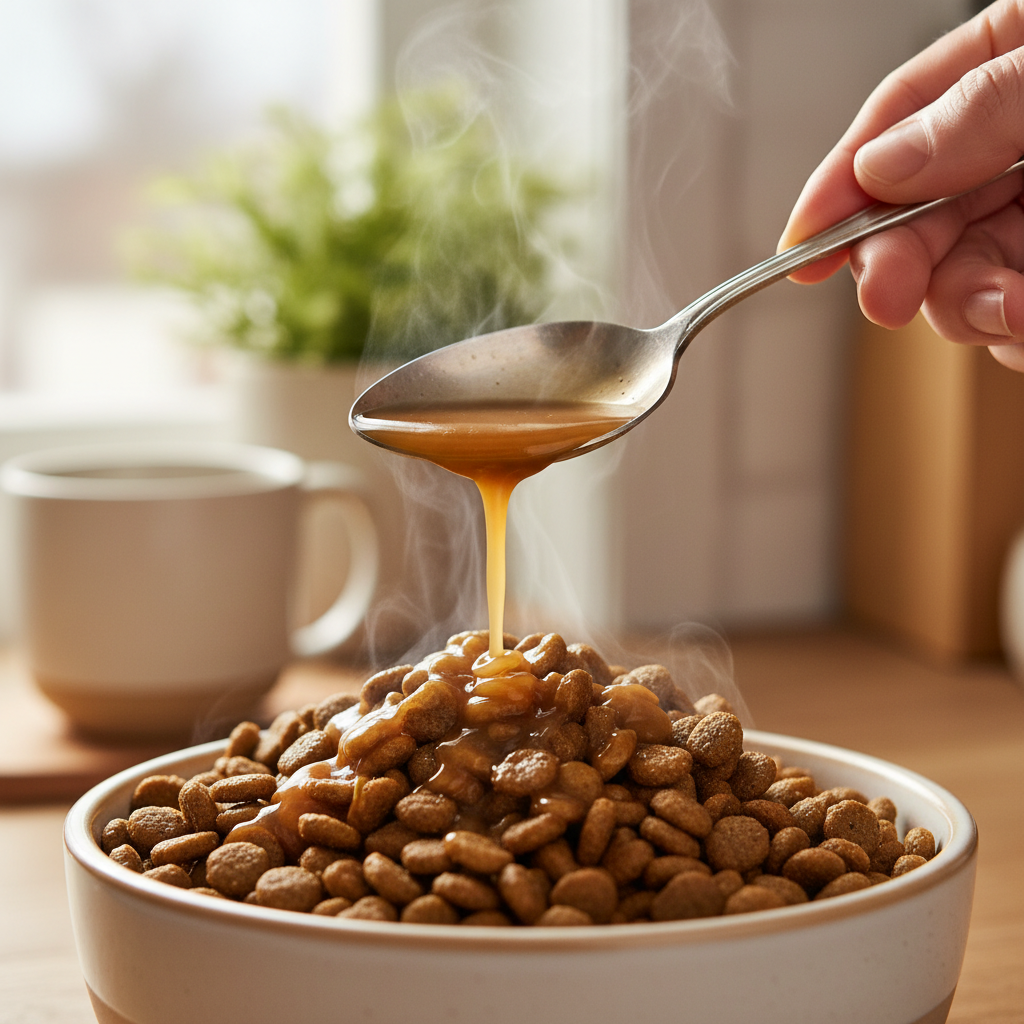
Armed with the right ingredients, it’s time to deploy the right strategies. Simply plopping new food in her bowl might not be enough. You need to change the presentation and psychology of mealtime.
- The ‘Top-Dressing’ Gambit: The simplest and most effective first step. Don’t replace her entire meal, which can cause digestive upset. Instead, ‘top-dress’ her regular kibble with a high-value hero ingredient. A splash of warm bone broth, a spoonful of pumpkin, or a mashed-up sardine mixed in can transform a boring meal into an irresistible one.
- The Thermal Enhancement Technique: A dog’s sense of smell is their primary driver for appetite. Cold food straight from the fridge has a muted aroma. By simply adding a few tablespoons of hot water or broth to her food and letting it sit for a minute, you amplify the scent exponentially. This simple trick costs nothing and is remarkably effective.
- The Micro-Meal Protocol: A large, intimidating meal can be overwhelming to a dog with a suppressed appetite. Instead of two large meals, switch to four or five small ‘micro-meals’ throughout the day. A few spoonfuls at a time is far less daunting and keeps her blood sugar stable.
- The Manual Override (Hand-Feeding): This strategy hacks into her pack instinct and bond with you. Sometimes, the comfort and intimacy of being fed by hand is enough to get her started. Offer a few pieces of kibble or cooked turkey from your hand. Often, after eating a few pieces this way, she will gain enough momentum to finish the rest from her bowl.
- The Engagement Distraction: Turn feeding into a low-effort game. Smear some canned food, pumpkin, or plain Greek yogurt onto a lick mat. The act of licking is inherently calming for dogs and can stimulate appetite by getting saliva production going. This bypasses the ‘it’s a formal meal’ pressure and turns it into a rewarding activity.
Hacker Tip: For the most stubborn cases, pan-fry a tiny piece of beef or chicken liver in a little coconut oil. The smell is intoxicating to nearly all dogs. You don’t even have to feed her the liver. Just hold the fragrant piece over her food bowl to ‘scent’ her normal meal. This olfactory trick can often be the catalyst that convinces her to take that first bite.
The DIY Emergency Fix: A Simple ‘Estrus Gruel’ Recipe
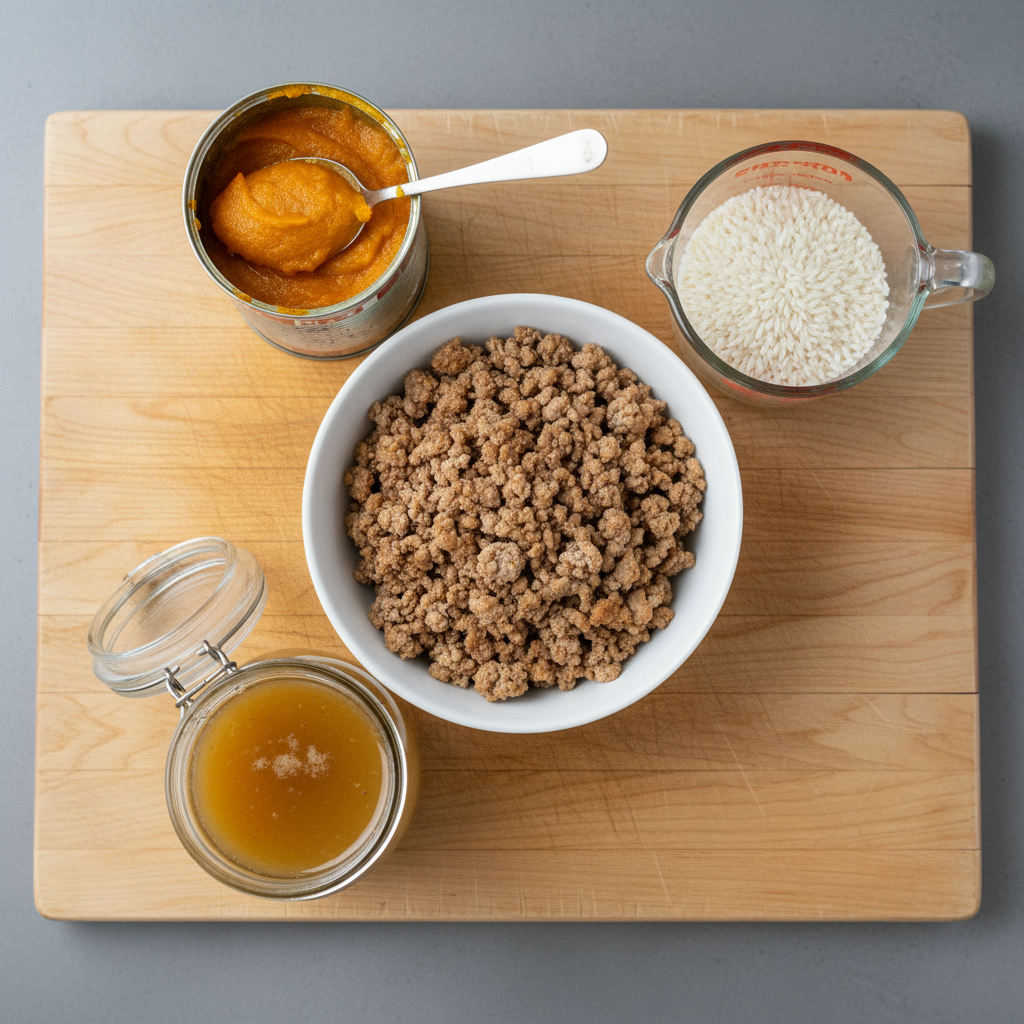
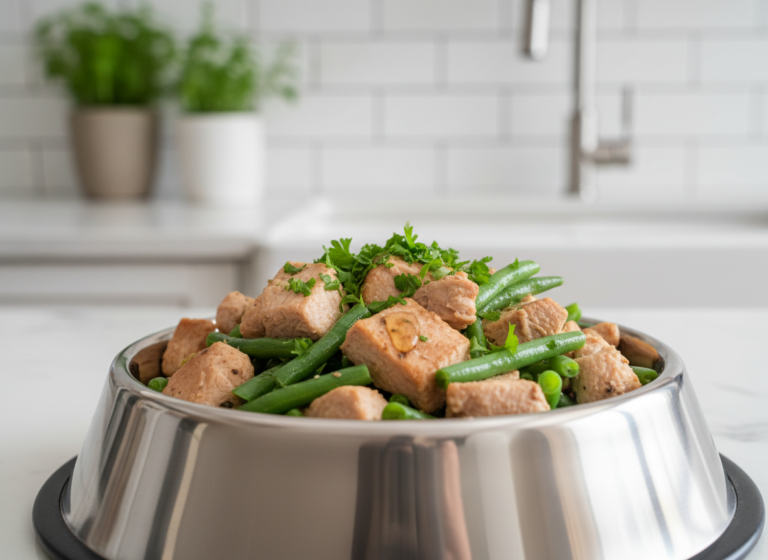
When kibble and toppers fail, a temporary, home-prepped meal can be a lifesaver. This recipe is designed for maximum palatability and digestibility. It is a nutritional bandage, not a long-term diet.
SAFETY DISCLAIMER: This is a temporary meal topper or replacement, not a long-term balanced diet. It lacks essential vitamins and minerals, like calcium and taurine, required for prolonged health. Use for 2-3 days at most and always consult your veterinarian about dietary changes.
Recipe: High-Palatability Gruel
- 1 part lean ground protein (turkey, chicken, or whitefish), boiled or steamed and drained
- 1 part easily digestible carbohydrate (cooked white rice or plain cooked sweet potato)
- 1/4 part plain canned pumpkin puree
- Unsalted bone broth or water to achieve a thick, gravy-like consistency
- (Optional) 1 teaspoon of salmon oil or coconut oil for healthy fats
Instructions:
- Cook your protein and carbohydrate sources thoroughly.
- In a bowl, combine the cooked protein, carb, and pumpkin puree.
- Mash everything together with a fork.
- Slowly stir in warm bone broth or water until you reach your desired consistency. It should be moist and easy to eat, almost like a thick stew or gruel.
- Serve warm.
Cost & Storage Breakdown
This DIY approach can be surprisingly cost-effective compared to premium wet foods, especially when you’re just trying to get through a tough week.
| Item | Approximate Cost (DIY Batch) | Equivalent Premium Canned Food (7 days) | Verdict |
|---|---|---|---|
| DIY ‘Estrus Gruel’ (7-day supply for 50lb dog) | $15 – $20 (depending on protein choice) | $25 – $40 | DIY offers significant savings and full control over ingredients. |
Batch Cooking Tip: Prepare a large batch of this gruel and portion it into an ice cube tray. Freeze the cubes, then transfer them to a freezer bag. This allows you to quickly thaw one or two ‘cubes’ for a perfect micro-meal without any waste.
Red Flags: When Inappetence Signals a Deeper Problem

While a decreased appetite is normal during estrus, it is absolutely critical to distinguish it from symptoms of a serious medical emergency. Pyometra, a severe infection of the uterus, is a life-threatening condition that can occur in unspayed female dogs, often in the weeks following a heat cycle. Its initial signs can mimic a normal cycle’s malaise. Your vigilance is your dog’s best defense.
Contact Your Veterinarian Immediately If You Observe:
- Complete Anorexia > 48 Hours: A reduced appetite is one thing. A complete refusal of all food, even the highest-value treats and water, for two consecutive days is a major red flag.
- Extreme Lethargy: Not just quiet or sleepy, but genuine weakness, unwillingness to get up, or collapsing.
- Vomiting or Persistent Diarrhea: A single episode might not be alarming, but repeated vomiting or diarrhea requires immediate medical attention.
- Excessive Water Consumption and Urination: Increased thirst (polydipsia) is a classic sign of pyometra as the body tries to flush the infection’s toxins.
- Foul-Smelling, Colored Vaginal Discharge: While some bloody discharge is normal during heat, a pus-like discharge (often yellowish, green, or brown) that may have a foul odor is a hallmark sign of pyometra.
- A Distended Abdomen: A swollen, bloated, or painful belly can indicate the uterus is filling with fluid.
Do not wait. Pyometra is a medical emergency that often requires immediate surgery. Being a proactive, informed owner is the most important role you can play in your dog’s health.
Conclusion
Navigating your dog’s heat cycle is a masterclass in attentive pet ownership. The temporary hunger strike, while stressful, is a predictable biological event that you can manage with the right strategy. By shifting your focus from forcing her to eat her normal food to enticing her with nutrient-dense, easily digestible, and aromatic ‘hero’ ingredients, you meet her where she is. Remember the core principles from the hacker’s playbook: enhance with toppers, use warmth to amplify scent, offer smaller and more frequent meals, and know when to deploy a temporary DIY fix.
Most importantly, balance these nutritional tactics with vigilant observation. Know the red flags that separate normal estrus behavior from a true medical emergency. By doing so, you move from a place of worry to a position of empowered, proactive care. You’re not just her owner; you’re her advocate, her chef, and her first line of defense. And now, you have the nutritional tools to get her through this challenging phase with health and vitality intact.